Best Multi-Day Fishing Trips in Alaska
Let's be real, a quick day trip to fish in Alaska, while incredible, often feels like barely scratching the surface of what this wild state has to offer. Many anglers dream of a truly immersive experience, one where they can wake up to the sound of a pristine river, spend days chasing epic fish, and unwind in remote wilderness. If you’re tired of feeling rushed and want to dive deep into Alaska’s unparalleled fishing opportunities, this comprehensive guide is for you. We’re going to explore the best multi-day fishing trips available, helping you understand your options, what to expect, and how to plan the adventure of a lifetime.
Why a Multi-Day Fishing Trip Is an Unforgettable Alaskan Experience
You’ve heard the stories, seen the photos – massive salmon, barn-door halibut, and iridescent rainbow trout. But to truly experience Alaska fishing, you often need more than just a few hours on the water. A multi-day trip allows for a profound connection with the wilderness and offers advantages that single-day excursions simply can't match. It's about more than just catching fish; it's about the journey, the sustained effort, and the deep satisfaction of an extended adventure in one of the world's last true wild frontiers.
Deeper Immersion and Remote Access
One of the biggest drawcards of a multi-day trip is the ability to get away from the crowds and truly immerse yourself in the Alaskan wilderness. Imagine waking up to the sounds of wildlife, far from any paved road, with nothing but miles of pristine rivers or ocean stretching before you. These extended trips often involve fly-in access to incredibly remote areas that are otherwise unreachable. This means you’re not just fishing; you’re living the Alaskan dream, surrounded by untouched beauty.
Think about the incredible angling opportunities that open up when you can access places like the interior rivers of Bristol Bay or the remote fjords of Southeast Alaska. Day trips, by their very nature, are limited to locations accessible by road or short boat rides from population centers. Multi-day adventures, however, can transport you to private waters, secluded bays, and rivers teeming with fish that rarely see a lure. This deeper immersion allows for a more authentic and often more productive fishing experience, free from the pressure of shared public access points.
Targeting Multiple Species and Locations
Alaska is home to an incredible diversity of fish species, each with its own season, habitat, and preferred fishing methods. Trying to target a King Salmon in one river and then chase Halibut in the ocean, all within a single day, is practically impossible. Multi-day trips provide the luxury of time, allowing you to tailor your itinerary to pursue several different species across various ecosystems.
For instance, you might spend a couple of days on a river system like the Kenai River for its legendary salmon runs, then transfer to a saltwater charter out of Seward to try your hand at massive halibut or lingcod. Or perhaps you want to experience the thrill of a How to Catch King Salmon in Alaska on one day, and switch to dry fly fishing for wild rainbow trout the next. This flexibility is a huge advantage, letting you experience the full breadth of Alaska’s aquatic bounty. A well-planned multi-day trip can even allow you to hit different phases of the Alaska Salmon Run Timing Explained as you move between regions or dates, significantly increasing your chances of success and providing a truly diverse angling portfolio.
Types of Multi-Day Fishing Trips in Alaska
When considering a multi-day fishing trip to Alaska, you’ll find a spectrum of options, ranging from luxurious, all-inclusive lodges to rugged, remote wilderness camps. Each offers a unique style of adventure, catering to different preferences for comfort, remoteness, and fishing focus. Understanding these differences is key to choosing the trip that's right for you.
All-Inclusive Fishing Lodges
For many, the quintessential multi-day Alaska fishing trip involves an all-inclusive lodge. These operations are often located in prime fishing areas, sometimes in incredibly remote spots requiring a bush plane flight to reach. They provide a seamless experience: comfortable accommodations, gourmet meals, professional guides, top-notch gear, and often, in-house fish processing. You literally show up, and everything is handled.
Many of these lodges are scattered across Alaska’s prime fishing zones. For example, lodges in the Bristol Bay region offer unparalleled access to robust Sockeye Salmon runs and world-class rainbow trout fishing. Others, particularly in Southeast Alaska near Sitka or Ketchikan, specialize in saltwater adventures for salmon, halibut, and various rockfish, often offering a combination of guided ocean fishing and calmer freshwater options. The beauty of these lodges is the peace of mind they offer. You don't have to worry about cooking, cleaning, or navigating; your focus remains entirely on fishing and enjoying the stunning surroundings. They typically cater to specific fishing styles, too. Some might be fly-fishing focused, while others offer a mix of conventional gear.
Liveaboard Fishing Charters
If your heart is set on ocean fishing and exploring Alaska’s vast coastline, a liveaboard charter might be your perfect match. These trips involve staying directly on a well-equipped vessel, allowing you to move between different fishing grounds, explore remote coves, and chase migratory fish without returning to shore each night. Liveaboards are particularly popular for targeting halibut, various salmon species, rockfish, and lingcod in the expansive waters of the Gulf of Alaska and the Inside Passage.
A liveaboard adventure typically lasts anywhere from three to seven days, sometimes even longer. You’ll anchor in picturesque bays, often with stunning views of glaciers and wildlife, and then head out each day to fish. The flexibility of a liveaboard means your captain can chase the bite, moving to where the fish are most active, rather than being limited to a single port's range. This can be especially productive for species like halibut, which might require moving to different depths or current breaks. Imagine a morning spent jigging for halibut off the coast near Homer, followed by an afternoon trolling for Silver Salmon, all before settling into a peaceful anchorage for the night. This truly maximizes your time on the water.
Remote Wilderness Camps
For the adventurous angler seeking a more rustic and authentic experience, remote wilderness camps offer a profound connection to Alaska's wild heart. These aren't your typical lodges; they might be tent camps, basic cabins, or even more primitive setups accessed exclusively by floatplane or helicopter deep in the wilderness. The focus here is less on luxury and more on the raw, unfiltered fishing experience.
These camps are often situated on pristine, unpressured waters, providing access to incredible fishing opportunities for species like trophy rainbow trout, Arctic grayling, or specific salmon runs that few others ever see. While some remote camps might offer basic guiding services, many are designed for a more independent angler, perhaps with a guide for safety and local knowledge, but giving you the freedom to explore. If you’re dreaming of a true "fly-in fishing" experience, far from civilization, where the wildlife outnumbers people and the fishing is as wild as the landscape, a remote wilderness camp could be your ideal choice. Be prepared for less creature comforts but an abundance of unparalleled natural beauty and solitude.
Guided "DIY" Trips with Local Support
Not everyone wants a fully white-glove lodge experience or a completely self-sufficient wilderness expedition. A fantastic middle-ground option is a guided "DIY" trip, where you get the benefit of local expertise and support without the full cost or rigid structure of a top-tier lodge. These setups usually involve renting private cabins or small guesthouses in fishing hotspots, with local outfitters providing transportation, daily guiding services, gear rentals, and valuable intel on where and how to fish.
For instance, you might rent a cabin in Soldotna on the Kenai Peninsula. An outfitter could provide a drift boat and guide for a couple of days on the Kenai River for sockeye, then drop you off at a productive bank fishing spot with advice for the next day, or arrange a halibut charter out of Seward. This approach offers significant flexibility, allowing you to mix guided days with self-guided exploration, and it can be a more budget-friendly way to experience a multi-day trip. It's perfect for anglers who enjoy a certain level of independence but still value the safety net and local knowledge that a good guide provides. This option allows you to combine various experiences, from focused guided days to more relaxed self-paced fishing, all while having comfortable lodging to return to each evening.
Key Factors to Consider When Planning Your Multi-Day Alaska Fishing Trip
Planning a multi-day fishing trip to Alaska is a big undertaking, and there are several crucial factors that need careful consideration to ensure your adventure is everything you dreamed of. From the specific fish you want to target to how much you're willing to spend, each decision will shape your experience.
Choosing Your Target Species and Season
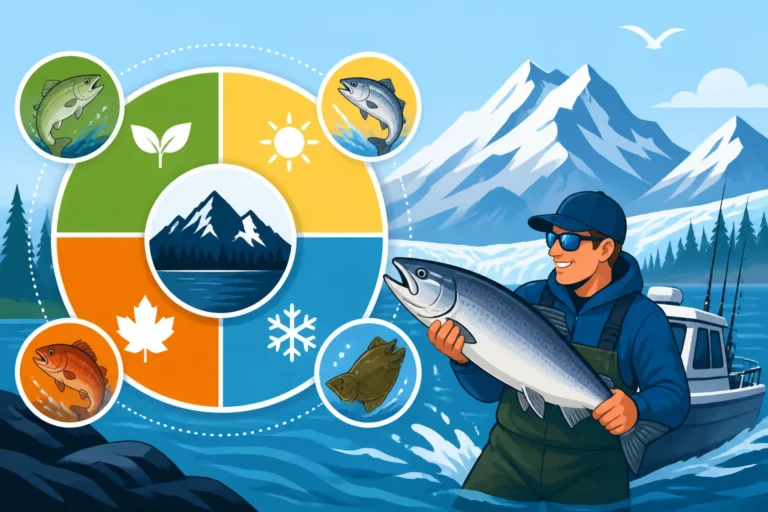
Alaska fishing is highly seasonal, and the species you want to target will largely dictate when you should plan your trip and where you should go. For example, if landing a massive King Salmon is your priority, you'll generally be looking at late May through July. If it's the sheer volume of Sockeye Salmon you're after, mid-June through late July is prime time on many rivers. Halibut fishing typically peaks from May through September. Understanding the Alaska Fishing Seasons: Month-by-Month Guide and the specific runs is absolutely critical.
- King Salmon: Early summer (late May – early July) is prime for Kings, often found in rivers like the Kenai, Kasilof, or Deshka.
- Sockeye Salmon: Mid-summer (late June – late July) brings massive sockeye runs, especially legendary on the Kenai and Russian Rivers.
- Silver (Coho) Salmon: Late summer to early fall (August – September) is excellent for feisty Silvers.
- Halibut: Good all summer, with some of the biggest "barn doors" caught in the shoulders of the season (May, September), often out of Homer or Seward.
- Rainbow Trout/Steelhead/Grayling: Freshwater trout fishing is fantastic throughout the summer and into the fall, especially after salmon eggs are in the water.
A careful look at when specific fish are active in different areas will prevent disappointment and ensure you're there for the action you crave.
Selecting the Right Region
Alaska is vast, and its fishing regions are incredibly diverse. Your chosen species and desired trip style will narrow down your options significantly.
- Southcentral Alaska (Kenai Peninsula, Cook Inlet): This is the most accessible region by road system and offers a phenomenal mix of salmon rivers (Kenai, Kasilof, Russian) and saltwater charters out of towns like Homer and Seward. It's a great all-around option for a multi-day trip, easily combining river and ocean fishing. If you're looking into specific areas, checking out the Kenai River Fishing: Complete Guide or the Homer Alaska Fishing Guide can provide excellent insights.
- Southeast Alaska (Juneau, Sitka, Ketchikan): This region is characterized by thousands of islands, fjords, and a rich marine ecosystem. It's a mecca for saltwater fishing, with abundant salmon, halibut, and rockfish. Many liveaboard charters operate here, exploring remote waters. Fly-in lodges are also popular for freshwater access.
- Bristol Bay / Western Alaska: Known worldwide for its unparalleled sockeye salmon runs and trophy rainbow trout fishing. This is predominantly a fly-in lodge or remote camp destination, offering truly wild and remote experiences. If you're dreaming of an ultimate fly-out adventure, consider destinations covered in the Bristol Bay Fishing Guide.
- Interior Alaska (Fairbanks, Susitna River): Offers excellent freshwater fishing for grayling, pike, and various salmon species, often with fewer crowds.
Each region presents a different landscape, climate, and fishing culture, so match it to your personal preferences.
Budgeting for Your Adventure
Multi-day fishing trips in Alaska can vary dramatically in cost, from moderately expensive guided DIY setups to ultra-luxury fly-in lodges that can cost thousands per person, per day. It’s crucial to establish a realistic budget early on.
When considering the overall cost, think about:
- Trip Type: As discussed, lodges are generally the most expensive, followed by liveaboards, then guided DIY trips or remote camps.
- Duration: Longer trips naturally cost more.
- Inclusions: What’s covered? Are flights to the lodge included? Gear? Meals? Fish processing? Gratuities? Many lodges include most or all of these, while others operate on an à la carte basis. Don't forget the cost of your Alaska Fishing License: Complete Guide and any necessary stamps like the King Salmon Stamp.
- Airfare: Getting to Alaska itself, and then potentially on to a remote lodge via bush plane, can be a significant expense.
- Fish Processing & Shipping: Factor in the cost of having your catch filleted, vacuum-sealed, frozen, and shipped home. This is a crucial, often overlooked, expense, but it's well worth it to bring home your bounty. You can learn more about this through articles like Fish Processing After an Alaska Charter.
A good rule of thumb is to expect a multi-day, all-inclusive lodge trip to start at around $1,000-$2,000 per person per day, while guided DIY options might be closer to $500-$1000 per day (not including airfare to Alaska). Comparing specific packages and understanding all inclusions is vital.
Evaluating Guide Services and Accommodations
The quality of your guides and accommodations can make or break a multi-day trip. Researching thoroughly is paramount.
- Reputation and Experience: Look for guides and lodges with a strong track record. Check online reviews, testimonials, and fishing forums. A reputable guide will have the necessary licenses and permits. You can find many guides and charters on platforms like FishingBooker, which provides reviews and detailed information.
- Communication: A good outfitter will be responsive and transparent in their communication, answering all your questions before you book.
- Safety Protocols: Especially in remote areas, inquire about their safety procedures, emergency plans, and first aid capabilities.
- Gear and Equipment: Most multi-day trips include high-quality fishing gear, but confirm what's provided and what you might need to bring.
- Comfort Level: Be honest with yourself about the level of comfort you desire. If you need a private bathroom and daily housekeeping, a remote tent camp might not be for you.
| Trip Type | Comfort Level | Remoteness | Price Range (per day, est.) | Common Target Species | Best For |
|---|---|---|---|---|---|
| All-Inclusive Lodge | High (luxury options) | Moderate to High | $1,000 – $3,000+ | Salmon (all 5 species), Rainbow Trout, Steelhead, Halibut | Hassle-free experience, gourmet food, remote access, premium guides |
| Liveaboard Charter | Medium to High | High (coastal) | $800 – $2,000 | Halibut, King Salmon, Silver Salmon, Rockfish, Lingcod | Ocean exploration, chasing migratory fish, varied saltwater fishing |
| Remote Wilderness Camp | Low to Medium (rustic) | Very High | $600 – $1,500 | Trophy Rainbow Trout, Arctic Grayling, Sockeye Salmon | Adventurous anglers, solitude, pristine waters, true wilderness immersion |
| Guided DIY with Lodging | Medium | Moderate (road system) | $500 – $1,000 | Salmon (seasonal), Halibut (nearby), Trout | Flexible budget, mix of guided/unguided, independent anglers, local insights |
Note: Prices are estimates and can vary widely based on duration, inclusions, and season.
How to Book Your Dream Multi-Day Alaska Fishing Adventure
Once you've got a good handle on the type of trip you're looking for and the factors involved, it's time to start the actual booking process. This isn't a last-minute endeavor; the best multi-day trips, especially during peak season, book up quickly.
Researching and Comparing Options
The internet is your best friend when it comes to researching Alaska fishing trips. Start by identifying reputable lodges, charter companies, or outfitters in the regions you're interested in. Look for those specializing in the species and fishing styles you prefer. Many excellent resources exist, including the Alaska Department of Fish and Game website for regulations and forecasts, and various outdoor travel blogs.
Websites like FishingBooker are fantastic resources for comparing different charters and guides, especially for liveaboard options or guided river trips. You can filter by location, target species, amenities, and read reviews from previous clients. This platform allows you to see what different operators offer, from the size of their boats to their specific fishing techniques, making it easier to find a match for your needs. Don't be shy about checking out multiple options and getting quotes from a few different places to compare value and inclusions. Remember that the cheapest option isn't always the best, especially when it comes to an investment like an Alaskan fishing adventure.
Asking the Right Questions Before You Commit
Before you put down a deposit, have a detailed conversation with the outfitter or lodge owner. This is your opportunity to clarify everything and ensure there are no surprises.
Here’s a checklist of questions to consider:
- What’s truly included in the price? This is paramount. Does it cover flights from Anchorage to the lodge, all meals, guided fishing, gear, fish processing, and any taxes or fees? Are tips included or expected separately?
- What is the specific daily itinerary? How many hours are spent fishing? Is there flexibility for different fishing styles (e.g., fly fishing versus conventional)?
- What kind of gear is provided? Is it high-quality and well-maintained? Are waders, rain gear, and boots available if needed? Many outfitters provide gear, but confirming specifics is always wise.
- How are fishing licenses and stamps handled? Do you need to purchase them beforehand, or can the lodge assist? Ensure you understand Alaska Fishing License Age Requirements or specific needs like the Do You Need a King Salmon Stamp in Alaska.
- What is the fish processing and shipping procedure? How is your catch handled? Is it filleted, vacuum-sealed, and frozen? What are the costs and logistics for getting it home?
- What are their cancellation and refund policies? Understand these thoroughly, especially given Alaska's unpredictable weather.
- What are the group sizes, and will you be fishing with strangers? If you’re traveling solo or as a couple, this might be important for your comfort.
- What are the typical weather conditions for your dates? And what should you pack? (Hint: layers are always the answer in Alaska!)
A reputable outfitter will appreciate your thoroughness and be happy to provide clear answers. For specific questions about charter services, you can often find detailed information or reach out directly to captains through platforms like FishingBooker, which makes communication straightforward.
When to Book Your Multi-Day Trip
The best time to book your Alaska multi-day fishing trip is as early as possible. For peak seasons, especially July and August, desirable lodges and charters can be fully booked 6-12 months, or even further, in advance. Many anglers re-book their spot for the following year before they even leave!
- 12-18 Months Out: Ideal for securing prime dates, especially if you have a specific lodge, guide, or week in mind. This is crucial for popular King and Sockeye runs.
- 6-12 Months Out: Still a good window, but some top options might be limited. You’ll have more flexibility if your dates are somewhat adaptable.
- Less than 6 Months Out: You might still find openings, especially for less popular times or if you're flexible with your destination or specific species targets. However, expect fewer choices and potentially higher prices.
Booking early not only guarantees your spot but also often allows for better airfare deals to Alaska. Don't underestimate the demand for these world-class fishing adventures!
Disclaimer
Please remember that fishing regulations in Alaska can change frequently due to emergency orders from the Alaska Department of Fish and Game. Always check the most current regulations and emergency orders for your specific fishing location and dates before heading out on the water. This guide provides general information and should not be considered a substitute for official regulations.