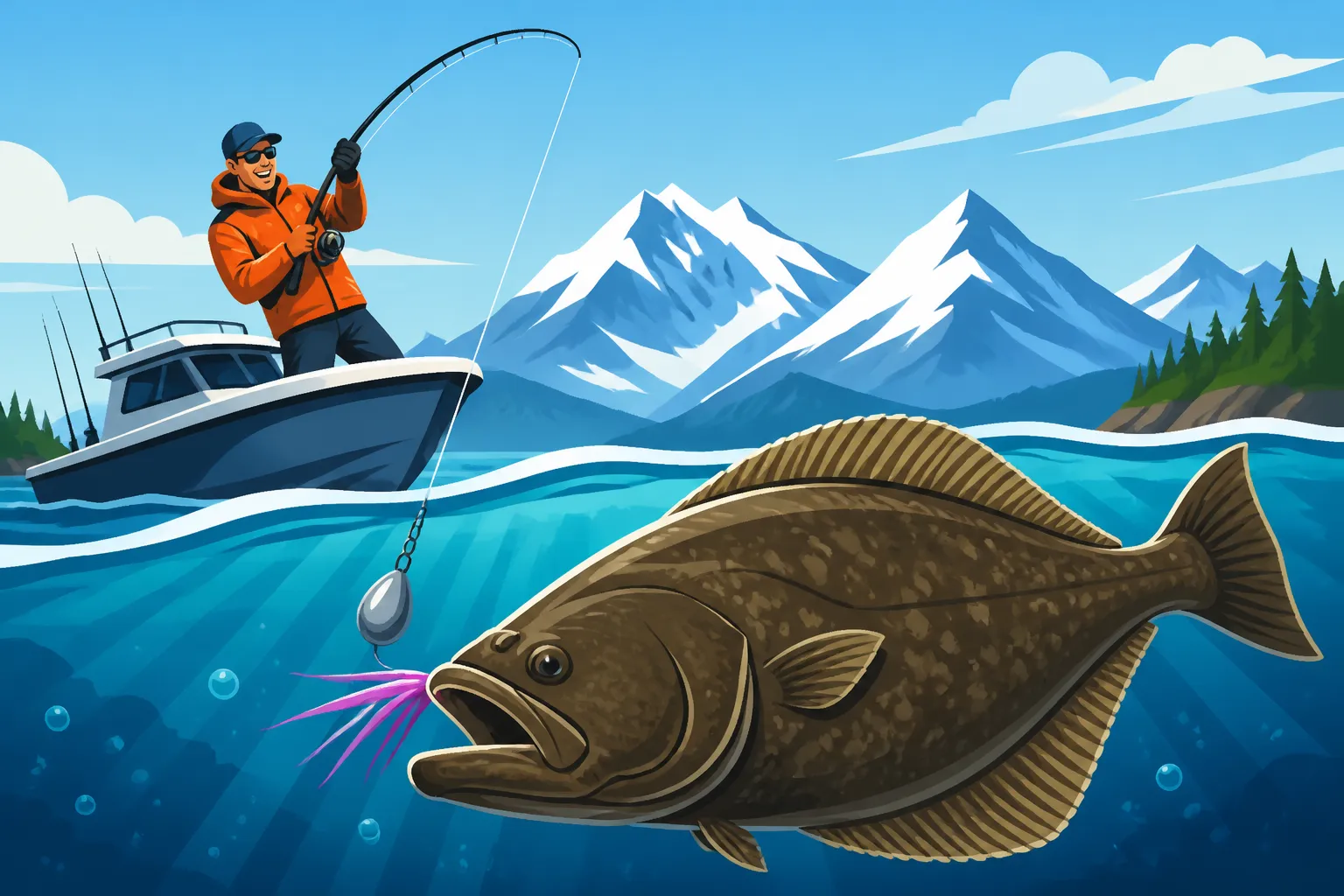
How to Catch Halibut in Alaska
There's nothing quite like the dream of battling a barn door halibut in the vast, wild waters of Alaska. Yet, for many anglers, the sheer scale of the task—from understanding the fish's elusive habits to navigating complex regulations and acquiring the right heavy-duty gear—can feel incredibly daunting. It's a unique challenge that requires specific knowledge and preparation. This comprehensive guide will demystify the art and science of catching these magnificent flatfish, giving you the confidence and practical advice needed to turn your Alaskan halibut dreams into a stunning reality.
Understanding Alaska Halibut: The Ultimate Flatfish
Halibut are one of Alaska's most iconic and sought-after game fish, renowned for their incredible size, delicious white meat, and formidable fighting spirit. But to consistently catch them, you first need to truly understand these fascinating creatures, from their unique biology to their preferred hangouts and feeding patterns. They aren't just big fish; they're perfectly adapted predators of the deep.
Halibut Biology and Behavior
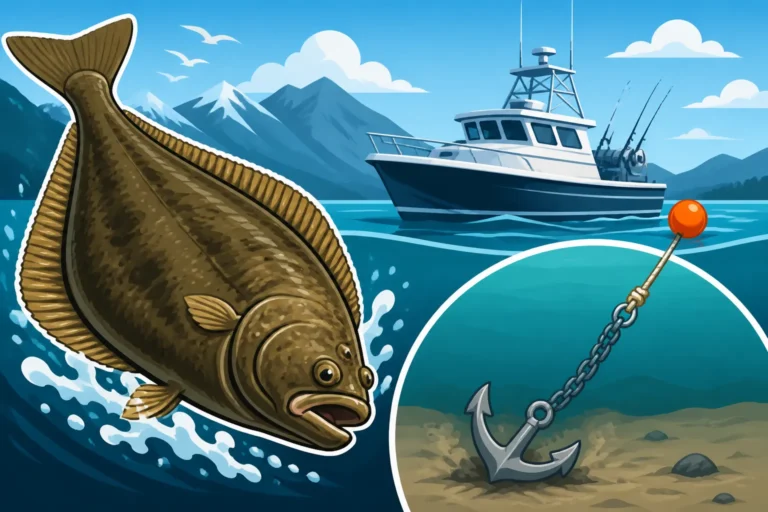
Pacific halibut (Hippoglossus stenolepis) are truly a marvel of evolution. Born like typical fish with eyes on either side of their head, they undergo a stunning metamorphosis as juveniles. One eye migrates over to the other side, and they flatten out, developing a darker, mottled top side for camouflage against the seafloor and a brilliant white underside to blend with the sky when viewed from below. This incredible adaptation allows them to lie in wait, perfectly hidden from unsuspecting prey above.
These bottom-dwelling behemoths prefer cold, deep waters, typically ranging from 100 to over 1,000 feet, though they can be found shallower. They're opportunistic predators with a voracious appetite, feeding on almost anything they can fit into their massive mouths. Their diet primarily consists of other bottom fish like cod, Pollock, and rockfish, but they also feast on crabs, clams, octopus, and even smaller halibut. Understanding their diet is key to selecting the right bait. Halibut are not stationary; they undertake significant migrations, often traveling thousands of miles between their spawning grounds in deeper offshore trenches during winter and their feeding grounds in shallower, food-rich areas during the spring and summer. This migratory behavior is why their presence in specific fishing grounds can fluctuate throughout the season. They're also incredibly long-lived, with some individuals reaching over 50 years old, growing steadily throughout their lives, making for truly massive "barn doors" that are decades in the making.
Chicken vs. Barn Door: Size Matters
In the world of Alaska halibut fishing, you'll constantly hear the terms "chicken" and "barn door." These aren't official scientific classifications, but rather informal yet universally understood designations based on size. "Chickens" refer to smaller halibut, typically in the 10 to 40-pound range. These are often preferred for their tender, flakier meat and are generally easier to handle in terms of both fighting and processing. While they might not offer the same bragging rights, a cooler full of chickens is a fantastic haul.
Then there are the "barn doors"—halibut that can weigh well over 100 pounds, with some truly gargantuan specimens tipping the scales at 200, 300, or even more. These are the giants that inspire awe and demand every ounce of an angler's strength and skill. Fighting a barn door halibut is a brutal test of endurance; they make powerful, sustained runs and often fight all the way to the surface. Landing one requires a team effort, specialized equipment, and a healthy respect for their raw power. The decision to target chickens or barn doors often depends on personal preference, fishing method, and current regulations. While everyone dreams of a barn door, remember that even a "chicken" halibut in Alaska can be a trophy by most other standards! For more on specific sizes, check out our guide on Alaska Halibut: Complete Guide.
Prime Time for Halibut: When and Where to Find Them
Successfully targeting halibut in Alaska hinges on knowing when and where to drop your lines. Alaska's vast coastline offers countless opportunities, but certain times of the year and specific locations consistently produce better results. It’s all about timing your trip with the halibut’s seasonal movements and knowing their preferred feeding grounds.
Best Season for Halibut Fishing in Alaska
The halibut fishing season in Alaska generally runs from May through September, with specific peak periods. Early season, typically May and early June, can be excellent for large "feeder" halibut moving into shallower feeding grounds after their winter spawn. The water is still cold, and these fish are often hungry and aggressive, making for some intense bites. However, weather can be a bit more unpredictable during this time, with rougher seas possible.
Mid-season, from late June through August, is widely considered the prime time for consistent halibut action. The weather is generally more stable, and the halibut have fully established themselves in their summer feeding areas. This period sees high numbers of both "chicken" and "barn door" halibut, making it popular for both guided and unguided trips. However, it's also the busiest time, so expect more competition on the water, especially in popular ports like Homer or Seward. Late season, September, can also be fantastic, often offering more stable weather than early season and fewer crowds. The halibut are still actively feeding, preparing for their winter migration. Some anglers find that the biggest fish of the year are caught in late summer and early fall as they gorge themselves. Ultimately, the "best" time often depends on your priorities: early season for potentially fewer crowds and aggressive big fish, mid-season for consistency and good weather, or late season for a more relaxed atmosphere and continued big fish potential. For a detailed breakdown of the seasons, read our article on Best Time to Catch Halibut in Alaska.
Top Halibut Hotspots in Alaska
Alaska is blessed with an abundance of incredible halibut fishing grounds, each with its own charm and challenges. The state's massive continental shelf and nutrient-rich waters provide an ideal environment for these flatfish to thrive.
Homer, Alaska: Often dubbed the "Halibut Fishing Capital of the World," Homer, located on the Kenai Peninsula, lives up to its name. The waters of Kachemak Bay and Cook Inlet are legendary for their halibut production. Charters departing from the Homer Spit regularly target deep-water banks and ledges, often just a short boat ride away. The sheer volume of halibut here is astounding, and it's a fantastic spot for both novice and experienced anglers alike. You can learn more in our Homer Alaska Fishing Guide.
Seward, Alaska: Further east on the Kenai Peninsula, Seward offers access to the rich fishing grounds of Resurrection Bay and Prince William Sound. This area is known for its dramatic scenery and productive waters, yielding not just halibut but often excellent opportunities for salmon and rockfish as well. Many anglers appreciate Seward for its diverse fishing options and stunning glaciers. Check out the Seward Alaska Fishing Guide for detailed information.
Sitka, Alaska: Located in Southeast Alaska, Sitka is another world-class destination, particularly renowned for its huge halibut. The nutrient-rich currents and deep-water structure off Sitka’s coast create prime feeding grounds for colossal flatfish. Anglers here often combine halibut trips with targeting all five species of Pacific salmon.
Kodiak Island: This rugged island in the Gulf of Alaska is less accessible but offers some truly remote and productive halibut fishing. The waters around Kodiak are wild and teeming with marine life, and while the weather can be challenging, the rewards, often in the form of massive halibut, are well worth the effort for adventurous anglers. Our Kodiak Fishing Guide provides a comprehensive overview.
Other notable hotspots include Valdez and Whittier in Prince William Sound, which are excellent for deep-water halibut, and sometimes even within Cook Inlet closer to Anchorage, though these tend to be smaller fish. The key to success in any of these locations is often targeting specific underwater structures such as ledges, drop-offs, pinnacles, and channels where halibut ambush their prey. These areas concentrate baitfish, which in turn attract the halibut. Local knowledge, often gained through experienced charter captains, is invaluable for pinpointing these productive honey holes. For a broader look at where to find these giants, refer to Best Halibut Fishing in Alaska.
Essential Gear for Alaska Halibut Fishing
You wouldn't bring a butter knife to a sword fight, and you certainly shouldn't bring light tackle to an Alaskan halibut battle. These fish are immensely powerful, live in deep, strong currents, and demand robust gear that can handle the extreme conditions and the immense strain of bringing a giant to the surface. Skimping on tackle here is a recipe for heartbreak.
Rods, Reels, and Line Selection
When it comes to rods, think heavy, stout, and resilient. A medium-heavy to heavy conventional rod, typically 6 to 7.5 feet long with a strong backbone and a sensitive tip, is ideal. Fiberglass or composite rods are popular for their durability and ability to absorb the shock of a powerful halibut strike. The rod needs to handle lead weights of 1 to 4 pounds or more, sometimes significantly more in very deep or swift currents, without feeling overloaded. Brands like Penn, Shimano, and Ugly Stik offer excellent options that can withstand the abuse of deep-sea halibut fishing. You can find a good selection of these rods on Amazon, often with reviews that speak to their performance in Alaskan waters.
For reels, a high-quality conventional (level wind or star drag) reel with a powerful drag system and a high line capacity is non-negotiable. Reels like the Penn Fathom or Shimano TLD series are popular choices. Look for models that can hold at least 300-500 yards of line, and ensure the drag system is smooth and capable of delivering 25-50 pounds of pressure. A low gear ratio (e.g., 3:1 or 4:1) provides the cranking power needed to winch heavy weights and big fish from the depths.
Line choice is critical. While monofilament was once the standard, braided line has become king for halibut fishing due to its zero stretch, incredible strength-to-diameter ratio, and improved sensitivity. This lack of stretch allows you to feel the slightest bite in hundreds of feet of water and provides maximum power during the hookset. Opt for 80-150 lb test braided line. While it's expensive, it's worth the investment. Many anglers will add a short top shot (50-100 feet) of heavy monofilament (100-200 lb test) or fluorocarbon leader to the end of their braid, primarily for abrasion resistance against the halibut's rough mouth and the boat, and to provide a bit of stretch right at the business end of the rig. For a broader overview of appropriate gear, consult our Alaska Fishing Gear and Tackle Guide.
Terminal Tackle: Hooks, Weights, and Rigs
This is where the rubber meets the road—or rather, where your bait meets the halibut. Your terminal tackle needs to be robust, secure, and effective.
Hooks: Large, strong circle hooks are the standard for halibut. Sizes ranging from 16/0 to 24/0 are common. Circle hooks are fantastic for a few reasons: they typically hook fish in the corner of the mouth, reducing gut-hooking and making for easier release if needed, and they often result in a more secure hook-up, especially with large, thrashing fish. They also require a different hook-set technique; instead of a sharp upward jerk, you simply let the fish take the bait, and then slowly reel until the line comes tight and the hook finds its purchase. Ensure your hooks are sharp and made of heavy-gauge steel that won't bend under pressure.
Weights: Getting your bait to the bottom in strong currents and deep water is the biggest challenge. This is where heavy lead weights come in. You'll typically need pyramid or cannonball weights ranging from 1 pound up to 5 pounds, and sometimes even more, especially if you're drift fishing in areas with significant current. It's wise to carry a variety of sizes, as conditions can change rapidly. The goal is to use just enough weight to hold bottom without being excessively heavy, which can make detecting bites difficult.
Rigs: The most common halibut rig is a simple spreader bar or a three-way swivel rig.
- Spreader Bar Rig: This rig features a horizontal bar (often metal or heavy plastic) with your main line tied to the center. One arm of the spreader has a short leader (12-18 inches) with your baited hook, while the other arm has a longer leader (18-36 inches) for your lead weight. This design helps keep your bait off the bottom and reduces line twist.
- Three-Way Swivel Rig: A heavy-duty three-way swivel is tied to your main line. One eye of the swivel goes to a short leader (12-18 inches) with your weight, another eye goes to a leader (18-36 inches) with your baited hook, and the third eye is for your main line. Both rigs are designed to present your bait effectively near the seabed while keeping your weight separate from the hook, preventing tangles and allowing the bait to move naturally. Always use high-quality, heavy-duty swivels and snaps to prevent equipment failure.
Bait and Lure Choices
Halibut are not particularly picky eaters, but some baits and lures definitely outperform others. The key is to present something enticing, smelly, and substantial.
Natural Baits:
- Herring: This is arguably the most popular and effective bait for halibut. Large, whole, or butterflied herring (cut down the belly to expose more scent) is a go-to. The oily flesh creates a strong scent trail that halibut can detect from a distance. Many anglers purchase blast-frozen herring from tackle shops or even grocery stores.
- Salmon Heads/Fillets: If you're fishing during salmon season, salmon heads or large chunks of salmon fillets are incredibly effective. The rich oil content and strong scent are irresistible to halibut. King salmon heads are particularly prized.
- Octopus: A hardy and very effective bait. Chunks of octopus stay on the hook well and have a unique scent and texture that halibut seem to love.
- Cod/Pollock Fillets: Strips of these whitefish, especially if they're oily, can also be great bait. They are common prey items for halibut.
Artificial Lures/Jigs:
- Heavy Jigs: Metal jigs weighing 8 ounces to 2 pounds are incredibly popular, especially for anglers who prefer a more active fishing style. Butterfly jigs, Norwegian jigs, and large lead jigs in white, glow, or metallic colors are highly effective. Tipping jigs with a strip of herring or an octopus tentacle can significantly increase their effectiveness by adding scent and bulk.
- Large Grubs/Soft Plastics: While less common than metal jigs, large curly-tailed grubs or paddle-tail swimbaits (often 8-12 inches or longer), rigged on heavy jig heads, can also entice halibut, especially when tipped with natural bait.
The best approach is often to use a combination of natural bait, prioritizing fresh, oily options that produce a strong scent trail. Many anglers will "sweeten" their artificial jigs by adding a small piece of herring or octopus to the hook. Don't be afraid to experiment with different baits on separate rods to see what the halibut are hitting on a given day. You can find many of these specific baits and heavy jigs on Amazon or at local Alaskan tackle shops.
Tried-and-True Halibut Fishing Techniques
Catching halibut in Alaska isn't just about dropping a line and hoping for the best. It involves specific techniques honed over years by local anglers and guides. While the fish might seem straightforward in their bottom-dwelling habits, presenting your bait correctly and understanding their bite can make all the difference.
Bottom Fishing: The Classic Approach
Bottom fishing is the most common and often the most productive method for targeting halibut. This technique relies on getting your bait directly to the seafloor, where halibut typically lie in wait.
Anchoring: Many charter captains and experienced private boaters prefer to anchor up when they locate a productive halibut ground. This allows the boat to remain stationary over a known hot spot, such as a rock pile, a ledge, or a specific pinnacle shown on the fishfinder. Once anchored, multiple lines can be deployed, each presenting bait in a slightly different area. The key with anchoring is precise boat positioning, often using GPS to drop anchor up-current from the desired fishing zone, allowing the boat to drift back and settle directly over the spot. Once anchored, you'll drop your heavy bait rig straight down. The goal is to feel your weight hit the bottom, then reel up just a few cranks (1-5 feet) to keep your bait slightly off the seabed. This prevents your bait from getting buried in the mud or snagging on rocks, while still keeping it within the halibut's strike zone.
Drift Fishing: When the current isn't too strong, or when halibut are scattered over a wider area, drift fishing can be incredibly effective. Instead of anchoring, the boat is allowed to drift naturally with the current or wind, dragging baits across a larger swath of the bottom. This covers more ground and helps locate active fish. With drift fishing, it's crucial to use enough weight to keep your bait on or very near the bottom. You'll need to constantly monitor your line to ensure you're not lifting off the bottom too much or dragging too slowly. The goal is a controlled drift that presents your bait naturally. Drift fishing is a favorite technique when exploring new grounds or when fish aren't concentrated in a single spot. Being attentive to your rod tip is vital, as halibut bites can range from a subtle tap to a rod-bending thud.
Jigging for Halibut: Active and Engaging
While bottom fishing with bait is traditional, jigging offers a more active and engaging way to catch halibut. This method involves repeatedly dropping and retrieving heavy metal jigs, mimicking a wounded baitfish or squid.
Types of Jigs and Retrieve Methods: Heavy metal jigs are the stars of this technique. Popular styles include large butterfly jigs, speed jigs, or traditional Norwegian-style jigs, often weighing from 8 ounces to over 2 pounds, sometimes even heavier depending on depth and current. Color choice is often debated, but glow-in-the-dark, white, silver, and blue/silver patterns are consistent producers.
The retrieve method varies. One common technique is to drop the jig to the bottom, then rapidly reel it up 10-20 feet, letting it flutter and dart, before dropping it back down. Another approach is a "lift and drop" method: lift the rod sharply, then let the jig freefall on a slack line (but be ready to reel if you feel a bite on the drop), repeating this motion. The idea is to create erratic movement that mimics a struggling prey item, triggering a predatory strike. It's often effective to tip your jig with a piece of herring or octopus for added scent and texture, especially if the bite is slow.
Common Jigging Mistakes: Newcomers often make a few key mistakes when jigging.
- Not getting to the bottom: If your jig isn't reaching the halibut's strike zone, you won't catch fish. Ensure you're using enough weight to maintain contact with the bottom.
- Too much slack line: While some slack on the drop allows the jig to flutter naturally, too much can lead to missed bites and tangles. Maintain just enough tension to feel subtle takes.
- Lack of variety: If one retrieve speed or motion isn't working, don't be afraid to change it up. Vary the speed, height of your lifts, and duration of your pauses. Halibut often hit when the jig is falling, so pay close attention during the drop.
- Giving up too soon: Jigging requires patience and persistence. Keep working that jig, and eventually, a halibut might decide it's too tempting to pass up.
Using Electronics: Fishfinders and GPS
In the vast expanse of Alaskan waters, modern marine electronics are indispensable tools for locating halibut and maximizing your chances of success. A good fishfinder and GPS chartplotter are worth their weight in gold.
Fishfinders (Sonar): A high-quality fishfinder (also known as a sonar or sounder) allows you to "see" what's beneath your boat. You're looking for several key indicators:
- Bottom Structure: Halibut love structure. Ledges, rock piles, pinnacles, humps, and sudden drop-offs are prime ambush points. Your fishfinder will display these features clearly. Look for areas where the bottom changes drastically.
- Baitfish Schools: Halibut follow their food. If your fishfinder shows dense schools of baitfish (like herring or cod), halibut are likely nearby, or will be soon.
- Individual Fish Marks: While large halibut often lie flat on the bottom and can be hard to distinguish from the seabed, sometimes you'll see large, distinct arches or blobs just above the bottom. These could be halibut or other large predatory fish. Advanced chirp sonar systems provide even greater detail and target separation, making it easier to identify fish marks.
GPS Chartplotters: Once you've found a promising piece of structure or an area where you're consistently getting bites, your GPS becomes your best friend.
- Marking Waypoints: As soon as you catch a fish or find a good spot on the fishfinder, immediately mark it as a waypoint on your GPS. This allows you to return to that exact location later.
- Tracking Drifts: When drift fishing, your GPS can show your drift speed and direction, helping you adjust your weight or path. You can mark the start and end of a productive drift to recreate it.
- Navigation and Safety: Beyond finding fish, GPS is crucial for safe navigation, especially in unfamiliar waters or during inclement weather. It allows you to stay on course, avoid hazards, and safely return to port.
Many modern boat electronics integrate both fishfinder and GPS functionalities into a single display, making them incredibly user-friendly. Brands like Garmin, Lowrance, and Raymarine offer excellent options that are widely used in Alaskan fishing boats. Learning to interpret what your electronics are telling you will significantly improve your halibut fishing success, transforming blind drops into targeted presentations.
Mastering the Fight: Landing and Handling Halibut
Hooking a halibut is one thing; bringing it to the surface, securing it, and processing it safely is an entirely different, often more challenging, endeavor. A large halibut is a force of nature, and mishandling it can lead to lost fish, injury, or ruined meat. Respect the fish, and be prepared for a real battle.
The Battle: Hookset and Retrieval
When a halibut takes your bait, the initial bite can range from a subtle tap that barely registers to a sharp, violent tug that nearly rips the rod from your hands. With circle hooks, resist the urge to violently "set" the hook. Instead, wait for the rod tip to load up and bend significantly, indicating the fish has fully committed to the bait. Then, slowly and steadily reel until you feel solid resistance and the line comes tight. The circle hook will naturally rotate and embed itself in the corner of the halibut's jaw.
Once hooked, the battle begins. Halibut are known for powerful, sustained runs, especially when they're fresh off the bottom. Your first priority is to maintain constant tension on the line. Never give the fish slack, as this is how circle hooks can dislodge. Use a technique often called "pump and reel":
- Pump: Lift your rod tip smoothly but firmly from about a 45-degree angle towards vertical, putting pressure on the fish.
- Reel: As you lower your rod tip back down to the 45-degree angle, reel in line quickly to recover any slack gained during the lift.
Repeat this rhythm. It's a slow, deliberate process, especially from deep water. A large halibut might take 15-30 minutes or even longer to bring up, making multiple powerful dives along the way. Your drag setting is crucial; it should be tight enough to put significant pressure on the fish but loose enough to allow line to peel off when the fish makes a strong run, preventing your line from breaking or your hook from pulling. Don't be afraid to take a break if your arms are burning, but always keep pressure on the fish.
Safely Bringing Your Catch Aboard
As the halibut nears the surface, it's often far from defeated. This is when many anglers lose their fish, or worse, get injured. A large halibut, sometimes called a "barn door" for a reason, can be incredibly dangerous in the boat.
At the Surface: Once the fish is visible, assess its condition. Is it still green (full of fight)? Or is it rolling over, signifying it's tired? If it's still green, don't rush. Let it make a few more runs if it needs to, bringing it slowly closer to the boat until it’s visibly exhausted. For true giants, some guides may suggest bringing it alongside the boat for a final fight before attempting to land.
Landing Tools:
- Gaff: For halibut up to about 80-100 pounds, a large, stout flying gaff is a common tool. The gaff should be inserted firmly into the head or gill plate area (avoiding the meat), and the fish should be immediately swung into the boat.
- Harpoon: For genuine "barn door" halibut (100+ lbs), a harpoon is often the safest and most effective landing tool. The harpoon dart is deployed into the fish's head or shoulder, and the harpoon line is then secured to a cleat or buoys, allowing the fish to tire itself out further alongside the boat before being brought in. This prevents a massive, thrashing fish from causing havoc on deck.
- Tail Rope: For large halibut, a tail rope can be invaluable. Once the fish is alongside, a loop is slipped over the tail and tightened, allowing more control over the fish as it's brought aboard or dispatched.
Safety First: Always wear appropriate non-slip footwear. Ensure decks are clear of obstacles. Be aware of the fish's powerful tail and mouth; a thrashing halibut can easily break bones or knock you overboard. Never turn your back on a "green" fish. For truly large fish, dispatching them quickly and cleanly with a strong club to the head or a brain spike (ikejime) before bringing them into the boat is often the safest approach for both the angler and the quality of the meat.
Processing and Preserving Your Halibut
Once your halibut is safely aboard, proper handling is essential to ensure the highest quality meat for the dinner table.
Bleeding: The absolute first step is to bleed the fish immediately. This removes blood from the flesh, resulting in whiter, better-tasting meat and improved shelf life. Cut one of the gill arches or sever the caudal artery just in front of the tail. Allow the fish to bleed out thoroughly, ideally by hanging it over the side of the boat (if conditions allow) or letting it bleed into a cooler with ice.
Gutting (Optional on Boat, Standard Ashore): While many anglers wait until they are ashore to fully gut and clean their fish, larger halibut can be field-dressed on the boat. This involves making a cut around the vent and carefully removing the internal organs. This reduces weight and can help cool the fish faster.
Filleting: Halibut are typically filleted into four large, boneless sections—two from the top and two from the bottom. This process requires a long, sharp fillet knife. Start by making a cut down the center of the backbone, then work your knife along the ribs and skin. It takes practice to get clean, boneless fillets. Many charters offer fish processing services, where experienced deckhands will fillet your catch for a fee. If you're doing it yourself, YouTube has excellent tutorials on "How to Fillet a Halibut."
Chilling and Storage: Immediately after bleeding and filleting, get the meat on ice. This rapid chilling is critical for maintaining quality. Store fillets in clean bags in a cooler packed with plenty of ice. Never let fillets sit in melted ice water. Once back at home or the lodge, vacuum sealing is the preferred method for long-term storage, as it prevents freezer burn. Flash freezing can further enhance quality. For details on shipping your catch home from Alaska, many local processors offer services that include freezing, vacuum sealing, and boxing for air transport. Understanding these steps is paramount to enjoying your hard-earned Alaskan halibut long after your trip.
Regulations and Conservation for Sustainable Halibut Fishing
Alaska's halibut fisheries are tightly managed to ensure their sustainability for future generations. Anglers, whether on a guided charter or fishing independently, must understand and adhere to a complex set of regulations that can vary based on residency, location, and even the type of vessel. Navigating these rules can be tricky, but it's crucial for legal and responsible fishing.
Understanding Daily and Annual Limits
The specific limits for halibut can seem like a puzzle, often changing slightly year to year based on stock assessments by the International Pacific Halibut Commission (IPHC) and local management by the Alaska Department of Fish and Game (ADF&G).
Daily Bag Limits: For sport fishermen, the daily bag limit is generally one or two halibut per person. However, there's often a "reverse slot limit" in effect, especially for charter-caught fish. This means you might be allowed to keep one fish under a certain size (e.g., 40 inches) and/or one fish over a different, larger size (e.g., 72 inches), with a prohibition on keeping fish within the middle "slot" of very desirable, reproductively mature fish. These slot limits are designed to protect the breeding stock. For instance, in areas like Southcentral Alaska (IFQ regulatory areas 2C and 3A), a common daily limit for charter anglers is one halibut, which must often be either 40 inches or less, or 80 inches or greater, depending on the specific season and area. Unguided anglers often have slightly more liberal limits, such as two halibut per day, but these also often come with maximum size restrictions on one of the fish.
Annual Limits for Non-Residents: A significant regulation to be aware of, especially for visitors, is the annual limit for non-residents. Non-resident anglers are typically restricted to an annual harvest limit of four or six halibut, regardless of how many individual fishing trips they take throughout the year. Once you reach this annual limit, you cannot keep any more halibut in Alaska until the next calendar year. This is tracked via your fishing license and harvest record card, so accurate reporting is essential. These regulations are designed to distribute the harvest more equitably and protect the resource. Always double-check the latest regulations booklet before your trip, as emergency orders can change limits on short notice. Our Alaska Halibut Bag Limits Explained and Alaska Halibut Reverse Slot Limit guides provide more specifics.
Charter vs. Unguided: Different Rules Apply
The distinction between fishing on a guided charter and fishing independently (unguided) is critically important when it comes to halibut regulations, as the rules often differ substantially.
Halibut Charter Regulations: Anglers fishing aboard a licensed charter vessel fall under more stringent regulations, primarily because charter operations contribute to a larger portion of the overall sport halibut harvest. These regulations can include:
- More Restrictive Daily Bag Limits: As mentioned, charter anglers frequently face a one-fish daily limit, often with a reverse slot size restriction.
- Weekly Closures: In some regulatory areas (like IPHC Area 2C and 3A, covering most popular sport fishing destinations in Southcentral and Southeast Alaska), there may be specific days of the week when charter vessels are prohibited from retaining halibut. For example, Thursdays might be a common closure day. This reduces overall pressure on the stock.
- Annual Harvest Limits: Non-resident annual limits apply to charter anglers as well.
- Guided Angler Fish (GAF) Program: The GAF program is an important mechanism that allows charter businesses to lease quota from commercial halibut fishermen. This quota can then be used to allow charter clients to retain additional fish beyond the standard charter bag limits, or to retain fish that would otherwise fall within a prohibited size slot. This provides more flexibility for charters but comes at an additional cost to the angler. If you're looking to keep more fish, ask your charter about their GAF options.
Unguided Rules: If you're fishing from your own private boat or a rental without a licensed guide, you are considered an unguided angler. Generally, unguided anglers have slightly more liberal regulations, often allowing a two-fish daily bag limit, though still with size restrictions on one of the fish (e.g., one under 40 inches, one of any size, or one under 40 inches and one under a certain larger size, like 80 inches). There are typically no weekly closure days for unguided anglers. However, non-resident annual limits still apply. While unguided fishing offers more freedom, it requires extensive knowledge of the area, navigation skills, and appropriate safety gear. Understanding Alaska Halibut Charter vs Unguided Limits Compared is critical before planning your trip.
Responsible Fishing Practices
Beyond simply adhering to bag and size limits, responsible fishing practices are essential for the long-term health of the halibut fishery and the marine ecosystem.
Minimizing Bycatch and Handling Released Fish: Halibut fishing often results in bycatch—other species like rockfish or cod that are caught unintentionally. If you catch a fish that is undersized, out of season, or a species you don't intend to keep, it's vital to release it quickly and with the best chance of survival.
- Deepwater Release Devices: For rockfish caught from deep water (typically deeper than 60 feet), a deepwater release device is not just recommended but often legally required in Alaska. When rapidly brought to the surface, rockfish suffer from barotrauma (expanded swim bladder, bulging eyes). A release device allows you to return the fish to the depth it was caught, recompressing its swim bladder and significantly increasing its survival rate. These devices are usually a weighted clamp that attaches to the fish's jaw and descends it quickly.
- Minimize Air Exposure: For any fish you plan to release, keep it in the water as much as possible. Avoid handling it by the gills or eyes. Use wet hands if you must handle the fish.
- Dehooking Tools: Keep dehooking tools readily available to quickly remove hooks without causing excessive damage.
Knowing Emergency Orders: Alaska's fisheries are dynamic, and regulations can change mid-season via emergency orders (EOs) in response to fish stock health, run strength, or other biological factors. It is your responsibility as an angler to check for these emergency orders before heading out. ADF&G posts EOs on their website, and many local tackle shops and charter operators will also have them posted. Not knowing about an EO is not a valid excuse for a violation. Staying informed ensures you're always fishing legally and contributing to conservation efforts. This continuous monitoring of regulations is part of being a good steward of Alaska's incredible natural resources. Getting an Alaska Fishing License: Complete Guide is your first step in legal fishing.
Planning Your Ultimate Alaska Halibut Adventure
Embarking on an Alaska halibut fishing trip is an incredible experience, but it requires careful planning to ensure it's as successful and enjoyable as possible. From deciding whether to book a charter or go it alone, to packing the right gear, every detail matters.
Charter vs. DIY: Weighing Your Options
One of the biggest decisions you'll face is whether to book an Alaska fishing charter or venture out on your own in a private or rental boat. Both options have their distinct advantages and disadvantages.
Booking an Alaska Fishing Charter: This is often the preferred choice for first-time visitors, those without extensive boating experience in Alaskan waters, or anyone who wants a hassle-free, guided experience.
- Pros:
- Expert Local Knowledge: Charter captains are intimately familiar with the best fishing spots, current conditions, and halibut behavior. They know where the fish are and how to catch them.
- All Gear Provided: Reputable charters provide all the necessary heavy-duty rods, reels, tackle, and bait. This saves you the expense and logistical challenge of bringing or buying specialized equipment.
- Safety and Navigation: Captains are experienced boat handlers and know how to navigate Alaskan waters safely, even in challenging weather. They also have all required safety gear.
- Fish Processing: Many charters offer basic fish processing (bleeding, filleting) and can connect you with local services for vacuum sealing and shipping your catch home.
- Comfort and Convenience: You can simply show up and fish, without worrying about boat maintenance, launching, or cleaning.
- Cons:
- Cost: Charters are an investment, and can be quite expensive, especially for full-day trips or multi-day packages.
- Fixed Schedule: You're on the captain's schedule, which might mean early mornings or long days, and you share the boat with other paying clients (unless you book a private charter, which is even more costly).
- Regulations: As discussed, charter anglers often face more restrictive bag and size limits for halibut.
DIY (Do-It-Yourself) or Unguided Fishing: This option appeals to experienced anglers who own or can rent a suitable boat and prefer the freedom and challenge of finding fish on their own.
- Pros:
- Flexibility: You set your own schedule, choose your fishing spots, and can stay out as long as you like.
- Cost Savings (Potentially): If you own a boat and have all the gear, your daily cost can be significantly lower than a charter.
- More Liberal Regulations: Unguided anglers often have higher bag limits than charter clients.
- The Thrill of the Hunt: There's immense satisfaction in successfully finding and catching fish entirely on your own terms.
- Cons:
- Requires Extensive Experience: You need strong boating, navigation, and fishing skills specific to Alaskan waters. Weather can change rapidly and be dangerous.
- Gear Investment/Rental: You're responsible for all your own heavy-duty rods, reels, tackle, and bait, which is a significant upfront cost or rental expense.
- Safety Responsibility: You are solely responsible for your own safety, knowing local hazards, and having all required safety equipment.
- Less Local Knowledge: Unless you've spent significant time in a specific area, you won't have the same intimate knowledge of current hot spots as a local guide.
- Logistics: You're responsible for launch, retrieval, cleaning the boat, and all fish processing.
For most visitors, especially on a first trip, a charter offers the best balance of safety, success, and convenience. If you're considering a charter, look into options in Homer, Seward, or Sitka, and book well in advance, especially for peak season.
Packing Essentials Beyond the Tackle Box
While your heavy-duty fishing gear is critical, a successful Alaska halibut trip requires a broader packing list to ensure comfort, safety, and readiness for anything Mother Nature throws your way.
Clothing: Alaska's weather is famously unpredictable, often delivering "four seasons in a day." Layering is key.
- Base Layers: Moisture-wicking synthetic or merino wool base layers will keep you warm and dry, even if you sweat.
- Mid-Layers: Fleece or down jackets provide insulation.
- Outerwear: A high-quality, 100% waterproof and windproof jacket and pants (often called "rain gear") are non-negotiable. Look for durable, breathable options from brands like Grundéns, Helly Hansen, or Simms. You can find many robust options on Amazon.
- Headwear: A warm beanie or wool hat is essential, as is a brimmed hat for sun protection on bright days.
- Gloves: Waterproof, insulated fishing gloves will protect your hands from cold, wet conditions and handling fish.
- Footwear: Waterproof boots with good traction are a must. Xtratuf boots are practically the unofficial footwear of Alaskan fishermen for a reason.
Safety Gear: While charters provide safety equipment, if you're going unguided, ensure you have:
- Life Jackets: USCG-approved life jackets for everyone on board.
- First-Aid Kit: Well-stocked for marine environments.
- Communication Devices: VHF radio, satellite phone, or personal locator beacon (PLB) for emergencies, especially if you're out of cell service range.
- Flares/Signaling Devices: Visual distress signals.
- Bear Spray: If you plan on any shore excursions in remote areas.
Personal Items:
- Sunscreen and Lip Balm: Even on cloudy days, UV reflection off the water can be intense.
- Sunglasses: Polarized sunglasses help reduce glare and spot fish.
- Food and Drink: Pack plenty of snacks, water, and non-alcoholic beverages. Long days on the water build an appetite.
- Camera: To capture those incredible moments and your trophy fish!
- Coolers/Fish Bags: If you're on a multi-day trip or planning to transport your catch, having sturdy coolers or insulated fish bags will help keep your fillets cold until you reach a processor.
Remember, it's always better to be overprepared when fishing in Alaska. The stunning beauty and incredible fishing opportunities are best enjoyed when you're comfortable, safe, and ready for whatever comes your way. A well-planned trip removes much of the stress and allows you to focus on the truly exhilarating experience of catching a halibut in the Last Frontier.
Halibut Fishing Gear Comparison Table
To help you visualize the robust gear needed for targeting Alaska halibut, here's a comparison of common choices for different components:
| Gear Component | "Chicken" Halibut (10-40 lbs) | "Barn Door" Halibut (40+ lbs, often 100+) | Charter-Provided Standard |
|---|---|---|---|
| Rod | Medium-Heavy Conventional (6-7 ft) | Heavy Conventional/Stand-Up (6-7.5 ft) | Heavy Conventional (6.5-7 ft), stout backbone |
| Reel | Lever Drag or Star Drag (e.g., Penn Squall 40) | Heavy-Duty Lever Drag (e.g., Shimano TLD 25/30) | High-Capacity Lever/Star Drag (e.g., Penn Fathom, Shimano Tekota) |
| Main Line | 65-80 lb Braided | 80-150 lb Braided | 80-100 lb Braided |
| Leader | 100-150 lb Monofilament/Fluorocarbon | 150-200 lb Monofilament/Fluorocarbon | 150-200 lb Monofilament/Fluorocarbon |
| Hooks | 16/0 – 20/0 Circle Hooks | 18/0 – 24/0 Circle Hooks | 18/0 – 22/0 Circle Hooks |
| Weights | 1-3 lbs Pyramid/Cannonball | 2-5 lbs+ Pyramid/Cannonball | 2-4 lbs Pyramid/Cannonball (varying on conditions) |
| Rigs | Spreader Bar or Three-Way Swivel | Heavy-Duty Spreader Bar or Three-Way Swivel | Heavy-Duty Spreader Bar |
| Primary Bait | Whole Herring, Salmon Chunks | Large Whole Herring, Salmon Heads, Octopus | Whole Herring, Cod/Pollock Chunks, Octopus |
| Jigs | 8 oz – 1.5 lb Metal Jigs | 1-3 lb+ Metal Jigs (Glow, Silver) | 1-2 lb Metal Jigs (often tipped with bait) |
| Landing Gear | Large Gaff, Tail Rope | Harpoon, Large Gaff, Tail Rope | Harpoon (for large fish), Large Gaff |
Note: Always consult the most current Alaska Department of Fish and Game regulations and local knowledge, as specific gear requirements or recommendations can vary by region and individual charter.
Disclaimer
The information provided in this guide is for general informational purposes only and is not intended as legal or professional advice. Fishing regulations in Alaska are complex and subject to change frequently, often via emergency orders. It is the sole responsibility of each angler to thoroughly review and comply with all current Alaska Department of Fish and Game regulations and federal guidelines for the specific area and species they are targeting before engaging in any fishing activity. Failure to do so can result in significant fines and penalties. Always prioritize safety and good judgment when on the water.