Alaska Coho Salmon Fishing Regulations and Limits
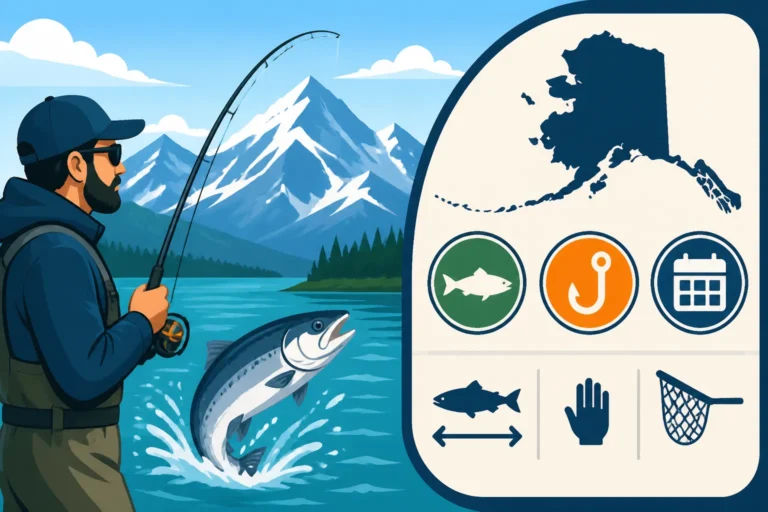
If you're dreaming of tangling with feisty Coho salmon in Alaska, you're not alone. These spirited "silver salmon" are a true delight to catch, offering acrobatic fights and delicious table fare. But let's be honest, trying to decipher Alaska's fishing regulations can feel like navigating a maze blindfolded, especially when rules seem to change on a dime. This comprehensive guide is here to untangle the complexities of Alaska Coho salmon fishing regulations and limits, ensuring you're well-prepared for a successful and legal adventure.
Understanding Alaska Coho Salmon Regulations
Fishing in Alaska means entering a world where regulations are paramount, and for good reason. The Alaska Department of Fish and Game (ADF&G) works tirelessly to manage these incredible fisheries responsibly, ensuring that future generations can also experience the thrill of catching Coho (also known as silver salmon). It can be frustrating to plan a trip, only to find out the rules have shifted, but understanding the system is the first step to a hassle-free outing.
Why Coho Regulations Change and Where to Find Them
Alaska's fishing regulations aren't set in stone; they're dynamic, evolving based on a multitude of factors like run strength, escapement goals, and even environmental conditions such as water levels and temperatures. For Coho salmon, this means what was legal last year, or even last week, might be different today. The primary reason for these adjustments is conservation. If a specific river system isn't seeing enough salmon return to spawn, the ADF&G will implement emergency orders to protect the run.
It's absolutely vital to understand that the official ADF&G Sport Fishing Regulations Summary booklet is your bible for initial planning, but it's not the final word. These booklets are typically printed annually, and in-season changes are frequent. Always, always check for current Alaska Fishing Emergency Orders Explained before you head out. These emergency orders can be found on the ADF&G website, through local ADF&G offices, or often posted at popular fishing access points. For a deeper dive into how to interpret these critical documents, you can refer to our guide on How to Read Alaska Fishing Regulations. It's a lifesaver, trust me.
General Statewide Coho Bag and Possession Limits
While specific regulations can vary wildly by region and even by individual river, there are general guidelines for Coho salmon that provide a baseline. Most of Alaska's sportfishing efforts are aimed at Pacific salmon, and Coho are no exception.
Typically, the general statewide daily bag limit for Coho salmon is 3 salmon, 16 inches or longer, and 10 coho salmon less than 16 inches. However, this is where it gets tricky: these "general" limits almost always have exceptions based on specific areas. The possession limit, which is the total number of fish you can have in your possession, including those at your camp, vehicle, or in transit, is usually double the daily bag limit. So, if the daily bag limit is 3 Coho, your possession limit is typically 6 Coho.
The key distinction here is crucial for avoiding violations. A "bag limit" refers to the number of fish you can legally harvest in a single day. A "possession limit" is the maximum number of fish you can have at any given time, regardless of when you caught them, until they are consumed or processed for storage. This is particularly important for multi-day fishing trips. For a full breakdown of these concepts, check out our articles on Alaska Fishing Limits and Bag Limits Explained and Alaska Fishing Possession Limits Explained. Non-residents also need to be aware that some species, especially King Salmon, have specific annual limits, but for Coho, it's generally tied to possession limits rather than an annual tally on a harvest card.
Specific Coho Salmon Regulations by Region and River
Alaska is a vast state, and its fishing regulations are highly localized. A Coho limit that applies to the Kenai River might be completely different from one in Southeast Alaska or Prince William Sound. This regional breakdown is essential for responsible angling.
Southcentral Alaska Coho Regulations
Southcentral Alaska, especially the Kenai Peninsula and the Mat-Su Valley, is incredibly popular for Coho salmon fishing. Rivers like the Kenai, Kasilof, Deshka, and Susitna see strong runs of silver salmon, typically from late July through September.
- Kenai River: The lower Kenai River, flowing into Cook Inlet, is famous for its robust Coho runs. Regulations here are often very specific and can change rapidly. For example, during strong King salmon conservation years, there might be bait restrictions or even single-hook, barbless requirements that also affect Coho anglers. Always check the current ADF&G regulations for the specific section of the Kenai you plan to fish, as rules can differ above and below the Soldotna Bridge. Daily limits often hover around 2-3 Coho over 16 inches, but this is subject to emergency orders. If you're planning a trip, our Kenai River Fishing: Complete Guide is an invaluable resource.
- Kasilof River: Just south of the Kenai, the Kasilof also offers good Coho fishing. Regulations here tend to mirror the Kenai in terms of sensitivity to run strength and conservation efforts for other species. Pay close attention to gear restrictions like bait bans or single-hook rules.
- Deshka River and Susitna River Drainages: North of Anchorage, the Deshka River is a key tributary of the Susitna River and is known for its early Coho runs, sometimes starting in mid-July and peaking in August. The regulations here can be less restrictive than the Kenai during peak Coho season, often allowing for higher bag limits (e.g., 3-5 Coho per day). However, accessibility and specific ADF&G management plans mean checking the local rules is non-negotiable. Our guide on Deshka River Fishing: What to Know Before You Go provides more detailed information. The larger Susitna River system, including tributaries like Willow Creek and Little Susitna, also holds fantastic Coho, each with its own specific nuances in regulations.
Southeast Alaska Coho Regulations
Southeast Alaska, a region defined by its vast Tongass National Forest and intricate coastline, offers a different Coho fishing experience. Here, many anglers target Coho in saltwater, either from charters or private boats, before they enter freshwater systems to spawn. Cities like Juneau, Sitka, and Ketchikan are major hubs for silver salmon.
- Saltwater Limits: In marine waters throughout Southeast, the daily bag limit for Coho salmon is typically 6 fish, with a possession limit of 12. These numbers are generally more liberal than freshwater limits because the fish are still actively feeding and haven't entered the more vulnerable spawning phase in rivers. However, even these regulations can see in-season adjustments based on regional forecasts. If you're chartering out of Sitka, a popular destination, be sure to ask your captain about current limits and rules. Our Sitka Fishing Guide covers more specifics for that area.
- Freshwater Limits: When Coho enter the numerous small to medium-sized rivers in Southeast Alaska, the regulations often become more restrictive, similar to Southcentral. Daily limits might drop to 2-3 fish, and some rivers might have bait restrictions or other gear requirements. Always confirm with the local ADF&G office or check the online emergency orders for the specific river or stream you intend to fish. For those visiting the state capital, our Juneau Fishing Guide for Visitors provides excellent local insights.
Prince William Sound and Gulf Coast Coho Rules
Prince William Sound and the expansive Gulf Coast offer some truly remote and breathtaking Coho fishing opportunities, often involving boat access or fly-in trips. These areas are characterized by numerous clear-water streams and rivers that flow into the sea.
- Prince William Sound: This stunning area, accessible from towns like Valdez and Whittier, is known for its robust runs of Coho salmon. Anglers often find success targeting Coho in saltwater bays and estuaries, or in the lower reaches of rivers like the Valdez Glacier Stream or Eyak River. Daily limits in the Sound are often similar to Southeast Alaska's marine limits (e.g., 6 Coho), but can vary significantly once fish enter specific freshwater systems. For detailed planning, our Prince William Sound Fishing: What to Know Before You Go article is a great starting point, and for those venturing from Valdez, check out the Valdez Fishing: What to Know Before You Go guide.
- Gulf Coast and Kodiak: The vast coastline stretching from Yakutat down to Kodiak Island offers countless streams and rivers that host strong Coho runs. Regulations in these more remote areas may be slightly less complex than heavily fished road system rivers, but local knowledge and checking ADF&G regional offices are still crucial. The daily and possession limits are generally consistent with marine limits until the fish enter specific river systems, where they may become more restrictive.
Essential Gear, Techniques, and Ethical Practices for Coho Fishing
Knowing the regulations is half the battle; the other half is being prepared with the right gear and the right mindset. Coho salmon are incredibly fun to catch, and using appropriate techniques and practicing responsible angling ensures the health of the fishery.
Recommended Gear and Tackle for Coho Salmon
Coho salmon are aggressive feeders, especially in saltwater or when they first enter freshwater. This means they'll hit a variety of lures and baits.
- Rods and Reels: A medium-heavy spinning rod (8'6" to 10'6") paired with a robust spinning reel spooled with 20-30 lb braided line is a versatile setup. For those who prefer baitcasting, a similar rod with a quality baitcasting reel works just as well. Many anglers find excellent deals and a wide selection of these setups on Amazon, making it easy to prepare before your trip.
- Lures: Spinners are incredibly effective. Popular choices include the Blue Fox Vibrax, Mepps Aglia, and Rooster Tail in sizes #4-6, often in bright colors like chartreuse, orange, pink, or silver. Spoons like the Pixie (with or without a coho fly behind it) and Señoritas are also silver salmon magnets. Plugs, particularly smaller Kwikfish or Flatfish, can work wonders in deeper holes or from boats. For a detailed look at what works best, refer to our Best Lures and Bait for Alaska Coho Salmon guide.
- Bait: Cured salmon roe (eggs) is a perennial favorite for Coho in freshwater, particularly when drift fishing or under a float. Herring strips can also be highly effective, especially in saltwater. However, always double-check if bait is allowed in your chosen fishing area, as many rivers have Alaska Bait Restrictions Explained to protect vulnerable species like King salmon.
- Terminal Tackle: A variety of hooks (single or treble, depending on regulations), swivels, and lead weights (from 1/4 oz for drift fishing to several ounces for plunking) are essential. Many anglers keep a selection of these basics, easily replenishable from online retailers like Amazon, ensuring they're ready for any situation.
- Other Essentials: Waders, rain gear, polarized sunglasses, a landing net, and bear spray are non-negotiables for any Alaska fishing trip. For a complete list of what to pack, consult our Alaska Fishing Gear and Tackle Guide.
Responsible Angling: Catch-and-Release and Reporting
Even when the Coho are biting like crazy, it's crucial to practice responsible angling. If you've reached your daily bag limit, or if you're targeting fish specifically for catch-and-release, handle them with care.
- Catch-and-Release Best Practices: Minimize the fish's time out of water. Use a wet net or wet hands to handle the fish gently. Remove the hook carefully, using pliers or a de-hooker. If possible, use barbless hooks, which make releasing fish much easier and less damaging – some areas even require Alaska Barbless Hook Requirements. For more in-depth advice on preserving the health of released fish, see our Alaska Catch-and-Release Best Practices article.
- Harvest Records: While Coho salmon typically don't require an individual tag on a King Salmon stamp, it's a good practice to understand the What Is the Alaska Harvest Record Card. This card is often used for species like King Salmon or Steelhead, but familiarizing yourself with it reinforces the importance of accurate harvest reporting and compliance. While Coho don't generally need to be physically recorded on the card, knowing the regulations means understanding the system.
Navigating Emergency Orders and Season Changes for Coho
The Alaska fishing season is a living, breathing entity, constantly subject to change. Ignoring these shifts can quickly turn a fantastic fishing trip into a frustrating encounter with a Fish and Game Trooper. It's not just about knowing the rules at the start of the season; it's about staying informed throughout.
How to Stay Updated on In-Season Changes
The most common frustration anglers face is arriving at their chosen fishing spot only to discover an emergency order has drastically altered the rules or even closed the fishery. This happens. A lot. ADF&G manages hundreds of different fisheries, and the health of the salmon runs is paramount.
- ADF&G Website: The official Alaska Department of Fish and Game website is your primary source for up-to-the-minute emergency orders. Bookmark the sport fishing emergency orders page for the region you plan to visit. They typically provide specific dates, locations, and the exact changes to regulations.
- Hotlines and Local Offices: Many popular fishing regions have dedicated emergency order hotlines. A quick call can save you a lot of grief. Additionally, visiting a local ADF&G office or even a reputable tackle shop (often staffed by knowledgeable local anglers) can provide invaluable current information.
- Local Media and Social Media: Some local radio stations, newspapers, and community social media groups will share emergency order announcements, especially for popular local fisheries. However, always cross-reference this information with official ADF&G sources to ensure accuracy. For general information about how often to check for updates, read How Often Do Alaska Fishing Rules Change, and for specific sources, our guide on Where to Find Alaska Emergency Order Announcements can point you in the right direction.
Common Scenarios: Closures, Gear Restrictions, and Bag Limit Adjustments
Imagine you’ve planned your dream Coho trip to the Kasilof River in mid-August. You've bought all your gear, perhaps even ordered some new lures from Amazon, and driven for hours. You arrive, full of anticipation, only to see a sign saying the river is closed to Coho retention, or perhaps bait is now prohibited due to a weak King salmon run. This is a common scenario in Alaska.
Here's a quick look at common adjustments you might encounter for Coho:
- Bag Limit Reductions: A typical emergency order might reduce the daily bag limit from, say, three Coho to one Coho, or even mandate catch-and-release only. This usually happens if the escapement (the number of fish successfully making it to the spawning grounds) is projected to be lower than desired.
- Gear Restrictions: Often, emergency orders will prohibit the use of bait or restrict anglers to a single, unbaited, barbless hook. While these measures are often implemented for King salmon conservation, they can impact Coho anglers by requiring a change in tackle and technique. This is also why understanding Alaska Bait Restrictions Explained is so crucial.
- Area or Time Closures: In extreme cases, a specific section of a river or even an entire fishery might be closed to all salmon fishing for a period to protect a struggling run. This is less common for Coho, but it can happen, especially in smaller, more sensitive systems.
- Slot Limits: Occasionally, ADF&G might implement "slot limits" for certain species, meaning you can only keep fish within a specific size range. While not as common for Coho as for some trout species, it’s another type of regulation to be aware of.
To give you a better idea of how these general rules can shift, here's a table summarizing typical Coho regulations by region, with the caveat that these are subject to immediate change via emergency order.
| Region | Typical Daily Bag Limit (Over 16") | Typical Possession Limit (Over 16") | Common Gear Restrictions to Watch For | Primary Season |
|---|---|---|---|---|
| Southcentral Rivers | 2-3 Coho | 4-6 Coho | Bait bans, single hook, barbless hook | Late July – September |
| Southeast Saltwater | 6 Coho | 12 Coho | Minimal (check for marine protected areas) | July – Early October |
| Southeast Freshwater | 2-3 Coho | 4-6 Coho | Bait bans, single hook | August – October |
| Prince William Sound | 3-6 Coho (depending on location) | 6-12 Coho | Minimal (check specific river mouth rules) | July – September |
| Kodiak/Remote Coasts | 3-6 Coho | 6-12 Coho | Minimal (check specific river mouth rules) | August – October |
Remember, this table is a general guide. Your due diligence in checking the current ADF&G emergency orders for your specific fishing location on the day of your trip is the only way to ensure you're fishing legally.
Fishing for Coho salmon in Alaska is an unforgettable experience. By understanding the dynamic nature of the regulations, knowing where to find the most up-to-date information, and practicing responsible angling, you'll be well on your way to a successful and ethical adventure. Tight lines!
Disclaimer
The information provided in this guide is for general informational purposes only and is subject to change. While we strive to offer accurate and up-to-date content, it is solely the reader's responsibility to consult the official Alaska Department of Fish and Game (ADF&G) regulations and emergency orders before engaging in any fishing activities. Compliance with all federal, state, and local fishing laws and regulations is mandatory. This guide does not constitute legal advice or an endorsement of any specific fishing practice or product.