Best Salmon Fishing Guides in Alaska
You've set your sights on an Alaska salmon fishing adventure, and that's an incredible dream! But let's be honest, the thought of wading into the vast waters of Alaska, figuring out which river to fish, when to go, and how to even begin, can feel pretty daunting. It’s like trying to find a needle in a haystack, especially when you’re looking for that perfect guide who can turn a good trip into an absolutely unforgettable one. This comprehensive guide is here to unravel all that complexity, helping you navigate the options and connect with the best salmon fishing guides in Alaska, ensuring your trip is exactly what you’ve imagined.
Why a Salmon Fishing Guide in Alaska is a Game-Changer
Heading to Alaska for salmon fishing without a guide can sometimes feel like bringing a knife to a gunfight. While some intrepid anglers manage successful DIY trips, the sheer scale of the Alaskan wilderness, the dynamic nature of its fisheries, and the intricate regulations often make a knowledgeable guide an invaluable asset. They’re not just steering the boat; they're your expert navigator through a complex, wild environment.
Navigating Complex Regulations and Seasons
One of the biggest headaches for any angler, especially those new to Alaska, is understanding and complying with the ever-changing fishing regulations. These rules are designed to protect the precious salmon stocks, but they can vary dramatically from one river to the next, change weekly based on fish counts, and include specific gear restrictions. Trying to keep up can feel like a full-time job, and an honest mistake can lead to hefty fines or a ruined trip.
This is where a seasoned Alaska salmon fishing guide truly shines. They live and breathe the local regulations, constantly monitoring emergency orders and knowing precisely what’s permitted in terms of bag limits, size restrictions, and gear requirements. For instance, knowing if you need a Do You Need a King Salmon Stamp in Alaska or if barbless hooks are mandatory on a specific river on a given day can make all the difference. Guides ensure you stay compliant, allowing you to focus purely on the thrill of the catch rather than worrying about legalities. Their up-to-the-minute knowledge of Alaska Fishing Regulations Explained means you're always fishing within the rules, protecting both the resource and your wallet.
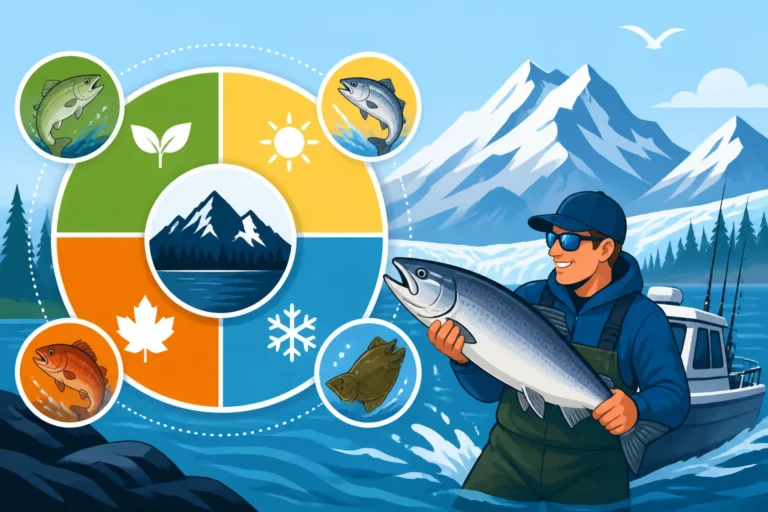
Beyond regulations, a guide's understanding of Alaska Salmon Run Timing Explained is critical. Salmon runs are a natural phenomenon, and while there are general seasons, the exact peak can vary year to year due to water temperatures, snowmelt, and other environmental factors. A guide knows the subtle cues that indicate a run is strong, when to switch rivers if one is slowing down, or if an Alaska Fishing Emergency Orders Explained has altered access. They've spent years observing these patterns and can put you in the right place at the right time, maximizing your chances of encountering fish.
Local Expertise and Hidden Gems
Maps and guidebooks can only take you so far. The true magic of Alaska's salmon fishing lies in the intimate, on-the-water knowledge that only years of experience can provide. Guides know the deepest holes where King Salmon hold, the specific currents where Sockeye stack up, and the slack water edges where Silver Salmon ambush baitfish. They know the exact retrieve speed for a particular lure, or which fly pattern is producing on a given day. This isn't information you can easily glean from online research; it's gained through countless hours spent reading the water and learning the nuances of each system.
Think about the Kenai River, for example, famous for its trophy King Salmon. A guide on the Kenai knows which specific bends and gravel bars are most productive during different tides and light conditions. They can point out subtle seams in the current where fish prefer to rest, invisible to the untrained eye. This local expertise extends to knowing the "hidden" spots that might not be easily accessible or widely known, offering you a more private and potentially more productive experience away from the crowds that can sometimes gather in Alaska's most popular fishing destinations.
Furthermore, guides are not just fishing experts; they are wilderness professionals. They understand the ecosystem and the local wildlife. In Alaska, this includes being acutely aware of bear activity, especially along salmon-rich rivers. They carry bear spray, know how to store food safely, and understand proper etiquette for avoiding conflicts, ensuring your safety in a truly wild environment. This peace of mind allows you to fully immerse yourself in the fishing without constant concern about your surroundings.
Maximizing Your Catch and Experience
Let's face it: you're traveling to Alaska to catch salmon! A guide significantly enhances your chances of success. They provide professional-grade equipment that's perfectly matched to the target species and local conditions. You won't have to worry about buying specialized heavy rods for King Salmon or delicate fly setups for Rainbow Trout, only to use them once. Guides maintain their gear rigorously, ensuring smooth reels, sharp hooks, and strong lines, so you're ready for that fight of a lifetime. If you're wondering Alaska Fishing Gear and Tackle Guide, a good guide has it all covered.
Beyond the gear, a guide offers invaluable instruction. Whether you're a seasoned angler looking to refine your technique or a complete beginner, they provide hands-on coaching. They'll teach you the subtle art of "flipping" for Sockeye on the Russian River, how to properly back-bounce for Kings on the Kasilof, or how to drift a bead effectively for Rainbow Trout in an eddy. This personalized instruction can dramatically improve your skills and understanding of the sport, making you a better angler long after your trip is over.
Ultimately, a good guide transforms a simple fishing trip into a rich, immersive Alaskan adventure. They share stories of the river, point out nesting eagles, or explain the life cycle of the salmon you're pursuing. They handle the logistics, the navigation, and the safety, allowing you to relax, soak in the stunning scenery, and enjoy the pure thrill of connecting with one of the world's most magnificent fish. It's not just about catching fish; it's about experiencing Alaska in its purest form, and a guide is your key to that experience.
Key Factors When Choosing Your Alaska Salmon Guide
Choosing the right salmon fishing guide in Alaska isn't like picking a name out of a hat. With so many operators, from seasoned veterans to enthusiastic newcomers, it’s vital to know what to look for to ensure you get the best fit for your dream trip. A little homework upfront can save you a lot of disappointment later.
Experience and Reputation Matter Most
When entrusting your precious Alaska fishing vacation to someone, experience is paramount. Look for guides who have been operating in your target region for many years. They've witnessed the full spectrum of conditions—high water, low water, early runs, late runs, challenging weather—and have learned how to adapt their strategies to consistently find fish, regardless of the circumstances. A guide with a decade or more on the same river knows its every curve, every submerged log, and every productive gravel bar.
Beyond years on the water, a guide's reputation speaks volumes. Start by checking online reviews on platforms like Google, TripAdvisor, and specialized fishing booking sites like FishingBooker. Look for consistent themes in positive feedback: punctuality, patience, fish-finding ability, and personality. Pay attention to how the guide interacts with different skill levels—do they cater to beginners, challenge experienced anglers, or both? Don't hesitate to ask prospective guides for references from past clients; a reputable guide will be happy to provide them. This peer feedback is often the most honest indicator of what your experience might be like.
And this goes without saying, but always ensure your guide is properly licensed and insured. In Alaska, guides and charter operators must adhere to strict state and federal regulations. This isn't just bureaucracy; it's a critical safety measure and a hallmark of a legitimate, professional operation. Don't be shy about asking for proof of licensing and insurance. Any reputable guide will be transparent and proud to show that they operate legally and responsibly. This diligence on your part protects both you and the guide.
Specializing in Specific Salmon Species and Techniques
Alaska is home to five species of Pacific salmon: King (Chinook), Sockeye (Red), Silver (Coho), Pink (Humpy), and Chum (Dog) Salmon. While all are incredible game fish, they each have distinct behaviors, preferred habitats, and require different fishing techniques. A guide who excels at stalking trophy King Salmon might use heavy gear and specific back-trolling methods, which are entirely different from the light tackle, sight-fishing approach needed for a Steelhead or the "flipping" technique popular for Sockeye Salmon. You need to consider which of the Types of Salmon in Alaska Explained you want to target.
Before booking, clarify which species you are most interested in pursuing. Some guides are highly specialized—a "Sockeye King" guide on the Kenai River might be your best bet if you're solely focused on filling your freezer with red salmon. Others might focus on How to Catch King Salmon in Alaska during the early summer, or How to Catch Silver Salmon in Alaska in the late summer and fall. Be upfront about your goals, and ensure the guide you choose has a proven track record with that specific species.
Similarly, consider your preferred fishing style. Are you a passionate fly angler? Then you'll want a guide who specializes in fly fishing and can put you in positions conducive to casting a fly rod. Do you prefer spin fishing with lures or bait? Ensure the guide is proficient and happy to accommodate that. While many guides are versatile, some genuinely excel in one technique over others. If you're planning a trip to catch a particular type of salmon or want to learn a specific technique, matching your guide's specialty to your interest will significantly enhance your experience.
Guide-to-Client Ratio and Personalization
The size of your fishing party and the guide-to-client ratio can profoundly impact your experience. Are you seeking a highly personalized, one-on-one instructional experience, or are you comfortable sharing the boat with a larger group? Smaller groups, typically 2-4 anglers per guide, usually mean more individualized attention, more casting opportunities, and a quieter, more intimate atmosphere. This is particularly beneficial for beginners or those looking to hone specific skills.
Consider the communication style of the guide. Before you book, engage them in conversation. Do they answer your questions thoroughly and promptly? Do they seem genuinely interested in understanding your expectations for the trip? A good rapport established before you even step foot in the boat is a strong indicator of a positive experience to come. You want a guide who listens, understands, and can tailor the day to your group's dynamic and fishing goals.
Finally, think about flexibility and accommodation. While guides operate on schedules and are subject to the whims of nature and regulations, a willingness to consider reasonable requests is a sign of excellent customer service. This could range from accommodating a specific dietary restriction for lunch to adjusting a departure time slightly if it doesn't interfere with tides or other bookings. A guide who goes the extra mile to make your trip comfortable and memorable is the one you want on your side.
Top Salmon Fishing Regions and Their Guides in Alaska
Alaska is an enormous state, and its salmon fishing opportunities are as diverse as its landscapes. Different regions offer distinct experiences, target different species, and host various types of guiding operations. Understanding these regional differences is key to choosing not just the right guide, but the right overall fishing adventure for you.
Kenai Peninsula: Kenai and Kasilof Rivers
The Kenai Peninsula, particularly the famed Kenai River and its smaller sibling, the Kasilof River, stands as one of Alaska's most iconic and accessible salmon fishing destinations. It's often referred to as the heart of Alaska's road-system salmon fishing. What makes this area legendary are the colossal King Salmon that migrate up the Kenai, which holds the world record for the largest King Salmon ever caught on sport tackle. Beyond the Kings, the Kenai and Kasilof boast incredible, often staggering, runs of Sockeye Salmon and robust Coho (Silver) Salmon runs later in the summer. For an in-depth look, check out our guide on Kenai River Fishing: Complete Guide.
The guide density on the Kenai Peninsula is high, offering a vast array of options. You'll find everything from dedicated drift boat guides specializing in the quieter, more intimate experience of floating the Kasilof for Kings or the upper Kenai for Sockeye, to powerboat operators navigating the larger, swifter currents of the lower Kenai. These guides are experts in specific local techniques like back-trolling Kwikfish for Kings or "flipping" for Sockeye. They know precisely where the fish hold in different water conditions and can put you on productive water.
Guides in this region are particularly renowned for targeting King Salmon from May through July, though regulatory closures and emergency orders are frequent, making a guide's current knowledge indispensable. When the Sockeye flood into the rivers in June and July, guides switch gears, helping anglers intercept these hard-fighting fish. Later in August and September, the focus shifts to Silver Salmon, providing exciting action. Given the popularity, especially for Kings and Sockeye, guides here book up very quickly, often a year or more in advance. These rivers are also subject to very specific rules, so understanding Alaska King Salmon Fishing Regulations and Limits and Alaska Sockeye Salmon Fishing Regulations and Limits is crucial.
Southeast Alaska: Juneau, Sitka, and Ketchikan
Venturing into Southeast Alaska offers a dramatically different salmon fishing experience. Instead of freshwater rivers on the road system, you'll find a labyrinth of islands, fjords, and vast ocean waters. This region is a saltwater angler's paradise, primarily targeting migratory King Salmon (Chinook) and Coho Salmon (Silver) by trolling in the open ocean or sheltered bays. Towns like Juneau, Sitka, and Ketchikan serve as bustling hubs for robust charter fleets that venture out daily into the marine environment.
Saltwater charters in Southeast Alaska typically operate larger, more comfortable boats designed to handle ocean conditions, ranging from 25-50 feet. These charters often combine salmon fishing with bottom fishing for other prized species like Halibut, Lingcod, and various Rockfish. It's a fantastic way to experience multiple facets of Alaskan fishing in one trip. The techniques employed are usually trolling with downriggers, using bait like herring or various spoons and hoochies, or sometimes mooching (drift fishing with cut bait) in specific areas. For more on what to expect from these ocean trips, you might want to read up on Seward Alaska Fishing Guide or Ketchikan Fishing Guide.
Beyond the day-trip charters, Southeast Alaska is also home to a multitude of high-end, all-inclusive fishing lodges. These lodges, often in remote, stunning locations, offer multi-day packages that include professional guiding, top-tier gear, gourmet meals, and luxurious accommodations. Many will fly clients to different hot spots daily or offer a combination of saltwater and freshwater fishing for those looking for diverse opportunities. These lodges are perfect for anglers seeking a comprehensive, pampered fishing vacation in a breathtaking setting.
Bristol Bay and Western Alaska: Remote Fly-In Experiences
For the angler seeking the ultimate wilderness immersion and some of the most prolific salmon runs on Earth, Bristol Bay and Western Alaska are unparalleled. This vast, remote region is home to the largest Sockeye Salmon run in the world, with millions of fish returning to rivers like the Nushagak, Naknek, and Alagnak. It's a place where the untouched wilderness dominates, and access is primarily via small floatplanes or wheeled bush planes, making for truly exclusive fishing.
Most fishing experiences in Bristol Bay are centered around fly-in lodges. These operations are typically all-inclusive, meaning they handle every detail from the moment you arrive: daily flights to different rivers or remote sections of larger systems, highly experienced guides, all necessary fishing gear, comfortable lodging, and often exceptional cuisine. The cost reflects the remote logistics and premium service, but the experience of fishing pristine waters with little to no other human presence is truly priceless.
While Sockeye Salmon are undoubtedly the stars of the show here, many Bristol Bay lodges also offer incredible opportunities for other species. Trophy-sized Rainbow Trout, fat Dolly Varden, and powerful Arctic Grayling thrive in rivers engorged with salmon eggs and carcasses. During specific times, strong runs of King Salmon and Silver Salmon also provide thrilling action. If you're looking to combine the sheer volume of salmon with world-class trout fishing in an untamed, breathtaking environment, a fly-in lodge in Bristol Bay or Western Alaska is the quintessential choice.
Understanding Different Types of Salmon Fishing Guides
The term "fishing guide" can encompass a wide variety of services and styles. Depending on where and how you want to fish for salmon in Alaska, you'll encounter different types of guides, each offering a unique experience. Knowing the distinctions will help you align your expectations with the service you choose.
River Guides: Drift Boats and Power Boats
River guides are the backbone of Alaska's freshwater salmon fishing scene, especially on the road-accessible rivers of the Kenai Peninsula and Interior Alaska. Within river guiding, you'll primarily find two main vessel types: drift boats and power boats.
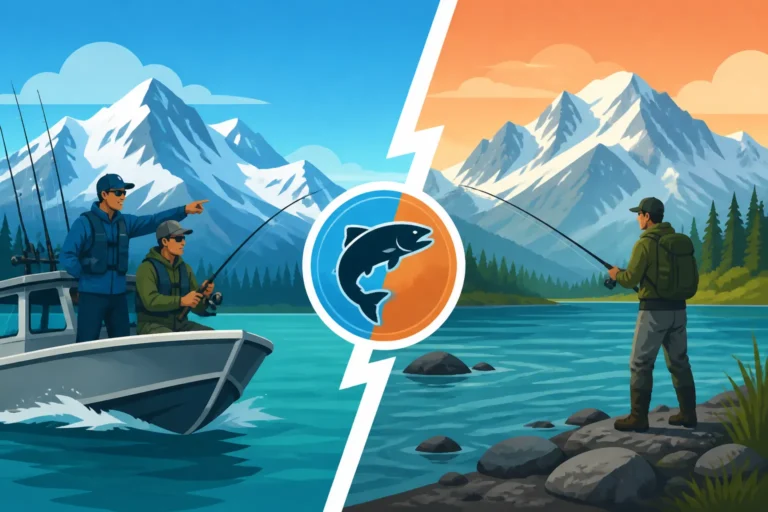
Drift boats, often McKenzie-style boats, are iconic for their quiet, stealthy approach to fishing. The guide expertly rows the boat downstream, allowing anglers to cast into prime holding water as they float by. This method offers an incredibly intimate and serene experience, making it ideal for fly fishing or for those who appreciate the tranquility of nature. Drift boats are particularly effective on rivers like the Kasilof for King Salmon or the upper Kenai for Sockeye, where a quiet approach can be crucial for not spooking fish in shallower, clearer waters. They typically accommodate 2-3 anglers, ensuring personalized attention.
Power boats, on the other hand, are larger, motorized vessels commonly used on big rivers like the lower Kenai. These boats offer significant advantages in terms of covering more water quickly and running upriver to revisit productive fishing holes. Guides can use the motor to hold position in strong currents, allowing anglers to target specific seams or deep runs for powerful King Salmon. Power boats are robust and stable, often accommodating 4-6 anglers, and are excellent for fighting larger fish where brute strength might be needed. While they offer efficiency and access to a wider range of water, the experience can be a bit less intimate than a drift boat. Both types of river guides are highly skilled at navigating their respective waters and typically provide all the necessary gear, bait, and local expertise to maximize your chances of success.
Saltwater Charters: Trolling and Mooching for Kings and Silvers
For anglers dreaming of big ocean-run Kings and Silvers, a saltwater charter is the way to go. These guides operate substantial boats, typically 25 to 50 feet in length, that are designed for comfort and safety on the open sea. Departing from coastal towns such as Homer, Seward, Sitka, and Juneau, these charters venture into the vast saltwater fjords, bays, and offshore waters where migratory salmon feed.
The primary technique for saltwater salmon fishing is trolling. This involves dragging lures or bait, most commonly herring, behind the boat at specific depths using downriggers. Trolling allows the charter to cover a lot of water, intercepting salmon as they migrate or feed. It's a very effective method for locating scattered fish and can be incredibly exciting when a multiple-fish hookup occurs. Another popular technique, particularly in areas like Sitka, is mooching. This involves drift fishing with cut bait, often herring, allowing it to slowly sink and flutter naturally through the water column, imitating an injured baitfish. Mooching can be a very hands-on, active form of fishing that often entices aggressive strikes from feeding salmon.
A significant advantage of saltwater charters is the opportunity for combo trips. Many charters offer a combination of salmon fishing and bottom fishing, allowing you to target King or Silver Salmon for part of the day and then switch to jigging for Halibut or Rockfish. This diversified approach makes for a truly comprehensive Alaskan fishing experience and is a popular choice for those wanting to fill their freezer with a variety of delicious species. Be sure to understand Alaska Halibut Charter Regulations Explained if you plan to target both. If you're looking for the very best, our guide on the Best Halibut Charters in Alaska might be helpful.
Fly-Out and Lodge-Based Operations
For the ultimate wilderness adventure, where pristine waters and untouched landscapes are as much a part of the experience as the fishing itself, fly-out and lodge-based operations are your premier choice. These guides lead trips into Alaska's most remote regions, such as Bristol Bay, the Alaska Peninsula, or various wilderness areas where road access is simply nonexistent. Access is via small bush planes, often floatplanes, which land on remote lakes or rivers, delivering you to an unspoiled fishing paradise.
Many fly-out experiences are part of an all-inclusive lodge package. These lodges are typically situated in breathtaking wilderness locations and provide a luxurious, fully catered experience. From the moment you arrive at the lodge, every detail is handled: daily flights to different remote fishing spots, highly experienced guides, all necessary top-tier fishing gear, comfortable accommodations (often rustic but elegant cabins), and gourmet meals prepared by skilled chefs. This model offers an unparalleled level of immersion and comfort, allowing you to focus solely on the fishing and the incredible surroundings.
The species targeted in fly-out trips can be incredibly diverse. While many lodges focus on the prodigious Sockeye Salmon runs of Bristol Bay, others offer opportunities for trophy King Salmon, chrome-bright Silver Salmon, and, importantly, world-class freshwater fishing for species like Rainbow Trout, Dolly Varden, and Arctic Char. These trout often grow to immense sizes, gorging themselves on salmon eggs and carcasses after the salmon spawn. If your dream is to fish pristine, untouched waters, experience true Alaskan solitude, and target a variety of fish species, a fly-out or lodge-based operation is the pinnacle of guided fishing in Alaska.
Here’s a quick overview of these guide types:
| Guide Type | Primary Location | Typical Species Targeted | Pros | Cons |
|---|---|---|---|---|
| River Drift Boat | Inland Rivers | Sockeye, Coho, smaller Kings, Trout | Quiet, intimate, stealthy, excellent for fly fishing | Limited range, smaller groups, weather-dependent |
| River Power Boat | Larger Inland Rivers | Kings, Sockeye, Coho | Covers more water, efficient, larger capacity, stable for big fish | Can be less intimate, engine noise, more crowded areas |
| Saltwater Charter | Coastal Waters | Kings, Coho, Pink, Chum, Halibut | Access to ocean-run fish, combo trips, comfortable boats | Can be weather-dependent (ocean swells), less personal (larger groups) |
| Fly-Out Lodge | Remote Rivers/Lakes | All Salmon species, Trout, Char | Pristine wilderness, exclusive access, multi-species, all-inclusive | High cost, remote access, weather can affect flight schedules |
What to Expect From a Quality Salmon Fishing Guide
When you invest in a guided salmon fishing trip in Alaska, you're buying more than just a boat ride. You're paying for expertise, safety, convenience, and an experience designed to maximize your enjoyment and success. Knowing what to expect from a high-quality guide can help you appreciate their value and ensure you're getting the most out of your investment.
Provided Gear and Essential Supplies
A hallmark of a professional Alaska salmon fishing guide is the provision of high-quality, well-maintained fishing gear. This means you won't need to haul your heavy rods, reels, and tackle boxes on planes or worry about having the right setup for Alaska's powerful salmon. Guides typically supply everything from species-specific rods and reels (e.g., heavy baitcasting setups for King Salmon, lighter spinning rods for Sockeye, or fly rods for trout) to a full array of terminal tackle, line, and the most effective lures or bait for the day's conditions. This not only saves you money but also ensures you're using equipment perfectly suited for the task at hand.
Beyond fishing tackle, your guide is responsible for your safety and comfort. Expect them to have essential safety equipment on board, including Coast Guard-approved life vests (which you'll be required to wear in many situations), a comprehensive first aid kit, and reliable emergency communication devices like a satellite phone or an inReach device, especially in remote areas where cell service is nonexistent. Depending on the fishing location, they may also carry bear spray and be knowledgeable in its use and bear encounter protocols. Your guide's preparedness in these areas is non-negotiable and should give you immense peace of mind.
Many quality guides also go the extra mile to enhance your comfort. This can include providing rain gear if you don't have your own (a wise choice in Alaska!), waders and boots for river wading, and often a cooler stocked with cold drinks, snacks, or even a hearty packed lunch for full-day excursions. Some even offer hot coffee or tea on chilly mornings. Always confirm what specific comfort items are included when you book, as this can vary between operators and helps you pack accordingly.
Expert Instruction and Techniques
One of the most valuable aspects of fishing with a guide is the personalized instruction and insight they provide. A truly great guide will quickly assess your angling skill level—whether you're a complete novice or a seasoned veteran—and tailor their coaching accordingly. They won't just tell you to cast; they'll explain where to cast, why fish are likely holding in that particular spot, and how to present your lure or bait for the best chance of a bite. They'll teach you the specific nuances of Alaskan techniques, such as proper hook sets for Sockeye, how to drift naturally, or how to fight a powerful King Salmon effectively without breaking your line.
Fishing in Alaska is a dynamic endeavor, heavily influenced by weather, water levels, clarity, and fish behavior. An expert guide is constantly "reading" the water and the environment, adapting their strategy in real-time. If the water rises, they'll know which new eddies or seams become productive. If a particular lure isn't working, they'll quickly switch to another. This ability to adapt and think on their feet is born from years of experience and is crucial for maintaining success throughout the day. They'll explain these adjustments, deepening your understanding of the fishery.
Beyond technique, guides offer an education in the natural world. They’ll point out wildlife, explain the salmon life cycle, and share local lore about the rivers and mountains you're experiencing. They can help you understand why salmon return to certain rivers, how water temperature affects their migration, and what makes a particular spot a fish magnet. This educational component enriches the entire trip, transforming it from merely a fishing outing into a profound learning experience about one of the world's most incredible ecosystems.
Fish Processing and Handling Your Catch
Once you've successfully landed your salmon, the work isn't over, but with a quality guide, the heavy lifting is handled professionally. Your guide will be an expert in properly field dressing your catch, which typically involves bleeding the fish immediately and gutting it. This crucial step helps to preserve the quality and flavor of the meat, ensuring your hard-earned salmon tastes as good as possible when it hits your plate. They'll either perform this task for you or expertly show you how to do it yourself.
After the initial field dressing, many guides offer basic fish packaging services. This might include rinsing and bagging your fillets or preparing whole fish for transfer. Some guides work directly with local fish processors who can vacuum seal, freeze, and even smoke your salmon, preparing it perfectly for its journey home. Always inquire about these services in advance and understand any associated costs. Knowing how your catch will be handled and prepared for travel is an important detail, particularly when considering Fish Processing After an Alaska Charter or Alaska Fish Transport and Shipping Rules.
Finally, your guide ensures strict adherence to all bag limits, size restrictions, and harvest regulations. They'll keep a running tally of your catch, ensuring you remain within legal limits for each species. For species like King Salmon and sometimes Steelhead, you may be required to record your catch on an Alaska Harvest Record Card Explained. Your guide will be meticulous in helping you correctly fill out this card, ensuring every fish you keep is legally accounted for. This attention to detail protects both you and the sustainability of Alaska's fisheries.
Budgeting for Your Alaska Salmon Fishing Guide Experience
Planning a fishing trip to Alaska involves more than just booking a guide; it requires a realistic understanding of the costs involved. While an Alaska fishing adventure can be a significant investment, knowing what to budget for will help you prepare and avoid any unwelcome surprises.
Understanding Guide Fees and Inclusions
The cost of an Alaska salmon fishing guide can vary widely, reflecting factors such as the guide's experience, the location, the duration of the trip (half-day, full-day, multi-day), the specific salmon species you're targeting, and the type of operation (e.g., river drift boat vs. remote fly-out lodge). For a typical day trip, you can expect to pay anywhere from $300 to $700 or more per person. Multi-day lodge packages, especially those involving fly-outs, can run into several thousand dollars per person.
Most guide fees include the guide's professional service, the use of their boat and fuel, all necessary fishing tackle (rods, reels, lures, bait), and essential safety equipment. Many guides also provide basic comfort items like bottled water, soft drinks, and snacks. For full-day trips, some might even include a packed lunch. However, it's absolutely crucial to clarify what is explicitly included and, perhaps more importantly, what is not included in the quoted price. This prevents misunderstandings and unexpected expenses down the line.
Always ask about potential "hidden" costs. These might include state or local taxes, fuel surcharges (especially for saltwater charters or long runs), fish processing fees (beyond basic field dressing), and any rental charges for specialized gear like waders or heavy-duty rain gear. For a comprehensive breakdown, consider reading our article on Alaska Fishing Charter Cost Explained. Being proactive with these questions ensures that the final bill aligns with your expectations, leaving you with more money for fresh seafood dinners or Alaskan souvenirs.
The Importance of Tipping Your Guide
Just like in many service industries, tipping your Alaska fishing guide is customary and highly encouraged. These professionals work incredibly hard, often starting their day before dawn and finishing long after you've departed, all to ensure you have a safe, enjoyable, and successful experience. Their efforts—from maintaining gear to navigating challenging waters and patiently teaching techniques—are often above and beyond the base fee.
A general rule of thumb for tipping is 15-20% of the trip's total cost. So, if a full-day charter costs $600, a tip of $90-$120 per person would be appropriate for an excellent experience. If your guide went truly above and beyond, consider tipping more generously. Conversely, if you feel the service was subpar, you can adjust your tip accordingly, but always communicate any concerns directly and respectfully. Cash tips are almost always preferred by guides.
Tipping is more than just a gratuity; it's a direct reflection and appreciation of your guide's expertise, hard work, and dedication. It acknowledges the long hours, the physical demands, and the commitment they have to their craft and to making your trip a memorable one. Understanding the etiquette around Tipping on an Alaska Fishing Charter ensures you can show your gratitude appropriately, fostering positive relationships within the guiding community.
Planning for Additional Expenses
Beyond the guide fees and tips, there are several other essential expenses you'll need to factor into your Alaska fishing budget. First and foremost, you will need an Alaska Fishing License: Complete Guide, and for certain species like King Salmon, a Alaska King Salmon Stamp Requirements may also be required. These are almost always purchased separately and must be obtained before you begin fishing. You can usually purchase them online from the Alaska Department of Fish and Game website or from authorized vendors once you arrive.
Travel costs will be a significant part of your budget. This includes flights to Alaska (typically to Anchorage or a regional hub), rental cars for getting to your fishing destination, and accommodations (hotels, lodges, or cabin rentals). Alaska is a large state, and distances can be considerable, so factor in fuel costs for driving, especially if you plan to explore different areas.
Don't forget everyday expenses like food. While some guided trips might include snacks or a lunch, you'll still need to budget for breakfasts, dinners, and any meals on travel days. Finally, consider the cost of souvenirs, any gear you might want to purchase, and, importantly, the cost of processing and shipping your catch home. While delicious, shipping several boxes of frozen salmon can add several hundred dollars to your trip, but for many, it's an essential and worthwhile expense to enjoy the fruits of their Alaskan adventure long after they've returned home.
Booking Your Alaska Salmon Fishing Guide
The dream of an Alaska salmon fishing trip is exciting, but securing the right guide at the right time requires careful planning. Popular guides and prime fishing dates fill up incredibly fast, so understanding the booking process and timeline is crucial for a successful adventure.
Best Time to Book and Secure Your Spot
This is perhaps the most critical piece of advice: book early! Alaska's fishing season, particularly for sought-after species like King and Sockeye Salmon on popular rivers, is relatively short, and the demand for top-tier guides far outstrips availability. It's not uncommon for the most reputable guides to have their prime dates booked a year, or even more, in advance.
For trips during the peak season (typically June and July for King and Sockeye Salmon), you should aim to book your guide anywhere from 9 to 18 months out. If you're targeting specific, highly desirable dates—say, the second week of July for the Kenai Sockeye run—that window shrinks even further. Planning this far ahead might seem excessive, but it's the reality of securing a spot with the best guides in the business.
For trips during the shoulder seasons (May for early Kings, or August and September for Silver Salmon and Rainbow Trout), you might have a bit more leeway, but still, planning 6-12 months in advance is highly recommended. While last-minute cancellations or newly opened dates sometimes occur, relying on these is a gamble. If your travel dates are flexible, you might get lucky, but for a guaranteed spot with a top guide, proactive booking is the only way to go.
Researching and Vetting Potential Guides
Before you even think about putting down a deposit, thoroughly research and vet potential guides. Start by identifying your priorities: which salmon species do you want to target, in which region, and what's your preferred fishing style (fly, spin, drift, powerboat)? This will help you narrow down your search considerably. Once you have a shortlist, dive into their online presence. Look at their websites, social media, and crucially, independent review sites like Google, TripAdvisor, and specific fishing forums.
Don't be afraid to ask a lot of questions. A good guide will appreciate your thoroughness and be happy to provide detailed answers. Ask about their specific experience in the area you're targeting, what's included in the price, their cancellation policy, what happens if weather forces a cancellation, and what kind of boat and gear they use. Questions to Ask an Alaska Fishing Charter can provide a great checklist. Also, inquire about their approach to conservation and fish handling—responsible guides are passionate about protecting the resource.
You can often find guides through word-of-mouth recommendations, local visitor centers in towns like Soldotna or Homer, or by browsing online directories. Take your time, compare options, and don't feel pressured to book the first guide you speak with. A comfortable, trusting relationship with your guide will make your trip far more enjoyable.
Using Online Platforms for Booking
In today's digital age, online booking platforms have emerged as a convenient way to find and secure fishing guides in Alaska. Websites like FishingBooker centralize a vast number of guides and charters, allowing you to browse, compare, and book trips from the comfort of your home. These platforms often feature detailed guide profiles, real-time availability calendars, customer reviews, and secure payment processing.
The primary advantage of using a platform like FishingBooker is its comprehensive selection and user-friendly interface. You can filter your search by location (e.g., Kenai Peninsula, Southeast Alaska), target species (King Salmon, Sockeye, Halibut combo), price range, and even boat type. This makes it much easier to compare different operators side-by-side and read unbiased reviews from other anglers. This transparency helps in making an informed decision. Finding a guide on FishingBooker can streamline your planning process immensely.
While direct contact with a guide is always possible and sometimes preferred by anglers who like a personal touch, booking through a platform can offer an added layer of security, especially concerning deposits and cancellation policies. Whether you choose to book directly after your research or through a platform, remember that clear and consistent communication with your chosen guide is paramount. Confirm all details—dates, times, inclusions, and expectations—well in advance of your trip to ensure a smooth and successful Alaska salmon fishing adventure.
Disclaimer
Please note that fishing regulations in Alaska are subject to change without notice due to emergency orders from the Alaska Department of Fish and Game. Always verify the latest regulations, bag limits, and licensing requirements before heading out on your fishing trip. While this guide provides comprehensive information, it is not a substitute for checking official sources.