How to Plan an Alaska Fishing Vacation
Planning an unforgettable Alaska fishing vacation can feel like trying to untangle a hundred-pound halibut on a slippery deck – overwhelming, exhilarating, and a bit confusing all at once. With so many incredible destinations, fish species, and logistical considerations, it's easy to get lost in the details before you even cast a line. This comprehensive guide is designed to cut through the noise, offering clear, actionable steps to help you craft the perfect Alaskan angling adventure, whether you're a seasoned pro or dreaming of your first big catch.
Defining Your Alaska Fishing Dream
Before you dive into booking flights and charters, take a moment to really envision what your ideal Alaska fishing trip looks like. The Last Frontier offers such a diverse range of experiences that narrowing down your priorities early on will save you a lot of time and potential disappointment.
What Kind of Angler Are You?
Alaska is truly a choose-your-own-adventure playground for anglers, with options catering to every preference imaginable. Are you chasing a monster trophy, or are you hoping to fill your freezer with delicious fillets? Do you prefer the tranquility of fly fishing a pristine river or the adrenaline rush of battling a giant in the open ocean?
For many, the allure of Alaska lies in its legendary salmon runs. You might be dreaming of the intense fight of a King Salmon, also known as Chinook, with its powerful runs and head shakes, or perhaps the sheer numbers and acrobatic jumps of Sockeye Salmon, also called Reds, as they swarm up rivers like the Kenai. Then there are the Silvers, or Coho, known for their aggressive strikes and aerial displays later in the season. If you're a fly fishing enthusiast, the thought of drifting an egg pattern for massive Rainbow Trout or sleek Dolly Varden in crystal-clear streams might be what truly excites you. On the other hand, if saltwater giants are your quest, the deep-sea pursuit of a colossal Halibut or the varied action of Lingcod and Rockfish in the Gulf of Alaska could be calling your name. Your preferred fishing style, whether it’s delicate fly casting, robust spin fishing, or deep-sea jigging, will heavily influence where you go and what kind of guided experience you seek.
When to Cast Your Line: Understanding Seasons and Runs
Timing is everything in Alaska, especially when it comes to fishing. The state’s fisheries are highly seasonal, dictated by the migratory patterns of salmon and the feeding habits of other species. Miss the peak of a run, and you might miss the experience you came for.
King Salmon typically kick off the salmon season, with runs starting in late May and peaking through June and early July in many areas. Sockeye Salmon often follow, with their main runs hitting rivers in late June and continuing strong through July. August usually sees the arrival of Pink Salmon (Humpies) and Chum Salmon (Dogs), often overlapping with the prime time for Coho (Silver) Salmon, which can run well into September and even October in some systems. For saltwater species like Halibut, the season generally opens in May and runs through September, with consistent fishing throughout these months, though some claim July and August offer the most consistent big fish action. Rainbow Trout fishing often heats up after the salmon spawn, capitalizing on the abundance of salmon eggs in the rivers, making late summer and fall prime times for these voracious eaters. It’s crucial to understand the nuances of the Alaska Salmon Run Timing Explained for your target species and region. Always check the Alaska Department of Fish and Game (ADF&G) regulations and emergency orders, as run timings and limits can change quickly due to conservation concerns.
Navigating the Logistics: Where to Go and How to Get There
Once you have a clearer picture of your ideal fishing experience and preferred timing, the next step is to choose your battleground and figure out how to get there. Alaska is vast, and geographical considerations play a huge role in planning.
Choosing Your Alaskan Destination
Alaska offers an incredible array of fishing destinations, each with its own unique charm and primary target species. Where you decide to go will significantly impact your travel logistics and the overall feel of your trip.
The Kenai Peninsula is arguably the most popular and accessible fishing region for many visitors, especially those on the road system. Towns like Soldotna, Cooper Landing, Homer, and Seward are hubs for incredible fishing. The Kenai River is famous for its King and Sockeye Salmon, as well as trophy Rainbow Trout, while Homer and Seward are renowned for their world-class Halibut and salmon charters out of Kachemak Bay and Resurrection Bay. You can easily drive to these locations from Anchorage, making it a great option for a mix of self-guided and chartered experiences. For a truly immersive experience on the peninsula, consider a stay in Cooper Landing, which offers access to the upper Kenai River for superb trout and salmon fishing.
Further afield, Southeast Alaska (places like Ketchikan, Juneau, Sitka) offers phenomenal saltwater fishing for all five species of Pacific salmon, Halibut, and a variety of rockfish. These destinations are typically accessed by ferry or flight, with fishing primarily done via charter boats. If you’re dreaming of remote, fly-in wilderness fishing, areas like Bristol Bay are legendary for their abundant Sockeye Salmon runs and incredible Rainbow Trout fishing in rivers like the Naknek and Nushagak. These trips usually involve staying at an all-inclusive lodge and flying into remote outposts. For more detailed information on specific locations, explore guides like Best Fishing Spots in Alaska.
Here’s a quick overview of popular fishing regions and their specialties:
| Region/Town | Primary Fish Species Targeted | Typical Access | Vibe/Experience |
|---|---|---|---|
| Kenai Peninsula | King, Sockeye, Coho, Halibut, Rainbow Trout | Road System, Flights to Kenai/Homer | Diverse, accessible, mix of guided/DIY, bustling |
| Homer | Halibut, King, Coho Salmon | Road System | "Halibut Fishing Capital of the World," scenic |
| Seward | Halibut, King, Coho Salmon | Road System | Saltwater charters, glacier views |
| Ketchikan | King, Coho, Pink, Halibut, Rockfish | Flights, Ferry | Rainforest setting, abundant salmon, charter-focused |
| Juneau | King, Coho, Pink, Halibut, Rockfish | Flights, Ferry | Capital city, saltwater charters, scenic fiords |
| Bristol Bay | Sockeye, King, Rainbow Trout | Fly-in Only | Wilderness, lodge-based, remote, trophy trout |
| Talkeetna/Susitna | King, Sockeye, Coho Salmon, Rainbow Trout | Road System, Flights | River fishing, Denali views, smaller town feel |
Transportation: Getting to and Around Alaska
Getting to Alaska typically means flying into Ted Stevens Anchorage International Airport (ANC) if you plan on exploring the Southcentral region via the road system. From Anchorage, you can rent a car to drive to destinations like the Kenai Peninsula, Valdez, or Fairbanks. Be aware that rental cars in Alaska, especially larger vehicles suitable for fishing gear, can be quite expensive, particularly during peak season. Book well in advance!
If your chosen destination is in Southeast Alaska (e.g., Juneau, Ketchikan, Sitka) or a remote area like Bristol Bay, you'll likely take connecting flights from Anchorage. Alaska Airlines is the primary carrier for intra-state travel, and flights can be pricey. For truly remote fishing camps and lodges, a bush plane or floatplane will be your final mode of transport, often arranged by your lodge or charter operator. Remember that small planes have strict weight limits for luggage, so pack smartly. Some more adventurous travelers opt for the Alaska Marine Highway System ferry, which connects various coastal communities and can be a scenic way to travel, albeit slower. For those considering driving from the Lower 48, the Alaska Highway is an epic journey in itself!
Budgeting and Booking Your Alaskan Adventure
Alaska fishing trips aren't typically "budget" vacations, but the experience is often worth every penny. Understanding the costs and booking strategies will help you maximize your investment.
Understanding the Costs Involved
A realistic budget is crucial for an Alaska fishing trip. The expenses can quickly add up, so it’s best to break them down:
- Travel: Flights to and within Alaska can be a significant cost. Expect to pay anywhere from $500 to $1500+ round trip for economy flights from the Lower 48, depending on your origin and destination. Rental cars can range from $100-$250+ per day.
- Fishing Licenses and Stamps: These are mandatory. A non-resident annual fishing license can be over $100, and if you plan to target King Salmon, you'll need an additional King Salmon stamp. Daily or multi-day licenses are also available. Check out the Alaska Fishing License Cost and Types for detailed pricing. Remember, not having the correct license can lead to hefty fines, so don't skip this step!
- Charters and Guides: This is often the largest expense. A full-day halibut or salmon charter can cost $250-$400+ per person. Multi-day packages, especially at all-inclusive lodges in remote areas, can run several thousand dollars per person. These typically include lodging, meals, and multiple days of guided fishing.
- Lodging: Hotels, cabins, or Airbnb rentals range widely. Expect $150-$400+ per night depending on location and amenities. Remote lodges often include lodging in their package price.
- Food: Eating out in Alaska can be expensive. Grocery shopping and cooking some meals yourself can help save money.
- Fish Processing and Shipping: After a successful trip, you'll likely want to process your catch. This includes filleting, vacuum sealing, freezing, and often shipping it home. Processors charge by the pound, and shipping costs (especially for frozen fish) can be substantial. For more on this, look up Fish Processing After an Alaska Charter.
- Gear: While many charters provide rods, reels, and tackle, you might need to purchase specialized clothing like waders or high-quality rain gear. If you plan to do any unguided fishing, you'll need to bring or buy your own complete setup.
Charters, Lodges, or DIY: Choosing Your Approach
Deciding between a fully guided experience, an all-inclusive lodge, or a do-it-yourself (DIY) trip is a fundamental choice that impacts both cost and convenience.
- Guided Charters: Most visitors opt for day charters, especially for saltwater fishing. This is a fantastic way to experience Alaska's best fisheries without owning a boat or knowing the local waters. A good charter captain knows where the fish are, what they’re biting, and handles all the gear. They often provide valuable insights into local regulations, such as the nuances of Alaska Halibut Charter Regulations Explained. When booking, consider using platforms like FishingBooker, which allows you to compare various charters, read reviews, and book directly. They often list transparent pricing and availability, simplifying the process of finding the right fit for your group and target species. Make sure to ask what's included, like gear, bait, and fish processing, when you book.
- All-Inclusive Lodges: For the ultimate, hassle-free fishing vacation, a remote fishing lodge is a popular choice. These lodges typically include transportation to and from a regional airport, comfortable accommodations, gourmet meals, daily guided fishing trips (often fly-out to different rivers or lakes), and even fish processing services. They are the most expensive option but offer unparalleled access to pristine wilderness and a deeply immersive experience.
- Do-It-Yourself (DIY) Trips: If you're an experienced angler, comfortable navigating unfamiliar territory, and on a tighter budget, a DIY trip can be incredibly rewarding. This often involves renting a car, booking your own lodging, and focusing on accessible roadside fisheries, like those on the Kenai Peninsula. You'll need to be self-sufficient, bring your own gear, and be intimately familiar with the Alaska Fishing Regulations Explained. While challenging, the freedom and satisfaction of a successful DIY trip are immense. However, for targeting specific species like big halibut in deep water, a charter is almost always necessary for safety and success.
When researching charters, platforms like FishingBooker can be very useful. You can filter by location (e.g., Homer, Seward), target species, boat type, and even review the captain's experience. It’s always smart to read reviews and ask potential guides about their experience with your target species and preferred techniques. Remember to book well in advance, especially for peak season trips; prime dates can fill up a year or more out.
Preparing for the Wild: Gear, Regulations, and Safety
Alaska is wild country, and proper preparation is key to a comfortable, successful, and safe fishing trip. Don't underestimate the unpredictable weather or the importance of understanding the rules.
Essential Gear and Packing Tips
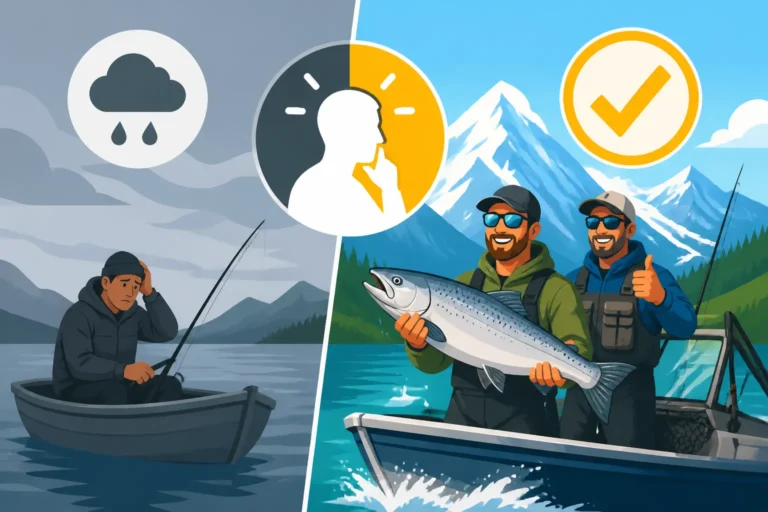
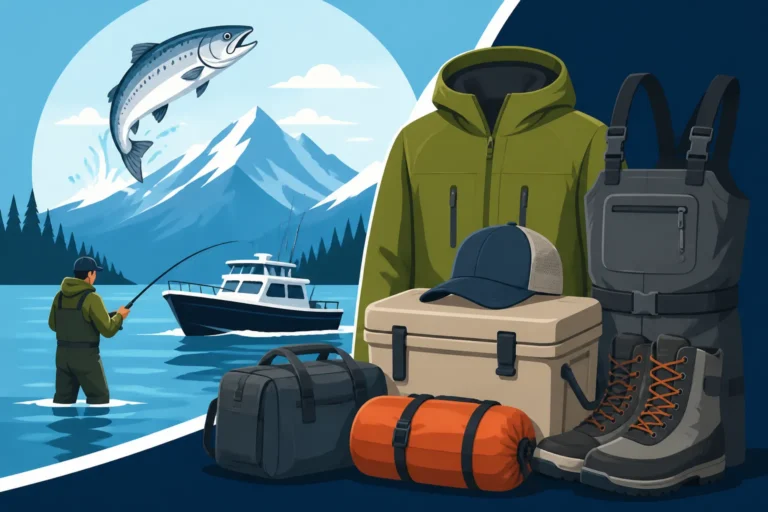
Alaska's weather is notoriously fickle. One moment it can be sunny and warm, the next, cold and rainy. Layering is not just a suggestion; it's a survival strategy.
- Rain Gear: This is non-negotiable. Invest in high-quality waterproof and windproof jacket and pants. Brands like Grundéns or Helly Hansen are popular among Alaskan anglers for their durability. Nothing ruins a fishing day faster than being cold and wet.
- Layers: Pack moisture-wicking base layers, insulating fleece or wool mid-layers, and your rain gear as an outer shell. Even in summer, temperatures can drop significantly, especially on the water or in the evenings.
- Footwear: Waterproof boots are essential, especially for bank fishing or if you're exploring the shore. If you plan on river wading, a good pair of fishing waders and wading boots are critical.
- Headwear & Gloves: A warm hat (even in summer) and waterproof gloves are crucial for comfort, particularly on boat charters where you're exposed to wind and spray.
- Personal Items: Sunglasses (polarized are highly recommended for glare reduction and spotting fish), sunscreen, insect repellent (mosquitoes and no-see-ums can be intense), a small first-aid kit, and any personal medications.
- Fishing Gear: While charters typically provide gear, if you're going DIY or want to bring your lucky rod, research appropriate rod weights, reel sizes, line strength, and terminal tackle for your target species. For instance, chasing Kenai River King Salmon requires heavy-duty gear, while fly fishing for Rainbow Trout calls for lighter setups. For general advice, consider reading up on Alaska Fishing Gear and Tackle Guide.
Understanding Alaska's Fishing Rules
Alaska’s fishing regulations are comprehensive and can be complex, often changing in-season via "Emergency Orders." Ignorance is not an excuse for violations, which can result in significant fines and even forfeiture of your catch and gear.
- Alaska Fishing License: Complete Guide: As mentioned, a valid Alaska fishing license and any necessary stamps (like the King Salmon stamp) are mandatory for all anglers over 16. You can purchase these online, at sporting goods stores, or from many charter operators.
- Harvest Record Card: For certain species, like King Salmon and Steelhead, you will be issued a harvest record card with your license. You must immediately record your catch upon retention. This is vital for managing fish populations. It's important to understand the details, such as Which Fish Must Be Recorded in Alaska.
- Bag and Possession Limits: These vary significantly by species, region, and even specific river or marine area. They also differentiate between resident and non-resident anglers, and guided vs. unguided trips (especially for halibut). For instance, there are specific Alaska Halibut Daily Limit for Charter Anglers rules. Always consult the most current Alaska Sport Fishing Regulations booklet for the specific region you plan to fish.
- Emergency Orders: The ADF&G frequently issues emergency orders that can change bag limits, open/close seasons, or restrict gear types (e.g., single hook, no bait) with little notice, especially during low salmon runs. Always check for current Alaska Fishing Emergency Orders Explained before you head out. This can literally save your trip from being illegal or unproductive.
Safety in the Wilderness
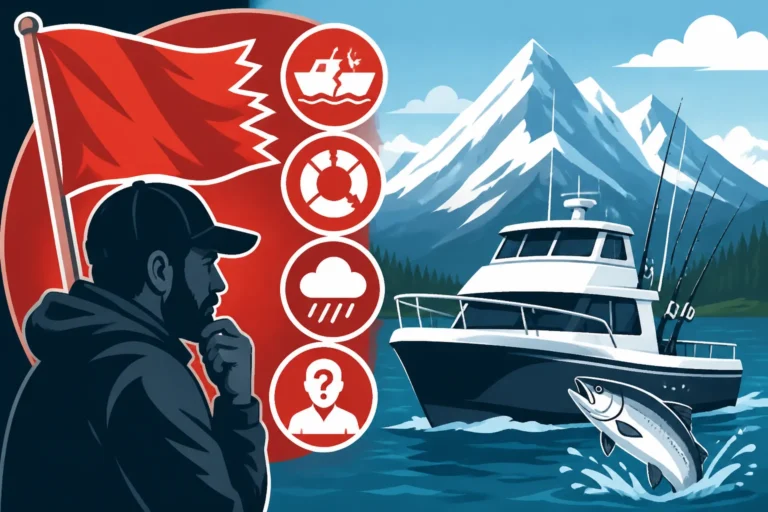
Alaska is stunningly beautiful, but it's also wild and can be unforgiving. Prioritizing safety is paramount.
- Bear Awareness: You are in bear country. Whether on a riverbank or hiking to a fishing spot, be bear aware. Carry bear spray (and know how to use it), make noise while hiking, and properly store food and fish. Never approach bears or cubs.
- Marine Safety: If you're on a charter, your captain is responsible for safety. Listen to their instructions. If you're in your own boat, ensure you have all required safety gear: life vests, flares, communication devices (VHF radio, satellite phone/device in remote areas), and knowledge of marine weather.
- Weather and Water Conditions: Alaskan weather can change rapidly. Rivers can swell with rain, and ocean conditions can quickly turn rough. Always monitor forecasts and be prepared to adjust plans. Hypothermia is a real risk if you get wet and cold.
- Remote Travel: If venturing into remote areas, file a float plan, let someone know your itinerary, and consider carrying a satellite communication device (like a Garmin inReach) for emergencies.
Making the Most of Your Catch: Processing and Shipping
One of the most rewarding parts of an Alaska fishing vacation is bringing home your bounty. But getting it from the water to your freezer back home requires careful planning and execution.
Field Care and On-site Processing
The quality of your fish on your dinner plate starts the moment it leaves the water. Proper field care is essential to preserve its freshness and flavor.
- Bleeding and Icing: Immediately after catching a fish, especially salmon or halibut, it should be bled out. This involves cutting a gill arch or the tail to allow the blood to drain, which significantly improves the meat quality. Then, get it on ice as quickly as possible. Most charters have large coolers with ice for this purpose. If you're bank fishing, bring a cooler with ice.
- Filleting: Charter crews will often fillet your fish for you, or your lodge will have staff dedicated to this. If you're DIY, learn how to properly fillet your species. For instance, knowing how to Fillet a Halibut correctly maximizes your yield. Clean cuts and minimal handling help maintain quality.
- Portioning: After filleting, many anglers prefer to have their fish cut into individual meal-sized portions. This makes it easier to cook later and fits better in vacuum seal bags.
Getting Your Fish Home
Once processed, your fish needs to be frozen and prepared for transport.
- Professional Processing: Most fishing towns in Alaska have professional fish processing companies. These businesses specialize in filleting, vacuum sealing, flash freezing, and packaging your catch into airline-approved shipping boxes. They are experts at preserving your fish for its journey home and can ship directly to your address. Companies like 10th & M Seafoods in Anchorage or Coal Point Seafood Company in Homer are well-known. This service is highly recommended for larger catches or if you want peace of mind.
- DIY Freezing and Shipping: If you have a smaller catch or prefer to do it yourself, you'll need access to a freezer, a vacuum sealer, and appropriate shipping boxes. You can buy insulated shipping boxes at many sporting goods stores or even some post offices in Alaska. When flying, check with your airline about their policies for transporting frozen fish. Most allow it as checked luggage, but there are size and weight restrictions. Always ensure your fish is solidly frozen to prevent spoilage during transit. Understanding How Much Fish Can You Bring Home from Alaska is vital to avoid any issues at the airport.
Disclaimer
The information provided in this guide is for general informational purposes only and is not intended as legal advice regarding Alaska fishing regulations. Fishing regulations, seasons, and limits are subject to change rapidly due to emergency orders issued by the Alaska Department of Fish and Game (ADF&G). It is the angler's sole responsibility to consult the most current Alaska Sport Fishing Regulations booklet and check for any emergency orders pertaining to their specific fishing location and target species before engaging in any fishing activity. Failure to do so may result in fines or penalties. Always prioritize safety and conservation.