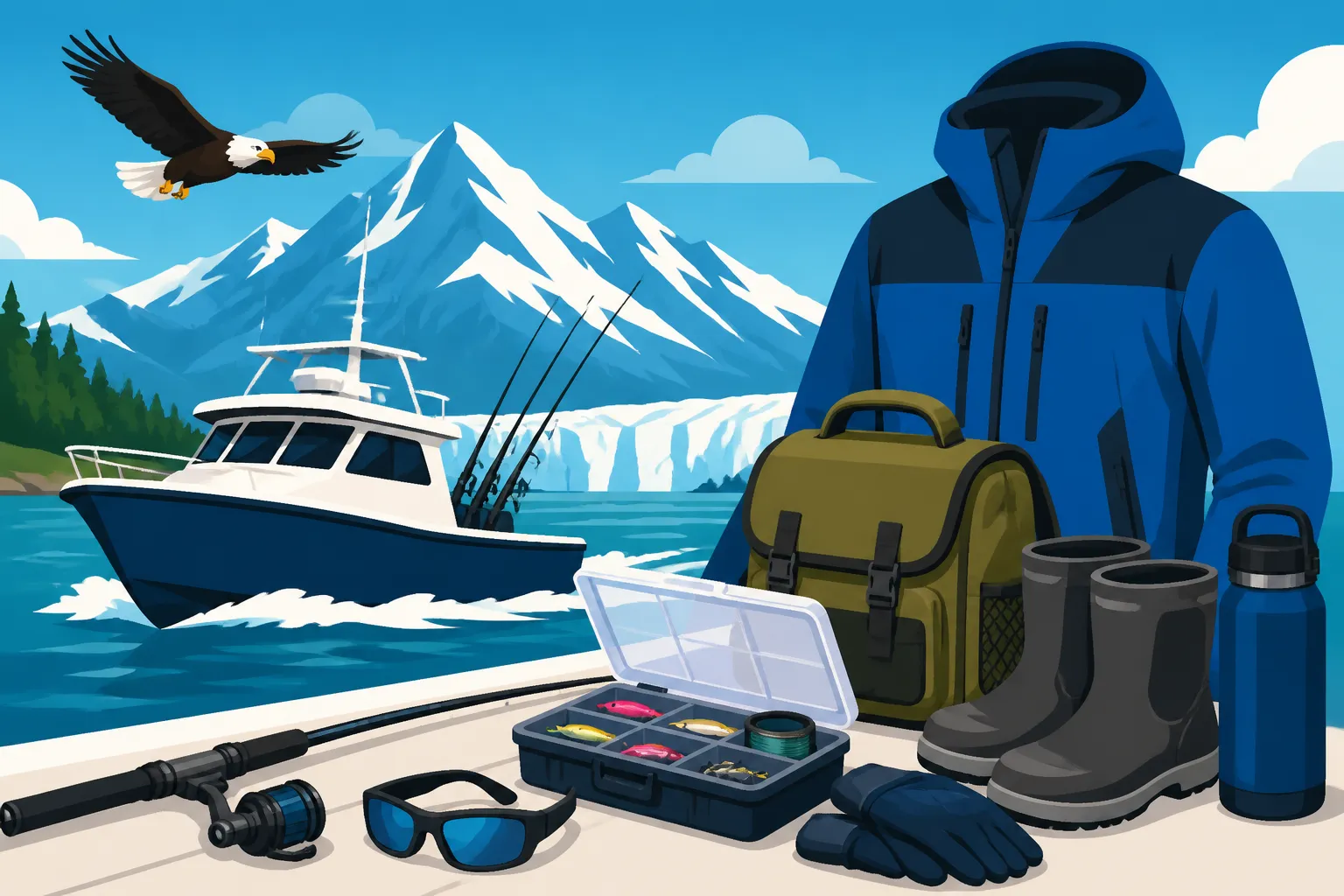
What to Bring on an Alaska Fishing Charter
There's nothing quite like the excitement of an Alaska fishing charter, but the thought of packing for it can feel like a daunting task, especially when you’re trying to anticipate Alaska’s notoriously unpredictable weather and regulations. It’s easy to feel overwhelmed, wondering if you'll forget something crucial or pack too much unnecessary gear. This guide is here to cut through that confusion, giving you a clear, comprehensive checklist of what to bring (and what to leave behind) to ensure your Alaska fishing adventure is comfortable, safe, and truly unforgettable.
Dressing for Success: Mastering Alaska's Layers
One of the biggest anxieties for anyone heading to Alaska, especially for an outdoor activity like fishing, is figuring out what to wear. You’ve heard the tales of four seasons in a single day, and honestly, they're not exaggerations! The key to staying comfortable in Alaska, whether you're chasing salmon on the Kenai River or halibut in Kachemak Bay, is dressing in layers. Forget heavy, bulky single pieces; think adaptable, versatile clothing that you can easily add or shed as conditions change.
The Art of Layering for Alaska's Wild Weather
Alaska’s weather can be a fickle beast. You might wake up to crisp, clear skies, only to have a sudden drizzle turn into a full-blown downpour an hour later, followed by sunshine again. The wind can pick up unexpectedly, especially on the open water. This rapid changeability is why layering isn’t just a suggestion; it’s an absolute necessity. Start with a moisture-wicking base layer against your skin – think synthetic fabrics or merino wool that pull sweat away from your body, even if you’re not actively sweating, it helps regulate temperature. Cotton is a huge no-no for base layers, as it absorbs moisture and stays wet, chilling you to the bone.
Next, you'll want an insulating mid-layer. Fleece jackets, wool sweaters, or even a puffy vest are excellent choices here. These layers trap warm air, providing the bulk of your insulation. Consider a mid-layer that’s easy to zip up or down for quick temperature adjustments. For instance, a lightweight fleece from a brand like Patagonia or Columbia can be perfect. Finally, your outer layer needs to be completely waterproof and windproof. This is your shield against the elements – rain, sea spray, and biting winds. Look for durable, breathable rain gear, ideally a jacket and pants combo, that can stand up to a day on the water. Many fishing charters, which you can often find and book through platforms like FishingBooker, will recommend specific types of outerwear, so it’s always a good idea to check with your captain beforehand. For a deeper dive, check out our guide on how to dress for Alaska fishing.
Footwear for Wet and Slippery Conditions
Your feet are your foundation, and keeping them warm and dry is paramount, especially on a boat deck or riverbank. Wet, cold feet can quickly sour an otherwise fantastic fishing trip. Waterproof boots are non-negotiable. For saltwater charters targeting halibut or lingcod out of Seward or Homer, Xtratuf boots are practically a uniform in Alaska; they offer excellent grip on wet, slippery decks and are completely waterproof. For river fishing, a good pair of waterproof wading boots or hip waders might be more appropriate, especially if you plan on doing any bank fishing or getting in and out of a drift boat.
Ensure your boots are comfortable enough for extended wear, as you’ll be standing for much of the day. Pair them with thick, moisture-wicking wool socks. Bringing an extra pair or two of socks is a smart move – there’s nothing quite as refreshing as pulling on dry socks halfway through a damp day. While some charters may have extra gear available, it’s best to come prepared with your own properly fitting footwear. Think about the type of fishing you'll be doing. If you're on a deep-sea charter, sturdy rubber boots are key. If you're in a river boat, something like a comfortable waterproof hiking boot might suffice, assuming you won't be wading deeply.
Headwear, Gloves, and Eye Protection
These seemingly small items can make a huge difference in your overall comfort and protection. A warm hat that covers your ears, like a fleece or wool beanie, is crucial for retaining body heat, especially on chilly mornings or windy boat rides. When the sun makes an appearance, a baseball cap or a wide-brimmed hat can provide much-needed shade, protecting your face from sunburn and reducing glare off the water. Sunglasses are also a must-have, not just for sun protection, but also for eye safety from stray hooks or flying tackle. Polarized lenses are a bonus, as they cut glare and allow you to see deeper into the water, potentially spotting fish.
Gloves can be a game-changer. Fingerless gloves offer warmth while still allowing for dexterity when tying knots or handling your reel. For colder or wetter conditions, waterproof gloves are excellent for keeping your hands protected from the elements and fish slime. You might even consider bringing two pairs: a lighter, more dexterous pair and a warmer, more protective pair. It's often the extremities that get cold first, so don't overlook these essential accessories. Imagine trying to re-tie a lure with numb fingers on a blustery day in Prince William Sound – not fun!
Fishing-Specific Necessities and Gear
While many Alaska fishing charters provide all the necessary fishing gear, it’s always wise to confirm what’s included in your trip. Sometimes, anglers prefer to bring their own specialized equipment or tackle. Even if the charter supplies the basics, there are a few personal items related to the actual fishing experience that you might want to consider packing.
Tackle and Bait Considerations for DIY Anglers
Most reputable charters, whether you've found them through resources like FishingBooker or local recommendations, will supply rods, reels, line, and the appropriate terminal tackle and bait for the target species. This is often the most convenient option, as charter captains know precisely what works best in their local waters, whether it's specific lures for King Salmon in the Deshka River or herring setups for halibut off the coast of Kodiak. However, if you're an experienced angler with a preferred lucky lure, a specific type of jig you swear by, or specialized tackle you’re eager to try, check with your captain if it's acceptable to bring your own.
Some charters might even encourage it, especially for fly fishing trips where personal preferences for flies and fly lines are common. Always remember to check the current Alaska fishing regulations by region before packing any personal bait, as certain areas have bait restrictions or specific rules, such as those covered in Alaska Bait Restrictions Explained. For instance, some rivers may restrict the use of bait altogether, or only allow artificial lures. If you're planning on doing some unguided fishing before or after your charter, then a full tackle box tailored to local species like salmon, halibut, rainbow trout, or lingcod would be essential.
Specialized Rods, Reels, and Personal Tools
Even if your charter provides gear, you might have a personal rod and reel setup that you're just more comfortable with or that you feel gives you an edge. Perhaps it's a favorite light-tackle setup for smaller coho salmon, or a heavy-duty jigging rod for those monster halibut. If you plan to bring your own, ensure it’s appropriate for the species and fishing style of your charter. A heavy saltwater setup might be overkill for river sockeye, and vice-versa. Always transport rods in a sturdy rod case to prevent damage during travel.
Beyond rods and reels, consider a few small personal tools that can enhance your experience. A good pair of pliers or forceps for hook removal is invaluable – sometimes the charter boat has them, but a personal pair can be handy. A sharp knife for cutting line, a measuring tape (for quick checks against bag limits), and a small tackle bag to organize your personal lures or flies are also useful. Don’t forget a hat clip or lanyard for your nippers and other small tools, so they don’t end up overboard.
Fish Care and Photography Gear
Once you've landed that trophy catch, you'll want to preserve the memory and, of course, the fish itself. While charters handle the bulk of fish processing (and you can learn more in our guide on fish processing after an Alaska charter), a few items can help. A small, waterproof camera like a GoPro is fantastic for capturing action shots without worrying about water damage. For serious photographers, protective cases and waterproof bags are a must for DSLRs.
Consider a small, soft cooler or insulated bag if you're planning to take a portion of your catch home fresh, though most charters will have a cooler on board for the day's catch. If you’re into catch-and-release, a pair of rubberized gloves can protect the fish's slime coat, and a small, knotless landing net can minimize harm. Always discuss catch-and-release best practices with your captain. And don’t forget a rag or towel – fish can be slimy, and having something to wipe your hands on throughout the day is surprisingly useful!
Sustenance and Personal Comforts
A day of fishing, especially in Alaska, can be long and physically demanding. Ensuring you stay hydrated, energized, and comfortable will significantly impact your enjoyment of the trip. While some high-end charters might offer meals or snacks, it's generally a good idea to bring your own provisions.
Hydration and Energizing Snacks
Staying hydrated is incredibly important, even in cooler weather. Bring a reusable water bottle or two filled with water. Many charters have coolers with ice, so you can often refill or keep your drinks chilled. Beyond water, consider sports drinks or juice for an electrolyte boost. Alcohol policies vary widely by charter, so always ask in advance if you plan to bring adult beverages.
For snacks, think high-energy, easy-to-eat options that can withstand boat conditions. Granola bars, nuts, dried fruit, beef jerky, sandwiches, and fruit (like apples or oranges) are excellent choices. Avoid anything too messy or fragile. If you’re prone to seasickness, a light, bland snack like crackers can sometimes help. Packing a variety ensures you have options throughout the day. A good, insulated lunch bag or small cooler is perfect for keeping everything fresh.
Personal Comfort Items
These are the little things that make a big difference. Sunscreen is crucial, even on cloudy days, as UV rays reflect off the water. Lip balm with SPF is also a lifesaver for preventing chapped lips in wind and sun. Insect repellent is a must, especially if your charter involves any time near shore or in rivers (hello, Alaska mosquitoes!). A small bottle of hand sanitizer is great for quick clean-ups before eating snacks or after handling fish.
If you’re susceptible to seasickness, bring your preferred remedy, whether it’s motion sickness medication like Dramamine or Bonine, acupressure wristbands, or ginger chews. It’s always better to take it before you get on the boat rather than waiting until you feel unwell. A small, dry bag is invaluable for keeping your phone, wallet, and other small essentials dry and secure, especially on open-water charters where spray is common. This way, you can focus on the fishing rather than worrying about your valuables.
Entertainment for Downtime
While the main event is, of course, the fishing, there can be periods of downtime, especially during longer runs to fishing grounds or while waiting for a bite. A good book, an e-reader, or a loaded playlist on your phone (in that dry bag, of course!) can be great for passing the time. Binoculars can be wonderful for wildlife viewing – spotting whales, sea otters, or bald eagles is a common bonus on Alaska charters.
Even a simple deck of cards can provide some light entertainment. Just remember to pack items that are weather-resistant or well-protected. If you’re traveling with kids, a few small, engaging activities can keep them happy during lulls. However, try to keep electronics to a minimum and securely stored, as they can be easily lost or damaged on the water.
Essential Documents and Safety Measures
Beyond your personal gear, there are crucial documents and safety items you absolutely cannot forget. Alaska takes its fishing regulations seriously, and being unprepared can lead to fines or a ruined trip.
Your Alaska Fishing License and Harvest Record Card
This is perhaps the single most important item you need to bring. Without a valid Alaska fishing license, you cannot legally fish. For non-residents, depending on the length of your trip, you'll need to decide between a 1-day, 3-day, 7-day, 14-day, or annual license. Residents have different options. If you're targeting King Salmon, you'll also need to purchase an Alaska King Salmon Stamp. You can often purchase these online before your trip or at local sporting goods stores in towns like Soldotna or Ketchikan. Print out a physical copy and keep it somewhere secure, like in a waterproof wallet or a Ziploc bag. Your captain will need to see it.
Additionally, if you’re fishing for King Salmon or halibut, you'll need an Alaska Harvest Record Card, where you record your catch immediately upon retention. These cards are typically issued with your fishing license. Know how to properly fill out an Alaska Harvest Record Card to avoid any issues. For comprehensive details on what you need, consult our guide on the Alaska Fishing License: Complete Guide.
Personal Identification and Emergency Information
Always carry a valid photo ID, such as your driver's license or passport. While not always explicitly checked, it's good practice for any travel and can be necessary for identification if any unforeseen circumstances arise. Have a list of emergency contacts, including phone numbers and any relevant medical information (allergies, medications) in case of an emergency. While most charters have robust safety equipment, having your personal info readily accessible is a responsible step.
Consider bringing any prescription medications you need, in their original containers, along with a small, personal first-aid kit for minor scrapes, blisters, or headaches. Charters will have a more extensive first-aid kit, but quick access to a band-aid or pain reliever can be a relief. It's also a good idea to know the location of emergency services in the area you'll be fishing, though your charter captain will be the primary source of safety information.
Communication Devices and Navigation Aids
A fully charged cell phone is always a good idea for emergencies or just staying in touch, but understand that cell service can be spotty or non-existent in many remote Alaskan fishing areas. Don’t rely solely on your phone for navigation or emergency communication. Your charter captain will have marine radios and GPS systems for navigation and safety, which are far more reliable on the water.
However, having your phone to snap photos or look up local fish identification charts can be convenient. Just remember that dry bag we talked about! If you're an avid adventurer, you might also consider a personal satellite messenger device like a Garmin inReach or a SPOT device for truly off-grid trips, though this is usually overkill for standard charter operations. Again, if you are looking into booking a charter, you can usually verify what safety equipment they carry via their FishingBooker profile or by asking them directly.
What to Leave at Home: Avoiding Unnecessary Baggage
Just as important as knowing what to bring is understanding what not to bring. Overpacking can be a real burden, especially if you're flying into Alaska or have limited space in your lodging. Being strategic about what you leave behind can make your trip much smoother.
The Pitfalls of Overpacking and Unnecessary Items
One of the biggest mistakes travelers make is bringing too much stuff. Remember, most charters have limited space, and you’ll want room for your actual catch! Think critically about each item: Do I truly need this? Is there a lighter, more compact alternative? For instance, instead of multiple bulky sweaters, bring one good fleece and rely on your layering system. Avoid bringing excessive changes of clothes unless you have laundry access during your trip. Most anglers find they wear their core layers multiple times.
Leave behind heavy books or gadgets that you won't use. Your focus should be on the fishing and the stunning Alaskan scenery. If you’re combining your fishing trip with other activities like hiking or sightseeing, consider multi-purpose items that can serve different needs. The goal is to be prepared without being weighed down. For example, a quality pair of waterproof pants can double for fishing and hiking, rather than packing two separate pairs.
Valuables and Irreplaceable Gear
While you might be tempted to bring your most expensive watch or designer sunglasses, it’s generally best to leave irreplaceable valuables at home. On a fishing charter, items can easily get wet, lost overboard, or damaged. The rocking of the boat, the excitement of landing a fish, or simply a splash from a wave can quickly ruin electronics or jewelry. Focus on functional, durable gear that you won’t be heartbroken to lose.
If you must bring something valuable like a high-end camera, ensure it's protected in a waterproof, padded case and is insured. Likewise, if you have a cherished "lucky" fishing rod that can't be replaced, consider whether the risk of damage during travel or on the boat is worth it. For most, a good quality, but not irreplaceable, set of gear is the smarter choice for an Alaska adventure.
Prohibited Items and Unsuitable Gear
Always double-check with your charter operator about any specific prohibited items. This could include certain types of firearms (if you're combining hunting, ensure permits are in order), excessive amounts of alcohol, or anything that could pose a safety risk. While Alaska is generally liberal, specific local or federal regulations apply, especially when operating on the water.
Beyond explicit prohibitions, avoid bringing gear that is simply unsuitable for fishing. This might include delicate fabrics that aren't waterproof, open-toed shoes (unless specifically for a non-fishing portion of your trip), or anything that could easily snag on lines or boat equipment. High heels, dress clothes, or cumbersome luggage are obvious examples of things that are simply not practical for a day on an Alaskan fishing charter. Remember, comfort, safety, and functionality are your top priorities.
Here’s a handy checklist to help you organize your packing:
| Category | Essential Items | Recommended Extras |
|---|---|---|
| Clothing | Waterproof Rain Jacket & Pants | Extra pair of wool socks |
| Moisture-Wicking Base Layers (top & bottom) | Lightweight fleece vest | |
| Insulating Mid-Layer (fleece or wool) | Warm thermal underwear | |
| Warm Hat (beanie) | Wide-brimmed hat for sun | |
| Waterproof Boots (Xtratufs or similar) | Comfortable shoes for off-boat time | |
| Personal Gear | Polarized Sunglasses | Camera (waterproof or in dry bag) |
| Sunscreen & Lip Balm (SPF) | Binoculars for wildlife viewing | |
| Insect Repellent | Small personal first-aid kit | |
| Small Dry Bag for valuables | Book/e-reader for downtime | |
| Personal Medications | Power bank for phone | |
| Hand Sanitizer | Small towel/rag | |
| Documents | Alaska Fishing License (printed copy) | King Salmon Stamp (if applicable) |
| Alaska Harvest Record Card | Photo ID (Driver's License/Passport) | |
| Emergency Contact Info | ||
| Food & Drink | Reusable Water Bottle | Sports drinks/juice |
| High-energy Snacks (granola bars, nuts, jerky) | Sandwiches or light lunch | |
| Seasickness Medication/Remedy | ||
| Optional Fishing | Favorite Lures/Flies (check with charter) | Small tackle bag for personal gear |
| Personal Pliers/Forceps | Knot-tying tool |
Conclusion: Ready for Your Alaska Adventure
Packing for an Alaska fishing charter doesn't have to be a source of stress. By focusing on layers, prioritizing waterproof and durable gear, remembering your essential documents, and leaving unnecessary items behind, you'll be well-prepared for whatever Mother Nature and the fish throw your way. A little planning goes a long way in ensuring your time on the water, whether you're navigating the renowned waters of the Kenai Peninsula or exploring the expansive Gulf of Alaska, is spent making memories, not battling discomfort. Remember, many great charters are available for booking through sites like FishingBooker, and they often provide specific guidance on what to bring. Get ready to cast your line and experience the magic of Alaska fishing!
Disclaimer
Please note that fishing regulations, conditions, and best practices can change rapidly in Alaska. Always consult the official Alaska Department of Fish and Game (ADF&G) regulations before your trip and check for any emergency orders that may be in effect. The information provided here is for general guidance only.