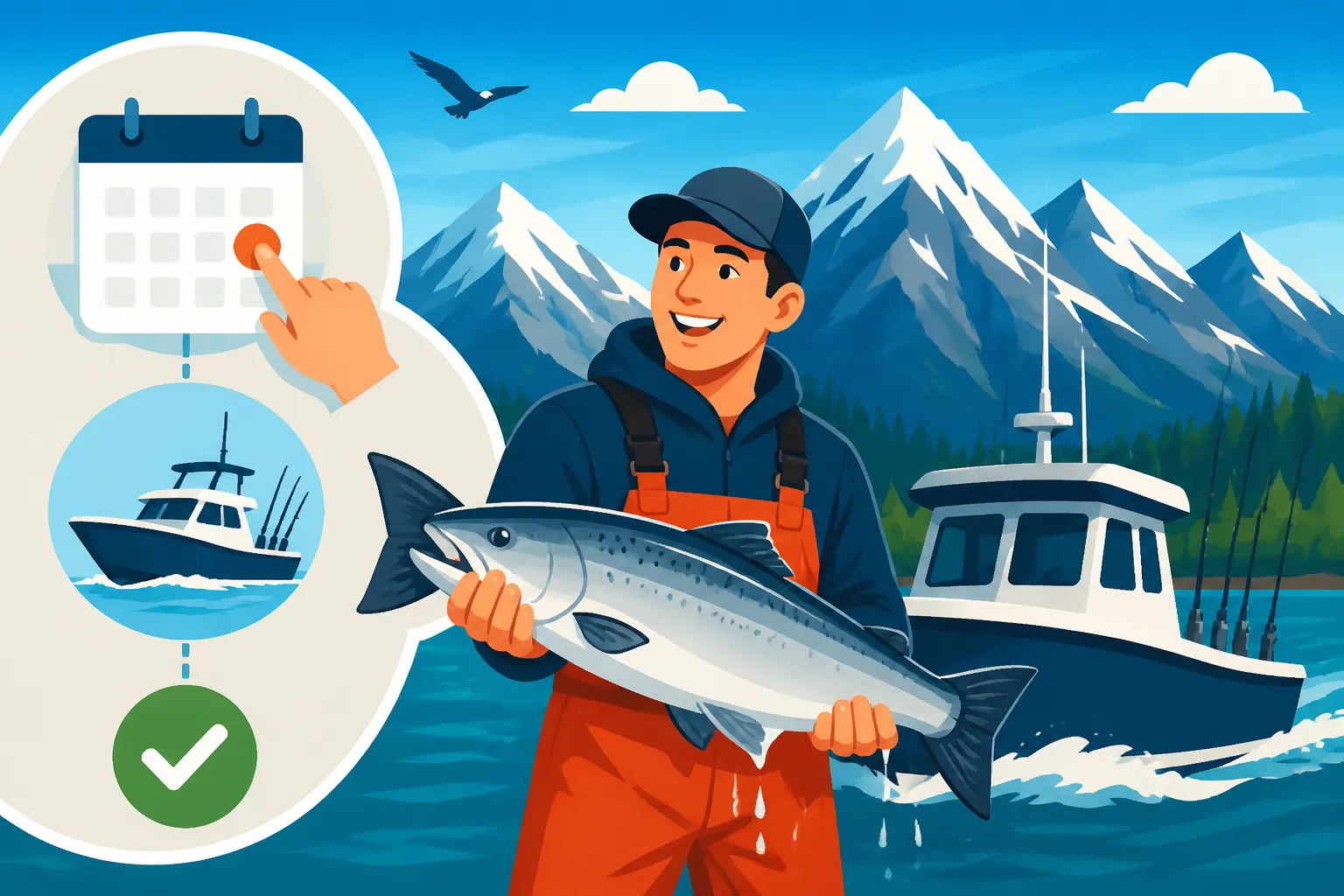
How to Book a Seward Fishing Charter
Planning an Alaska fishing trip is a dream for so many, but when it comes to locking down the details, especially something as crucial as a fishing charter in a specific location like Seward, it can feel like navigating a maze. You want to make sure you're picking the right boat, the right crew, and getting the best value for your hard-earned money, without feeling rushed or overwhelmed by all the options. This guide is here to untangle that process, offering a comprehensive walkthrough on how to confidently book your ideal Seward fishing charter, ensuring your Alaskan adventure starts on the right hook.
Why Choose Seward for Your Fishing Adventure?
Seward isn't just a picturesque port town; it's a bustling hub for some of Alaska's most incredible saltwater fishing experiences. Nestled at the head of Resurrection Bay, it offers immediate access to rich fishing grounds, deep fjords, and the vast Gulf of Alaska. Anglers flock here annually, drawn by the consistent action and the stunning scenery that accompanies every cast. It’s a place where majestic glaciers meet abundant marine life, making every minute on the water an unforgettable experience, whether you're reeling in a trophy or just soaking in the views.
Species You'll Target in Seward
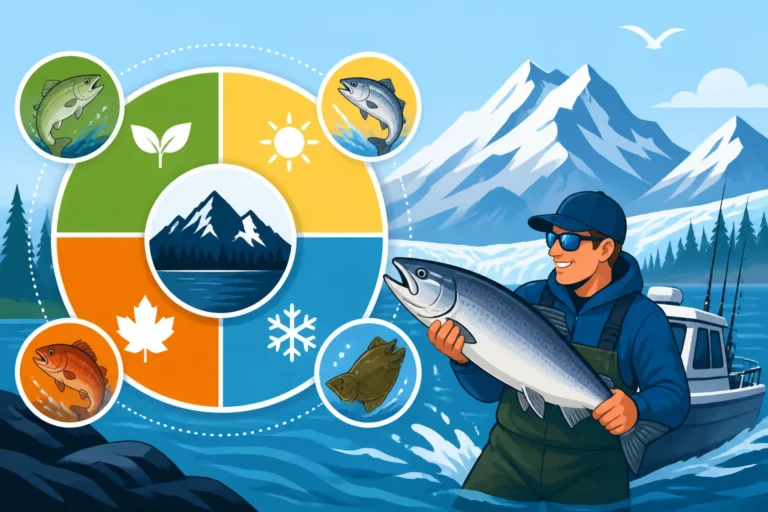
One of the biggest draws to Seward is the sheer diversity of fish species you can pursue. Depending on the time of year, you might find yourself battling a monstrous halibut or pulling in a chrome-bright salmon. The prime fishing season generally runs from late May through early September, with different species peaking at various times.
Halibut are undoubtedly one of the stars of the show in Seward, with anglers consistently catching "barn doors" and "chickens" throughout the summer months. These flatfish are renowned for their powerful fight and delicious white meat. If you're wondering about the rules, understanding the Alaska Halibut Charter Regulations Explained is crucial, as they can sometimes involve reverse slot limits or specific harvest dates. Beyond halibut, Seward offers fantastic opportunities for all five species of Pacific salmon. King Salmon (Chinook) often make their presence known in late May and June, offering an incredibly strong fight. Sockeye Salmon (Red) runs can provide fast-paced action, particularly if you venture into nearby river systems, but generally, the saltwater focus is on the more aggressive feeder kings and silvers. Silver Salmon (Coho) are incredibly popular from July through September, known for their acrobatic jumps and spirited battles. Pink Salmon (Humpy) and Chum Salmon (Dog) also pass through these waters in large numbers during mid-summer. Additionally, the deeper waters around Seward are home to feisty Lingcod and various species of Rockfish, including the prized Yelloweye Rockfish, which make for excellent table fare and offer a different kind of angling challenge.
The Unique Seward Experience
Beyond the fantastic fishing, Seward itself is a destination worth exploring. It's the gateway to the Kenai Fjords National Park, meaning your fishing charter might very well take you past calving glaciers, towering cliffs, and into waters teeming with marine mammals like whales, sea lions, porpoises, and sea otters. Imagine setting a hook while a humpback breaches in the distance – that's the kind of magic Seward offers.
The town itself has a charming, historic feel with a working harbor that's always buzzing. You can wander along the docks, watch charter boats unload their catches, and even visit the Alaska SeaLife Center, a world-class aquarium and research facility. Many anglers combine their fishing days with other activities like glacier tours, kayaking, or hiking, turning their fishing trip into a full-fledged Alaskan adventure. It's not just about the fish you catch; it's about the entire immersive experience that Seward provides, blending the thrill of the chase with breathtaking natural beauty and a vibrant community atmosphere. For those who want to deep dive into the area, checking out our Seward Fishing Guide provides even more local insights.
Navigating the Booking Process: Step-by-Step
Booking a fishing charter can feel like a big commitment, especially when you're traveling a long distance to Alaska. The key is to approach it systematically, doing your homework to ensure you find a reputable charter that matches your expectations and budget. Don't just pick the first name you see; a little research goes a long way to making sure your dream trip doesn't turn into a disappointment.
Researching and Selecting Your Charter
The first step is always research, and thankfully, the internet makes this process much easier than it used to be. Start by looking at reputable online platforms that specialize in connecting anglers with charters. Websites like FishingBooker are incredibly useful for comparing multiple operators in Seward. You can filter by species, boat size, price, and read reviews from other anglers, which is arguably one of the most valuable resources. Pay close attention to recent reviews, as they often give the most accurate picture of a charter's current operations and customer service. You’ll want to look for consistency in positive feedback regarding the crew's professionalism, the boat's condition, and, of course, the fishing success.
Beyond online platforms, don't underestimate the power of local recommendations. If you know anyone who's fished in Seward before, ask them about their experiences. Local hotels, visitor centers, and even other businesses in Seward can often provide insights or recommendations for reputable captains. Consider what type of fishing experience you're looking for: do you want a full-day halibut grind, a more relaxed half-day salmon trip, or a combo trip targeting multiple species? Most charters specialize, so make sure their expertise aligns with your goals. For instance, some charters focus almost exclusively on halibut, while others are geared more towards Alaska Salmon Run Timing Explained and targeting the various salmon species.
Key Questions to Ask Before Booking
Once you've narrowed down a few potential charters, it's time to get specific. Don't be shy about asking questions; a good charter operator will appreciate your thoroughness and be happy to provide clear answers. This conversation is crucial for setting expectations and ensuring there are no surprises on the day of your trip.
Here's a table of essential questions to ask:
| Question Category | Specific Questions to Ask | Why It Matters |
|---|---|---|
| Pricing & Inclusions | What is the total cost, and what exactly is included? (e.g., rods, reels, bait, tackle, rain gear, snacks, drinks, fish cleaning). | Avoids hidden fees. Some charters are all-inclusive, others charge extra for gear or processing. |
| Licenses & Regulations | Do I need to purchase an Alaska Fishing License: Complete Guide and any stamps (like a King Salmon Stamp) beforehand? Are there specific daily or annual limits for the species we're targeting? | You will need a license. Charters do not provide them. Understanding limits (e.g., Alaska Halibut Bag Limits Explained) is vital to avoid violations. |
| Boat & Crew | What size is the boat, and what amenities does it have (restroom, heated cabin)? How many passengers will be on board? How experienced is the captain and crew? | Affects comfort, especially on longer trips or rougher seas. Knowing passenger count helps manage expectations for space and personal attention. Experienced crews are safer and generally more successful. |
| Fish Processing | What happens to our catch after the trip? Is filleting included? Are there options for vacuum sealing, freezing, or shipping? | Important for preserving your catch. Many charters will fillet, but further processing (vacuum sealing, freezing) is often handled by a third-party processor at an additional cost. |
| Cancellation Policy | What is your policy for cancellations due to weather, mechanical issues, or personal reasons? | Crucial for protecting your investment. Alaska weather is unpredictable; ensure you understand refund or rescheduling options. |
| Target Species & Season | What species are we most likely to target during my booking dates? What are the typical Alaska Halibut Size Limit Explained or salmon limits? | Confirms they specialize in what you want to catch and helps manage expectations about catch sizes and quantities based on current regulations. |
| Departure/Return Times | What are the exact departure and estimated return times? | Helps with planning your day around the charter, especially if you have other activities or travel arrangements. |
Asking these questions upfront ensures you're on the same page as the charter operator. You can also specifically ask if they use any particular gear like a deepwater release device for rockfish, demonstrating your knowledge and concern for sustainable practices.
Understanding Deposits and Payment
Almost all fishing charters in Alaska will require a deposit to secure your booking, especially for popular dates during peak season. This deposit typically ranges from 25% to 50% of the total trip cost. It's standard practice, as it protects the charter operator from last-minute cancellations and ensures they can adequately prepare for your trip. Always clarify the exact deposit amount and the accepted payment methods when you book. Many charters now accept online payments, credit cards, or direct bank transfers, making the process convenient even if you're booking from afar.
The remaining balance is usually due on the day of your trip, often paid before you depart from the dock. Make sure you understand their preferred payment method for the final balance as well. While some might accept credit cards on the boat, many prefer cash for the final payment to minimize processing fees, especially for tipping the crew. Be clear on their cancellation policy before committing your deposit. Alaska's weather can be notoriously unpredictable, and while captains will do their best to get out on the water, safety is paramount. Understand what happens if the captain cancels due to unsafe conditions (e.g., full refund, rescheduling options) versus if you cancel for personal reasons (likely forfeiture of deposit). Reading the fine print on these policies will save you headaches down the line.
Preparing for Your Seward Fishing Trip
Booking your charter is just the first step! To ensure you have the best possible experience, a little pre-trip preparation goes a long way. Alaska's environment demands a certain level of readiness, from what you wear to the documents you carry. Don't underestimate the details; they can make or break your comfort and compliance with regulations.
Essential Gear and Clothing
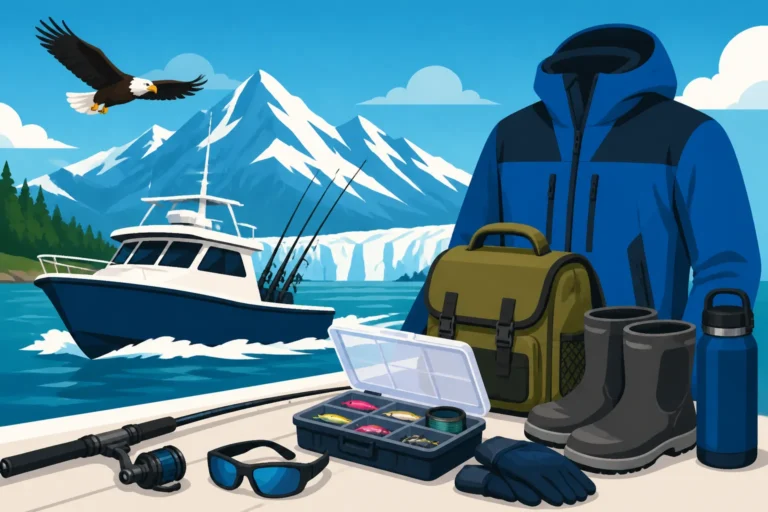
The golden rule for dressing in Alaska is layers, layers, layers! Even on a sunny summer day, the weather can change in an instant, and being out on the water can feel significantly colder due to wind and sea spray. Start with a moisture-wicking base layer, add an insulating fleece or wool layer, and top it off with waterproof and windproof outerwear. A good quality rain jacket and pants are non-negotiable, even if the forecast looks clear. You'll also want waterproof boots with good grip, as boat decks can be slippery. Don't forget a warm hat, gloves (fingerless can be great for dexterity), sunglasses to combat glare off the water, and plenty of sunscreen, as the sun's reflection can be intense.
While most reputable Seward fishing charters, especially those found on platforms like FishingBooker, will provide all the necessary fishing gear—rods, reels, bait, and tackle—it's always smart to confirm this when you book. They typically use heavy-duty gear designed for the powerful fish you'll encounter. However, if you have a favorite lucky hat or a specific pair of polarized sunglasses, bring them along! For a more comprehensive checklist, our guide on What to Wear on an Alaska Fishing Charter offers fantastic advice to ensure you stay warm, dry, and comfortable.
Licenses, Stamps, and Harvest Cards
This is a critical point that trips up many visitors. You absolutely need an Alaska fishing license to legally fish in Alaska, even if you're on a guided charter. Charters do not provide these; it's your responsibility to purchase it beforehand. You can easily purchase your Alaska Fishing License: Complete Guide online through the Alaska Department of Fish and Game (ADFG) website before your trip. Make sure to print it out or have it readily accessible on your phone, as you'll need to present it if requested by Fish and Wildlife Troopers.
Depending on the species you plan to target, you might also need additional stamps. For example, if you're hoping to catch King Salmon, you'll need to purchase an Alaska King Salmon Stamp Requirements in addition to your regular license. These stamps are crucial for funding conservation efforts for these specific species. Furthermore, all anglers fishing for King Salmon, Halibut, and several other species are required to carry an Alaska Harvest Record Card Explained. This card must be filled out immediately after retaining one of these species. It's a vital tool for the ADFG to track harvest numbers and manage fish populations sustainably. Your captain or crew will guide you on how and when to fill this out correctly, but having an understanding of it beforehand is beneficial.
Fish Processing and Shipping Your Catch
One of the best parts of an Alaska fishing trip is bringing home your delicious catch. But what happens after the fish is off the hook and on the boat? Most charters will include basic filleting of your fish at the dock, transforming your whole halibut or salmon into ready-to-process fillets. However, the subsequent steps—vacuum sealing, freezing, and packaging for transport—are typically handled by independent fish processing companies in Seward.
Seward boasts several excellent processors, such as Seward Fish Company or J-Dock Seafood Company, located right near the harbor. These facilities offer professional services, often including blast freezing, vacuum sealing, and boxing your fillets into airline-approved coolers or shipping containers. Prices vary based on the weight of your fish and the services requested, but it's a worthwhile investment to protect your prize. You can choose to have your fish shipped directly to your home via air cargo, or you can check it as luggage on your flight. Be sure to coordinate with the processor and your airline regarding weight limits and specific rules for flying with frozen seafood. For detailed information on regulations and best practices, consult our guide on Alaska Fish Transport and Shipping Rules. Planning this step in advance ensures your hard-earned catch arrives home in perfect condition, ready for your dinner table.
Tips for a Successful Seward Charter Experience
You've done the research, booked the boat, and packed your bags. Now it's time to hit the water! To maximize your enjoyment and chances of success on your Seward fishing charter, keep a few key tips in mind. A little preparation and a good attitude can make all the difference between a good trip and a truly fantastic one.
Be Prepared for the Elements
Alaska's weather is famously unpredictable. A calm, sunny morning can quickly turn into a windy, rainy afternoon with choppy seas. Being prepared for these shifts is paramount. As mentioned, layering your clothing is your best defense against the elements. Even if it's sunny, pack your waterproof gear. It's also wise to consider seasickness medication if you're prone to motion sickness, especially on a full-day offshore halibut trip in the Gulf of Alaska. Take it before you board the boat, not once you start feeling queasy. Dramamine, Bonine, or even ginger chews can be very effective. Many captains will head out even in a bit of chop, so being mentally and physically ready for various conditions will ensure your comfort and enjoyment throughout the day.
The long daylight hours of summer in Alaska can also play a factor. While you might be fishing well into the evening, remember that the sun can still be quite strong. Protect your skin and eyes, and stay hydrated. This preparation allows you to focus on the fishing and the incredible scenery, rather than battling discomfort.
Communicate with Your Captain and Crew
Your captain and crew are your guides, experts, and allies on the water. They know the local waters, fish patterns, and regulations better than anyone. Don't hesitate to communicate your expectations or any concerns you might have before or during the trip. If you're hoping to target a specific species (within the bounds of what's realistic for the season), let them know. If you're feeling unwell, speak up. They are there to help you have a great time and can offer advice, assistance, or even change locations if fishing is slow.
Listening to their instructions is crucial, both for safety and fishing success. They'll tell you how to drop your line, when to reel, and how to handle a fish once it's on the hook. Their guidance is invaluable, especially if you're new to fishing in Alaska or using certain techniques like bottom fishing for halibut or jigging for rockfish. A good rapport with the crew can truly enhance your experience, turning a simple fishing trip into a memorable outing with knowledgeable locals.
Tipping Etiquette
Tipping is a common practice in the charter fishing industry, and Alaska is no exception. It's a way to show your appreciation for the hard work, expertise, and service provided by your captain and deckhands. These folks work incredibly long hours, often starting well before dawn to prepare the boat and ending long after dark with cleaning and maintenance. A good deckhand can make your day, constantly baiting hooks, untangling lines, gaffing fish, and offering valuable assistance.
A standard tip for a fishing charter in Alaska typically ranges from 15% to 20% of the total trip cost. If you had an exceptional experience, felt the crew went above and beyond, or if they worked extra hard to find fish on a tough day, consider tipping towards the higher end of that range. It's generally best to tip in cash directly to the deckhand, as they often rely on these tips as a significant part of their income. If there's no deckhand, tip the captain. This gesture of gratitude is a small way to acknowledge their dedication to making your trip a success. For more insights into how to appropriately acknowledge great service, refer to our detailed guide on Tipping on an Alaska Fishing Charter.
Disclaimer
Please note that fishing regulations in Alaska, including bag limits, seasons, and required stamps, can change frequently due to emergency orders issued by the Alaska Department of Fish and Game. While this guide provides general information, it is your responsibility to check the most current regulations for the specific area and dates you plan to fish before heading out. Always consult the official Alaska Department of Fish and Game website or a local field office for the latest updates.