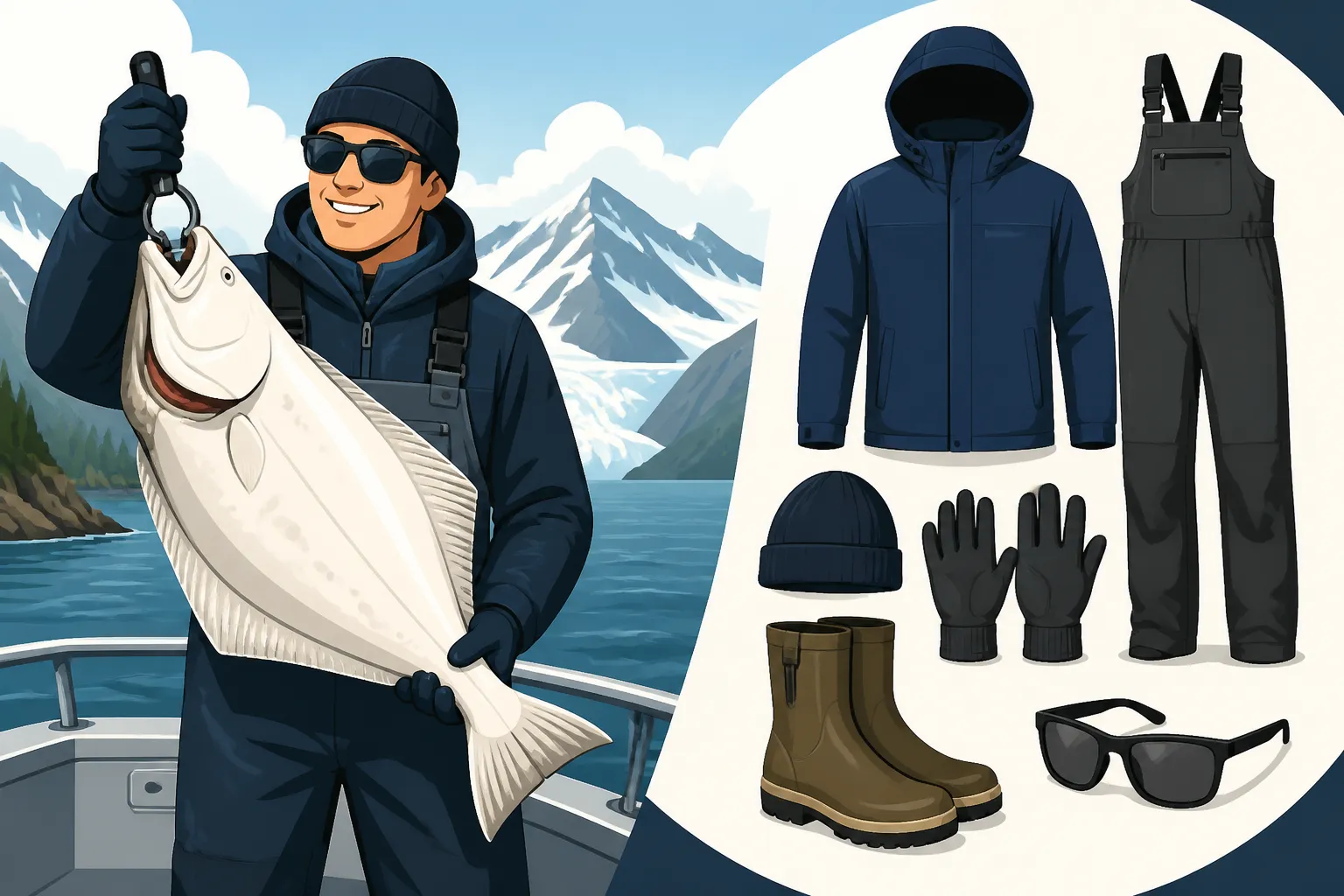
What to Wear on an Alaska Halibut Charter
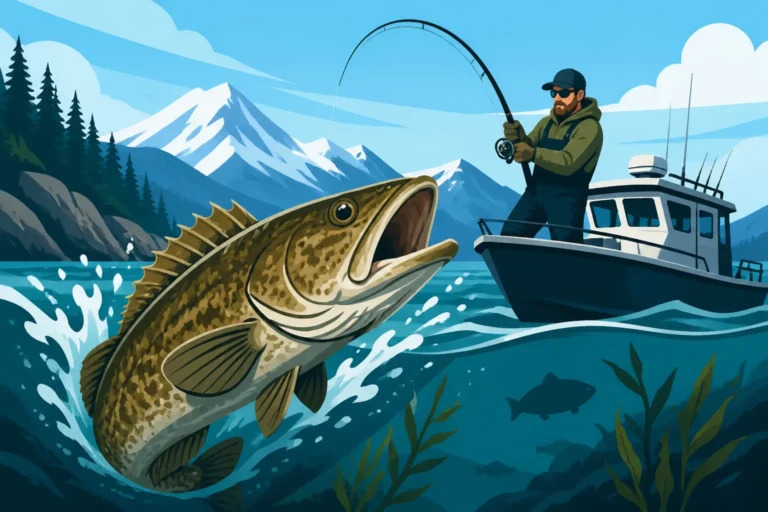
Heading out on an Alaska halibut charter is an incredible adventure, but one common mistake folks make is underestimating just how quickly the Alaskan weather can turn, especially when you're out on the open water. You might wake up to clear skies, only for thick fog, rain, or a stiff breeze to roll in within hours, leaving you shivering and miserable if you're not dressed right. This guide is all about making sure you're properly geared up from head to toe, so you can focus on reeling in that barn door halibut, not battling the elements.
Understanding Alaska's Unpredictable Weather for Halibut Fishing
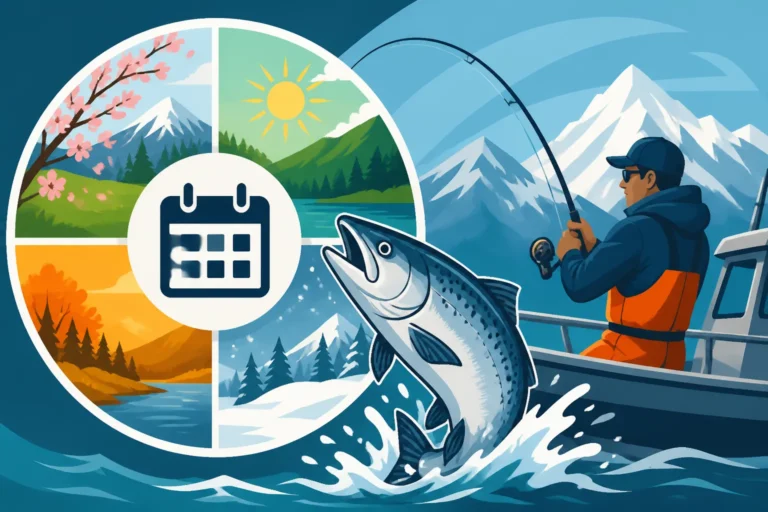
Alaska's maritime climate is notoriously fickle, and the sheer scale of the wilderness means that conditions can vary dramatically from one bay to the next, let alone from shore to offshore fishing grounds. When you're dreaming of epic halibut fishing in places like Homer or Seward, it’s easy to picture blue skies and calm seas. The reality, however, often involves a lot more nuance, and being prepared for anything is the golden rule.
Why Layering is Non-Negotiable in Alaska
Forget packing one heavy coat and calling it a day. In Alaska, layering isn't just a suggestion; it's an absolute survival strategy for comfort. You could start your morning on the docks wrapped in fleece, shed it by midday as the sun breaks through, and then pile it back on, plus a waterproof shell, when the afternoon squall hits or the boat picks up speed, creating an artificial wind chill. The beauty of layering is its adaptability. As your activity level changes—from an intense fight with a big halibut to patiently waiting for a bite—or as the ambient temperature and wind shift, you can add or subtract layers to perfectly regulate your body temperature. This prevents you from overheating and sweating, which can lead to a dangerous chill later, and ensures you're never caught off guard by a sudden drop in temperature. It truly allows you to enjoy the full scope of your day, rather than wishing you were back on solid ground.
The Chill of the Ocean and Its Impact
There's a fundamental difference between a cold day on land and a cold day on the ocean, especially in Alaska. The vast expanse of the Pacific Ocean acts as a massive heat sink, keeping the air temperatures cooler than inland areas, even in summer. Add to that the constant motion of a boat, which generates its own wind, often referred to as "apparent wind." This wind significantly increases the wind chill factor, making a 45-degree Fahrenheit day feel more like 30 degrees when you're cruising at 20 knots.
Then there's the pervasive dampness. Sea spray is almost guaranteed on any halibut charter, especially if there's any chop on the water. Even on a seemingly dry day, the air itself can carry a certain moisture, which seeps into inadequately protected clothing. Once your clothes get wet, they lose their insulating properties dramatically, and you're in for a truly uncomfortable experience. This is why having robust waterproof outer layers is absolutely critical; they create a barrier that keeps the insidious dampness and chilling winds from penetrating your core warmth. If you want to understand more about the local fishing conditions, you can often find details on the specific areas like those covered in our guide to Homer Fishing Guide.
The Essential Layers from Head to Toe
Getting dressed for an Alaska halibut charter is a bit like engineering a personal microclimate. Every piece of clothing has a specific job, and they all work together to keep you warm, dry, and comfortable. Let's break down each component, starting from the closest to your skin and working our way out.
Base Layers: The Foundation of Warmth
Think of your base layer as your personal climate control system. Its primary job is to wick moisture—sweat—away from your skin. When you're battling a big halibut or moving around the deck, you're going to exert yourself and sweat. If that sweat stays on your skin, it cools rapidly, leading to hypothermia, even on a day that doesn't feel all that cold. This is where the age-old advice "cotton kills" comes in. Cotton absorbs moisture like a sponge and holds it against your skin, making you feel clammy and cold.
Instead, opt for materials like merino wool or synthetic fabrics (polyester, polypropylene). Merino wool is a fantastic choice because it's naturally moisture-wicking, breathable, and surprisingly warm even when damp. Plus, it has natural odor-resistant properties, which is a nice bonus on a multi-day trip. Synthetics are also excellent at wicking and dry quickly, though some can retain odors more than wool. Look for lightweight to mid-weight options, depending on the expected temperatures. You'll want a long-sleeve top and matching long underwear bottoms. Brands like Smartwool, Minus33, and Patagonia Capilene are popular and reliable choices that deliver on their promises.
Mid-Layers: Insulation Against the Cold
Once your base layer is doing its job of wicking, your mid-layers step in to provide the crucial insulation that traps your body heat. These are your "warmth" layers, and you might wear one or two, depending on how cold it is.
Fleece is a go-to mid-layer for many anglers. It's lightweight, breathable, and retains much of its insulating properties even if it gets a little damp. A good quality fleece jacket (200-300 weight) is usually sufficient for most days. For colder conditions, or if you run cold easily, a puffy jacket with either synthetic insulation (like Primaloft) or down can be a game-changer. Synthetic puffies are often preferred for fishing because they continue to insulate even when wet, unlike down which loses most of its warmth when saturated.
You might also consider a vest as an additional mid-layer. It keeps your core warm while allowing your arms full range of motion, which is handy when you're casting, jigging, or fighting a fish. Remember, you want layers that aren't too bulky so you can move freely and effectively. Many people opt for a lighter fleece or synthetic layer over their base, and then a slightly heavier puffy jacket over that, providing a robust insulation system.
Outer Layers: Your Fortress Against the Elements
This is arguably the most critical layer for an Alaska halibut charter: your shell. Its job is twofold – to be completely waterproof and windproof, keeping every drop of rain, splash of sea spray, and gust of wind from reaching your inner layers. If your outer layer fails, all your careful layering underneath will be compromised, leading to a quick descent into misery.
You'll want a heavy-duty rain jacket and rain bibs or pants. Don't skimp here. Look for materials with high waterproof and breathability ratings, such as Gore-Tex, Helly Hansen Helly Tech, or other proprietary technologies from reputable outdoor brands. These fabrics allow internal moisture (sweat vapor) to escape while preventing external water from entering.
Your jacket should have a good hood that can be cinched down tightly, ideally one that can fit over a beanie or ball cap. High collars are excellent for protecting your neck from wind. Pockets with waterproof zippers are also a huge plus for keeping small essentials dry. For the lower half, rain bibs are highly recommended over simple rain pants. Bibs come up higher on your torso, providing extra protection against spray and preventing water from running down your back when you bend over. They also tend to stay up better and provide an extra layer of warmth around your core. Ensure they have reinforced knees and seats, as you’ll likely be kneeling or sitting on wet surfaces throughout the day. A robust outer layer is what truly lets you focus on the fishing, whether you're targeting Alaska Halibut or trying to land a trophy King Salmon. Knowing What to Expect on an Alaska Halibut Charter can help you visualize the environment you'll be in.
Footwear: Keeping Your Toes Toasty and Dry
Wet, cold feet can ruin even the most promising fishing trip. On an Alaska halibut charter, your feet will be exposed to sea spray, fish slime, and potentially standing water on the deck. Therefore, choosing the right footwear is paramount.
Start with your socks. Again, ditch cotton entirely. Opt for thick, insulating wool socks (like merino wool) or synthetic blends. These will wick moisture away from your skin and provide warmth even if they get damp. Bringing an extra pair to change into halfway through the day can feel like a luxury.
For your main footwear, waterproof, insulated rubber boots are the gold standard. XTRATUF boots are practically the unofficial uniform of Alaskan fishermen for a reason – they are incredibly durable, completely waterproof, offer excellent traction on slippery decks, and are comfortable for long hours. Brands like Grundéns also offer excellent options. Look for boots that come up at least mid-calf to protect against deeper splashes. Ensure they are roomy enough to accommodate thick socks without being too tight, which can restrict circulation and make your feet colder. Good traction is crucial for safety on a wet, rocking boat, so pay attention to the sole design. You don't want to be slipping around while battling a powerful fish.
Protecting Your Extremities and Head
Many anglers make the mistake of focusing solely on their core and forgetting about their head, hands, and eyes. These extremities are vital for comfort, safety, and your ability to fish effectively. Up to 40% of your body heat can be lost through your head, and cold hands make it almost impossible to tie knots or handle gear.
Headwear: Crucial for Heat Retention
Your head is a major heat loss area, so keeping it covered is essential for overall warmth. A warm, comfortable beanie made of wool or fleece is your first line of defense against the cold and wind. It should fit snugly without being too tight. For sun protection, especially on rare but glorious sunny days, a baseball cap or a wide-brimmed hat can keep the glare out of your eyes and protect your face and neck from UV rays. Many anglers wear a baseball cap under their beanie, or under the hood of their rain jacket for a double layer of protection against the elements and to keep the sun off their face. On particularly windy or cold days, a balaclava or neck gaiter can be invaluable, covering your neck, face, and ears, which are very susceptible to windburn and frostbite.
Hand Protection: Dexterity and Warmth
Cold, numb hands are useless for fishing. You need gloves that provide warmth and protection from water, but also allow enough dexterity to handle fishing line, bait, and tackle.
Waterproof gloves are a must. Neoprene gloves, similar to what divers wear, are a popular choice because they offer excellent insulation even when wet and are fairly flexible. Insulated waterproof gloves with a rugged outer shell are also great for colder conditions. However, many anglers find that full gloves can hinder dexterity when tying knots or re-baiting hooks. For this reason, some prefer fingerless gloves, or gloves with fold-back fingertips, that they can pull off quickly for sensitive tasks. Alternatively, bring a couple of pairs: a heavier, warmer pair for travel and waiting, and a lighter, more dexterous pair for actual fishing. It's a smart idea to have a backup pair, because gloves almost always get wet. You can find more specific advice on the appropriate gear in our Alaska Fishing Gear and Tackle Guide.
Eye Protection: Sun, Spray, and Glare
The sun in Alaska, especially reflecting off the water, can be surprisingly intense. Polarized sunglasses are non-negotiable for two reasons: they protect your eyes from harmful UV rays and drastically reduce glare off the water, allowing you to see better and reduce eye strain. This is particularly important for spotting fish or just enjoying the stunning Alaskan scenery without squinting all day. Look for lenses that offer 100% UV protection.
Beyond sun, sunglasses also offer a layer of protection from sea spray, wind, and even errant hooks (though hopefully, that won't be an issue!). Combine them with a brimmed hat for maximum sun protection for your face and eyes.
Beyond the Basics: Other Important Gear to Consider
While your core clothing layers are the most critical, a few other items can significantly enhance your comfort and safety on an Alaska halibut charter. It’s about being truly prepared for a full day out on the water, far from shore.
Personal Flotation Devices PFDs: Safety First
Safety is paramount on any fishing trip, and while most reputable charter operators, like those you can find on platforms such as FishingBooker, will provide U.S. Coast Guard-approved Personal Flotation Devices (PFDs) for all passengers, it’s still worth mentioning. You’ll be wearing your PFD over all your layers. Modern PFDs are much less bulky than older models, but they still add an extra layer, so factor that into how many internal layers you choose. Ensure it fits comfortably over your outerwear and doesn't restrict your movement too much. Even if you're a strong swimmer, a PFD is non-negotiable in the cold waters of Alaska.
Sun Protection and Personal Comfort Items
Even on cloudy days, UV rays can penetrate the clouds, and the reflection off the water amplifies sun exposure. Don't forget high SPF sunscreen for any exposed skin, especially your face, neck, and the backs of your hands. A good quality, SPF-rated lip balm is also crucial to prevent chapped lips from sun and wind.
Seasickness can be a real issue for some people on offshore charters. If you're prone to it, or even if you're unsure, take preventative medication (like Dramamine or Bonine) well before boarding. It's much easier to prevent seasickness than to cure it once it starts.
Bringing a small, waterproof dry bag or backpack is an excellent idea for stashing personal items like your wallet, phone, camera, and any medications. Even a "water-resistant" bag can quickly become soaked on an Alaskan charter. Look for bags with roll-top closures or robust waterproof zippers.
The Importance of a Change of Clothes
This might seem obvious, but it's often overlooked. After a long day on the water, especially if you've been battling the elements, there's nothing quite like changing into dry, warm clothes. Even if your outer layers held up perfectly, the interior might be damp from sweat. Having a full set of dry clothes waiting back at your lodge or in your vehicle can make all the difference in your comfort and ability to relax after a successful day of fishing. Imagine the feeling of peeling off damp layers and slipping into something cozy while the captain and crew fillet your catch. If you’re considering booking a trip, platforms like FishingBooker can help you find charters that often have facilities or recommendations nearby for changing and getting comfortable after your excursion. Knowing How to Book an Alaska Fishing Trip or understanding Best Time to Catch Halibut in Alaska can help ensure you're well-prepared for your specific adventure.
What to Wear on an Alaska Halibut Charter: Quick Reference Guide
| Layer Type | Item Examples | Key Material / Feature | Purpose |
|---|---|---|---|
| Base Layer | Long-sleeve shirt, long underwear | Merino wool, synthetic wicking fabrics | Wicks moisture away from skin, light insulation. NO COTTON. |
| Mid-Layer | Fleece jacket/pants, puffy jacket/vest | Fleece, synthetic insulated (Primaloft) | Traps body heat, provides insulation. |
| Outer Layer | Waterproof rain jacket, rain bibs/pants | Gore-Tex, Helly Tech, robust waterproof/windproof fabrics | Complete barrier against rain, sea spray, and wind. |
| Footwear | Tall rubber boots, wool socks | XTRATUF, Grundéns, Merino wool, synthetic | Keeps feet dry, warm, and offers traction. NO COTTON SOCKS. |
| Headwear | Beanie, balaclava, brimmed hat | Wool, fleece, quick-dry synthetic | Retains body heat, protects from sun, wind, and spray. |
| Handwear | Waterproof gloves, fingerless gloves | Neoprene, insulated waterproof, wool/synthetic | Keeps hands warm and dry, maintains dexterity for fishing tasks. |
| Eyewear | Polarized sunglasses | UV-protective lenses | Reduces glare, protects from sun, wind, and spray. |
| Essentials | Sunscreen, lip balm, seasickness meds, dry bag, change of clothes | High SPF, waterproof materials | Personal comfort, safety, and protection for electronics. |
Disclaimer
The information provided in this guide is for general informational purposes only and is intended to offer helpful advice for preparing for an Alaska halibut charter. Weather conditions in Alaska can be extremely dynamic and unpredictable. Always consult the most current local weather forecasts and heed the advice of your charter captain or guide, as they have the most up-to-date knowledge of specific conditions. Safety is your responsibility, and proper preparation is key to a successful and enjoyable fishing trip.