Casting in Alaska: How-To Guide
For many anglers dreaming of Alaska, the sheer vastness of the landscape and the power of its legendary fish can feel intimidating, especially when it comes to mastering the art of casting in such diverse and often challenging conditions. From battling powerful currents on a world-famous salmon river to accurately presenting a fly to a wary trout in a pristine stream, knowing how to cast effectively is absolutely crucial. This comprehensive guide will break down the essential casting techniques, gear considerations, and practical tips you need to confidently tackle Alaska's incredible fishing opportunities.
Understanding the Basics of Casting for Alaska's Waters
Before you can even think about hooking into a monster King salmon or a feisty Rainbow trout, you've got to get your lure, bait, or fly where the fish are. And that, my friends, comes down to your cast. Alaska's fishing scenarios are incredibly varied, demanding more than just a single, all-purpose casting motion. You'll encounter everything from tight, brush-lined streams to wide-open bays, and each situation calls for a nuanced approach.
Rod and Reel Selection for Effective Casting
Choosing the right rod and reel combination is your first, and arguably most important, step towards effective casting in Alaska. It’s not a one-size-fits-all situation; what works for a heavy King salmon setup won't be ideal for delicate trout presentations. For salmon rivers like the Kenai River, you might be looking at stout conventional gear or heavy-action spinning rods, often ranging from 9 to 10 feet, capable of handling 20-50lb test line. These longer rods provide leverage for casting heavy weights and fighting strong fish in powerful currents. On the other hand, if you're chasing Rainbow Trout or Dolly Varden on smaller streams, a lighter 6-8 foot spinning rod with medium-light action or a 5-7 weight fly rod will offer the sensitivity and finesse required for smaller lures or flies.
Your reel needs to balance well with your rod and hold sufficient line of the appropriate strength. A quality spinning reel with a smooth drag system is versatile for many applications, from casting spoons for Coho salmon to drifting beads for trout. For heavy-duty applications, especially when bottom fishing for halibut or casting large swimbaits for big King salmon in fast water, a baitcasting reel (conventional reel) offers superior cranking power and line capacity. Many anglers find it convenient to order specialty items like the right fishing beads for trout or a heavy-duty jigging rod for halibut directly from Amazon before their trip, ensuring they have exactly what they need upon arrival.
Mastering the Overhead Cast
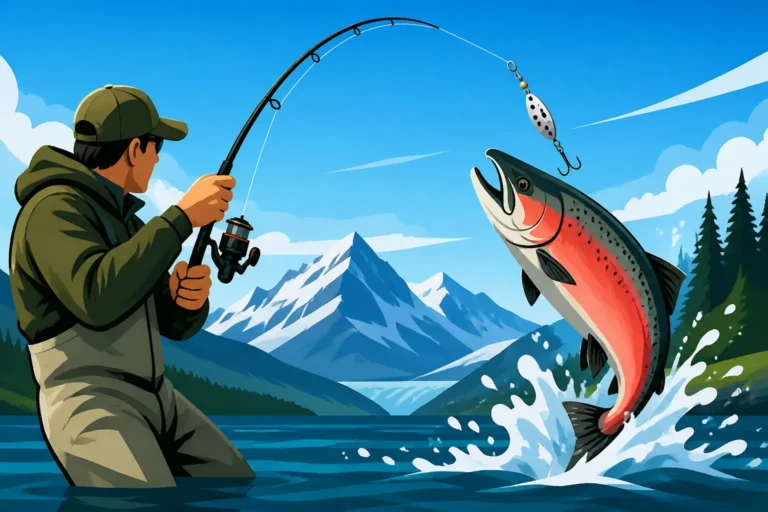
The overhead cast is the bread and butter for most spin and baitcasting anglers, and it's a fundamental skill you'll use constantly in Alaska. It's excellent for distance and accuracy in open water, whether you're targeting salmon in a broad river or casting spoons from shore into a saltwater estuary. To execute an effective overhead cast, you'll want to load your rod properly. This means bringing the rod tip up smoothly and then, with a controlled but powerful forward motion, snapping it forward, releasing the line at the peak of your forward stroke. Think of it like throwing a baseball, but with the rod doing the work.
Practice is key to getting the timing right and avoiding common mistakes like overpowering the cast (which leads to a collapsed loop or bird's nest) or stopping your rod too early (resulting in a weak, lobbed cast). Pay attention to your release point; releasing too early sends your lure skyward, while releasing too late will drive it into the water directly in front of you. A smooth, fluid motion from your wrist, forearm, and shoulder, combined with a consistent release, will give you the most accurate and powerful casts, crucial for reaching those distant salmon holding lies or the edge of a halibut flat.
The Importance of Line Management
Even the most perfect cast can be ruined by poor line management. In Alaska, where currents are strong and fish fight hard, keeping control of your line before, during, and after the cast is paramount. Before casting, ensure your line is free from tangles, your bail is open (for spinning reels), or your thumb is firmly on the spool (for baitcasters). After the cast, whether you're using a spinner, a fly, or bait, immediately manage your line to remove slack. Too much slack makes it impossible to feel subtle bites or set the hook effectively, especially in the swift flows of rivers like the Kasilof River.
For river fishing, understanding how the current affects your line is vital for a natural presentation. Often, you'll want to "mend" your line – lifting your rod tip and flipping a loop of line upstream – to counteract drag and allow your lure or fly to drift naturally without being pulled unnaturally fast. This is particularly important when How to Drift Fishing for Salmon in Alaska or presenting an egg imitation for trout. In saltwater, too much slack can lead to your lure or bait being swept away from the target zone, or worse, tangling with other lines on a crowded charter boat. Good line management allows you to maintain contact with your offering, detect bites, and set the hook with authority.
Specialized Casting Techniques for Alaska Salmon
Alaska is synonymous with salmon fishing, and each of the five Pacific salmon species often requires specific casting techniques to entice them. From the powerful Kings to the acrobatic Silvers and the notoriously line-shy Sockeye, adapting your cast to the species and the conditions is a game-changer.
Flipping and Twitching for Sockeye Salmon
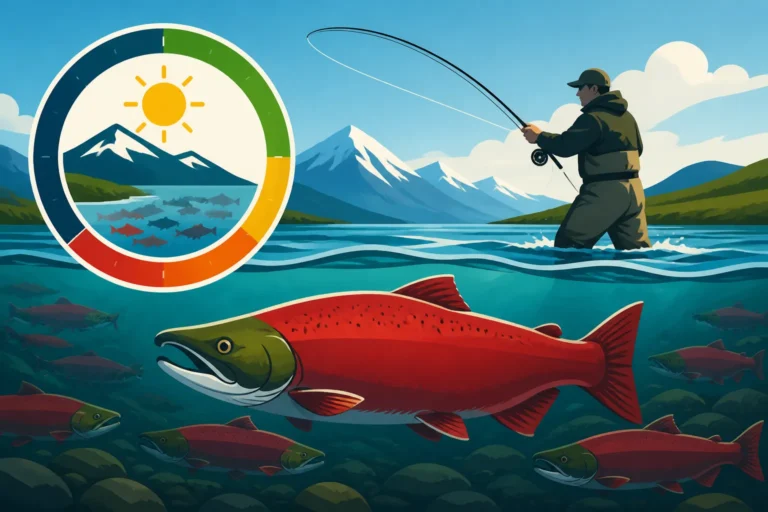
Sockeye salmon are unique; they typically don't feed once they enter freshwater to spawn. This means you're not trying to get them to bite out of hunger, but rather to react out of aggression or instinct. The most common and effective technique for Sockeye, particularly on rivers like the Russian River or the Kenai, involves a technique often called "flipping" or "flossing." This isn't a traditional casting method for an active retrieve, but rather a precise placement to allow a weighted leader and a small, unbaited fly or bead to drift into the Sockeye's mouth. The goal is to hook them cleanly in the jaw, not to snag them.
To execute this, you'll often make short, accurate casts upstream or slightly across the current, letting the weight carry your leader and fly down through the zone where Sockeye are tightly packed. The "twitch" comes in as you retrieve slack line, maintaining just enough tension to feel the weight of the fish when the line comes tight. It’s a subtle art, requiring a delicate touch and an understanding of the river's contours. Mastering this technique is crucial for success during peak Sockeye runs, and many anglers invest in specific Sockeye rods and setups to optimize their flipping game. You can learn more about How to Set the Hook on Alaska Sockeye in a dedicated guide.
Casting Spinners and Spoons for Kings and Silvers
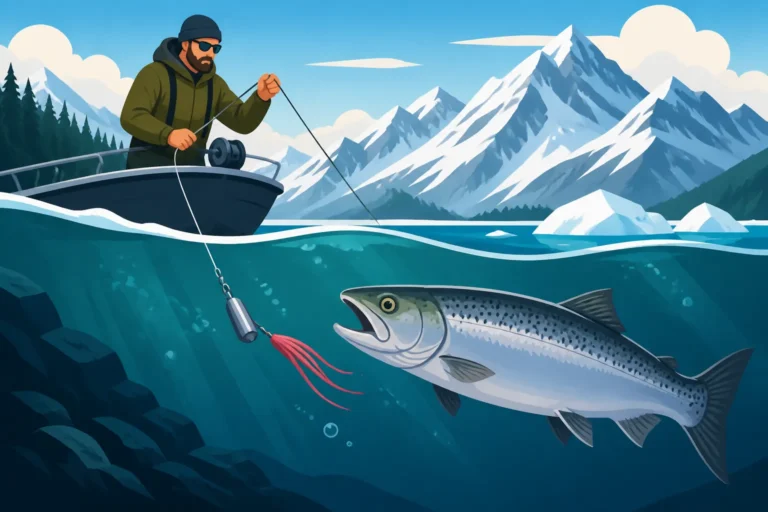
When it comes to the aggressive strikes of King salmon (Chinook) and Silver salmon (Coho), casting spinners and spoons is incredibly effective. These lures mimic baitfish, triggering a predatory response. For Kings, especially in rivers like the Deshka River or the Talkeetna, you'll often use larger, heavier spinners like a #5 or #6 Vibrax or hefty spoons that can cut through strong currents and get down to where these big fish hold. Your cast needs to be powerful enough to propel these heavy lures a good distance, often across broad stretches of river. A smooth overhead cast, sometimes a three-quarter cast to avoid riverside brush, is generally what you'll employ.
For Silver salmon, which are often found in slightly slower water or river bends, you can use a wider range of spinners and spoons, often slightly smaller than those used for Kings. The retrieve is just as important as the cast. For both species, a steady retrieve with occasional twitches or pauses can make your lure irresistible. The aim is to make the spinner blade flash or the spoon wobble enticingly, mimicking a struggling baitfish. These techniques are a staple for anglers across Alaska and form the backbone of many successful salmon fishing trips. A good resource for How to Catch Silver Salmon in Alaska will detail these methods further.
Utilizing Drift Casting in Current
Drift casting is a fundamental technique for river anglers in Alaska, especially when fishing natural baits like cured roe, an egg imitation, or even small jigs under a float. It's about letting the river do the work, presenting your offering naturally with the flow of the current. This often involves casting slightly upstream and across the river, allowing your bait or lure to drift down through a suspected holding area. The key is to control the drift, preventing your line from dragging unnaturally fast.
This often means learning to "mend" your line, which is when you lift your rod tip and flip a loop of line upstream to delay the current's pull on your main line. This ensures your bait sinks and drifts at the same speed as the current, mimicking natural food items. Drift casting is incredibly effective for species like King salmon that might be hugging the bottom, or for presenting beads to Rainbow trout behind spawning salmon. The accuracy of your initial cast and your ability to manage the line throughout the drift are paramount to getting a long, natural presentation that fish can't resist.
Casting for Alaska's Freshwater Trout and Char
Beyond the salmon runs, Alaska's freshwater systems are teeming with incredible trout and char opportunities. From the famed Rainbow Trout of the Bristol Bay region to the widespread Dolly Varden, these fish offer a different kind of casting challenge, often requiring finesse, precision, and a keen eye for presentation.
Precision Casting with Beads and Egg Patterns
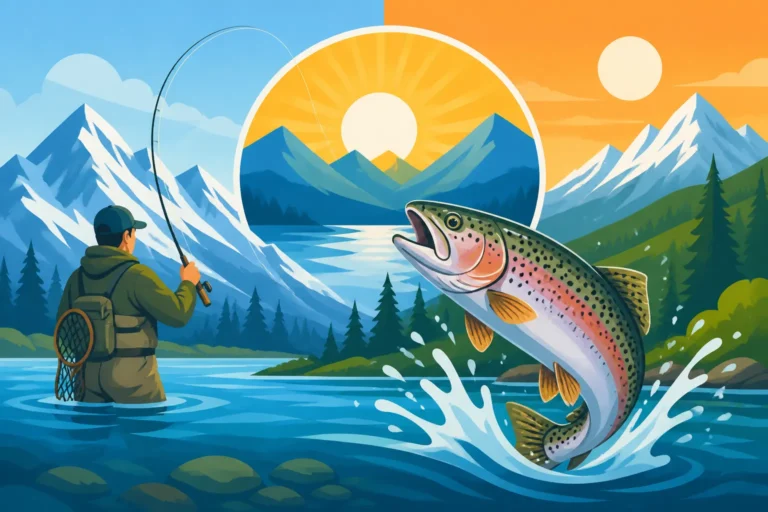
When Alaska's salmon are spawning, the rivers become a veritable buffet line for resident Rainbow Trout, Dolly Varden, and Arctic Char. These fish gorge themselves on nutrient-rich salmon eggs, making egg imitations, often in the form of small plastic beads or yarn egg flies, incredibly effective. The challenge here isn't necessarily distance, but precision. You need to cast your bead or egg pattern upstream of a feeding trout, allowing it to drift naturally into their strike zone, often just a few inches off the bottom or directly behind a spawning salmon.
This often involves short, accurate casts with a light-action spinning rod or a fly rod. For fly anglers, a short roll cast or a simple overhead cast with minimal false casting is often employed to drop the fly gently into the feeding lane. For spin anglers, a controlled lob or a soft overhead cast, sometimes accompanied by a small float or an indicator, is used to present the bead naturally. The delicate presentation is crucial; an unnatural drift or a splashy cast will often spook these wary fish. Mastering the art of bead fishing involves not just the cast but understanding the subtleties of How to Fish Beads for Alaska Trout and reading the water to identify prime feeding lies.
The Roll Cast and Its Applications
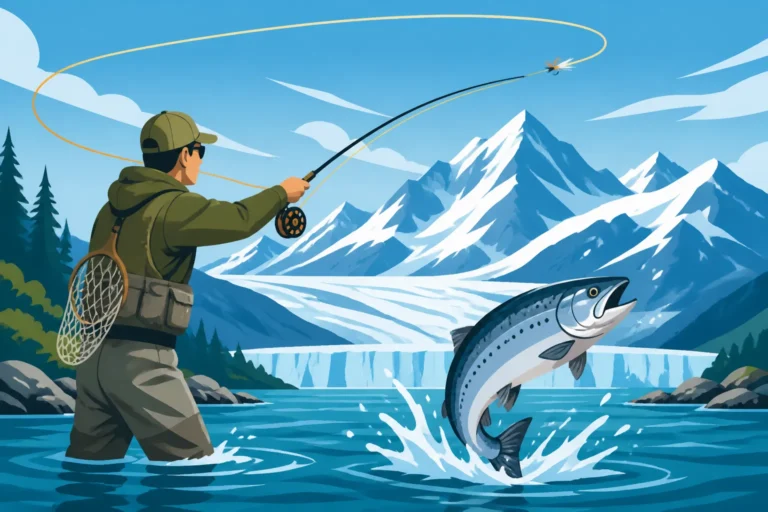
In the tight, brush-lined rivers and streams of Alaska, a traditional overhead cast is often impossible. That's where the roll cast becomes an indispensable tool, especially for fly anglers. The beauty of the roll cast is that it requires minimal backcast room, allowing you to effectively present a fly even when you have trees, bushes, or high banks directly behind you. It's also excellent for gently turning over a fly line and leader without spooking fish with a lot of aerial commotion.
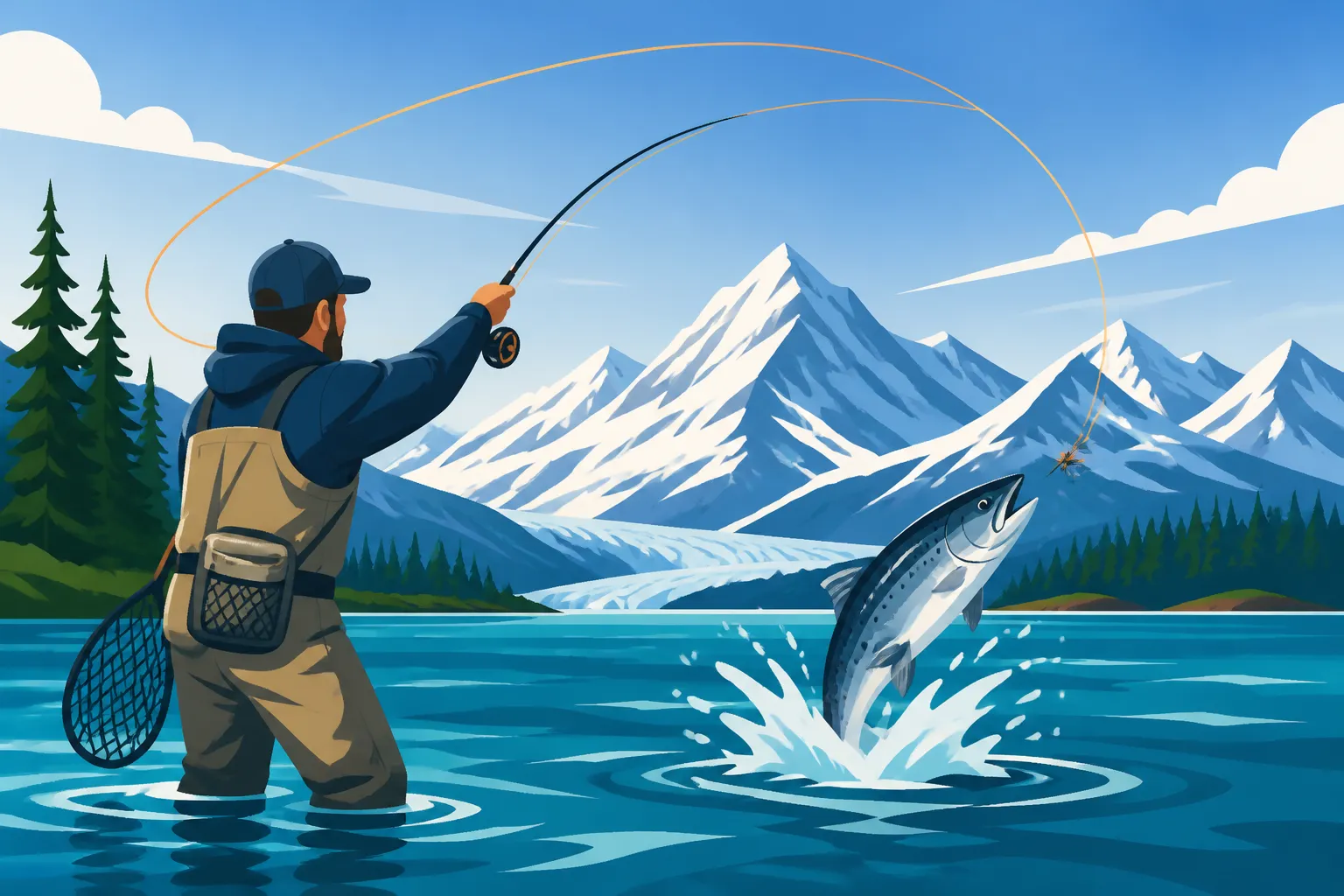
To perform a roll cast, you lift your line and rod tip, allowing the line to form a D-loop behind you on the water, then drive the rod forward in a smooth, unhurried motion. The energy of the loop rolling forward propels the line and fly across the water. This cast is incredibly useful for fishing the smaller, intimate sections of rivers or when targeting trout from the bank of a heavily vegetated stream. It's also useful for repositioning your line during a drift without having to pick up the entire line and recast. For those looking to master How to Fly Fish in Alaska, the roll cast is a fundamental skill that opens up many otherwise inaccessible fishing spots.
Casting Dry Flies and Streamers
While beads and egg patterns dominate during salmon season, Alaska's trout and char will readily take dry flies and streamers at other times, particularly in late spring and early summer or in systems without heavy salmon influence. Casting dry flies demands delicacy and accuracy. You're aiming to land a small, buoyant imitation of an insect gently on the water's surface, often to a specific seam or eddy where a trout is rising. This requires a smooth, controlled fly cast that minimizes splash and allows the fly to land naturally.
Streamer fishing, on the other hand, involves casting larger, often weighted flies that imitate baitfish or leeches. This technique is more aggressive, often requiring longer casts and a retrieve that imparts action to the streamer, making it dart and pulse through the water. Both dry fly and streamer casting require a good understanding of fly line dynamics and the ability to control loops. Whether you're casting a tiny caddis imitation or a bulky Sculpin pattern, the goal is always to present the fly in a way that convinces a hungry trout it's a natural meal. This can be exhilarating fishing, combining the beauty of a delicate cast with the thrill of a visual strike.
Casting for Halibut and Bottom Fish in Saltwater
Alaska's saltwater fishing offers a completely different set of casting challenges, especially when targeting the massive Pacific halibut or the various species of rockfish and lingcod. Here, power, depth, and the ability to handle heavy gear are often more important than finesse.
Heavy Gear Casting for Halibut
When it comes to halibut fishing, you're often dealing with big fish and deep water, which means heavy tackle. Whether you're on a charter boat out of Homer or Seward, or fishing from a private vessel in Cook Inlet, casting for halibut typically involves getting heavy jigs or baited rigs down to the ocean floor. This often means using stout rods (often 6-7 feet with heavy action) and conventional reels spooled with heavy braided line (80-150 lb test).
The casting technique for these setups is less about a graceful arc and more about a powerful, controlled lob or a direct vertical drop. From a boat, you'll often simply drop your weighted rig straight down to the bottom, letting the weight take it quickly through the water column. However, if you're trying to cover more ground or drifting a flat, you might make a short, underhand cast to get your bait a bit further from the boat. The sheer weight of the sinkers (often 1-2 pounds or more) and the size of the bait (like a whole herring or a large chunk of salmon) mean a gentle cast isn't an option. It's all about controlled power to deliver your offering effectively and then let it sink into the depths where the "barn door" halibut lie. For anglers interested in Alaska Halibut Charter Regulations Explained, understanding these techniques is crucial for a successful trip.
Jigging and Vertical Presentation
Beyond traditional bait fishing, jigging is an incredibly effective technique for halibut, lingcod, and rockfish in Alaska's saltwater. While not a "cast" in the traditional sense of propelling something horizontally through the air, it involves a vertical presentation that is equally critical to master. Jigging involves dropping a heavy metal jig, often weighing 8-16 ounces or more, straight down to the ocean floor and then imparting action to it by lifting and dropping the rod tip. This mimics a wounded baitfish or squid, enticing strikes from predatory bottom dwellers.
The "cast" here is more of a controlled deployment. You'll drop your jig straight down, feel for the bottom, and then lift and drop, varying the cadence and height of your lifts. The trick is to stay in contact with the bottom while actively working your jig. Modern fish finders are invaluable for identifying structure and fish schools, allowing you to precisely drop your jig into the strike zone. Many specialty jigs for Alaska fishing can be found on platforms like Amazon, from brands like Kodiak Custom or P-Line, making it easy to prepare for your trip. This method requires strong arms and a good sense of rhythm, but it can be incredibly rewarding, especially when a massive halibut decides to inhale your jig.
Shore Casting for Coastal Species
While offshore charters dominate the halibut scene, there are fantastic opportunities for shore casting in Alaska's coastal areas, especially for species like rockfish, greenling, and even smaller salmon during their runs. Places like the Homer Spit or various public access points near Seward offer chances to cast into saltwater from solid ground. Here, a medium-heavy spinning rod (8-10 feet) is often ideal, allowing for long casts with spoons, jigs, or bait rigs.
You'll be contending with surf, tides, and potentially rocky bottoms, so robust gear is a must. Casting heavy spoons or lead-head jigs with soft plastics can be very effective for rockfish. For salmon returning to rivers, a casting setup similar to river salmon fishing – with spinners or spoons – can yield great results. Understanding the local tides and currents is absolutely critical for shore casting, as they will dictate where fish are holding and how your lure will behave. A well-placed cast at the right stage of the tide can make all the difference between a slow day and a memorable one.
Overcoming Common Casting Challenges in Alaska
Alaska is beautiful, but it's not always easy. The environment can throw curveballs at anglers, from relentless winds to dense riverside brush. Knowing how to adapt your casting to these challenges is part of the Alaskan fishing experience.
Dealing with Wind and Rain
Wind is arguably an angler's worst enemy when it comes to casting, especially for fly fishermen. A strong headwind can collapse your loops, reduce your casting distance dramatically, and make accurate presentations nearly impossible. When faced with wind, modify your casting stroke. For fly anglers, a tighter, more powerful casting stroke with a lower trajectory can help punch your line through the wind. For spin and baitcasting, a lower, side-arm cast can keep your lure from getting caught by gusts and increase accuracy. You might also need to use heavier lures or flies to cut through the air more effectively.
Rain, while common, doesn't necessarily hinder casting as much as wind, but it does make everything slick and less comfortable. The main challenge is visibility and keeping your hands warm and functional. Ensure your rain gear is top-notch – you can find excellent, durable options from brands like Grundéns or Helly Hansen, often available for purchase on Amazon, that will keep you dry. You can’t cast effectively if you're shivering. On very wet days, a slightly slower, more deliberate casting stroke can help prevent snags and misfires that occur when everything is slick and difficult to grip. Always be prepared for How to Dress for Alaska Fishing by having appropriate layers and waterproof outerwear.
Navigating Brush and Obstacles
Many of Alaska's most productive fishing spots, especially on rivers, are lined with dense alders, willows, and other vegetation. This makes overhead casting a non-starter in many situations. This is where mastering alternative casts like the roll cast for fly anglers, or a short, accurate pitch or a side-arm cast for spin anglers, becomes essential. You'll learn to make compact casts, sometimes only using your forearm, to sneak your lure or fly through narrow gaps in the foliage.
Furthermore, underwater obstacles like submerged logs, rocks, and snags are prevalent in Alaskan rivers. Your cast needs to be accurate enough to avoid these lure-eating hazards while still putting your bait or lure in the strike zone. Sometimes, a high, lobbed cast can clear an immediate bankside obstruction before your lure descends into the water. Learning to read the water for these hidden dangers will not only save you lures but also prevent unnecessary snags that can spook fish. It's a dance between precision and avoiding trouble, and it gets easier with practice.
Adjusting to Different Water Conditions
Alaska's rivers and coastal waters are dynamic, and conditions can change rapidly. High, murky water from heavy rain or snowmelt might require heavier weights or brighter, more visible lures to be effective. In these conditions, casting for maximum depth and ensuring your lure stays in the strike zone is paramount. Conversely, low, clear water demands a more stealthy approach, with longer leaders, lighter lines, and more subtle casts to avoid spooking fish.
Understanding how current speed affects your drift is also critical. In fast currents, you might need to cast more upstream to allow your bait or lure enough time to sink to the fish's holding depth before it's swept past them. In slower eddies or slack water, a shorter cast and a slower retrieve or drift might be more appropriate. Paying attention to water color, clarity, and speed before you even make your first cast will inform your approach and significantly increase your chances of success. Always check How to Check Alaska Emergency Orders Before Fishing, as water conditions can sometimes lead to closures or specific gear restrictions.
Essential Gear and Accessories for Alaskan Casting Success
Having the right gear isn't just about catching fish; it's about making your casting efforts effective and enjoyable in Alaska's unique environment. Don't skimp on quality, as Alaskan conditions will put your tackle to the test.
Rods, Reels, and Line for Various Species
As discussed, your rod and reel setup should be tailored to the species and conditions. For general-purpose salmon fishing on rivers, a 9-10 foot medium-heavy spinning rod paired with a durable 4000-5000 series spinning reel spooled with 30-50 lb braided line is a versatile choice. This setup allows for good casting distance, handles heavy lures, and has the backbone to fight strong salmon. For halibut, a shorter (6-7 foot) heavy action boat rod with a conventional reel spooled with 80-150 lb braided line is standard.
Fly anglers targeting salmon might use 9-10 weight rods, while trout anglers generally opt for 5-7 weights. Matching your fly line to your rod weight is crucial for effective casting. When you're selecting line, consider the abrasion resistance of fluorocarbon for leaders, especially around rocky areas, and the sensitivity and strength of braided lines for main lines in both fresh and saltwater applications. Quality gear, even if purchased on Amazon, makes a huge difference in performance and durability. You can find a comprehensive overview in our Alaska Fishing Gear and Tackle Guide.
Lures, Baits, and Flies for Different Techniques
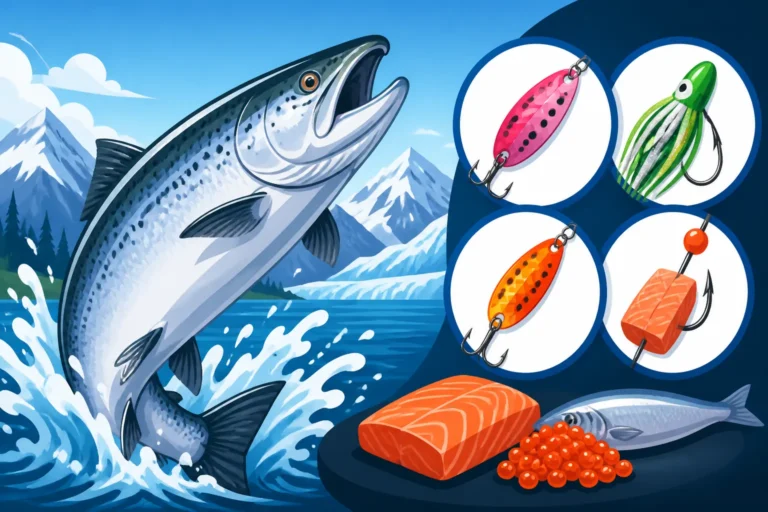
Your tackle box needs to be as diverse as Alaska's fish. For salmon, stock up on a variety of spinners (e.g., Blue Fox Vibrax, Mepps), spoons (e.g., Pixee, Daredevle), and weighted jigs. Don't forget cured salmon eggs or quality scent products if bait is allowed. For Sockeye, small unweighted Sockeye flies or plastic beads in various colors are essential. Trout anglers should have a selection of plastic beads, yarn egg flies, dry flies (caddis, mayflies, stimulators), and streamers (Sculpins, Zonkers).
Halibut fishing demands heavy metal jigs (like Gibbs Delta, Point Wilson Dart) in various weights and colors, as well as plenty of circle hooks, swivels, and leader material for bait rigs (often herring, salmon heads, or octopus). Having a good selection ensures you're prepared for whatever the fish are biting on that day. Researching Best Lures and Bait for Alaska King Salmon or Best Lures and Bait for Alaska Halibut before your trip can save you time and ensure you have the hot ticket items.
Waders, Rain Gear, and Other Essentials
Beyond your fishing tackle, personal gear is vital for comfort and success. A good pair of breathable, waterproof waders is indispensable for river fishing in Alaska, allowing you to wade into prime casting positions. Pair them with sturdy wading boots with good ankle support. Quality rain gear – a waterproof jacket and pants – is non-negotiable, as Alaska weather can be famously unpredictable. You'll appreciate the durability and waterproofing of brands like Simms, Patagonia, or Frogg Toggs, many of which can be found and reviewed on Amazon.
Other essentials include polarized sunglasses (for spotting fish and protecting your eyes), a good hat, insect repellent (especially in early summer), bear spray (and knowledge of how to use it safely around How to Fish Safely Around Alaska Bears), a fishing vest or pack to keep gear organized, and pliers/forceps for hook removal. Don't forget your Alaska Fishing License: Complete Guide, which you'll need before casting a line. Being prepared for the elements and having easy access to your tools will make your casting efforts more focused and your overall experience far more enjoyable.
Comparison of Popular Casting Techniques
Here's a quick look at some key casting techniques you'll use in Alaska:
| Technique | Target Species | Gear Type | Primary Benefit | Ideal Conditions |
|---|---|---|---|---|
| Overhead Cast | King Salmon, Silver Salmon, Halibut | Spin, Baitcast, Fly | Distance & Accuracy in open water | Open rivers, lakes, offshore |
| Flipping/Flossing | Sockeye Salmon | Spin (short rod), Fly (short leader) | Precise presentation in dense schools | Moderate to fast river current, Sockeye runs |
| Drift Casting | King Salmon, Rainbow Trout, Dolly Varden | Spin, Fly | Natural presentation of bait/lure | Rivers with varied currents |
| Roll Cast | Rainbow Trout, Dolly Varden | Fly | No backcast needed for tight spaces | Brushy riverbanks, tight streams |
| Jigging | Halibut, Lingcod, Rockfish | Heavy Conventional, Spin | Vertical presentation in deep water | Offshore, over structure, deep lakes |
| Side-Arm Cast | All species | Spin, Baitcast, Fly | Low trajectory for wind/overhead obstacles | Windy conditions, brushy banks |
Disclaimer
The information provided in this guide is for general informational purposes only and does not constitute professional advice. Fishing regulations in Alaska can change frequently due to emergency orders. Always consult the most current Alaska Department of Fish and Game regulations specific to the area you plan to fish before heading out. Ensure you have the proper licenses and stamps. Fishing carries inherent risks; always prioritize safety.