How to Fish from Shore in Alaska
It's easy to feel overwhelmed when you think about fishing in Alaska. Visions of remote fly-in lodges, expensive charter boats, and complex gear often dominate the conversation, leaving many folks wondering if a simple, accessible fishing trip is even possible. But let me tell you, it absolutely is! You don't need a boat or a massive budget to experience some incredible angling in the Last Frontier. This comprehensive guide is here to walk you through everything you need to know about how to fish from shore in Alaska, proving that fantastic catches are well within reach, often just a short walk or drive away.
Why Shore Fishing in Alaska is a Hidden Gem
Many assume Alaska fishing means deep-sea charters or remote river floats. While those experiences are undeniably epic, the beauty of shore fishing often gets overlooked. It's not just about saving money; it's about accessibility, a different kind of challenge, and connecting with the Alaskan landscape in a truly intimate way. You get to feel the ground beneath your feet, listen to the river's rhythm, and be fully immersed in the environment.
Accessibility and Affordability
One of the biggest hurdles for many aspiring Alaska anglers is the cost and logistics associated with a guided trip or renting a boat. Shore fishing eliminates a significant portion of that expense and complexity. You don't need specialized marine navigation skills or a crew; just your tackle, a license, and an adventurous spirit. Many prime fishing spots are located directly off the road system, near towns like Anchorage, Homer, Seward, or on the Kenai Peninsula. This means you can often drive right to a productive spot, park your car, and walk a short distance to the water's edge. This kind of freedom allows for spontaneous trips, longer fishing sessions, and the flexibility to move locations if one spot isn't producing. It's a fantastic option for families, solo anglers, or anyone looking for a more budget-friendly adventure without compromising on the quality of the experience.
Unique Challenges and Rewards
Don't mistake "shore fishing" for "easy fishing." While it's accessible, it presents its own set of challenges that can be incredibly rewarding to master. You're often dealing with limited casting angles, navigating crowded banks during peak salmon runs, and needing to understand how currents and tides affect fish movement from a fixed position. However, overcoming these challenges, like perfectly drifting a leaded fly through a narrow seam on the Russian River for sockeye, or casting spoons into the Cook Inlet from the Homer Spit to entice a passing king salmon, delivers an immense sense of accomplishment. The rewards aren't just in the fish you catch, but in the deepened connection to the water, the intricate understanding of fish behavior, and the satisfaction of earning your catch through skill and persistence. Plus, you often get to witness incredible wildlife, from eagles soaring overhead to bears fishing upstream – all from the safety of the bank.
Essential Gear for Alaska Shore Anglers
Equipping yourself for shore fishing in Alaska doesn't require breaking the bank, but it does demand thoughtful preparation. The Alaskan weather can be unpredictable, and the fish are often powerful, requiring durable and reliable gear. Think layers, sturdy rods, and tackle appropriate for the species you're targeting. For a more detailed look at what to pack for any trip, check out our guide on Alaska Fishing Gear and Tackle Guide.
Rods, Reels, and Line
For general-purpose shore fishing in Alaska, especially for salmon, a medium-heavy to heavy spinning or casting rod, 8.5 to 10.5 feet in length, is a fantastic starting point. This longer rod length helps with casting distance, managing line in strong currents, and fighting powerful fish from the bank. For salmon species like King and Silver, you'll want something with a good backbone. A 9-foot medium-heavy rod paired with a durable spinning reel (size 4000-6000) spooled with 30-50 lb braided line is a versatile setup. For trout and Dolly Varden, a lighter setup, like a 7-8 foot medium-light rod with a 2500-3000 size reel and 8-12 lb monofilament or fluorocarbon, will provide more sport. Braided line is excellent for sensitivity and strength, but always have a good fluorocarbon or monofilament leader (10-30 lb test, depending on the species) to provide stealth and abrasion resistance in rocky areas. You can find a wide range of reliable rods, reels, and lines on Amazon, suitable for every budget and target species.
Terminal Tackle and Baits
Your terminal tackle will vary significantly based on your target species and preferred technique.
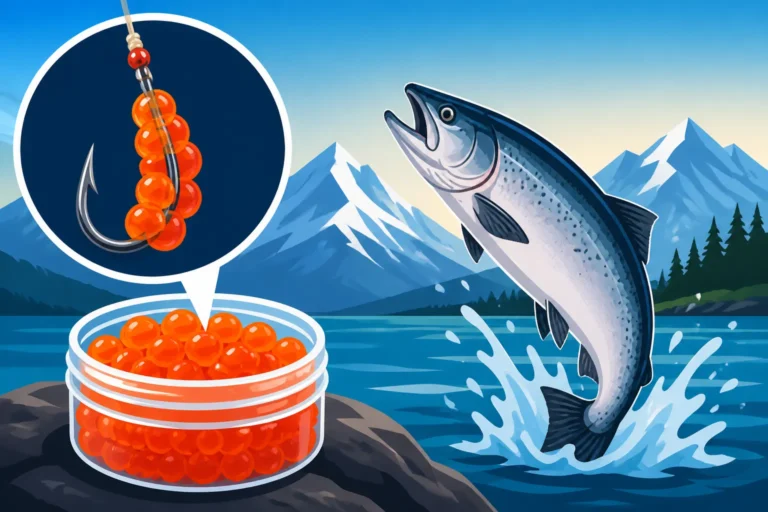
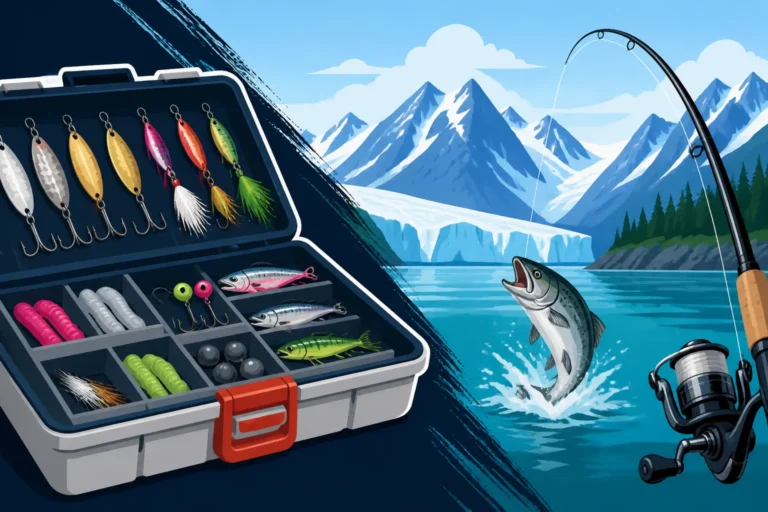
- For Salmon: You'll want a selection of weighted flies (like Coho flies or sockeye flies in various colors), beads (for trout and sockeye), spin-n-glos, yarn, and cured salmon eggs. For hardware, spinners (e.g., #4-6 Mepps Aglia, Blue Fox Vibrax) and spoons (e.g., Pixee, Daredevle) are highly effective. Hooks will range from size 2 to 4/0, typically single barbless hooks, as often required by Alaska Barbless Hook Requirements. Lead weights (pencil lead, slinkies, split shot) are crucial for getting your bait to the bottom in strong currents.
- For Halibut (from shore): While less common, casting for halibut from shores like the Homer Spit is possible. Heavy jigs (4-8 oz) with large grub tails, or large baits like herring or salmon heads fished on heavy bottom rigs, are key. You'll need stout hooks, 8/0 or larger.
- For Trout and Dolly Varden: Smaller spinners, spoons, beads, and an array of fly patterns (egg patterns, streamers, nymphs) are essential. Small weights and bobbers can also be useful for presenting lighter baits. Always check local regulations, as bait restrictions might apply in some trout streams.
Keep a tackle box or backpack organized with a variety of options. Being able to adapt to changing conditions and fish preferences is a hallmark of a successful shore angler.
Proper Clothing and Safety Gear
Alaska's weather can change in a heartbeat, so layering is paramount. You'll definitely want to invest in good quality rain gear – waterproof jacket and pants are non-negotiable. Even on a sunny day, a sudden downpour can leave you soaked and miserable. For footwear, breathable waders are often a must, especially when navigating riverbanks or wading into shallow areas to cast. You might be wondering, Do You Need Waders for Alaska Fishing? The answer is often a resounding yes, as they keep you dry and comfortable. Neoprene or Gore-Tex chest waders are ideal, paired with wading boots that offer good ankle support and traction on slippery rocks. Always have a hat, gloves, and warm layers (fleece, wool) even in summer.
Safety-wise, a basic first-aid kit, a headlamp (for early mornings or late evenings), bear spray (and knowledge of how to use it), and a whistle are essential. Many popular fishing spots are in bear country, so always be aware of your surroundings and make noise to avoid surprising wildlife. A multi-tool, pliers, and a sharp knife are also indispensable for unhooking fish, cutting line, and other tasks. You can find excellent options for rain gear and other outdoor essentials on Amazon.
Top Species to Target from Shore and Where to Find Them
Alaska boasts an incredible diversity of fish, and many of the most popular species can be caught from shore. Knowing what you're targeting and where to find them is key to a successful trip.
Salmon Species
Alaska is synonymous with salmon, and all five Pacific species can be targeted from shore at various times.
- King Salmon (Chinook): The biggest and most prized salmon, Kings offer an incredible fight. From shore, you'll often find them in larger rivers and estuaries early in the season. Ship Creek in downtown Anchorage is famous for its roadside King salmon fishery, especially in late May and June. The Kenai River also offers bank access, though it can be highly competitive. Learning How to Catch King Salmon in Alaska from shore often involves heavy gear and patient waiting.
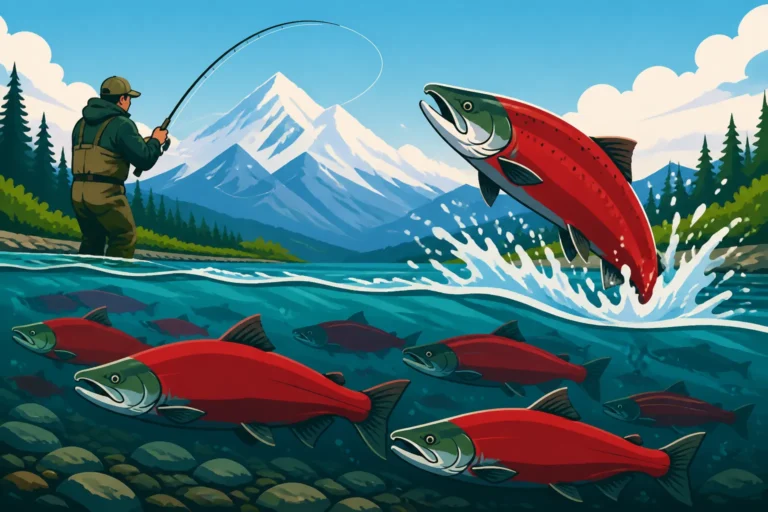
- Sockeye Salmon (Red): Known for their delicious red meat and powerful runs, sockeye are a favorite among shore anglers. Rivers like the Russian River (a tributary of the Kenai) and sections of the Kenai River itself are legendary for their sockeye "combat fishing" in July. Sockeye are notoriously tricky to catch on traditional lures; most shore anglers use a technique called "flossing" or "flipping" with unweighted flies or beads to hook them in the mouth as they migrate upstream. Our guide on How to Catch Sockeye Salmon in Alaska delves deeper into these techniques.
- Coho Salmon (Silver): Silvers are acrobatic fighters and great fun on a lighter rod. They typically run later in the summer, from August into September. You can find them in many of the same rivers as sockeye and Kings, as well as smaller streams and tidal estuaries. Spinners, spoons, and weighted flies are highly effective for Coho. For more on catching these amazing fish, check out How to Catch Silver Salmon in Alaska.
- Pink Salmon (Humpy): The most numerous salmon species, Pinks run in even-numbered years (e.g., 2024, 2026) in massive numbers. They're smaller but offer consistent action, making them excellent for beginners or kids. They're found virtually everywhere, from estuaries to small streams. Small spinners, spoons, and flies work well.
- Chum Salmon (Dog): Chums are powerful fighters and often underrated. They run concurrently with other salmon species in many rivers. Large spinners, spoons, and brightly colored flies are good choices.
Trout and Dolly Varden
Beyond salmon, Alaska offers world-class trout and char fishing from shore.
- Rainbow Trout: Alaska's rainbows are legendary, especially the "leopard rainbows" of Bristol Bay and the trophy fish in the Kenai River's Upper and Middle sections. Many river systems that host salmon runs also hold resident rainbows that feed on salmon eggs and fry. From shore, target eddies, seams, and areas downstream of spawning salmon. Beads, egg patterns, and small streamers are often deadly.
- Dolly Varden/Arctic Char: These beautiful char species are found in freshwater and saltwater throughout Alaska. They are voracious eaters and can be caught using similar techniques to trout: small spinners, spoons, and various fly patterns. They often follow salmon runs, feasting on eggs. You'll find them in the same rivers as salmon and also in many smaller clear streams and coastal waters.
Other Shore-Accessible Species
While less common, you can also target other species from shore.
- Halibut: The Homer Spit is probably the most famous spot for shore-bound halibut anglers. While you won't catch "barn doors" regularly from shore, smaller "chicken" halibut are definitely possible using heavy gear and large baits or jigs fished deep.
- Rockfish and Lingcod: In some areas with deep shore access near rocky structures, like parts of Southeast Alaska, you might be able to jig for rockfish or even lingcod, though this is much more common from a boat.
Key Techniques and Strategies for Shore Anglers
Shore fishing demands a different approach than boat fishing. Understanding the water, current, and fish behavior from a fixed position is crucial.
Reading the Water and Current
This is perhaps the most important skill for any shore angler.
- Current Seams: Look for lines in the water where faster current meets slower current, or where a river channel meets an eddy. Fish often hold in these seams, expending less energy while waiting for food to drift by. Casting your lure or bait into the faster current and letting it drift into or along the seam can be incredibly effective.
- Structure: Submerged logs, large rocks, drop-offs, and undercut banks provide cover and ambush points for fish. These are prime areas to target.
- Depth Changes: Pay attention to where the bottom drops off. Fish often stage in deeper water before moving into shallower feeding lanes.
- Tides (for coastal and tidal rivers): In saltwater and tidal rivers (like the lower Kenai or Ship Creek), understanding tidal flow is critical. Fish often move with the incoming or outgoing tide, concentrating in specific areas. Fishing around tide changes, especially the slack tide or just as the tide starts moving strongly, can be highly productive. Knowing How Tides Affect Alaska Salmon Fishing can give you a significant edge.
Spend some time observing the water before you even cast. Look for jumping fish, ripples, and any signs of movement.
Casting and Presentation
Your casting technique will need to be adaptable.
- Distance and Accuracy: Depending on the spot, you might need to make long casts to reach deeper channels or specific seams. Accuracy is key to placing your lure exactly where the fish are likely to be. Practice casting before your trip!
- Drift Fishing: This is a cornerstone technique for salmon and trout in rivers. You cast upstream and let your weight and lure/bait tumble naturally along the bottom with the current, mimicking natural food. Maintaining a tight line to feel subtle bites without impeding the drift is a delicate balance.
- Swinging Lures: For spinners and spoons, cast slightly upstream and across, then let the lure swing downstream and across the current, retrieving just fast enough to make the lure work. The "swing" often triggers aggressive strikes.
- Flossing/Flipping (for Sockeye): This specialized technique involves using a heavy lead weight to get an unweighted fly or bead to the bottom. As the rig drifts, the line (and the fly) passes through the Sockeye's mouth, and a quick set of the hook "flosses" or hooks the fish legally in the mouth. It requires a lot of practice and a good feel for the bottom.
Bait and Lure Selection
Don't be afraid to experiment. What works one day might not work the next.
- Match the Hatch: For trout and char, especially when salmon are spawning, "matching the hatch" with egg patterns or beads that imitate salmon eggs can be incredibly effective.
- Color and Size: Have a variety of colors (bright, natural) and sizes for your lures and flies. On bright days, more natural colors might be better; on cloudy days or in murky water, bright "attractor" colors can stand out.
- Fresh Bait: If bait is allowed, fresh cured salmon eggs or strips of herring can be irresistible to salmon and halibut. Always ensure your bait is legal for the area you're fishing.
Regulations and Respecting the Environment
Fishing in Alaska isn't just about catching fish; it's about being a responsible steward of this incredible natural resource. Ignorance of the rules is no excuse, and violating regulations can result in hefty fines and even loss of fishing privileges. I highly recommend familiarizing yourself with Alaska Fishing Regulations Explained before heading out.
Understanding Licenses and Stamps
Every angler 16 years or older, resident or non-resident, needs an Alaska fishing license. You can purchase these online, at most sporting goods stores, or designated vendors. For many popular salmon fisheries, especially for King Salmon, an additional King Salmon Stamp may be required. Be sure to check Alaska Fishing License: Complete Guide for all the details on types and costs. Always carry your license and any required stamps with you while fishing.
Bag Limits and Harvest Records
Alaska has strict daily and annual bag limits for various species, which can change frequently based on fish runs and emergency orders.
- Daily Bag Limit: The number of fish you can keep in a single day.
- Possession Limit: The maximum number of fish you can have in your possession at any given time, including those at your camp or in transit. This is often double the daily limit.
- Annual Limits: For certain species, like King Salmon, non-residents often have an annual limit, regardless of how many trips they take. Our guide on Alaska King Salmon Annual Limit for Non-Residents covers this in detail.
For salmon, particularly King Salmon, you'll need an Alaska Harvest Record Card, where you must immediately record your catch. This is critical for managing sustainable fisheries, and failure to record a fish can lead to serious penalties. Learn more about What Is the Alaska Harvest Record Card and How to Fill Out an Alaska Harvest Record Card to ensure you're compliant. Always consult the current year's Alaska Sport Fishing Regulations booklet and check for any emergency orders before you fish, as limits and even closures can change rapidly. You can typically find emergency order announcements online through the Alaska Department of Fish and Game.
Ethical Angling and Leave No Trace Principles
Beyond the legalities, practicing ethical angling is paramount.
- Catch and Release: If you're not keeping a fish, handle it minimally and release it quickly. Use barbless hooks to make releases easier and less harmful to the fish. Wet your hands before touching fish, and try to keep them in the water as much as possible.
- Respect Other Anglers: Popular shore fishing spots, especially during peak runs, can get crowded. Be mindful of casting space, avoid "combat fishing" tactics unless it's a designated fishery like the Russian River, and offer assistance when needed.
- Leave No Trace: Pack out everything you pack in. This includes all trash, fishing line, and any discarded bait. Never leave fish guts or carcasses on the bank where they can attract bears or other wildlife to human-populated areas. Use designated cleaning stations or dispose of waste properly.
- Bear Safety: Many shore fishing locations are in prime bear habitat. Carry bear spray, know how to use it, make noise while walking, and avoid fishing alone in dense brush. Never store food or fish near your fishing spot. Always respect wildlife and give them plenty of space. You can learn more about How to Fish Safely Around Alaska Bears.
By following these guidelines, you not only ensure a successful and legal fishing trip but also contribute to the preservation of Alaska's incredible fishing resources for future generations.
Table: Popular Alaska Shore Fishing Spots and Target Species
Here's a quick overview of some renowned shore fishing locations in Alaska and the species you're likely to find there.
| Location | Primary Target Species (Peak Season) | Common Techniques (Shore) | Notes |
|---|---|---|---|
| Ship Creek, Anchorage | King Salmon (May-June), Pink/Coho Salmon (July-Sept) | Spinners, spoons, bait, weighted flies | Very accessible urban fishery. Tidal river. Often crowded. |
| Homer Spit, Homer | King Salmon (May-July), Halibut (May-Sept) | Spinners, spoons, bait, heavy jigs | Tidal access, long casts for halibut possible. Can be windy. |
| Russian River, Cooper Landing | Sockeye Salmon (June-July), Coho Salmon (Aug-Sept) | Flossing/Flipping (sockeye), Spinners (coho) | Famous "combat fishing" spot, specific regulations. Requires wading. |
| Kenai River (various access points) | King Salmon (May-July), Sockeye (June-Aug), Coho (Aug-Sept), Rainbow Trout (Year-round) | Drift fishing, flossing, bait, beads | Huge river, multiple access points. Check specific regulations by section. |
| Resurrection River, Seward | Pink/Coho Salmon (July-Sept), Dolly Varden (Year-round) | Spinners, spoons, flies | Good accessibility near town. Tidal influence. |
| Montana Creek, Talkeetna | King Salmon (June-July), Pink/Coho Salmon (July-Sept) | Spinners, spoons, bait, flies | Roadside access, clear water. Can be less crowded than Kenai. |
| Ninilchik River, Ninilchik | King Salmon (May-June), Coho Salmon (Aug-Sept) | Spinners, spoons, bait | Popular for early Kings. Smaller, wadeable river. |
This table provides a snapshot, but remember that fish runs and regulations are dynamic. Always verify current conditions before you go.
Disclaimer
The information provided in this guide is for general informational purposes only and does not constitute legal advice. Alaska fishing regulations are complex and subject to frequent change through emergency orders. It is the angler's responsibility to consult the most current Alaska Department of Fish and Game regulations booklet, including all recent emergency orders, before engaging in any fishing activity. Failure to comply with regulations can result in significant fines and penalties. Always prioritize safety and environmental stewardship.