Alaska Fishing in Early Season
Thinking about planning an Alaska fishing trip can feel overwhelming, especially when you're trying to figure out the "best" time to go. Many folks dream of those epic summer salmon runs or giant halibut, but often overlook the quiet magic and fantastic opportunities that the early season offers. This guide is here to shed light on what makes fishing in Alaska in early season so special, detailing the species you can target, the gear you'll need, and how to make the most of your adventure when the Last Frontier is just waking up.
Defining Early Season in Alaska Fishing
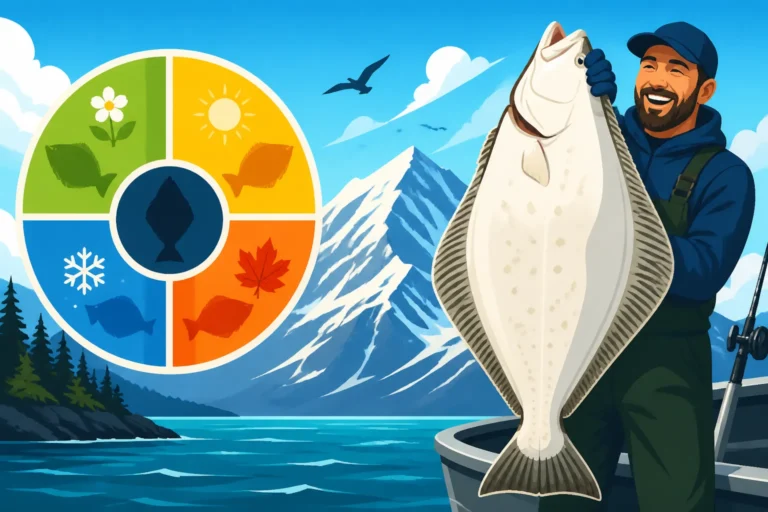
When we talk about the "early season" in Alaska fishing, we're generally referring to the period stretching from late April through May and into early June, before the major salmon runs really kick into high gear and the tourist crowds swell. It’s a transitional time, a period of awakening after the long winter, and it offers a unique charm for anglers who prefer a more serene experience or are specifically targeting certain species.
Calendar Dates and Regional Variations
The exact timing of the early season can shift slightly year to year based on weather patterns, snowmelt, and specific regional dynamics. In Southeast Alaska, where the climate is milder, early season might start a bit sooner, perhaps even in late March for some species. On the other hand, in Interior Alaska or farther north, things can remain locked in winter's grip well into May. For instance, while parts of the Kenai Peninsula might see some early Kings by mid-May, interior rivers might still be shedding ice. It's crucial to remember that Alaska is immense, and what's true for one region isn't necessarily true for another. Always check local forecasts and specific river conditions for your chosen destination. Understanding Alaska Fishing Seasons: Month-by-Month Guide can give you a broader perspective, but the early season itself has its own rhythm.
Historically, May is a prime month for early season activities. The days are rapidly lengthening, the snow is melting, and the fish are starting to become more active. Rivers begin to open up, and many saltwater charters start running their first trips of the year, often with eager anglers ready for their first taste of the season. This window provides a fantastic opportunity for those who appreciate less crowded waters and don't mind a bit of unpredictable spring weather.
What Makes Early Season Unique
The early season stands apart for several reasons. Firstly, the sheer quietude. Compared to the bustling, often "combat fishing" conditions of peak summer, early season offers a more peaceful angling experience. You're less likely to be shoulder-to-shoulder with other anglers, giving you more space to enjoy the pristine Alaskan wilderness. This can be a huge draw for those seeking solitude and a genuine connection with nature.
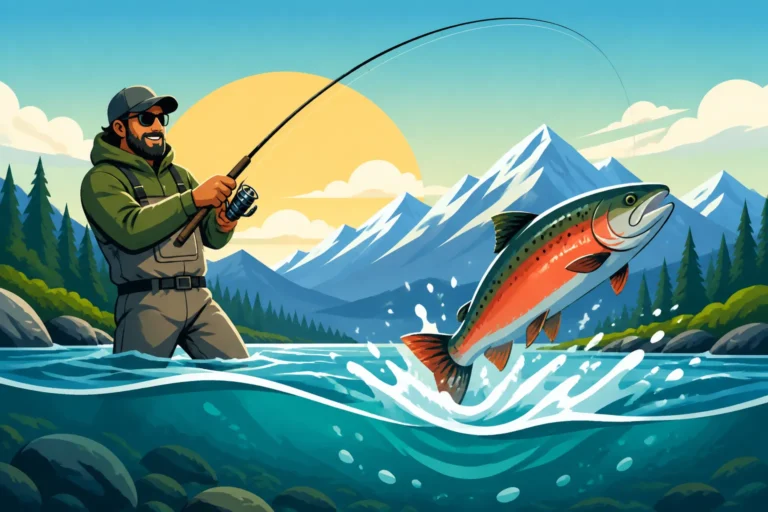
Secondly, the weather, while often chilly, can be incredibly beautiful. Think crisp, clear mornings, vibrant green budding foliage, and stunning snow-capped mountains reflecting in calm waters. It’s a time of renewal, and witnessing Alaska emerge from winter is a sight to behold. However, this beauty comes with a caveat: the weather can change on a dime. A sunny morning can quickly turn into a snowy afternoon, so preparedness is key. We'll delve into gear later, but suffice it to say, layering is your best friend.
Finally, specific fish species are often at their prime during this period, or certain fisheries open up exclusively in the early season. This selectivity means that if you know what you're looking for, the early season can be incredibly rewarding. It allows for specialized trips targeting trophy resident fish or the very first salmon and halibut of the year, often before they've seen heavy fishing pressure.
Prime Fish Species to Target in Early Season
While the massive salmon runs are still a few weeks away for most areas, the early season is far from dormant. In fact, it's a fantastic time to target a variety of fish species that are either making their first appearance of the year or are actively feeding after the long winter. This is when patience and strategic planning really pay off.
King Salmon Opportunities
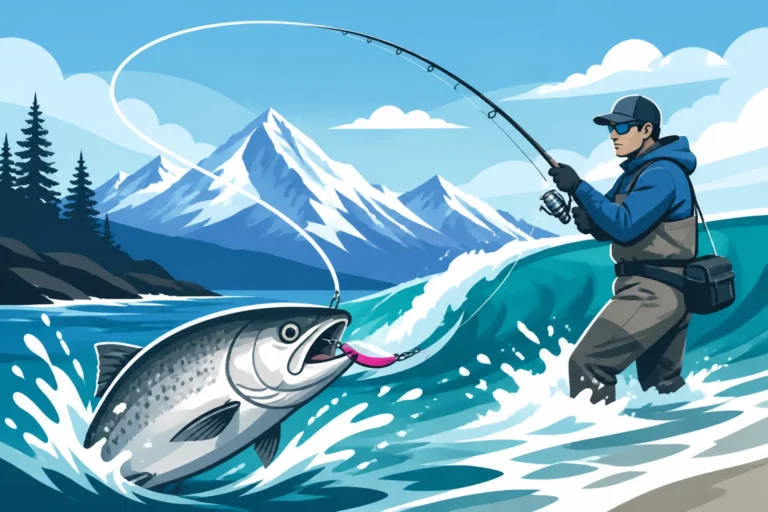
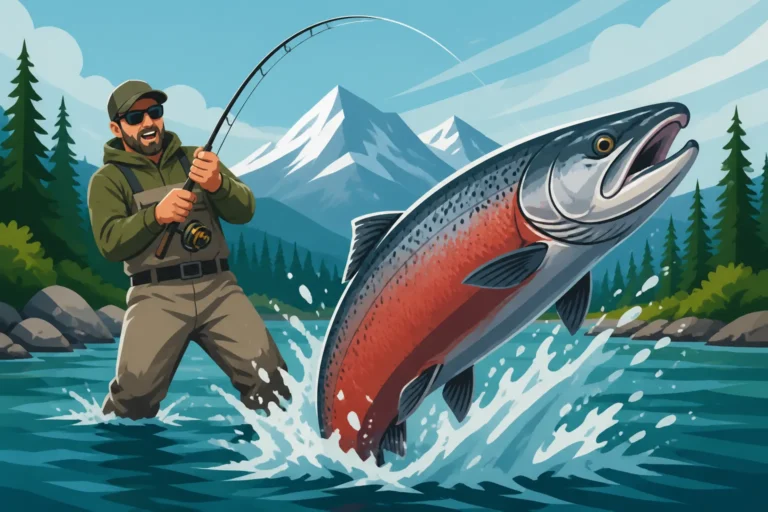
For many, Alaska fishing is synonymous with King Salmon, also known as Chinook salmon. And guess what? The early season offers some incredible opportunities to hook into these magnificent fish. While the bulk of the runs typically peak in June and July, certain rivers and saltwater areas see early pushes of Kings starting in May. These early run Kings are often incredibly strong and aggressive, having just entered freshwater or migrated to feeding grounds.
A prime example is the Kenai River and the Kasilof River on the Kenai Peninsula, where the first pulse of King Salmon often arrives in mid to late May. These early fish are highly sought after, and while regulations can be strict (and frequently change via emergency orders), the chance to catch a fresh, powerful King is a major draw. Similarly, saltwater areas in Southeast Alaska, like around Juneau or Sitka, see "feeder Kings" that are actively gorging on baitfish, offering fantastic trolling opportunities. If you're wondering When Do King Salmon Run in Alaska, you'll find that these early runs are distinct and exciting. Always make sure to be aware of the specific Alaska King Salmon Fishing Regulations and Limits for your chosen area, as they can differ significantly from peak season rules.
Resident Freshwater Species
Beyond salmon, the early season is absolutely phenomenal for resident freshwater fish. After being locked under ice for months, species like Rainbow Trout, Dolly Varden, Arctic Grayling, and Northern Pike become incredibly active, eagerly feeding to regain energy. The clear, cold waters of spring can make for some spectacular fishing, especially for fly anglers.
Rivers and lakes throughout Southcentral and Interior Alaska, once accessible after ice-out, become prime locations. The Upper Kenai River, for example, is famous for its Rainbow Trout, and May can offer some incredible sight fishing opportunities before the main salmon spawns bring a different kind of bounty. Similarly, lakes in the Mat-Su Valley or near Fairbanks can be fantastic for Northern Pike as they emerge from their winter lethargy. Targeting these species often means less competition and a more intimate experience with Alaska's wild rivers and lakes. If you're keen on chasing vibrant freshwater fish, consulting an Alaska Rainbow Trout Guide can give you a head start.
Halibut and Bottomfish Start
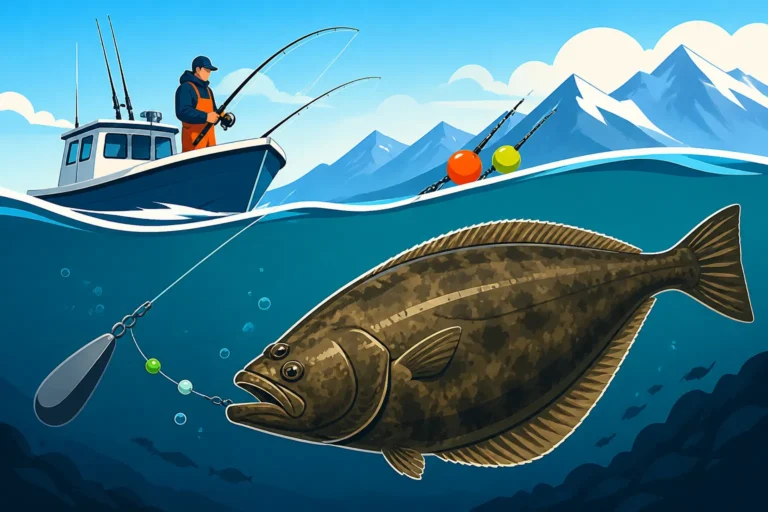
If saltwater fishing is more your style, the early season also signals the start of the Halibut and other bottomfish seasons. While the official Halibut season typically kicks off in early February in many areas, May is really when charter operations get into full swing, especially in popular ports like Homer, Seward, and Valdez. These initial trips often target hungry Halibut that are starting to feed more aggressively after the colder winter months.
You might not see the sheer numbers of halibut caught during peak summer, but the fish you do hook are often strong and in excellent condition. Lingcod and various Rockfish species also become more accessible as boats can venture out more consistently. Early season halibut trips can be a fantastic way to secure some fresh fillets before the summer rush. Just remember, bag limits and size restrictions, especially the Alaska Halibut Charter Reverse Slot Limit, are always in effect, so it's wise to review the Alaska Halibut Charter Regulations Explained before you go. Don't forget that if you're hitting the deep water, bringing along a reliable GPS and fish finder is crucial. You can find excellent options on Amazon, such as models from Garmin or Humminbird, which offer durability and accuracy for Alaskan waters.
| Species | Primary Season Start | Best Early Season Locations | Recommended Techniques | Notes |
|---|---|---|---|---|
| King Salmon | May | Kenai River, Kasilof River, Homer (saltwater), Sitka (saltwater) | Trolling, Back-trolling, Spin Fishing | Check emergency orders frequently |
| Halibut | May | Homer, Seward, Valdez, Sitka | Bottom Fishing, Jigging | Less crowded charters, strong fish |
| Rainbow Trout | April/May | Upper Kenai River, Talkeetna Rivers, Bristol Bay (fly-out) | Fly Fishing, Spin Fishing | Post-ice out feeding frenzy, clear water |
| Dolly Varden | April/May | Kenai Peninsula, Southeast Rivers | Fly Fishing, Spin Fishing | Abundant, eager biters |
| Arctic Grayling | May | Interior Alaska Rivers, Brooks Range | Fly Fishing, Spin Fishing | Beautiful fish, active after ice out |
| Northern Pike | May | Mat-Su Valley Lakes, Interior Lakes | Trolling, Casting Lures | Aggressive predators, shallower waters |
Essential Gear and Techniques for Early Season
Fishing in the early season in Alaska isn't just about knowing what to catch, but also how to catch it and, crucially, what to bring to stay comfortable and safe. The weather can be wildly unpredictable, and the fish can be a bit more finicky, so having the right gear and techniques in your arsenal is non-negotiable.
Weather-Appropriate Clothing and Tackle
This cannot be stressed enough: layering is king when fishing in early season Alaska. You might start your day with frost on the ground, peel off layers as the sun climbs, and then be scrambling for your rain gear when an afternoon squall rolls in. Forget your typical summer fishing attire; think durable, waterproof, and warm.
Start with a good base layer of merino wool or synthetic material that wicks away moisture. Next, add an insulating layer like a fleece jacket or a puffy vest. Your outer layer should be completely waterproof and windproof – a high-quality fishing jacket and bibs are essential. Brands like Grundéns or Simms are popular choices among Alaskan anglers for their durability and protection against the elements. Don't forget waterproof boots with good traction, warm wool socks, a hat, and waterproof gloves. If you're going to be on a boat, you might consider bringing a spare set of dry clothes, just in case. You can find excellent waterproof and insulated options for all these items on Amazon, making it easy to prepare for whatever Mother Nature throws at you. For more detailed advice, check out How to Dress for Alaska Fishing.
When it comes to tackle, it's often wise to err on the side of slightly heavier gear, especially if you're targeting early King Salmon or large Halibut. For Kings, a medium-heavy to heavy action rod (9-10 feet for river fishing) paired with a robust baitcasting or spinning reel spooled with 30-50 lb braid and a fluorocarbon leader is a good starting point. Lures like Kwikfish, Magnum Wiggle Warts, or large spinners in brighter colors can be effective in stained water. For Halibut, heavy conventional gear with 80-100 lb braided line is standard, along with sturdy jigs and large baits like herring or salmon heads. For freshwater resident species like trout, a 7-9 weight fly rod or a medium-light spinning rod with lighter line (6-10 lb test) will suffice. Make sure to consult an Alaska Fishing Gear and Tackle Guide for species-specific recommendations.
Recommended Fishing Methods
The fishing methods you employ in the early season will largely depend on the species you're targeting and the specific conditions of the water you're fishing. Flexibility is key, as conditions can change rapidly with increased snowmelt or rain.
For early King Salmon in rivers, back-trolling with diving plugs or back-bouncing cured roe or large spinners are popular and effective techniques. These methods allow your presentation to stay in the strike zone longer as you slowly move downstream. In saltwater, trolling with cut-plug herring or spoons behind flashers at varying depths is the go-to for feeder Kings. Because the fish are often more spread out, covering water systematically is crucial. Check out Best Fishing Techniques for Alaska for a broader understanding of methods.
When targeting resident freshwater species, fly fishing can be exceptionally productive in the early season. Trout and Dolly Varden will actively feed on emerging insects, small baitfish, and any leftover salmon eggs from the previous fall. Streamer patterns, bead patterns (especially trout beads that mimic salmon eggs), and even some nymph patterns can be very effective. Spin anglers can have success with small spinners, spoons, or soft plastics fished on light jig heads. In lakes for Northern Pike, casting large spoons, spinnerbaits, or even topwater lures around weed beds or submerged structures can trigger aggressive strikes. Remember, water clarity might be higher in the early season before heavy runoff, so sometimes a more subtle approach is better.
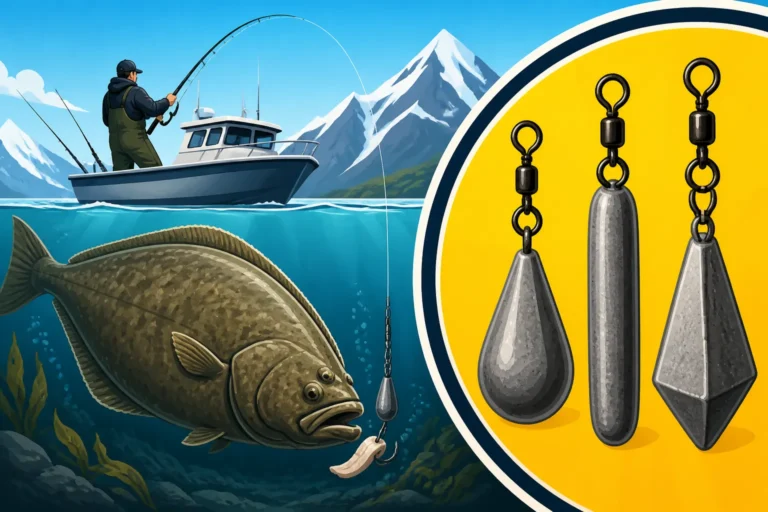
For Halibut, classic bottom fishing with heavy lead weights and bait (herring, cod, or squid) on a circle hook rig is always reliable. Jigging with large metal jigs can also be very effective, especially when you mark fish on your sonar. The key is to get your presentation down to the bottom and keep it there, often with a slight jigging motion to entice a strike. Having a good variety of jig weights is important, as current can dictate what's needed to maintain bottom contact.
Navigating Challenges and Maximizing Success
Early season fishing in Alaska, while incredibly rewarding, definitely comes with its own set of challenges. It's not always sunshine and limits; sometimes it’s cold, wet, and you have to work for every bite. But that's part of the adventure, right? Being prepared for these hurdles is what transforms a potentially frustrating trip into a memorable one.
Unpredictable Weather and Water Conditions
One of the biggest variables you’ll face in the early season is the unpredictable nature of Alaskan weather and its direct impact on water conditions. A warm stretch can lead to rapid snowmelt, causing rivers to blow out with muddy, high water. Conversely, a sudden cold snap might slow fish activity and make conditions frigid. This variability means flexibility is paramount. Don't get locked into one plan. Having a backup location or target species can save a trip.
For instance, if your planned river trip for King Salmon is affected by high, silty water from runoff, you might switch to a saltwater charter for Halibut or feeder Kings if that option is available. Similarly, if coastal weather turns stormy, exploring some roadside lakes for Rainbow Trout or Dolly Varden might be a better bet. Always check the weather forecast and river gauges daily. Websites that provide real-time river flow data can be an angler's best friend. Being mentally prepared for these changes and having the right gear, including ample layers from providers like Patagonia or Columbia found on Amazon, will make a huge difference in your enjoyment and success.
Understanding Emergency Orders
Alaska's fisheries are managed dynamically, and nowhere is this more evident than in the early season, particularly with King Salmon. Due to conservation concerns and fluctuating fish returns, the Alaska Department of Fish and Game (ADF&G) frequently issues "Emergency Orders" that can change regulations with little notice. These orders can alter bag limits, close fisheries entirely, restrict gear types (e.g., single-hook, no bait), or even change the designated fishing hours.
It is absolutely critical to stay informed about these emergency orders for the specific region and species you are targeting. This isn't just a suggestion; it's a legal requirement. Ignorance of an emergency order is not a valid defense if you're caught violating a regulation, and the fines can be steep. Before and during your trip, make it a habit to check the ADF&G website or hotline regularly. Many local tackle shops and guides are also excellent sources of up-to-the-minute information. Being proactive in understanding Alaska Fishing Emergency Orders Explained is a cornerstone of responsible and successful early season fishing. This also plays into the "early bird gets the worm" mentality; sometimes early season fisheries open up with very generous limits for a short window before restrictions might be implemented.
Disclaimer
Please remember that fishing regulations and conditions in Alaska can change rapidly. Always check the most current Alaska Department of Fish and Game regulations and emergency orders for your specific fishing location before heading out. Safety first!