Best Lures and Bait for Alaska Halibut
There's nothing quite like the dream of hauling up a massive Alaska halibut, but let's be real: staring at a tackle box full of options, or a bait bucket with varying states of freshness, can be genuinely overwhelming. You want to make every drop count when you're out on the vast Alaskan waters, and choosing the right lure or bait can feel like a make-or-break decision. This guide is here to cut through the confusion and arm you with the knowledge you need to select the best offerings to tempt those barn doors from the deep.
Understanding Halibut Behavior and Feeding Habits
Before we even talk about what to put on your hook, it's crucial to understand the fish you're targeting. Halibut are fascinating creatures, perfectly adapted to their bottom-dwelling existence. Knowing their habits will fundamentally change how you approach bait and lure selection.
The Opportunistic Predator: What Halibut Look For
Halibut are classic ambush predators. They spend a significant amount of time lying flat on the ocean floor, often partially camouflaged by sand or gravel, waiting for an unsuspecting meal to swim by. This doesn't mean they're lazy; they're incredibly powerful and can exert explosive bursts of speed to snatch prey. Their large mouths are designed for gulping down substantial meals, and their eyes are positioned on the top side of their head, allowing them a wide field of vision upwards.
What this tells us is that they're not usually chasing fast-moving, high-swimming targets. Instead, they're keying in on things that are either injured, moving slowly, or are easily accessible on or near the bottom. Their diet is diverse, including smaller fish like cod, Pollock, sand lance, and even other flatfish. They're also known to munch on octopus, squid, and various crustaceans like crab. Anything that looks like an easy, protein-packed meal is fair game, which is why a wide variety of baits and lures can be effective. Your goal is to mimic these natural prey items or present something so irresistible they can't ignore it.
How Water Conditions Influence Bait Choice
The ocean isn't a static environment, and the conditions beneath the surface can dramatically impact what bait or lure will perform best. Smart anglers pay close attention to factors like visibility, current, and depth, adjusting their approach accordingly.
For instance, in clear, calm waters, halibut tend to be more discerning. Here, a natural, life-like presentation with fresh bait often outperforms overly flashy or artificial offerings. The halibut can see your bait clearly, so it needs to look and smell authentic. Conversely, in murky water or during periods of strong current, visual appeal diminishes, and scent becomes paramount. A strong-smelling bait or a lure enhanced with powerful attractants will have a much better chance of being detected. Deeper waters also favor scent and phosphorescent (glow-in-the-dark) lures, as natural light penetration is minimal. The sound and vibration produced by a jig can also be a significant draw in these low-visibility conditions. Thinking about these variables will give you a real edge.
Top Natural Baits for Alaska Halibut
When it comes to tempting big halibut, sometimes Mother Nature knows best. Natural baits have an undeniable allure, offering the scent, texture, and taste that halibut recognize as food.
Herring: The Universal Favorite
If there's one bait that's almost universally acclaimed for halibut fishing in Alaska, it's herring. Its oily flesh releases a potent scent trail that halibut find incredibly attractive, even from a distance. Herring is a natural part of the halibut's diet, making it an instinctive choice for these hungry predators.
You can use herring in various ways. Many anglers prefer whole, butterflied herring, which gives it a more dynamic swimming action in the current and exposes more scent. Others opt for large chunks, especially when pairing it with a jig. Brining your herring beforehand can significantly toughen it up, making it last longer on the hook against the persistent nibbles of smaller fish and the powerful strikes of a halibut. You can find quality brining salts and pre-made solutions at most Alaskan tackle shops, or even bulk options on Amazon if you're planning a longer trip and want to prepare your bait in advance. For more on what halibut love to eat, check out our guide on Best Bait for Alaska Halibut.
Octopus: The Halibut Delicacy
While perhaps not as widely used as herring, octopus is another fantastic natural bait that can be deadly effective for halibut. What makes octopus so appealing? Primarily, its toughness. It stays on the hook incredibly well, resisting the efforts of bait stealers and ensuring your offering remains intact until a halibut finds it. Beyond its durability, octopus has a unique, strong scent and a texture that halibut seem to find irresistible, mirroring parts of their natural prey.
Anglers typically use strips or chunks of octopus, often impaled on a large circle hook. The tougher texture means you can often catch multiple fish on the same piece of bait if you're careful, which is a definite plus on a busy fishing day. Whether fresh or frozen, octopus provides a robust, long-lasting bait that big halibut find hard to pass up.
Salmon Parts: A Readily Available Option
For many anglers already targeting salmon in Alaska, using parts of their fresh catch as halibut bait is a no-brainer. Salmon, particularly the kings and sockeye, are incredibly oily, and this oil disperses a strong, fishy scent that can draw in halibut from afar. It’s also a practical choice, as you might already have it on hand.
The most common parts used are salmon heads, bellies, and large chunks of the flesh. Salmon heads, though bulky, offer a substantial meal and release a lot of scent, often attracting larger halibut. Belly strips are also excellent due to their high oil content and durability. Some anglers even cure salmon roe to enhance its toughness and scent, although this is more commonly associated with trout and salmon fishing itself. While not a primary halibut bait on its own, utilizing your salmon scraps is a cost-effective and often very effective strategy.
Pacific Cod and Other Whitefish: A Local Favorite
When halibut are feeding on local prey, offering them what they're already accustomed to can be highly effective. Pacific cod, pollock, and other abundant whitefish species are a significant part of the halibut's natural diet in Alaskan waters. Using chunks or strips of these fish as bait capitalizes on this natural feeding behavior.
The flesh of these whitefish is firm, meaning it stays on the hook well, similar to octopus. They also offer a good scent profile that halibut recognize. Many charter captains and experienced local anglers will use fresh-cut pieces of cod or pollock, sometimes even catching the baitfish themselves before targeting halibut. This fresh, natural presentation can be especially enticing for larger, more wary halibut that might be less impressed by commercial offerings.
Effective Artificial Lures for Alaska Halibut
While natural bait has its place, artificial lures offer versatility, durability, and a different kind of appeal. They can be incredibly effective, especially when you need to cover water, fish deep, or want to add an active presentation to your fishing.
Metal Jigs: Heavy Hitters for Deep Drops
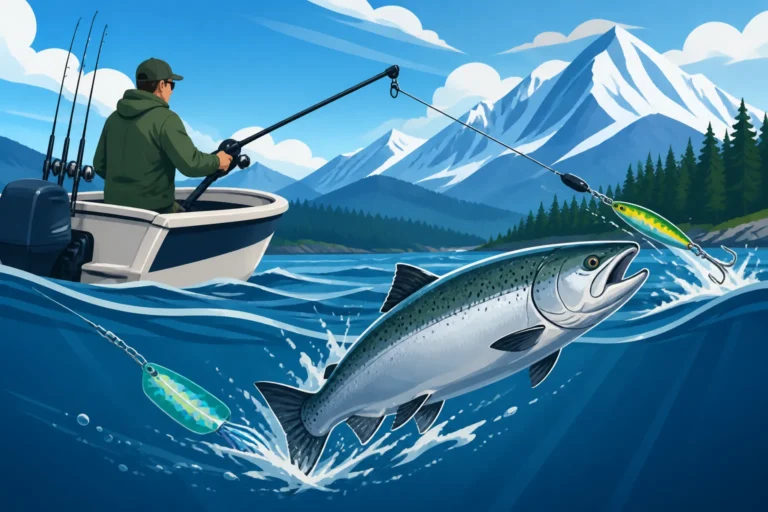
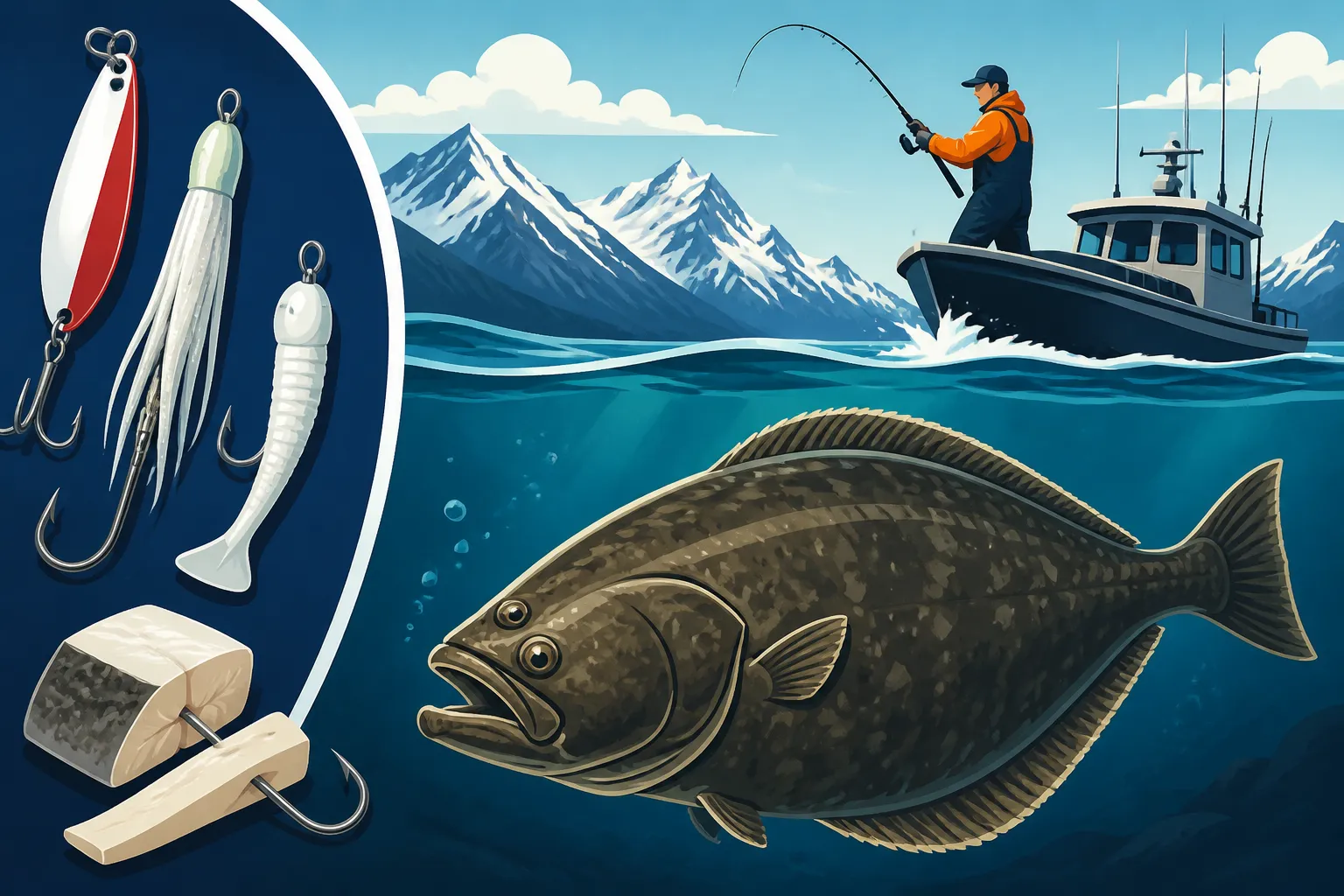
Metal jigs are a staple in any serious Alaskan halibut angler's tackle box. Designed to sink quickly and emit significant flash and vibration, they are perfect for reaching halibut holding in deep water, often 100 feet or more.
There's a wide variety of metal jigs, from classic diamond jigs to more elaborate flutter jigs or pipe jigs. The key is to match the weight to the depth and current; you need enough weight to get to the bottom and stay there without too much line scope. Common colors include chrome, glow-in-the-dark, and sometimes those with a blue or green tint. The action of jigging – lifting and dropping your rod to make the lure dart and flutter – mimics an injured baitfish, a prime target for a halibut. Many anglers "sweeten" their jigs by attaching a piece of herring or octopus to the hook, combining the visual appeal and action of the jig with the irresistible scent of natural bait. To dive deeper into effective jigging, you'll want to read up on How to Jig for Halibut in Alaska.
Scented Soft Plastics: Adding Appeal to Movement
Soft plastic lures have come a long way, and scented varieties are gaining popularity for halibut fishing. These can include large grub tails, paddle tail swimbaits, or even creature baits designed to imitate octopus or other bottom dwellers. Brands like Berkley Gulp! or P-Line have developed highly effective scented plastics that release a potent attractant into the water.
The beauty of soft plastics is their incredible life-like action in the water, especially when jigged or slowly retrieved near the bottom. When combined with a heavy jig head, they offer both visual and scent appeal. They are also relatively durable, often lasting through several fish strikes. Many anglers will use these in conjunction with natural bait, adding a large soft plastic grub onto a baited rig to give it more profile and motion. The scent factor is especially crucial here, as it compensates for the lack of natural oils found in fresh bait, making these lures particularly effective in low visibility.
Large Baited Rigs: The Classic Approach
For many, the image of halibut fishing conjures up a classic baited rig, often a spreader bar or a simple dropper loop setup. These rigs are designed to present large pieces of bait directly on the bottom, where halibut reside, and they're engineered to handle the massive weight and power of a "barn door" halibut.
A typical setup involves a heavy lead weight (often 1-3 pounds or more, which you can find readily on Amazon or at local tackle shops, but always check our guide on Best Weight for Alaska Halibut Fishing) to get the bait down, followed by one or two large, strong circle hooks. Circle hooks are paramount because they are designed to hook the fish in the corner of the mouth, reducing gut-hooking and making for easier release if you catch a halibut you don't want to keep (or if it's over the size limit). The hooks are then loaded with generous portions of herring, octopus, or salmon parts. The idea is to present a substantial, irresistible meal. The simplicity and effectiveness of these rigs are hard to beat, making them a cornerstone of Alaska halibut fishing. For a full breakdown on setting these up, refer to How to Set Up a Halibut Rig for Alaska. It's also worth noting that choosing the right Best Circle Hooks for Alaska Halibut can make all the difference in your hook-up ratio and fish retention.
Tips for Maximizing Your Lure and Bait Effectiveness
Having the right bait or lure is only half the battle. How you present it, how you enhance its appeal, and the gear you use can drastically increase your chances of success.
Presentation is Key: Making it Irresistible
Halibut are bottom dwellers, so your primary goal is to keep your bait or lure as close to the seafloor as possible. This sounds simple, but strong currents and varying depths can make it challenging. Whether you're drift fishing or anchored, regularly checking that your weight is hitting the bottom is critical. Too much line out, and your bait will be suspended in the water column above the fish. Not enough weight, and the current will drag your offering away.
When drift fishing, the movement of the boat slowly drags your bait along the bottom, mimicking a struggling or foraging prey item. This can be incredibly effective, covering more ground and increasing your chances of crossing paths with a hungry halibut. If you're anchored, a slight jigging motion or simply letting the scent disperse can be enough. Remember, a fresh, properly presented bait will always outperform a neglected one. Don't be afraid to pull up your line and check your bait's condition every 15-20 minutes, especially if you're getting bites from smaller fish. To learn more about these techniques, consider reading How to Drift for Alaska Halibut and How to Anchor for Alaska Halibut.
Scent and Attraction: Drawing Them In
Halibut have an excellent sense of smell, and in the often dark and murky depths, scent can be even more important than sight. Enhancing your bait or lure with additional attractants can make a huge difference, especially on slower days.
Commercial scent additives, such as those from Pro-Cure or Atlas Mike's, come in various flavors (herring, anise, krill) and can be smeared directly onto natural baits or soft plastic lures. These add an extra layer of olfactory appeal, creating a more irresistible scent trail. Chum bags, filled with ground fish parts and oils, can also be deployed to create a plume of scent that draws halibut closer to your fishing area. The fresher your natural bait, the more natural scent it will release, so always prioritize freshness.
Gear Up for Success: Rods, Reels, and Line
You can have the perfect bait, but if your gear isn't up to the task, that trophy halibut will be nothing more than a lost tale. Halibut fishing demands heavy-duty tackle. We're talking about robust, powerful rods (often rated for 50-100 lb line), paired with large, conventional reels capable of holding hundreds of yards of heavy braided line.
Braided line, typically 80-150 lb test, is preferred for its strength, minimal stretch (allowing for better feel and solid hooksets in deep water), and thinner diameter compared to monofilament. A heavy-duty leader, often 100-200 lb monofilament or fluorocarbon, is essential to resist the halibut's powerful jaws and abrasive skin. Swivels, snaps, and all terminal tackle must also be of the highest quality to withstand the immense forces involved in fighting a large halibut. Investing in quality gear is not just about catching fish; it's about making the experience manageable and enjoyable. You can find a comprehensive selection of these heavy-duty rods, reels, and braided lines on Amazon, often with helpful reviews from other anglers. For those planning their first trip, getting a handle on the right equipment is critical; take a look at our article on Best Gear for a First Alaska Fishing Trip.
Comparison Table: Halibut Baits and Lures
| Bait/Lure Type | Pros | Cons | Best Use Cases |
|---|---|---|---|
| Herring (Natural) | High oil content, strong scent, natural prey | Can be soft, easily stolen by small fish | All conditions, especially effective when fresh, paired with jigs/rigs |
| Octopus (Natural) | Very tough, stays on hook, unique scent/texture | Less common to acquire, can be more expensive | Good for resisting bait stealers, long soak times, targeting larger fish |
| Salmon Parts (Natural) | Readily available if salmon fishing, very oily | Can be soft, may attract undesirable species | Opportunistic bait, utilizing fresh scraps, good for strong scent |
| Whitefish (Natural) | Firm flesh, natural prey, good scent | May require catching bait first | When halibut are actively feeding on local bottom fish |
| Metal Jigs | Sinks fast, good flash/vibration, active fishing | Can be tiring to jig for extended periods, no natural scent on its own | Deep water, strong currents, active fish, often tipped with bait |
| Scented Soft Plastics | Realistic action, durable, strong artificial scent | May not have the same natural texture as live bait | Combining with jigs, adding profile and scent to bait, murky water |
| Large Baited Rigs | Classic, effective, handles big fish, circle hook friendly | Less active fishing, requires heavy weights | All conditions, especially anchored fishing, targeting trophy halibut |
Disclaimer
Fishing in Alaska is subject to strict regulations set by the Alaska Department of Fish and Game. Species identification, bag limits, size limits, and even approved gear types can change frequently, sometimes through emergency orders. Always consult the most current Alaska Sport Fishing Regulations booklet and check for any emergency orders for your specific fishing location before heading out. This guide is for informational purposes only and does not supersede official regulations.