Bottom Fishing in Alaska: How-To Guide
There's nothing quite like the thrilling tug on your line when you're bottom fishing in Alaska, but if you've ever tried it without the right know-how, you know it can feel like you're just dropping bait into a vast, empty abyss. It's a common frustration, especially with Alaska's deep, often swift waters. This comprehensive guide is here to demystify bottom fishing in the Last Frontier, covering everything from the gear you need to the best techniques and spots, ensuring your next trip is filled with bent rods and heavy coolers.
What Exactly is Bottom Fishing in Alaska?
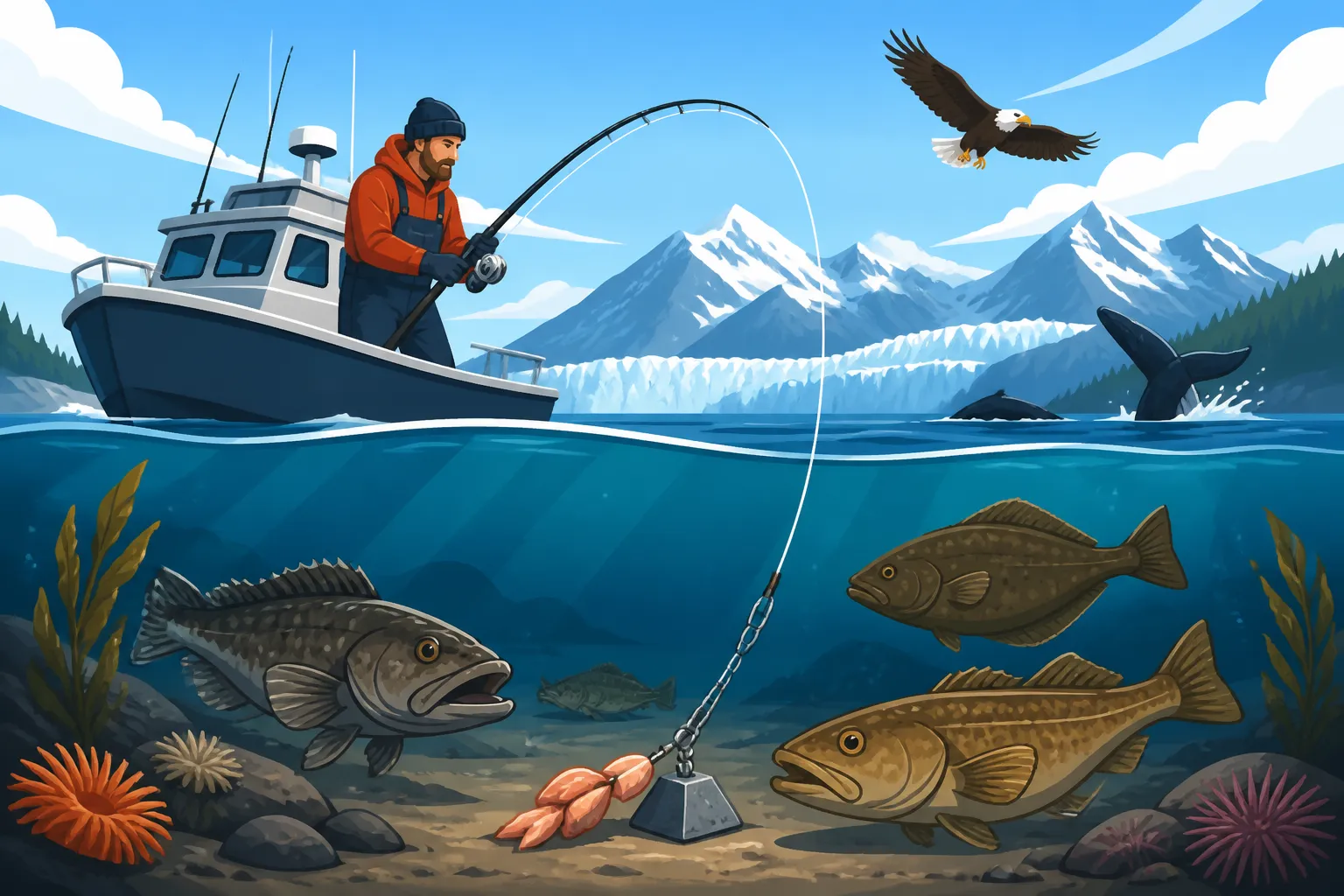
When we talk about "bottom fishing" in Alaska, we're not just referring to any old method of fishing. It's a specialized approach, primarily used in saltwater, that targets fish species that live on or near the seabed. Unlike trolling for salmon in the upper water column or casting into river mouths, bottom fishing is about getting your bait or lure down deep, often hundreds of feet, where species like halibut, lingcod, and various rockfish hang out. It’s a game of depth, patience, and knowing what’s hiding in those submarine canyons and rocky reefs.
More Than Just Dropping a Line
For many newcomers to Alaska fishing, the idea of bottom fishing sounds simple: just drop a heavy weight and some bait to the bottom. But the reality is far more nuanced. The strong currents, varying depths, and diverse underwater structures in places like Prince William Sound or Kachemak Bay demand a thoughtful approach. You're not just dropping; you're actively presenting bait, feeling for subtle bites, and battling powerful fish in their own element. It requires understanding the ocean floor's topography, adapting to changing conditions, and employing specific tactics to entice these deep-dwelling predators. This isn't a passive activity; it's a dynamic engagement with the ocean's depths, often requiring heavy gear and a strong back!
Key Species Targeted by Bottom Fishing
Alaska's cold, nutrient-rich waters are a haven for a variety of desirable bottom fish. The undisputed king of the deep is the Pacific Halibut, revered for its massive size and delicious white meat. These flatfish can grow to impressive "barn door" dimensions, providing an epic fight and plenty of fillets. Beyond halibut, anglers frequently target several species of rockfish, including the vibrant yelloweye rockfish, often called "red snapper" for its color and flaky meat. Lingcod are another prized catch, known for their aggressive strikes, formidable teeth, and excellent table fare. You might also encounter Pacific cod, sablefish (black cod), and various other deepwater species. Each of these fish has unique habits and preferences, influencing the techniques and bait you'll use. Knowing your target species helps tailor your approach, increasing your chances of success. It's truly a diverse underwater ecosystem waiting to be explored.
Essential Gear for Successful Alaska Bottom Fishing
If you're heading out to tackle Alaska's bottom fish, you absolutely cannot skimp on your gear. The fish here are big, powerful, and live in an environment that's tough on tackle. Using flimsy equipment is a recipe for broken lines, lost fish, and a whole lot of frustration. Investing in the right tools isn't just about catching more fish; it's about making the experience enjoyable and ensuring you're prepared for the fight of a lifetime.
Rods and Reels Built for Battle
For bottom fishing in Alaska, your rod and reel setup needs to be robust, capable of handling heavy weights, strong currents, and massive fish.
Rods: Look for heavy-action, conventional rods that are typically 6 to 7.5 feet long. These rods need a strong backbone to lift heavy sinkers (often 1 to 3 pounds or more) off the bottom and to absorb the powerful surges of a large halibut. Fiberglass or composite rods are popular for their durability and forgiving action. Brands like Ugly Stik or Penn offer great options that can withstand the abuse of deepwater fishing. You want a rod that feels sturdy in your hands, not something that feels like it's going to snap when a "barn door" halibut decides to make a run for it.
Reels: Conventional reels, also known as star-drag or lever-drag reels, are the standard for Alaskan bottom fishing. They offer superior cranking power and line capacity compared to spinning reels. A reel in the 30-50 class, spooled with 80-150 pound test braided line, is typically what you'll need. Important features include a smooth, powerful drag system that won't seize up under pressure, and a sturdy handle for winching up heavy fish from the depths. Some anglers even opt for electric reels, especially for very deep water or when targeting large quantities of fish, to reduce the physical exertion of retrieving hundreds of feet of line and a heavy fish. Shimano and Daiwa produce excellent reels that stand up to the rigors of this kind of fishing, and you can often find great deals on these workhorse reels on Amazon.
Line, Leaders, and Terminal Tackle Essentials
Your line and terminal tackle are the direct connection to your fish, and failure in any component means a lost catch.
Main Line: Braided line is almost universally preferred for bottom fishing. Its thin diameter, incredible strength, and zero stretch are invaluable. The lack of stretch allows you to feel even the most subtle bites at extreme depths, and its strength is crucial for retrieving heavy weights and big fish. Typically, 80-150 lb test braid is used, ensuring you have enough pulling power. Mono-filiment lines simply don't have the sensitivity or strength-to-diameter ratio needed for this application.
Leaders: A heavy mono-filament or fluorocarbon leader is essential. This leader section acts as a shock absorber, provides abrasion resistance against sharp rocks and fish teeth, and is less visible to cautious fish than braid. Leaders typically range from 80 to 200 lb test, depending on your target species and where you're fishing. Lengths can vary from 3 to 10 feet. Having a few pre-tied leaders ready to go can save valuable fishing time if you get snagged or break off.
Terminal Tackle: This is where things get interesting.
- Weights/Sinkers: These are crucial for getting your bait down quickly and keeping it on the bottom. Pyramid, cannonball, or flat-sided lead weights ranging from 16 ounces (1 lb) up to 48 ounces (3 lbs) are common. The exact weight depends on the depth and current. Some anglers are moving towards lead-alternative weights made from steel or bismuth.
- Hooks: Circle hooks are mandatory for halibut fishing in many areas of Alaska due to their effectiveness in hooking fish in the jaw, reducing gut-hooking and improving survival rates for released fish. Sizes typically range from 14/0 to 20/0 for halibut. For rockfish, smaller, stout J-hooks or circle hooks around 8/0 to 12/0 are often used.
- Swivels and Snaps: High-quality barrel or ball-bearing swivels (rated 200+ lbs) prevent line twist, and heavy-duty snaps (again, 200+ lbs) allow for quick changes of weights or leaders.
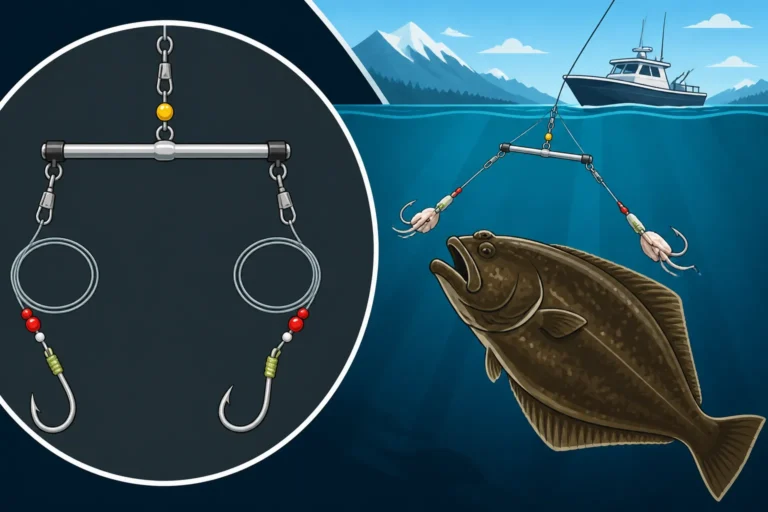
- Rigs: Most bottom fishing involves a simple slider rig for halibut (where the sinker slides on the main line above the leader) or a dropper loop rig (where hooks are tied off loops in the leader above the sinker) for rockfish. Having a variety of pre-tied rigs will make your day much smoother. You can find pre-made rigs, hooks, and swivels easily on Amazon, ensuring you're stocked up before your trip.
Bait and Lures: What Works Best Below
Choosing the right bait or lure can make all the difference in enticing those bottom dwellers.
Natural Bait: For halibut, bait is often king. Fatty, oily fish are irresistible.
- Herring: A perennial favorite, especially for halibut. Use whole, fresh, or brined herring. Rigging them to spin slowly in the current can be highly effective.
- Salmon Heads/Skins/Bellies: Waste not, want not! Parts of salmon, especially the oily heads and bellies, are fantastic bait. Many anglers save their salmon scraps specifically for halibut fishing.
- Cod/Pollock: Strips of these whitefish can be very appealing, offering a durable bait that stays on the hook well.
- Squid: A versatile bait that works for a wide range of bottom fish, from halibut to rockfish. It's tough, stays on the hook, and has a strong scent.
Artificial Lures: While bait is often preferred, artificials can be incredibly effective, especially for jigging.
- Jigs: Heavy metal jigs, often weighing 8 to 24 ounces, are popular for actively fishing the bottom. Colors like chartreuse, glow-in-the-dark, blue/silver, and pink are common. These mimic injured baitfish and can provoke aggressive strikes. Popular brands include P-Line and Braid, known for their durable finishes and enticing actions.
- Soft Plastics: Large soft plastic swimbaits or grub tails, often fished on heavy jig heads, can also be very productive for lingcod and rockfish. The pulsating action and vibrant colors are a strong draw.
- Scent Attractants: Even when using natural bait, many anglers add scent attractants like Pro-Cure or Mike's Gel Scent to enhance the appeal. These gels cling to bait and lures, dispersing a powerful scent trail in the water.
When considering what to bring, think about variety. Sometimes fish respond better to a certain bait, other times a jig is all it takes. Having a selection allows you to adapt to whatever the fish are biting on that day. For a detailed look at specific tackle, check out a guide on Alaska Fishing Gear and Tackle Guide.
| Gear Type | Recommended Specification | Key Purpose |
|---|---|---|
| Rod | 6-7.5 ft, Heavy Action Conventional | Lifting heavy weights & fighting large fish |
| Reel | Conventional (Star/Lever Drag), 30-50 Class | High line capacity, powerful drag & cranking power |
| Main Line | Braided, 80-150 lb test | Sensitivity, strength, low stretch |
| Leader | Monofilament/Fluorocarbon, 80-200 lb test, 3-10 ft | Abrasion resistance, shock absorption, stealth |
| Weights/Sinkers | Pyramid/Cannonball, 1-3 lbs (16-48 oz) | Getting bait to bottom, holding position |
| Hooks | Circle hooks 14/0-20/0 (Halibut), 8/0-12/0 (Rockfish/Ling) | Effective hooking, conservation |
| Swivels/Snaps | Heavy Duty (200+ lbs rating) | Prevent line twist, quick changes |
| Bait | Herring, salmon parts, squid, cod/pollock strips | Attracts fish with scent and natural appearance |
| Lures | Metal Jigs (8-24 oz), large soft plastics | Active fishing, mimics injured prey, aggressive strikes |
Mastering Bottom Fishing Techniques in Alaska
Once you have all your robust gear lined up, it's time to talk about how to actually use it to put fish in the boat. Bottom fishing isn't just about dropping and waiting; it's about strategic positioning, active presentation, and a keen sense for what's happening hundreds of feet below the surface. The dynamic environment of Alaskan waters demands flexibility and a good understanding of various techniques.
Anchoring Up: Stability is Key
Anchoring is a fundamental strategy for bottom fishing, especially when you've located a prime fishing spot, like a rocky reef or a known halibut feeding ground. The goal is to hold your boat steadily over a specific piece of structure, allowing you to thoroughly work an area with minimal drift. This is particularly effective for targeting species that tend to congregate in certain spots.
When anchoring, don't just drop the hook. Consider the current and wind conditions. You'll want to "power anchor" — approaching your desired spot against the current or wind, deploying your anchor, and then backing off slowly to set the anchor firmly on the bottom. Once set, your boat should swing predictably around the anchor point. This allows you to fish multiple lines from a relatively stable platform, presenting bait directly to the fish below. Remember, the deeper the water and stronger the current, the more anchor rode (rope and chain) you'll need to deploy to ensure a secure hold. An anchored position also makes it easier to manage multiple rods, making it a popular choice for larger groups or families fishing together.
Drifting for Wider Coverage
While anchoring allows you to meticulously work a specific spot, drifting offers a different advantage: covering more ground. This technique is invaluable when you're exploring new areas, trying to locate schooling fish, or when fish are scattered across a wider expanse of bottom. Instead of staying put, you let your boat be carried by the wind and/or current, dragging your bait or lure across a larger swathe of the seabed.
The key to successful drifting is managing your speed and depth. You want a slow, controlled drift that allows your bait to stay near the bottom without constantly snagging. If you're drifting too fast, your line will scope out, making it hard to feel bites and keep your bait in the strike zone. You might need to adjust the amount of weight you're using or deploy a drift sock (sea anchor) to slow the boat down. As you drift, it's critical to constantly monitor your depth sounder (fish finder) for changes in bottom topography and signs of fish. When you get a bite or catch a fish, mark the spot on your GPS; if it's a good area, you can then try to repeat the drift or even anchor up. Drifting is especially effective for covering large halibut flats or searching for scattered rockfish schools.
The Art of Jigging for Bottom Dwellers
Jigging is a more active and engaging form of bottom fishing, perfect for anglers who enjoy feeling the direct connection with their lure and the fish. This technique involves repeatedly lifting and dropping a heavy metal jig or a jig-head with a soft plastic lure, mimicking an injured baitfish or squid. The erratic motion is often irresistible to predatory bottom fish like lingcod, rockfish, and even halibut.
To jig effectively, drop your lure to the bottom, then reel up a few feet to keep it out of the immediate snags. From there, use a rhythmic motion: a sharp lift of the rod tip (often 2-4 feet) followed by a controlled drop, allowing the jig to flutter and fall. Pay close attention on the drop, as many strikes occur as the jig descends. The weight of the jig needs to be sufficient to quickly reach the bottom and maintain contact, but not so heavy that it inhibits the lure's action. Experiment with different retrieve speeds, heights, and pauses. Sometimes a slow, subtle jig is best; other times, an aggressive, fast retrieve will trigger a bite. Jigging is particularly productive in areas with strong currents or around deep structures where fish are actively feeding. For specific tips on this technique, you might want to read a guide on How to Jig for Halibut in Alaska.
Where and When to Go Bottom Fishing in Alaska
Alaska is a vast state with an incredible diversity of fishing opportunities, and bottom fishing is no exception. Knowing the prime locations and the best times of year can significantly boost your success. It's not just about getting on the water; it's about getting on the right water at the right time.
Top Locations for Productive Bottom Fishing
Alaska boasts several world-class destinations for bottom fishing, each offering unique experiences and target species.
Homer: Often called the "Halibut Capital of the World," Homer, located on the Kenai Peninsula, is arguably the most famous bottom fishing spot in Alaska. Its proximity to the rich feeding grounds of Kachemak Bay and Cook Inlet makes it a prime location. Here, anglers target monstrous halibut on vast, productive flats and around the many underwater structures. You'll find numerous charters operating out of Homer, and the town itself is geared towards anglers. The fishing pressure can be high, but so is the potential for trophy fish.
Seward: Situated on the edge of Resurrection Bay and the Gulf of Alaska, Seward offers excellent access to deep-water fishing grounds. While also known for halibut, Seward is particularly renowned for its diverse rockfish populations and formidable lingcod. The rugged coastline and deep fjords provide abundant habitat for these species. Charters from Seward frequently venture out to the open waters of the Gulf, often resulting in impressive mixed bags.
Sitka: In Southeast Alaska, Sitka provides access to some of the most consistent and productive bottom fishing in the state. The offshore waters here are teeming with halibut, and the extensive rocky reefs and pinnacles are legendary for their abundant yelloweye rockfish and lingcod. The relatively calmer inside waters also offer opportunities, but the big fish are usually found further out in the Gulf. The remote, wild feel of Sitka adds to the adventure.
Kodiak Island: For those seeking a truly rugged Alaskan experience, Kodiak Island offers exceptional bottom fishing. The waters surrounding this large island are wild and productive, holding enormous halibut and a wide variety of rockfish. Fishing here can be more challenging due to the weather and remoteness, but the rewards are often spectacular, with fewer boats and untouched fishing grounds.
Other notable areas include Valdez in Prince William Sound, known for halibut and rockfish, and Ketchikan in the Inside Passage, which also offers solid bottom fishing alongside its famous salmon runs.
Best Seasons and Tides for Bottom Fish
Timing is everything in Alaska, and bottom fishing is no exception.
Peak Season: Generally, the prime bottom fishing season in Alaska runs from May through September.
- May: Early season, good for hungry halibut as they become more active after winter. Weather can be a bit more unpredictable.
- June, July, August: These are the peak months. Halibut are abundant and actively feeding, and rockfish and lingcod are also very active. The weather is typically at its best, and daylight hours are long, allowing for extended fishing trips. Many anglers combine their halibut trips with salmon fishing during these months.
- September: Still excellent fishing, especially for halibut, as they continue to feed heavily before winter. Cooler weather and fewer crowds can make for a more peaceful experience. For more specific seasonal breakdowns, you can consult resources like Best Time to Catch Halibut in Alaska or a broader guide like Alaska Fishing Seasons: Month-by-Month Guide.
Tidal Influence: Tides play a critical role in bottom fishing. Fish often feed most actively during periods of moving water.
- Slack Tide: This is the period around high or low tide when the water movement is minimal. While some anglers prefer to fish slack tide for easier bottom contact (less current to fight), it can often be less productive as fish activity slows down.
- Tidal Changes: The periods of strong incoming or outgoing tides are often the most productive. The moving water stirs up bait, concentrates food, and makes fish more active. This is when halibut are often actively feeding. The challenge is managing your gear in strong currents, which might require heavier weights or more advanced boat handling.
- Optimal Timing: Many experienced captains aim to fish the beginning and end of a strong tidal swing. For example, two hours before and two hours after the peak of high or low tide, when the current is strong but manageable, tend to be highly productive. Paying attention to local tide charts is absolutely essential for planning your bottom fishing trips.
Regulations and Responsible Bottom Fishing Practices
Fishing in Alaska isn't just about catching fish; it's about respecting the resource and ensuring its sustainability for future generations. Alaska has stringent regulations to protect its fish stocks, and knowing these rules is not just a suggestion – it's a legal requirement. Ignoring them can lead to hefty fines and loss of fishing privileges.
Understanding Alaska's Specific Bottom Fish Regulations
Alaska's fishing regulations, set by the Alaska Department of Fish and Game (ADF&G), are complex and can vary significantly by region, species, and even type of angler (resident vs. non-resident, guided vs. unguided). You'll need an Alaska Fishing License: Complete Guide before you even cast a line. For bottom fishing, pay close attention to:
Halibut Regulations: Halibut regulations are among the most dynamic and often change year-to-year or even in-season, especially for charter anglers. Key aspects include:
- Bag Limits: How many halibut you can keep per day and per year. These limits are often different for guided and unguided anglers. For example, charter anglers might be restricted to a "reverse slot limit" where only fish under a certain size or over a very large size can be kept, while unguided anglers might have a simpler daily limit. Make sure you understand the current Alaska Halibut Charter Reverse Slot Limit if fishing with a guide, or the Alaska Halibut Limit for Unguided Anglers if you're going out on your own.
- Annual Limits: Non-residents often have an annual limit on the number of halibut they can harvest, usually one or two per year.
- Closed Days/Seasons: Certain days of the week (e.g., Thursdays) or specific dates might be closed to halibut retention for charter anglers in some regions. The Alaska Halibut Thursday Closure Explained is a common regulation to be aware of.
- Circle Hook Requirement: As mentioned, non-offset circle hooks are often required for halibut fishing.
- Harvest Record Card: For non-residents, and sometimes residents for specific species, filling out an Alaska Harvest Record Card Explained is mandatory to track your catch against annual limits.
Rockfish Regulations: Rockfish management focuses on protecting long-lived species, particularly yelloweye rockfish, which are extremely vulnerable to barotrauma (the effects of rapid pressure change when brought from deep water).
- Bag and Possession Limits: These vary by species and region. Yelloweye rockfish usually have very strict limits, often only one per day or even one per year. Other rockfish species might have more generous limits.
- Deepwater Release Devices: These devices are often mandatory when fishing in certain depths (e.g., over 60 feet) for rockfish that you intend to release. A deepwater release device allows you to return a rockfish to depth quickly, increasing its survival chances. Understanding Alaska Rockfish Deepwater Release Device Rules is crucial for conservation.
- Season/Area Closures: Some areas might have seasonal or permanent closures for certain rockfish species to allow stocks to recover.
Lingcod Regulations: Lingcod also have specific size and bag limits, which often include minimum and maximum size restrictions. Their seasons are typically open during the warmer months, coinciding with halibut fishing. Read up on Alaska Lingcod Season and Size Limits before you go.
It is absolutely crucial to consult the most current ADF&G Sport Fishing Regulations Summary for the specific region you plan to fish. Regulations are updated annually and sometimes through emergency orders. Always check for Alaska Fishing Emergency Orders Explained before you head out.
Best Practices for Sustainable Bottom Fishing
Beyond just following the rules, adopting sustainable fishing practices helps preserve Alaska's incredible fisheries.
Catch and Release Best Practices:
- Minimize Fight Time: Use appropriate gear to land fish quickly, reducing stress.
- Handle with Care: If releasing, keep the fish in the water as much as possible. Avoid dragging it on the deck or handling it by the gills.
- Deepwater Release: For rockfish, always use a descending device to return them to depth if they are showing signs of barotrauma (bulging eyes, distended stomach).
- Barbless Hooks: While not always required for bottom fishing, barbless hooks can minimize damage and make releases easier. Some areas might have Alaska Barbless Hook Requirements.
Gear Choices:
- Lead-Free Weights: Consider using lead-alternative weights to reduce lead contamination in marine environments.
- Appropriate Tackle: Using tackle that's heavy enough for the fish you're targeting prevents prolonged fights and lost gear, which can become marine debris.
Respecting the Environment:
- No Littering: Always pack out everything you pack in, including fishing line, bait containers, and food wrappers.
- Fuel and Oil Spill Prevention: Be mindful of your boat's waste and maintenance to prevent spills.
- Responsible Waste Disposal: Dispose of fish waste appropriately, usually by grinding and dispersing in deep water away from harbors and high-traffic areas.
By understanding and adhering to these regulations and best practices, you contribute to the health and longevity of Alaska's bottom fisheries, ensuring that these incredible opportunities remain for generations to come.
Tips for Maximizing Your Alaska Bottom Fishing Experience
Alaska fishing is an adventure, and with a bit of extra preparation and knowledge, you can elevate your bottom fishing trip from good to unforgettable. It's about being ready for anything Mother Nature throws at you and knowing how to make the most of your catch.
Preparing for Alaskan Weather and Water Conditions
The weather in Alaska can change on a dime, especially on the water. A calm, sunny morning can quickly turn into a windy, rainy, and choppy afternoon. Being prepared is not just about comfort; it's about safety.
Layering is Your Best Friend: Forget about just one heavy coat. The key to staying warm and dry in Alaska is layering.
- Base Layer: A moisture-wicking synthetic or merino wool base layer will pull sweat away from your skin, keeping you dry.
- Mid-Layer: Fleece or down insulation provides warmth.
- Outer Layer: A waterproof and windproof jacket and pants (often called "bibs") are absolutely essential. Look for high-quality rain gear that can withstand persistent rain and sea spray. Brands like Grundéns or Helly Hansen are popular among Alaskan anglers for their durability. You can find excellent waterproof options and layering pieces on Amazon to build your ideal fishing outfit.
- Headwear and Gloves: A warm hat (even in summer) and waterproof gloves are critical for protecting extremities from the cold.
- Footwear: Waterproof boots with good grip are a must for slippery boat decks.
Motion Sickness Preparedness: If you're prone to seasickness, the open waters of the Gulf of Alaska can be challenging.
- Medication: Take anti-nausea medication like Dramamine or Bonine before you board the boat, as it's often too late once symptoms start.
- Natural Remedies: Some find relief with ginger candies or wristbands.
- Stay Hydrated and Eat Lightly: Avoid heavy, greasy foods before and during your trip. Stay on deck in the fresh air, focusing on the horizon.
Safety First: Always listen to your captain or guide. Know where the safety equipment (life jackets, first aid kit, flares) is located. If you're running your own boat, ensure all safety gear is up to date and accessible. Always tell someone your float plan before heading out.
Handling and Processing Your Catch Onboard
Once you've landed that prize halibut or a mess of rockfish, the job isn't over. Proper handling and processing on the boat are crucial for preserving the quality of your catch.
Bleeding Your Fish: This is perhaps the most important step for improving the flavor and shelf life of your fish. Immediately after landing, humanely dispatch the fish and then cut the main artery (often near the gills) to allow it to bleed out. This removes blood from the flesh, resulting in whiter, firmer fillets with a cleaner taste. Bleed fish in a dedicated bleed barrel or over the side of the boat (away from harbors) and allow them to bleed fully, often for 5-10 minutes.
Icing Your Fish: Once bled, get your fish on ice as quickly as possible. This slows bacterial growth and keeps the meat fresh.
- Coolers: Bring large, well-insulated coolers packed with plenty of ice.
- Ice Slurry: An ice slurry (a mix of ice and saltwater) chills fish even faster and helps maintain temperature better than just ice cubes.
- Keep it Clean: Avoid letting fish lie on a hot deck. The faster you chill your catch, the better the quality will be when you get it home.
Filleting Onboard (or Planning for a Processor): Depending on your boat size and experience, you might fillet your fish onboard. If so, have sharp knives, a filleting board, and a clean workspace ready. For large fish like halibut, this is a substantial job. Many charter boats will do the basic processing for you, or you can take your whole fish to a local processor in towns like Homer or Seward. These professional processors will often fillet, portion, vacuum seal, and freeze your fish, preparing it for safe transport home. This is often a worthwhile investment, especially if you're flying with your catch. For a step-by-step, consider How to Fillet a Halibut or the general Alaska Fish Transport and Shipping Rules.
Consider the Experience: Remember, fishing is also about camaraderie and creating memories. Share the experience with your fellow anglers, learn from experienced guides, and savor the stunning Alaskan scenery. Even on a challenging day, the sheer beauty of the surroundings makes the effort worthwhile.
Disclaimer
Please remember that fishing regulations in Alaska are subject to change without notice. It is your sole responsibility to check the most current regulations published by the Alaska Department of Fish and Game (ADF&G) before heading out on any fishing trip. This guide is for informational purposes only and should not be considered a substitute for the official regulations booklet or direct consultation with ADF&G. Always prioritize safety and responsible angling practices.