How to Jig for Halibut in Alaska
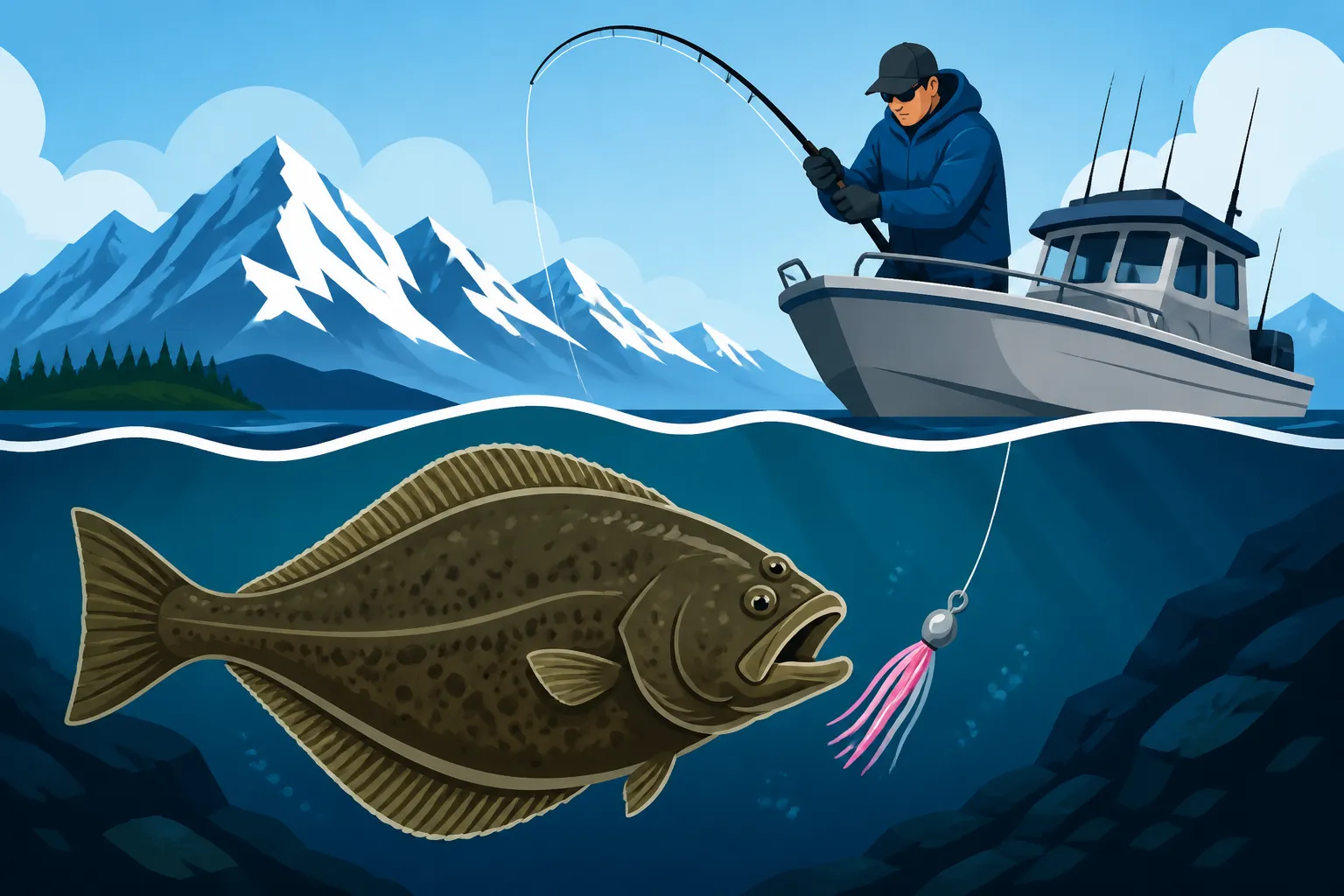
There's nothing quite like the feeling of dropping a heavy jig hundreds of feet into the cold, dark depths of Alaska's ocean and feeling that unmistakable thump as a massive halibut strikes. Many anglers get caught up in bait fishing, which is certainly effective, but jigging offers an incredibly engaging, active, and often more rewarding way to target these giant flatfish. This guide will dive deep into everything you need to know to successfully jig for halibut, transforming your fishing experience from passive waiting to an exhilarating hunt.
Why Jigging is a Game-Changer for Alaska Halibut
Let's be honest, sitting around waiting for a halibut to bite can sometimes feel a bit like watching paint dry. You're hoping, you're wishing, but you're not actively fishing in the same way. That's where jigging comes in. It's not just another technique; it's an entirely different philosophy that puts you in control, making every moment on the water a dynamic interaction with the ocean.
The Thrill and Effectiveness of Jigging
Jigging is an active pursuit, plain and simple. Instead of dropping a static bait and waiting, you're constantly working your lure, imparting action that mimics an injured or fleeing baitfish. This can be incredibly enticing to a predatory fish like a halibut. You're sending vibrations, flashes, and movement through the water column, drawing attention from a distance. The effectiveness lies in its ability to cover ground and appeal to a halibut's instinct to ambush. When you find a school of bait or a prime feeding zone, jigging allows you to actively prospect that area, drawing strikes from fish that might ignore a stationary offering. The connection you feel to your lure, even through hundreds of feet of line, is palpable. Every bump, every slight hesitation, every subtle change in resistance becomes a potential strike, and when that massive halibut finally hits, it's a solid jolt right through your rod to your hands – a truly unforgettable experience. It's a method that often leads to more aggressive strikes because the fish is reacting to what it perceives as escaping prey, rather than just stumbling upon an easy meal.
Reading the Ocean Floor and Halibut Behavior
Successful jigging isn't just about dropping a lure; it's about understanding where to drop it. Halibut are masters of camouflage, hugging the bottom and blending in with their surroundings, waiting to ambush prey. This means targeting specific structures and depths where they prefer to lie in wait. By jigging, you're constantly exploring these contours and features. A good fish finder becomes your best friend, helping you identify underwater rock piles, ledges, drop-offs, and even bait schools that might be attracting halibut. You'll be looking for those subtle changes in bottom topography that signify a prime ambush point. Drifting over a rocky reef system while jigging allows you to present your lure directly into the halibut's living room. Observing the tidal currents is also crucial, as halibut often position themselves in current breaks or along channels where food is funneled past them. With jigging, you can precisely control your depth and retrieve, ensuring your lure spends maximum time in the strike zone, whether it's right on the bottom or a few feet above a structure. This precision is a huge advantage over simply setting a bottom rig.
Essential Gear for Successful Halibut Jigging in Alaska
Before you even think about dropping a line, you need to make sure your arsenal is up to the challenge. Alaska halibut fishing is not for the faint of heart, or for flimsy gear. These fish are powerful, and the environment can be unforgiving. Investing in the right equipment isn't just about catching fish; it's about making sure your trip is safe, enjoyable, and that you don't lose that once-in-a-lifetime "barn door" to equipment failure.
Rods, Reels, and Line: The Power Trio
When it comes to battling an Alaska halibut, you need a setup that's built for war. You're not going after panfish here; these are often 50 to 100+ pound fish (and sometimes much, much bigger) that will test every inch of your tackle.
- Rods: Look for heavy-duty, fast-action conventional rods in the 6' to 7' range. "Fast action" means the rod bends mostly in the tip section, giving you excellent sensitivity to feel bites and ample backbone to fight big fish. The stiffness is essential for delivering powerful hooksets, especially when you have a lot of line out. A good halibut rod will have a strong butt section to lean into, allowing you to use your body to pump the fish up from the depths. Brands like Ugly Stik or Penn offer robust options that stand up to the rigors of Alaskan fishing.
- Reels: Conventional reels are the standard for halibut jigging, offering superior cranking power and line capacity compared to spinning reels. You'll want a reel with a high-quality drag system that can withstand sustained pressure. A lever drag system is often preferred for its ease of adjustment during a fight. Look for models like the Penn Fathom or Shimano TLD series, typically in sizes ranging from 25 to 50. Line capacity is important because you might be fishing in 200-400 feet of water, and a big halibut can easily make a 100-foot run.
- Line: Braided line is non-negotiable for jigging deep in Alaska. Its lack of stretch provides incredible sensitivity, allowing you to feel even the most subtle bites. It also cuts through the water better than monofilament, reducing drag and helping your jig sink faster and stay vertical. Spool up with 60 to 100-pound test braided line. While the braid is incredibly strong, it's also highly visible and can be abrasive. Therefore, you'll need a monofilament or fluorocarbon leader, typically 80 to 150-pound test, tied directly to your braid with a strong knot like a FG knot or an Albright special. This leader provides shock absorption, some abrasion resistance, and a bit of stealth near your lure. For a detailed look at how to properly rig your setup, check out our guide on How to Set Up a Halibut Rig for Alaska.
Jigs and Baits: What Gets Their Attention
This is where the art of jigging truly comes alive! The variety of jigs available is vast, but for Alaska halibut, size and weight are paramount. You need something substantial to reach the bottom quickly in strong currents and deep water, and something that looks appealing to a hungry halibut.
-
Jig Types:
- Diamond Jigs: These classic jigs are streamlined and heavy, sinking fast. Their fluttering action on the drop and retrieve can be irresistible. They often work best when tipped with bait.
- Large Lead Head Jigs: These are versatile and come in many shapes, often resembling a fish head with a large, sturdy hook. They are designed to be paired with soft plastic bodies or natural baits.
- Flutter Jigs / Knife Jigs: These jigs have a unique, erratic falling action that mimics an injured baitfish. They are excellent for vertical jigging and often don't require additional bait.
- Butterfly Jigs: These are also designed for fast, erratic action and can be highly effective.
-
Weight: This is crucial. Depending on current and depth (which can easily be 100-400 feet, or even deeper in some spots), you'll need jigs ranging from 8 ounces all the way up to a staggering 32 ounces or more. It's not uncommon to use a pound or two of lead to effectively reach and stay on the bottom. Always bring a variety of weights.
-
Colors: While natural colors like silver, blue, and white are always good bets, don't be afraid to experiment with brighter, more aggressive colors like chartreuse, pink, or glow-in-the-dark, especially in deeper, darker water or on overcast days. Halibut often react to contrast and flash.
-
Baiting Your Jigs: Tipping your jig with a piece of natural bait can significantly increase your strike rate. Popular choices include chunks of herring, salmon bellies, octopus, or even strips of mackerel. The scent trail from the bait combined with the action of the jig is a deadly combination. When buying your heavier jigs and robust hooks, many anglers find a good selection and competitive prices on platforms like Amazon, ensuring they have enough variety for different conditions. For more on what halibut crave, check out Best Bait for Alaska Halibut.
Critical Accessories for Comfort and Safety
Fishing in Alaska can be physically demanding, and the weather can turn on a dime. Don't skimp on the accessories that keep you comfortable, safe, and allow you to effectively handle your catch.
- Gloves: Heavy-duty fishing gloves are a must. They protect your hands from line cuts (especially with braid), hook pokes, and the rough scales of a halibut. They also provide extra grip, which is essential when holding onto a thrashing fish.
- Gaffs and Fish Clubs: Once you get a halibut to the boat, you need a safe and efficient way to bring it aboard and dispatch it. A sturdy gaff is used to secure the fish, and a fish club (or priest) is used to humanely dispatch it with a swift blow to the head. Safety is paramount here; a thrashing halibut with sharp fins and a powerful tail can cause serious injury.
- Descending Device: If you plan on releasing any rockfish (which are often caught as bycatch while halibut fishing), a descending device is legally required and incredibly important for the fish's survival. This tool allows you to return rockfish to the depth they were caught, minimizing barotrauma.
- Proper Attire: Dress in layers! Even on a sunny summer day, the ocean air can be chilly, and rain is always a possibility. Waterproof and windproof outer layers, warm base layers, and waterproof boots are essential. Many quality brands like Grundéns or Helly Hansen offer excellent fishing-specific apparel that can be found on sites like Amazon, ensuring you stay dry and warm.
- Cooler and Ice: You’ll need a robust cooler filled with ice to immediately chill your catch. Quality fish handling starts the moment it hits the deck.
Mastering the Art of Jigging for Halibut: Techniques and Strategy
Now that you're geared up, let's talk about the actual fishing. Jigging for halibut isn't just a physical workout; it's a mental game of understanding the environment and reacting to the subtle cues.
Locating the Prime Halibut Haunts
Halibut aren't just swimming around aimlessly; they're strategically positioned. Your success hinges on finding where they're holding.
- Structure is Key: Halibut love structure. Think underwater rock piles, ledges, submerged pinnacles, and the edges of deep channels or ravines. These provide ambush points where they can hide and wait for prey to swim by. Your captain, if you're on a charter, will know these spots like the back of their hand. If you're on your own boat, spend time studying nautical charts and using your fish finder to mark promising topography.
- Tidal Influence: Tides play a massive role in halibut behavior. Strong currents can concentrate baitfish, and halibut will often position themselves downstream of structure, facing into the current, ready to snatch an easy meal. Slack tide periods can also be productive, as it's easier for the halibut to move around and feed. Understanding the local tide charts is fundamental. For specific guidelines, it's always wise to check the Alaska Halibut Charter Regulations Explained or general regulations, as certain areas may have specific rules regarding fishing times or locations.
- Using Your Fish Finder: This piece of electronics is your eyes below the surface. Learn to interpret what you see: bait balls, larger marks near the bottom (potential halibut!), and changes in the seabed contour. Many modern fish finders, like those from Humminbird or Garmin, offer incredibly detailed bottom imaging that can reveal hidden features where halibut are lurking. Dropping a jig directly onto a promising mark on the screen significantly increases your odds.
The Drop, the Rhythm, and the Hookset
Once you've found a promising spot, it's time to get your jig in front of a halibut. This is where your technique really comes into play.
- The Drop: Open your bail or disengage your reel, letting the jig freefall to the bottom. Keep a thumb on your spool to prevent backlash, and pay close attention to the line. As the line goes slack, you've hit bottom. Engage your reel immediately. If you're using heavy jigs, this might happen faster than you expect.
- The Rhythm: This is where jigging becomes a bit of an art. There's no single "right" way, and you'll often need to experiment to see what the fish prefer on any given day.
- Long Lifts: Lift the rod tip from waist height to shoulder height, then let it fall back down on a semi-slack line. This creates a large, sweeping motion that can attract attention from a distance. Let the jig flutter on the drop.
- Short Pops: Reel up a few feet, then quickly snap the rod tip up a foot or two, letting the jig flutter back down. This is a more subtle action, mimicking a struggling baitfish.
- Dead Sticking: Sometimes, after a few lifts, just let the jig sit motionless on the bottom for 10-20 seconds. A halibut might approach it cautiously and then inhale it.
- The Sweet Spot: Halibut often feed right on the bottom, but don't be afraid to work your jig a few feet above it, especially if you're seeing bait on your fish finder. Periodically reel up 10-20 feet and let it fall back down to cover more of the water column. For understanding the optimal depth, consider reviewing resources like Best Depth for Alaska Halibut Fishing.
- The Bite: A halibut bite can range from a subtle "thump" or extra weight on the line to a rod-bending, line-stripping hit. Sometimes it feels like your jig has simply snagged the bottom. Don't second-guess it! If anything feels off, set the hook.
- The Hookset: This needs to be powerful. With hundreds of feet of line out, you'll need to deliver a solid, sweeping hookset by reeling down quickly and then lifting the rod forcefully. Don't be shy; you need to drive that hook into a halibut's tough mouth.
Fighting a Barn Door: The Battle Royale
Hooking a large halibut, often affectionately called a "barn door," is just the beginning of the real challenge. These fish are incredibly powerful and will fight dirty.
- Maintain Pressure: Once hooked, your primary goal is to keep constant, heavy pressure on the fish. Slack line is a halibut's best friend; they'll often shake the hook or dive into structure if given the chance. Keep that rod bent!
- Pump and Reel: The classic technique for fighting large bottom fish is the "pump and reel." Lift the rod tip smoothly but firmly, gaining a few feet of line, then quickly drop the rod tip while reeling furiously to take up the slack. Repeat this motion. It's a tiring process, but it's how you gain ground against a strong fish.
- Use Your Drag: Your reel's drag is your shock absorber. Set it appropriately—tight enough to put pressure on the fish but loose enough to allow line to peel off when the halibut makes a strong run. Don't try to winch a giant halibut in without letting it take some line; you'll either break your line or snap your rod.
- The Circles: Large halibut often try to "circle" under the boat, using their flat body to create immense resistance against the water. Be prepared to move around the boat if necessary, following the fish to keep your line clear of the motors or anchor line.
- Don't Rush the Gaff: When the fish finally surfaces, don't rush the gaffing. Let the deckhand or guide take control. They're experienced in landing these powerful fish safely. A panicked fish on the surface can be dangerous. For more in-depth strategies on landing a true trophy, our guide on How to Fight a Barn Door Halibut offers crucial insights.
Maximizing Your Catch and Ensuring a Smooth Trip
Catching a halibut is one thing, but making sure you've done it legally and that your catch makes it to your dinner table in prime condition is another. Responsible angling and proper fish care are vital components of any successful Alaska fishing adventure.
Understanding Regulations and Responsible Angling
Alaska has some of the most meticulously managed fisheries in the world, and for good reason. Halibut populations are carefully monitored to ensure sustainability. It's absolutely crucial that every angler understands and adheres to the current regulations.
- Daily and Annual Limits: These can vary by region, species, and whether you are fishing on a charter or unguided. For halibut, there are typically daily bag limits (e.g., one or two fish per day) and sometimes annual limits for non-residents, especially for species like King Salmon. Always check the most recent Alaska Department of Fish and Game (ADF&G) regulations booklet. A good place to start understanding these is Alaska Halibut Daily Limit for Charter Anglers.
- Size Restrictions: Halibut often have size restrictions, which can include minimum or maximum lengths, or even a "reverse slot limit." A reverse slot limit, for example, might allow you to keep one small halibut (under a certain length) and one large halibut (over a different, larger length), while fish within the "slot" must be released. These measures are designed to protect spawning-age fish. Our article Alaska Halibut Size Limit Explained breaks down these rules in detail, and you might also want to read about What Is the Alaska Halibut Reverse Slot.
- Harvest Record Card: For certain species, like King Salmon and often Halibut in specific areas, you may need a harvest record card to record your catch. This helps ADF&G track catch data.
- Responsible Release Practices: If you catch a fish that is undersized, oversized, or simply one you don't wish to keep, quick and careful release is essential. Minimize handling time, use wet hands if possible, and use a descending device for rockfish.
Handling Your Catch: From Deck to Dinner Table
The quality of your halibut on the dinner table begins the moment it comes aboard the boat. Proper handling is key to preserving its texture and flavor.
- Bleeding: Immediately upon landing a halibut, it should be bled. This involves severing the main artery (often near the tail or gills) and letting the fish bleed out in a cooler of seawater or over the side of the boat. This removes blood from the flesh, resulting in whiter, better-tasting meat.
- Gutting and Cleaning: After bleeding, many anglers choose to gut their halibut on the boat. Remove the entrails and thoroughly rinse the body cavity with seawater.
- Protecting Quality: Get the fish on ice as quickly as possible. A cooler packed with ice will rapidly chill the fish, preventing bacterial growth and preserving its freshness. Don't just toss it in a dry cooler; it needs to be submerged in an ice slurry if possible, or heavily iced.
- Processing for Travel: Once back on shore, you'll want to have your halibut filleted and processed. Many lodges and charter operations offer this service, or can direct you to local fish processors. They will fillet, skin, trim, vacuum seal, and often flash freeze your catch, preparing it for safe transport home. You can find excellent vacuum sealers and freezer bags on Amazon to handle your catch effectively once it's processed, ensuring that delicious Alaskan halibut tastes as fresh as the day you caught it months later. For detailed instructions, consult How to Fillet a Halibut and How to Vacuum Seal and Ship Alaska Fish.
Remember, a successful jigging trip for halibut in Alaska isn't just about the number of fish you catch, but also the unforgettable experience, the respect you show for the resource, and the delicious meals you'll enjoy long after your adventure.
Jigging Gear Comparison Table
| Gear Component | Key Characteristics | Why It Matters for Halibut Jigging | Common Weight/Test Range |
|---|---|---|---|
| Rod | Heavy-duty, Fast Action, Conventional | Power for deep-water hooksets; backbone for fighting big fish. | 6' – 7' (Heavy) |
| Reel | Conventional, High-quality Lever or Star Drag | Superior cranking power; smooth drag for long fights. | Size 25 – 50 |
| Main Line | Braided Line | Zero stretch for sensitivity; cuts water for faster sink/less drag. | 60 lb – 100 lb |
| Leader | Monofilament or Fluorocarbon | Abrasion resistance; shock absorption; less visible to fish. | 80 lb – 150 lb |
| Jig Weight | Heavy Lead or Metal | Reaches bottom quickly in deep water/current; attracts large fish. | 8 oz – 32 oz+ |
| Jig Type | Diamond, Lead Head, Flutter, Knife | Mimics baitfish; different actions for varying conditions. | Varied, typically large |
| Bait for Tipping | Herring, Salmon Scraps, Octopus | Adds scent and visual appeal; increases strike probability. | Chunks/Strips |
Disclaimer
The information provided in this guide is for general informational purposes only and should not be considered legal advice. Fishing regulations in Alaska are subject to change frequently due to emergency orders and conservation efforts. Always consult the most current Alaska Department of Fish and Game (ADF&G) regulations booklet and any relevant emergency orders before you head out fishing. Failure to do so could result in fines or penalties.