When to Fish for Each Salmon Species in Alaska
Figuring out exactly when to chase each salmon species in Alaska can feel like trying to hit a moving target. Just when you think you’ve got the timing down, a late spring or an early summer heatwave can shift everything, leaving you wondering if you've missed the boat – or the fish! This comprehensive guide is here to untangle the complexities of Alaska's salmon runs, giving you the insider scoop on when to best target King, Sockeye, Pink, Chum, and Coho salmon across the Last Frontier.
Understanding Alaska Salmon Runs: The Big Picture
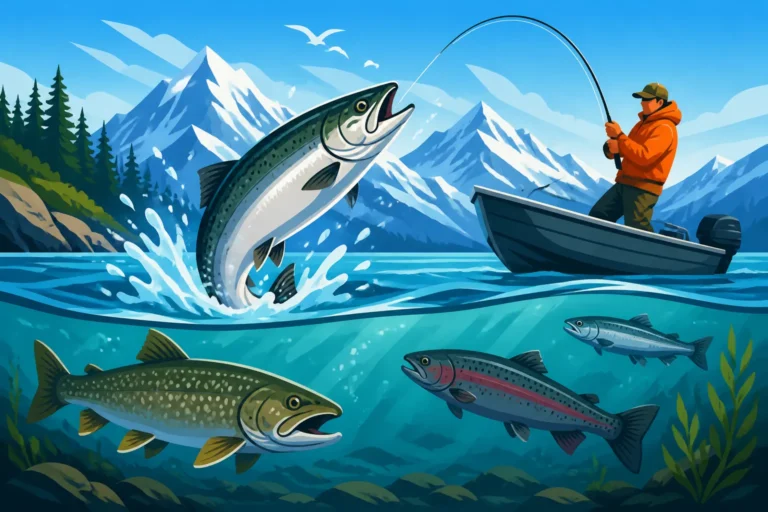
Alaska's salmon runs are nothing short of a natural spectacle, drawing anglers from around the globe. But unlike clockwork, these runs aren't always on an exact schedule. There's a lot that goes into when those fish decide to push upriver, and understanding these broader strokes can really help you plan a successful trip.
The Cycle of Life: Why Timing Matters
Each salmon species has a distinct life cycle, and their return to freshwater to spawn is the culmination of years spent in the ocean. This migration is driven by instinct, water temperature, river flows, and even moon phases. For us anglers, hitting the "peak" of a run means better chances of success, more fish in the river, and often, more aggressive biters. Miss it, and you might find yourself casting into empty waters or dealing with post-spawn fish that aren't exactly prime table fare. Knowing the general timing for each species is crucial, but being adaptable and checking local conditions as your trip approaches is just as important. It’s a dynamic system, and the fish don't exactly send out calendar invites!
Factors Influencing Salmon Run Timing
Several environmental factors play a huge role in when salmon decide to show up and how quickly they move upstream. Water temperature is a big one; salmon prefer certain temperatures for their migration, and unusually warm or cold springs can either accelerate or delay their arrival. High water levels from heavy rains or rapid snowmelt can also trigger early runs, as it provides an easier, faster path upriver. Conversely, low water can slow things down or even make fish hold in deeper pools, waiting for better conditions. Local conditions, like the snowpack in the mountains feeding a particular river system, can profoundly affect the Alaska Salmon Run Timing by River. That's why simply knowing "July for Sockeye" isn't enough; you need to consider the nuances of that specific year and river.
King Salmon (Chinook): The Early Season Royalty
King salmon, also known as Chinook, are the largest and often the most sought-after salmon species in Alaska. Their sheer size and incredible fighting power make them a true prize for any angler. But to catch these majestic fish, you need to understand their often-earlier run timing.
Prime King Salmon Seasons by Region
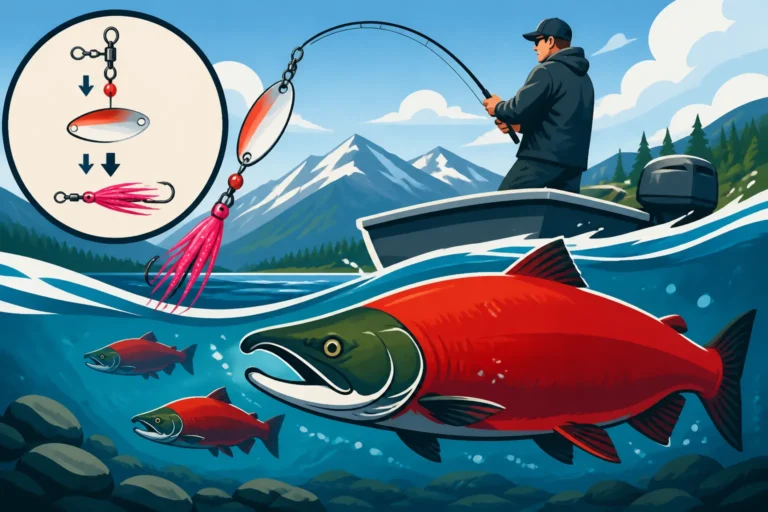
King salmon are typically the first salmon to arrive in Alaskan rivers, kicking off the salmon fishing season in late spring and early summer.
- Southeast Alaska (May-July): In areas like Juneau, Sitka, and Ketchikan, the saltwater King salmon fishing can be excellent starting in May, with feeder Kings available year-round. River runs usually begin in late May and run strongly through June into early July. The Taku River near Juneau, for instance, sees its Kings arriving consistently during this window. These regions often have strong marine fisheries that supplement the river runs.
- Southcentral Alaska (Mid-May through July): This region, encompassing rivers like the Kenai, Kasilof, and Deshka, is arguably the most famous for King salmon.
- The Kenai River, renowned for its monster Kings, typically sees its first run start in mid-May and peak in early June. The second, and often larger, run usually begins in late June and extends through July, though regulatory changes due to conservation concerns can often impact this. You'll want to stay updated on Alaska King Salmon Fishing Regulations and Limits for the Kenai.
- The Kasilof River, a short drive from the Kenai, often offers a more consistent King fishery, with runs starting in late May and peaking in mid-June for its hatchery-origin fish, followed by a wild run.
- Rivers like the Deshka River and parts of the Susitna system in the Mat-Su Valley also see good King runs starting in late May and peaking in June.
- Bristol Bay (June-July): While more famous for Sockeye, many rivers in Bristol Bay, such as the Nushagak River, have incredible King salmon runs that typically peak in late June and early July. These are often wild, powerful fish, offering a remote and rugged fishing experience.
It's absolutely vital to remember that King salmon runs are often subject to emergency orders due to conservation efforts. Always check the Alaska Department of Fish and Game (ADF&G) regulations and any active emergency orders before you head out. This is especially true for popular destinations like the Kenai River King Salmon Closure Explained, which has seen closures in recent years.
Fishing Techniques for Early and Peak King Runs
When targeting King salmon, your approach often needs to adapt to the run timing.
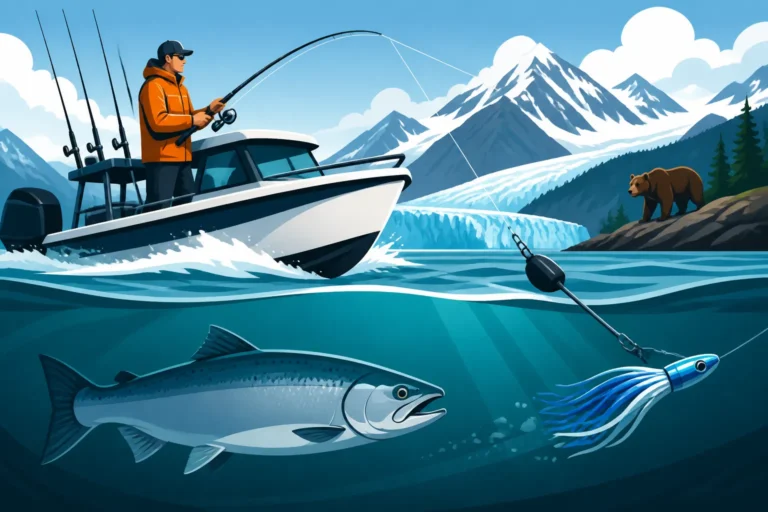
- Early Season Kings (May-early June): These fish are fresh from the ocean, bright, and incredibly powerful. They’re often moving quickly and can be aggressive. For river fishing, back-trolling with Kwikfish or large Mag Lips plugs, often adorned with a sardine wrap for added scent, is a deadly technique. This method allows you to cover water and present a tempting meal to fish holding in deeper channels. In shallower areas, drift fishing with cured roe or even large spinners can be effective. If you're on a saltwater charter, trolling with large spoons, flashers, and cut-plug herring is standard practice. Having a variety of tackle, perhaps ordered from Amazon, can ensure you're ready for different conditions.
- Peak Season Kings (Late June-July): As more fish enter the system, you might find them holding in specific pools or seams. Back-bouncing with heavy lead and generous chunks of cured salmon roe is incredibly effective, especially in faster, deeper waters. Imagine your bait bouncing along the riverbed, right in front of a King's nose – irresistible! Spin fishing with large spinners like Pixees or Vibrax can also entice a strike. For fly anglers, swinging large, weighted intruders or flesh flies in the right conditions can produce exhilarating takes. Remember, these fish are focused on their upstream journey, so a direct, aggressive presentation is often key. If you're looking for more specific guidance on methods, you might find our guide on How to Catch King Salmon in Alaska helpful.
Sockeye Salmon (Red): The Abundant Mid-Summer Swarm
Sockeye salmon, known for their vibrant red flesh and incredible fighting spirit, are arguably the most numerous salmon species in Alaska. Their runs are often immense, creating incredible fishing opportunities, especially for those willing to embrace specific techniques.
Sockeye Run Peaks Across Key Rivers
Sockeye salmon typically start their migrations later than Kings, with their runs truly hitting their stride in mid-summer.
- Bristol Bay (Late June-July): This region is home to the largest Sockeye salmon runs in the world, with millions of fish returning to rivers like the Kvichak, Naknek, and Alagnak. The peak of the Bristol Bay Sockeye run usually occurs from late June through mid-July. It's an almost unimaginable volume of fish, turning rivers red with their numbers. If you're dreaming of a truly epic Sockeye experience, this is the place to be, though often via a fly-in lodge.
- Kenai Peninsula (Late June-August): The Kenai River and its tributary, the Russian River, are famous for their accessible and massive Sockeye runs.
- The Russian River Sockeye run starts in mid-June, with the first major pulse often peaking around the last week of June and early July. A second, often larger, run occurs from late July through mid-August. This is prime "combat fishing" territory, where anglers stand shoulder-to-shoulder, casting for these incredible fish.
- The Kenai River itself sees its Sockeye run parallel the Russian, with fish also entering the mainstem from late June through August, peaking in July. These fish are typically targeted from boats or specific bank access points. Understanding Alaska Sockeye Salmon Limits on the Kenai is paramount, as limits can change quickly.
- Copper River (May-June): While earlier than most Sockeye runs, the Copper River is famous for its early-season Sockeye, prized for their high oil content. These fish are typically targeted in the lower river and its tributaries in May and June, primarily by dip-netters, but sport anglers also find success.
Sockeye are unique because they don't typically strike at baits or lures once they enter freshwater; they're migrating with a purpose. This leads to specialized techniques.
Targeting Sockeye: Flossing and Fly-Fishing
Successfully catching Sockeye salmon in Alaska requires specific techniques, primarily "flossing" or "lining."
- Flossing (or Lining): This is the most common and effective method for Sockeye. It involves using a long leader, typically 3-5 feet of fluorocarbon, with a small, unweighted hook tied at the end. A small amount of weight (pencil lead or a slinky weight) is attached to the main line above a swivel, which is then connected to the leader. The idea is to cast upstream, allowing the line and leader to drift naturally downstream. The weight sinks, causing the leader and hook to trail behind. As the Sockeye swim upstream with their mouths open, feeding on plankton or simply holding position, the line passes through their mouth, and with a gentle upstream sweep, the hook is set in the corner of their jaw. It's not snagging; it's a legal and highly effective method when done correctly. Specific guidance on How to Flip for Sockeye Salmon delves into this technique.
- Fly-Fishing for Sockeye: Fly anglers can also target Sockeye using a similar principle. Instead of lead, weighted flies (like weighted Sockeye flies or Alaskan Sockeye flies found on Amazon) are used to get the line and hook to drift into the fish's mouth. A strong, fast strip-set is then used to connect. A 7 or 8-weight fly rod with a strong leader is usually recommended to handle these powerful fish. The key is presenting the fly exactly where the Sockeye are concentrated, which is often in shallow, clear water where you can spot them. Sockeye are incredible fighters on a fly rod, making for a truly memorable experience.
Pink Salmon (Humpy): The Biennial Bonanza
Pink salmon, affectionately known as "humpies" due to the pronounced hump developed by males during spawning, are the smallest and most abundant of the Pacific salmon species in Alaska. While not as prized for eating as Kings or Sockeye, they offer incredibly consistent action, especially on their dominant years.
Understanding Even and Odd Year Cycles
One of the most unique aspects of Pink salmon is their strong two-year life cycle, which leads to distinct "even" and "odd" year runs in different regions.
- Even Years (e.g., 2024, 2026): These years typically see enormous Pink salmon returns to rivers in Southcentral Alaska (Cook Inlet drainages, Prince William Sound, Kodiak) and parts of Southeast Alaska. During peak even years, rivers can be absolutely packed with humpies, offering non-stop action, often starting in mid-July and extending through August. If you're fishing near Anchorage, Valdez, or Seward in an even year, you're likely to encounter millions of Pink salmon.
- Odd Years (e.g., 2023, 2025): In contrast, Southeast Alaska generally experiences its dominant Pink salmon runs in odd years. Regions like Ketchikan, Juneau, and Sitka can see staggering numbers of Pinks from July through August. While Southcentral still gets Pinks in odd years, the numbers are usually significantly lower than their even-year peaks.
This biennial cycle means that if you're planning a trip specifically for Pinks, knowing whether it's an even or odd year is critical for choosing your destination. The sheer numbers, especially in peak years, make them a fantastic target for families and beginners.
Best Times and Locations for Humpy Action
Pink salmon runs are generally quite concentrated in mid to late summer.
- Timing (Mid-July to August): Regardless of the even/odd year cycle, the prime time for Pink salmon is from mid-July through August. They tend to have a shorter ocean migration and quicker run upriver than other salmon species, so their appearance can be quite sudden and prolific.
- Locations:
- Southcentral Alaska (Even Years): Rivers feeding Cook Inlet like Ship Creek (right in downtown Anchorage), Ninilchik River, and streams around Prince William Sound (e.g., near Valdez and Whittier) are inundated with Pinks. The fishing can be fast and furious, perfect for light tackle.
- Southeast Alaska (Odd Years): Almost any river or stream in the panhandle will see strong Pink salmon runs in odd years. Shore fishing, small boat fishing, and even fly-fishing for these aggressive fish are incredibly popular.
Pink salmon are very aggressive once they enter freshwater, making them a blast to catch on various tackle. Small, brightly colored spinners (especially pink or chartreuse), spoons, and flies are all highly effective. They'll readily strike at offerings, providing constant entertainment. Many anglers will head to Amazon to stock up on a variety of pink and chartreuse lures specifically for humpies. While not everyone's favorite for the dinner plate, they're fantastic fighters and can be excellent when smoked or used as bait for other species. Our guide on Alaska Pink Salmon Regulations and Limits can offer more details.
Chum Salmon (Dog): The Underappreciated Fighter
Chum salmon, often called "dog salmon" due to their impressive canine-like teeth developed during spawning, are perhaps the most misunderstood and underappreciated salmon in Alaska. While their appearance can be intimidating, they are incredibly strong fighters and, when caught fresh, can be excellent table fare.
When and Where to Find Chum Salmon
Chum salmon runs typically coincide with Sockeye and Pink salmon, usually hitting their stride in mid to late summer.
- Timing (July-August): Chum salmon generally start appearing in significant numbers from early July, with peak runs often occurring in mid to late July and into August. Their runs can be quite long-lasting, sometimes extending well into September in some northern river systems.
- Locations: Chum salmon are widespread across Alaska, from Southeast to the Arctic.
- Western Alaska (Bristol Bay & Yukon-Kuskokwim): Some of the largest Chum salmon runs occur in Western Alaska, particularly in the Yukon River, Kuskokwim River, and rivers flowing into Bristol Bay like the Nushagak and Alagnak. These runs are often targeted by commercial fisheries and subsistence users but also offer incredible sport fishing opportunities.
- Southcentral Alaska (Cook Inlet & Prince William Sound): Rivers in the Mat-Su Valley, such as the Deshka River and some tributaries of the Susitna, see strong Chum runs. Rivers flowing into Prince William Sound and parts of the Kenai Peninsula also host good numbers of Chum.
- Southeast Alaska: Many rivers and streams in Southeast Alaska also see healthy Chum runs, often mixed with Pink and Coho salmon.
Chum salmon are known for their robust size, often rivaling King salmon in weight, and their incredibly powerful fight. They're a true test of tackle and angling skill, especially when fresh from the saltwater.
Fishing for Chum: A Different Kind of Fight
Unlike Sockeye, Chum salmon are often aggressive biters, making them a fun target for active fishing methods.
- Aggressive Strikes: Fresh Chum salmon are often very willing to strike at a variety of lures and flies. Bright, gaudy colors seem to be particularly effective. Chartreuse, pink, and orange spinners (like a large Blue Fox Vibrax or Mepps Aglia), spoons, and even large jigs tipped with bait can provoke a violent strike. They hit hard and run like freight trains, making for an unforgettable battle.
- Tackle Considerations: Given their strength, a medium-heavy spinning or casting rod paired with a reel spooled with 20-30 lb braided line is recommended. A stout leader is also a good idea due to their sharp teeth. Fly anglers will want a fast-action 8 or 9-weight rod, capable of throwing large, weighted intruder or Coho-style flies in bright colors. These fish really put your gear to the test!
- Prime Condition: While sometimes viewed as "trash fish," fresh-run Chum salmon, especially those caught in clear, cold water shortly after entering the river, have firm, orange-red flesh that is excellent for smoking or grilling. Don't let their reputation deter you; a chrome-bright Chum from the ocean or lower river is a fantastic fish. You might find more details on Alaska Chum Salmon Fishing Regulations and Limits to plan your trip.
Coho Salmon (Silver): The Late Summer and Fall Thrill
Coho salmon, or "silvers," are renowned for their acrobatic fights and aggressive takes. They offer some of the most exciting salmon fishing in Alaska, often extending the season well into the fall. Their willingness to chase and jump makes them a favorite among many anglers.
Coho Run Timing and Hotspots
Coho salmon typically arrive later in the summer, providing a fantastic fishery from August through September, and even into October in some areas.
- Timing (August-September, into October): Coho runs generally begin in early to mid-August, with peak numbers often seen from late August through September. In some systems, especially in Southeast Alaska and certain parts of the Kenai Peninsula, Coho fishing can remain strong well into October, offering a vibrant fall fishery.
- Locations: Coho salmon are widely distributed across Alaska, from coastal streams to larger river systems.
- Southeast Alaska: Rivers and marine waters throughout Southeast Alaska (e.g., near Ketchikan, Sitka, Juneau) offer some of the best Coho fishing, both in saltwater and freshwater. Their runs are consistently strong here.
- Southcentral Alaska: The Kenai Peninsula, particularly the Kenai River, Kasilof River, and numerous smaller streams, sees phenomenal Coho runs. The Susitna River drainage, including tributaries like the Deshka and Little Susitna, also provides excellent opportunities. Fishing for silver salmon in Seward, or anywhere along the coast, often means fantastic action.
- Prince William Sound: Areas around Valdez and Whittier are Coho hotspots, offering both saltwater trolling and river fishing opportunities.
- Kodiak Island: Rivers and streams on Kodiak Island are also known for strong Coho returns.
Coho are often characterized by their bright silver appearance and their eagerness to chase down a lure or fly. They’re visually stunning and incredibly fun to fight.
Tactics for Aggressive Silver Salmon
Coho salmon are notorious for their aggressive nature and willingness to strike a variety of presentations, making them a joy to fish.
- Spinning and Casting: Spinners (chartreuse, pink, orange, or black/purple patterns like the Pixee Spoon or Vibrax) are incredibly effective for Coho. Casting them across current and retrieving, or even jigging them in deeper pools, can provoke explosive strikes. Spoons, plugs, and even twitching jigs are also popular choices. Coho are often found holding in slower seams, eddies, and even shallower riffles, so covering various water types is beneficial. A selection of lures, perhaps curated from Amazon based on local recommendations, would be a smart investment.
- Fly-Fishing: For fly anglers, Coho offer some of the most exciting action. Streamers in chartreuse, pink, purple, or black patterns, often weighted, are highly effective. You can strip-retrieve them aggressively, swing them through currents, or even twitch them under an indicator. The visual strikes and aerial acrobatics of a Coho on a fly rod are truly thrilling. Using a 7 or 8-weight fly rod with a fast-sinking tip line or a full-sinking line can help get your fly down to the fish in faster water.
- Trolling (Saltwater): In marine waters, trolling with spoons, hootchies, or cut-plug herring behind flashers is a very productive method for catching chrome-bright Coho. This is particularly popular in Southeast Alaska and around Prince William Sound.
- Peak Condition: Fresh-run Coho salmon are considered excellent table fare, with firm, orange flesh that's great for grilling, baking, or smoking. They’re a fantastic way to cap off the Alaska fishing season. For more detailed techniques, consult our guide on How to Catch Silver Salmon in Alaska.
Keeping Up with the Runs: Staying Informed
Given the dynamic nature of Alaska's salmon runs, staying informed is absolutely critical. What was true last year or even last week might not be true today, thanks to changing environmental conditions and management decisions.
Emergency Orders and Regulatory Changes
The Alaska Department of Fish and Game (ADF&G) actively monitors salmon returns and manages fisheries to ensure conservation. This means that bag limits, open seasons, and even legal gear types can change on short notice through "Emergency Orders."
- Why they happen: If a run is weaker than expected, ADF&G might close a fishery or reduce limits to ensure enough fish make it to the spawning grounds. Conversely, if a run is exceptionally strong, limits might be increased to allow anglers to take advantage.
- Impact on your trip: Imagine flying all the way to Alaska for King salmon only to find the river closed due to low returns. It's a real and frustrating possibility. This makes checking current regulations paramount. For instance, the Alaska Fishing Emergency Orders Explained article highlights how crucial it is to keep tabs on these updates.
- What to do: Always check the ADF&G website or call their local offices immediately before and during your trip. Many lodges and charter operators also stay up-to-date and can provide real-time information.
Essential Resources for Real-Time Updates
Beyond just checking the rule book, there are excellent resources available to help you track the pulse of the salmon runs.
- ADF&G Website: This is your primary source for official regulations, emergency orders, and often, in-season fishery updates and run forecasts. They have specific pages for different regions and species.
- Weirs and Fish Counts: Many major rivers have weirs or sonar projects that count returning salmon. These "fish counts" are often updated daily or weekly on the ADF&G website and can give you a very clear picture of how strong a run is developing. For example, knowing the Alaska Salmon Run Forecasts can help you anticipate peak times.
- Local Tackle Shops and Guides: Never underestimate the power of local knowledge! Tackle shops in towns like Soldotna, Cooper Landing, or Homer live and breathe fishing. They're often the first to know about local conditions, what's biting, and what techniques are working. Fishing guides are also invaluable sources of current information, as they are on the water daily. Don't be shy about calling ahead or stopping in for a chat.
- Online Forums and Social Media: While not official, many local fishing groups and forums on social media platforms can provide anecdotal, real-time reports from fellow anglers. Just remember to take these with a grain of salt and cross-reference with official sources.
Being proactive about gathering information can mean the difference between a frustrating trip and a truly successful, fish-filled adventure.
Here's a quick overview of the general run timing for Alaska's salmon species:
| Salmon Species | Common Names | General Run Timing | Key Regions for Sportfishing | Prime Fishing Techniques |
|---|---|---|---|---|
| King Salmon | Chinook, Tyee | Mid-May to July | Kenai, Kasilof, Nushagak, Taku (SE), Deshka | Back-trolling, Back-bouncing, Spinners, Plugs, Trolling (saltwater) |
| Sockeye Salmon | Red, Kenai Red | Late June to August | Kenai, Russian, Kvichak, Naknek, Alagnak | Flossing, Fly-fishing (weighted flies), Dip-netting (personal use) |
| Pink Salmon | Humpy | Mid-July to August | Cook Inlet (even years), SE Alaska (odd years), Prince William Sound | Spinners, Spoons, Small Flies, Twitching Jigs |
| Chum Salmon | Dog, Keta | Early July to August | Nushagak, Yukon, Kuskokwim, Susitna tributaries, SE Alaska | Spinners, Spoons, Large Flies, Jigs |
| Coho Salmon | Silver | August to October | Kenai, Kasilof, Susitna tributaries, SE Alaska, Prince William Sound | Spinners, Spoons, Plugs, Streamer Flies, Trolling (saltwater) |
Note: This table provides general timing. Actual peak runs can vary by river and year due to environmental factors and emergency orders.
Disclaimer
Fishing in Alaska involves inherent risks. Always check current Alaska Department of Fish and Game regulations and emergency orders before fishing. Conditions can change rapidly, and responsible angling practices are essential for conservation and safety. This guide is for informational purposes only and does not substitute for official regulations or professional advice.