How to Catch Arctic Grayling
The crisp, clean waters of Alaska hold a special kind of magic, but chasing after the more iconic salmon or halibut can sometimes overshadow the serene joy of pursuing a true gem: the Arctic Grayling. Many anglers, especially those new to the Last Frontier, often find themselves perplexed by these beautifully finned fish, wondering where they hide, what tempts them, and how to successfully coax one to bite. This guide is here to demystify the art of catching Arctic Grayling, offering practical advice and seasoned tips to help you experience the thrill of landing one of Alaska's most elegant freshwater species.
Understanding the Elusive Arctic Grayling
Before you can hope to catch an Arctic Grayling, it's incredibly helpful to understand who you're trying to catch. These fish are distinct, beautiful, and possess certain behaviors and preferences that, once understood, significantly increase your chances of success. They aren't the biggest fighters, but their visual appeal and the pristine environments they inhabit make them a prized catch for many.
Grayling Habitat and Behavior
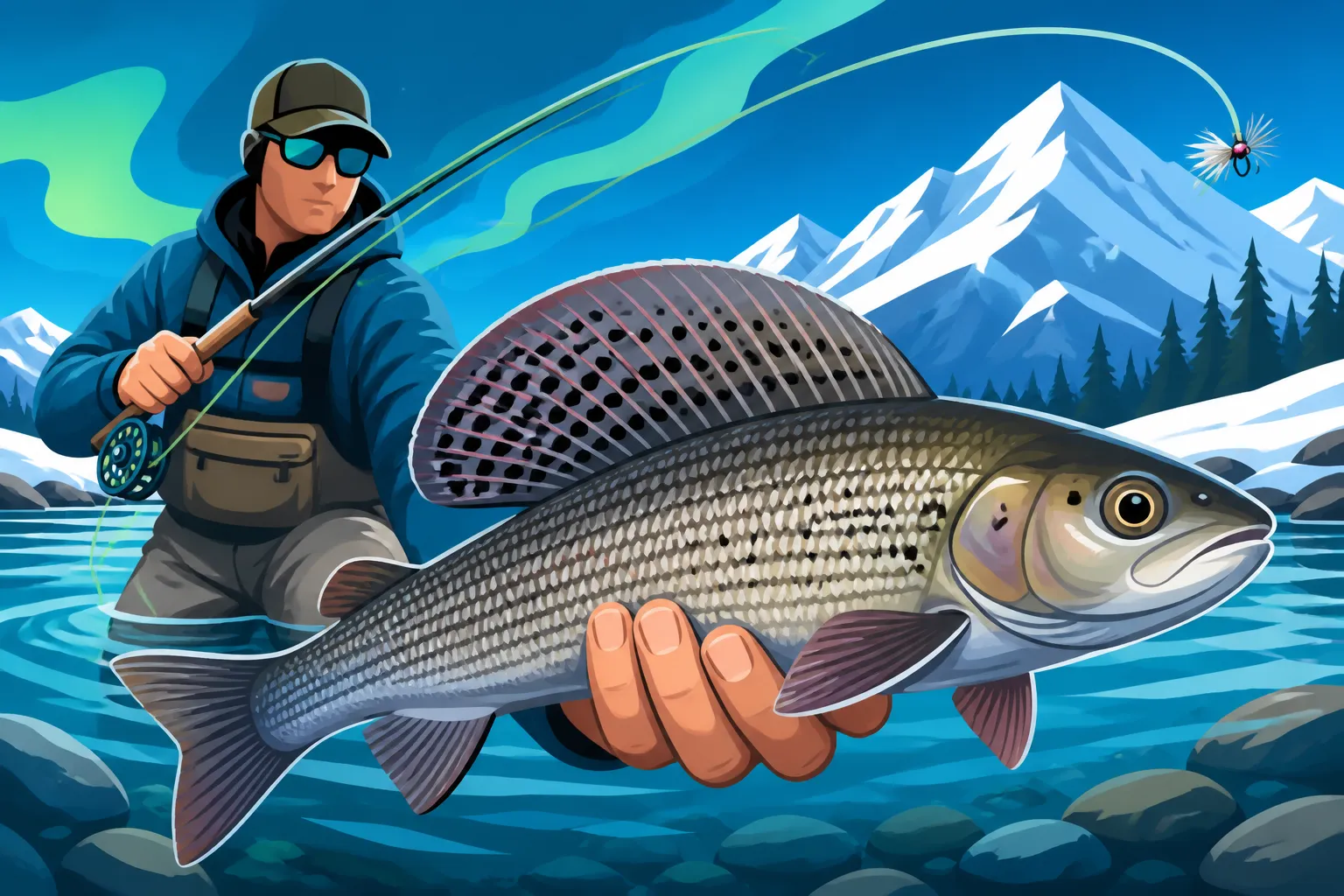
Arctic Grayling, with their distinctive large dorsal fin resembling a sail, are primarily found in the colder, cleaner waters of northern rivers, streams, and lakes. Unlike some of Alaska's more robust salmon species that thrive in powerful currents, grayling prefer moderate flows and clear, oxygen-rich environments. You'll often find them congregating in slower runs, eddies, and tailouts of pools, especially where insects are abundant or where stream bottoms offer a mix of gravel and small rocks. They're true indicators of healthy aquatic ecosystems.
Their behavior is largely dictated by their diet, which consists mainly of aquatic and terrestrial insects. This makes them incredibly active surface feeders, especially during hatches, which is why fly fishing for them is so popular and effective. They are opportunistic predators, though, and won't turn down small crustaceans or even tiny fish if the opportunity arises. Grayling are also known to be quite social, often schooling together, so where you find one, you're likely to find more. This schooling behavior can make for exciting fishing, as you might hook into several fish from the same spot if you're presenting your offering correctly. They are not shy of rising to a dry fly, making for some truly visual and exciting strikes.
Identifying Arctic Grayling
Identifying an Arctic Grayling is usually quite straightforward once you've seen one. Their most striking feature is, without a doubt, that magnificent, sail-like dorsal fin. This fin is often edged with vibrant colors, ranging from purples and blues to greens and reds, and frequently adorned with rows of iridescent spots. Their bodies are typically slender and torpedo-shaped, with large scales that can shimmer with subtle hues of silver, olive-green, or bronze, often with dark spots on their flanks.
Another key identifier is their mouth, which is relatively small and upturned, perfectly adapted for sipping insects from the water's surface. They generally grow to be about 10-18 inches long, though trophy grayling can exceed 20 inches in some areas. While they don't reach the massive sizes of a King Salmon, their elegance and the beauty of their coloration make them unforgettable. They also emit a distinct, somewhat thyme-like odor when handled, which some anglers use as a final confirmation. Knowing these features will help you quickly distinguish them from other freshwater species you might encounter while fishing in Alaska.
Prime Locations to Find Arctic Grayling in Alaska
Alaska is a vast state, and while grayling are widespread, some areas are definitely more productive than others. Whether you're planning a trip around the road system or dreaming of a remote fly-in adventure, knowing where to focus your efforts will save you time and maximize your chances of success.
Roadside Access and Popular Streams
For many visiting anglers or those without access to bush planes, the road system offers fantastic opportunities to chase Arctic Grayling. The Interior region, particularly around Fairbanks, is a prime grayling destination. Rivers like the Chena River and its numerous tributaries are renowned for their healthy grayling populations. You can often find access points right off the road, making for convenient day trips. Other streams and small rivers in the Mat-Su Valley and along the Glenn Highway also hold grayling, though perhaps in smaller numbers or sizes compared to the Interior.
One excellent resource for finding easily accessible spots is the Alaska Department of Fish and Game (ADF&G) website, which often provides detailed maps and access points for various fisheries. Checking localized fishing reports is also a smart move, as conditions can change rapidly. Remember, popular spots can get a bit crowded during peak season, so consider exploring lesser-known creeks or hiking a bit further from the road to find more solitude and potentially less pressured fish. These easily accessible spots are perfect for practicing your techniques before venturing into more remote areas.
Remote Fly-In Destinations
For the adventurous angler seeking solitude and potentially larger, more aggressive grayling, remote fly-in destinations are truly unparalleled. Areas like Bristol Bay, the vast drainages of the Yukon and Kuskokwim Rivers, and even tributaries of the Copper River system offer world-class grayling fishing that few ever experience. These remote rivers and lakes are often untouched, teeming with insect life, and hold grayling that might not have seen a lure or fly in their lives.
Many Alaska Fly-In Fishing Lodges Guide offer dedicated grayling trips, often combining them with opportunities for trout or salmon, depending on the season. Flying into a remote lake or gravel bar with a floatplane or bush plane opens up a whole new world of angling possibilities. The fishing pressure is minimal, the scenery is breathtaking, and the grayling are often larger and more willing to strike. These trips require more planning and a greater investment, but the rewards—pristine wilderness and incredible fishing—are often well worth it. Before you go, be sure to check the specific Alaska Fishing Regulations by Region to ensure you're compliant with all local rules.
Essential Gear and Tackle for Grayling Fishing
Having the right gear is crucial for any fishing adventure, and grayling fishing is no exception. While they aren't massive fish, their delicate mouths and the typically clear waters they inhabit mean you need to be precise and often subtle in your approach. Both fly fishing and spin fishing can be incredibly effective, provided you have the appropriate setup.
Fly Fishing Setups
Fly fishing is arguably the most popular and often most effective method for Arctic Grayling, largely because their primary diet is insects. A light fly rod is ideal, typically a 2-weight to 4-weight rod, ranging from 7 to 8.5 feet in length. This lighter action allows for delicate presentations, protects light tippets, and makes even a modest 14-inch grayling feel like a respectable fight. Pair this with a matching floating fly line, preferably a weight-forward taper for easier casting, and a lightweight reel that balances your rod.
- Rods: A 3-weight, 8-foot rod is a fantastic all-around choice for most grayling scenarios.
- Reels: Any single-action fly reel that holds your line and some backing will do; grayling don't typically make long, drag-screaming runs.
- Line: A weight-forward floating line is standard.
- Leaders and Tippet: A 7.5-foot to 9-foot tapered leader ending in 5x or 6x tippet is generally sufficient. In extremely clear water or for very wary fish, you might drop down to 7x. You can easily find quality leaders and tippet spools on Amazon, allowing you to stock up before your trip. Always carry extra tippet in various sizes.
The delicate nature of grayling fishing truly shines with a light fly rod. It enhances the experience, making every subtle take and gentle tug a memorable part of the outing. Learning How to Fly Fish in Alaska will definitely improve your grayling game.
Spin Fishing Gear
If fly fishing isn't your preference, or if conditions are better suited for hardware, spin fishing can be very productive for grayling. The key here is ultralight tackle. Using heavy gear will not only spoil the fun but also often spook these wary fish.
- Rods: An ultralight spinning rod, 5 to 6.5 feet in length, with a fast or moderate-fast action, is perfect. Look for rods rated for lines between 2-6 lb test and lures weighing 1/32 to 1/8 ounce.
- Reels: A small, lightweight spinning reel in the 500-1000 size range. It should have a smooth drag system, though you won't be testing it too much.
- Line: 2-4 lb test monofilament or fluorocarbon line is ideal. While braided line can be used, its visibility might be a concern in clear grayling waters, and a monofilament or fluorocarbon leader will almost always be necessary. You might want to pick up some spools of ultralight line from Amazon before you head out, as specialized light lines can sometimes be harder to find in smaller Alaskan towns.
This setup allows for casting small, lightweight lures with precision and provides maximum sensitivity to detect the often subtle strikes of a grayling.
Essential Flies, Lures, and Bait
Your choice of flies, lures, or bait is paramount. Grayling are primarily insectivores, so matching the hatch or offering something that mimics their natural food source is the most effective strategy.
For Fly Fishing:
- Dry Flies: Grayling are legendary for rising to dry flies. Classic patterns like the Adams, Elk Hair Caddis, Parachute Adams, and Mosquito in sizes #12-18 are staples. Terrestrial patterns such as grasshoppers, ants, and beetles (sizes #10-16) are deadly, especially later in the summer.
- Nymphs: When fish aren't rising, nymphs fished subsurface can be incredibly effective. Gold-ribbed Hare's Ear, Pheasant Tail, Prince Nymph, and small Brassies in sizes #14-20 are excellent choices.
- Wet Flies/Streamers: Small wet flies like a Soft Hackle or a diminutive Woolly Bugger (black, olive, or brown in sizes #10-14) can also entice grayling, especially larger ones looking for a more substantial meal.
For Spin Fishing:
- Small Inline Spinners: These are consistently effective. Rooster Tails, Mepps Aglias, and Panther Martins in sizes #00 to #1, with blades in silver, gold, black, or even bright fluorescent colors, are top producers. The key is small and flashy.
- Tiny Spoons: Little Cleos or similar small, thin spoons (1/16 to 1/8 ounce) in silver or gold can also work well, especially if fish are keyed in on small baitfish (though this is less common for grayling).
- Jigs: Small marabou jigs or plastic grub jigs (1/32 to 1/16 ounce) in white, black, or olive can imitate aquatic insects or small forage.
- Bait (where legal): In some areas, small pieces of salmon roe, worms, or even cured roe can be effective. Always check Alaska Bait Restrictions Explained as bait is not allowed in all grayling fisheries.
Always carry a variety, as grayling can be finicky. Sometimes they'll only take a specific pattern or color. Having a well-stocked fly box or lure assortment, perhaps gathered from an Amazon order to ensure variety, is definitely a smart move for any Alaskan fishing trip.
Effective Techniques for Landing Arctic Grayling
Catching Arctic Grayling often boils down to finesse and understanding their feeding habits. They're not brute fighters, but their delicate strikes and often finicky nature require a thoughtful approach. Mastering a few key techniques will significantly improve your success rate.
Master the Dry Fly Presentation
Dry fly fishing for Arctic Grayling is, for many, the pinnacle of the experience. There's nothing quite like watching that magnificent dorsal fin slice through the water, followed by a subtle sip or an explosive rise to your perfectly presented fly. Grayling are highly attuned to surface activity, especially during prolific insect hatches.
The key to successful dry fly fishing for grayling is presentation. You need to cast a drag-free drift. This means your fly should float naturally with the current, as if it were an unattached insect. Avoid any drag, which occurs when the line pulls the fly unnaturally across the water. Mending your line (flipping a loop of line upstream to straighten it or extend your drift) is an essential skill here. Aim for casts that land gently, minimizing disturbance on the water's surface. Observing the water for rising fish or actual insect hatches will tell you what size and type of fly to use. If fish are consistently rising in a specific pattern, try to "match the hatch" with a similar-looking dry fly. Often, casting slightly upstream and letting the fly drift directly over where you observed a rise will elicit a strike. Patience and observation are your best friends when dry fly fishing for grayling.
Nymphing and Wet Fly Strategies
When grayling aren't actively rising, or if the water is a bit deeper or faster, nymphing and fishing wet flies become invaluable techniques. These methods target fish feeding subsurface on aquatic insect larvae and pupae. Nymphing involves drifting a weighted fly (or a lighter nymph with added split shot) along the bottom, mimicking the natural drift of submerged insects.
- Indicator Nymphing: This is a popular method where you attach a small strike indicator (a buoyant bobber-like device) to your leader, a few feet above your nymph. The indicator helps you detect subtle takes that you might not feel otherwise. Cast upstream and let your nymph drift naturally downstream. Any hesitation, dip, or sudden movement of the indicator should be met with a gentle hook set.
- Euro Nymphing/Tightline Nymphing: For more advanced anglers, this technique involves keeping a tight line to your nymph, using specialized leaders and long rods to feel the subtle takes directly. It's incredibly effective in faster, clearer waters where precise depth control is crucial.
- Wet Flies: Fishing small, unweighted wet flies or soft hackles involves casting across or slightly downstream and letting the fly swing through the current. Grayling will often follow and take these flies on the swing or just as they begin to lift towards the surface at the end of the drift.
Both nymphing and wet fly techniques require a good understanding of water currents and how to get your fly to the fish at their feeding depth. Don't be afraid to experiment with different depths and retrieves until you find what the grayling are looking for.
Spin Fishing Tactics
For the spin angler, the key to grayling success lies in using ultralight gear and small presentations. Grayling have relatively small mouths and are easily spooked by heavy lines or oversized lures.
- Casting and Retrieve: Cast small inline spinners or tiny spoons upstream or across the current, allowing them to sink briefly before beginning a slow, steady retrieve. The goal is to imitate a small, wounded baitfish or a flashy insect drifting with the current. Vary your retrieve speed and depth until you find what triggers a strike. Sometimes a slight twitch or pause can be the magic touch.
- Targeting Structure: Grayling often hold in slower water adjacent to faster currents, behind rocks, or along current seams where food accumulates. Cast your lure into these areas, working it methodically through potential holding spots.
- Bait Fishing (where legal): If bait is permitted, a small piece of worm or cured salmon roe (check Alaska Salmon Roe Regulations for legality) presented on a tiny hook (size 10-14) under a small bobber can be very effective. Allow it to drift naturally downstream in the current. Ensure your weights are minimal to allow for a natural presentation.
Remember, stealth is crucial. Grayling have excellent eyesight and can be easily put off by heavy footsteps on the bank or bright clothing. Approach your fishing spots cautiously, especially in clear, shallow water.
Best Times to Target Arctic Grayling
Timing is everything in fishing, and while Arctic Grayling can be caught throughout the open water season, certain periods and even times of day offer significantly better chances for success. Understanding these patterns will help you plan your Alaska fishing adventure more effectively.
Seasonal Considerations
The prime season for catching Arctic Grayling in Alaska generally runs from late spring through early fall, roughly May through September.
- Late Spring (May-Early June): As the ice melts and rivers begin to drop and clear from spring runoff, grayling become increasingly active. This is often a fantastic time for nymphing, as aquatic insect larvae are abundant, and grayling are hungry after a long winter. The water can still be quite cold, so fish might be more sluggish and holding in deeper pockets.
- Summer (Mid-June-August): This is peak grayling season. The weather is warmer, insect hatches are prolific, and grayling are most active on the surface. Long daylight hours, sometimes extending to 20 hours or more, mean extended feeding windows. This is the absolute best time for dry fly fishing, as grayling will readily rise to a variety of patterns. Many anglers consider July and August to be the sweet spot for consistent grayling action. This aligns with many Alaska Fishing Seasons: Month-by-Month Guide recommendations for freshwater species.
- Early Fall (September): As temperatures begin to drop and the days shorten, grayling remain active, though their surface feeding might decrease. They start to feed more aggressively on anything available, preparing for winter. Terrestrial patterns can still be very effective, and streamers or nymphs can also produce good results. The fall colors along Alaskan rivers provide a stunning backdrop for fishing during this time.
It's important to keep an eye on local conditions. A cold snap or an early snow can affect grayling activity, just as an unusually warm period might extend the prime surface feeding window.
Daily Activity Patterns
Unlike some fish that might have a very specific "golden hour," Arctic Grayling can be active throughout the day, especially during the long summer days. However, there are still patterns to observe.
- Morning and Evening Hatches: Like many trout species, grayling often become particularly active during insect hatches, which commonly occur in the cooler parts of the day – early morning and late evening. If you observe insects fluttering around the water or active rises, those are your cues to get a dry fly out.
- Midday: In bright, sunny conditions, grayling might retreat to deeper pools or shaded areas. They might still be caught with nymphs or small streamers fished deeper, but surface activity often slows. However, in Alaska's milder summer temperatures, they can remain active throughout the day, especially if it's overcast or if a hatch is ongoing.
- Midnight Sun Factor: One unique aspect of fishing in Alaska during summer is the "midnight sun." With nearly 24 hours of daylight in some regions, grayling can feed at all hours. This means you don't necessarily have to be on the water at dawn or dusk, as prime feeding can occur even in the middle of the night! This extended daylight offers incredible flexibility for anglers.
A good strategy is to watch the water for rises. If you see fish dimpling the surface, then it's time for dry flies. If not, start with nymphs or small spinners fished subsurface. Pay attention to changes in weather, as cloud cover or a light drizzle can often spark a feeding frenzy. Knowing the Best Time of Day to Fish in Alaska can certainly help maximize your efforts.
Regulations and Conservation for Sustainable Grayling Fishing
Fishing for Arctic Grayling in Alaska is a privilege, and it comes with the responsibility of understanding and adhering to regulations to ensure these beautiful fish thrive for generations to come. Conservation practices are particularly important for a species that is often caught in high numbers and can be quite delicate.
Alaska Grayling Regulations
Alaska's fishing regulations are designed to protect fish populations and ensure sustainable harvests. For Arctic Grayling, these regulations can vary significantly depending on the specific region, river, or lake you are fishing. It's not uncommon for catch-and-release rules to be in effect in certain high-pressure areas, while others may allow for retention with specific bag and possession limits.
Before heading out, you absolutely must consult the current Alaska Sport Fishing Regulations booklet, specifically looking for the section pertaining to Arctic Grayling. This booklet is updated annually and details bag limits, possession limits, size restrictions (if any), gear restrictions (e.g., fly-fishing only waters, bait restrictions), and season dates. For instance, some popular grayling streams might be designated "fly-fishing only" or have strict single-hook, barbless requirements. You can often find a current digital copy on the ADF&G website. Pay particular attention to Alaska Arctic Grayling Regulations and Limits as well as checking Alaska Fishing Emergency Orders Explained, which can change regulations mid-season due to conservation concerns or varying fish runs. Ignorance of the law is never an excuse, and violating regulations can lead to hefty fines and confiscation of gear.
Catch and Release Best Practices
Because Arctic Grayling are such a joy to catch and are often found in numbers, catch and release is a common practice and highly encouraged in many fisheries. These fish are relatively delicate, so proper handling is essential to ensure their survival after release.
Follow these best practices for effective catch and release:
- Minimize Fight Time: Use appropriate tackle (light fly rod or ultralight spinning rod) to land the fish quickly, minimizing stress and exhaustion.
- Use Barbless Hooks: Crimp down the barbs on your hooks or use barbless hooks. This makes hook removal much easier and causes less damage to the fish's mouth. Many commercial flies and lures available from places like Amazon can have their barbs easily crimped with a pair of pliers.
- Keep Fish in Water: Avoid removing the fish from the water whenever possible. If you must, do so only for a quick photo, holding it horizontally with wet hands. Never hold a grayling vertically by its jaw or tail.
- Wet Hands: Always wet your hands before touching a fish. Dry hands can remove the protective slime layer, making the fish susceptible to disease.
- Quick Hook Removal: Use hemostats or needle-nose pliers to quickly and gently remove the hook. If the fish is deeply hooked (which is rare with barbless hooks), cut the line as close to the hook as possible.
- Revive Gently: If the fish seems sluggish, hold it gently in the current, facing upstream, until it regains its strength and can swim away on its own. Do not squeeze the fish.
By diligently practicing these techniques, you contribute to the health and sustainability of Alaska's magnificent Arctic Grayling populations, ensuring that future generations of anglers can experience the same joy of chasing these beautiful fish. Always be mindful of your impact on the environment and follow all Alaska Catch-and-Release Best Practices.
Grayling Fishing Snapshot
Here's a quick overview to help you visualize the gear and techniques for grayling:
| Category | Fly Fishing Recommendation | Spin Fishing Recommendation |
|---|---|---|
| Rod Weight | 2-4 weight, 7-8.5 ft | Ultralight, 5-6.5 ft |
| Reel Type | Lightweight single-action fly reel | Ultralight spinning reel (500-1000 size) |
| Line Weight | Matching floating fly line | 2-4 lb test monofilament or fluorocarbon |
| Leader/Tippet | 7.5-9 ft tapered leader, 5x-7x tippet | Monofilament/fluorocarbon leader (2-4 lb) |
| Primary Lures/Flies | Dry flies (#12-18 Adams, Caddis, Terrestrials); Nymphs (#14-20 Pheasant Tail, Hare's Ear) | Small inline spinners (#00-1 Rooster Tail, Mepps); Tiny spoons (1/16-1/8 oz) |
| Best Technique | Dry fly presentation, Indicator Nymphing | Slow, steady retrieve; Targeting seams |
| Optimal Conditions | Clear water, insect hatches | Clear to slightly off-color water |
This table provides a basic framework, but remember that adaptability is key in Alaska fishing.
Disclaimer
The information provided in this guide is for general informational purposes only and is subject to change. Fishing regulations in Alaska can be complex and are updated regularly. Always consult the most current Alaska Department of Fish and Game (ADF&G) regulations and emergency orders before engaging in any fishing activity. It is the angler's responsibility to know and follow all applicable laws.