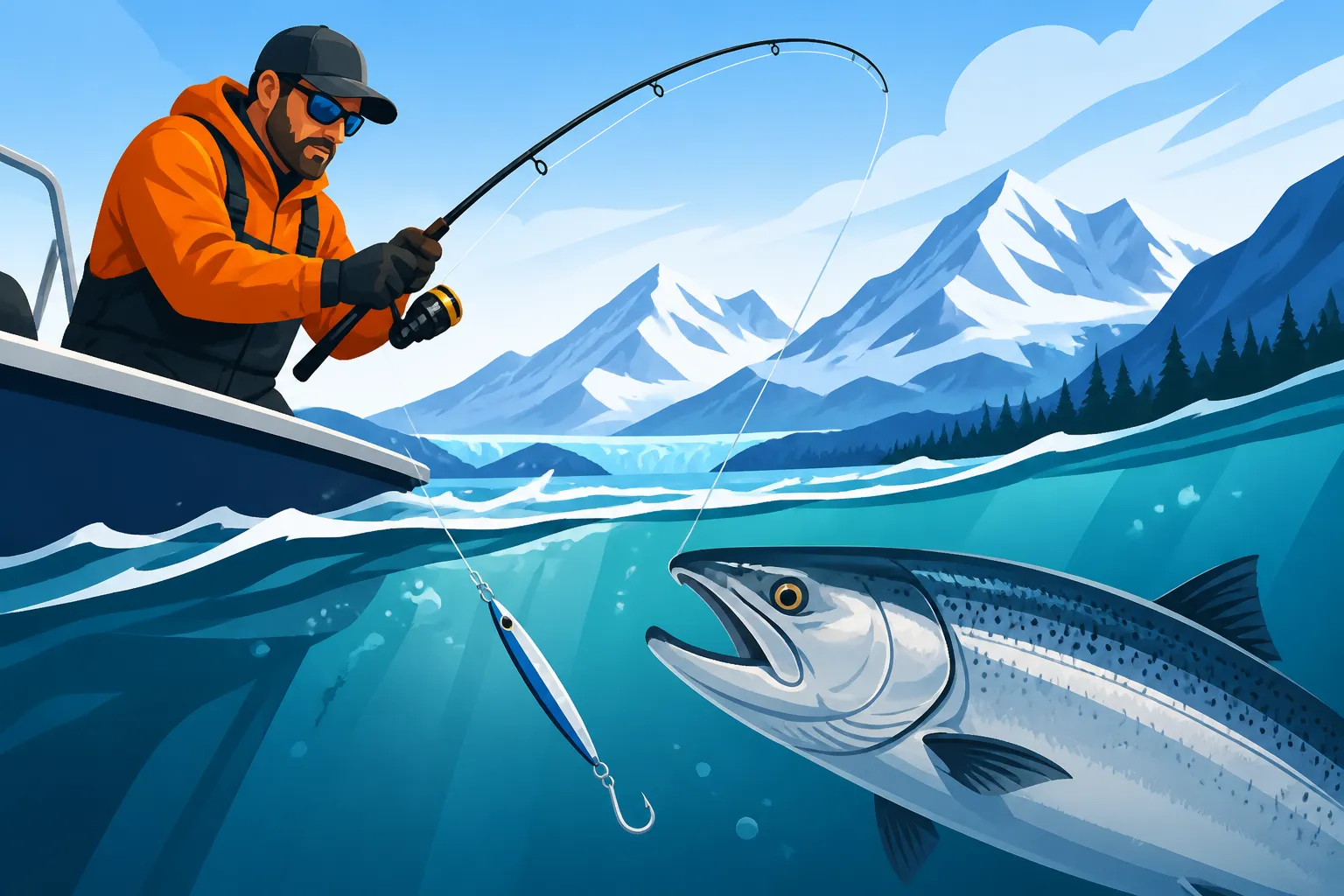
Jigging in Alaska: How-To Guide
There's nothing quite like the thrill of fishing in Alaska, but for many newcomers, the sheer scale and variety of techniques can feel overwhelming. You might have heard about jigging, but wonder if it's just dropping a heavy piece of metal into the abyss, hoping for a miracle. Rest assured, jigging is one of the most effective and exciting ways to target a diverse array of Alaska's most prized fish, and this guide will demystify the process, turning that uncertainty into pure fishing confidence.
What is Jigging and Why it Works So Well in Alaska
Jigging is a fishing technique that involves using a weighted lure (a jig) that you work vertically or horizontally in the water column to imitate a wounded baitfish or other prey. Unlike trolling, which covers vast areas, jigging allows for precise targeting of fish holding in specific structures or depths. In Alaska's rich and diverse fisheries, this method truly shines, offering incredible opportunities for both freshwater and saltwater anglers.
The Basics of Jigging: Understanding the Action
At its heart, jigging is about imparting motion to a lure. You cast your jig, let it sink to the desired depth – often the bottom or just above a school of fish – and then manipulate it with your rod and reel. This manipulation can range from sharp, upward jerks to subtle lifts and drops, mimicking the erratic movements of a fleeing baitfish or the gentle flutter of a dying one. The key is to make the jig appear alive and vulnerable, triggering an aggressive strike from predatory fish.
Think about it this way: when you're watching a school of baitfish darting around, there's always one that's a little slower, a little more exposed, or moving in an odd pattern. That's the one a predator will hone in on. Your jig's action aims to replicate that exact scenario. Whether you're in a deep saltwater trench off Seward or casting into a Kenai River eddy, the principle remains the same. It takes practice to develop the right rhythm and feel, but once you start getting bites, you'll understand why jigging is so addictive. It's an active, engaging way to fish that keeps you connected to your lure and, hopefully, to what's going on beneath the surface.
Why Alaska's Waters are Perfect for Jigging
Alaska's unique aquatic environments, from its deep, cold ocean fjords to its powerful, salmon-filled rivers, create ideal conditions for jigging. The sheer abundance of baitfish, combined with distinct underwater structures like rock piles, wrecks, and river channels, means fish are often concentrated in predictable areas. This makes them prime targets for a well-presented jig.
Consider the immense depths of the Gulf of Alaska or Prince William Sound, where colossal halibut lie in wait near the seafloor. A heavy jig dropped precisely to their lair is often irresistible. Or picture the vast schools of salmon staging in river mouths, where a strategic jig can cut through the current to entice a bite. The cold, oxygen-rich waters also mean fish are often active and aggressive, making them more likely to strike a moving lure. Furthermore, the varying currents, from swift river flows to powerful ocean drifts, allow for diverse jigging techniques. Sometimes, a subtle flutter is all it takes; other times, an aggressive "power jig" is necessary to get through the current and trigger a reaction. When you combine these factors with the sheer variety of species available, it becomes clear why jigging isn't just a technique in Alaska – it's a way of life for many successful anglers.
Essential Jigging Gear for Alaska's Waters
Venturing into Alaska's incredible fishing grounds requires the right tools, especially when it comes to jigging. You can't just show up with any old rod and reel and expect success; the demands of fighting large, powerful fish in strong currents or deep water are specific. Having the appropriate tackle not only increases your chances of landing that trophy but also makes the experience far more enjoyable and less prone to frustrating equipment failures.
Rods, Reels, and Line: The Core Setup
Your rod, reel, and line are the triumvirate of your jigging setup, and each plays a critical role. For saltwater jigging in Alaska, especially for heavyweights like halibut and lingcod, you'll want a sturdy, fast-action rod, typically 6 to 7.5 feet long. Look for rods rated for 50-100 pound test line, designed to handle heavy jigs (8-24 ounces or more) and provide the backbone needed to lift a "barn door" halibut from the depths. Brands like Shimano, Daiwa, and Penn offer excellent jigging rods suitable for Alaska's tough conditions. Paired with this, a robust conventional reel (star drag or lever drag) capable of holding 300-500 yards of braided line is essential. Make sure the reel has a strong drag system – it's the only thing standing between you and a runaway fish!
For line, braided superline is the undisputed champion for jigging in Alaska. Its near-zero stretch provides incredible sensitivity, allowing you to feel even the slightest tap from a fish deep below, and its strength-to-diameter ratio means you can use a lighter line for more capacity and less water resistance. A 65-80 pound braid is a common choice for saltwater, and you'll typically connect a 5-10 foot monofilament or fluorocarbon leader of similar or slightly higher strength (e.g., 80-100 lb test) to the braid. This leader provides abrasion resistance against sharp rocks and fish teeth and can act as a shock absorber. You can find a huge selection of quality braided lines and leaders on Amazon, making it easy to stock up before your trip. For freshwater jigging, particularly for salmon or trout, you might opt for a lighter spinning rod and reel setup, perhaps 7-9 feet long with 20-40 pound braid and a 10-20 pound fluorocarbon leader. The principles remain the same: sensitivity, strength, and durability are paramount.
Types of Jigs and Their Applications
The world of fishing jigs is vast, but for Alaska, we can generally categorize them into a few key types based on their shape, weight, and intended action. Understanding these differences is crucial for selecting the right tool for the job.
- Vertical Jigs (Speed Jigs/Knife Jigs): These are long, slender, often flat-sided jigs designed to sink quickly and cut through the water with minimal resistance. They're excellent for imitating fleeing baitfish and are incredibly effective for fast-moving pelagic species like tuna, king salmon, or rockfish that strike aggressively. When worked with rapid, upward jerks, they dart and flash erratically, triggering reaction strikes. You'll use these frequently when targeting Lingcod Fishing Regulations and Limits or those hard-fighting rockfish species.
- Lead-Head Jigs (Soft Plastic Jigs/Paddle Tail Jigs): These consist of a weighted lead head molded onto a hook, to which a soft plastic body (like a paddle tail, grub, or swimbait) is attached. They create a natural swimming action on the retrieve and are highly versatile. The soft plastic provides lifelike texture and movement, making them irresistible to many fish. Heavy lead-head jigs with large grub tails are a go-to for halibut and large lingcod, especially when fished near the bottom, while lighter versions can be deadly for trout and coho salmon in rivers. You can often find fantastic value packs of these on Amazon, offering a variety of colors and sizes.
- Spoon Jigs (Casting Jigs): Shaped like a spoon, these jigs flutter and flash as they fall, imitating a wounded baitfish. While often cast and retrieved horizontally, heavier spoon jigs can be jigged vertically, especially in shallower waters or for suspended fish. Their reflective properties are excellent in clear water, drawing attention from a distance.
- Buzz Bombs and Diamond Jigs: Iconic in Alaskan waters, especially for salmon from shore or in shallower saltwater, these are weighted metal lures that create a distinct "wobble" and flash when jigged or retrieved. They are particularly effective when salmon are actively feeding on baitfish.
The specific jig you choose will depend on your target species, the depth you're fishing, current conditions, and even the clarity of the water. Having a selection of various weights, shapes, and colors is always a good idea, as what works one day might not work the next.
Terminal Tackle and Accessories You'll Need
Beyond the main rod, reel, and jigs, a selection of essential terminal tackle and accessories will complete your jigging arsenal. Overlooking these small but crucial components can lead to lost fish and frustration.
First up, swivels and snaps are non-negotiable. Heavy-duty ball bearing swivels prevent line twist, especially when your jig is spinning in the current, and robust snaps allow for quick jig changes. Look for high-quality, corrosion-resistant stainless steel or black nickel options. Many anglers prefer a snap swivel tied directly to their leader for maximum efficiency.
Next, consider your leader material. While braid is great for sensitivity, a thick monofilament or fluorocarbon leader (e.g., 60-100 lb test for saltwater) is vital for abrasion resistance against sharp rocks and the rough mouths of fish like lingcod. The virtually invisible nature of fluorocarbon can also give you an edge in clear water. When discussing your setup with experienced local guides, they'll often emphasize the importance of a quality leader in Alaska Fishing Gear and Tackle Guide.
You'll also need a good selection of pliers and cutters. Heavy-duty pliers are essential for rigging, crimping, and removing hooks from toothy fish, while sharp braid cutters will make quick work of your superline. A gaff or large landing net is critical for safely bringing large fish like halibut or king salmon aboard, especially on a charter boat. For those truly monstrous halibut, a harpoon might even be part of the charter's equipment.
Finally, don't forget the small but mighty items: extra hooks (especially for soft plastics, as they can get bent or dulled), scents or attractants to add an extra layer of enticement to your jigs, and a fish towel or rag for handling your catch. Being well-equipped means you can adapt to conditions and focus on the fishing, not on scrambling for missing gear.
Mastering Jigging Techniques for Different Species
Jigging isn't a one-size-fits-all technique. What works wonders for a deep-dwelling halibut might barely get a glance from a cruising salmon. The true art of jigging lies in adapting your approach to the specific species you're targeting, the water conditions, and the behavior of the fish. Developing this versatility will elevate your success dramatically on any Alaska fishing trip.
Vertical Jigging for Halibut and Rockfish
When you're chasing the ocean's behemoths like halibut or targeting the vibrant array of rockfish, vertical jigging is your primary weapon. These species typically inhabit specific structures on the seafloor – think rocky reefs, ledges, and channels – and a jig presented directly to their holding zone is often irresistible.
For halibut, the technique usually involves dropping a heavy jig, often 8-24 ounces or even more depending on depth and current, straight to the bottom. Once you feel that distinct thud of the jig hitting the seabed, reel up a crank or two to get it just off the bottom. Then, with a relatively slow, deliberate rhythm, lift your rod tip 2-4 feet and let the jig fall back down on a semi-slack line. The idea is to make the jig "dance" just above the bottom, stirring up sediment and mimicking an injured baitfish. The strike from a halibut can be anything from a subtle "mushy" feeling to a rod-bending thud. When it hits, set the hook hard and prepare for a sustained, powerful fight. Learning how to Catch Halibut in Alaska involves understanding these subtle bottom techniques.
Rockfish, which include species like yelloweye, black rockfish, and quillback, often congregate in rocky reef systems. While they also respond to bottom jigging, they can often be found suspended higher in the water column over structure. For them, a slightly more aggressive, faster jigging action can be effective. Drop your jig to the desired depth (often shown on a fish finder), then use sharper, shorter lifts and drops, mimicking a darting baitfish trying to escape. They are often less subtle in their strike than halibut, hitting the jig with conviction. A good quality deepwater release device is also crucial for rockfish, as many species suffer from barotrauma when brought up from deep water, and releasing them properly ensures their survival.
Speed Jigging for Pelagic Species
While less common for the classic "barn door" halibut, speed jigging is an exhilarating and highly effective technique for targeting faster, more aggressive pelagic species, or even very active salmon in saltwater environments. This technique focuses on triggering a reaction strike from fish that are actively hunting.
Speed jigging employs slender, often holographic knife jigs that slice through the water rapidly. The technique involves a rapid succession of long, sweeping rod lifts, followed by quick retrieves of the reel handle as the rod drops. This creates an erratic, high-speed darting motion that mimics a baitfish fleeing for its life. It's a physically demanding technique, often performed for extended periods, but the rewards can be incredible. Imagine hooking into a powerful King Salmon Fishing Regulations and Limits that's chasing your jig at breakneck speed – the fight is intense and memorable. While primarily used offshore for species like tuna further south, this technique can be productive in specific Alaskan scenarios for migratory salmon, or when fishing for particularly aggressive rockfish in open water. The key is consistent, energetic motion to keep the jig moving fast and erratically through the water column, covering different depths until you find where the fish are holding and feeding.
Light Jigging for Freshwater Trout and Salmon
Jigging isn't just for the ocean's depths; it's a remarkably effective and exciting method for targeting freshwater species too, particularly Alaska Rainbow Trout Regulations and various salmon species in rivers and lakes. This "light jigging" approach uses lighter tackle and more finesse than its saltwater counterpart.
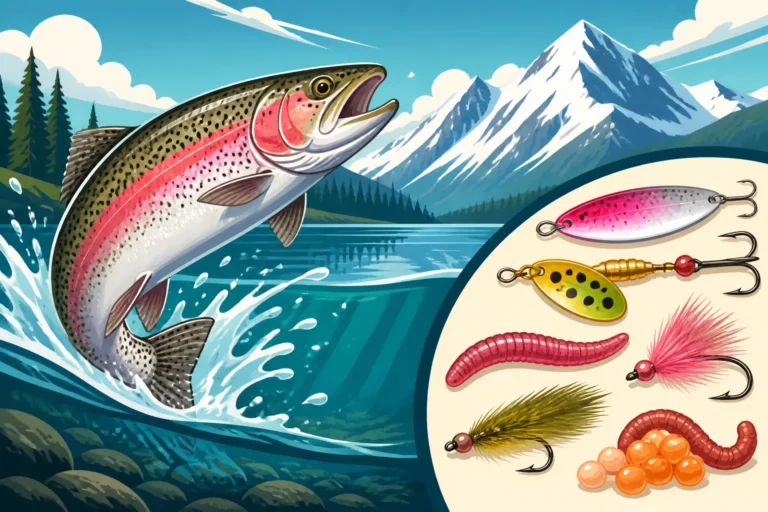
For rainbow trout, especially the famous "leopard rainbows" of the Bristol Bay region or the resident trout of the Kenai River, small, weighted marabou jigs or plastic grub jigs (1/8 to 1/4 ounce) can be deadly. The technique often involves casting upstream or across a current seam, letting the jig sink, and then imparting subtle twitches and drifts as it tumbles downstream. The goal is to imitate nymphs, sculpins, or salmon smolt that trout readily feed on. Often, a trout strike is a gentle tap or a sudden weight, so sensitivity is key. You'll want a light spinning rod setup for this, with a sensitive tip to detect those subtle bites.
When targeting salmon in rivers, particularly coho (silver) salmon or even sockeye in certain conditions, jigging with heavier lead-head jigs (1/2 to 1 ounce) dressed with soft plastics can be very productive. The technique often involves casting to a holding lie or a current break, letting the jig sink, and then rhythmically lifting and dropping it. For sockeye, who aren't typically "feeding" when they enter rivers, the jig often provokes a reaction strike, requiring a specific presentation sometimes known as "flossing" or "flipping" depending on local regulations and the river's conditions. Always check Alaska Fishing Regulations Explained for specific rules regarding techniques and gear in freshwater. The subtle art of How to Catch Rainbow Trout in Alaska often revolves around understanding these delicate jigging presentations.
Top Alaska Species to Target with Jigs
Alaska is a land of incredible angling diversity, and jigging allows access to many of its most sought-after fish. From the massive flatfish of the deep to the shimmering salmon in its rivers, mastering jigging opens up a world of possibilities. Knowing which species respond best to this technique, and where to find them, is key to a successful fishing adventure.
Halibut: The Bottom-Dwelling Heavyweights
The Alaskan halibut is arguably the most iconic jigging target in the state's saltwater fisheries. These colossal flatfish are powerful fighters and provide delicious fillets, making them a prime objective for many anglers. They are ambush predators that lie on the seafloor, often near structure, waiting for prey to swim by.
Jigging for halibut typically involves heavy lead-head jigs tipped with bait, such as herring, salmon heads, or octopus, or large soft plastic paddle tails. The best places for Halibut Fishing Regulations and Limits include deep channels, underwater ledges, and gravelly bottoms in areas like Cook Inlet, Prince William Sound, and the waters around Homer and Seward. You'll want to drop your jig right to the bottom, then lift it a foot or two and let it flutter back down, repeating this motion. The key is to keep the jig in the halibut's strike zone without it sitting motionless on the bottom. The bite can range from a light tap to a sudden, heavy pull. When you feel it, set the hook firmly and be prepared for a strong, dogged fight, often involving powerful headshakes and deep runs. Many charter operations, like those out of Homer or Seward, specialize in these types of trips, and they often provide top-of-the-line jigging gear suitable for these deep-water giants. Knowing How to Catch Halibut in Alaska is essentially mastering the art of bottom jigging.
Lingcod and Rockfish: Reef Dwellers
Beyond halibut, the rocky reefs and kelp beds of Alaska's coastal waters are teeming with other exciting jigging targets: lingcod and a diverse array of rockfish species. These fish are aggressive predators that readily strike jigs, offering a different kind of fight and flavor profile.
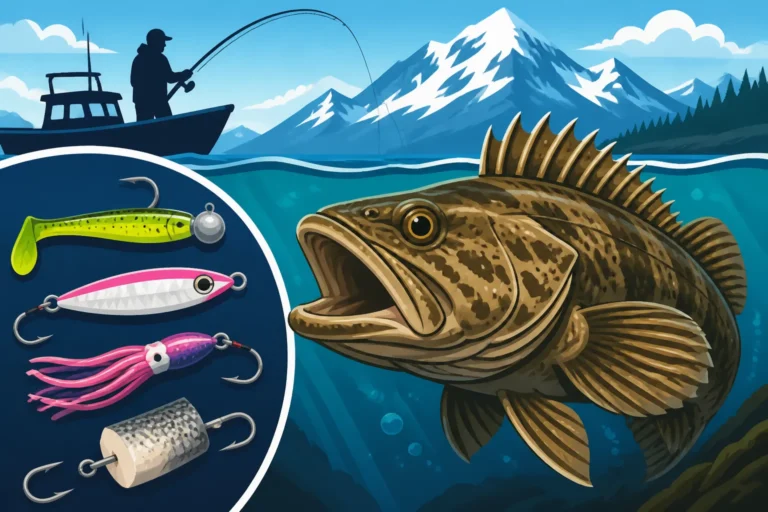
Lingcod are truly prehistoric-looking fish with powerful jaws and sharp teeth. They ambush prey from rocky crevices or kelp forests. Jigging for lingcod is a high-energy affair, often requiring heavier jigs (4-12 ounces) and sturdy tackle to pull them out of their rocky lairs before they can "rock up" and break you off. Large lead-head jigs with paddle tails or vertical jigs worked aggressively near reefs and pinnacles are highly effective. You'll find great lingcod fishing in areas like Prince William Sound and the outer coastlines of Southeast Alaska. A lingcod strike is usually ferocious, and they're known for their powerful initial run, often trying to dive back into the rocks. Knowing How to Catch Lingcod in Alaska involves precision jigging in snaggy territory.
Rockfish are a broad category, including many species such as black rockfish, yelloweye (red snapper), silvergray, and copper rockfish. They are often found inhabiting rocky structures, sometimes in vast schools. For rockfish, lighter jigs (2-8 ounces) with smaller soft plastics or metal jigs can be incredibly effective. The technique is similar to lingcod, working the jig near structure, but often at varying depths as rockfish can be suspended higher off the bottom. A school of feeding black rockfish can provide non-stop action, with aggressive strikes one after another. Remember to consult Alaska Rockfish Retention and Release Rules, especially regarding deepwater release devices, to ensure responsible fishing practices.
Salmon and Trout: Freshwater and Estuarine Targets
While often associated with trolling or drifting, salmon and trout are also excellent jigging targets, particularly in specific freshwater and estuarine environments. This offers a more active and direct way to connect with these highly prized game fish.
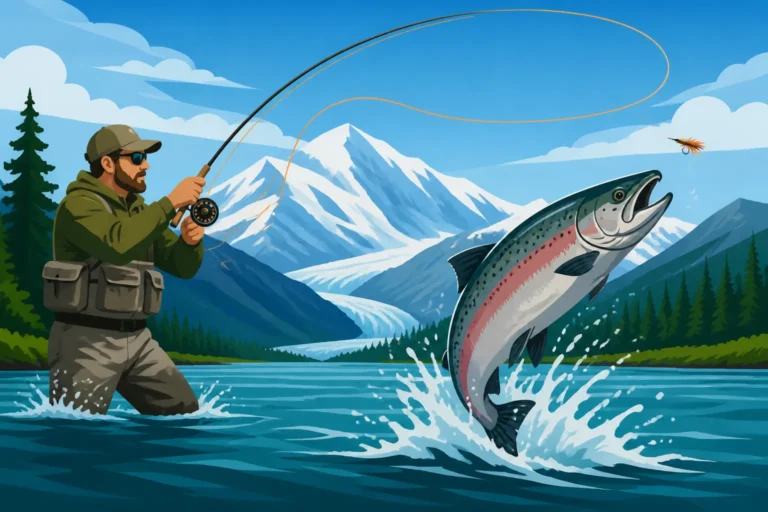
Salmon, especially coho (silver) salmon, are particularly susceptible to jigs. In river mouths, estuaries, and even larger river sections where they hold before spawning, a properly presented lead-head jig with a brightly colored soft plastic or a Buzz Bomb can be deadly. Coho are aggressive biters and will often strike out of territoriality or curiosity, even if not actively feeding. The technique usually involves casting across current and retrieving with a series of lifts and drops, letting the jig swim and dart through the water. Targeting How to Catch Silver Salmon in Alaska with jigs can be incredibly rewarding. King salmon in certain river stretches also respond to heavier jigs, especially when they are actively moving upstream.
Trout, including rainbow trout and Dolly Varden, are eager to strike jigs that imitate their natural prey. In stillwaters like lakes, casting and retrieving small marabou jigs or tiny soft plastics can be very effective, mimicking baitfish or large insect larvae. In rivers, drift jigging, where you cast a small jig upstream and let it tumble downstream with subtle twitches, is a fantastic way to target trout holding in seams and eddies. The art of How to Catch Rainbow Trout in Alaska often includes these subtle jigging methods, particularly when trout are keyed into smaller food sources. Fly anglers even have specific "jig" patterns that are fished similarly on fly tackle. These methods offer a dynamic alternative to traditional bait or fly fishing, giving you direct control over your lure's action.
| Species | Preferred Jig Types | Typical Jig Weight (oz) | Action/Technique | Key Locations |
|---|---|---|---|---|
| Pacific Halibut | Lead-head w/ soft plastic, Baited Lead-head Jigs | 8 – 24+ | Slow lift and drop, just off bottom | Homer, Seward, Valdez, Prince William Sound |
| Lingcod | Heavy Lead-head w/ paddle tail, Vertical Jigs | 4 – 12 | Aggressive lifts near structure, swift retrieve | Prince William Sound, Southeast Alaska reefs |
| Rockfish (Black) | Lead-head w/ soft plastic, Vertical Jigs, Diamond | 2 – 8 | Medium-fast retrieve, varying depths over reefs | Coastal areas, near structure and kelp beds |
| Rockfish (Yelloweye) | Lead-head w/ soft plastic, Vertical Jigs | 4 – 12 | Slower lifts, often near bottom | Deep rocky reefs, offshore pinnacles |
| Coho Salmon | Lead-head w/ soft plastic, Buzz Bombs, Spoon Jigs | 1/2 – 1.5 | Cast & retrieve with erratic twitches, jigging | River mouths, estuaries, nearshore saltwater |
| King Salmon | Heavy Lead-head w/ large soft plastic | 1 – 3 | Aggressive lifts in current (reaction strike) | Larger river systems, offshore near river mouths |
| Rainbow Trout | Marabou Jigs, Small Soft Plastic Jigs | 1/8 – 1/4 | Subtle twitches on the drift, slow retrieve | Kenai River, Bristol Bay rivers, lakes |
| Dolly Varden | Marabou Jigs, Small Soft Plastic Jigs | 1/8 – 1/4 | Subtly bounced along bottom, slow retrieve | Rivers, lakes, coastal estuaries |
Planning Your Alaska Jigging Adventure
Embarking on an Alaska fishing trip, particularly one focused on jigging, requires thoughtful preparation. The success of your adventure hinges not just on the gear you bring or the techniques you employ, but also on when and where you go, and how you ensure your safety in this wild and unpredictable state. Whether you're a seasoned Alaska veteran or planning your very first trip, these considerations are paramount.
Best Seasons and Locations for Jigging
Timing is everything in Alaska, and understanding the nuances of the fishing seasons will drastically improve your jigging success. Generally, the prime jigging season runs from late spring through early fall, coinciding with the most active periods for target species.
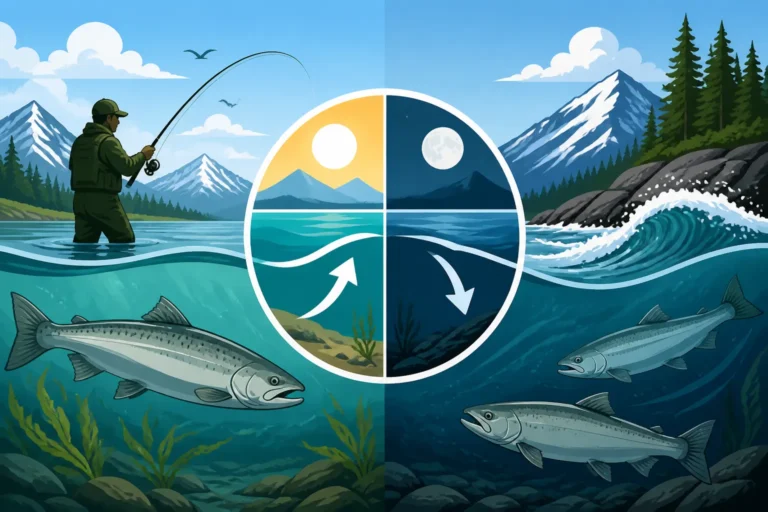
For saltwater species like halibut, lingcod, and rockfish, the season typically kicks off in May and can extend well into September. June, July, and August are generally considered peak months when the weather is more stable, and fish are most active. For instance, the waters around Homer, known as the "Halibut Fishing Capital of the World," become a hive of activity during these months. Similarly, the deep-water fisheries near Seward and Valdez offer fantastic opportunities for a mixed bag of bottom fish. You'll find detailed breakdowns of these periods in resources like the Best Time to Fish in Alaska or Alaska Fishing Seasons: Month-by-Month Guide. The timing of runs, tides, and weather can significantly impact jigging conditions, so staying informed is key.
For freshwater jigging for salmon and trout, the timing aligns with their respective runs. King salmon arrive in late May and June, followed by sockeye in late June and July, and coho in August and September. Rivers like the Kenai and Kasilof are legendary for their salmon runs, offering excellent opportunities for light jigging, especially for coho. The pristine rivers of the Bristol Bay region are world-renowned for their trophy rainbow trout, which can be jigged throughout the summer. Before any trip, always check the current Alaska Fishing Emergency Orders Explained, as regulations and seasons can change rapidly due to conservation concerns.
Safety Considerations and Best Practices
Fishing in Alaska, particularly offshore or in remote river systems, comes with inherent risks. Being prepared and adhering to safety best practices is not just advisable; it's absolutely essential. The Alaskan wilderness is breathtaking but unforgiving.
For saltwater jigging, especially on charter boats, listen carefully to your captain and crew. They are experts in navigating these waters. Always wear appropriate foul-weather gear (rain gear, layers) because conditions can change in an instant, even on a sunny day. A personal floatation device (PFD) should always be worn or readily accessible. Be mindful of your footing on a moving deck, especially when battling a large fish. Also, handle sharp hooks, knives, and gaffs with extreme care. When dealing with large, thrashing fish like halibut, exercise caution – a powerful tail slap can easily cause injury.
For freshwater jigging, bear safety is paramount. You're often sharing the riverbanks with brown bears and black bears, particularly during salmon runs. Always carry bear spray, know how to use it, and make noise when walking to avoid surprising a bear. Store food properly and never approach bears, their cubs, or carcasses. Be aware of fast-moving currents in rivers; wading can be dangerous, and a wading staff is a good idea for stability. Always tell someone your float plan if you're venturing into remote areas. For detailed advice, consider articles like How to Dress for Alaska Fishing which covers layers and waterproof essentials, and always carry a first-aid kit, communication device (satellite phone or InReach in remote areas), and extra food and water.
Charters vs. DIY Jigging Trips
Deciding between a guided charter and a do-it-yourself (DIY) trip is a big decision, and it largely depends on your experience level, budget, and desired fishing intensity. Both have their merits for jigging in Alaska.
Guided Charter Trips are often the best option for those new to Alaska or saltwater jigging. When you book an Alaska Fishing Charter: Complete Guide, you're essentially buying expertise, safety, and convenience. Charters provide all the specialized gear, bait, and knowledge of local hot spots and techniques. They handle navigation, safety protocols, and often fish processing. This allows you to focus solely on fishing, making it ideal for targeting deep-sea species like halibut and lingcod. Many charter operators out of Homer, Seward, and Sitka are highly experienced in jigging. While more expensive upfront, the success rate and peace of mind can be well worth the investment, especially if you're traveling a long distance.
DIY Jigging Trips can be incredibly rewarding and more budget-friendly, but they demand a higher level of preparation and self-reliance. If you're planning a DIY trip, you'll need your own boat (for saltwater or larger lakes), or access to prime bank fishing spots (for river salmon/trout). You'll be responsible for all your gear, navigation, safety, and understanding Alaska Fishing Regulations Explained. This option is often favored by experienced anglers familiar with the local waters or those targeting accessible river fisheries. Before embarking on a DIY adventure, thoroughly research your chosen location, obtain necessary permits and licenses like the Alaska Fishing License: Complete Guide, and ensure you have reliable transportation and communication. Even with DIY, consider a day trip with a local guide to get the lay of the land and pick up local tips before venturing out on your own.
Disclaimer
The information provided in this guide is for general informational purposes only and does not constitute professional advice. Fishing regulations in Alaska are subject to frequent change through emergency orders. Always consult the latest Alaska Department of Fish and Game regulations and emergency orders before planning and engaging in any fishing activity. Adherence to all local, state, and federal laws is the sole responsibility of the individual angler. Fishing in Alaska can be inherently dangerous; exercise caution and prioritize safety at all times.