Best Lures and Bait for Alaska Rainbow Trout
Staring at a tackle box filled with countless options for Alaska rainbow trout can feel like navigating a maze. You're passionate about fishing, and you want to ensure every cast counts in the Last Frontier, but figuring out what actually works can be a real head-scratcher. This comprehensive guide is designed to demystify the choices, helping you understand the very best lures and baits to use for those stunning Alaska rainbows, no matter where you're casting your line.
Understanding Alaska Rainbow Trout Behavior
Before you even think about tying on a lure or bait, it’s crucial to understand the stars of the show: Alaska’s rainbow trout. These aren't just any trout; they are often robust, opportunistic, and deeply connected to the state's incredible salmon runs. Their behavior directly dictates what they'll strike, so a little knowledge here goes a long, long way in making your trip successful.
Dietary Habits and Food Sources
Alaska rainbow trout are incredibly adaptable eaters, but their primary diet often revolves around the rich bounty provided by the Pacific salmon species. When salmon are spawning, trout will gorge themselves on loose eggs drifting downstream. This is a super high-protein, easy meal, and the trout know it. They'll position themselves strategically below spawning beds, waiting for a free meal to float by. This dietary habit explains why egg patterns and bead fishing are so incredibly effective at certain times of the year.
Beyond salmon eggs, these trout are also voracious insectivores, munching on everything from stoneflies and caddis to mayflies and midges. Larger trout, especially those in less productive streams or during non-salmon spawning periods, become more predatory, actively hunting smaller fish like sculpins, juvenile salmon, or even smaller rodents that might fall into the water. This varied diet means you need a versatile approach to your tackle, ready to switch between imitations of tiny bugs, drifting eggs, or aggressive baitfish. Understanding what they're likely feeding on at a given time is your biggest clue to what lure or bait to present.
Seasonal Preferences
The Alaska seasons play a monumental role in what lures and baits will be most effective. Spring, as the ice melts, often finds rainbows hungry but lethargic. Smaller nymphs, worms, or even very slowly retrieved spinners can be effective. As summer progresses and insect hatches become more prolific, dry flies and nymph patterns excel, particularly in the clear, pristine waters where salmon haven't yet arrived in force. This is a great time to practice your How to Fly Fish for Alaska Rainbow Trout techniques.
The late summer and fall, however, are when things really heat up for many Alaska rainbow trout fisheries, especially on rivers like the Kenai or Russian River. This period coincides with the mass salmon spawns, and trout switch their focus almost entirely to salmon eggs. This is prime time for bead fishing or fishing egg patterns. Once winter sets in and rivers freeze, trout activity slows, but they can still be caught through the ice with jigs or bait, though specific regulations for ice fishing should always be checked. Always be aware of Alaska Rainbow Trout Regulations before heading out.
Top Lures for Alaska Rainbow Trout
When the fish are active and you want to cover water efficiently, artificial lures are often the way to go. They offer a dynamic presentation that can entice a strike from even the most finicky trout. Many anglers swear by a handful of proven lure types that consistently produce results across Alaska's diverse waters.
Spinners and Spoons
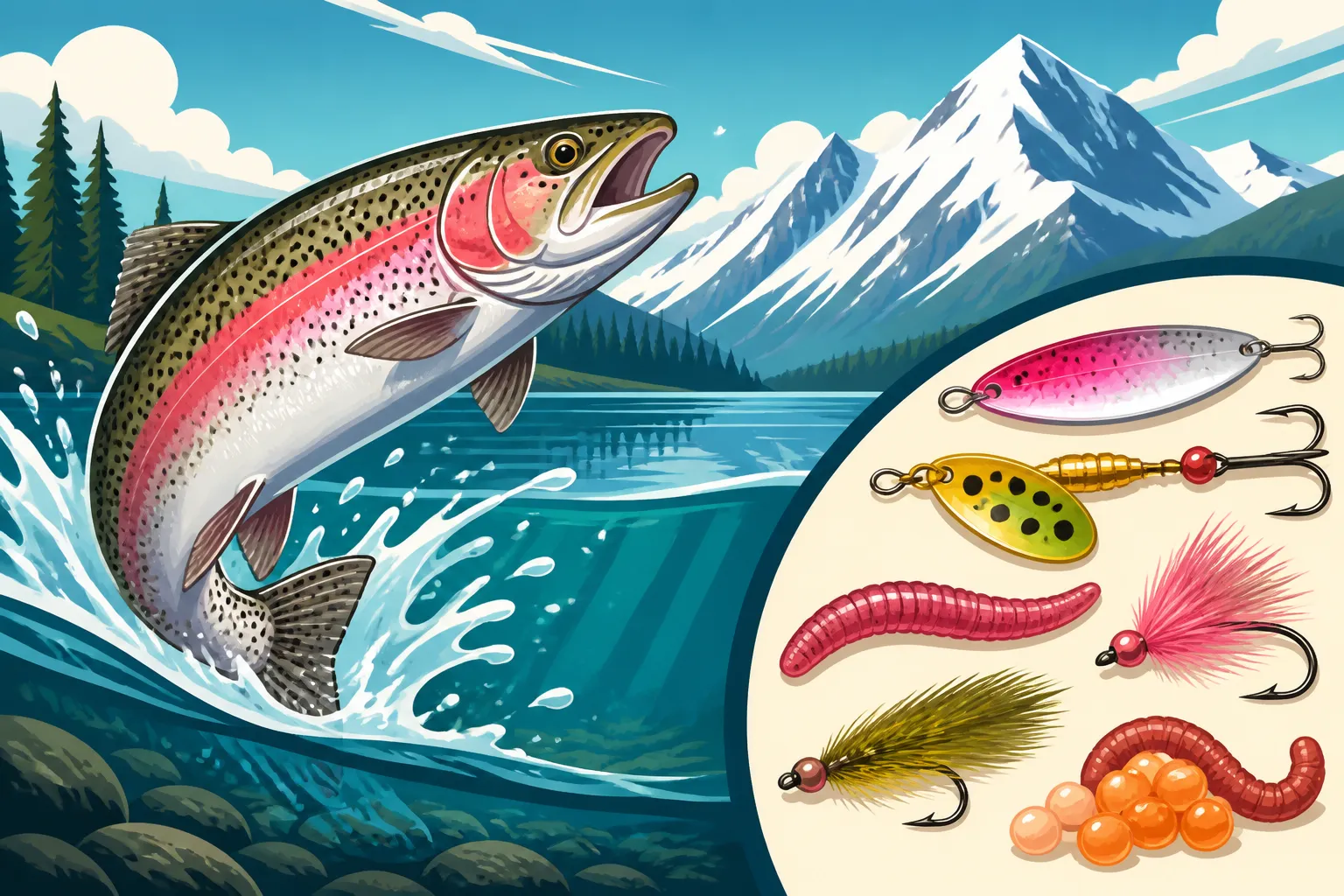
Spinners and spoons are classic trout lures for a reason – they work! Their flashing, wobbling action mimics small baitfish or injured prey, triggering an aggressive, predatory response from rainbow trout. Brands like Mepps, Blue Fox, and Rooster Tail are mainstays in many Alaska anglers' tackle boxes. A Mepps Aglia or a Blue Fox Vibrax in sizes #2 to #4, often in silver, gold, or brass finishes, are incredibly versatile. You'll want to choose spinner sizes based on water clarity and depth; larger, brighter spinners for murky or deep water, smaller, more subtle ones for clear, shallow runs. For spoons, the classic Pixee Spoon, especially with the added tubing often found on the hook, is a highly effective choice. Its erratic wobble and bright colors can be deadly, particularly in streams where salmon are present, as the pink or orange insert can resemble an egg.
To fish them effectively, cast upstream and across, letting the current sweep the lure downstream while you retrieve just fast enough to get the blade spinning. In slower water or lakes, a steady retrieve with occasional jerks can create an irresistible darting action. Many anglers find these indispensable when fishing rivers with a moderate current, like parts of the Talkeetna or Susitna River systems, where trout are actively feeding on small fish. You can find a wide array of these reliable lures on Amazon, making it easy to stock up before your trip.
Plugs and Jerkbaits
While less common for smaller stream trout, plugs and jerkbaits can be incredibly effective for larger, more predatory rainbows, especially in deeper pools, lake outlets, or during periods when trout are keying in on baitfish. Smaller Rapala Original Floaters, countdowns, or even some of the shallow-diving Berkley Flicker Shad baits can mimic juvenile salmon or other forage fish with uncanny accuracy. Their diving lips create a swimming action that can be irresistible.
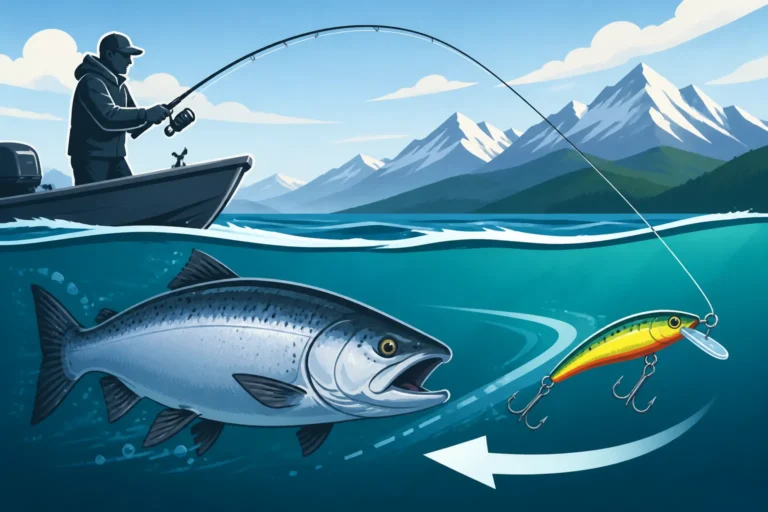
The key to fishing plugs is often varying your retrieve. A steady retrieve might work, but twitching the rod tip, pausing, and then retrieving again can make the lure "dart" like a confused baitfish, often triggering a strike on the pause. Colors typically mimic natural baitfish, like silver/black, blue/silver, or perch patterns. These are particularly useful when you’re targeting larger, more aggressive trout in areas where they aren’t solely focused on salmon eggs. For those looking to target trophy fish, exploring areas like the Copper River or the less pressured sections of the Kenai River with these types of lures can pay off big time.
Soft Plastics and Jigs
Soft plastics and jigs offer a subtle yet highly effective presentation, especially in slower currents, deeper holes, or when trout are hesitant to strike more aggressive lures. Small curly-tail grubs, paddle-tail swimbaits, or even simple marabou jigs from companies like Trout Magnet or Northland Fishing Tackle can be absolute game-changers. The key is to match the jig head weight to the current, allowing the lure to tumble naturally along the bottom without getting swept away or snagged too often. For soft plastics, rigging them on a small jig head allows for a natural swimming or drifting motion.
These lures are fantastic for mimicking aquatic insects, sculpins, or even small fry. A common technique is to cast them upstream and allow them to drift downstream, occasionally twitching the rod tip to impart subtle action. The "dead drift" method, where the lure moves naturally with the current, can be particularly deadly for trout that are wary of anything unnatural. You can also bounce jigs off the bottom in deeper pools. Small jigs in white, black, olive, or brown are excellent all-around choices. Many fly anglers will even fish these under a bobber or strike indicator for ultra-realistic presentations, blurring the lines between conventional and fly fishing. This versatility makes them a great addition to any angler's kit, and you can easily find a vast selection of jig heads and soft plastic bodies on Amazon.
Effective Baits for Alaska Rainbow Trout
While artificial lures certainly have their place, sometimes nothing beats natural bait for enticing a strike from an Alaska rainbow trout. Whether it's the scent, texture, or simply the irresistible natural offering, bait fishing can be incredibly productive, especially when the trout are dialed into specific food sources.
Salmon Eggs Cured and Natural
This is perhaps the single most iconic and effective bait for Alaska rainbow trout, especially during and after the monumental salmon runs. When sockeye, king, and coho salmon are spawning, their eggs become the primary food source for opportunistic rainbows. Anglers use both fresh, natural salmon eggs (if legally obtained and permitted) and commercially cured eggs. Cured eggs, like those from Pautzke or Atlas Mike's, are often dyed bright colors (pink, orange, red) and enhanced with scents to maximize their appeal.
Fishing salmon eggs usually involves a drift rig. You'll typically use a very light leader, a small hook (often a single barbless hook, as required in many areas like the Kenai), and enough split shot or a small slinky weight to get the eggs down to the bottom where the trout are feeding. The goal is a natural, drag-free drift that mimics a loose egg tumbling downstream. This technique, often called "bead fishing" or "egg fishing," is detailed further in guides like How to Fish Beads for Alaska Trout and How to Fish Egg Patterns for Alaska Trout. The sheer caloric value and abundance of salmon eggs during these periods make them almost irresistible to hungry trout bulking up for winter.
Worms and Live Baits
While salmon eggs dominate during certain seasons, good old-fashioned worms are consistently effective. Nightcrawlers, garden worms, or even smaller red wigglers can tempt trout in a wide variety of conditions, especially when rivers are high and murky, or during periods when salmon eggs aren't readily available. Worms offer a natural scent and wriggling action that trout find hard to resist. They are particularly good for targeting resident trout in smaller streams or lakes that don't see heavy salmon runs.
Live baits, such as small minnows (where legal and available), can also be incredibly effective for larger, more predatory rainbows. However, live bait regulations are very strict in Alaska to prevent the introduction of invasive species or disease, so always check the specific rules for the waterbody you plan to fish. Often, using live bait for rainbow trout is not permitted in many popular sport fishing waters. When fishing worms, you can either drift them naturally with the current under a float or on a light bottom rig, or you can retrieve them slowly, letting them bounce along the bottom. Just remember to use a light wire hook to allow the worm to move naturally.
Artificial Baits
Beyond cured salmon eggs, there's a whole world of artificial baits designed to mimic various natural food sources. PowerBait, in its many forms – doughs, nuggets, and even small worms – is a popular choice, particularly for stocked trout in lakes or smaller, calmer river sections. These baits are designed to be extremely attractive due to their scent, color, and texture, and they slowly dissolve in the water, releasing a continuous chum trail. They often float, making them ideal for suspending off the bottom with a simple egg sinker rig.
Another fantastic artificial option, especially in river systems like the Kenai, is the use of trout beads. These small, plastic or glass beads are designed to perfectly imitate a single salmon egg. They are threaded onto your line just above the hook (or even pegged a couple of inches above a bare hook, depending on local regulations) and drifted like natural eggs. The effectiveness of beads cannot be overstated; they are often the go-to presentation for serious trout anglers during the salmon spawn. You can find a huge variety of trout beads in different colors and sizes from brands like TroutBeads and Soft Beads on Amazon. These options provide scent, visual appeal, and ease of use, making them excellent choices when natural bait isn't feasible or available.
Matching Your Presentation to Conditions
Even with the best lures and baits, success often boils down to how you present them. Alaska's dynamic environment means conditions can change quickly, so being adaptable is key.
Reading the Water
Understanding where rainbow trout hold and feed is paramount. Look for changes in current speed, structure like submerged logs or rocks, and natural seams where fast and slow water meet. Trout will often sit in slower water just outside a main current, waiting for food to be delivered to them with minimal effort. Below salmon spawning beds are prime locations for egg-eating trout. Eddies, undercut banks, and deep pools are also excellent holding areas.
If the water is clear, trout can be spooky, so longer, lighter leaders and a stealthier approach are necessary. In turbid or high water, trout may hold closer to the bank, and brighter, scent-laden baits or lures with strong vibrations (like spinners) might be more effective. Pay attention to what the fish are doing. Are they rising to surface insects? Are they hugging the bottom? Are there salmon actively spawning? These observations will tell you exactly where to cast and what type of presentation to employ. Knowing Best Places for Rainbow Trout in Alaska can also help you anticipate these conditions.
Gear Considerations for Lures and Bait
Your rod, reel, and line choices significantly impact your ability to present lures and baits effectively. For general rainbow trout fishing, a medium-light spinning rod (6'6" to 7'6") paired with a 2000 or 2500 series spinning reel spooled with 6-10 lb test monofilament or braided line with a fluorocarbon leader is a versatile setup. Monofilament offers a bit of stretch for fighting fish and handling light tackle, while braided line provides excellent sensitivity and casting distance.
When using light baits like single salmon eggs or trout beads, a sensitive rod is crucial to detect subtle takes. A longer rod can also help with line management during a drift, allowing you to keep more line off the water for a truly drag-free presentation. Always ensure your drag is set properly, especially with lighter lines, as Alaska rainbows can fight hard! Carrying a selection of leader materials in various strengths (4-8 lb test) is a good idea, as you’ll want to adjust based on water clarity and fish size. Don't forget to review What Tackle to Bring to Alaska before you pack for your adventure.
Best Lures and Bait Summary Table
To help you quickly decide what to use, here’s a quick overview of popular choices, their ideal conditions, and key considerations for Alaska rainbow trout.
| Lure/Bait Type | Best Conditions | Pros | Cons |
|---|---|---|---|
| Spinners | Moderate current, clear to slightly stained water | Great for covering water, visual appeal, triggers aggressive strikes | Can twist line if not used with swivels, less subtle in clear water |
| Spoons | Deeper pools, lakes, imitating baitfish | Strong flash and wobble, good for larger trout | Less effective in shallow, slow water, prone to snagging |
| Soft Plastics | Slow current, deeper holes, subtle presentation | Versatile, realistic action, mimics various food sources | Requires skill to impart action, lighter weights prone to drift |
| Jigs | Deep pools, slower current, targeting bottom feeders | Excellent for subtle bites, can mimic eggs, insects, or small fish | Can snag easily on bottom, requires precise weight matching |
| Salmon Eggs (Cured/Natural) | During and after salmon spawn, current-heavy rivers | Irresistible natural food source, highly effective during runs | Season-dependent, can be messy, specific regulations apply |
| Trout Beads | During and after salmon spawn, clear water | Perfect salmon egg imitation, highly effective, clean to use | Requires careful rigging, fish can be wary of leader |
| Worms | High/murky water, non-salmon spawning periods | Natural scent and action, all-around effective | Can attract smaller fish, often requires live bait handling |
| PowerBait | Stocked lakes, slow-moving water, still water | Strong scent, floats off bottom, easy to use | Less natural presentation for wild, river-dwelling trout |
Remember that local regulations often change and can vary widely from river to river, and even segment by segment within the same river, especially concerning bait use and hook types. Always check the most current Alaska Department of Fish and Game regulations for the specific area you plan to fish before you head out. This due diligence is crucial for a legal and enjoyable trip, helping you to understand Alaska Fishing Limits and Bag Limits Explained or specific rules like the Alaska Rainbow Trout Slot Limit Explained.
Disclaimer
Fishing in Alaska involves inherent risks, including but not limited to changing weather conditions, encounters with wildlife, and unpredictable currents. Always prioritize safety, check local regulations, and be prepared for all eventualities. This guide provides general information and should not replace professional advice or official regulations.