Best Places for Rainbow Trout in Alaska
If you've ever dreamt of battling a colossal rainbow trout in pristine wilderness, you've likely pictured Alaska. The sheer scale and wildness of the Last Frontier can make finding those epic trout waters feel overwhelming, especially when you're bombarded with names like "Kenai" and "Bristol Bay" and don't know where to begin. It's a common frustration, trying to sift through all the information to pinpoint the absolute best places to chase those chrome-sided beauties. This guide is here to cut through the noise, offering you a comprehensive look at the top spots for rainbow trout in Alaska, from the legendary rivers known for monster catches to those quieter, off-the-beaten-path streams that offer incredible solitude and unforgettable angling.
Understanding Alaska's Rainbow Trout Appeal
There's something truly magical about Alaska's rainbow trout. They aren't just fish; they're an experience, deeply ingrained in the state's wild identity. For many anglers, the pursuit of these vibrant, hard-fighting fish is the quintessential Alaskan fishing adventure.
The Allure of Alaskan Rainbows: Size and Fight
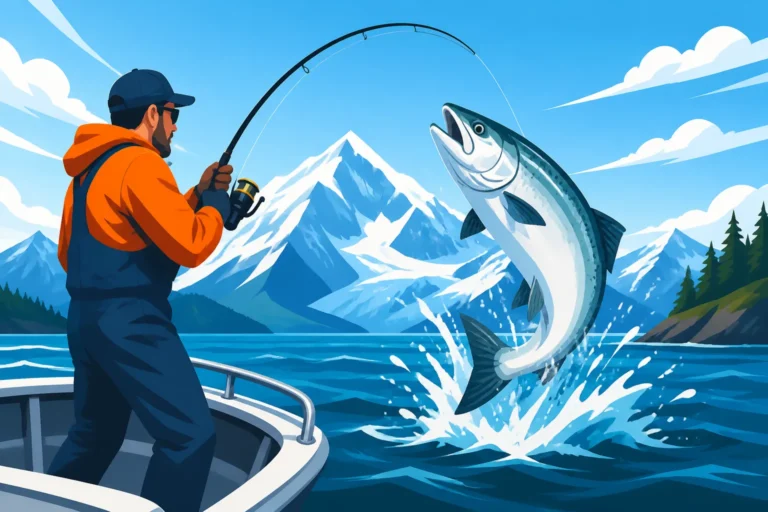
Let's be honest, the first thing that comes to mind when you think of Alaskan rainbow trout is their impressive size. We're not talking about your average stocker pond trout here. Alaskan rainbows, especially those in nutrient-rich river systems, can grow to truly monumental proportions, often exceeding 20 inches and frequently pushing into the 25-30 inch range, with some true giants weighing over 10 pounds. This incredible size is directly linked to the abundance of food, particularly the rich bounty provided by the salmon runs. When a massive rainbow trout hits your line, be prepared for an unforgettable fight. They're renowned for their acrobatic leaps, strong runs, and unwavering determination. Imagine standing in a wild Alaskan river, the crisp air biting your cheeks, and suddenly your line goes taut, followed by a silver missile exploding from the water – that's the kind of thrill Alaskan rainbows deliver. It's a primal, exhilarating experience that keeps anglers coming back year after year.
Native vs. Stocked Populations and Their Habitats
One of the fascinating aspects of rainbow trout fishing in Alaska is the prevalence of wild, native populations. While some urban lakes might see a stocking program here and there, the vast majority of the "best" rainbow trout fishing experiences are found in rivers and lakes supporting self-sustaining, native populations. These wild fish are tougher, smarter, and often more beautiful than their hatchery-raised counterparts. They thrive in diverse habitats, from the glacial-fed rivers of Southcentral Alaska, with their cold, clear waters and gravel beds, to the immense lake systems of the Bristol Bay region. Their natural habitats include deep pools, riffles, undercut banks, and the seams behind structure where they can ambush prey. Understanding these diverse environments is key to locating where these magnificent fish will be holding.
The Role of Salmon Spawns in Trout Growth
The secret to Alaska's giant rainbow trout lies almost entirely in the incredible salmon runs. Alaska is famous for its five species of Pacific salmon, and when these salmon complete their life cycle and spawn, they provide an unparalleled feast for rainbow trout. Think of it as an all-you-can-eat buffet that lasts for months. As salmon eggs drift downstream from spawning beds, trout gorge themselves, packing on weight at an astonishing rate. Later, the decaying carcasses of spawned-out salmon provide another rich source of protein. This cyclical abundance means that rainbow trout don't just survive; they thrive, growing larger and stronger than almost anywhere else in the world. It’s why you'll often find the best trout fishing in rivers that experience significant salmon runs, such as the Kenai River and its tributaries, where the sockeye and king salmon provide a yearly feast. Knowing the Alaska Salmon Run Timing Explained can give you a significant advantage in planning your trout trip to coincide with this critical food source.
Premier River Systems for Trophy Rainbows
When people talk about trophy rainbow trout in Alaska, certain river systems inevitably come up. These aren't just good fishing spots; they're legendary, offering consistent opportunities for truly enormous fish in breathtaking settings.
The Kenai River: Legendary Waters for Giant Trout
Ah, the Kenai River. If you've done any research on fishing in Alaska, you've undoubtedly heard its name. It's truly a legend, primarily famous for its massive king salmon and colossal sockeye runs, but it's equally renowned for producing some of the largest rainbow trout on the planet. The Kenai's rainbows are famous for their sheer size and girth, often referred to as "football-shaped" due to how fat they get. The river's rich ecosystem, fed by glacial runoff and teeming with salmon eggs and flesh for much of the late summer and fall, allows these trout to grow to incredible sizes, often exceeding 30 inches.
Fishing the Kenai for rainbows is typically a catch-and-release affair, especially for the larger, wild specimens. Anglers often target them after the salmon have spawned, when the trout move into the spawning beds to feast on loose eggs. This period, generally from late August through October, can offer some of the most spectacular trout fishing imaginable. You can learn more about this iconic river in our dedicated guide, Kenai River Fishing: Complete Guide. Whether you're drift fishing with beads that imitate salmon eggs or swinging streamers, the Kenai promises a heart-stopping experience when one of its legendary rainbows takes your offering.
Bristol Bay Region: A Fly-Out Angler's Paradise
If the Kenai is famous for roadside accessibility and big fish, the Bristol Bay region is synonymous with remote, world-class fly-out fishing for truly wild rainbow trout. This vast, pristine wilderness in Southwest Alaska is home to an unparalleled network of rivers and lakes that support staggering populations of all five salmon species, which in turn fuels an incredible rainbow trout fishery. Rivers like the Naknek, Alagnak, Kvichak, and Nushagak are not just names on a map; they are pilgrimage sites for serious trout anglers.
What makes Bristol Bay so special? It's the sheer density of wild fish, the untouched nature of the landscape, and the opportunity to fish waters that see far less pressure than the road-accessible rivers. The rainbows here are fierce, aggressive, and often display vibrant colors. They feed voraciously on salmon eggs, smolt, and various insects. Many of the lodges in this region offer all-inclusive packages that include daily fly-out trips, allowing you to experience a different river each day. While it's a more significant investment, the quality of the fishing and the overall wilderness experience are often considered priceless. Exploring our Bristol Bay Fishing Guide can help you understand the vast opportunities this region presents. For those seeking truly massive fish in an environment that feels untouched by time, Bristol Bay is an absolute must.
Southcentral Favorites: Susitna and Deshka River Tributaries
While the Kenai and Bristol Bay often steal the spotlight, the broader Southcentral Alaska region, particularly the Susitna River drainage, offers fantastic rainbow trout fishing opportunities, some of which are more accessible by road or short boat ride. The Susitna River, one of Alaska's largest, and its many tributaries like the Deshka River, Talkeetna River, and Lake Creek, are excellent destinations. These rivers also experience significant salmon runs, particularly chum, sockeye, and coho, which means their resident rainbow trout populations benefit greatly from the salmon's lifecycle.
Fishing these rivers often involves accessing them by jet boat from towns like Talkeetna or by floatplane to remote sections. The rainbows here might not consistently reach the colossal sizes of the Kenai's giants, but they are plentiful, feisty, and offer a fantastic challenge. They respond well to both spin fishing and fly fishing techniques, with beads, flesh patterns, and streamers being particularly effective during and after the salmon runs. These systems offer a slightly different flavor of Alaskan trout fishing, often with stunning views of the Alaska Range, including Denali itself, looming in the distance. They provide a wonderful blend of accessibility and wildness that appeals to many anglers.
Hidden Gems and Lesser-Known Trout Waters
While the famous rivers are legendary, Alaska is vast, and there are countless other incredible spots to target rainbow trout that often fly under the radar. These hidden gems can offer a more solitary experience, without the crowds, and sometimes even surprise you with trophy-sized fish.
Interior Alaska's Remote Trout Streams and Lakes
Moving into Interior Alaska, away from the coastal influences and the major salmon rivers, you'll find a network of crystal-clear streams and serene lakes that hold respectable populations of rainbow trout. Rivers like the Chena, Delta, and Salcha, while perhaps better known for their grayling, also harbor beautiful, feisty rainbows. Many of these waters are accessible by the extensive road system around Fairbanks, making them great options for DIY anglers or those looking to explore without the need for a costly fly-out trip.
These interior rainbows often feed on insects, small baitfish, and even voles or mice, making fly fishing with dry flies, nymphs, and streamers particularly productive. The fish might not reach the same sizes as their salmon-fed coastal cousins, but they are often incredibly wild and aggressive. Moreover, the scenery in Interior Alaska is unique, with expansive boreal forests and a distinct sense of solitude. Think tranquil mornings, the call of a loon across a calm lake, and the thrill of a bright rainbow rising to your dry fly – it's a different kind of Alaskan adventure, but no less rewarding. Local knowledge or a well-chosen guide can unlock these quieter, yet productive, waters.
Southeast Alaska's Coastal Trout Fisheries
Southeast Alaska, often referred to as the "Inside Passage," is a labyrinth of islands, fjords, and temperate rainforests. While salmon and halibut dominate the headlines here, this region also boasts some fantastic, albeit often overlooked, rainbow trout opportunities. Many short, clear-water streams and small lakes on islands and the mainland coast support healthy populations of resident rainbows, often alongside cutthroat trout and Dolly Varden. These fish are typically sea-run or lake-resident, feeding on a diverse diet of insects, salmon smolt, and intertidal creatures.
Access to these waters often involves a boat or floatplane from hub communities like Juneau, Sitka, or Ketchikan. Some streams are also accessible via short hikes from logging roads or ferry terminals. The fishing can be incredibly productive, especially during spring and early summer when the trout are actively feeding, or in the fall when salmon eggs become available. For instance, areas around Prince of Wales Island and the mainland near Petersburg can offer superb action. Anglers can often combine a trout fishing excursion with other activities like whale watching or exploring remote coves, making for a multi-faceted Alaskan experience. The lush, green surroundings and dramatic mountain backdrops add to the allure of these coastal trout fisheries.
Finding Roadside Trout Opportunities Near Anchorage and Fairbanks
Not everyone can afford or wants a multi-day fly-out trip, and the good news is you don't always have to go deep into the wilderness to find good rainbow trout fishing. There are surprising numbers of accessible, roadside opportunities, especially for those based in or near Anchorage and Fairbanks. For example, lakes and rivers within an hour or two drive of Anchorage, such as parts of the Parks Highway, or streams feeding into the Mat-Su Valley, can provide decent action for modest-sized but eager rainbows.
Think of places like Eklutna Lake, Little Susitna River (in sections), or even some of the stocked lakes within the Mat-Su Borough, which are maintained by the Alaska Department of Fish and Game. While these spots might see more pressure, they offer a convenient way to wet a line. Near Fairbanks, the aforementioned Chena and Salcha rivers, along with various small lakes, are often easily reached by vehicle. It might take a bit more exploration, talking to locals, or checking online forums, but these accessible spots are perfect for a spontaneous fishing trip or for beginners. They're a testament to the idea that in Alaska, even close to civilization, quality fishing can be found if you know where to look.
Factors Influencing Rainbow Trout Fishing Success
Catching trophy rainbow trout in Alaska isn't just about showing up; it's about understanding the subtle nuances of the environment, the fish's behavior, and the techniques that bring success. A little planning goes a long way.
Prime Seasons and Optimal Conditions
Timing is absolutely everything when it comes to chasing Alaska's rainbow trout. While you can technically catch them year-round, certain seasons offer dramatically better opportunities, especially for larger fish.
- Late Summer (August-September): This is often considered the peak season, especially for fly anglers. As salmon begin to spawn, rainbow trout congregate in vast numbers behind spawning beds, gorging on eggs. The water levels are typically stable, and the fish are actively feeding. This period is when you'll often encounter those truly "football-shaped" trout.
- Fall (October-November): Post-spawn, as salmon carcasses decay, trout continue to feed on both eggs and flesh. The crowds thin out, and while the weather gets colder, the fishing can remain exceptional. This is a fantastic time for solitude and big fish.
- Late Spring/Early Summer (May-July): Before the main salmon runs, trout are actively feeding on aquatic insects, emerging caddis and stoneflies, and salmon smolt. This period can offer excellent dry fly and nymph fishing, especially in clear-water streams. However, large trophy trout might be more dispersed.
Optimal conditions usually involve stable weather patterns, clear or slightly stained water, and good light conditions. Rapid changes in water level, heavy rain that muddies the water, or extreme temperature drops can make fishing more challenging. Always check local forecasts and river conditions before heading out, especially with How Often Do Alaska Fishing Rules Change or emergency orders.
Effective Techniques and Preferred Tackle
Alaska's rainbow trout can be targeted using a variety of techniques, each suited to different conditions and angler preferences.
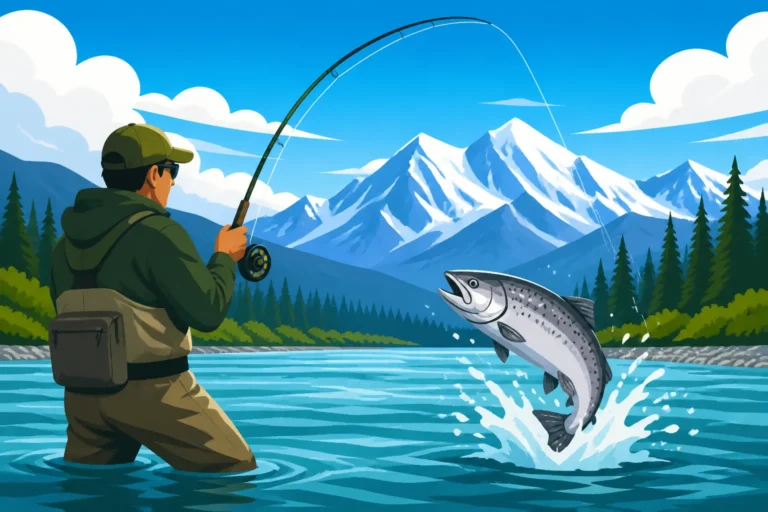
- Fly Fishing: This is arguably the most popular and effective method for Alaskan rainbows, particularly during and after salmon spawning.
- Egging: Using bead patterns to imitate salmon eggs is incredibly effective when trout are feasting on the real thing. This often involves drift fishing with an indicator. Our guide on How to Fish Beads for Alaska Trout offers a deep dive.
- Flesh Flies: Imitating decaying salmon flesh can be deadly, especially in the fall.
- Streamers: Patterns like Zonkers, Sculpzillas, and Dolly Llamas are excellent for targeting aggressive trout feeding on smolt or small baitfish. You can also learn How to Fly Fish in Alaska more broadly.
- Dry Flies and Nymphs: Earlier in the season, or in streams without heavy salmon influence, traditional dry fly and nymph fishing can be very productive. Check out Best Flies for Alaska Trout for specific recommendations.
- Spin Fishing: For those who prefer spinning gear, it's also highly effective.
- Drift Fishing: Similar to fly fishing with beads, using small salmon egg imitations (like a pegged bead or small plastic egg cluster) with a small weight can be incredibly successful.
- Spinners and Spoons: Small spinners (like Mepps, Rooster Tail, or Pixee) and spoons can entice aggressive trout, especially those feeding on baitfish.
- Plugs: Small plugs or diving lures can also work in certain conditions.
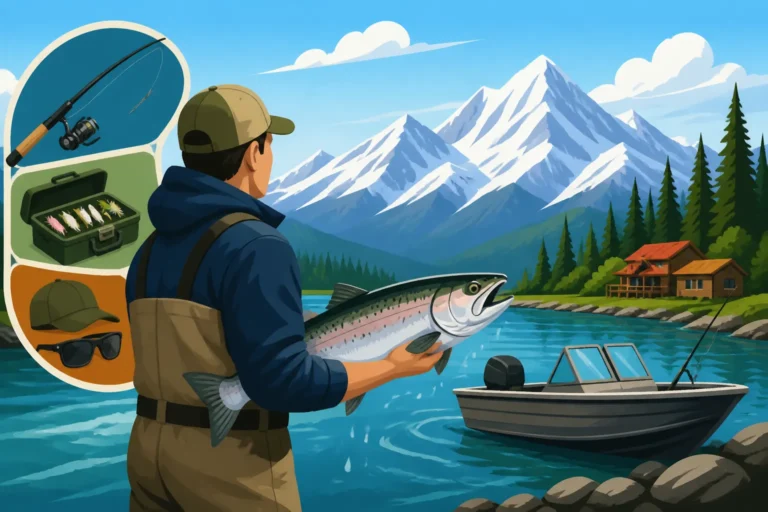
Regardless of your chosen method, using appropriate tackle is crucial. A 6-8 weight fly rod or a medium-light spinning rod is generally suitable. Spools should be loaded with strong line (10-20 lb braided main line for spinning, 8-12 lb fluorocarbon leader for fly fishing) to handle powerful fish in strong currents. Always have a good quality landing net with a rubber mesh to protect the fish during catch and release. For a full breakdown of what to pack, check out our Alaska Fishing Gear and Tackle Guide.
Understanding Water Levels and Fish Behavior
Alaska's rivers are dynamic, and water levels can change rapidly due to rainfall, glacial melt, or dam operations. Understanding how these fluctuations impact rainbow trout behavior is critical for success.
- High Water: During periods of high water, trout tend to move out of the main current and seek refuge in slower seams, eddies, and side channels. They might also move closer to the banks where cover is abundant. Fishing these calmer areas with heavier rigs to get your lure or fly down to them is often necessary.
- Low Water: Conversely, very low water can make fish skittish and concentrate them in deeper pools. Stealth becomes paramount, and lighter leaders or smaller presentations may be required. Fishing during low light conditions (early morning or late evening) can also be more productive.
- Clear vs. Murky Water: In clear water, fish have excellent visibility, meaning you'll need to be more discreet with your approach and presentation. In slightly murky or glacial-stained water, fish rely more on scent and vibration, so brighter colors or more aggressive presentations might be effective.
- Temperature: Rainbow trout are cold-water species, thriving in temperatures generally between 45-65°F (7-18°C). Extreme heat or cold can make them sluggish or drive them to seek out more comfortable water.
Observing the river, looking for seams, current breaks, and areas of structure (like log jams or undercut banks) where fish can hide or ambush prey is a skill developed over time. Watching for rising fish (especially in spring/early summer) or signs of feeding activity can also provide invaluable clues.
| River System | Best Time for Rainbows | Typical Size Range | Primary Food Source | Accessibility | Ideal Method |
|---|---|---|---|---|---|
| Kenai River | Aug – Oct | 20-30+ inches, 5-15+ lbs | Salmon eggs, flesh, smolt | Roadside/Boat | Fly/Spin (Beads, Flesh) |
| Bristol Bay Rivers | July – Sep | 18-28 inches, 3-10 lbs | Salmon eggs, smolt, insects | Fly-out | Fly (Beads, Streamers) |
| Susitna Tribs | Aug – Oct | 15-25 inches, 2-8 lbs | Salmon eggs, flesh, insects | Boat/Fly-out | Fly/Spin (Beads, Spinners) |
| Interior Streams | June – Sep | 12-20 inches, 1-4 lbs | Insects, small baitfish | Roadside | Fly (Dry, Nymphs, Streamers) |
| SE Coastal Streams | May – June, Sep – Oct | 10-18 inches, 1-3 lbs | Insects, smolt, intertidal | Boat/Hike | Fly (Nymphs, Streamers) |
Planning Your Alaska Rainbow Trout Adventure
An Alaska fishing trip is a dream for many, and a little forethought can make all the difference between a good trip and an absolutely legendary one. Whether you're a seasoned angler or a first-timer, there are crucial steps to take.
Choosing a Guided Trip or DIY Exploration
This is often the first big decision for any Alaska fishing adventure. Both guided trips and DIY explorations have their distinct advantages, depending on your budget, experience, and desired level of adventure.
- Guided Trips: For many, especially first-time visitors or those seeking trophy fish in specific, harder-to-reach locations, a guided trip is invaluable. Guides provide all the necessary gear (rods, reels, tackle), know the local waters intimately, understand fish behavior, and can put you on the fish consistently. They also handle logistics like boat access and safety, allowing you to focus purely on fishing. Many reputable outfitters in areas like Cooper Landing on the Kenai River or lodges in Bristol Bay specialize in rainbow trout trips. Using a service like FishingBooker can help you find and compare various charters and guides based on location, target species, and reviews, making the booking process much smoother. While more expensive, the expertise and convenience can lead to a much more productive and enjoyable trip. For those wondering, Is a Guided Alaska Fishing Trip Worth It, the answer is often a resounding yes for many anglers.
- DIY Exploration: If you're an experienced angler, enjoy the challenge of scouting your own spots, and have a more flexible budget for travel and accommodation, a DIY trip can be incredibly rewarding. This often involves renting a car, staying in cabins or campgrounds, and targeting road-accessible rivers or lakes. It requires more research into regulations, access points, and fish movements. While it can save money on guide fees, you'll need to invest in or bring your own gear and be prepared for more self-reliance in the Alaskan wilderness. For accessible areas, learning Best Bank Fishing in Alaska can also open up many DIY opportunities.
Essential Gear and Clothing for Trout Anglers
Alaska's weather is famously unpredictable, and being prepared is paramount. You need to dress in layers and have reliable gear.
- Clothing:
- Base Layers: Moisture-wicking synthetics or merino wool are essential to keep you dry and warm.
- Mid-Layers: Fleece jackets or insulated vests provide warmth.
- Outer Layers: A waterproof and windproof jacket and pants are non-negotiable. Look for Gore-Tex or similar quality materials. Rain is common, and staying dry is crucial for comfort and safety.
- Waders and Boots: Chest waders (neoprene for colder weather, breathable for warmer) are a must for river fishing. Felt-soled wading boots offer good traction on slippery riverbeds.
- Headwear: A warm hat (beanie) and a brimmed hat for sun/rain protection.
- Gloves: Fingerless gloves for warmth and dexterity, or full waterproof gloves if conditions are very cold and wet.
- Fishing Gear:
- Rods and Reels: As mentioned, a 6-8 weight fly rod or a medium-light spinning rod. Ensure your reel has a smooth drag system.
- Line: Floating fly line for most fly fishing, or braided main line with fluorocarbon leader for spinning.
- Tackle: A good selection of flies (egg patterns, flesh flies, streamers, nymphs, dry flies) or lures (spinners, small plugs, beads) specific to rainbow trout. Don't forget split shot, indicators, and extra leaders/tippet.
- Tools: Pliers, line nippers, hemostats, and a net with a rubber mesh.
- Essentials: Polarized sunglasses (crucial for spotting fish and protecting your eyes), sunscreen, insect repellent (especially for mosquitoes and no-see-ums), a multi-tool, and a headlamp.
- Waterproof Bag: Keep your extra layers, camera, and valuables dry.
It’s always better to overpack on layers than to be caught unprepared. Even in summer, evenings can be chilly, and rain can strike at any time.
Regulations and Conservation for Sustainable Fishing
Alaska prides itself on its world-class fisheries, and robust regulations are in place to ensure their sustainability. Before you even cast a line, you need to be intimately familiar with the rules.
- Fishing License: Every angler aged 16 and older needs an Alaska fishing license. Non-residents have various options, from 1-day to annual licenses. You can typically purchase these online through the Alaska Department of Fish and Game (ADF&G) website or from license vendors throughout the state. Understanding the Alaska Fishing License: Complete Guide is your first step.
- Regulations Booklets and Emergency Orders: The ADF&G publishes annual regulation booklets, which are often available online and at local sporting goods stores. These are divided by region and specify bag limits, size restrictions, legal gear, and seasons for each species. However, Alaska's fisheries are managed dynamically, and emergency orders can change regulations without much notice, sometimes daily. Always check the ADF&G website or local offices for the latest emergency orders before you fish. Our guide, Alaska Fishing Emergency Orders Explained, is a helpful resource.
- Harvest Record Card: For certain species, like king salmon, you'll need a harvest record card to record your catch. While rainbow trout are typically catch-and-release, it's good to be aware of other species regulations.
- Catch and Release Best Practices: For trophy rainbow trout, catch and release is almost universally practiced to protect these valuable resources. Use single, barbless hooks (often mandatory in trout-specific waters). Minimize handling time, keep the fish in the water as much as possible, and use a net to land them gently. Revive the fish thoroughly before release. You can review Alaska Catch-and-Release Best Practices for detailed advice.
- Respect the Environment: Pack out everything you pack in, avoid disturbing wildlife, and practice bear safety protocols, especially when fishing near salmon spawning areas where bears might be present. Always store food securely.
By adhering to these guidelines, you're not just following the law; you're contributing to the preservation of Alaska's incredible rainbow trout fisheries for generations to come.
Disclaimer
The information provided in this guide is for general informational purposes only and is subject to change. Fishing regulations in Alaska are dynamic and can be altered by emergency orders at any time. Always consult the official Alaska Department of Fish and Game regulations booklet and current emergency orders before engaging in any fishing activity. It is the angler's responsibility to know and follow all applicable laws and regulations.