How to Fly Fish for Alaska Rainbow Trout
Heading to Alaska with your fly rod, dreaming of those vibrant, hard-fighting rainbow trout? You're not alone! Many anglers find themselves overwhelmed by the sheer vastness and unique challenges of fly fishing in the Last Frontier, especially when targeting such an iconic species. This comprehensive guide is designed to demystify the process, walking you through everything you need to know to successfully fly fish for Alaska rainbow trout, from understanding their habits to mastering the best techniques.
Understanding the Majestic Alaska Rainbow Trout
Alaska's rainbow trout are truly a spectacle, renowned for their stunning colors, aggressive takes, and incredible fighting spirit. These aren't your average stocked pond rainbows; these are wild, often large, and incredibly powerful fish that demand respect and skill. Their diet and behavior are heavily influenced by the incredible salmon runs that surge through Alaska's rivers, making them unique predators in their ecosystem. If you're looking for an unforgettable angling experience, chasing these beauties with a fly rod is certainly it.
Where Alaska Rainbow Trout Thrive
When we talk about Alaska rainbow trout, we're really talking about a specific subspecies, Oncorhynchus mykiss irideus, which exhibits a remarkable range of behaviors depending on its environment. Many of the most sought-after rainbows are found in the major river systems of Southcentral and Southwest Alaska, particularly those connected to large lakes or abundant salmon spawning grounds. Rivers like the Kenai, Kasilof, and the myriad of tributaries flowing into Bristol Bay, such as the Nushagak and Naknek, are prime examples. These fish often reside in colder, oxygen-rich waters, favoring areas with plenty of cover like undercut banks, fallen trees, and deep pools where they can ambush prey and escape strong currents.
In these systems, you'll find rainbows that spend their lives in freshwater, sometimes migrating between lakes and rivers for spawning or feeding. The real titans, however, are often found gorging themselves on salmon eggs and flesh during and after the monumental salmon runs. This rich, seasonal food source allows them to grow to truly impressive sizes, with fish exceeding 20-30 inches being quite common in certain areas. Understanding these movements and their preferred lies is critical for successful fly fishing. For a deeper dive into specific locations, you might want to check out our guide on the Best Rivers for Rainbow Trout in Alaska.
What Makes Them Unique Predators
What sets Alaska's rainbow trout apart is their incredible adaptability and, as mentioned, their profound connection to the salmon lifecycle. While they'll certainly eat aquatic insects like stoneflies, caddis, and mayflies, their primary caloric intake for much of the year, especially for the larger fish, comes from salmon eggs (roe) and decaying salmon flesh after the spawn. This unique "egg-eater" or "flesh-eater" behavior dictates much of the fly fishing strategy in Alaska.
Imagine a rainbow trout, already a formidable predator, suddenly presented with millions of protein-rich salmon eggs drifting downstream. They become opportunistic feeders, sometimes lining up behind spawning salmon to feast on dislodged eggs. Later in the season, after salmon have spawned and died, the trout will switch to consuming chunks of decaying salmon flesh, which provides an even richer energy source. This seasonal shift in diet means that your fly selection and presentation will vary dramatically depending on the time of year and the stage of the salmon run. It's a dynamic, exciting challenge that makes every trip unique. Beyond their diet, their strength and acrobatic displays when hooked are legendary, often leading to heart-stopping fights that test even experienced anglers. If you're intrigued by these magnificent fish, our Alaska Rainbow Trout Guide offers even more insights.
Essential Gear for Your Alaska Rainbow Trout Fly Fishing Adventure
Gearing up for Alaska means preparing for extremes. The weather can change in a heartbeat, and the fish are powerful. You don't want to be caught off guard with flimsy tackle or inadequate clothing. Investing in the right equipment isn't just about comfort; it's about safety and success. There's nothing worse than having a once-in-a-lifetime fish on the line only for your gear to fail.
Rods, Reels, and Lines: The Foundation
For targeting Alaska's formidable rainbow trout, you'll want gear that can handle strong currents, potentially large fish, and the often-demanding techniques.
- Rods: A good all-around rod for Alaska rainbow trout will typically be a 9 to 10-foot, 6-weight or 7-weight fly rod. A 6-weight is versatile for presenting smaller egg patterns and beads, while a 7-weight offers more backbone for bigger fish, heavier nymph rigs, and casting in windy conditions. Some anglers even prefer an 8-weight, especially if they anticipate larger fish or plan on using heavier flesh patterns. Popular brands like Orvis, Sage, and G. Loomis offer excellent options that are sensitive enough for delicate presentations but robust enough to battle a trophy rainbow. When selecting a rod, consider a fast-action model for its ability to punch through wind and handle heavier flies.
- Reels: Your reel should be a quality, large arbor reel with a smooth, reliable drag system. While the drag isn't always heavily engaged when fighting trout, it's crucial for those big, unexpected runs. More importantly, a large arbor reel allows for quicker line retrieval, which is key when a fish suddenly charges towards you. Ensure it can hold your fly line plus ample backing, at least 100-150 yards of 20-pound dacron. Hardy, Ross, and Lamson are reputable brands known for their durable reels that stand up to Alaska's conditions.
- Lines: A weight-forward floating line (WF) is your bread and butter for most rainbow trout fly fishing in Alaska. This line design helps with casting larger, heavier flies and indicator rigs. For specific techniques like swinging streamers or fishing deeper pockets, you might also consider a sink-tip or full sinking line. For optimal performance, pair your line weight to your rod weight (e.g., a WF6F line for a 6-weight rod). Don't skimp on fly line; a good quality line makes a world of difference in casting and presentation. Remember to carry extra leaders and tippet in various strengths (8lb-12lb test) for different situations. If you're looking to stock up on reliable gear, Amazon often has a good selection. Our Alaska Fishing Gear and Tackle Guide offers more universal advice on outfitting yourself.
The All-Important Fly Selection
Fly selection for Alaska rainbow trout is heavily dictated by the salmon runs. You absolutely must have a robust selection of "food source" patterns.
- Egg Patterns/Beads: These are arguably the most effective flies during and immediately after salmon spawning.
- Egg Sucking Leeches: These combine the irresistible appeal of an egg with a worm-like profile. Colors like black, purple, or even chartreuse with an orange or pink egg are deadly.
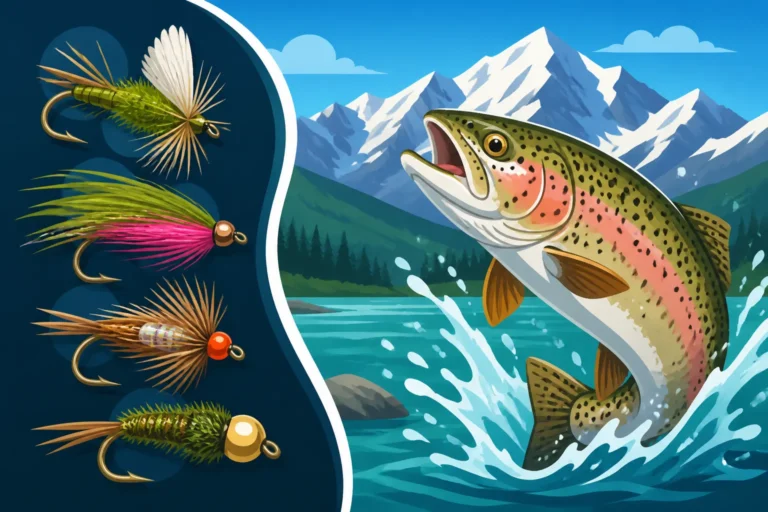
- Beads: Small, plastic or glass beads (6mm-10mm) pegged just above a hook are incredibly realistic egg imitations. Pink, orange, peach, and even glow-in-the-dark variations are popular. You'll need an assortment of colors and sizes to match the local salmon species' eggs.
- Flesh Patterns: As salmon die off, their decaying bodies become a primary food source.
- Flesh Flies: These imitate chunks of rotting salmon flesh. Colors are typically white, tan, pink, or even a dirty orange. Sizes can range from #4 to #1/0. They often incorporate rabbit strip or synthetic materials to give them a lifelike, undulating motion in the water.
- Streamers: While less prominent than egg or flesh patterns, streamers can be incredibly effective, especially for larger, more aggressive trout.
- Sculpin Patterns: Sculpins are a natural prey item for large rainbows. Patterns like Muddler Minnows or various weighted sculpin imitations in olive, brown, or black can be very productive.
- Articulated Streamers: These multi-jointed flies provide incredible movement, mimicking baitfish. Colors can vary, but black, olive, or white are good starting points.
- Nymphs & Dries: Don't completely neglect traditional trout flies, especially early or late in the season, or in streams without heavy salmon influence.
- Stoneflies & Caddis: Large stonefly nymphs (e.g., Pat's Rubber Legs) can be effective. Occasional caddis hatches might warrant dry flies, but this is less common for the largest trout in salmon-heavy rivers.
Having a good selection of Best Flies for Alaska Trout is crucial, and knowing How to Fish Beads for Alaska Trout can really make a difference.
Waders, Apparel, and Accessories
Alaska's weather is famously unpredictable, making proper attire a non-negotiable.
- Waders: Breathable chest waders are essential, even in summer. The water is cold, and you'll be spending a lot of time in it. Look for durable, high-quality models from brands like Simms or Patagonia. Neoprene waders can be overkill for summer but might be preferred for very early or late season fishing.
- Wading Boots: Sturdy wading boots with good ankle support and felt or studded soles are vital for navigating slippery river bottoms. Consider boots that can accommodate wading socks for added warmth.
- Layered Clothing: The key to comfort in Alaska is layering. Start with a moisture-wicking base layer (synthetics or merino wool), add an insulating mid-layer (fleece or down), and top it off with a waterproof and windproof outer shell (jacket and pants). You'll be shedding and adding layers throughout the day.
- Rain Gear: Even if your outer layer is waterproof, dedicated rain gear, especially a good quality rain jacket, is a must. It will rain. A reliable GORE-TEX jacket will be your best friend. For tips on staying dry, refer to How to Dress for Alaska Fishing.
- Headwear: A wide-brimmed hat for sun protection and a warm beanie for cold mornings are both essential.
- Gloves: Fingerless gloves for dexterity or full waterproof gloves for colder days will keep your hands comfortable.
- Accessories: Don't forget polarized sunglasses (crucial for spotting fish and protecting your eyes), a landing net (rubberized mesh is gentle on fish), forceps or hemostats, nippers, split shot, strike indicators, a fishing vest or pack to organize your gear, and bear spray (and knowing how to use it!). A quality multi-tool also comes in handy for unexpected repairs.
Mastering Fly Fishing Techniques for Alaska Rainbows
Fly fishing for Alaska rainbow trout requires a blend of finesse, power, and often, a willingness to adapt your techniques. The fish are often concentrated, but getting your fly to them in the right way is paramount.
Drift Fishing and Nymphing Fundamentals
The most common and often most effective way to catch Alaska rainbow trout, especially during the salmon runs, is through drift fishing with egg patterns, beads, or flesh. This essentially means presenting your fly naturally downstream with the current, mimicking the way actual eggs or flesh would drift.
- Upstream Cast and Dead Drift: The primary goal is a "dead drift" – a presentation where your fly travels at the exact same speed as the current, free of any drag from your fly line. You'll typically cast upstream and slightly across the current, then mend your line immediately to remove any slack and allow your fly to sink and drift naturally. As the fly drifts downstream, you'll continue to mend your line, repositioning it to keep up with the drift and prevent drag. This requires constant attention and practice.
- Weighting and Depth Control: To get your flies down to where the trout are feeding, you'll almost always need to add weight. This can be in the form of lead-free split shot, tungsten putty, or weighted flies. Start with enough weight to tick the bottom occasionally. The depth can vary, from just a few feet in riffles to 10-15 feet in deeper pools. Adjust your weight until you're confident your flies are drifting at the fish's level.
- Reading the Water: Look for seams where faster currents meet slower water, behind structure like large rocks or logs, and in the "tail-outs" of pools where the current slows. These are prime holding lies for trout waiting for food to drift by. Pay attention to changes in depth and current speed, as these often indicate where fish are positioned.
Indicator Fishing: Reading the Subtleties
Indicator fishing, essentially a form of nymphing, is incredibly popular and productive for Alaska rainbows. A strike indicator acts like a bobber, suspending your flies at a predetermined depth and signaling subtle takes that you might not otherwise feel.
- Setup: You'll typically use a large, buoyant strike indicator attached to your leader, with your chosen fly (often an egg pattern or bead) tied below it, usually with a length of tippet. Many anglers use a second "dropper" fly further down, allowing them to present two different patterns or depths. The distance from your indicator to your fly should be slightly greater than the depth of the water you're fishing. For instance, if the water is 6 feet deep, set your indicator 7-8 feet above your fly.
- Casting and Drifting with an Indicator: Similar to traditional nymphing, you'll cast upstream and across, aiming for a dead drift. The indicator should float naturally, without being pulled faster or slower than the current. Any hesitation, dip, or sudden movement of the indicator should be treated as a bite. This means lifting your rod tip and setting the hook quickly. Don't wait for a dramatic pull; Alaska rainbows can be incredibly subtle even when aggressively feeding.
- Adjusting to Conditions: Wind can make indicator fishing challenging, pushing your line around and making it difficult to achieve a good drift. Adjust your indicator's position and the amount of weight you're using based on current speed and depth. In faster water, you might need more weight to get your fly down quickly. For more general advice, consider our guide on How to Fly Fish in Alaska.
Swinging Flies: A Different Approach
While dead-drifting egg and flesh patterns is highly effective, don't overlook swinging streamers. This technique can entice aggressive strikes from larger fish, especially when they're not solely focused on eggs.
- The Swing: Instead of a dead drift, you cast your streamer downstream and across, then allow the current to "swing" it in an arc across the river. As the fly swings, it imitates a baitfish or leeches swimming or struggling in the current. The take often comes as the fly completes its swing and hangs briefly in the current, or as it begins to rise toward the surface.
- Streamer Selection: Weighted streamers, often with coneheads or dumbbell eyes, help get the fly down quickly into the feeding zone. Sculpin patterns, articulated streamers, or even large Woolly Buggers in black, olive, or white are excellent choices.
- Presentation and Retrieve: Vary your retrieve slightly at the end of the swing—a few short strips or a pause can often trigger a strike. In some cases, a simple swing with no retrieve is all that's needed. This technique is often effective in faster, deeper runs where trout are holding close to the bottom, waiting to ambush prey. It offers a different, sometimes more visual, and always exciting way to hook into a powerful rainbow.
Timing, Tactics, and Reading Alaska's Waters
Success in Alaska often comes down to timing and a keen eye for reading the water. Being in the right place at the right time with the right technique is the trifecta every angler seeks.
Best Seasons and River Conditions
The timing of your trip profoundly impacts your success and the specific techniques you'll employ. Alaska's fishing seasons are intimately tied to the life cycles of its anadromous fish.
- Early Season (Late May – June): While salmon runs are just beginning, some rivers offer excellent trout fishing as rainbows shake off winter sluggishness and start actively feeding on nymphs and smolt. This can be a great time for traditional fly fishing techniques before the egg buffet begins. Look for emerging insects and active rises.
- Peak Season (July – September): This is prime time for big rainbows. As the sockeye and later coho salmon runs progress, rainbows gorge themselves on eggs and flesh. July often sees the peak of sockeye spawning, making egg patterns incredibly effective. August and September continue this trend with later salmon runs and the emergence of flesh-eating patterns as salmon die off. This is when you'll find the largest, fattest rainbows. For detailed breakdowns, check out our Alaska Fishing Seasons: Month-by-Month Guide and Best Time for Trout Fishing in Alaska.
- Late Season (October): While many anglers head home, dedicated late-season fly fishers can find incredible opportunities for large, actively feeding rainbows feasting on remaining salmon carcasses and residual eggs. Be prepared for colder weather and potentially challenging conditions.
River conditions, especially water levels and clarity, are also critical. High, turbid water from heavy rains or glacier melt can make fishing difficult. Clear, stable water levels are generally ideal, as fish can see your flies better, and you can spot them more easily. Always check local regulations and emergency orders, as water conditions can trigger closures or restrictions, such as those covered in Alaska Rainbow Trout Regulations.
Approaching the Water and Spotting Fish
Alaska's rivers can be intimidating, but a thoughtful approach will greatly increase your chances.
- Stealth is Key: Especially in clear water, trout can be spooky. Approach the riverbank quietly and avoid making sudden movements or casting large shadows over the water. Wear subdued clothing that blends with the environment.
- Work Upstream: Whenever possible, fish your way upstream. This allows you to present your fly to undisturbed fish and ensures that any dislodged debris or mud from your wading doesn't float down into the holes you're about to fish.
- Systematic Coverage: Don't just cast randomly. Break the river down into sections and fish each systematically. Start close to the bank and gradually extend your casts further out. Pay close attention to current seams, eddy lines, and any structure.
- Spotting Fish: Polarized sunglasses are invaluable. Look for dark shapes against the river bottom, subtle movements, or flashes of silver. Often, you'll see large trout holding in slower water behind current breaks, or actively feeding in riffles. In salmon-heavy rivers, look for areas where salmon are actively spawning; rainbows won't be far behind. Sometimes, the only indication of a big fish is a subtle movement of an indicator or a slight change in the water's surface as a fish gulps a drifting egg. Trust your instincts and any anomaly you observe.
| Fly Type | Target Season | Primary Prey Imitated | Presentation Notes |
|---|---|---|---|
| Beads (6mm-10mm) | July – October | Salmon Eggs | Pegged above hook, dead drift under indicator. |
| Egg Sucking Leeches | July – October | Egg + Leech | Dead drift, often with weight; can also be swung. |
| Flesh Flies | August – October | Decaying Salmon Flesh | Dead drift with weight, often in slower currents. |
| Sculpin Patterns | All Season (esp. non-egg) | Baitfish (Sculpins) | Swung, stripped, or dead drifted near bottom. |
| Woolly Buggers | All Season (esp. non-egg) | Leeches, Baitfish, Nymphs | Stripped, swung, or dead drifted. Versatile pattern. |
| Stonefly Nymphs | Early Season, Mid-season | Large Aquatic Insects | Dead drift with weight near bottom. |
Always remember that conditions can change rapidly in Alaska, so flexibility in your approach and fly choice is crucial.
Disclaimer
The information provided in this guide is for general informational purposes only and does not constitute professional advice. Fishing regulations in Alaska are complex and subject to change frequently due to emergency orders. Always consult the most current Alaska Department of Fish and Game (ADF&G) regulations booklet and emergency order announcements before you go fishing. It is your responsibility to know and follow all applicable laws and regulations. Fishing in Alaska can be inherently dangerous; exercise caution and be aware of your surroundings, especially concerning wildlife.