How to Back-Troll a Kwikfish for Kings
Trying to hook into a monster King Salmon in Alaska can feel like chasing a ghost sometimes, especially when you're on a big river with powerful currents. It's frustrating to know those massive fish are there but not quite figure out how to get them to bite your offering. This comprehensive guide is dedicated to breaking down one of the most effective and time-tested techniques for targeting these incredible fish: back-trolling a Kwikfish. We'll walk through everything from gear selection to advanced strategies, helping you turn those elusive kings into memorable catches.
Understanding Back-Trolling and Kwikfish for King Salmon
When you're out on the big rivers of Alaska, especially places like the Kenai River or the Kasilof, you quickly learn that salmon fishing isn't always about casting and retrieving. Often, the most productive method involves getting your lure right in front of a King Salmon's face, making it an irresistible target. That's where back-trolling with a Kwikfish comes into its own.
Why Back-Trolling is Effective for Kings
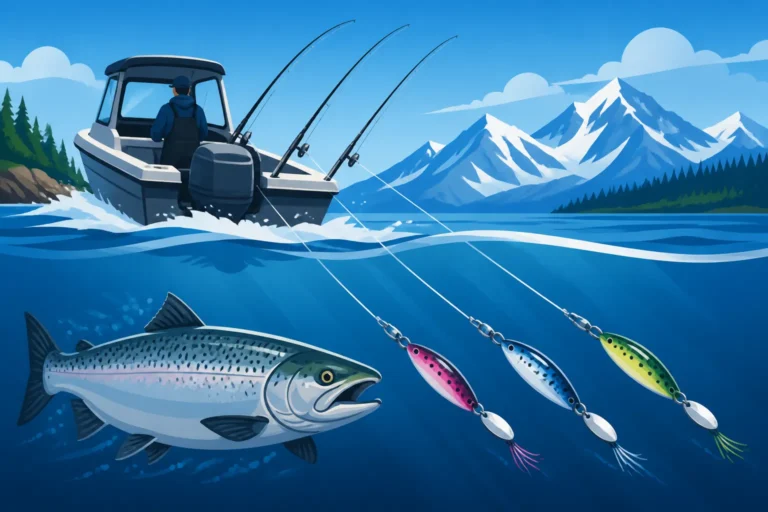
Back-trolling is a boat-based technique where you use the boat's motor (often a kicker motor) in reverse to slowly drift downstream, controlling the speed of your lure presentation. Instead of fighting the current to move upstream, you're working with it, but at a slightly slower pace. This allows your Kwikfish to dive and wiggle in a natural, enticing way directly into holding water where King Salmon are known to stage.
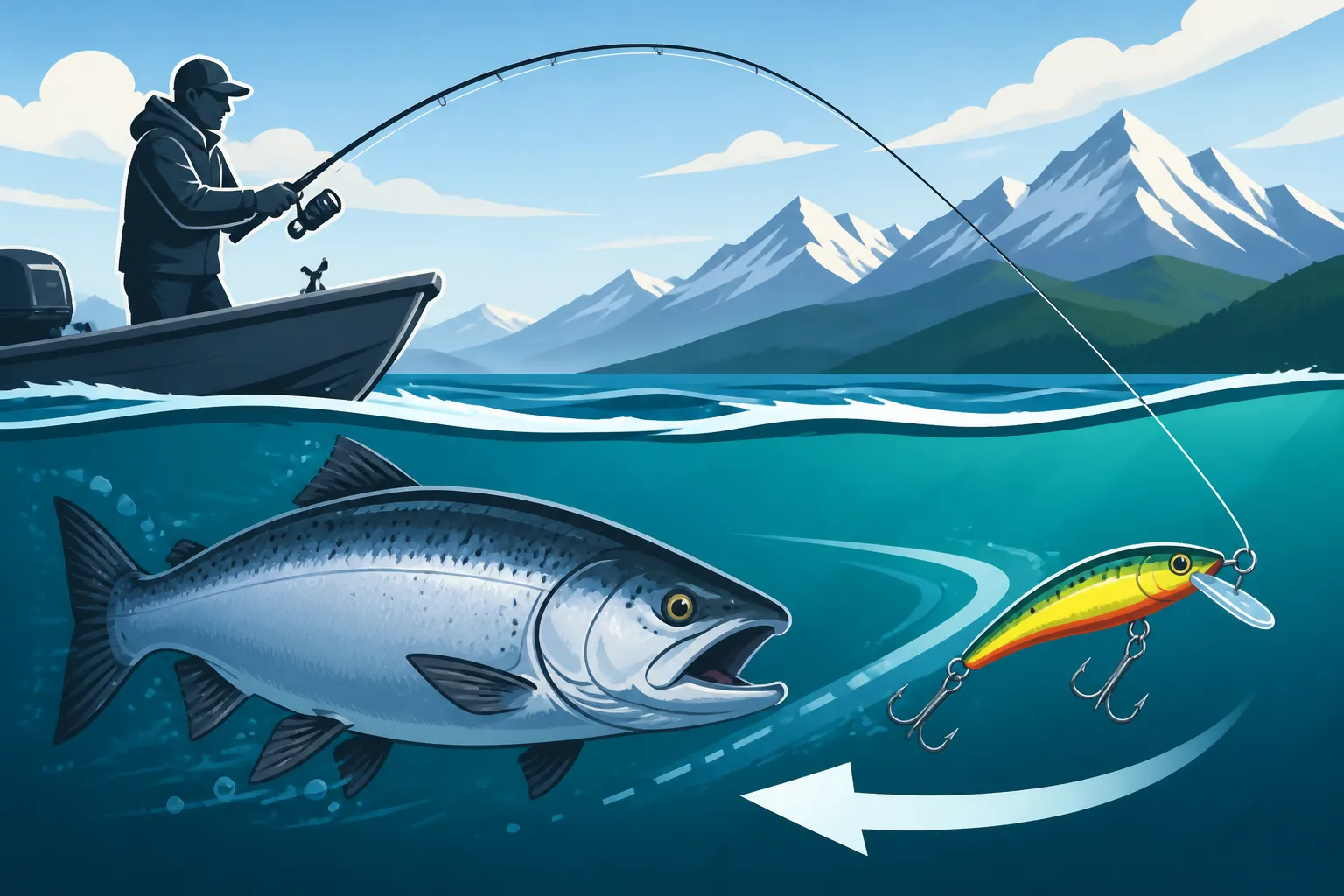
Think about it: a King Salmon is often holding in slower seams, behind structure, or along current breaks, conserving energy as it makes its upstream migration. They're not actively chasing food like a trout might be. When a Kwikfish plug, mimicking a wounded baitfish, slowly wiggles and dives right into their strike zone, it triggers an aggressive, territorial bite. The slow, controlled presentation gives the fish ample time to see the lure, track it, and decide to strike. It’s far more effective than a fast-moving presentation they might let pass by. This method is particularly effective when you're fishing areas with distinct travel lanes or deep holes where salmon congregate, providing a focused approach to reaching those fish.
The Kwikfish Lure: A King Salmon Magnet
The Kwikfish, specifically models like the K15 or K16, has earned its legendary status as a King Salmon killer for a reason. These hard-bodied plugs are designed to dive deeply and produce a wide, aggressive wiggling action that drives salmon absolutely wild. What makes them so special is their internal rattle and the ability to absorb scent, turning them into a multi-sensory attack on a King Salmon's instincts.
The aggressive vibration mimics a struggling baitfish, sending strong pressure waves through the water that salmon can detect with their lateral lines even in murky conditions. The built-in rattle adds an auditory dimension, further attracting attention. Many anglers also heavily scent their Kwikfish with various fish attractants, like sardine oil or commercially prepared scents, which soak into the plastic and leave a potent scent trail. This combination of sight, sound, and smell makes the Kwikfish incredibly hard for a King Salmon to ignore. You can find a vast array of Kwikfish colors and sizes, including popular brands like Brad's Kwikfish, readily available on platforms like Amazon, making it easy to experiment with what works best in specific river conditions. Understanding the best time to catch King Salmon in Alaska often involves knowing which Kwikfish colors are hot that season.
Essential Gear for Kwikfish Back-Trolling
Having the right equipment is non-negotiable when you're chasing Alaska King Salmon. These fish are immensely powerful, and your gear needs to be up to the task of not only hooking them but also landing them without failure.
Rod, Reel, and Line Selection
For back-trolling Kwikfish, you need a robust setup that can handle heavy weights, powerful runs, and the sheer force of a large King Salmon.
- Rods: Look for a heavy-action rod, typically 9 to 10.5 feet in length. The extra length helps with shock absorption when a large king hits and provides better leverage for steering the fish. A fast-action tip is still desirable to detect subtle bites, but the backbone needs to be substantial, capable of lifting serious weight and absorbing the headshakes of a powerful fish. Graphite or composite rods are popular for their blend of sensitivity and strength. A good example would be a Lamiglas Certified Pro or a G. Loomis Salmon rod in a heavy power rating.
- Reels: A high-quality baitcasting reel is paramount. It needs a strong, smooth drag system that won't falter under pressure. Line capacity is also important; you'll want a reel that can comfortably hold 200-300 yards of heavy line. Reels like the Shimano Tekota, Daiwa Lexa, or an Abu Garcia Ambassadeur 7000 series are popular choices for their reliability and power. Ensure the reel has a good gear ratio for retrieving line quickly when needed.
- Line: Most experienced King Salmon anglers prefer braided line for their main line due to its superior strength-to-diameter ratio and zero-stretch properties, which provide excellent bite detection. A 50 to 65-pound braided line is standard. The lack of stretch means when a King hits, you feel every head shake instantly, and your hook sets are incredibly efficient. However, because braid has no stretch, it's crucial to have a good, forgiving rod and a finely tuned drag system to prevent hooks from pulling out. If you're looking to stock up on quality braided line before your trip, many reputable brands are available on Amazon.
Weighting Systems and Leader Setup
The way you rig your weights and leaders is just as important as your rod and reel, directly impacting how effectively your Kwikfish dives and performs.
- Weighting Systems: For back-trolling, a "dropper" weight setup is most common. This involves tying a three-way swivel to your main line. To one eye of the swivel, you attach a leader of about 12-18 inches with your lead weight. To the third eye, you attach your Kwikfish leader. This setup ensures that if your weight snags on the bottom, the lighter leader tied to the weight will break first, saving your Kwikfish. The weight itself can be a pyramid sinker, a slinky weight, or a cannonball sinker, ranging from 6 ounces to 24 ounces or even more, depending on current speed and depth. You can often buy pre-made slinky weights or bulk lead from sporting goods stores or through Amazon. Knowing the correct amount of weight is key to keeping your lure in the strike zone and is a critical part of your overall Alaska Fishing Gear and Tackle Guide.
- Leader Setup for Kwikfish: Your Kwikfish leader should be made of strong monofilament or fluorocarbon. While braid is great for the main line, a bit of stretch in the leader can be beneficial, especially with the non-stretch characteristics of braided main line, providing a small cushion against violent headshakes. Use 40 to 60-pound test leader material, about 4 to 6 feet in length. Some anglers prefer shorter leaders in clear water or slower currents, while others go longer in darker water or faster currents. The leader is tied directly to the Kwikfish, typically using a sturdy Palomar knot or improved clinch knot.
Here's a quick look at common Kwikfish sizes and their typical uses:
| Kwikfish Model | Length (inches) | Dive Depth (feet) | Best For | Notes |
|---|---|---|---|---|
| K13 | 4 | 10-15 | Smaller Rivers, Coho | Good for shallower water, less aggressive |
| K15 | 5 | 15-25 | General Kings | Most popular all-around size |
| K16 | 6 | 20-30+ | Big Kings, Deep Water | Larger profile, heavier action |
| K18 | 7 | 30-40+ | Very Big Kings, Fast Current | Max vibration, large bait imitation |
Note: Dive depths are approximate and depend heavily on line size, current, and amount of weight used.
Step-by-Step Guide to Back-Trolling a Kwikfish
Mastering the art of back-trolling isn't just about having the right gear; it's about understanding the river, positioning your boat, and presenting your lure with precision.
Finding the Right Water and Boat Positioning
This is where local knowledge and river reading skills truly shine. King Salmon, especially those migrating upstream, will often use specific travel lanes and rest in particular areas to conserve energy.
- Identify Holding Water: Look for seams where faster current meets slower water, deep holes, undercut banks, or areas behind large rocks or logs that break the current. These are prime locations for Kings to hold. On big rivers like the Kenai, these spots can be quite pronounced. Pay attention to how to read Alaska Fishing Regulations and any specific rules for the area you're fishing.
- Boat Positioning: Your boat position is critical. You want to start your drift well upstream of the suspected holding water. Position your boat so that your Kwikfish will drift directly into the fish's strike zone. This usually means being slightly upstream and outside of the main current where the fish are. The goal is a controlled descent that puts the lure in their face. Using your kicker motor in reverse, you'll be slowly backing downstream, controlling your boat speed so it's just a little slower than the current. This subtle difference in speed is what gives your Kwikfish its enticing diving and wiggling action. Think about it like walking a dog on a leash – you’re guiding the lure, not just letting it flail.
Deploying and Presenting Your Kwikfish
Once you're in position, it's time to get your Kwikfish into the water and working effectively.
- Scenting Your Kwikfish: Before deploying, generously apply your chosen scent to the Kwikfish. Allow it to soak in for a minute or two. Many anglers also insert a small piece of sardine or an Anise-scented cotton ball into the Kwikfish's cavity for added attractant. This greatly enhances its appeal, helping you attract fish even in challenging conditions.
- Controlled Descent: With your boat easing downstream, slowly let out line. The goal is to allow the weight to tap the bottom periodically, indicating your Kwikfish is fishing effectively at the right depth. You'll feel a distinctive "thump-thump-thump" as the weight bounces along the riverbed. Too much line out, and you risk snagging; too little, and your lure won't be in the strike zone. You're constantly adjusting line release based on current speed and depth. This requires constant vigilance and a feel for the river bottom.
- Rod in Holder: Once your Kwikfish is at the desired depth and you're getting a consistent bottom-tap, place your rod securely in a sturdy rod holder. Set your reel's drag appropriately. It should be firm enough to withstand the plug's action and prevent line from stripping out unintentionally, but loose enough to allow line to peel smoothly when a fish hits. Many anglers prefer a slightly lighter drag setting for the initial hit, then tighten it once the fish is on. This technique is often used when learning how to back-troll for salmon in Alaska.
Reading the Bite and Setting the Hook
King Salmon bites can range from subtle taps to violent, rod-ripping strikes. Learning to differentiate between a bite and the lure simply hitting the bottom is key.
- The "Take": A King Salmon bite usually feels like a solid, continuous pull, often followed by the rod bending over violently. It's distinct from the quick "thump" of your weight hitting the bottom. Sometimes, it might feel like your Kwikfish suddenly stopped wiggling, then the rod loads up. The crucial thing is to be ready.
- Setting the Hook: When that rod slams down, resist the urge to immediately grab it and reel. Let the rod load up in the holder for a couple of seconds. The momentum of the boat and the fish pulling against the rod will often set the hook for you. Then, grab the rod, ensure the fish is on, and begin fighting. This "waiting game" is vital because a King often inhales the Kwikfish, and giving it a moment allows the hooks to properly embed in its jaw. Once you've got a fish on, the real fun begins. You'll want to ensure you know your Alaska King Salmon Fishing Regulations and Limits to stay compliant.
Advanced Tips and Troubleshooting for Kwikfish Success
Even when you have the basics down, there are always ways to refine your technique and troubleshoot when the fishing is tough.
Tuning Your Kwikfish for Optimal Action
A Kwikfish out of the box should run perfectly, but sometimes they need a little adjustment to get that irresistible wobble. This is called "tuning."
- Straight Eyelet is Key: The small eyelet on the nose of your Kwikfish is crucial for its action. If it's even slightly bent, the lure will pull to one side or won't wiggle correctly.
- The Tuning Process:
- Hold the Kwikfish by the tail and observe the nose eyelet. It should be perfectly straight, aligning with the body of the lure.
- Drop the Kwikfish into the water next to the boat while idling forward very slowly, or hold it in moving current. Observe its action. Is it diving straight and wobbling aggressively?
- If it's pulling to the left, gently bend the eyelet slightly to the right with needle-nose pliers. If it pulls right, bend it left. Make tiny adjustments and retest until it runs true.
- Scent Application: Don't just spray scent on the outside. Many experienced anglers use a syringe to inject scent directly into the Kwikfish body or into the cavity (if it has one). This ensures a long-lasting scent trail that slowly disperses as the lure wiggles through the water. Regularly re-apply scent, especially after a fish strike or if you've been fishing for a while.
Adjusting to River Conditions and Fish Behavior
Alaska's rivers are dynamic, and conditions can change rapidly. Being adaptable is crucial for consistent success.
- Water Clarity and Color: In clear water, natural colors like chrome, silver, or light blue patterns might be more effective. In murky or glacial-fed water, brighter, high-contrast colors like chartreuse, hot pink, or "fire tiger" (bright orange/yellow/green) tend to stand out better. Experiment with different colors, even different patterns from brands like Brad's Kwikfish, until you find what the fish prefer on a given day.
- Current Speed and Depth: Faster currents require more weight to get your Kwikfish down to the desired depth. Slower currents might allow for lighter weights. Always aim to have your weight just tapping the bottom. If the current is very slow, you might need to speed up your boat's reverse drift slightly to ensure the Kwikfish has enough water flowing over its diving lip to create its signature action. If you're finding it difficult to maintain depth, you might need to adjust the amount of weight you're using. For more details on various techniques, check out our guide on how to back-trolling for salmon in Alaska.
- Fish Aggression: Sometimes Kings are aggressive, smashing anything that comes their way. Other times, they can be finicky. If bites are slow, try a slower, more deliberate presentation. You might also experiment with slightly smaller or larger Kwikfish sizes or different scent combinations. Sometimes a subtle change, like switching from a K16 to a K15, can make all the difference. Understanding Alaska King Salmon Run Timing can also help predict fish aggression levels.
- Best Rivers: While Kwikfish back-trolling is effective in many rivers, it's particularly popular on systems like the Kenai and Kasilof Rivers on the Kenai Peninsula, where large King Salmon navigate distinct travel corridors. These rivers offer the perfect blend of current, depth, and structure for this technique to shine. For specific locations, our guide on the Best Rivers for King Salmon in Alaska can provide valuable insights.
Disclaimer
Fishing in Alaska involves inherent risks. Always prioritize safety, be aware of local regulations, and respect wildlife. This guide provides general information and should not replace professional advice or on-the-water judgment. Always check current Alaska Fishing Regulations Explained and emergency orders from the Alaska Department of Fish and Game before heading out.