Alaska Fishing License Requirements for Tourists
Planning a dream fishing trip to Alaska is incredibly exciting, but the maze of regulations can feel overwhelming, especially for tourists who are just visiting. You’re probably wondering, "Do I really need a license?" or "What kind of license do I even get for a short trip?" It’s a common frustration, and missing these crucial details can quickly turn a fantastic fishing adventure into a costly headache. This comprehensive guide is here to clear up all the confusion around Alaska fishing license requirements for tourists, making sure you’re fully prepared and ready to cast your line legally and confidently.
Why Tourists Need an Alaska Fishing License It's Not Just a Suggestion
Let's get straight to it: if you plan to fish in Alaska, whether you're a seasoned angler or a first-timer hoping to reel in a legendary salmon, you absolutely need a valid fishing license. This isn't just a polite suggestion; it's a legal requirement that applies to nearly everyone, regardless of where you call home. Forgetting this crucial step could lead to hefty fines, confiscation of your gear, or even worse, missing out on your Alaskan adventure altogether.
The Legal Necessity and Conservation Efforts
The requirement for fishing licenses in Alaska is rooted in both legal necessity and a deep commitment to conservation. Every dollar spent on an Alaska fishing license goes directly into funding the vital work of the Alaska Department of Fish and Game (ADF&G). This includes everything from maintaining healthy fish populations, monitoring salmon runs, conducting critical scientific research, and protecting sensitive fish habitats to enforcing regulations that ensure sustainable fishing for generations to come. When you purchase a license, you're not just buying a permit; you're actively contributing to the preservation of Alaska's incredible natural resources.
Think of it this way: without these funds, the very fisheries that draw millions of visitors each year simply wouldn't thrive. The robust salmon runs in rivers like the Kenai or the abundant halibut in Kachemak Bay are the direct beneficiaries of these conservation efforts. It's a small but significant way for every angler, including tourists, to do their part. You might hear about other regulations like the need for specific gear in certain areas or Alaska bait restrictions explained, all of which tie back to maintaining a healthy ecosystem.
Who Needs a License and Who Gets a Pass?
The general rule is simple: if you're 16 years of age or older and you're fishing in Alaska, you need a license. This applies equally to residents and non-residents, though the types and costs of licenses differ.
For our tourist friends, the key distinction is "non-resident." You are considered a non-resident if you haven't maintained a domicile in Alaska for at least 12 consecutive months and don't meet other specific residency criteria. Most visitors fall into this category.
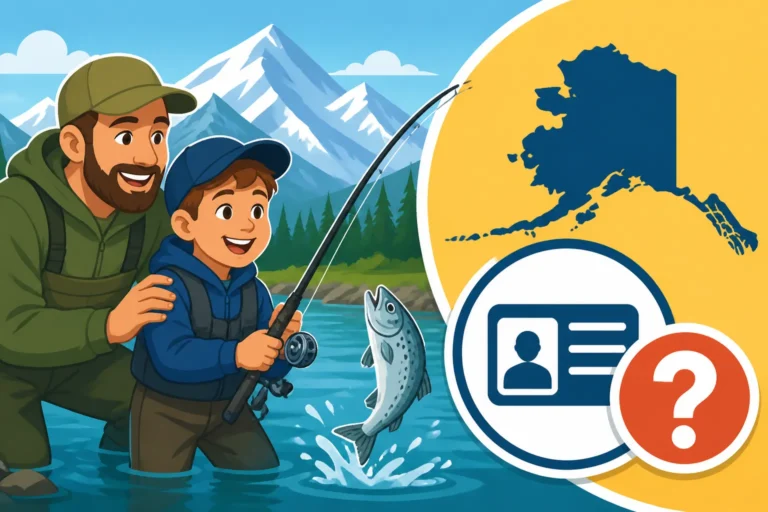
There are a few exceptions to the age rule. Kids under 16 years old typically do not need a fishing license to sport fish in Alaska. This is fantastic news for families planning a trip with younger children, making it easier for them to experience the thrill of fishing without the added paperwork. However, even if they don't need a license, they still must adhere to all other fishing regulations, including bag limits and gear restrictions. It’s always a good idea to double-check the latest Alaska Fishing License Age Requirements on the ADF&G website before your trip, as rules can occasionally be updated. While certain types of fishing, like personal use or subsistence, have different rules, these are generally reserved for Alaska residents and are not typically an option for tourists.
Types of Alaska Fishing Licenses Available for Tourists
Understanding the different license options is crucial for tourists, as choosing the right one can save you money and ensure you're covered for your entire trip. Alaska offers various durations to suit different travel itineraries, along with specific stamps for certain species.
Short-Term vs. Annual Options
For most tourists, short-term licenses are the most practical choice. These are designed for visitors whose trips last a few days or a couple of weeks. Here’s a breakdown of the common non-resident options:
- 1-Day Fishing License: Perfect for a quick stopover or if you’re only planning one day on the water, perhaps as part of a cruise excursion.
- 3-Day Fishing License: A great option for a long weekend trip or if you're focusing on one specific fishing opportunity.
- 7-Day Fishing License: This is often the sweet spot for many tourists, covering a full week of fishing adventures, which is a common length for guided trips or self-guided explorations.
- 14-Day Fishing License: If you're planning a longer, multi-week vacation with extensive fishing plans, this provides coverage for up to two weeks.
While less common for a typical tourist trip, an Annual Non-Resident Fishing License is also available. This is ideal if you anticipate making multiple trips to Alaska within a year, or if your single trip extends beyond 14 days and the cost becomes comparable to stacking shorter licenses. Before you commit, it’s always wise to check the latest Alaska Fishing License Cost and Types to compare prices and ensure you're getting the best value for your specific travel plans.
Here's a quick comparison of the non-resident fishing license options (costs are approximate and subject to change by ADF&G):
| License Type | Approximate Cost (2024) | Best For |
|---|---|---|
| Non-Resident 1-Day | $15 | Quick day trips, cruise excursions, trying fishing for the first time |
| Non-Resident 3-Day | $30 | Weekend trips, focused short fishing expeditions |
| Non-Resident 7-Day | $55 | Week-long vacations, standard guided fishing trips |
| Non-Resident 14-Day | $80 | Extended fishing vacations (up to two weeks) |
| Non-Resident Annual | $145 | Multiple trips within a year, trips longer than two weeks |
| Non-Resident King Salmon Stamp | $15 (1-day) – $100 (annual) | Required for fishing King Salmon, in addition to base license |
Understanding the King Salmon Stamp
Ah, the King Salmon stamp! This is where many tourists get tripped up, thinking their regular fishing license covers everything. Not so fast! If you plan to fish for King Salmon (also known as Chinook salmon), you'll almost certainly need to purchase a King Salmon Stamp in addition to your base fishing license. This stamp is an extra endorsement that allows you to target and retain this prized species.
The requirement for a King Salmon Stamp is critical because King Salmon populations are particularly sensitive and closely managed. The funds generated by these stamps contribute specifically to King Salmon management and conservation programs. The stamp comes in various durations (1-day, 3-day, 7-day, 14-day, and annual) to match your base license or specific fishing plans. For instance, if you have a 7-day fishing license and plan to target Kings for three of those days, you could get a 3-day King Salmon stamp. Always check the specific regulations for the area and time you'll be fishing, as Alaska King Salmon Stamp Requirements can vary by region and season. The rule of thumb is: if you're going for Kings, get the stamp!
Other Potential Endorsements
While the King Salmon stamp is the most prominent additional requirement, it’s essential for tourists to also be aware of the Alaska Harvest Record Card. This isn't an endorsement you purchase, but a mandatory document that comes with your license. If you catch certain species, most notably King Salmon, you are legally required to immediately record your catch on this card. This data is vital for ADF&G to monitor harvest levels and manage the fisheries effectively. Failing to accurately fill out your harvest card can lead to violations, so make sure you understand How to Fill Out an Alaska Harvest Record Card before you hit the water. It’s part of the comprehensive Alaska Fishing Regulations Explained that ensure the sustainability of these incredible fish populations.
How and Where to Purchase Your Alaska Fishing License
Getting your fishing license should be one of the first items on your Alaska fishing trip checklist. Luckily, the process is straightforward, with convenient options for tourists both before you arrive and once you're on the ground.
Online Purchase: The Easiest Route
Without a doubt, the easiest and most recommended way for tourists to purchase an Alaska fishing license is online, directly through the Alaska Department of Fish and Game (ADF&G) website. This method offers several key advantages:
- Convenience: You can purchase your license from the comfort of your home anytime, day or night, before you even board your flight to Alaska.
- Immediate Access: Once your purchase is complete, you'll receive a printable license (and King Salmon stamp, if applicable) immediately via email. You can print it out and carry a physical copy, or often, a digital copy on your smartphone or tablet is acceptable, provided you can produce it upon request.
- Accuracy: The online system guides you through the process, ensuring you select the correct non-resident license type and any necessary stamps.
To get started, simply visit the official ADF&G website. Look for the "Buy a License" section. You'll typically need to provide some basic personal information like your full name, date of birth, mailing address (your home address), and physical descriptors. Having your credit card ready will make the process smooth. This is by far the simplest way to adhere to the Alaska Fishing License: Complete Guide and make sure you're compliant.
In-Person Options: Local Vendors
If purchasing online isn't an option for you, or if you simply prefer doing things in person, you can purchase your Alaska fishing license at various vendors throughout the state. These typically include:
- Sporting Goods Stores: Larger towns often have dedicated sporting goods stores that are authorized license vendors. Think local shops that cater to outdoor enthusiasts.
- General Stores: In smaller, more remote communities, general stores or even some grocery stores may sell fishing licenses.
- Fishing Lodges and Charter Offices: Many fishing lodges and charter operators are licensed to sell fishing licenses directly to their clients. This can be very convenient if you're already booking a guided trip. While these places are great for licenses, remember that you’ll need to gear up elsewhere. For instance, you might order waders, a good rain jacket, or tackle organizers from Amazon before your trip to ensure you have exactly what you need.
It's always a good idea to buy your license before you head out to your fishing destination, especially if you're going to a remote area where vendors might be scarce or have limited hours. Don't assume you can just show up to a remote river bank and find a place to buy one! You can often find lists of authorized vendors on the ADF&G website if you prefer to buy in person.
What Information You'll Need
Regardless of whether you purchase online or in person, you'll need to have certain information handy:
- Full Legal Name: As it appears on your government-issued ID.
- Date of Birth: To verify age and ensure correct license type.
- Physical Address: Your permanent address, which will confirm your non-resident status.
- Height, Weight, Hair Color, Eye Color: These physical descriptors are usually required for identification purposes on the license.
- Payment Method: A credit or debit card is typically required for online purchases, and cash or card will work for in-person vendors.
Always ensure all information is accurate to avoid any issues if you're checked by a Fish and Game Trooper. It's a small detail, but an important one for a seamless experience.
Key Considerations for Tourists Beyond the License
While securing your fishing license and any necessary stamps is the foundation, there are a few other critical aspects tourists need to understand to ensure a smooth and legal fishing trip in the Last Frontier.
Carrying Your License and Harvest Card
This might seem obvious, but it's astonishing how many anglers forget this simple rule. Your fishing license and any required stamps (like the King Salmon Stamp) must be on your person at all times while you are fishing. This means a physical copy that you can easily present to a Fish and Game Trooper or other enforcement officer upon request. While digital copies on a phone or tablet are often accepted, ensure your device is charged and the image is clear and legible. Don't risk a fine because your phone died or you forgot the printout in your lodge room.
If you are fishing for King Salmon, your What Is the Alaska Harvest Record Card is equally important. You must immediately record your King Salmon catch on this card before resuming fishing. This means having a pen or pencil readily available. Many anglers keep their license, stamp, and a small pen in a waterproof wallet or lanyard around their neck. It’s a habit that seasoned Alaskan anglers swear by.
Understanding Emergency Orders and Bag Limits
Alaska's fisheries are dynamic, and regulations can change rapidly, sometimes even daily, especially during peak salmon runs. These changes are issued through what are called "Emergency Orders" by the ADF&G. They can close specific areas, change bag limits, alter legal gear, or even modify seasons due to conservation concerns (e.g., low fish escapement numbers) or unexpectedly strong returns.
As a tourist, it's absolutely vital that you stay informed. Before you head out each day, especially if you're fishing independently, check the latest emergency orders for your specific region and target species. The ADF&G website is the primary source for this information. Local tackle shops, fishing guides, and charter operators are also excellent sources of up-to-the-minute information. Imagine booking a flight to Alaska specifically to fish for King Salmon on the Kenai River, only to find out upon arrival that an Alaska Kenai River King Salmon Closure Explained has been issued. This happens, and being aware means you can adjust your plans rather than accidentally breaking the law.
Beyond emergency orders, always familiarize yourself with the standard Alaska Fishing Limits and Bag Limits Explained for every species you plan to target. These limits determine how many fish you can keep per day and how many you can possess in total. These rules are strictly enforced to protect fish stocks.
Charters and Guides: Do They Cover It?
A common question among tourists booking guided trips is whether the charter or guide service provides the fishing license. The answer, almost universally, is no. While many reputable Alaska fishing charters, especially those in popular destinations like Homer or Seward, will remind you to get your license, and some might even have blank licenses available for purchase on-site, the responsibility to obtain a valid license and any necessary stamps always falls on the individual angler.
Fishing charters are there to provide the boat, gear (usually), expertise, and lead you to the fish, but they cannot legally provide you with a fishing license. Before embarking on your dream halibut trip from Homer or a salmon excursion on the Kenai, make sure you've personally purchased and printed your license. You can clarify this with your chosen operator; many will even have links on their website to the ADF&G license page to make it easier for you. So, when considering Do Charters Include Alaska Fishing Licenses, the answer is almost always a polite no, but they're often happy to help you navigate the purchasing process.
Disclaimer
Please note that fishing regulations in Alaska are complex and subject to change. While this guide provides comprehensive information, it is not a substitute for reviewing the most current regulations directly from the Alaska Department of Fish and Game (ADF&G) website or their official publications. Always verify all license requirements, season dates, bag limits, and emergency orders before you begin fishing.