Alaska Fishing License Age Requirements
Planning an Alaska fishing trip is exhilarating, but the sheer volume of regulations, especially when it comes to who needs a fishing license, can feel like navigating a maze blindfolded. Many folks get understandably confused, wondering if their young ones need a license, or if hitting a certain age means they’re exempt. It’s a common frustration, and honestly, the rules aren't always crystal clear at first glance. This comprehensive guide is here to untangle the specifics of Alaska fishing license age requirements, ensuring you and your entire crew are fully prepared and legal on the water.
Understanding the Basics: Who Needs a License and Why
It’s easy to assume that fishing licenses are a straightforward adult affair, but in Alaska, the age requirements have some important nuances that can catch even experienced anglers by surprise. Knowing the baseline rules is crucial before you even start thinking about what type of salmon is running or where to drop your halibut line.
The Age Cutoff for Alaska Fishing Licenses
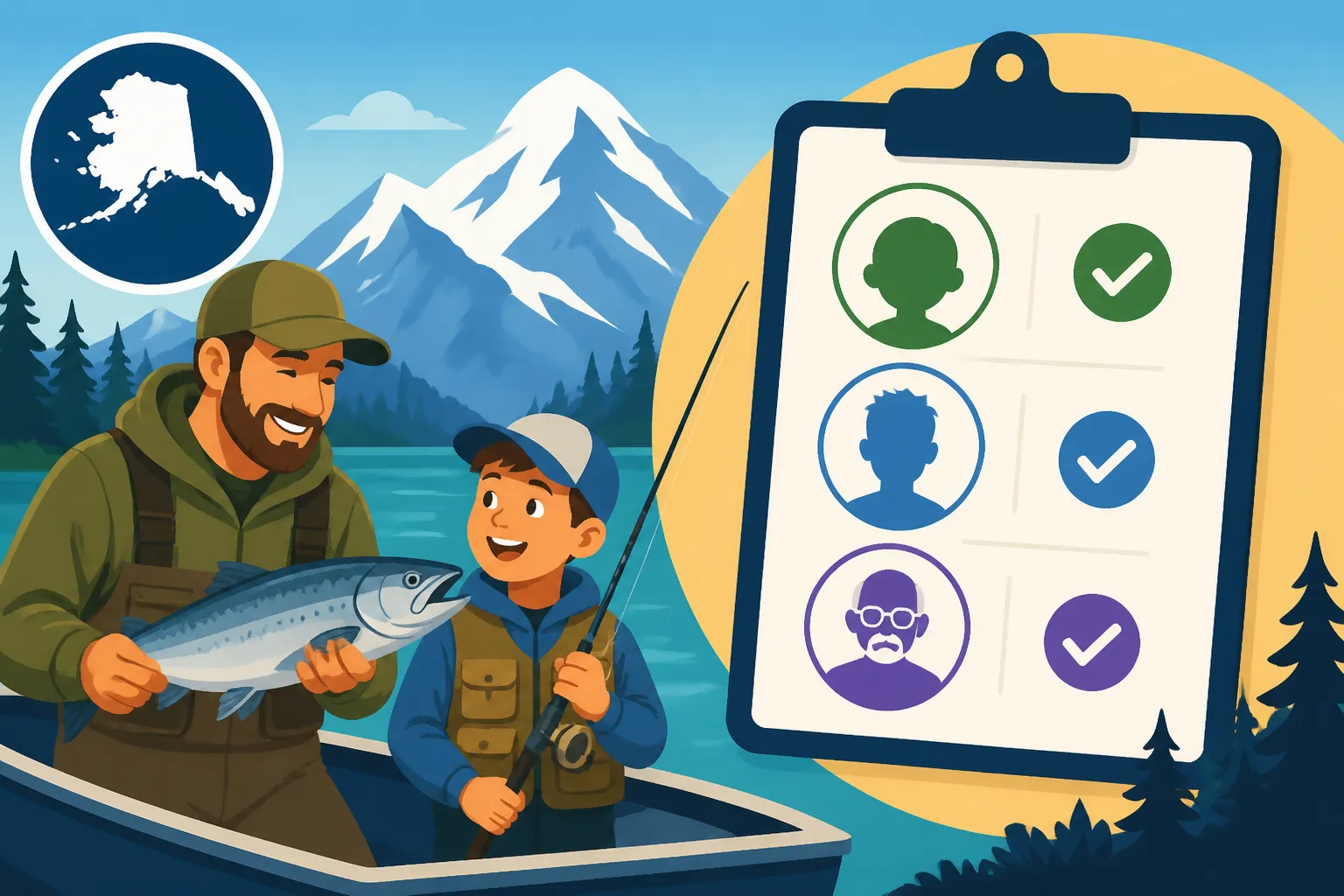
In Alaska, the general rule of thumb is that any angler aged 16 or older needs to possess a valid Alaska fishing license to sport fish. This applies whether you're a resident who's lived here your whole life or a visitor just in town for a few days to experience the legendary fishing. If you're 15 years old and under, you're in luck – no license is required for sport fishing. This is a pretty generous policy compared to many other states, making Alaska a fantastic place for families with younger children to introduce them to the joys of angling without the added expense or paperwork. However, this seemingly simple rule comes with a few important caveats and special considerations, particularly when you start looking at different types of fishing and specific species.
For instance, while a 15-year-old doesn't need a license, they are still subject to all other regulations, like bag limits, size restrictions, and gear requirements. It’s not a free-for-all just because they're young. They're expected to follow the same rules as licensed adults, which is a great way to instill responsible fishing practices from an early age. The Alaska Department of Fish and Game (ADF&G) website is always the go-to resource for the most current information, and I highly recommend checking out the official Alaska Fishing License: Complete Guide to get a full picture.
Why Age-Based Regulations Exist
You might wonder why these age distinctions are in place. It's not just about collecting fees; there's a much broader ecological and economic strategy at play. The revenue generated from fishing license sales is absolutely vital for funding conservation efforts, fish stocking programs, habitat restoration projects, and research conducted by the ADF&G. Without these funds, the incredible fishing opportunities Alaska offers simply wouldn't be sustainable in the long run.
Think about it: the state manages thousands of miles of rivers, countless lakes, and vast stretches of coastline. Protecting these resources, monitoring fish populations, and ensuring healthy future runs requires significant investment. When an adult purchases an Alaska Fishing License Cost and Types, they're directly contributing to the health and future of Alaska’s fisheries. Exempting younger anglers encourages participation and fosters a love for the outdoors and fishing, hopefully leading them to become license-buying, conservation-minded adults in the future. It’s a delicate balance between encouraging engagement and securing the necessary funding for stewardship, and Alaska has found a sensible middle ground by exempting those under 16.
Specific Age Requirements for Residents and Non-Residents
The difference between being an Alaska resident and a non-resident isn't just a matter of price when it comes to fishing licenses; it can also affect certain age-related exemptions and requirements. It's vital to understand which category you fall into to ensure you purchase the correct license, if needed.
Alaska Resident Fishing License Age Requirements
For those of us lucky enough to call Alaska home, the rules are fairly consistent. As mentioned, if you're an Alaska resident aged 16 or older, you must purchase an Alaska sport fishing license. This includes annual licenses, as well as shorter-term options if you only plan to fish for a specific duration, though residents typically opt for the annual license for convenience and cost-effectiveness.
There's a significant advantage for our older residents, though. Once an Alaska resident reaches the age of 60, they may be eligible for a permanent identification card that allows them to fish without purchasing an annual sport fishing license. This is a wonderful benefit for our elders, acknowledging their contributions to the community and making it easier for them to continue enjoying Alaska's world-class fishing. However, even with this exemption, specific stamps like the King Salmon Stamp might still be required depending on the species you're targeting. It’s important not to confuse a basic license exemption with an exemption from all special stamps or permits. For more details on this, check out the specific rules for an Alaska Senior Fishing License Rules.
Alaska Non-Resident Fishing License Age Requirements
If you're visiting Alaska from outside the state, the 16-and-over rule still applies for a sport fishing license. There are no general age-based exemptions for non-resident adults. So, if you're a non-resident and you're 16, 60, or 80, you will need a license. This is where many visitors sometimes get confused, assuming that age exemptions for seniors in their home state might apply here. Unfortunately, that's generally not the case for non-residents in Alaska.
Non-residents have a range of license durations to choose from, including 1-day, 3-day, 7-day, 14-day, and annual licenses. The choice usually depends on the length of your stay and how much fishing you plan to do. If you're coming for an extended trip or multiple trips within a year, an annual non-resident license might actually save you money in the long run. Don't forget, just like residents, non-residents will also need to purchase an Alaska King Salmon Stamp if they plan to target or retain King Salmon. For a detailed breakdown of options, be sure to read our Alaska Non-Resident Fishing License Guide. It covers everything you need to know about costs and how to buy.
Special Considerations for Youth Anglers
Alaska is incredibly welcoming to young anglers, and the "no license needed under 16" rule for sport fishing is a testament to that. This makes family fishing trips much more accessible and affordable, encouraging kids to get out on the water. Imagine bringing your 12-year-old to the Kenai River for their first sockeye salmon experience, or watching your 8-year-old reel in a feisty Dolly Varden in a pristine stream. These experiences are priceless, and Alaska wants to make them as easy as possible.
However, it's crucial for adults supervising these young anglers to understand that while the license is waived, the regulations are not. The youth angler must still adhere to all bag limits, possession limits, seasons, and gear restrictions in place for the waters they are fishing. For example, if the daily limit for rainbow trout is two fish, your 10-year-old can only keep two, not two in addition to your limit. This is especially important for species that require special tags or stamps from adults, like King Salmon. If an adult has a King Salmon stamp and is helping a child fish for kings, the child's catch still counts towards the adult's total and must be recorded on the adult's harvest card. This highlights the importance of understanding all Alaska Youth Fishing License Rules beyond just the age requirement.
Furthermore, while sport fishing is largely license-free for kids, there are other types of fishing in Alaska that might have different rules. Personal use fisheries, like dipnetting for salmon, often have different regulations regarding age and residency, and usually require specific permits. Always verify the rules for the specific fishery you are participating in.
Exemptions and Special Licenses Based on Age and Status
While the general rule is "16 and over needs a license," Alaska thoughtfully provides several key exemptions and special considerations for certain demographics, recognizing their unique circumstances or contributions. These are critical to understand, as they can save eligible individuals both money and hassle.
Alaska Senior Fishing License Rules
Alaska residents who are 60 years of age or older, and who have been residents for at least one year immediately preceding the application, are eligible for a permanent identification card. This card serves as a lifetime sport fishing license, meaning they no longer need to purchase annual licenses. It's a fantastic program designed to ensure that long-time Alaskans can continue to enjoy the state's natural bounty without yearly administrative burdens or costs.
To obtain this permanent card, eligible seniors need to apply through the ADF&G, providing proof of age and residency. While the card exempts them from the base sport fishing license fee, it’s important to remember that it generally does not exempt them from purchasing additional stamps, such as the King Salmon Stamp, if they intend to fish for or retain King Salmon. This distinction is vital for avoiding unexpected violations. For the most current application procedures and requirements, checking out the details on Alaska Senior Fishing License Rules is highly recommended. Always double-check with ADF&G directly for any updates or specific documentation needed.
Fishing Licenses for Military and Disabled Veterans
Alaska extends benefits to those who have served our country and to individuals with disabilities. For military personnel, especially those stationed in Alaska, there are often specific considerations. Active duty military members who are permanent change of station (PCS) to Alaska and their dependents are often considered residents for licensing purposes, allowing them to purchase resident licenses. This is a significant cost saving compared to non-resident rates. They typically need to provide official military orders to prove their PCS status.
For disabled veterans and Alaskans with disabilities, there are also special provisions. Alaska residents who are 60% or more disabled, as certified by the U.S. Department of Veterans Affairs or Social Security Administration, may be eligible for a permanent identification card, similar to the senior resident card, which functions as a lifetime sport fishing license. This thoughtful provision ensures that disabled individuals can continue to enjoy fishing without financial barriers. Specific documentation is required to prove disability status. If you or a family member falls into this category, researching the specific requirements for an Alaska Military Fishing License or disabled fishing license is crucial. The application process usually involves submitting official documentation of your service or disability.
Other Specific Exemptions
Beyond age and specific status, there are a few other scenarios where fishing licenses might not be required, though these are more niche and often involve specific types of fishing or locations. For instance, individuals engaged in subsistence fishing or personal use fishing may operate under different permit systems, which can sometimes have distinct age requirements or exemptions separate from sport fishing licenses.
One common example is personal use dipnetting fisheries, such as those on the Kenai River or at Chitina. While adults typically need a specific permit (and potentially an Alaska sport fishing license as well, depending on the fishery's exact rules), children under a certain age may be able to participate under the permit of a parent or guardian without needing their own permit. These rules are highly specific to each fishery and change frequently based on run forecasts and emergency orders. Therefore, always consult the specific regulations booklet for the personal use fishery you intend to participate in. For more general information, our guide on Alaska Personal Use Fishing Explained can provide a good overview, but remember to drill down to the specific fishery rules.
It's also worth noting that anyone fishing on a licensed commercial fishing vessel, operating under a commercial fishing permit, does not typically need a sport fishing license. Their activity is covered under commercial regulations. However, if that same person decides to drop a line for sport fish on their day off, they would then need a sport fishing license if they meet the age requirement.
How to Obtain a Fishing License for Different Age Groups
Once you understand who needs a license, the next step is figuring out how to get it. Alaska has made the process relatively straightforward, offering both online and in-person options, but knowing what information you'll need can save you time and frustration.
Purchasing Licenses Online and In-Person
The easiest and most common way to get an Alaska fishing license, regardless of your age category (16 and over), is online through the Alaska Department of Fish and Game (ADF&G) website. This method is incredibly convenient, allowing you to purchase and print your license from anywhere with an internet connection, even just before you head out to the fishing grounds. You'll simply select the type of license you need (resident annual, non-resident 7-day, etc.), add any necessary stamps like the King Salmon Stamp, and complete the transaction. Your license will be emailed to you, and you can print it or save it digitally on your phone. For a full walkthrough, our guide on How to Get an Alaska Fishing License Online is a great resource.
If you prefer a more traditional approach, or if you don't have access to a printer, licenses can also be purchased in person at various vendors throughout the state. These include most sporting goods stores, bait shops, general stores, and even some lodges and grocery stores, especially in popular fishing towns like Soldotna, Homer, or Seward. Look for signs indicating an "ADF&G License Vendor." This option is particularly useful if you have questions or need assistance from a knowledgeable local. When buying in person, you'll still need to provide the same information as you would online.
Essential Information for Different Age Categories
When purchasing a fishing license, you'll need to provide some basic personal information, regardless of whether you're a resident or non-resident. This typically includes:
- Full Legal Name: As it appears on your government-issued ID.
- Date of Birth: To verify age and eligibility for specific license types or exemptions. This is crucial for determining if you're 16 or over.
- Physical Address: For residency verification.
- Driver's License Number or State ID Number: Required for identification.
- Gender, Height, Weight, Eye Color: Standard identification information.
For residents applying for senior or disabled veteran permanent cards, additional documentation will be required to prove eligibility. This might include proof of age (like a birth certificate or driver's license) and proof of residency (utility bills, voter registration, state ID showing residency for the required duration). For disabled veterans, official letters from the VA confirming disability percentage are necessary. It’s always best to have these documents ready and to check the specific requirements on the ADF&G website before you start the application process for these special cards.
For youth anglers under 16, remember, no license is needed for sport fishing. However, if they are participating in a personal use fishery that requires a separate permit, the adult supervising them will need to ensure the youth's participation is covered under their permit, and any specific youth-related permit rules are followed.
Common Misconceptions and Avoiding Violations
The maze of fishing regulations can lead to some common misunderstandings, especially around age requirements. Clearing these up is essential to avoid the unpleasant surprise of a fine or, worse, losing your fishing privileges.
The "Kids Fish Free" Myth vs. Reality
One of the most pervasive "myths" isn't entirely a myth, but it's often misinterpreted, leading to issues. The idea that "kids fish free" is generally true in Alaska for sport fishing, as anyone under 16 doesn't need a license. This is a wonderful policy! However, the "myth" part comes in when people assume this means kids are exempt from all regulations. This is definitively false.
A child under 16 might not need a license, but they are absolutely bound by all other rules:
- Bag and Possession Limits: If the daily limit for Sockeye Salmon is three fish, your 14-year-old can only keep three, just like an adult. Their catch counts towards the total boat or party limit if they are fishing with others.
- Size Restrictions: If there's a slot limit or minimum/maximum size for a species like Halibut, kids must adhere to those limits.
- Season Dates: They cannot fish for a species if its season is closed.
- Gear Restrictions: If bait is prohibited in a certain area, or only a single barbless hook is allowed, the child must use the appropriate gear.
- King Salmon Stamp: If a child catches and wants to retain a King Salmon, and an adult on the trip has purchased a King Salmon stamp, that fish must be recorded on the adult's harvest card. The child themselves doesn't buy a stamp, but their successful catch still requires an adult with a stamp to cover it, and it counts towards that adult's King Salmon limit.
For comprehensive information on what kids can and cannot do without a license, our article "Do Kids Need a Fishing License in Alaska" dives into all these specifics. It's truly about responsible angling from a young age, not a free pass to ignore rules.
Consequences of Fishing Without the Correct License
Fishing without the proper license, or without any required stamps (like the King Salmon Stamp), is a violation of Alaska state law. This isn't just a minor oversight; it can carry significant penalties. The consequences can range from substantial fines to confiscation of fishing gear, and even the loss of fishing privileges in Alaska for a period of time. Imagine traveling all the way to Alaska, investing in a charter, only to have your trip ruined by a preventable infraction. It's simply not worth the risk.
Fish and Wildlife Protection Troopers regularly patrol popular fishing areas, both on the road system and in more remote waters. They are diligent in checking licenses and compliance with regulations. If you're caught fishing without the appropriate license or stamp, you'll be cited. The fines can easily run into hundreds of dollars, sometimes more, depending on the severity of the violation and whether it's a first offense. Repeat offenders face even harsher penalties.
It’s crucial for every angler to understand that ignorance of the law is not a valid defense. It is your responsibility to know and follow all applicable regulations. This includes not just license requirements but also bag limits, gear restrictions, and emergency orders. The ADF&G frequently issues emergency orders that can change limits or close fisheries on short notice. Always check the current regulations and any emergency orders before you head out. Our Alaska Fishing Violations and Fines guide details the potential repercussions and how to avoid them.
Planning Your Alaska Fishing Trip Around Age Requirements
Planning an Alaskan fishing adventure involves a lot of moving parts: travel, lodging, gear, guides, and, of course, understanding the regulations. When you’re traveling with family or a group, correctly navigating age-based license requirements is a key piece of the puzzle that ensures a smooth and enjoyable experience for everyone.
Family Fishing Trips and License Planning
If you're bringing the whole family to Alaska, the good news is that the "under 16 fishes free" rule for sport fishing is a huge benefit. This significantly reduces the cost and complexity for families with younger children, allowing them to focus on the fun of fishing. When planning, make a clear list of everyone aged 16 and older who will be participating in sport fishing. Each of these individuals will need their own license.
Consider the duration of your trip and the type of fishing. If you're only spending a couple of days on the water, a 3-day or 7-day non-resident license might be perfect. If your teenagers are keen on landing a trophy King Salmon, don't forget to add the King Salmon Stamp to their licenses. You might also want to buy them a comfortable, adjustable life vest on Amazon that fits well and provides safety without hindering their casting, especially if they are new to boating.
For the younger kids who don't need a license, make sure they have appropriate gear. A kid-friendly fishing rod and reel combo, maybe even a basic tackle box stocked with fun lures, can be a great way to engage them. Again, platforms like Amazon offer a wide variety of child-sized fishing gear, from basic spinning rods to smaller fly-fishing kits for the aspiring junior angler. Always explain the fishing rules to them, emphasizing catch limits and ethical angling practices, even though they aren't directly accountable to a license. This sets a great foundation for future responsible anglers.
Resources for Checking Current Regulations
The single most important resource for any angler in Alaska is the Alaska Department of Fish and Game (ADF&G) website. They publish the official sport fishing regulations booklets annually, available both online and in print at license vendors. These booklets are broken down by region and species, making it easier to find the specific rules for where and what you plan to fish. I cannot stress enough how vital it is to consult the most current regulation booklet. Rules can and do change, sometimes mid-season through emergency orders.
Beyond the annual booklet, keep an eye on ADF&G emergency orders. These can be found on their website, often highlighted prominently, and can also be heard on local radio stations or through signage at popular fishing spots. An emergency order might close a fishery, reduce bag limits, or impose new gear restrictions with little notice, often due to conservation concerns over specific fish runs. Staying informed about these changes is your responsibility as an angler. Many fishing lodges and charter operators also keep up-to-date on emergency orders and can be a great source of information, but always verify with the official ADF&G channels. If you're wondering "How to Read Alaska Fishing Regulations," we have a post that breaks down how to interpret the sometimes dense official documents.
Another great resource is local tackle shops. They are often incredibly knowledgeable about the current conditions, what’s biting, and any recent regulation changes. Don’t hesitate to stop in, buy some local gear or bait, and ask questions. They live and breathe Alaska fishing and are usually happy to share their expertise.
| Age Group | Alaska Resident License Requirement | Alaska Non-Resident License Requirement | Special Considerations |
|---|---|---|---|
| 0-15 Years Old | No license required for sport fishing | No license required for sport fishing | Must adhere to all other regulations (bag limits, size limits, seasons, gear). Catch counts towards adult's limits if applicable. May need permit for personal use fisheries. |
| 16-59 Years Old | Annual sport fishing license required | Short-term or annual sport fishing license required | King Salmon Stamp required for King Salmon. Harvest card for certain species. |
| 60+ Years Old | Permanent ID card (lifetime license) with 1 year residency | Short-term or annual sport fishing license required | King Salmon Stamp still required for King Salmon (unless specifically exempt by special rule). Proof of age and residency required for permanent card. No age-based exemption for non-residents. |
| Disabled Veterans | Permanent ID card (lifetime license) with 60%+ disability (resident) | Short-term or annual sport fishing license required (non-resident) | Proof of residency and disability status (e.g., VA letter) required for permanent card. King Salmon Stamp still required for King Salmon (unless specifically exempt). Active military PCS to Alaska may qualify for resident rates. |
This table provides a quick reference, but always remember to consult the official ADF&G regulations for the most accurate and up-to-date information, including any emergency orders that may be in effect.
Disclaimer
The information provided in this guide is intended for general informational purposes only and does not constitute legal advice. Fishing regulations in Alaska are complex and subject to change by the Alaska Department of Fish and Game (ADF&G) through annual updates and emergency orders. It is the sole responsibility of each angler to review and comply with all current federal, state, and local fishing regulations before engaging in any fishing activity. Always refer to the official ADF&G website and publications for the most accurate and up-to-date rules.