Alaska Non-Resident Fishing License Guide
Planning a fishing trip to Alaska is a dream for so many, but the excitement can quickly turn to a bit of a headache when you start diving into the maze of regulations and license requirements. It’s a common frustration, feeling like you need a law degree just to figure out what paperwork you need before casting a line. This comprehensive guide is here to untangle all those knots, walking you through everything a non-resident needs to know about securing an Alaska fishing license, ensuring you're fully prepared and compliant for your epic Alaskan angling adventure.
Why Securing Your Non-Resident Fishing License Is Non-Negotiable
It's tempting to think of an Alaska fishing trip as just showing up with your rod and reel, ready to battle a monstrous King Salmon or a barn-door Halibut. But the reality is, Alaska takes its fisheries incredibly seriously, and rightfully so. Without proper documentation, that dream trip can quickly turn into a costly nightmare.
The Frustration of Unclear Regulations and the Need for Compliance
Let's be honest, staring at pages of government regulations can feel like trying to decipher an ancient language. You've spent countless hours planning, saving, and dreaming about this trip, only to be confronted with terms like "emergency orders," "harvest record cards," and "special provisions." It’s enough to make anyone’s head spin! Many non-residents, myself included on my first trip, feel a surge of anxiety wondering if they've missed some obscure rule that could jeopardize their entire experience. This isn't just about wanting to fish; it's about navigating a system that, while designed for conservation, can feel incredibly opaque to the uninitiated.
But despite the initial overwhelm, compliance isn't just a suggestion—it's absolutely mandatory. Every angler, resident or non-resident, is expected to understand and follow the rules set forth by the Alaska Department of Fish and Game (ADF&G). These rules cover everything from license requirements to gear restrictions, bag limits, and even how you handle your catch. Ignoring them, even unintentionally, can lead to severe penalties. Imagine flying thousands of miles to Homer, excitedly chartering a boat out into Kachemak Bay, only to discover you forgot a crucial stamp. Your entire day, potentially your whole trip, could be ruined, not to mention the financial hit from a hefty fine.
The regulations, while sometimes frustratingly detailed, serve a vital purpose: managing and protecting Alaska’s incredible, yet finite, fish populations. By requiring licenses and setting clear rules, the state ensures that these precious resources remain abundant for future generations. So, while it might feel like a bureaucratic hurdle, think of your license as your ticket to participate in a sustainable fishery, and your adherence to regulations as your contribution to its longevity.
Protecting Alaska's Precious Fisheries for Everyone
Alaska's reputation as a world-class fishing destination isn't just hype; it's built on a foundation of healthy, wild fisheries that are meticulously managed. The vast runs of salmon, the enormous halibut in the deep, and the vibrant trout in crystal-clear rivers are not accidents. They are the result of decades of careful conservation efforts, largely funded and enforced through the very regulations we're discussing. When you purchase an Alaska fishing license, you're not just buying a piece of paper; you're directly contributing to the continued health of these ecosystems.
The funds generated from fishing license sales are channeled back into critical programs like habitat restoration, scientific research to monitor fish populations, and the enforcement activities that ensure everyone plays by the rules. These efforts are crucial for understanding migration patterns, assessing stock health, and implementing adaptive management strategies, especially as environmental conditions change. Without this continuous investment, the pristine rivers and productive marine waters that draw anglers from around the globe simply wouldn't be able to sustain the level of fishing pressure they experience. To dive deeper into the overall regulatory framework, you might find our guide on Alaska Fishing Regulations Explained quite insightful.
As non-residents, you play a particularly vital role in this conservation model. While residents often pay lower fees, the higher cost for non-resident licenses reflects the value of accessing such unique and rich fisheries, and it helps balance the increased pressure from visitors. This shared responsibility ensures that the Kenai River will continue to see its legendary sockeye runs, that the waters off Seward will yield monster halibut, and that the remote streams of Bristol Bay will teem with rainbow trout. It’s a collective endeavor, and your compliance is a cornerstone of this sustainable vision, allowing you to not only enjoy Alaska's bounty today but also to help preserve it for tomorrow.
Deciphering the Various Non-Resident Fishing License Types
One of the first hurdles non-residents face is figuring out which specific license type they need. It's not a one-size-fits-all situation, and choosing correctly can save you money and ensure you're covered for the entire duration of your trip.
Navigating Short-Term vs. Annual Options
Alaska understands that not everyone comes for an entire summer. Some folks are passing through on a cruise with a single day to fish in Juneau, while others plan an epic two-week multi-species adventure across the state. To accommodate these varied itineraries, the Alaska Department of Fish and Game offers several options for non-resident sport fishing licenses based on duration. You can choose from 1-day, 3-day, 7-day, 14-day, or an annual license. This flexibility is great, but it does mean you need to do a little math to figure out the most economical and appropriate choice for your specific travel plans.
For those planning a quick stop, maybe a day trip out of Ketchikan for salmon or a short freshwater excursion near Anchorage, a 1-day or 3-day license often makes the most sense. These short-term options are perfect for visitors who have a very specific, limited window for fishing and don't want to pay for more coverage than they need. For instance, if your cruise ship docks in Sitka for a single day and you’ve booked a half-day halibut charter, a 1-day license is your ticket. It’s designed for convenience and minimal commitment, fitting perfectly into tight travel schedules.
However, if your Alaskan adventure involves a more extended stay or multiple fishing outings, the longer-duration licenses or even an annual license become far more cost-effective. A 7-day license is usually the sweet spot for many tourists who plan a typical week-long vacation, perhaps splitting time between the Kenai Peninsula for salmon and Homer for halibut. If you're planning an ambitious itinerary, say two weeks exploring both Southcentral and Southeast Alaska, the 14-day license is a clear winner. For the truly dedicated angler who envisions multiple trips to Alaska within a calendar year, or an exceptionally long stay, the annual non-resident license offers unlimited fishing opportunities for 365 days from the date of purchase. It's crucial to consider your total time on the water and potential repeat visits when making this decision. Our guide to Alaska Fishing License Cost and Types provides a deeper dive into all available options.
Understanding the Sport Fishing License
At its core, for the vast majority of non-resident anglers, the standard sport fishing license is the foundation of their legal right to fish in Alaska. This license covers recreational fishing for a wide array of species in both freshwater and saltwater environments throughout the state. Whether you’re casting flies for rainbow trout in a remote stream, jigging for rockfish in Prince William Sound, or battling a silver salmon in the Mat-Su Valley, this is the primary permit you'll need in hand.
What does it allow you to fish for, specifically? This base license grants you the privilege to pursue all five species of Pacific salmon (King, Sockeye, Coho, Pink, and Chum), the mighty Pacific Halibut, various rockfish species like Yelloweye and Black Rockfish, Lingcod, and a multitude of freshwater species including Dolly Varden, Arctic Grayling, Northern Pike, and various trout species. It’s a comprehensive license designed to cover the breadth of Alaska's diverse angling opportunities.
However, it's vital to understand that while the sport fishing license is comprehensive for most species, it is often just the baseline. Depending on what you intend to fish for, and more importantly, what you intend to keep, you might need additional stamps or endorsements. The most common of these is the King Salmon Stamp, which becomes necessary if you plan to retain any King Salmon you catch. This distinction is incredibly important and often overlooked by excited anglers. So, always assume the sport fishing license is your primary requirement, but be prepared to consider additional endorsements based on your target species and fishing goals.
Breaking Down the Costs for Non-Resident Anglers
Alaska fishing licenses aren't just a formality; they come with a price tag that reflects the value and quality of the state's incredible fisheries. For non-residents, these costs can add up, especially when factoring in additional stamps, so it's wise to budget accordingly.
Base License Fees by Duration
When you’re planning your trip, one of the first budget items to nail down is the cost of your fishing license. The Alaska Department of Fish and Game adjusts these fees periodically, so always check their official website for the most current pricing. However, for a general idea, non-resident sport fishing licenses typically range from about $15 for a single day up to around $145 for an annual pass. This tiered pricing is designed to cater to different lengths of stay, but it also means you need to calculate which option gives you the best value for your specific trip.
For a brief foray into Alaskan waters, say a single day of guided fishing near Valdez, a 1-day license at around $15 is perfect. If your itinerary involves a long weekend, a 3-day license for approximately $30 would be ideal. Many non-residents, coming for a typical week-long fishing vacation, find that the 7-day license, usually around $55, offers the best balance of coverage and cost. For those embarking on a more extensive two-week adventure, perhaps hitting multiple regions like the Kenai Peninsula and Southeast Alaska, the 14-day license for about $80 provides ample coverage. An annual license, while the most expensive upfront at roughly $145, becomes a clear economical choice if you plan to visit Alaska multiple times within a calendar year or stay for longer than a couple of weeks.
It's helpful to do a quick mental calculation: if you're staying for 10 days, two 7-day licenses would be overkill and more expensive than a single 14-day license. Conversely, if you plan to fish for a mere two days spread across two separate weeks, buying two 1-day licenses might be cheaper than a 3-day. Always consider your exact fishing days, not just your travel days, to optimize your license purchase.
The Importance of Additional King Salmon and Halibut Stamps
Beyond the basic sport fishing license, many non-residents will need to consider additional stamps or endorsements, with the King Salmon Stamp being the most prominent. This stamp is an absolute must-have if you intend to keep any King Salmon (Chinook) you catch, regardless of the duration of your trip. It's a common oversight for excited anglers, but neglecting this stamp can lead to significant penalties, including fines and the forfeiture of your valuable catch. King Salmon are highly prized, and their populations require specific management, hence the additional requirement. To understand this in more detail, take a look at our guide: Do You Need a King Salmon Stamp in Alaska.
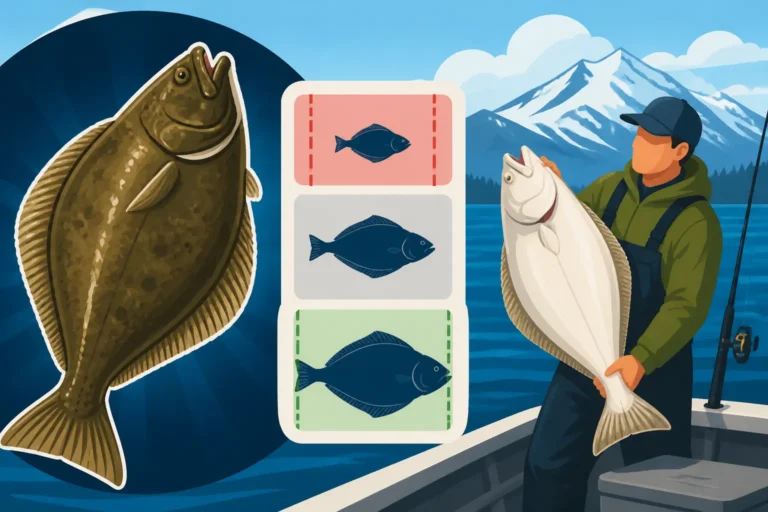
While there isn't a separate stamp for halibut, there are crucial regulations that specifically impact non-resident anglers, particularly those fishing on guided charters. The rules surrounding halibut, especially in key areas like Southcentral Alaska (including Homer and Seward), can be incredibly complex and are frequently updated via emergency orders. These might include daily bag limits that differ from residents, specific size restrictions like the "reverse slot limit" for charter-caught halibut, or even complete closure days (e.g., "Thursday closures") during peak season. These regulations effectively act as "opportunity costs" that anglers must understand before heading out. Our guide to Alaska Halibut Bag Limits Explained can help clarify these intricate rules.
These stamps and specific regulations are in addition to your base sport fishing license. Therefore, when planning your budget and license purchase, you need to think about your target species. If King Salmon is on your bucket list, factor in the cost of that stamp, which is similarly tiered by duration (1-day, 3-day, etc.). The costs for these stamps mirror the base license fees. Failing to secure the appropriate stamp could mean that trophy King Salmon you worked so hard to catch has to be released, or worse, results in a citation. It’s a small extra cost that can save a lot of heartache and ensure your entire catch is legal.
Here’s a quick overview of typical non-resident license and stamp costs:
| License Type (Non-Resident) | Duration | Approximate Cost (2024)* | Target Angler |
|---|---|---|---|
| Sport Fishing License | 1-Day | $15 | Quick trips, short stops |
| Sport Fishing License | 3-Day | $30 | Weekend trips, specific target fisheries |
| Sport Fishing License | 7-Day | $55 | Typical week-long fishing vacation |
| Sport Fishing License | 14-Day | $80 | Extended trips, multiple locations |
| Sport Fishing License | Annual | $145 | Multiple trips per year, very long stays |
| King Salmon Stamp | 1-Day | $15 | Anglers targeting/retaining King Salmon |
| King Salmon Stamp | 3-Day | $30 | Anglers targeting/retaining King Salmon |
| King Salmon Stamp | 7-Day | $55 | Anglers targeting/retaining King Salmon |
| King Salmon Stamp | 14-Day | $80 | Anglers targeting/retaining King Salmon |
| King Salmon Stamp | Annual | $145 | Anglers targeting/retaining King Salmon |
| *Costs are approximate and subject to change by ADF&G. Always check the official Alaska Department of Fish and Game website for the most up-to-date information before purchasing. |
The Step-by-Step Process for Purchasing Your License
Once you've determined the correct type and duration of license you need, the next step is actually acquiring it. Thankfully, Alaska has made this process relatively straightforward for non-residents, with options to purchase both online and in person.
The Convenience of Online Purchase
For most non-residents, purchasing your Alaska fishing license online well in advance of your trip is by far the easiest and most recommended method. This approach saves you valuable time and hassle once you arrive in Alaska, allowing you to hit the ground running (or fishing, as it were!). Imagine landing in Anchorage, picking up your rental car, and heading straight to your lodge near Cooper Landing without having to worry about finding a vendor before you can even wet a line. The convenience is truly unmatched.
The process itself is quite user-friendly. You'll want to navigate directly to the official Alaska Department of Fish and Game licensing website. Be cautious of third-party sites that might pop up in search results; always ensure you're on the official ADF&G page to avoid scams or unnecessary fees. On the website, you'll be prompted to provide standard personal information such as your full name, date of birth, current mailing address, and perhaps a driver's license or state ID number. You'll then select the type of sport fishing license (and any necessary stamps like the King Salmon Stamp) and the duration that matches your trip plans. The site will guide you through the payment process using a credit card.
Once your purchase is complete, you'll typically receive a digital copy of your license via email. It is absolutely crucial that you either print a physical copy of this license and keep it somewhere safe and waterproof, or save it as a PDF or image file on your smartphone. While digital copies are often accepted, having a physical backup is always a good idea, especially in remote areas where cell service might be spotty or your phone battery could die. There's nothing worse than being asked for your license by a game warden and not being able to produce it. For a detailed walkthrough of the online process, refer to our guide on How to Get an Alaska Fishing License Online.
Buying In-Person Upon Arrival
While buying online is the preferred method for many, sometimes circumstances dictate an in-person purchase. Perhaps your travel plans changed unexpectedly, you forgot to buy a stamp, or you simply prefer the traditional method of visiting a local shop. The good news is that Alaska offers numerous locations where you can purchase your non-resident fishing license and any required stamps upon arrival.
These physical vendors are typically found in most towns and cities across the state, especially those popular with anglers. You can expect to find licenses available at sporting goods stores, specialized tackle shops, many convenience stores, and often directly at the offices of fishing charters or lodges. For example, if you're staying in Soldotna on the Kenai Peninsula, you'll find several tackle shops along the Sterling Highway that not only sell licenses but can also provide invaluable local fishing reports and advice. Similarly, in coastal towns like Seward or Homer, most charter operations will either sell licenses themselves or direct you to the nearest vendor.
The benefit of buying in person is the immediacy and the chance to ask questions if you're unsure about specific regulations or need advice on local fishing conditions. However, there are potential drawbacks: you might encounter lines during peak season, especially in popular destinations, or you might find that smaller, more remote vendors have limited operating hours. Always be prepared with cash or a credit card, and remember to double-check that you're purchasing the correct license and any necessary stamps before leaving the counter. While convenient for last-minute needs, relying solely on in-person purchases can sometimes lead to delays, so planning ahead is generally advisable.
Key Considerations for Non-Resident Anglers
Beyond the basic purchase, there are several specific considerations that non-resident anglers need to be aware of, particularly regarding age requirements and how licenses interact with guided charter trips.
Age Requirements and Youth Fishing Licenses
One of the pleasant surprises for families planning an Alaska fishing trip is the relatively lenient age requirement for sport fishing licenses. In Alaska, children under the age of 16 generally do not need a sport fishing license to participate in recreational angling. This is fantastic news for families, as it makes introducing younger generations to the joys of Alaskan fishing more accessible and budget-friendly. It means your kids can experience the thrill of catching their first salmon or halibut without the added cost and paperwork for a base license.
However, there's a critical caveat that many parents, myself included, have almost overlooked in the past: if a child under 16 intends to keep a King Salmon, they will need to purchase a King Salmon Stamp. This is a very common point of confusion. While the base license is waived, the special conservation stamp for King Salmon applies to all anglers, regardless of age, if they plan to retain one of these prized fish. So, if your youngster is hoping to land and keep a trophy King, ensure they have that specific stamp. Failing to do so could lead to the confiscation of their catch or a citation. For a comprehensive overview of rules regarding young anglers, check out Alaska Youth Fishing License Rules.
This exemption for the base license is a deliberate effort by ADF&G to encourage youth participation in sport fishing, fostering a love for the outdoors and conservation from an early age. It’s a wonderful program that helps make Alaska fishing trips genuinely family-friendly. Even without a license, it's a great opportunity to teach children about responsible angling practices, proper catch-and-release techniques, and the importance of respecting the environment and its wildlife.
Fishing on Guided Charters and License Responsibilities
Many non-residents opt for the expertise and convenience of a guided fishing charter, especially for saltwater pursuits like halibut and rockfish, or for navigating complex rivers like the Kenai. It’s a fantastic way to maximize your chances of success and gain invaluable local knowledge. However, a common misconception is that the charter operator or guide provides your fishing license. This is generally not the case; while the charter provides the boat, gear, and expertise, you as the angler are solely responsible for having your valid Alaska sport fishing license and any necessary stamps.
Before booking, or at least before your trip begins, always confirm with your chosen charter whether they sell licenses on-site. Some larger operations, especially in popular ports like Homer or Seward, might have a small retail counter where you can purchase licenses and stamps directly before boarding. This can be a lifesaver if you forgot to buy yours online. However, it's never a guarantee, and waiting until the last minute might mean you miss your boat departure if there's a queue or a technical issue. The safest bet is to purchase your license online in advance and have it ready to go. Our article on Do Charters Include Alaska Fishing Licenses clarifies this in greater detail.
What your guide does provide is everything else you need for a successful and legal outing. They'll furnish the rods, reels, bait, tackle, and often even rain gear if needed. More importantly, they are experts in the local regulations and will ensure you understand the daily bag limits, size restrictions, and any current emergency orders applicable to your specific fishing grounds. They'll also help you properly record your catch on your harvest record card, especially for species like King Salmon. While they manage the operational aspects and navigate the rules on the water, the ultimate responsibility for carrying and presenting a valid license always falls on the individual angler.
Navigating Non-Resident Bag Limits and Harvest Recording
Even with your license and stamps in hand, your journey through Alaska's fishing regulations isn't quite over. Understanding and adhering to bag limits, possession limits, and the critical harvest recording system is paramount to a legal and ethical fishing experience.
Understanding General Bag and Possession Limits
Alaska's bag and possession limits are carefully designed to manage fish populations and distribute the angling opportunity fairly, while ensuring sustainability. For non-residents, these limits can sometimes be more restrictive than those applied to Alaskan residents. This differential is a common management tool used in states with high visitor interest to help protect vulnerable stocks, especially for highly sought-after species. It's not meant to penalize non-residents but to balance the overall fishing pressure on a shared resource.
Take King Salmon, for example. While residents might have a higher annual limit in some areas, non-residents often face lower annual limits, sometimes as few as one or two King Salmon per year, depending on the specific region and current run strength. Similarly, halibut regulations, particularly for guided anglers, are notoriously complex and can vary significantly by management area and even by the day of the week. For instance, in Southcentral Alaska, guided non-resident anglers might be subject to a "reverse slot limit" (only keeping fish within a certain size range, or over a certain size on specific days), or face "Thursday closures" where halibut retention is prohibited for charter clients. These specific rules for non-residents are a major point of consideration when planning a trip. You can learn more about general limits in our guide Alaska Fishing Limits and Bag Limits Explained, or specifically for halibut in Alaska Halibut Bag Limits Explained. For those chasing King Salmon, our guide on Alaska Nonresident King Salmon Annual Limit Explained offers crucial insights into those specific regulations.
The absolute golden rule here is to always check the most current regulations for the specific area and time you plan to fish. The ADF&G releases detailed regulation booklets each year, and critically, they issue "emergency orders" throughout the season that can change rules overnight based on real-time fish runs and conservation needs. A fishery that was open yesterday might be closed today, or a bag limit might be reduced. I strongly recommend bookmarking the ADF&G emergency order page on your phone and checking it daily, even while you’re fishing. Never rely on outdated information or hearsay; always go directly to the official source.
The Critical Role of the Alaska Harvest Record Card
The Alaska Harvest Record Card is perhaps one of the most important, and often misunderstood, components of your non-resident fishing license. It's not just a piece of paper; it's a vital tool for ADF&G to monitor and manage specific fish populations, particularly King Salmon. When you purchase your fishing license, whether online or in person, a physical Harvest Record Card is typically issued along with it, or you'll be instructed to print one yourself if bought digitally.
This card is mandatory for recording certain species immediately upon retention. The most prominent example is King Salmon. If you keep a King Salmon, you must, without delay, punch out or mark the date, species, and location on your Harvest Record Card as soon as the fish is onboard and secured. This immediate recording is critical to prevent over-harvesting and to provide accurate data to fisheries managers. Other species, or specific areas, might also require recording, so it's essential to consult the regulation booklet relevant to your fishing location. Our comprehensive guide Alaska Harvest Record Card Explained provides all the necessary details on how to use it correctly.
The consequences of failing to properly fill out your Harvest Record Card can be severe. Game wardens take this very seriously, as it’s a cornerstone of their management strategy. If you’re found with an unrecorded King Salmon, it could lead to fines, confiscation of your catch, and potentially even criminal charges, depending on the severity of the violation. Imagine the heartbreak of catching your dream King Salmon only to lose it due to a simple oversight. To avoid this, many seasoned anglers carry a small, waterproof pen attached to their license lanyard or keep it in an easily accessible pocket, ensuring they can mark their card the second a fish is retained. It’s a small step that protects your catch and contributes to the long-term health of Alaska's iconic fisheries.
Essential Tips for a Successful Non-Resident Fishing Experience
Beyond the licenses and regulations, a truly successful non-resident fishing trip to Alaska involves thorough preparation and a commitment to staying informed. This is not a "wing it" kind of destination.
Doing Your Homework Before You Go
Successfully navigating an Alaska fishing trip as a non-resident starts long before you ever step foot on Alaskan soil. This isn't like heading to your local pond; Alaska is vast, its fisheries are complex, and regulations can differ wildly from one region to another, or even from river to river. Therefore, doing your homework is arguably the most crucial step in planning. It’s about being proactive rather than reactive, ensuring you’re prepared for the unique challenges and incredible rewards Alaska offers.
Your first and most important resource should be the official Alaska Department of Fish and Game (ADF&G) sport fishing regulation booklets. These are available for free online as downloadable PDFs, typically broken down by region (Southcentral, Southeast, Arctic-Yukon-Kuskokwim, etc.). These booklets are the authoritative source for all regulations, including season dates, bag limits, gear restrictions, and special provisions. Do not rely solely on forum posts, old blog articles, or casual conversations, as rules change frequently. Spend time reading the section relevant to your specific destination. For instance, if you're targeting the Kenai River, familiarize yourself with its unique rules for King and Sockeye Salmon. Our guide on How to Read Alaska Fishing Regulations offers tips on how to effectively digest these detailed documents.
Beyond the official regulations, consider investing in reputable guidebooks or scouring established online resources that specifically cater to your chosen fishing area. Websites dedicated to Alaska fishing often provide more localized insights, though always cross-reference critical regulatory information with ADF&G. For example, if you plan to fish near Anchorage, look for resources that detail spots like Ship Creek or the Eklutna Tailrace. Researching the typical run timing for your target species in your chosen location is also vital – knowing When Do King Salmon Run in Alaska or When Do Sockeye Salmon Run in Alaska can make or break your trip. The more you know beforehand, the more confident and successful you'll be on the water.
Packing Smart and Staying Informed
Alaska's weather is famously unpredictable, often serving up "four seasons in one day." Therefore, packing smart is just as important as your license and regulations homework. You might start your day under a bright sun, only for a cold rain shower to move in, followed by strong winds. Layers are your best friend: breathable base layers, insulating mid-layers, and absolutely critical waterproof and windproof outer layers (jacket and pants). Don't skimp on quality rain gear; a cheap poncho won't cut it when battling a King Salmon in a downpour on the Kenai River. Waterproof boots are also essential, whether you're bank fishing or on a boat. You can find excellent quality rain gear, waterproof bags, and other essential fishing accessories on Amazon before your trip, often saving you money compared to last-minute purchases in Alaska.
Beyond your gear, staying continuously informed during your trip is equally vital. As mentioned earlier, the ADF&G issues emergency orders that can alter fishing regulations with very short notice. These changes are typically posted on the ADF&G website and often disseminated through local media. Make it a habit to check the ADF&G emergency order page every morning before you head out, especially during peak salmon seasons when management decisions are made rapidly based on real-time fish counts. A fishery might close entirely, bag limits could be reduced, or gear restrictions might be implemented overnight. Knowing this information can save you from a violation and ensure you’re fishing legally and effectively.
Finally, never underestimate the value of local knowledge. When you arrive, strike up conversations with tackle shop owners, guides, and even other anglers you meet on the water. These individuals often have the most up-to-date insights on where the fish are biting, what lures or baits are working best, and any subtle nuances of the current regulations or fishing conditions. A quick chat at a local tackle shop in Soldotna or Petersburg can often provide invaluable tips that significantly enhance your fishing success and overall experience.
Disclaimer
The information provided in this guide is intended for general informational purposes only and does not constitute legal advice. Alaska fishing regulations are complex and subject to change by the Alaska Department of Fish and Game (ADF&G) at any time, often through emergency orders issued with little notice. While we strive to provide accurate and up-to-date information, it is the sole responsibility of each angler to consult the official ADF&G regulations booklet and current emergency orders directly from the ADF&G website before and during their fishing trip to ensure full compliance. Neither the author nor the publisher assumes any liability for errors or omissions, or for any actions taken based on the information presented herein.