Best Fishing Techniques for Alaska
Many aspiring anglers dream of fishing in Alaska, picturing themselves battling giant salmon or hauling in a massive halibut. But the sheer scale and diversity of fishing opportunities here can feel utterly overwhelming, leaving many wondering where to even begin with the right techniques. This comprehensive guide is designed to demystify Alaska's unique fisheries, breaking down the most effective techniques for various species and environments, so you can approach your next Alaskan adventure with confidence and a solid plan.
Understanding Alaska's Diverse Fisheries and Their Demands
Alaska isn't just one type of fishery; it's a mosaic of incredible aquatic environments, each with its own rhythm, challenges, and rewards. Thinking you can use a single "best" technique for everything here is like trying to use a hammer for every carpentry job – you'll quickly realize you need a whole toolbox. The reality is, what works for sockeye salmon in a river might be utterly useless for halibut in the open ocean. Successfully navigating Alaska's waters means understanding these fundamental differences and adapting your approach.
River vs. Saltwater Techniques: A Fundamental Divide
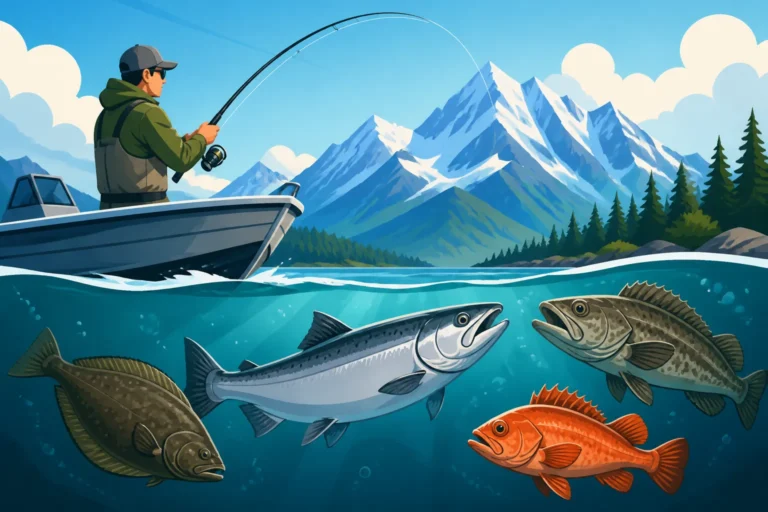
When people talk about Alaska fishing, they're often envisioning two distinct worlds: the bustling rivers teeming with salmon, trout, and char, or the vast, cold ocean waters where halibut, lingcod, and rockfish lurk. These environments demand completely different skill sets, gear, and strategies. Trying to apply a river technique like drift fishing for sockeye out in the deep blue sea for halibut simply won't work, and vice-versa. It's crucial to first identify which realm you'll be focusing on.
River fishing in Alaska often involves wading or fishing from a drift boat, targeting fish that are migrating upstream to spawn or resident trout feasting on insects and eggs. This typically means lighter tackle, more finesse, and techniques that present your bait or lure naturally with the current. The currents can be powerful, and the terrain uneven, demanding good wading boots and a keen eye for fish-holding lies. Techniques here are often about precision and presentation.
Saltwater fishing, on the other hand, usually involves fishing from a larger boat, often a charter vessel, in much deeper, more expansive waters. Here, you're contending with tides, ocean swells, and larger, more powerful species that demand heavy-duty gear. The techniques are often more about depth, scent, and brute force, designed to get your offering down to where the big fish live and then crank them up from hundreds of feet below. Whether you're targeting fish for sport or for personal use, understanding this initial split is paramount to success.
Matching Your Approach to Target Species
Alaska is home to an astonishing array of fish, and each species has its preferred habitats, feeding habits, and migratory patterns. What makes a King Salmon bite might send a Sockeye swimming in the opposite direction, and the techniques for each can be vastly different. It’s not enough to simply say you want to “catch salmon”; you need to narrow down which salmon, or which bottom fish, to truly optimize your chances.
For example, when you're after the powerful King Salmon, often called Chinook, you're dealing with a predatory fish that will aggressively strike at larger, flashy lures, back-trolled baits, or even large flies. They're often found in deeper runs and slower pools in rivers. Sockeye Salmon, conversely, are primarily plankton feeders in saltwater and become very finicky once they enter freshwater. Effective Sockeye techniques in rivers usually involve "flossing" with unbaited hooks or small beads to intercept them as they swim upstream, as they rarely feed aggressively once in the river system. Understanding these nuances is critical.
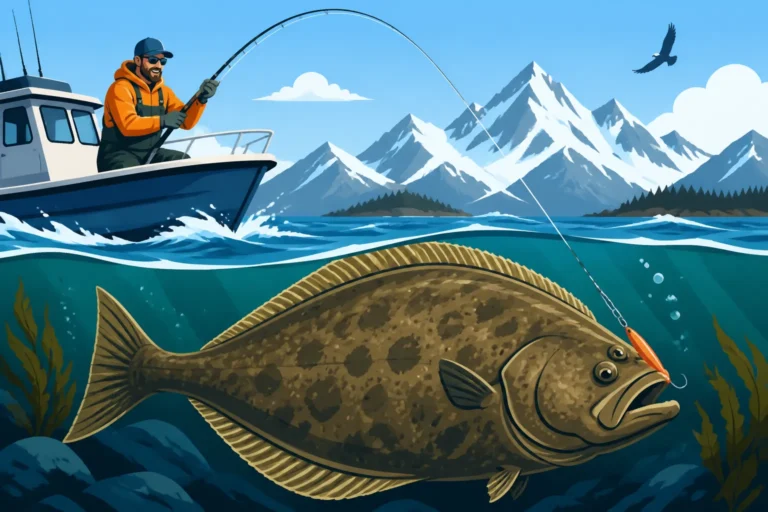
Similarly, in saltwater, targeting a massive "barn door" Halibut requires a heavy-duty setup, often involving large jigs or baited rigs fished on the ocean floor, sometimes hundreds of feet down. In contrast, catching feisty Coho (Silver) Salmon in the same saltwater environment might mean trolling with smaller spoons or herring near the surface. Every species has its quirks, and tailoring your technique to their specific behaviors is the hallmark of an effective Alaskan angler. This kind of specialized knowledge is key to making the most of your time on the water.
The Impact of Season and Water Conditions
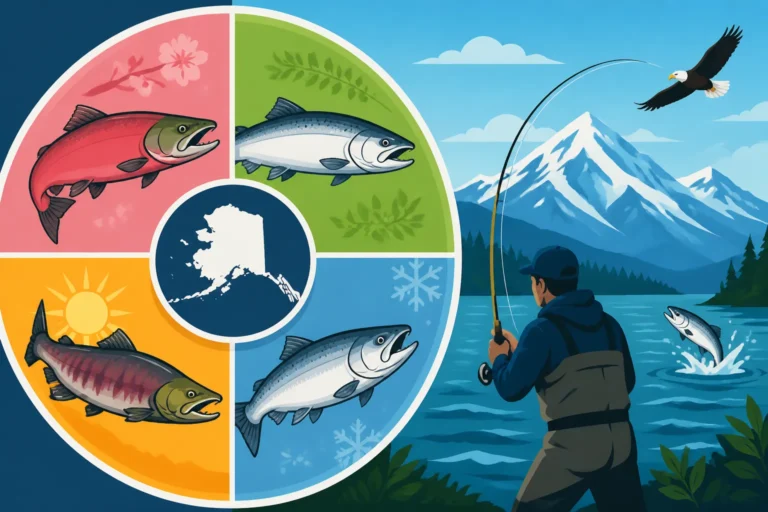
Alaska's environment is dynamic, and fishing conditions can change dramatically with the seasons and even day-to-day weather patterns. A technique that's red-hot in July might be completely ineffective in September, and what works during a sunny afternoon might falter during a rainy morning. Anglers who consistently find success are those who pay close attention to these environmental cues and are prepared to adapt their strategies. The Best Time to Fish in Alaska often varies significantly by species and location.
For river fishing, water levels are a huge factor. After heavy rains, rivers can become high and muddy, reducing visibility and making fish shy. In such conditions, louder, more vibrant lures or scented baits might be necessary to get a fish's attention. Conversely, during low, clear water, fish become warier, and a more subtle approach with lighter leaders and natural-looking presentations is often more effective. Temperature also plays a role; colder water can make fish more lethargic, requiring slower presentations, while warmer water might spur more aggressive strikes.
In saltwater, tides and currents dictate much of the action. Halibut, for instance, often feed most actively during tidal changes, when currents stir up baitfish and other food sources. Strong currents can also make it difficult to get your gear to the bottom, requiring heavier weights and precise boat positioning. Wind and swell can also impact your ability to fish safely and effectively. Staying informed about the Alaska Fishing Regulations Explained and local weather forecasts is not just good practice, it's essential for safety and success. Always be ready to change tactics, or even your target species, if conditions dictate.
Mastering River Techniques for Salmon and Trout
Alaska's rivers are legendary, drawing anglers from around the globe to experience some of the world's most incredible freshwater fishing. From the colossal King Salmon to the acrobatic Rainbow Trout, the rivers offer a rich tapestry of angling opportunities. However, these fish can be challenging, often requiring precise techniques to entice a bite, especially when they are focused on their upstream migration rather than active feeding.
Back-Bouncing and Drift Fishing: The Bread and Butter
For many river anglers in Alaska, especially those targeting Chinook (King) and Coho (Silver) salmon, back-bouncing and drift fishing are truly the bread and butter techniques. These methods are designed to present bait or lures naturally along the river bottom, right where migrating salmon tend to hold and travel. The frustration for many newcomers is getting their offering to stay in the strike zone without constantly snagging. But once mastered, these techniques are incredibly effective.
Back-bouncing involves using a heavy lead weight, typically a pencil lead or a slinky weight, rigged above a leader with a bait or lure. The idea is to "walk" the weight along the river bottom by bouncing it gently. As your boat or position drifts downstream, you periodically lift and drop your rod tip, allowing the weight to momentarily lift and then settle back onto the bottom. This keeps your bait or lure right in the fish's face for an extended period. It's particularly deadly for King Salmon in deeper holes and runs. Anglers often use cured salmon roe, prawns, or even larger plugs like Kwikfish. The key is to feel the bottom without getting hung up, which takes practice and a sensitive rod.
Drift fishing, on the other hand, is a slightly more passive approach, often done from the bank or by wading. Here, lighter weights are used, typically small split shots or pencil leads, to allow your bait (often a single salmon egg, a cluster of eggs, or a small bead) to tumble naturally with the current. The goal is a completely natural, drag-free drift that mimics a natural food item washing downstream. This technique is incredibly versatile and effective for a variety of species, including Rainbow Trout, Dolly Varden, and all species of salmon that are holding in shallower, faster water. The real challenge is finding the right amount of weight to get your offering down without impeding its natural drift.
| Technique | Target Species | Primary Application | Key Gear | Learning Curve |
|---|---|---|---|---|
| Back-Bouncing | King Salmon, Large Coho | Deep river runs, slow pools, boat fishing | Heavy lead, Kwikfish, cured roe | Medium-High |
| Drift Fishing | Sockeye, Coho, Trout, Dolly | Moderate currents, shallower water, bank/wade | Split shot, beads, single eggs | Medium |
| Flossing | Sockeye Salmon | Main current lanes, specific Sockeye rivers | Weighted leader, bare hook, small bead | Medium |
| Fly Fishing | Trout, Dolly, Grayling, Salmon | Clear water, specific hatches, all river types | Fly rod, reel, specific fly patterns | High |
| Bottom Fishing | Halibut, Lingcod, Rockfish | Deep saltwater, structure | Heavy jigs, large baits | Medium |
| Trolling | King Salmon, Coho, Rockfish | Open saltwater, lakes | Downriggers, flashers, spoons | Medium |
Flossing and Sockeye Specific Strategies
Ah, the Sockeye Salmon! These fiery red fish are legendary for their incredible fighting spirit and delicious flavor. However, they present a unique challenge to river anglers because, once they enter freshwater, they generally stop actively feeding. This often leads to immense frustration for those accustomed to traditional bait or lure fishing. The primary technique for catching Sockeye in Alaskan rivers is often referred to as "flossing" or "lining."
Flossing involves using a weighted leader and a bare, unbaited hook, or a small bead mimicking an egg, on a long leader. The idea is to cast upstream and allow the weighted leader to sink quickly, positioning the line to drift through the Sockeye's mouth as it swims upstream. When you feel a tug, it's typically the line briefly catching on the fish, and you set the hook. This technique is highly effective when large numbers of Sockeye are concentrated in tight migration lanes, such as on the Kenai River or Russian River. It requires precise casting, knowing the depth of the fish, and feeling the subtle "tick" of the line. It's a method born of necessity, given the Sockeye's non-feeding behavior, and while some find it less "sporting," it is undeniably effective for harvest.
Another effective strategy, especially prevalent in popular Sockeye rivers like the Kenai or the Copper River, involves using a weighted bare hook or a small, brightly colored bead on a leader. The weight is set about 18-36 inches above the hook, and the setup is cast across and slightly upstream. As the current carries the line downstream, the weight drags the leader and hook along the riverbed, positioning it to swing horizontally through the fish's path. When the line comes into contact with a salmon, the angler sets the hook. This technique, sometimes dubbed "combat fishing" due to the close quarters in popular areas, requires a lot of patience, a strong rod, and a certain amount of grit. Regardless of the specific variant, the goal remains the same: to legally hook a non-biting, migrating Sockeye. Remember to consult the Alaska Sockeye Salmon Fishing Regulations and Limits for the specific river you plan to fish, as rules can vary greatly.
Fly Fishing for Salmon and Trophy Trout
For many, the quintessential Alaska fishing experience is found with a fly rod in hand, casting to wild salmon or monstrous rainbow trout. Fly fishing here isn't just a technique; it's an art form, demanding skill, patience, and a deep appreciation for the delicate balance of the ecosystem. It's a fantastic way to connect with the incredible rivers, often in more serene settings than the busiest combat fishing zones.
When it comes to salmon on the fly, different species require different approaches. King Salmon will often hit large, flashy intruder patterns or big, weighted flies swung through deep pools. Coho (Silver) Salmon are incredibly aggressive and will readily chase and strike at brightly colored стримерs or poppers fished near the surface or swung through riffles. Sockeye, while not actively feeding, can be caught on small, unweighted beads that drift naturally amongst their migration paths, often requiring specialized nymphing or indicator techniques. The key is often finding the right depth and presentation speed. Understanding How to Fly Fish in Alaska specifically for salmon is a truly rewarding endeavor.
For trophy trout, particularly the legendary Rainbow Trout of the Bristol Bay region or the upper Kenai, fly fishing is often the most productive and thrilling method. These trout grow huge feasting on salmon eggs during the runs, and then on the decaying salmon carcasses and smolt. Techniques often include nymphing with egg patterns during salmon spawning, swinging flesh flies or leeches, or dry fly fishing during insect hatches. The clear, pristine waters demand delicate presentations and long leaders. Matching the hatch, or in Alaska's case, matching the spawn, is paramount. Locations like the Kwiguk or the Naknek River are world-renowned for their trout fishing, offering anglers the chance to hook fish that can push twenty pounds.
Spin Fishing with Lures and Bait
While fly fishing holds a special place, spin fishing remains one of the most popular and accessible techniques for anglers of all skill levels in Alaska. It's incredibly versatile, allowing for a wide range of lures and baits to be presented effectively, making it a go-to choice for many river-bound salmon and trout enthusiasts. The beauty of spin fishing is its adaptability and effectiveness across various species and conditions, often allowing beginners to find success quickly.
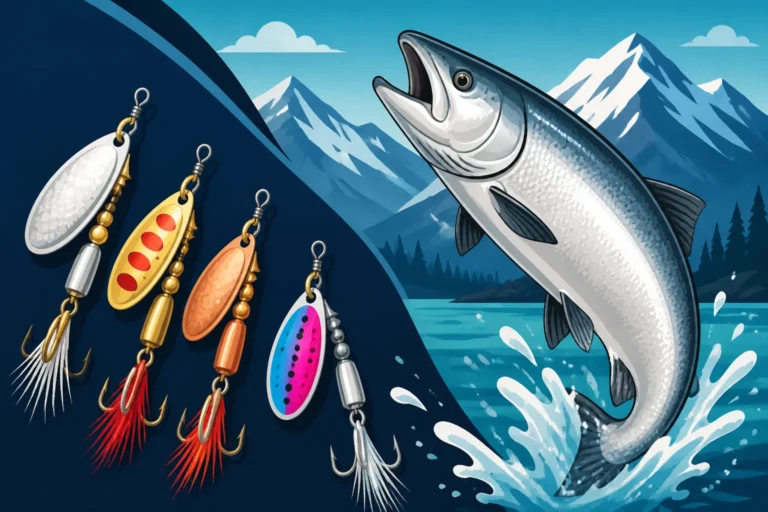
For King Salmon, spin fishermen often employ large, weighted spinners (like a Pixie or a Blue Fox Vibrax in sizes #5-7), hefty spoons (such as a Big Ed or a Lil' Cleo), or plugs (like a Kwikfish or a FlatFish) that are either cast and retrieved, or back-trolled from a boat. Cured salmon roe, fished under a bobber or on a drift rig, is also a highly effective bait for Kings. The key is getting these offerings down to where the fish are holding in the deeper runs and pools and presenting them with enough flash and vibration to trigger a strike from these powerful predators. Mastering the retrieve speed and understanding where Kings hold are crucial. For more details, check out How to Catch King Salmon in Alaska.
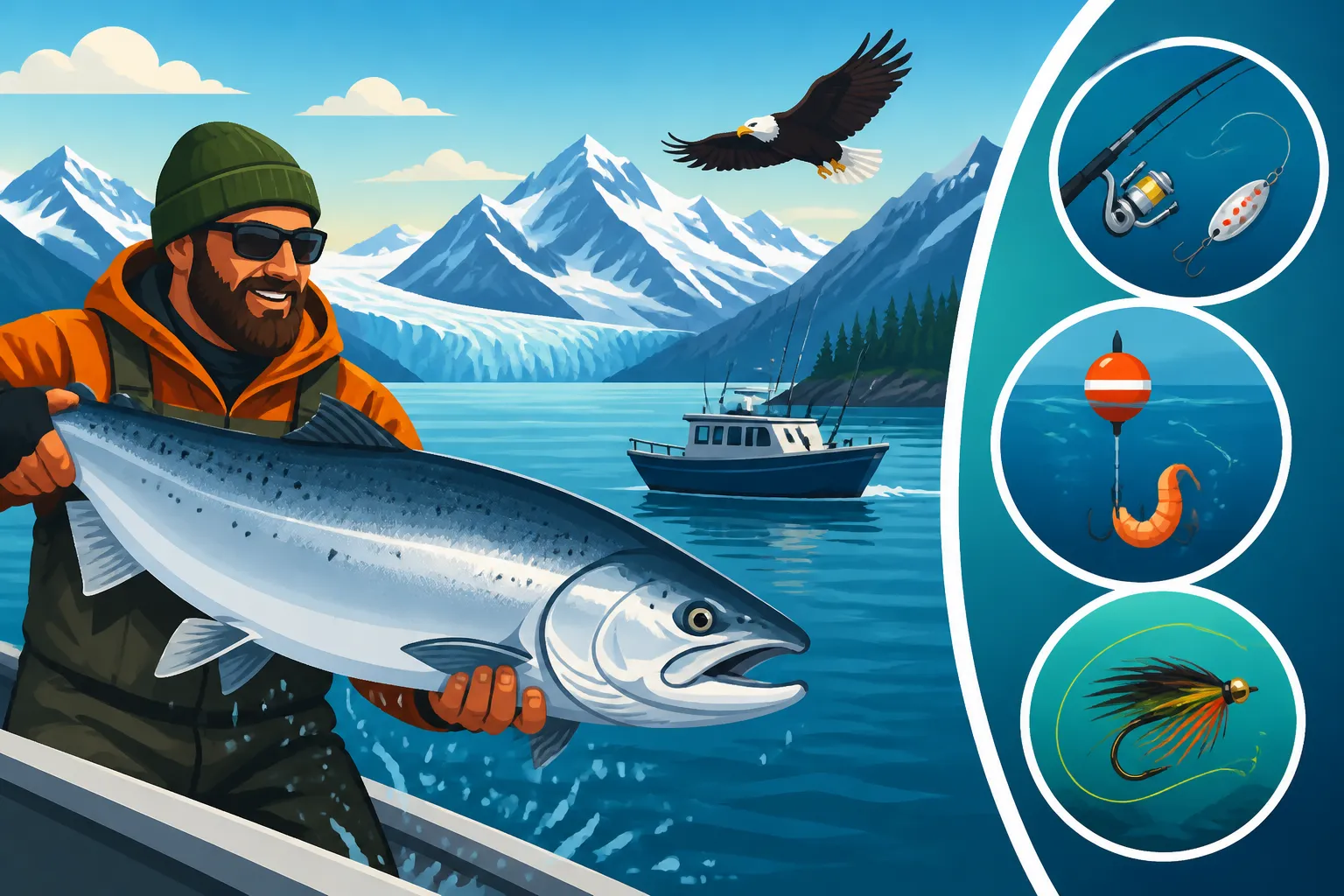
Coho (Silver) Salmon are notorious for their aggressive strikes, making them a blast on spin gear. Smaller spinners, spoons, and brightly colored jigs (often tipped with a piece of shrimp or cured roe) are incredibly effective. Silvers will often hit offerings retrieved with a twitching motion, mimicking an injured baitfish. They can be found throughout river systems, often in shallower water and slower eddies, and are accessible from both boat and bank. For Rainbow Trout and Dolly Varden, small spinners, spoons, and jigs are also excellent choices. Additionally, fishing with beads that imitate salmon eggs, either under a float or simply drifted, is incredibly productive, especially during and after the salmon runs when these opportunistic feeders are gorging themselves. Choosing the right Alaska Fishing Gear and Tackle Guide for spin fishing is essential for a successful trip.
Effective Saltwater Techniques for Halibut and Bottom Fish
Stepping aboard a saltwater charter in Alaska is like entering a whole different world of fishing. The vastness of the ocean, the often-choppy seas, and the sheer power of the fish that inhabit these depths demand robust gear and specialized techniques. If your dream is to haul up a "barn door" halibut or a feisty lingcod, understanding these saltwater methods is paramount.
Bottom Fishing and Jigging for Barn Doors
When you imagine catching a Halibut in Alaska, you're likely thinking of bottom fishing and jigging. These are the quintessential techniques for these flatfish, which spend their lives hugging the ocean floor, ambushing prey. The challenge lies in getting your offering down through hundreds of feet of water, often with strong currents, and then feeling the subtle (or sometimes not-so-subtle) bite of a fish that could weigh over a hundred pounds.
Bottom fishing typically involves using heavy lead weights, often 1 to 3 pounds or more, attached to a spreader bar or a simple sliding sinker rig. Two or more large, stout hooks are usually baited with cut herring, octopus, salmon heads, or even whole smaller fish like cod or mackerel. The rig is dropped directly to the seabed, and then slowly retrieved a few feet off the bottom to keep it out of snags. Anglers typically wait for the characteristic "thump-thump" of a halibut mouthing the bait before setting the hook. This method is effective because it presents a large, smelly meal directly in the halibut's strike zone. It requires patience and a good "feel" for the bottom, especially when drifting. For a deeper dive into this, see How to Catch Halibut in Alaska.
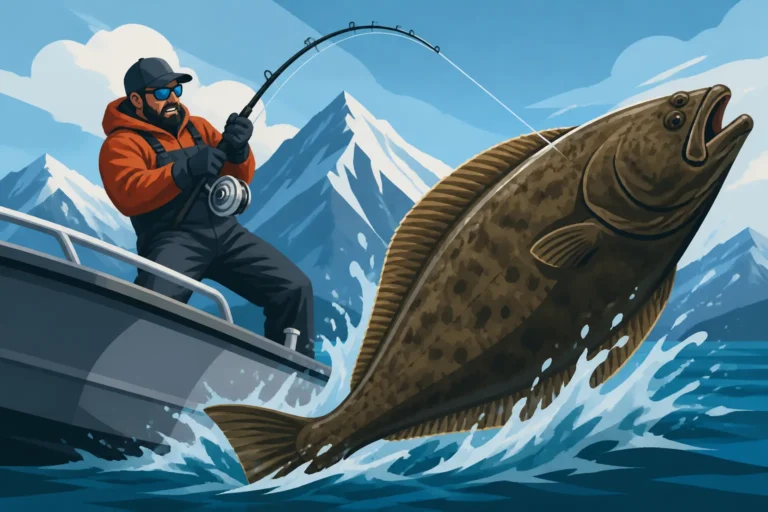
Jigging for halibut offers a more active and engaging experience. This technique involves using large metal jigs, often weighing 8 to 24 ounces, designed to imitate injured baitfish. The jig is dropped to the bottom and then rapidly retrieved a few feet, then allowed to flutter back down, creating a "jigging" motion. Halibut will often strike these jigs aggressively. Many jigs are tipped with a strip of bait like herring or a large grub to add scent and appeal. This method is particularly exciting as the strike is often immediate and powerful, leading to a direct battle with the fish. Successful jigging requires a strong back, a heavy-duty rod and reel, and the ability to work the jig continuously, especially in areas like Homer or Seward where halibut congregate near structure.
Trolling for Pelagic Salmon and Rockfish
While bottom fishing dominates for halibut, trolling is the go-to technique for targeting migrating salmon in the open saltwater, as well as various species of rockfish. This method allows anglers to cover a vast amount of water, presenting lures or bait at specific depths and speeds to intercept actively feeding fish. The constant motion can be both mesmerizing and incredibly effective.
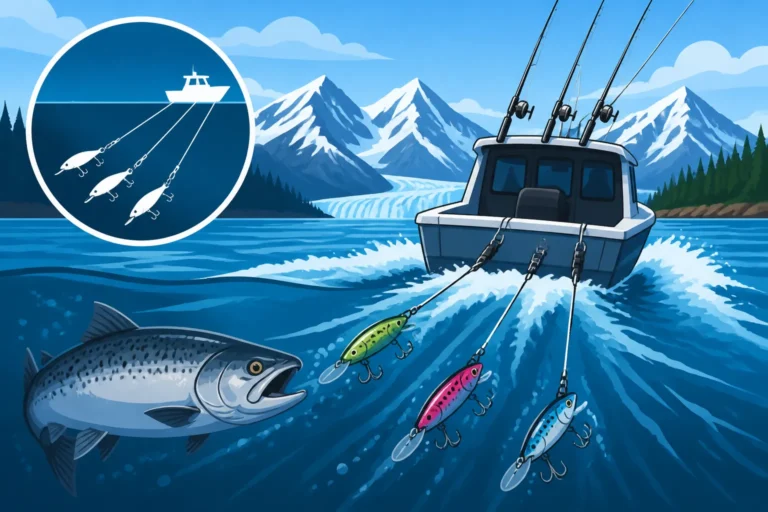
For King Salmon and Coho Salmon in the saltwater, trolling is incredibly productive. Charters often use downriggers to get lures, spoons, or herring baits down to specific depths where salmon are feeding. Flashers or dodgers are commonly used in conjunction with these presentations to attract fish from a distance, mimicking schools of baitfish. The speed of the troll, the depth, and the color of the lure can all be critical factors. Different areas, like Prince William Sound or Resurrection Bay, will have specific depths and presentations that are historically more effective depending on the season and prevailing conditions. When you're trolling, it's often a game of patience, waiting for that rod to suddenly double over as a salmon hits.
Rockfish, including colorful species like Yelloweye and Black Rockfish, can also be targeted effectively by trolling, especially with jigs or weighted lures that run deeper. However, they are more often caught while bottom fishing or jigging for halibut in areas with rocky structure. When trolling for salmon, you might inadvertently pick up a rockfish, especially if your gear is running near the bottom or close to known rocky ledges. The key to successful trolling is understanding the depths your target species are holding at, the optimal speed for your lure's action, and utilizing electronics (like fish finders) to locate bait balls and schools of salmon. Knowing the Alaska Salmon Run Timing Explained by region can greatly improve your trolling success.
Understanding Tides and Structure
In saltwater fishing, the ocean's rhythm—its tides and currents—and the underwater landscape are arguably more important than almost any other factor. Ignoring these elements is like trying to navigate a river blindfolded; you'll likely end up frustrated and empty-handed. Successful Alaskan saltwater anglers are masters at reading the ocean.
Tides are the pulse of the ocean, dictating when and where fish will feed. For halibut, a moving tide is generally a good tide. As the water moves, it stirs up the seabed, dislodging baitfish and crustaceans, making them vulnerable. Halibut will often position themselves on the upstream side of structure, waiting to ambush prey carried by the current. The peak of the incoming or outgoing tide, or the "slack tide" when the water briefly stops moving, can be hot times, but this varies by location and even by day. Strong currents during powerful tides can make it difficult to get your gear down, requiring heavier weights and precise boat handling, but these are often the times when the big fish are most active.
Structure refers to any underwater feature that provides cover, food, or current breaks for fish. This includes rocky reefs, ledges, drop-offs, pinnacles, and even wrecks. Halibut, Lingcod, and Rockfish absolutely love structure. They use it to hide from predators, ambush prey, and escape strong currents. A good chart plotter and fish finder are invaluable tools for locating these prime spots. For instance, a steep drop-off where a shallow bank plunges into a deep trench is often a fantastic place to find halibut. Lingcod will often cling to rocky pinnacles and reefs. Knowing how to interpret your electronics to identify promising structure and then positioning your boat to fish it effectively is a skill that takes years to hone, but it’s what separates the consistently successful anglers from those who merely hope for a bite. Understanding how Alaska Halibut Charter Regulations Explained might also influence where and how you target fish around structure.
Specialized Techniques for Unique Alaska Experiences
Beyond the conventional river and saltwater sport fishing, Alaska offers several unique and sometimes controversial angling experiences that are deeply embedded in the local culture and fishing traditions. These methods often target specific species during their peak runs and can be incredibly productive, providing sustenance for many Alaskans.
Dip Netting for Personal Use Fisheries
Dip netting is a truly Alaskan experience, particularly for Sockeye Salmon, and it's a practice almost exclusively reserved for Alaskan residents in certain designated personal use fisheries. For visitors, it's often a fascinating spectacle to witness, especially during the legendary runs on the Kenai and Chitina Rivers. This technique is all about sheer volume and providing a freezer full of salmon.
The basic premise of dip netting involves using a large, long-handled net, sometimes several feet in diameter, to scoop salmon directly from the water as they migrate upstream. In places like the Chitina, anglers stand on platforms or rocks along the river's edge, holding their nets in the current, waiting to feel the telltale thud of a salmon swimming into it. On the Kenai River's personal use fishery at the mouth, boats are used, and nets are deployed over the bow, effectively intercepting waves of Sockeye pushing into Cook Inlet. It's a physically demanding activity, often done in crowded conditions, but the rewards are substantial.
The regulations surrounding dip netting are very specific and strict, covering everything from the size of the net to the times and locations where it's permitted. A special permit is required, in addition to an Alaska fishing license. This isn't a sport fishery in the traditional sense; it's a harvest fishery, and the focus is on filling your freezer. Many Alaskan families rely on their annual dipnetting bounty for sustenance throughout the year. For non-residents, understanding these rules is crucial, as attempting to dip net without proper authorization can lead to severe penalties. For residents looking to participate, checking out Alaska Dip Netting Regulations is the first step.
Snagging in Terminal Harvest Areas
Another distinctive, and often debated, fishing technique found in Alaska is snagging. Unlike traditional angling where fish are enticed to bite a hook in their mouth, snagging involves using a weighted, bare hook (or multiple hooks) to intentionally "snag" a fish anywhere on its body. This method is generally frowned upon in most sport fisheries due to ethical concerns and potential for injury to fish. However, in specific, designated "terminal harvest areas" where fish are destined for harvest anyway, and where traditional techniques become ineffective due to high concentrations of fish, it is legally permitted.
Terminal harvest areas are typically found at the very end of a fish's migration, often close to hatcheries or weir sites, where fish are so densely packed that they've stopped responding to traditional lures or baits. Ship Creek in Anchorage during the King and Coho runs is a prime example. The objective here is to harvest fish for food, not for sport. Anglers cast heavily weighted treble hooks and perform a sweeping motion to hook fish in their bodies. It's often a crowded and chaotic scene, frequently referred to as "combat fishing."
While it might not be every angler's ideal experience, for many Alaskans, snagging in these regulated areas provides an efficient means of harvesting salmon for personal consumption, especially during strong runs. It is absolutely critical to understand that snagging is only legal in very specific locations and during very specific seasons, as outlined by the Alaska Department of Fish and Game. Attempting to snag outside of these designated areas is a serious violation and carries heavy fines. Always consult the current regulations for the specific body of water you intend to fish.
Ice Fishing: A Winter Wonderland Pursuit
When winter descends upon Alaska and the rivers and lakes freeze solid, a whole new world of fishing opens up: ice fishing. This technique offers a serene yet often surprisingly productive way to catch fish, from Rainbow Trout and Arctic Char to Northern Pike and Burbot. It's a stark contrast to the summer's bustling riverbanks and ocean charters, offering a unique, tranquil connection to Alaska's winter landscape.
Ice fishing involves drilling holes through the ice with an auger (either manual, power, or propane-powered) and then fishing through these holes. Anglers typically use short, sensitive ice fishing rods, often equipped with small jigs tipped with bait (like a piece of shrimp, a maggot, or a mealworm) or small spoons. A Vexilar or similar fish finder is invaluable for locating fish under the ice and seeing how they react to your presentation. Staying warm is paramount, so a good ice fishing shelter, warm clothing, and portable heaters are common. Popular ice fishing spots include lakes near Anchorage, Fairbanks, and on the Kenai Peninsula.
Target species vary by location. For example, lakes like Big Lake or Wasilla Lake near Palmer are popular for Northern Pike, which can be caught using larger minnows or cut bait under tip-ups (devices that signal a bite). Rainbow Trout and Arctic Char are often found in stocked lakes or deeper natural lakes, biting on small jigs and bait. Burbot, a freshwater cod relative, are often targeted at night using glow-in-the-dark jigs tipped with herring. Ice fishing in Alaska demands patience and resilience to the cold, but the quiet solitude and the thrill of pulling a fish through a small hole in the ice are incredibly rewarding. It's a fantastic way to extend your fishing season long after the open water thaws.
Essential Gear and Tackle for Each Technique
Successfully executing any of Alaska's diverse fishing techniques relies heavily on having the right tools for the job. You wouldn't bring a butter knife to a steak dinner, and you certainly shouldn't show up to an Alaskan fishing trip with inadequate gear. The sheer power of the fish, the variable weather, and the rugged terrain demand robust, reliable equipment. Thinking through your gear beforehand, from the rod in your hand to the lures in your tackle box, is a critical step in preparing for a successful trip.
Rod, Reel, and Line Selection
The foundation of any fishing technique is the rod, reel, and line, and in Alaska, these need to be chosen with care to match the target species and method. Using a lightweight trout setup for King Salmon, for example, is a recipe for a broken rod and a lost fish, leading to immense disappointment.
For river salmon fishing, especially King Salmon, you'll want a heavy-action, stout spinning or casting rod, typically 8.5 to 10.5 feet long, capable of handling 15-30 lb line. This length provides leverage for casting and fighting powerful fish in strong currents. Paired with a robust reel (like a Penn Battle or a Shimano Baitrunner) with a smooth drag system and spooled with 40-60 lb braided line (with a fluorocarbon or monofilament leader of 20-40 lb test), you'll be well-equipped. For Sockeye and Coho in rivers, a medium-heavy action rod, 9-10 feet, with 20-30 lb braided line and a 15-20 lb leader, is more appropriate. For fly fishing for salmon, a 9-10 weight rod, 9-10 feet long, with a reliable large-arbor reel and appropriate weight-forward or shooting head line, is standard.
When pursuing trophy rainbow trout on the fly, a 6-8 weight fly rod, 9 feet long, paired with a matching large-arbor reel and floating or sinking tip lines, will handle even the largest 'bows. For spin fishing trout, a medium-light to medium action rod, 7-8 feet, with a sensitive tip, spooled with 10-15 lb braided line and a 6-10 lb fluorocarbon leader, is ideal. For saltwater halibut and bottom fish, the gear becomes significantly heavier. You'll need a heavy-duty, short (5.5-7 foot) boat rod with a fast action, often rated for 50-100 lb line. This is paired with a large conventional reel (like a Penn Fathom or a Daiwa Saltiga) spooled with 80-150 lb braided line, often with a heavy monofilament top shot. This immense power is necessary to battle fish that can weigh over 200 pounds from deep water. You can find many suitable options on Amazon, making it convenient to gear up.
Lures, Baits, and Fly Patterns
The bewildering array of lures, baits, and flies available can be daunting, but choosing the right one for your target species and technique is crucial. It’s not just about what looks good to you, but what appeals to the fish's natural instincts and feeding patterns.
For river salmon:
- King Salmon: Large spinners (Blue Fox Vibrax, Pixie), Kwikfish or FlatFish plugs, large spoons (Lil' Cleo, Big Ed), cured salmon roe (especially in mesh bags), large intruder flies (for fly fishing).
- Sockeye Salmon: Bare hooks on weighted leaders, small plastic beads (often 8-12mm, in colors like "creme" or "tangerine"), small yarn flies.
- Coho Salmon: Medium spinners (Blue Fox Vibrax, Rooster Tail), small spoons (Pixie, Koho), brightly colored jigs (pink, chartreuse), cured salmon roe, flesh flies, streamers (for fly fishing).
- Rainbow Trout/Dolly Varden: Egg patterns (Glo Bugs, Trout Beads), flesh flies, sculpin patterns, stonefly nymphs, small spinners (Mepps, Panther Martin), small spoons.
For saltwater species:
- Halibut: Large lead jigs (P-Line Laser Minnow, Berkley PowerBait Jig), cut bait (herring, salmon heads, octopus), whole or cut smaller fish. Often, jigs are tipped with bait for added scent.
- Lingcod/Rockfish: Heavy metal jigs, large soft plastic swimbaits (weighted), lead-head jigs with grub tails, cut bait on gangion rigs.
Always carry a variety of options and be prepared to switch if one isn't working. Fish can be finicky, and sometimes a slight change in color, size, or action is all it takes to trigger a bite. For many of these specific items, checking trusted online retailers like Amazon can provide a wide selection and detailed reviews to help you choose wisely. This also applies to items mentioned in our Alaska Salmon Run Timing Explained guide, as gear choices often align with specific runs.
Navigational and Safety Equipment
Beyond the fishing gear itself, having the right navigational and safety equipment is non-negotiable in Alaska. The wilderness here is vast and unforgiving, and conditions can change rapidly. Being prepared isn't just a good idea; it can be a matter of life or death.
For river fishing, especially if you're venturing into remote areas or fishing from a drift boat, a good GPS or a reliable navigation app on your phone (with downloaded offline maps) is essential. Knowing where you are, where the rapids are, and where your takeout point is can prevent you from getting lost or stranded. Communication is also key: a satellite messenger device (like a Garmin InReach or Spot device) is highly recommended, as cell service is often non-existent in the backcountry. Bear spray, easily accessible on your person, is an absolute must, given Alaska's dense bear populations, especially around salmon streams. A first-aid kit, emergency fire starting supplies, and extra layers of clothing are also critical.
For saltwater fishing, especially if you're on a private boat (charters will handle this), navigational equipment like a GPS, radar, and a reliable VHF radio are standard. Safety gear like life jackets for everyone on board, flares, an emergency position-indicating radio beacon (EPIRB), and a comprehensive first-aid kit are legally required and absolutely essential. Given the cold waters, a survival suit or immersion suit is highly recommended for offshore trips. Always file a float plan with someone on shore, detailing your intended route and return time. Being prepared for emergencies ensures that a fantastic fishing trip doesn't turn into a nightmare. Knowing what to expect on the water is just as important as knowing When to Fish for Each Salmon Species in Alaska, as safety can directly impact your ability to be out there.
Reading the Water and Adapting Your Approach
Alaska's fishing isn't just about the tackle; it's profoundly about understanding the dynamic environment around you. The most experienced anglers aren't necessarily those with the fanciest gear, but those who can "read the water" – interpreting subtle cues to locate fish and present their offerings effectively. This skill is honed over years, but even a beginner can start to develop it by paying close attention.
Interpreting Water Flows and Currents
Water flow and current are the lifeblood of Alaska's rivers and a major force in its saltwater environments. Fish are incredibly sensitive to these forces, using them to conserve energy, hide from predators, and ambush food. Learning to interpret these flows is fundamental to success in any Alaskan fishing scenario.
In rivers, the current creates distinct features:
- Seams: These are lines where fast water meets slow water. Fish often sit in the slower water, just out of the main current, waiting for food to drift by in the faster lane. Casting your lure or fly to drift along these seams is often incredibly productive.
- Eddies: These are areas where the current forms a circular or reverse flow, often behind large rocks, logs, or bends in the river. Eddies provide resting spots for migrating fish and can accumulate food, making them prime holding lies.
- Riffles and Runs: Riffles are shallower, faster-moving sections, often oxygen-rich, where smaller fish and insects might be found. Runs are deeper, smoother sections of current. Salmon might push through riffles and hold in the deeper runs. Trout often feed in the tail-outs of runs where food washes into slower water.
Understanding how fish use these features to their advantage will help you place your casts and drifts precisely where the fish are most likely to be.
In saltwater, currents are primarily driven by tides, but also by wind and larger ocean patterns. Strong currents can concentrate baitfish, leading to feeding frenzies for salmon and other predators. For bottom fish like halibut, currents can sweep food across the seabed, making certain areas more productive during specific tidal phases. However, currents can also make it challenging to keep your gear on the bottom or present it naturally. Learning to read your boat's drift, adjusting your weight, and utilizing current breaks around underwater structure are crucial skills. The ability to anchor effectively or manage your boat's drift in varying currents is what separates a good saltwater captain from a frustrated one.
Identifying Fish Holding Lies and Feeding Zones
Once you understand how water flows, the next step is to combine that knowledge with what you know about fish behavior to identify "holding lies" (where fish rest) and "feeding zones" (where they actively hunt). This intuitive understanding of where fish should be is a huge advantage.
In rivers, salmon, trout, and char are highly selective about where they expend energy.
- Holding Lies: These are typically spots where fish can rest out of the main current but still have access to passing food. Deep pools, the slower water behind large boulders, under cut banks, or in the soft water on the inside bend of a river are classic holding lies for migrating salmon. They need to conserve energy for their long journey upstream.
- Feeding Zones: For trout and char, feeding zones are often where food is concentrated. The tail-outs of pools where insects or salmon eggs collect, seams where currents merge, or below spawning salmon where eggs wash downstream are prime spots. King Salmon, even though migrating, will often hold in specific ambush points, waiting to strike at a passing meal, making these also feeding zones. Looking for subtle signs like rising fish (for trout) or disruptions on the surface can also indicate active feeding.
In saltwater, fish holding and feeding are often associated with baitfish and structure:
- Holding Lies: For halibut, this is usually the bottom, especially near underwater structures like reefs, pinnacles, or drop-offs. They'll lay camouflaged on the seabed, waiting. Rockfish and Lingcod also hold tightly to these rocky structures.
- Feeding Zones: Often indicated by concentrations of baitfish on your fish finder, diving birds, or active splashes on the surface. Salmon will follow baitfish schools, often pushing them against structure or into shallower areas. Halibut will move onto shallower banks or ledges during certain tides to feed. For instance, when fishing in Kachemak Bay near Homer, anglers will often look for schools of baitfish before deploying their gear, knowing that larger predators won't be far behind.
Flexibility and Persistence: The Keys to Success
If there's one overarching lesson for fishing in Alaska, it's that flexibility and persistence are paramount. The fish don't always read the rulebook, and conditions can change in an instant. The angler who can pivot, adapt, and keep trying despite setbacks is the one who ultimately finds success.
Flexibility means being willing to change your technique, your lure, your bait, or even your location if what you're doing isn't working. If the water is muddy, switch to a brighter, louder lure or a scented bait. If fish aren't hitting your spinner, try a jig or switch to a fly. If a spot isn't producing, don't be afraid to move to another. Alaska's fisheries are incredibly dynamic, and what worked yesterday might not work today. This also extends to being open to new approaches, such as understanding the difference between Alaska Sport Fishing vs Personal Use regulations if your primary goal is simply to harvest fish.
Persistence is simply refusing to give up. Some days in Alaska, the bite is just tough. You might cast for hours without a single strike, or you might hook a monster only to have it break your line. It's easy to get discouraged, but the most successful anglers are those who keep their spirits up, keep casting, keep experimenting, and keep believing that the next bite could be the one. Often, a brief window of opportunity will open up, and those who have patiently put in the time will be there to capitalize on it. Embrace the challenge, enjoy the stunning surroundings, and understand that every cast is a new chance.
Ethical Angling and Conservation Practices
Fishing in Alaska isn't just about catching fish; it's about being a responsible steward of an incredibly valuable and fragile resource. The sheer abundance of Alaska's fisheries is a gift, and it's up to every angler to ensure they contribute to its long-term health. Ethical angling and strict adherence to conservation practices are not optional; they are fundamental responsibilities.
Catch-and-Release Best Practices
While many come to Alaska to harvest fish for their freezers, catch-and-release is an integral part of maintaining healthy fish populations, especially for sensitive species like trophy rainbow trout, steelhead, and wild King Salmon. When releasing fish, doing it properly maximizes their chances of survival.
Key catch-and-release best practices include:
- Minimize Fight Time: Use appropriate tackle to land the fish as quickly as possible, reducing stress and exhaustion. Prolonged fights can deplete a fish's energy reserves, making it more vulnerable to predators or disease after release.
- Keep Fish in Water: Avoid removing fish from the water whenever possible. The air can damage their delicate gills and remove the protective slime layer that guards against infection. If you must remove a fish for a quick photo, do so quickly and support its body horizontally.
- Handle Gently with Wet Hands: If you need to handle the fish, wet your hands thoroughly first to minimize the removal of its protective slime coat. Avoid squeezing the fish, especially around its internal organs or gills.
- Use Barbless Hooks: Crushing the barb on your hook or using hooks that are manufactured barbless makes it much easier to remove the hook quickly and with less damage to the fish's mouth. Many Alaskan rivers have regulations requiring barbless hooks, especially for trout.
- Proper Hook Removal: Use forceps or pliers to remove the hook. If the fish is deeply hooked and removing it would cause excessive damage, cut the line as close to the hook as possible. The hook will often rust out over time.
- Revive the Fish: Hold the fish gently in the current, facing upstream, until it can swim away under its own power. You'll feel it regain strength as it starts to kick. Do not toss a dazed fish back into the current; it's an easy meal for predators.
Practicing these steps diligently helps ensure that the fish you release can go on to spawn and contribute to future generations, sustaining Alaska's incredible fisheries. Many parts of the Kenai River, for example, have Alaska Rainbow Trout Regulations that emphasize catch-and-release to protect trophy fish.
Minimizing Impact and Following Regulations
Alaska's wild places are precious, and every angler has a role in protecting them. Minimizing your environmental impact and meticulously following all fishing regulations are critical aspects of ethical angling. Ignoring these rules not only risks fines and penalties but also harms the very resource you came to enjoy.
Minimizing your impact means adhering to a "leave no trace" ethic. Pack out everything you pack in, including all trash, discarded fishing line, and any organic waste. Avoid disturbing sensitive spawning beds by wading through them, especially during spawning seasons. Use designated access points and trails to prevent erosion. Be mindful of wildlife; never approach or harass bears, moose, or other animals. Keep a clean camp, properly store food, and use bear-resistant containers to avoid dangerous wildlife encounters.
Following regulations in Alaska can be complex, as rules vary by region, species, time of year, and even specific river sections. It is your responsibility to know and adhere to all current regulations. This includes:
- Purchasing an Alaska Fishing License: Complete Guide and any necessary stamps (like a King Salmon Stamp).
- Understanding bag and possession limits for each species you target. For instance, Alaska Halibut Bag Limits Explained can be very specific, changing based on charter or unguided status, and even the day of the week.
- Knowing seasonal closures and time restrictions for specific fisheries.
- Adhering to gear restrictions, such as bait bans, single-hook rules, or barbless hook requirements.
- Properly filling out your Alaska Harvest Record Card Explained for species like King Salmon and Halibut.
- Checking for Emergency Orders before you go fishing, as these can change regulations overnight due to conservation concerns.
Ignorance of the law is not an excuse, and Alaska Fish and Game Troopers are vigilant. By being informed and responsible, you contribute to the sustainability of Alaska's world-class fishing for generations to come.
Fish Care and Preservation
For the fish you choose to harvest, ensuring proper care and preservation immediately after catching is vital for maintaining meat quality. No one wants to bring home fish that tastes anything less than perfect, especially after all the effort. Prompt and correct handling makes all the difference.
As soon as a fish is harvested, the priority should be to dispatch it quickly and humanely. A sharp blow to the head or a cut to the gill arch to bleed the fish out are common methods. Bleeding the fish immediately after capture significantly improves the quality of the meat by removing lactic acid and blood, which can contribute to a "fishy" taste and shorter shelf life. Once bled, the fish should be cooled rapidly. On a boat, this usually means placing it immediately into a slush of ice and saltwater in a large cooler. The colder you can get the fish, the better its quality will remain.
Once off the water, the fish should be filleted and processed as soon as possible. Professional fish processors, widely available in Alaskan fishing towns like Homer, Seward, or Valdez, can expertly fillet, vacuum seal, and flash freeze your catch, preparing it for safe transport home. If you're processing your own fish, ensure your tools are sharp and clean. Vacuum sealing is the gold standard for preserving fish, as it removes air that can cause freezer burn. Proper labeling with the species and date is also important. Finally, for transport, ensure your fish is frozen solid and packed in insulated fish boxes approved for airline travel, following all shipping regulations for Alaska Fish Transport and Shipping Rules. Investing in proper fish care ensures that the delicious bounty of Alaska makes it from the water to your plate in peak condition.
Disclaimer
The information provided in this guide is for general informational purposes only and does not constitute legal or professional advice. Fishing regulations in Alaska are complex and subject to change frequently, sometimes on an emergency basis. It is the sole responsibility of each angler to consult the most current Alaska Department of Fish and Game regulations and emergency orders for the specific waters they intend to fish before heading out. Failure to do so can result in significant fines and penalties. Always prioritize safety and environmental stewardship.