What Is the Alaska Harvest Record Card
Navigating the myriad rules and regulations of Alaska fishing can feel like trying to untangle a particularly stubborn knot in your fishing line. Among the most crucial, yet often misunderstood, components for anglers, especially those targeting specific species, is the Alaska Harvest Record Card. This guide is here to demystify what this card is, why it's essential, and precisely how to use it correctly to ensure your Alaskan fishing adventure stays on the right side of the law.
What Exactly Is the Alaska Harvest Record Card?
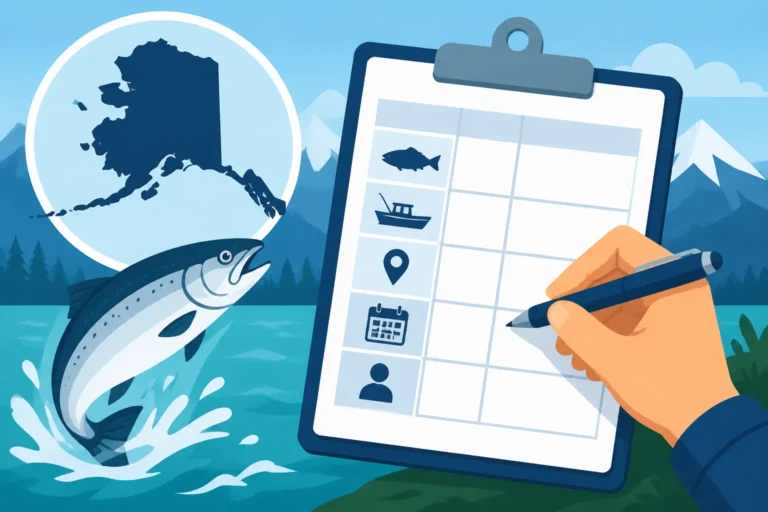
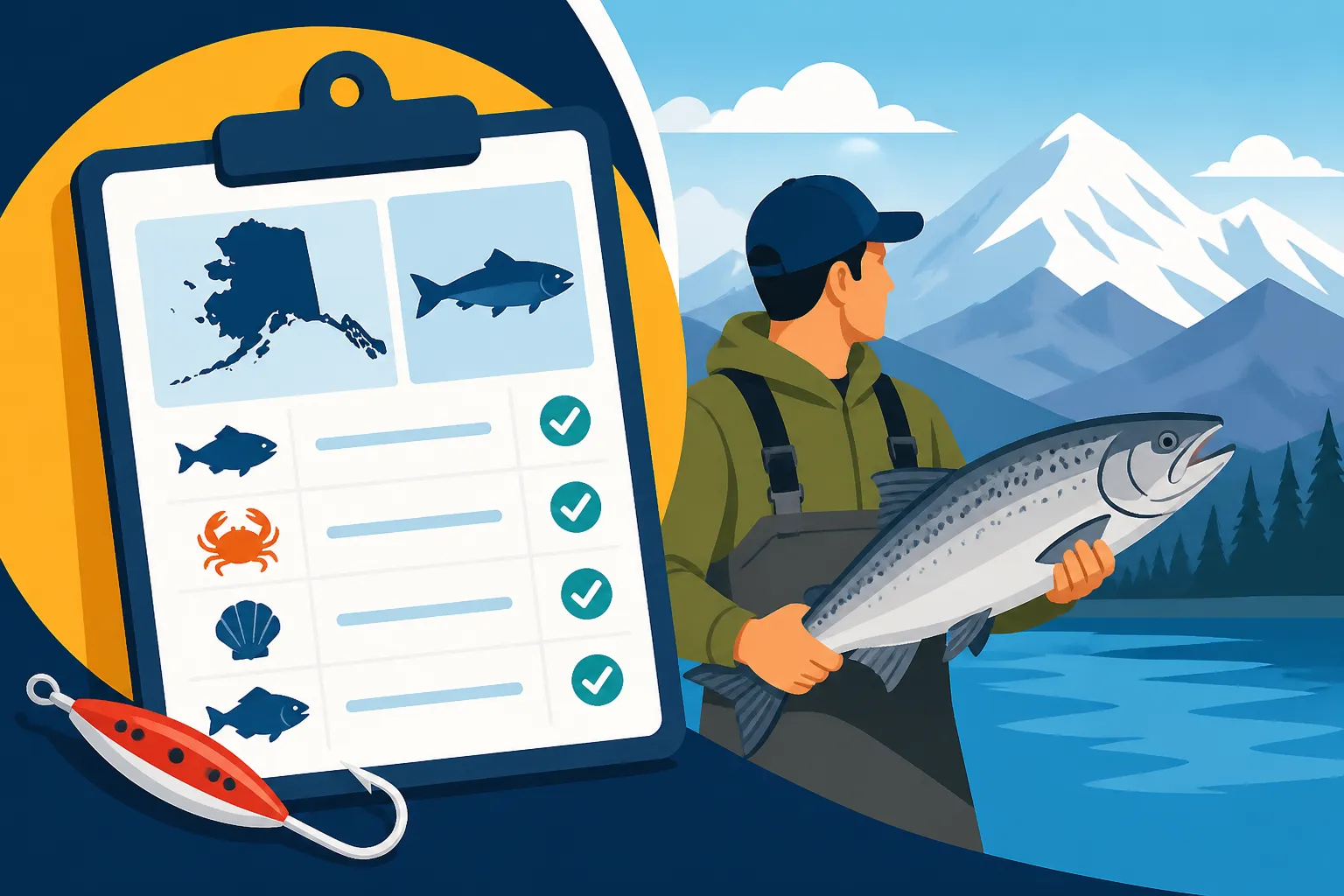
The Alaska Harvest Record Card is a vital tool, not just for anglers but for the long-term health and management of Alaska's incredible fisheries. Think of it as your personal catch log, but with official teeth. It's a physical card, typically issued alongside your sport fishing license, that serves as a mandatory, real-time tracking system for certain species of fish you harvest. This isn't just a suggestion; it's a legal requirement designed to help the Alaska Department of Fish and Game (ADF&G) monitor harvest rates of sensitive or high-value fish populations, primarily King Salmon and certain species of Steelhead. Without accurate data, biologists can't make informed decisions about bag limits, seasons, or even closures, directly impacting the future of your favorite fishing grounds.
The card itself isn't particularly complex in its design, but its importance is paramount. It usually features designated spaces for recording specific information immediately after you retain a fish that requires recording. This includes the date, the species, and the location of the catch. Sometimes, it might even require details like the length of the fish. The beauty of the system, when used correctly, is that it provides a snapshot of fishing pressure across the state, helping managers react quickly to protect declining stocks or adjust regulations in real-time. It's a small piece of paper, often overlooked, but it carries a heavy weight in the world of Alaska fishing conservation.
The Purpose Behind the Paperwork
You might wonder why, in this digital age, we still rely on a paper card. The answer lies in both practical enforcement and data integrity. While digital reporting systems are increasingly prevalent, immediate, on-the-spot recording is critical for ensuring compliance and preventing overharvesting. The primary purpose of the Harvest Record Card is to track individual angler take, particularly for species that have strict annual or seasonal limits, such as King Salmon. This immediate recording acts as a self-monitoring mechanism, reminding anglers of their limits and creating a tangible record.
Beyond individual compliance, the aggregate data collected from returned harvest cards provides invaluable insight for ADF&G biologists. They analyze this data to understand fishing pressure, population trends, and the overall health of specific runs. For instance, if data shows a spike in King Salmon harvest in a particular river system that doesn't align with run forecasts, it can trigger emergency orders or modified regulations to protect the stock. This proactive management is critical for sustaining the world-class fishing Alaska is famous for. It’s all about maintaining a balance between recreational opportunity and responsible resource management.
How It Connects to Your Fishing License
The Harvest Record Card isn't a standalone document; it's intrinsically linked to your Alaska Fishing License. When you purchase a sport fishing license, whether it's an annual, 7-day, or even a 1-day license, the appropriate Harvest Record Card is typically issued right along with it. In many cases, it's printed directly onto the back of your license or as an attached tear-off section. This ensures that every angler who needs one automatically receives it.
It's crucial to understand that possessing a valid fishing license without the correctly filled-out Harvest Record Card, when required, is essentially fishing illegally for those specific species. For non-resident anglers especially, understanding the nuances of your Alaska Non-Resident Fishing License Guide and the accompanying harvest card is absolutely vital. The card often includes specific instructions unique to certain license types or durations. Always check the back of your license or the accompanying regulations booklet to ensure you're compliant with all the conditions of your license, including how the Harvest Record Card applies.
Who Needs an Alaska Harvest Record Card and For Which Fish?
This is where the rubber meets the road, and it's a common point of confusion for many anglers, both seasoned Alaskans and first-time visitors. Not every fish you catch and keep requires recording on a Harvest Record Card, but the ones that do are usually highly managed species with specific conservation concerns. Knowing who needs one and for what species is your first line of defense against an accidental violation.
Age and Residency Requirements
Generally speaking, any angler, resident or non-resident, who is required to have an Alaska sport fishing license and plans to harvest a species that needs recording, also needs a Harvest Record Card. This typically applies to anglers 16 years of age or older. While younger children often don't need a full license to fish, the regulations around specific species that require recording generally apply universally if they are retaining such fish. However, for most common sport fishing, if you're over 16, and you're buying a license, you'll get a card. For comprehensive details on age requirements for licenses, check out information on Alaska Fishing License Age Requirements.
The type of license you hold—resident, non-resident, annual, or short-term—doesn't change the need for the card, but it might influence the specific limits you're allowed to record. Non-residents, for example, often have more restrictive annual or seasonal limits for King Salmon compared to residents, which the card helps track. It's not about who you are, but what you're fishing for and how much you're keeping that dictates the Harvest Record Card's use.
Species Requiring Immediate Recording
The most prominent species requiring a Harvest Record Card in Alaska is King Salmon (Chinook Salmon). This is because King Salmon populations, particularly in specific river systems, can fluctuate significantly, and they are highly valued both recreationally and commercially. Tracking their harvest by sport anglers is critical for sustainable management.
In some specific regions, Steelhead Trout also require recording on a Harvest Record Card. These anadromous rainbow trout runs are often quite sensitive, and harvest limits are extremely tight, sometimes even catch-and-release only. Always consult the current Alaska Fishing Regulations Explained for the specific region you plan to fish to confirm if Steelhead require recording. It's not uncommon for regulations to vary greatly from one watershed to another.
Here's a general overview of species that often require recording:
| Species | Region-Specific Requirement | Typical Limits Monitored | Notes |
|---|---|---|---|
| King Salmon | Statewide | Annual, Seasonal, Daily | Most common species requiring recording. King Salmon Stamps often required for non-residents. |
| Steelhead Trout | Southeast, Southcentral | Annual, Daily | Often catch-and-release, but harvest can be permitted in specific areas with strict limits. |
| Lingcod | Southeast, Southcentral | Annual, Daily | Less common to require the harvest card, but always check current regulations. |
It's important to note that while other popular species like Sockeye Salmon, Coho Salmon, Pink Salmon, Chum Salmon, and Halibut have daily and seasonal bag limits, they generally do not require recording on the physical Harvest Record Card itself. Their harvest is typically managed through daily bag limits and length restrictions enforced by ADF&G personnel in the field. However, remember that regulations can change, sometimes with very short notice via emergency orders. Always have the most current regulations booklet or app handy.
How to Fill Out an Alaska Harvest Record Card Properly
This step is critical. A Harvest Record Card that's not filled out correctly is just as useless, from a regulatory standpoint, as not having one at all, and can lead to trouble. It's not rocket science, but attention to detail is key.
Recording Your Catch: Step-by-Step
The moment you decide to retain a King Salmon or Steelhead that requires recording, you need to grab your Harvest Record Card and a waterproof pen. This isn't something you can put off until you get back to the lodge or the car. "Immediate recording" means before you return to the shore, dock, or camp, and before you conceal the fish from view or process it.
- Date of Capture: Write down the exact date you caught the fish. Make sure it's legible.
- Species: Clearly mark the species. For King Salmon, it's usually straightforward. For Steelhead, ensure you're certain it's a Steelhead and not another trout species if there's any ambiguity.
- Location: Indicate the specific water body or area where you caught the fish. This could be a river name (e.g., Kenai River, Deshka River), a specific bay, or a general area in saltwater. Precision helps with data collection.
- Length (if required): Some cards or regulations might ask for the length of the fish. Always measure from the tip of the snout to the tip of the tail.
- Punching/Slashing: Most Harvest Record Cards require you to "punch" or "slash" out the corresponding box on the card immediately after recording. This is a clear, irreversible mark indicating that the fish has been harvested and recorded. For example, if you catch a King Salmon, you'll record the details and then punch out one of the designated King Salmon boxes. This physical mark is what enforcement officers look for. You can find small hole punchers suitable for this task on Amazon that you can attach to your tackle box or vest.
The key here is immediacy and accuracy. Don't wait. Don't guess. Your record should reflect precisely what you caught, when, and where.
Common Mistakes and How to Avoid Them
It’s easy to make a mistake when you’re excited about a catch or battling the elements. But these mistakes can cost you.
- Forgetting to Record Immediately: The biggest and most frequent mistake. You land a beautiful King, everyone's cheering, and you get distracted. But the law is clear: immediate recording. Keep your card and pen accessible. Many anglers keep a small, waterproof notebook or laminated card on a lanyard around their neck, or attached to their waders, along with a pencil or fine-tipped waterproof marker.
- Illegible Writing: In a hurry or with cold hands, your handwriting might suffer. Game wardens need to be able to read what you've written. Take an extra moment to make it clear.
- Incorrect Species Identification: Especially with salmon, it can be tricky for beginners. Learn how to identify the Types of Salmon in Alaska Explained before you go. Mistaking a large Coho for a small King could lead to issues if you record it incorrectly or fail to record it when you should have.
- Not Using a Permanent Marker/Pen: A pencil can smudge, and non-waterproof ink can run, especially in Alaska's often damp environment. Invest in a good quality, permanent, waterproof pen. Brands like Fisher Space Pen or various Sharpie permanent markers are great options, many readily available on Amazon.
- Failing to Punch/Mark the Card: Recording the details without physically marking the appropriate box is an incomplete record. Always make that physical mark.
- Exceeding Annual or Seasonal Limits: The card is designed to help you track your limits. For example, non-residents often have an annual limit on King Salmon. If you've caught your limit and accidentally record another, you've violated the annual limit. Keep a running mental tally in addition to what's on the card.
- Losing Your Card: Treat your Harvest Record Card like your fishing license—it's an essential legal document. If you lose it, contact ADF&G immediately for guidance. You might need to purchase a replacement license with a new card.
When and Where to Use Your Harvest Card
The Harvest Record Card is more than just a piece of paper to fill out; it's a critical document that plays a role throughout your fishing trip and even after you've returned home. Understanding its lifecycle is just as important as knowing how to fill it out.
During Your Fishing Trip
The most crucial time to use your Harvest Record Card is, as emphasized, immediately upon retaining a fish that requires recording. This means if you're out on the Kenai River and land a King Salmon you intend to keep, you'll need to pull out your license and card right there, on the boat or bank, before you do anything else with the fish. This step ensures that field enforcement officers, like Alaska Wildlife Troopers, can verify your compliance at any point during your trip.
You must carry your Harvest Record Card with you at all times while fishing. It should be presented upon request by any authorized ADF&G personnel or Alaska Wildlife Trooper. They will inspect your card to ensure it's properly filled out and that you haven't exceeded any daily or annual bag limits. Imagine you're fishing for King Salmon, and an officer approaches. They'll ask to see your fishing license and your Harvest Record Card. They'll compare the fish in your cooler or on your stringer against the entries on your card and the current regulations, like the specific Alaska King Salmon Daily and Annual Limits. Any discrepancies can lead to serious fines or even confiscation of your catch and gear.
Reporting and Submission Requirements
The utility of the Harvest Record Card doesn't end when you finish fishing. At the conclusion of the fishing season (typically by December 31st of the year your license is valid), you are legally required to submit your Harvest Record Card to ADF&G, even if you didn't catch any fish requiring recording. This is a critical step for data collection.
There are usually a couple of ways to submit your card:
- Mail: You can tear off the designated "Harvest Record Card" section from your license (if it's a tear-off) and mail it to the address provided on the card or in the regulations booklet.
- Online: ADF&G also offers an online reporting system where you can input your harvest data digitally. This is often the quickest and easiest method for many anglers. If you're using this method, you generally keep your physical card for your records but still ensure the data is submitted. For those who enjoy the convenience of online services, you can find information on How to Get an Alaska Fishing License Online which often details the online harvest reporting portal as well.
Even if your card is blank because you didn't catch any recordable fish, you still need to submit it. A blank card provides valuable "zero data" for biologists, indicating fishing effort without harvest. Failing to submit your card, whether blank or filled, is itself a violation and can carry penalties.
The Importance of Compliance: What Happens If You Don't
The strict regulations surrounding the Alaska Harvest Record Card are not arbitrary; they are in place to protect Alaska's irreplaceable fisheries. Non-compliance isn't just a minor infraction; it can lead to significant consequences that dampen your fishing experience and contribute to the degradation of a cherished resource.
Penalties for Violations
Ignoring the rules of the Harvest Record Card can lead to a range of penalties, from monetary fines to more severe repercussions.
- Fines: Forgetting to record a fish, failing to punch your card, or not submitting your card by the deadline can result in substantial fines. These fines can easily be several hundred dollars per violation, and sometimes even more, depending on the severity and species involved.
- Confiscation of Catch and Gear: If you're found to be in violation, Alaska Wildlife Troopers have the authority to confiscate any illegally taken fish. In more serious cases, they can also seize your fishing gear, including rods, reels, and even boats.
- License Suspension/Revocation: Repeated offenses or particularly egregious violations can lead to the suspension or even permanent revocation of your fishing privileges in Alaska. Imagine planning your dream Alaska fishing trip only to find you're prohibited from buying a license. This can be particularly devastating for those who travel long distances specifically to fish in Alaska.
- Criminal Charges: In extreme cases, such as deliberate and widespread overharvesting, violations could escalate to criminal charges, especially if commercial motivations are suspected.
For a broader understanding of the legal landscape, it's worth reviewing information on Alaska Fishing Violations and Fines. It's a sobering read but underscores why vigilance with regulations like the Harvest Record Card is so important.
Impact on Conservation Efforts
Beyond the personal legal ramifications, the failure to properly use and submit Harvest Record Cards has a direct and detrimental impact on Alaska's conservation efforts. Each piece of information, or lack thereof, directly affects the ability of ADF&G to manage fish populations effectively.
If anglers don't record their catches, or if they don't submit their cards, biologists are left with incomplete or inaccurate data. This "blind spot" can lead to poor management decisions, such as setting overly generous bag limits for a struggling run or failing to implement necessary closures in time. Over time, these errors can deplete fish stocks, leading to reduced fishing opportunities for everyone. For species like King Salmon, which are already facing challenges in some areas, accurate harvest data is absolutely paramount to their recovery and sustained health. Your simple act of correctly filling out and submitting that little card is a direct contribution to keeping Alaska's fisheries robust and bountiful for generations to come.
Final Thoughts on Your Alaska Harvest Record Card
The Alaska Harvest Record Card might seem like a small detail in the grand scheme of planning an Alaskan fishing adventure, but its importance cannot be overstated. It's a direct link between your personal fishing experience and the vital conservation efforts that keep Alaska the "Last Frontier" for world-class angling. By understanding what it is, who needs it, how to fill it out properly, and why compliance matters, you're not just avoiding fines; you're actively contributing to the sustainability of these incredible resources. So, keep that card handy, grab a reliable waterproof pen (maybe one you picked up from Amazon), and fish responsibly.
Disclaimer
The information provided in this guide is for general informational purposes only and does not constitute legal advice. Alaska fishing regulations are complex and subject to change frequently, sometimes on short notice through emergency orders. Always consult the most current official Alaska Department of Fish and Game regulations booklet or website for the specific region and time you plan to fish to ensure complete compliance.