Alaska Cutthroat Trout: Size, Season, and Where to Catch
Many anglers dream of Alaska's massive king salmon or giant halibut, often overlooking the absolute gems that swim in the state's pristine freshwater systems. If you've ever felt overwhelmed by the sheer scale of Alaskan fishing or wondered if there's more to it than just the famous salmon runs, you're not alone. This comprehensive guide is dedicated to one of Alaska's most beautiful and underappreciated game fish: the cutthroat trout. We'll dive deep into their typical size, when and where you can best find them, and what it takes to bring one of these spotted beauties to hand.
Understanding Alaska Cutthroat Trout: Size and Characteristics
The cutthroat trout, with its distinctive crimson slash under the jaw, is a true native of western North America, and Alaska's variant is particularly stunning. While they might not reach the behemoth sizes of a King Salmon, they offer a challenging and incredibly rewarding angling experience, often in breathtaking, secluded settings.
The Distinctive Look of an Alaskan Cutthroat
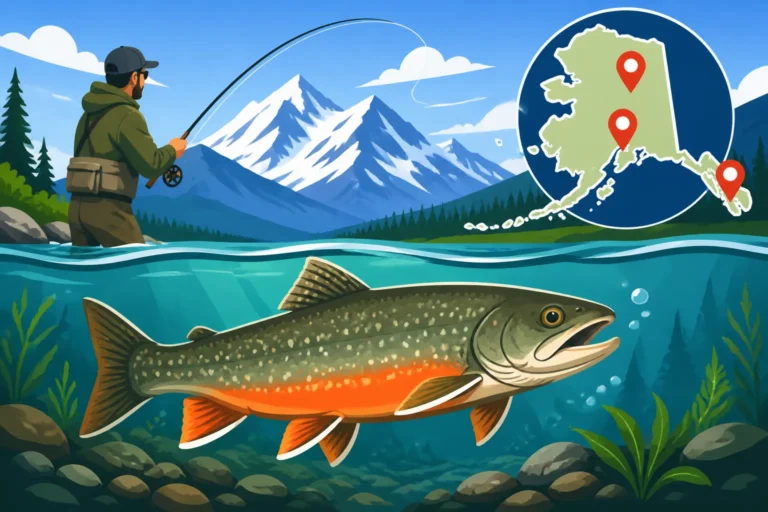
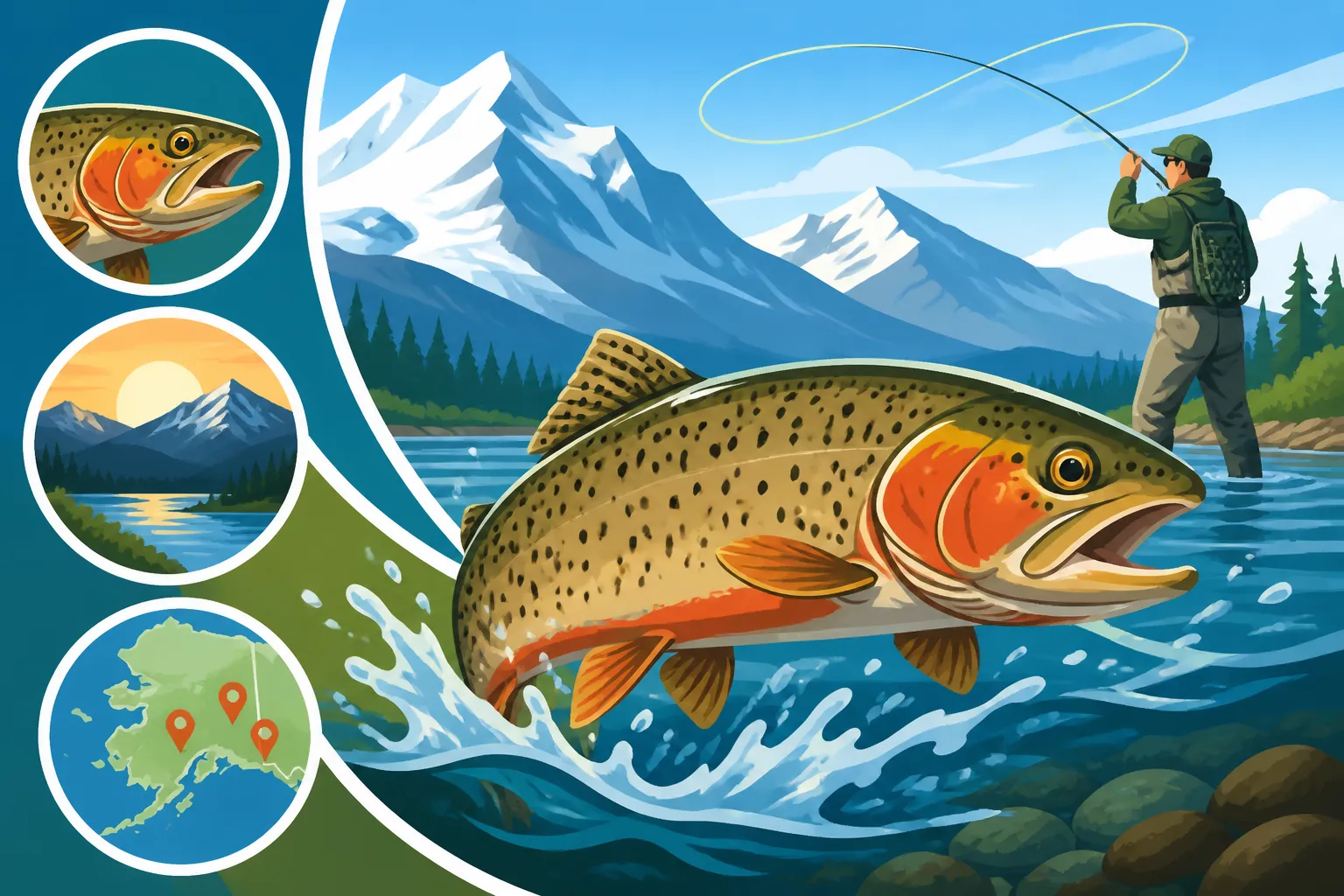
When you're out on the water, whether you're fly fishing in Alaska or spin casting from the bank, identifying your catch is part of the thrill. Alaskan cutthroat trout (specifically the coastal cutthroat subspecies, Oncorhynchus clarkii clarkii) are generally identifiable by a few key features. The most obvious, of course, is the vibrant red, orange, or sometimes yellow "cutthroat" mark on the underside of their lower jaw. This distinctive mark can vary in intensity from fish to fish, and sometimes it's more subtle on smaller individuals or those that have been in saltwater.
Their coloration can range widely depending on their habitat and diet, from silvery-bronze in coastal estuaries to a deep, olive green or golden hue in freshwater lakes and streams. What truly sets them apart are their abundant small, dark spots, which are typically concentrated towards the tail but can extend over their entire body, including the fins. These spots are often irregular in shape and size, distinguishing them from the more uniform spots you might find on an Alaska Rainbow Trout guide Does that sound like a familiar frustration? Trying to tell your catches apart in the heat of the moment? Well, the cutthroat's spots and jaw marks are your best friend here. They also tend to have a larger mouth than many other trout species, often extending back past the eye, which helps them in their predatory feeding habits.
Typical Size and Trophy Potential
Let's talk about size, because for many anglers, that's a big part of the allure! While a typical coastal cutthroat trout in an Alaskan stream or small lake might range from 10 to 16 inches, don't let those numbers fool you into thinking they're small fry. These fish are feisty, incredibly strong, and pound-for-pound, they put up a fantastic fight. In some of the more productive coastal systems, especially those with an abundance of forage fish or invertebrates, you'll encounter fish in the 18 to 22-inch range, which are considered excellent catches.
The true "trophy" cutthroat in Alaska, however, are often found in larger, nutrient-rich lakes or those systems where they have access to saltwater. These sea-run cutthroat can grow larger and heavier, with individuals pushing 24 inches or more, and weighing several pounds. Imagine the thrill of hooking into a fish that size on a light fly rod! These larger fish have typically spent time fattening up in estuaries or even the open ocean before returning to freshwater. The pursuit of these bigger specimens often means exploring more remote waters or timing your trips to coincide with their migratory patterns, but the reward is absolutely worth the effort. Unlike some other trout species that might be stocked, most Alaskan cutthroat are wild fish, meaning every catch is a testament to the health and vitality of these incredible ecosystems.
Prime Seasons for Chasing Alaska Cutthroat Trout
Timing is everything when it comes to fishing in Alaska, and cutthroat trout are no exception. Their activity levels and locations change throughout the year, influenced heavily by water temperatures, food availability, and spawning cycles. Knowing when to go can make all the difference between a few nibbles and a truly memorable day on the water.
Spring Opportunities as Waters Warm
As the long Alaskan winter finally loosens its grip, usually from April through early June, the angling opportunities for cutthroat trout begin to blossom. This is a fantastic time to target them because they're emerging from a period of relative dormancy and are incredibly hungry. As snowmelt begins to recede and water temperatures slowly creep upwards, insect activity increases, and baitfish become more active. Cutthroat will often move into shallower areas of lakes and streams, making them more accessible to anglers, whether you're bank fishing in Alaska or wading.
During the spring, you'll find them actively feeding on anything they can get their fins on, from emerging aquatic insects like stoneflies and caddisflies to small sculpins and salmon smolt. This pre-spawn or early post-spawn feeding frenzy means they're eager to strike. The weather can be a bit unpredictable in spring in places like Southeast Alaska, so bringing good rain gear is essential. However, the often-solitary experience of fishing these beautiful waters before the summer crowds arrive is a reward in itself. Focusing on slower-moving pools, eddies, and the edges of weed beds can be particularly productive as the fish seek warmer water and ambush points.
Summer's Abundance and Insect Hatches
Summer, typically from June through August, is the peak season for many visitors to Alaska, and for good reason. The longer daylight hours (sometimes almost 24 hours of light in the northern regions, a phenomenon you might learn more about in "How Midnight Sun Affects Alaska Fishing") mean more time on the water, and cutthroat trout are incredibly active. Water levels are usually more stable after the initial spring runoff, and temperatures are ideal for both fish and anglers. This is prime time for prolific insect hatches, ranging from various mayflies and caddis to grasshoppers and other terrestrials.
During these months, especially in the clear-water lakes and streams of Southeast Alaska, dry fly fishing for cutthroat can be absolutely phenomenal. Watching a cutthroat rise gracefully to sip your meticulously presented dry fly is an experience every angler cherishes. For those who prefer spin fishing, small spinners and spoons accurately imitating baitfish are deadly effective. The abundance of food means the fish are in excellent condition, fat, and full of fight. This is also when sea-run cutthroat are often found moving into freshwater systems from the estuaries, providing opportunities for larger fish.
Fall's Last Hurrah and Pre-Winter Feeding
As September rolls in and the first hints of autumn color paint the Alaskan landscape, cutthroat trout enter another prime feeding period before winter sets in. From September through October, water temperatures begin to drop, signaling to the fish that they need to pack on calories for the colder months ahead. This aggressive pre-winter feeding can offer some of the most exciting fishing of the year. The summer crowds have thinned, and the crisp air combined with vibrant fall foliage makes for an unforgettable backdrop to your angling adventures.
During this time, cutthroat will often gorge on salmon eggs (from the returning salmon runs) and larger baitfish. This makes egg patterns, flesh flies, and streamers particularly effective for fly anglers. For spin fishers, spoons and larger spinners that mimic wounded baitfish or flashy egg clusters can elicit powerful strikes. While the days are shorter, the fish are often concentrated in deeper pools or near spawning areas, making them somewhat easier to locate. Just be prepared for cooler temperatures and potentially more challenging weather – proper layering with good Alaska Fishing Gear and Tackle Guide is key to staying comfortable and enjoying these fantastic fall opportunities.
Top Locations to Find Alaska Cutthroat Trout
When it comes to finding cutthroat trout in Alaska, you need to understand their preferred habitats. While they're not found statewide like some other species, there are definite strongholds where your chances of success are significantly higher. Most of the action happens in a specific, beautiful region of the state.
Southeast Alaska: The Cutthroat Heartland
If you're serious about targeting cutthroat trout in Alaska, Southeast Alaska, often called the Panhandle, is unequivocally the place to be. This region, characterized by its temperate rainforests, countless islands, and intricate network of freshwater lakes and streams, provides the ideal environment for healthy populations of coastal cutthroat. Unlike the interior of Alaska with its vast river systems, Southeast Alaska's waterways are often shorter, steeper, and drain into marine environments, facilitating the unique sea-run lifecycle of many cutthroat here.
Islands like Prince of Wales Island, Revillagigedo Island (near Ketchikan), Baranof Island (near Sitka), and Chichagof Island are legendary among cutthroat enthusiasts. These islands boast numerous small to medium-sized lakes and connecting streams that are absolutely teeming with these beautiful fish. Towns such as Ketchikan, Juneau, Sitka, and Petersburg serve as excellent base camps, offering access to numerous productive waters, often via short floatplane trips, ferry rides, or even accessible roadside locations. The best fishing spots in Alaska for cutthroat often involve a bit of exploration into these wild, unspoiled environments. You'll find these fish in both the still waters of secluded lakes, where they might chase minnows or ambush insects, and in the flowing currents of tannin-stained streams that connect these lakes, especially near culverts or logjams.
Accessible Roadside and Remote Wilderness Lakes
One of the great things about fishing for cutthroat in Southeast Alaska is the range of accessibility. You don't always need a bush plane to find great fishing, though those remote fly-in spots can certainly hold some giants. Many productive lakes and streams are reachable via the limited road systems around towns like Juneau or Ketchikan. For instance, some of the lakes on Revillagigedo Island are connected by logging roads, allowing for some fantastic bank fishing or float tube opportunities. Always check local regulations, but a little research can reveal some real roadside gems.
However, for those seeking a true wilderness experience and potentially larger, less pressured fish, the remote wilderness lakes are where it's at. These are often accessed by a short floatplane trip from a major hub like Juneau or Sitka. An Alaska Fly-In Fishing Lodges Guide might sound like it's just for salmon, but many of these lodges offer unparalleled access to pristine cutthroat waters. Imagine being dropped off on a crystal-clear lake, surrounded by old-growth forest, with nothing but the sounds of nature and the splash of a rising cutthroat. These remote locations often have extremely healthy fish populations due to minimal angling pressure, making for truly unforgettable angling.
Estuarine and Marine-Influenced Waters
A truly fascinating aspect of coastal cutthroat trout in Alaska is their propensity for a sea-run life cycle. While some populations are strictly freshwater residents, many will migrate to the brackish waters of estuaries, or even short forays into the saltwater, to feed and grow. This is where they can pack on significant size, leveraging the rich marine food sources. These "sea-run" cutthroat are often encountered in transitional zones: river mouths, tidal flats, and bays with good freshwater inflow.
Targeting cutthroat in these estuarine environments can be incredibly productive, especially during periods of changing tides. They’ll actively hunt juvenile salmon, herring, and other small baitfish. Early spring and late fall are particularly good times to find them congregating in these areas before or after their freshwater migrations. Look for them around log booms, pilings, and rocky shorelines where baitfish might seek shelter. Fishing these areas requires a bit of adaptability in your techniques, often incorporating both freshwater and saltwater approaches. A quick search on Amazon for "tidal fishing charts Alaska" can help you plan your excursions around the tides, which are crucial for success in these dynamic environments.
Effective Techniques and Gear for Alaska Cutthroat
You’ve got a handle on their size, when they’re active, and where they live. Now, let’s talk about how to actually catch these magnificent fish! Whether you're a seasoned fly angler or prefer the simplicity of spin fishing, there are effective strategies and essential gear you’ll need to bring to Alaska.
Fly Fishing: The Classic Approach
For many, pursuing cutthroat trout with a fly rod is the quintessential experience. It allows for delicate presentations and an intimate connection with the fish and their environment. A fast-action 4-weight or 5-weight fly rod, paired with a matching floating line, is perfect for most stream and lake situations, allowing for accurate casts and enough backbone to handle a spirited cutthroat. If you anticipate larger, sea-run fish or heavier winds in coastal areas, a 6-weight can be a good choice. You might also want a sink-tip line for fishing deeper pools or stripping streamers in lakes.
When it comes to flies, versatility is your friend. Early season and fall fishing often call for streamers that imitate baitfish or salmon fry, such as the ever-popular Sculpzilla, Clouser Minnow, or a traditional Marabou Muddler. Nymphs like Prince Nymphs, Hare's Ears, and Pheasant Tails are reliable subsurface patterns, especially when dead-drifted through currents. And during the summer, don't forget your dry flies! Elk Hair Caddis, Adams, and stimulators can be incredibly effective during hatches. For those fall egg-munching cutthroat, bead-head egg patterns or even small flesh flies can be irresistible. Learning How to Fly Fish in Alaska will significantly enhance your cutthroat success.
Spin Fishing for Cutthroat Trout
Not every angler is a fly fishing purist, and that's perfectly fine! Spin fishing is an incredibly effective and enjoyable way to catch Alaska cutthroat trout. For this species, you'll want to lean towards ultralight or light tackle. A 6 to 7-foot ultralight spinning rod, paired with a small reel spooled with 4 to 8-pound test monofilament or braided line, is ideal. This setup provides excellent sensitivity for detecting subtle bites and makes even a modest-sized cutthroat feel like a trophy.
Lures are key for spin fishing. Small spinners like Mepps Aglia, Panther Martin, or Rooster Tail in sizes #0 to #2 are perennial favorites, their flashing blades irresistible to aggressive cutthroat. Small spoons such as a 1/8 to 1/4 oz Kastmaster or Little Cleo are also highly effective, especially when cast into deeper pockets or retrieved with an erratic stop-and-go motion to mimic a wounded baitfish. For a more subtle approach, small soft plastics rigged on a lightweight jig head, or even small plugs like a Rapala Countdown, can entice strikes from finicky fish. Remember to retrieve slowly and vary your retrieve speed until you find what the fish are responding to. Stealth is still important; cutthroat, especially in clear waters, can be easily spooked by heavy footsteps or clumsy casting. You can find a great selection of these lures by searching for "trout spinners" or "fishing spoons" on Amazon.
Essential Gear and Safety Considerations
Beyond your rod and reel, a few other items are non-negotiable for a successful and safe cutthroat trip in Alaska. Waders are almost always a good idea, even if you're primarily bank fishing, as they allow you to access different angles or wade across shallow sections. Breathable chest waders are comfortable for longer hikes, and good wading boots with felt or rubber soles provide critical traction on slippery rocks. Don't forget your rain gear – as we mentioned, especially in Southeast Alaska, it's not a matter of if it rains, but when. Look for durable, waterproof-breathable jackets and pants.
Safety is paramount in Alaska's wild landscapes. Always carry bear spray, know how to use it, and have it easily accessible. A first-aid kit, navigation tools (GPS or a good map and compass), and plenty of water and snacks are crucial, especially if you're venturing into remote areas. Polarized sunglasses are also incredibly helpful for spotting fish in clear water and protecting your eyes. And finally, considering the wild nature of these fish and their often-fragile habitats, practicing catch-and-release, especially for the larger, older fish, helps ensure healthy populations for future generations of anglers. You can dive deeper into all your packing needs with our Alaska Fishing Gear and Tackle Guide.
Essential Alaskan Cutthroat Trout Information
Here's a quick reference table to help you plan your cutthroat adventure.
| Feature | Description |
|---|---|
| Typical Size | 10-16 inches (stream/lake residents); 18-24+ inches (trophy sea-run) |
| Distinguishing Marks | Prominent red/orange/yellow slash under jaw; abundant small, dark spots concentrated towards tail; larger mouth often extending past eye. |
| Prime Season | Spring (Apr-Early Jun): Post-winter hunger, pre-spawn. Summer (Jun-Aug): Peak insect hatches, stable water. Fall (Sep-Oct): Pre-winter feeding frenzy, salmon eggs. |
| Primary Region | Southeast Alaska (Panhandle): Prince of Wales Island, Revillagigedo Island, Baranof Island, Chichagof Island. |
| Key Habitats | Freshwater lakes, small streams, connecting rivers, estuaries, tidal flats, marine-influenced bays. |
| Fly Fishing Gear | 4-6 wt rod, floating/sink-tip line. Streamers (Muddler, Clouser), Nymphs (Prince, Hare's Ear), Dry Flies (Caddis, Adams), Egg Patterns. |
| Spin Fishing Gear | Ultralight/light 6-7 ft rod, 4-8 lb line. Small Spinners (Mepps, Panther Martin), Spoons (Kastmaster), Small Soft Plastics, Small Plugs. |
| Essential Extras | Waders, rain gear, bear spray, first-aid kit, polarized sunglasses, navigation tools. Always consult Alaska Fishing Regulations Explained before heading out. |
| Conservation | Practice catch-and-release, especially for larger fish, to preserve wild populations. |
Disclaimer
The information provided in this guide is for general informational purposes only and is subject to change. Always consult the most current Alaska Department of Fish and Game regulations and emergency orders before planning and embarking on any fishing trip. Fishing conditions, run timings, and regulations can vary significantly.