What Is a Sheefish and Where to Catch It
You've heard tales of Alaska's monstrous King Salmon and the powerful Halibut, but for many, the very mention of a "Sheefish" draws a blank stare. It's a shame, really, because this remarkable freshwater predator offers an angling experience unlike any other, often overshadowed by its more famous counterparts. If you're tired of the same old fishing stories and want to discover a true Alaskan gem, this guide is your deep dive into what makes the Sheefish so special and, more importantly, exactly where you can go to tangle with one.
What Exactly is a Sheefish? Unmasking the "Tarpon of the North"
When you hear "Tarpon of the North," your mind might jump to some saltwater behemoth, but in Alaska's vast interior, that title belongs to the magnificent Sheefish, or Stenodus leucichthys. These fish are truly an enigma, part of the whitefish family but possessing the predatory instincts and fighting prowess of a top-tier game fish. They're often found in the remote, wild river systems of the Arctic and Interior, far from the bustling salmon streams, which is part of their allure. They are a true trophy for those willing to venture off the beaten path, offering an unforgettable battle and a glimpse into a unique ecosystem.
Distinctive Features and Life Cycle
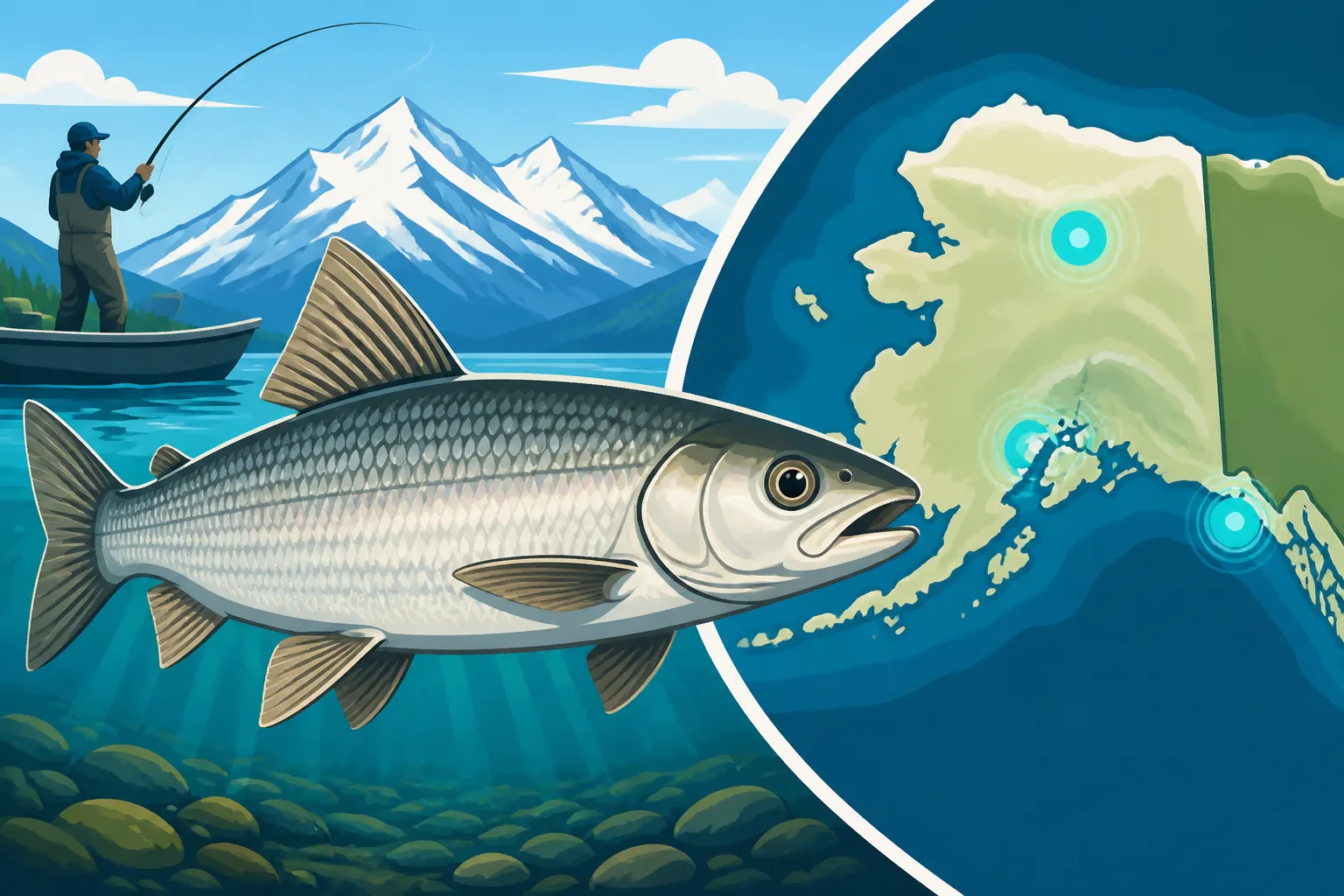
Sheefish are easily recognizable once you know what to look for. They boast a sleek, torpedo-shaped body with large, silvery scales that shimmer with iridescence, giving them a ghostly appearance in the clear northern waters. Their most striking feature is their prominent, pointed snout and a large mouth filled with tiny, yet sharp, teeth – perfect for ambushing smaller fish. Unlike salmon, Sheefish are not semelparous; they don't die after spawning. Instead, they can spawn multiple times throughout their long lives, which can extend over 20 years, allowing them to grow to impressive sizes. It's not uncommon to hear of Sheefish reaching weights of 20 to 30 pounds, with some exceptional specimens pushing past 40 pounds, making them truly formidable opponents on light tackle.
Their life cycle is closely tied to the massive, intricate river systems they inhabit. Sheefish are anadromous, meaning they spend time in brackish coastal waters or large freshwater lakes before migrating far upstream into rivers to spawn. These migrations can be epic journeys, sometimes covering hundreds of miles to reach their ancestral spawning grounds in the upper reaches of rivers like the Yukon or Kuskokwim. After spawning, they gradually make their way back downriver to overwinter in deeper pools or larger lakes. Understanding this migratory pattern is crucial for anyone hoping to successfully target these incredible fish, as timing your trip to coincide with their movements is key. If you're interested in other unique freshwater species, check out our guide on Alaska Freshwater Fish Species which covers a wide range of inhabitants.
Why Anglers Seek the Sheefish Thrill
Ask any angler who has battled a Sheefish, and they'll likely recount a story of pure exhilaration. These fish are not just big; they are fighters. When hooked, a Sheefish will often unleash powerful, blistering runs that can strip line from your reel at an alarming rate. They frequently jump clear of the water, thrashing and shaking their heads in an attempt to throw the hook, much like a saltwater tarpon. This combination of size, speed, and acrobatic displays is precisely why they've earned their "Tarpon of the North" moniker and why dedicated anglers make the pilgrimage to Alaska's remote waters specifically for them.
Beyond the fight, there's the mystique. Sheefish reside in some of Alaska's most pristine and wild landscapes, often requiring a bush plane or long boat journey to access their prime fishing grounds. The adventure of getting there, the untouched scenery, and the knowledge that you're pursuing a species that few outside of Alaska even recognize, adds an extra layer of satisfaction. Catching a Sheefish isn't just about the fish; it's about the entire experience of exploring Alaska's truly wild heart. For a broader look at the state's diverse aquatic life, consult our comprehensive Alaska Fish Species Guide.
Prime Sheefish Waters: Where to Find This Elusive Fighter in Alaska
Finding Sheefish isn't like casting for trout in a roadside stream. These fish prefer the vastness and wildness of Alaska's larger river drainages, particularly those that feed into the Arctic and Bering Seas. Their habitat is often remote, requiring careful planning and sometimes specialized travel arrangements. But for those willing to make the journey, the reward is access to some of the most untamed fishing experiences Alaska has to offer.
Iconic River Systems and Their Sheefish Runs
When you talk about Sheefish, a few legendary river systems immediately come to mind. These are the arteries of Alaska's interior, providing the perfect blend of habitat and migratory routes for these powerful predators.
- The Kobuk River: Perhaps the most famous Sheefish fishery in the world, the Kobuk River, located in Northwest Alaska, is renowned for its incredible Sheefish runs. Anglers flock to villages like Kotzebue and then access the river via smaller planes or boats. The lower and middle reaches of the Kobuk, especially around the confluence with its tributaries, are prime locations. The sheer numbers and size of Sheefish here during the peak season are legendary, making it a bucket-list destination for many.
- The Selawik River: Flowing into Hotham Inlet, not far from the Kobuk, the Selawik River is another powerhouse Sheefish fishery. It offers similar opportunities to the Kobuk, with strong runs of large fish, particularly in its lower sections as fish move between the Selawik Lake and the spawning grounds further upstream. The remote nature of this region adds to its mystique, requiring dedicated travel to access.
- The Yukon River and its Tributaries: The mighty Yukon River, one of North America's longest, is a major highway for Sheefish. While fishing the main stem can be challenging due to its vast size, many of its larger tributaries, such as the Koyukuk, Tanana, and Innoko Rivers, host significant Sheefish populations. These fish often travel hundreds, sometimes over a thousand, miles upriver to spawn, offering opportunities for anglers far into the interior.
- The Kuskokwim River: Southwest Alaska's Kuskokwim River also supports a healthy Sheefish population. While perhaps less famous for Sheefish than the Kobuk, strong runs occur, particularly in the middle and upper river sections. Access can be challenging but rewarding for those seeking an authentic Alaskan wilderness experience.
- The Noatak River: Another pristine Arctic river, the Noatak, is a designated National Wild and Scenic River. It also holds good numbers of Sheefish, especially during their migratory periods. This river often attracts fly-in trips for those looking for an unparalleled wilderness adventure combined with Sheefish angling.
Seasonal Movements and Timing Your Trip
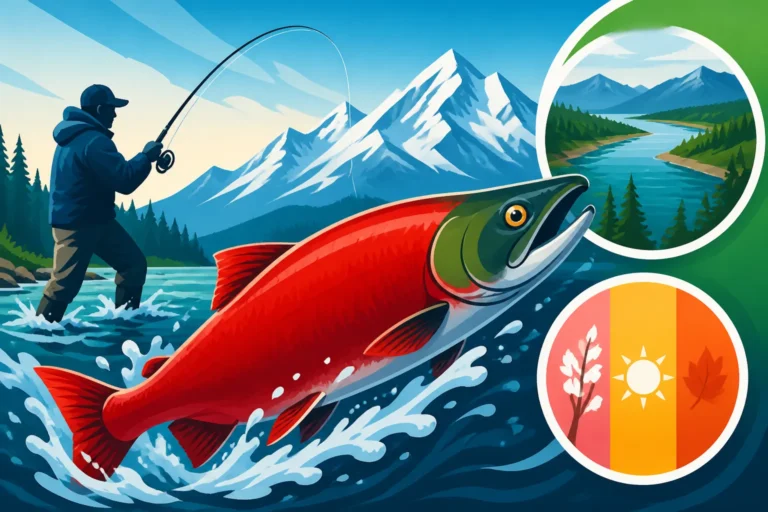
Timing is absolutely critical when planning a Sheefish trip. These fish are highly migratory, and their presence in certain areas is dictated by their life cycle stages, primarily feeding and spawning.
- Summer (July to Early September): This is generally considered the prime season for Sheefish fishing, especially in the Kobuk and Selawik systems. In early summer, Sheefish begin their upstream migration from larger lakes or brackish estuaries into the rivers. By July and August, they are actively feeding as they move upstream, making them highly receptive to lures. This period offers fantastic opportunities for casting and trolling, with many fish holding in current breaks, deeper pools, and confluence areas. By late August and early September, the largest fish are typically concentrated in the upper river systems, preparing for spawning. This coincides with some of the most beautiful fall foliage in Alaska, adding to the trip's appeal. Consider checking our Alaska Fishing Seasons: Month-by-Month Guide to align your trip with other species or scenic opportunities.
- Fall (Late September to October): While some spawning activity may continue, many Sheefish begin their downstream migration to overwintering areas. Fishing can still be productive during this time, particularly in the lower and middle sections of rivers as fish are moving and feeding opportunistically. However, colder weather and shorter days become factors to consider.
- Winter (November to April): Sheefish can be targeted through the ice in some of the larger lakes or deeper, slower sections of rivers where they overwinter. This requires specialized ice fishing gear and a willingness to brave extreme cold, but it can offer a unique challenge for dedicated anglers.
To maximize your chances, it's highly recommended to consult local guides or reputable outfitters who specialize in Sheefish trips. Their expertise in interpreting fish movements, water levels, and local conditions is invaluable. Also, staying informed about Alaska Fishing Emergency Orders Explained and local regulations is paramount, as conditions can change rapidly in these dynamic ecosystems.
| River System | Primary Season | Typical Target Size (lbs) | Access Method | Notes |
|---|---|---|---|---|
| Kobuk River | July – Early September | 10-30+ | Fly-in, Boat | World-renowned for large Sheefish. |
| Selawik River | July – Early September | 10-25+ | Fly-in, Boat | Excellent fishery, often combined with Kobuk trips. |
| Yukon River (Tribs) | August – September | 8-20 | Fly-in, Boat, Road | Vast system, tributary fishing is key. |
| Kuskokwim River | August – September | 8-20 | Fly-in, Boat | More remote, less pressured Sheefish. |
| Noatak River | July – August | 8-20 | Fly-in | Pristine wilderness experience. |
Essential Gear and Proven Techniques for Sheefish Angling
Catching Sheefish requires a blend of salmon and trout tactics, but with gear stout enough to handle a hard-charging, jumping predator. You don't want to show up with ultralight tackle when a 25-pound Sheefish decides to make a run for it! Preparing with the right equipment and understanding effective techniques will significantly increase your chances of success and enjoyment. Our general guide on Alaska Fishing Gear and Tackle Guide can provide an overview, but here's the Sheefish-specific breakdown.
Rods, Reels, and Lures That Get Results
- Rods: A medium-heavy spinning or casting rod, typically 7 to 8.5 feet in length, is ideal. You need enough backbone to cast larger lures and to absorb the shock of powerful runs, but also enough sensitivity to detect subtle takes. A fast action rod tip allows for quick hook sets. Brands like Fenwick or St. Croix offer excellent rods that balance power and feel for these situations.
- Reels: Pair your rod with a quality spinning or baitcasting reel in the 3000-5000 series size. It needs a smooth drag system, as this will be tested repeatedly by a surging Sheefish. Capacity for at least 150-200 yards of line is crucial. Shimano and Daiwa are popular choices known for their durability and performance.
- Line: Braided line is a favorite among Sheefish anglers due to its strength-to-diameter ratio and lack of stretch, which aids in hook sets and feeling bites. A 20-30 lb test braided line is a good all-around choice. You'll want to use a fluorocarbon leader (20-30 lb test, 2-3 feet long) to prevent line twists and offer some abrasion resistance against their rough mouths. You can find quality braided lines and fluorocarbon leaders from brands like PowerPro or Seaguar readily available on Amazon.
- Lures: Sheefish are aggressive predators, so bright, flashy, and active lures tend to work best.
- Spoons: Classic silver, gold, or brass spoons (like a Pixie or a Dardevle) in 1/2 to 1 oz sizes are incredibly effective. Their wobbling action mimics injured baitfish.
- Spinners: Large, brightly colored spinners (e.g., Mepps Aglia or Blue Fox Vibrax) with silver or gold blades are also excellent choices. Their flash and vibration attract Sheefish from a distance.
- Plugs/Stickbaits: Diving plugs or stickbaits, particularly those with a vibrant color scheme like chartreuse, orange, or firetiger, are fantastic for trolling or casting into deeper holes. Rapala's X-Rap Shad or Storm's WildEye Swim Shad are good examples. Don't forget to swap out factory treble hooks for strong, single inline hooks to minimize fish harm during catch and release.
- Soft Plastics: Large swimbaits or curly-tail grubs on jig heads can also be productive, especially when drifted or jigged in current.
Effective Fishing Strategies
Sheefish can be caught using a variety of techniques, depending on the river section, water conditions, and their migratory stage. Knowing Best Fishing Techniques for Alaska can give you a head start, but here are the specifics for Sheefish.
- Casting and Retrieving: This is a primary method, particularly in clearer waters or when fish are holding in distinct areas like current seams, eddies, or deeper bends. Cast your spoon or spinner upstream or across the current and retrieve it with a steady, moderate speed, allowing the lure to work naturally. Vary your retrieve speed and add occasional twitches to entice strikes. The aggressive nature of Sheefish means they often hit hard, so be ready!
- Trolling: When covering larger sections of a river, particularly in its wider, slower stretches or across large lakes, trolling can be highly effective. Use diving plugs or larger spoons, running them at various depths until you find where the fish are holding. Trolling allows you to present your lure for an extended period and cover more water, increasing your chances of encountering a feeding Sheefish.
- Jigging: If you've located a concentration of fish in a deep hole or an overwintering area, vertical jigging with heavy spoons or large jig-and-soft plastic combinations can work wonders. Drop your lure to the bottom and work it up and down with sharp lifts and drops, mimicking a wounded baitfish. This is also a popular technique for How to Catch Lingcod in Alaska, showing its versatility.
- Fly Fishing: While less common for Sheefish compared to conventional tackle, fly fishing can be incredibly rewarding, especially for those seeking a unique challenge. Large, flashy streamers that imitate baitfish, tied on heavy-duty hooks, are the go-to. Think patterns like Clouser Minnows, Deceivers, or even large articulated flies in white, chartreuse, or blue. You'll need a stout 8-10 weight fly rod with a fast-sinking line to get your flies down to where these powerful fish reside.
Remember to bring a quality pair of pliers or forceps to aid in hook removal, as Sheefish have surprisingly tough jaws and tiny teeth. A large, rubberized landing net is also a wise investment to safely land and release these magnificent creatures. You can find excellent fishing accessories on Amazon that will make your Sheefish adventure more comfortable and productive.
Respecting the Resource: Sheefish Conservation and Regulations
Alaska's wild fish populations are a precious resource, and Sheefish are no exception. Given their remote habitat and unique life cycle, responsible angling practices and adherence to regulations are crucial to ensure these incredible fish thrive for future generations. Understanding and following the rules isn't just about avoiding fines; it's about being a good steward of Alaska's natural heritage.
Understanding Limits and Catch-and-Release
Like all game fish in Alaska, Sheefish are managed by the Alaska Department of Fish and Game (ADF&G), with specific regulations varying by region and often by season. It's imperative that before you cast a line, you obtain your Alaska Fishing License: Complete Guide and then carefully review the current Alaska Fishing Regulations Explained for the specific river system you plan to fish. These regulations will outline:
- Daily Bag Limits: How many Sheefish you are legally allowed to keep in a single day. These limits are designed to prevent overharvesting and are often quite conservative for trophy species like Sheefish.
- Possession Limits: The maximum number of Sheefish you can have in your possession, including those at your camp or being transported. This is often double the daily bag limit.
- Size Restrictions: Some fisheries may have minimum or maximum size limits, or even slot limits, to protect certain age classes of fish, especially large, breeding individuals.
- Method and Gear Restrictions: Always check for any specific rules regarding tackle, bait, or methods. For example, some areas might have single-hook regulations or prohibit certain types of bait.
While Sheefish are generally considered good eating, especially smaller, younger fish, many anglers choose to practice catch-and-release, particularly for the larger, older "trophy" individuals. These big fish are the prime breeders and essential to the health of the population. If you do practice catch-and-release, ensure you follow Alaska Catch-and-Release Best Practices to minimize harm to the fish. This includes using rubberized nets, handling the fish minimally with wet hands, and quickly releasing them.
Supporting Sustainable Sheefish Fisheries
The health of Sheefish populations is closely tied to the pristine nature of their remote habitats. Unlike many salmon species that benefit from hatcheries, Sheefish are almost entirely wild, making habitat protection even more critical. Anglers play a vital role in this conservation effort.
- Minimize Your Impact: When fishing in remote Sheefish country, practice "Leave No Trace" principles. Pack out everything you pack in, dispose of waste properly, and minimize disturbance to the riverbanks and surrounding wilderness. This includes proper disposal of any fishing line, which can be deadly to wildlife.
- Report Violations: If you witness any fishing violations or activities that seem detrimental to the fishery, report them to the ADF&G. Protecting these remote fisheries often relies on the eyes and ears of responsible anglers.
- Support Research: A portion of your fishing license fees goes towards scientific research and management efforts for Alaska's fish. By purchasing your license, you directly contribute to the sustainability of these fisheries. For those interested in other unique northern species, supporting similar efforts for Alaska Arctic Grayling: Facts and Fishing Tips and Alaska Northern Pike: Facts and Fishing Tips helps maintain the balance of these ecosystems.
- Educate Others: Share your knowledge of Sheefish and the importance of conservation with fellow anglers. The more people understand and appreciate these unique fish, the more advocates there will be for their protection.
By being informed, prepared, and responsible, you can ensure that your Sheefish adventure is not only successful but also contributes to the long-term health of one of Alaska's most incredible and often overlooked game fish.
Disclaimer
The information provided in this guide is for general informational purposes only and is subject to change. Fishing regulations in Alaska are complex and can be updated frequently by the Alaska Department of Fish and Game (ADF&G) through emergency orders. Always consult the official ADF&G regulations booklet and any current emergency orders for the specific region and time you plan to fish before heading out. Failure to do so could result in fines or penalties. Fishing in remote Alaskan areas carries inherent risks; always prioritize safety and be prepared for changing weather conditions and wildlife encounters.