Best Time to Catch Coho Salmon in Alaska
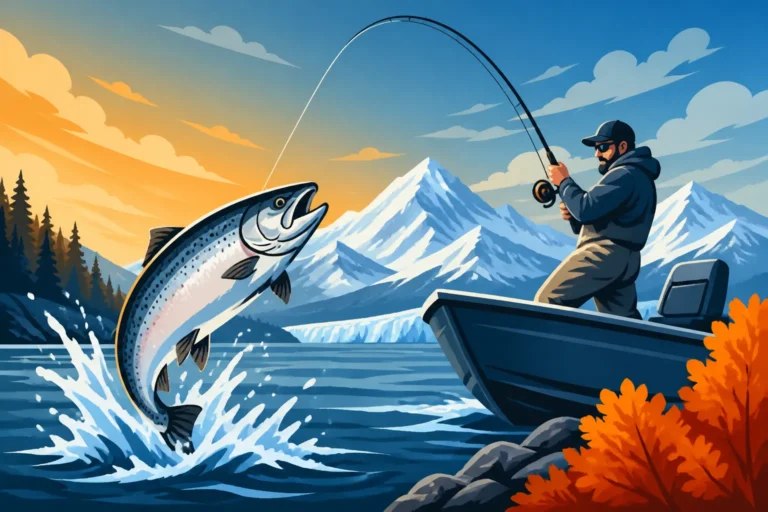
It's a common story: folks dream of battling Alaska's legendary King salmon or filling their coolers with Sockeye, but in doing so, they often overlook the sheer exhilaration and consistent action that Coho, or Silver salmon, bring to the table. These acrobatic fighters offer some of the most exciting fishing experiences, but knowing when to target them is the key to unlocking their silver-bullet potential. This comprehensive guide will walk you through the prime timings, regional hot spots, and savvy strategies to help you connect with Alaska's incredible Coho salmon.
Understanding the Coho Salmon Run Timetable in Alaska
Coho salmon, known for their dazzling silver scales and incredible fighting spirit, are a staple of Alaska's late summer and fall fishing scene. Unlike their King and Sockeye cousins, which often have more precise, earlier runs, Silver salmon tend to arrive a bit later and stick around longer, offering a fantastic opportunity for anglers into the shoulder seasons.
General Alaska Coho Season Overview
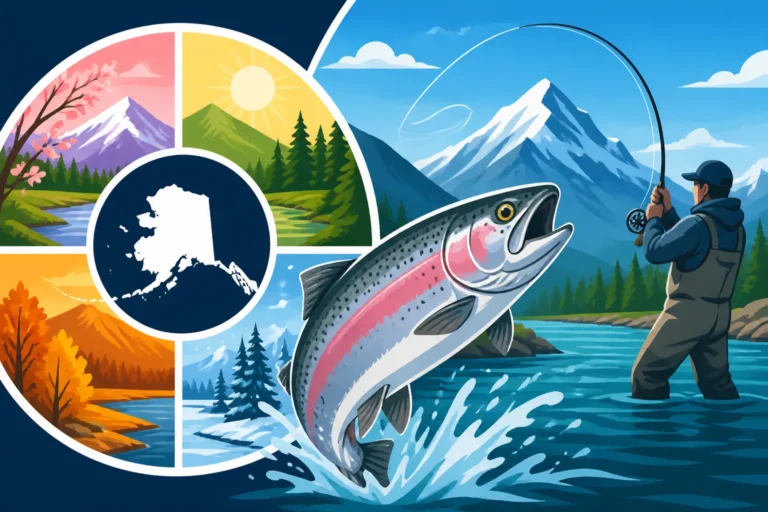
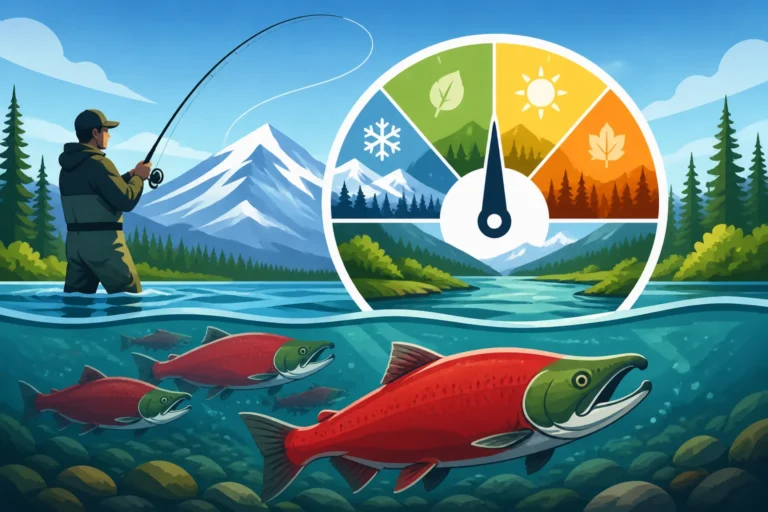
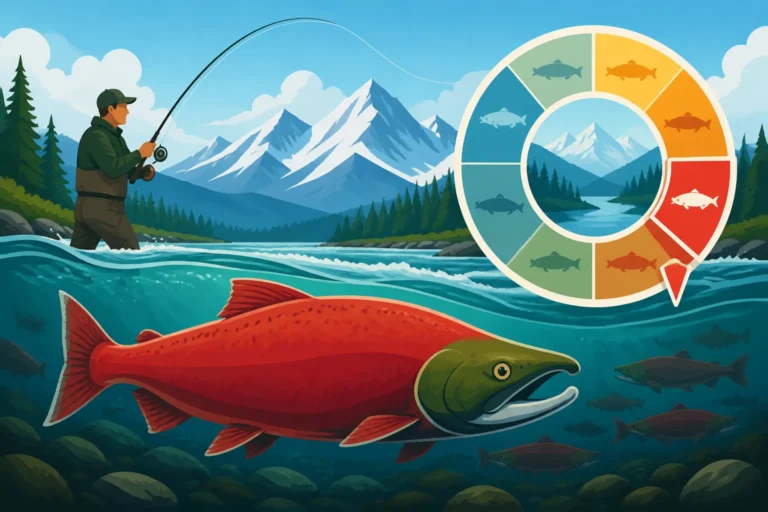
Generally speaking, you can start seeing Coho salmon showing up in Alaska's waters from late July, with the runs intensifying significantly through August and September. While other salmon species are finishing up their migrations and spawning, Coho are just hitting their stride. This extended season makes them a favorite for many, especially those who might miss the earlier King or Sockeye windows. Think of it as the grand finale of the salmon season, often with cooler temperatures, vibrant fall colors, and fewer crowds on the rivers. It's a truly magical time to be fishing in Alaska.
The exact timing can fluctuate a bit year to year, influenced by environmental factors like water temperature, rainfall, and snowpack from the previous winter. A warm, dry summer might delay their push upstream, while heavy rains can trigger a surge. This is why staying updated with local fishing reports and emergency orders is crucial. Alaska's fishing landscape is dynamic, and being flexible with your plans, even by a few days, can make a monumental difference in your success.
Factors Influencing Coho Run Timing
Several elements play a crucial role in when and how strongly Coho salmon arrive in different systems. It's not just a flip of a switch; it's a symphony of nature influencing these magnificent fish.
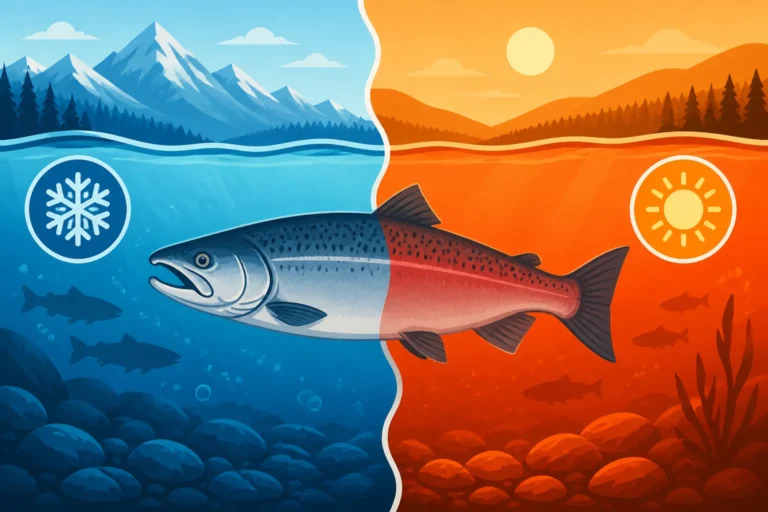
One of the most significant factors is water temperature. Coho generally prefer cooler water temperatures, typically in the 40s and 50s Fahrenheit. As river temperatures begin to drop from their mid-summer highs, usually in late July or early August, it signals to the salmon that it's time to begin their freshwater migration. Warmer ocean temperatures can also influence their nearshore movements, sometimes holding them in saltwater longer before they commit to the rivers.
Rainfall is another critical trigger, especially in rivers with lower water levels. A significant rain event can quickly raise river levels, providing the necessary flow and depth for Coho to navigate upstream over shallow riffles and rapids. Many an angler has experienced a slow Coho fishery suddenly explode into action after a good rain. Conversely, a prolonged dry spell can stack fish up in estuaries or lower river sections, making them harder to target until the water rises.
Tides are especially important for Coho salmon in coastal areas and tidal rivers, particularly in Southeast Alaska and parts of Prince William Sound. During incoming tides, Coho will often move into bays and lower river sections, staging before pushing further upstream. Fishing during the slack tide before or after a strong tidal push can be incredibly productive, as fish are often resting and more accessible. Understanding the tidal charts for your chosen location is just as important as knowing the lunar cycle for certain saltwater species – it dictates the movement of these anadromous fish.
Regional Peaks for Alaska's Silver Salmon
Alaska is vast, and Coho salmon runs vary significantly from region to region. What's prime time in Southeast Alaska might be a bit early or late for Southcentral. Knowing these regional differences is vital for planning your trip.
Southcentral Alaska: Kenai Peninsula and Prince William Sound
Southcentral Alaska is arguably one of the most popular regions for Coho fishing, particularly the Kenai Peninsula. The season here generally kicks off in August and continues strong through September, often with a "second run" of Silvers appearing later in the season.
- Kenai River: The Kenai is legendary, and while many think of Kings and Sockeye, its Coho fishing can be absolutely phenomenal. The first push of Coho often arrives in early to mid-August, with the main run typically peaking from late August through mid-September. These fish are known for their aggressive strikes and aerial acrobatics. Fishing the middle and lower Kenai River during this period, either from a boat or by wading, can be incredibly rewarding. The nearby Kasilof River also sees strong Coho runs, often mirroring the Kenai's timing. If you're looking for an unforgettable experience, check out our guide on the Kenai River Silver Salmon Fishing Guide.
- Russian River: While famous for Sockeye, the Russian River also gets a strong push of Coho in late August and September, particularly downstream near its confluence with the Kenai.
- Little Susitna River: Located north of Anchorage, the "Little Su" is a favorite for road-system anglers. Its Coho run typically peaks from mid-August through September, offering great opportunities for bank fishing and small boat access.
- Deshka River: Another popular tributary in the Mat-Su Valley, the Deshka also sees good Coho numbers, generally from mid-August to late September.
- Prince William Sound: For saltwater Coho, Prince William Sound offers incredible charter opportunities out of towns like Valdez and Whittier. These feeder Coho are often chrome bright and incredibly feisty. The season here typically runs from late July through September, with peak action in August. Many charters target these fish by trolling spoons and flashers. You can learn more about fishing this area in our Prince William Sound Fishing Guide.
Southeast Alaska: Juneau, Sitka, and Ketchikan
Southeast Alaska, with its intricate network of islands, fjords, and coastal rivers, offers a distinctly different Coho experience, often blending saltwater and freshwater opportunities.
- Saltwater Coho: The inside waters around Juneau, Sitka, and Ketchikan become a Coho paradise from late July through September. These "feeder" Coho are actively gorging on baitfish, making them incredibly aggressive and prime targets for trolling. Many guided trips focus on these robust, bright fish. The fishing can extend well into October in some areas, especially for the larger "coastal" Coho. For visitors planning a trip, our Juneau Fishing Guide for Visitors and Sitka Fishing Guide offer excellent insights.
- River Runs: While the saltwater action is prominent, many smaller rivers and streams throughout Southeast Alaska also receive strong Coho runs from August into October. Access to these rivers often involves float planes or boat transfers, making for a true wilderness experience. These fish tend to be incredibly spirited in the current.
- Ketchikan: Known as the "Salmon Capital of the World," Ketchikan offers fantastic Coho fishing both in its surrounding saltwater bays and nearby rivers from August through early October. The longer season here makes it a reliable destination for Silvers.
Interior and Western Alaska
While less accessible for many, the vast rivers of Interior and Western Alaska also host robust Coho runs, often with less fishing pressure.
- Bristol Bay Rivers: Rivers flowing into Bristol Bay, famous for their colossal Sockeye runs, also get strong Coho returns, typically from late August into September. Rivers like the Nushagak and Naknek offer incredible opportunities, often accessed via remote lodges or fly-out trips.
- Yukon River Drainage: Further inland, the Yukon River and its tributaries also support Coho, though these fish travel immense distances and are often targeted by subsistence users. Sport fishing opportunities here are more remote and often part of a broader multi-species adventure.
When considering which region to target, think about the kind of experience you're after. Do you prefer the roadside accessibility and boat fishing of Southcentral, the wilder saltwater and float plane trips of Southeast, or the remote, unpressured fisheries of Western Alaska? Each offers a unique adventure to pursue these fantastic fish. You can also explore our general guide on the Best Rivers for Silver Salmon in Alaska.
Here's a quick overview of typical peak Coho timings by region:
| Region | Typical Peak Season | Notable Locations | Fishing Style Focus |
|---|---|---|---|
| Southcentral Alaska | Mid-August to Late September | Kenai River, Kasilof River, Little Susitna, Deshka River, Prince William Sound (Valdez, Whittier) | River bank fishing, drift boat, power boat trolling, saltwater charter trolling |
| Southeast Alaska | Late July to Early October | Juneau, Sitka, Ketchikan, Petersburg, Wrangell (saltwater & rivers) | Saltwater charter trolling, small boat, remote river wading |
| Western Alaska | Late August to Mid-September | Nushagak River, Naknek River, Alagnak River (Bristol Bay) | Remote lodge, fly-out trips, drift boat |
Optimal Conditions and Fishing Strategies for Coho
Catching Coho salmon isn't just about being there when they show up; it's about understanding their behavior and presenting the right offerings under optimal conditions.
Best Weather and Water Conditions
Coho salmon are often most active during stable weather conditions, especially after a period of rain that has bumped up river levels. Overcast days are frequently more productive than bright, sunny ones, as the subdued light can make fish less wary and more willing to strike. Heavy rain can sometimes make fishing challenging by muddying the water, but light, consistent rain can be a blessing, keeping fish on the move.
Water clarity is also a key factor. While Coho will bite in slightly off-color water, clearer water often provides better sight-fishing opportunities and allows them to see your lures more easily. Ideal river levels are crucial – too low, and fish stack up or struggle to move; too high, and they can be dispersed and hard to locate. Keeping an eye on river gauge reports (like those from the USGS) can give you a significant advantage.
Effective Lures, Bait, and Techniques
Coho salmon are notorious for being aggressive and aren't typically as finicky as other salmon species, which makes them incredibly fun to target. They'll readily strike a variety of presentations, but having a few go-to options will increase your success. Our comprehensive guide on How to Catch Silver Salmon in Alaska delves deeper into these techniques.
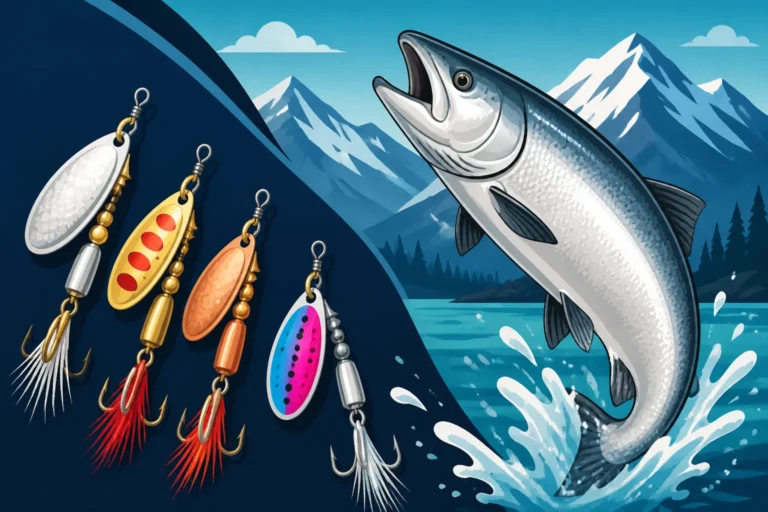
- Spinners: These are arguably the most iconic Coho lure. Bright colors like chartreuse, orange, pink, and silver are incredibly effective. Brands like Blue Fox Vibrax, Luhr-Jensen Flying C, and Mepps Syclops are perennial favorites. The flash and vibration of a spinner are irresistible to an aggressive Coho. Cast them slightly upstream and across, allowing them to swing and retrieve with a steady motion, imparting a fluttering action. For more specifics, check out the Best Spinners for Alaska Silver Salmon.
- Spoons: Similar to spinners, spoons like the Little Cleo, Pixie, or Silver Horde Kingfisher spoons in bright or metallic finishes can be deadly. They mimic wounded baitfish and have a tantalizing wobble. Vary your retrieve speed and add small twitches to entice strikes.
- Plugs and Wobblers: For river fishing, back-trolling or casting Kwikfish, Flatfish, or Mag Lip plugs can be very effective, especially when paired with a scent. These lures dive and wobble with a wide action that Coho can't ignore.
- Flies: For fly anglers, Coho offer fantastic action. Large, flashy streamers in chartreuse, pink, purple, and black are excellent choices. Patterns like the Coho Kryptonite, Dolly Llama, Popsicle, and various Clouser Minnows can be incredibly productive. Swinging flies across currents or stripping them in estuaries can lead to explosive takes.
- Bait: Cured salmon roe (eggs) is a classic and highly effective bait for Coho, either drifted under a bobber or fished on the bottom with a minimal weight. Herring strips or chunks can also work wonders, especially in saltwater or tidally influenced areas. You can find more detail on this in the Best Lures and Bait for Alaska Coho Salmon.
- Techniques:
- Casting and Retrieving: This is the most common method for bank anglers and can be done effectively from boats. Focus on current breaks, seams, and deeper pools where Coho might be holding.
- Drift Fishing: In rivers, drift fishing with bait, beads, or small lures under a float allows your offering to move naturally with the current, presenting it directly to holding fish.
- Trolling: In saltwater and larger river sections, trolling plugs, spoons, or herring behind a downrigger or weighted line is a very productive method, especially for covering a lot of water.
Remember, Coho are often aggressive biters, so don't be shy with your lure presentations. Experiment with colors and retrieve speeds until you find what they're hitting. Sometimes a subtle change is all it takes to go from slow fishing to hot action.
Planning Your Coho Trip for Maximum Success
A successful Coho fishing trip in Alaska requires not just knowing when to go, but also how to prepare. From booking the right guide to packing the essentials, a little foresight goes a long way.
Booking Charters and Guides
While DIY fishing is certainly possible for Coho in many road-accessible areas, especially if you have local knowledge or a boat, booking a reputable charter or guide can dramatically increase your chances of success, especially if it's your first time or you're targeting specific areas like Prince William Sound or remote rivers.
- Expert Knowledge: Guides spend countless hours on the water and understand the nuances of specific rivers and bays, knowing exactly where fish are holding and what they're biting on a given day. They can adapt to changing conditions and get you to the hot spots quickly.
- Gear and Safety: Reputable charters provide all the necessary fishing gear, bait, and safety equipment, often using high-quality tackle that's specifically suited for the local conditions. This saves you the hassle and expense of bringing or buying specialized gear.
- Regulations: Alaska fishing regulations can be complex and change frequently with emergency orders. Guides are experts on the current rules, ensuring you stay legal and avoid costly violations. This is particularly important with species-specific limits and recording requirements. It's always a good idea to read up on Alaska Coho Salmon Regulations and Limits before you go.
When choosing a guide, look for those with a strong track record, good reviews, and a clear communication style. Ask about their experience specifically targeting Coho salmon, what's included in the trip cost, and their cancellation policy. Our guide on How to Choose an Alaska Fishing Charter provides excellent tips for making the right selection, and for those focused on salmon, the Best Salmon Fishing Guides in Alaska article is a must-read. Don't wait until the last minute; prime Coho season dates, especially late August and early September, can book up quickly.
Essential Gear and Preparations
Even if you're fishing with a charter that provides gear, you'll still need to bring personal items to ensure a comfortable and productive trip.
- Clothing: Alaska's weather is famously unpredictable. Layers are key. Start with a moisture-wicking base layer, add a fleece or wool mid-layer, and top it off with waterproof and windproof outer layers. Good quality rain gear is non-negotiable. Look for durable, breathable options from brands like Simms or Grundéns, which you can often find competitive prices for on Amazon.
- Footwear: Waterproof boots or wading boots (if shore fishing) are essential. Even on a boat, deck boots will keep your feet dry and provide good grip.
- Fishing License and King Salmon Stamp: Don't forget your Alaska fishing license! If you're targeting King salmon, even incidentally, or fishing in certain King salmon waters during specific times, you might also need an Alaska King Salmon Stamp. It's always best to purchase these in advance online from the Alaska Department of Fish and Game website.
- Small Essentials: A hat, polarized sunglasses (crucial for spotting fish and protecting your eyes), sunscreen, insect repellent (mosquitoes can be fierce!), a camera, and a small backpack for your personal items.
- Cooler and Fish Processing: If you're planning to take your catch home, consider how you'll process and transport it. Many charters offer fish processing services, but you'll need a plan for keeping your fish cold on the journey home. Vacuum sealers, insulated fish bags, and sturdy coolers are good investments, often available on Amazon. Our article What Tackle to Bring to Alaska has a comprehensive list.
By paying attention to these details, you'll be well-prepared to enjoy the fantastic Coho fishing Alaska has to offer. The thrill of a hard-fighting Silver salmon on the end of your line, set against the backdrop of Alaska's stunning late-summer and early-fall scenery, is an experience you won't soon forget.
Disclaimer
The information provided in this guide is for general informational purposes only and does not constitute official legal or regulatory advice. Fishing regulations in Alaska are subject to change, including emergency orders that can alter seasons, bag limits, and legal gear. Always consult the most current Alaska Department of Fish and Game regulations booklet and local emergency orders before heading out to fish.