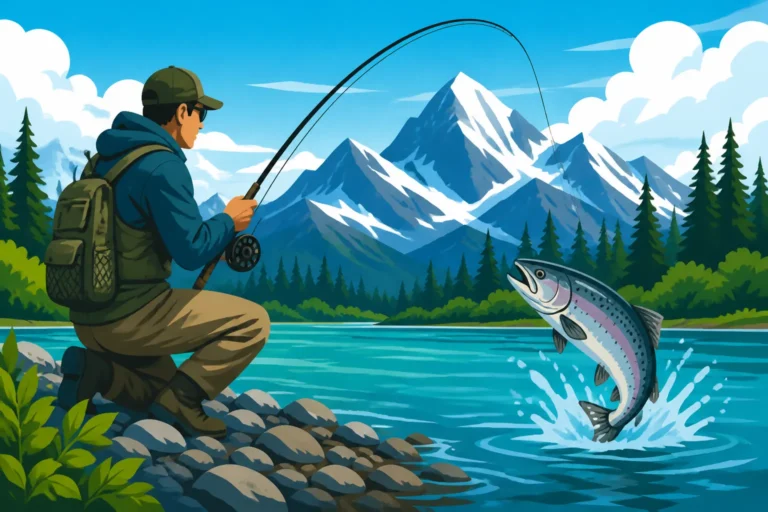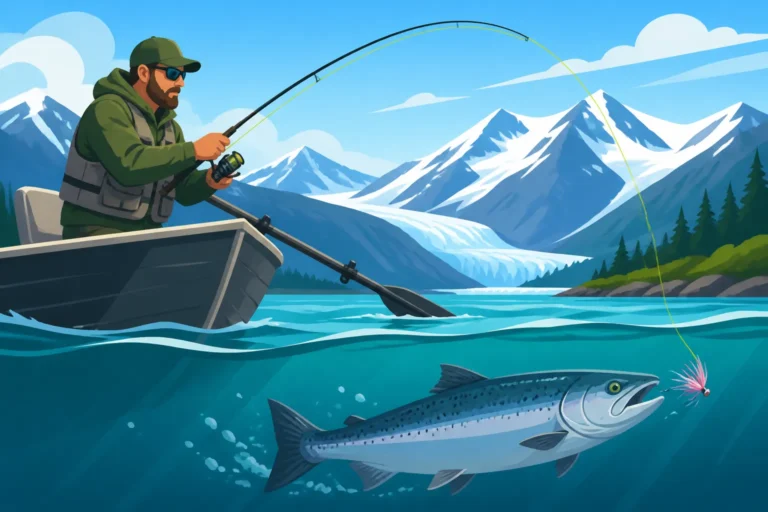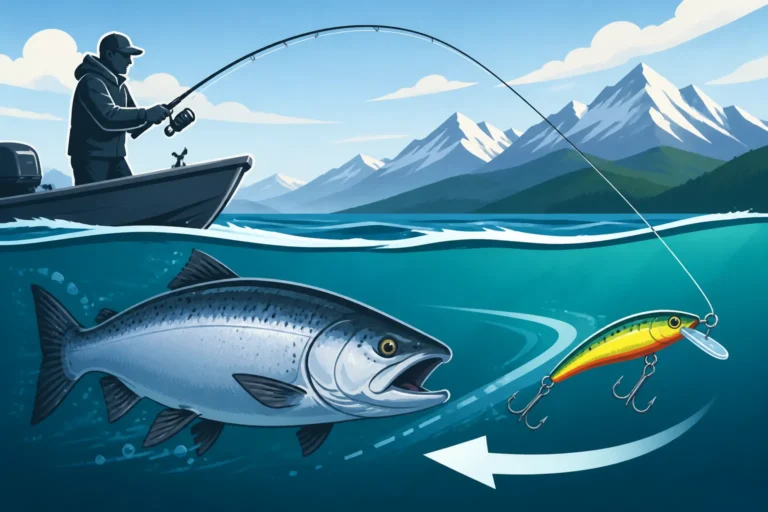
Alaska Silver Salmon Run Timing
One of the trickiest parts about planning an Alaska fishing trip, especially if you're chasing a specific species, is nailing down the timing. You hear whispers of epic silver salmon runs, but without clear information, it's easy to book a trip too early or too late and miss the peak action. This comprehensive guide is here to untangle the mysteries of Alaska silver salmon run timing, breaking down when and where these feisty fish flood into our rivers and coastal waters so you can plan your ultimate coho adventure with confidence.
Understanding Alaska's Silver Salmon (Coho) Runs
Silver salmon, known affectionately by their scientific name Oncorhynchus kisutch or simply "cohos," are a beloved target for many anglers in Alaska. They’re known for their aggressive strikes, acrobatic fights, and delicious table fare. But catching them consistently relies heavily on understanding their migration patterns.
The Life Cycle of a Coho Salmon
Like all Pacific salmon, silver salmon have a fascinating anadromous life cycle. They hatch in freshwater rivers and streams, spending one to two years rearing in these natal waters. During this time, they feed on insects and small crustaceans, growing steadily before undergoing smoltification – a physiological change that prepares them for saltwater life. As smolts, they migrate downstream to the ocean, usually in late spring.
Once in the vast Pacific, cohos spend typically 18 months to two and a half years growing fat on a diet of smaller fish, squid, and krill. This oceanic phase is where they build up the incredible strength and size that makes them such a prize catch. When their time is up, guided by an incredible sense of smell and instinct, they begin their journey back to their birthplace. This return migration from the ocean to freshwater to spawn is what we call the "run," and it's precisely what we're focused on when planning a fishing trip. After spawning, like other Pacific salmon, cohos will die, completing their life cycle and nourishing the ecosystem for future generations.
Why Timing is Everything for Silver Salmon
For anglers, timing is absolutely crucial when it comes to silver salmon. These fish don't just appear en masse and stay for months. Their runs are distinct, often peaking over a few weeks in any given river system. If you arrive too early, the fish might still be out in the ocean, inaccessible or too scattered to target effectively. Arrive too late, and the main run might have passed through, leaving only a few stragglers or fish that have already begun the spawning process, which can make them less eager to bite and poorer eating quality.
The sweet spot is hitting the run when fresh, chrome-bright cohos are actively migrating upstream and still aggressive. These are the fish that deliver those thrilling fights and make for fantastic meals. Missing this window by even a week or two can significantly impact your success and overall experience. It's why seasoned Alaskan anglers meticulously study the Alaska Salmon Run Timing Explained and local conditions.
Key Factors Influencing Silver Salmon Runs
Understanding the broader environmental cues that trigger and shape silver salmon runs is paramount. It’s not just a calendar date; several dynamic factors play a significant role.
Water Temperature and Flow Rates
Water temperature is arguably one of the most critical factors dictating when and how strong a silver salmon run will be. Cohos, like all salmon, are sensitive to water temperature. When river temperatures are too warm, salmon can become stressed, their metabolism increases, and they may delay their entry into freshwater or move through systems very quickly. Ideal temperatures often range from the low 50s to low 60s Fahrenheit. Cooler, stable temperatures tend to encourage a strong, sustained run.
Similarly, river flow rates are a huge influence. High, turbid water from heavy rains or glacier melt can make fishing challenging, but it also provides a highway for fish to move upstream quickly, sometimes pushing them deeper into the system. Low water conditions, conversely, can concentrate fish in pools and slow their migration, making them easier to target but also more susceptible to stress and sometimes less willing to bite. A good balance of moderate flows, often seen after a period of light rain, can create fantastic fishing conditions as fish are moving steadily and water clarity is good. Keeping an eye on localized river gauges and forecasts can give you a significant advantage.
Ocean Conditions and Forage Availability
What happens out in the vast North Pacific profoundly impacts the size and health of returning silver salmon. Years with favorable ocean conditions, such as plentiful forage fish (like herring and sand lance) and suitable water temperatures, generally lead to larger, more robust returning runs. These conditions allow cohos to grow quickly and survive predation, resulting in more fish making it back to spawn.
Conversely, poor ocean productivity, often linked to changes in ocean currents or water temperatures, can result in smaller fish and fewer returning adults. Marine heatwaves, for example, can disrupt the food web, making it harder for juvenile salmon to find enough to eat, which ultimately affects the strength of the future runs. This is why you often hear wildlife biologists discussing ocean forecasts when predicting salmon returns – it’s a huge piece of the puzzle. Understanding these larger patterns can help you anticipate the overall quality of the season, even before the fish start showing up at river mouths.
Regional Differences and River Systems
Alaska is an immense state, and silver salmon runs don't happen uniformly across all its regions simultaneously. A river in Southeast Alaska might see its coho run peak weeks before a river in Southcentral or Western Alaska. This is due to varying climate zones, oceanographic conditions, and the unique genetic adaptations of different salmon populations. Each river system has its own nuances, influenced by its length, gradient, water source (glacier-fed vs. clear-water), and distance from the ocean.
For instance, rivers directly connected to the ocean with short migrations might see earlier runs compared to those that require fish to travel hundreds of miles inland. Glacial rivers, which tend to be colder, might see later runs. This regional variation is why a blanket "silver salmon season" doesn't truly exist for the entire state, and why deep-diving into specific areas like the Kenai River Fishing: Complete Guide or Seward Alaska Fishing Guide is so important.
Statewide Silver Salmon Run Timing Overview
When we talk about silver salmon, we're generally discussing a late summer and fall fishery. While other salmon species dominate the early summer, cohos arrive when the leaves start to turn, offering an exciting change of pace.
General Seasonality: When to Expect Cohos
Across most of Alaska's prime fishing areas, the silver salmon season generally kicks off in late July and runs strong through August, September, and even into October in some systems. Think of August as the appetizer, September as the main course, and October as the lingering, but still delicious, dessert.
The first pushes of silver salmon often show up in saltwater estuaries and lower river sections in late July, particularly in Southcentral and Southeast Alaska. These early fish are typically very aggressive, fresh from the ocean, and eager to bite. As August progresses, more and more fish enter freshwater, and the runs become more widespread. By September, many rivers are experiencing their peak silver salmon activity, with dense schools of fish making their way upstream. This is often considered the prime time for many anglers, offering consistent action and a good chance at a limit. Into October, while the numbers might start to dwindle in some systems, especially those with shorter runs, other rivers continue to see strong late-season pushes, particularly in areas like the Kenai Peninsula. These late-season fish can be vibrant and still very aggressive, offering a fantastic opportunity for a quieter fishing experience after the peak crowds.
Early vs. Peak vs. Late Season Runs
Understanding the nuances between early, peak, and late-season runs can help you tailor your trip to your preferences and maximize your chances of success.
-
Early Season (Late July – Mid-August): These are often the first, most eager fish. They are typically bright silver, full of fight, and excellent table fare. You'll often find them concentrated in tidally influenced areas and the lower stretches of rivers. Fishing at this time often involves targeting them with aggressive lures and bait in saltwater or near river mouths. While numbers might not be at their absolute highest, the quality of the fish is superb, and competition from other anglers can sometimes be lower than during peak times. Think of it as hitting the first wave before the main charge.
-
Peak Season (Late August – Mid-September): This is when the majority of silver salmon are migrating. Rivers can be teeming with fish, and daily limits are often achievable for anglers using a variety of methods. The fish are spread throughout the river systems, and you'll find great opportunities for both boat and bank fishing. This is the busiest time on many popular rivers, but for good reason – the action is often non-stop. This is typically the window most people aim for when planning their Alaska trip. When planning for this time, it's wise to consider booking your Alaska Fishing Charters: Complete Guide well in advance.
-
Late Season (Late September – October): While the runs might thin out in some smaller systems, many larger rivers continue to see strong pushes of silvers. These fish are often further upstream, and while they might start to show some spawning colors, they can still be incredibly aggressive. The advantage of late-season fishing is often fewer crowds and a beautiful fall landscape. Some systems even see distinct late-season runs that are genetically separate from the earlier fish. Anglers might need to adjust their techniques, perhaps focusing more on egg patterns or slower presentations, but the rewards can be great. This period is also fantastic for those who enjoy the solitude of autumn in Alaska.
Silver Salmon Run Timing by Major Alaska Region
Alaska's vastness means that silver salmon runs vary considerably depending on which part of the state you plan to fish. Here’s a breakdown of the major regions and their typical coho timing.
Southcentral Alaska (Kenai Peninsula, Prince William Sound)
Southcentral Alaska, particularly the Kenai Peninsula, is arguably one of the most famous destinations for silver salmon fishing, drawing anglers from around the globe. Rivers like the Kenai, Kasilof, and Susitna are legendary.
- Kenai Peninsula: This region typically sees its silver salmon runs kick off in late July. The first wave of fish enters the Kenai River and Kasilof River, offering fantastic action through August. By September, the runs are often at their peak, providing incredible opportunities for both boat and bank anglers. The Kenai River, in particular, can offer strong silver fishing well into October, with a distinct late run known for producing large fish. Expect excellent fishing around Soldotna and Cooper Landing. Even smaller streams and lakes in the area will see their coho populations increase significantly throughout August and September.
- Prince William Sound: Areas like Valdez and Whittier, accessible by road or ferry, also offer superb saltwater and terminal river silver salmon fishing. These runs typically begin in early to mid-August, peaking through September. Anglers often target them in the saltwater using trolling techniques or in the mouths of small streams as they stage to enter freshwater. These areas also have excellent options for guided trips focusing on salmon and halibut. The vibrant fishing community in Valdez is particularly renowned for its late-season silver runs.
Southeast Alaska (Juneau, Sitka, Ketchikan)
Southeast Alaska, a region characterized by its myriad islands, fjords, and lush rainforests, boasts countless smaller river systems and expansive marine waters that teem with silver salmon.
- General Timing: Due to its more southerly latitude and direct access to rich ocean feeding grounds, Southeast Alaska often sees its silver salmon runs start a bit earlier than Southcentral, sometimes as early as mid-July. Peak action typically occurs from mid-August through September.
- Specific Locations:
- Juneau: Rivers around Juneau, like the Cowee and Montana Creek, see strong silver runs starting in August and continuing through September. Many charter operators in Juneau offer combo trips targeting both salmon and bottom fish.
- Sitka: Known for its incredible saltwater fishing, Sitka offers phenomenal coho action from mid-July through September. Anglers typically troll in the protected waters of Sitka Sound for these aggressive feeders. The fishing is often consistent and productive, making Sitka a top choice for a saltwater salmon adventure.
- Ketchikan: Further south, Ketchikan’s runs begin in late July and peak throughout August and September. Numerous streams and saltwater fishing grounds provide ample opportunities. Charters here are highly experienced in finding schools of silvers.
- Other Areas: Smaller communities and remote lodges throughout Southeast Alaska, from Petersburg to Wrangell, all experience similar run timings, with local variations. Access to many of these areas often involves floatplanes or boats, offering a more secluded fishing experience.
Bristol Bay and Western Alaska (Kodiak, Nushagak)
While famous for sockeye, the vast regions of Bristol Bay and Western Alaska also host significant silver salmon populations, particularly in systems flowing into the Bering Sea or Gulf of Alaska.
- Kodiak Island: Kodiak offers a unique blend of coastal and river fishing for silvers. Runs typically commence in mid-August and build throughout September. Rivers like the Karluk and Ayakulik, while legendary for sockeye and kings, also see strong coho returns. Many anglers access these remote rivers via fly-out trips from Kodiak city. The sheltered bays and estuaries around the island also provide excellent saltwater trolling opportunities.
- Nushagak River: While primarily known for its massive king salmon run, the Nushagak also has a substantial silver salmon fishery that begins in late August and extends through September. These fish are typically targeted in the lower and middle river sections. The sheer volume of fish makes it a thrilling destination.
- Other Western Alaska Rivers: Rivers further north and west, closer to the Bering Sea, generally have slightly later and shorter coho runs, often peaking in September and wrapping up by early October. These regions are more remote, often requiring air travel to specialized fishing lodges. The fishing experience here is often more rustic and wilderness-oriented, appealing to those seeking an off-the-grid adventure. Many lodges in this region also offer combined sockeye and silver salmon trips, capitalizing on the late sockeye runs transitioning into the early silver season.
Month-by-Month Breakdown of Silver Salmon Activity
Let's dive deeper into what you can expect month-by-month for silver salmon fishing across the primary regions of Alaska. This is where you really dial in your planning for the Best Time for Salmon Fishing in Alaska.
August: The Initial Rush
August is often seen as the start of the true silver salmon season across most of Alaska. While some early whispers might begin in late July, August is when things really start to pick up.
- Early August: In Southeast Alaska, particularly around Sitka and Ketchikan, strong numbers of silvers are already present in saltwater, actively feeding before moving into freshwater. For freshwater anglers, the first significant pushes of chrome-bright silvers begin to enter lower river systems on the Kenai Peninsula (like the Kenai and Kasilof Rivers) and around Prince William Sound. These fish are incredibly feisty, having just transitioned from the ocean. They respond well to aggressive lures, spinners, and cured eggs. You'll often find anglers lining river mouths and tidally influenced areas, targeting these fresh arrivals. This is a great time to hit areas that have both saltwater and freshwater access, giving you options depending on where the fish are staging.
- Mid-to-Late August: The runs build momentum significantly. Most major river systems in Southcentral and Southeast Alaska will see consistent numbers of silvers. This is a fantastic time for both guided and unguided trips. Fish are actively moving upstream, and you can find them throughout the lower and middle sections of rivers. The bite is often strong, and the weather can still be quite pleasant. Many outfitters and lodges, like those in Homer, start focusing heavily on coho by this point. For those planning a longer trip, combining an Alaska Halibut Fishing Regulations Explained with silver salmon is often feasible. Checking the Alaska Fishing Emergency Orders Explained is especially important during busy periods, as regulations can change quickly based on escapement numbers.
September: Peak Action
September is, for many, the pinnacle of silver salmon fishing in Alaska. The runs are at their strongest, fish are widespread, and the autumn scenery is simply breathtaking.
- Early September: Expect major rivers across Southcentral Alaska to be absolutely humming with silver salmon. The Kenai, Kasilof, Susitna tributaries, and many smaller streams on the Kenai Peninsula are often at their peak. In Southeast, the consistent action continues. Fish are abundant, and anglers employing various techniques—from drift fishing with eggs and beads to casting spinners and spoons—will find success. The crowds, while still present, can sometimes start to thin slightly compared to late August. This is a prime time for a high-volume catch. The fish are still relatively fresh, but they've had enough time in freshwater to spread out throughout the system.
- Mid-to-Late September: While some of the earliest-running systems might see a slight tapering off, many rivers, especially the larger ones and those further inland, continue to experience robust silver salmon runs. The fish might start to show more spawning colors (turning reddish-brown), but they are often still aggressive, particularly in areas where they haven't yet begun to pair up. This is an excellent time for those who enjoy the cooler temperatures and vibrant fall foliage that Alaska is famous for. Fly anglers, in particular, often find success with egg patterns and streamers. This period offers fantastic opportunities for remote fly-out trips to wilderness rivers, where you might encounter fewer anglers.
October: Late Season Opportunities
Don't write off October for silver salmon! While certainly tapering off compared to the peak, this month can still offer some truly memorable fishing experiences, often with fewer people on the water.
- Early October: Several river systems, particularly the larger ones like the Kenai and some tributaries of the Susitna, continue to have good numbers of late-run silver salmon. These fish can be quite large and are often very aggressive, providing some fantastic fights. The weather can be more unpredictable, with cooler temperatures, but the rewards are often worth bundling up for. Many anglers who fish regularly in Alaska cherish these late-season opportunities for their solitude and the chance at trophy-sized silvers. It's a great time to focus on areas known for strong late-season pushes.
- Mid-to-Late October: By now, most silver salmon runs are winding down significantly. Only a handful of systems will still have fish worth targeting, usually the very largest rivers with long migrations or those with distinct late-run genetics. The fish will be showing advanced spawning colors, but they can still be caught. This period is definitely for the dedicated, hearty angler who doesn't mind colder weather and perhaps a slower pace, but enjoys the quiet beauty of Alaska's late fall. Some rivers may experience closures or restrictions as the season ends, so always check the latest Alaska Fishing Regulations Explained before heading out.
Planning Your Silver Salmon Fishing Trip
Now that you have a good grasp of silver salmon run timing, it’s time to put that knowledge into action and plan your unforgettable Alaska fishing adventure.
Checking Emergency Orders and Forecasts
This cannot be stressed enough: Alaska's fishing regulations, especially for salmon, are dynamic. Runs can fluctuate year to year due to ocean conditions, freshwater survival, and escapement goals. The Alaska Department of Fish and Game (ADF&G) actively manages these fisheries, issuing emergency orders (EOs) that can change bag limits, open or close fisheries, or alter legal gear on very short notice.
Before and during your trip, it is absolutely essential to regularly check the ADF&G website for the latest emergency orders for your specific region and river system. Many local tackle shops and guides also stay up-to-date and can provide valuable real-time information. Ignoring EOs can lead to citations and fines, ruining your trip. Additionally, ADF&G often releases pre-season forecasts for salmon runs, which can give you a general idea of what to expect for the upcoming season, although these are predictions and not guarantees. Staying informed is the angler's best friend in Alaska.
Here’s a useful table summarizing general silver salmon run timing by region, but always verify with current ADF&G regulations and forecasts for precise planning:
| Region | Early Run (Initial Push) | Peak Run (Strongest Action) | Late Run (Winding Down) | Notable Rivers/Areas |
|---|---|---|---|---|
| Southeast Alaska | Mid-July to Early August | Mid-August to Mid-September | Late September | Sitka, Juneau (Cowee, Montana), Ketchikan, Petersburg |
| Southcentral Alaska | Late July to Mid-August | Late August to Mid-September | Late September to Mid-October | Kenai (lower), Kasilof, Susitna tributaries, Valdez, Whittier |
| Bristol Bay & Western | Mid-August | Late August to Mid-September | Late September | Nushagak, Kodiak (Karluk, Ayakulik) |
Gear Considerations for Coho Fishing
Silver salmon are known for their aggressive nature and acrobatic fights, making them a blast to catch on a variety of gear. Your specific setup will depend on whether you're targeting them in saltwater, a large river from a boat, or a smaller stream from the bank.
- Rods and Reels: For river fishing, a medium-heavy spinning rod (8-9 feet) paired with a reliable spinning reel spooled with 20-30 lb braided line and a fluorocarbon leader (15-20 lb) is a versatile choice. For fly fishing, an 8 or 9-weight rod with a large arbor reel and a floating or sink-tip line is ideal. If you’re trolling in saltwater, a medium-heavy conventional rod and reel setup with 30-50 lb braid is often preferred. You can find excellent options on Amazon, from starter combos to more specialized gear.
- Lures and Bait: Silver salmon are not usually as finicky as other salmon species. They love bright, flashy lures. Popular choices include:
- Spinners: Vibrax, Pixee, and Flying C spinners in bright colors (chartreuse, orange, pink, silver) are incredibly effective.
- Spoons: Krocadile and Pixee spoons, especially in silver or gold, can entice aggressive strikes.
- Plugs: Kwikfish and Mag Lips in various colors are great for back-trolling from a boat.
- Soft Baits/Jigs: Jigging with brightly colored lead head jigs tipped with a grub or a piece of cured salmon roe can be very productive, especially in deeper holes.
- Bait: Cured salmon eggs are a universal attractant and often work wonders, either fished under a float or drifted along the bottom. Live herring or cut plug herring are king for saltwater trolling.
- Terminal Tackle: Always carry an assortment of swivels, snap swivels, lead weights (pencil lead, slinky weights, egg sinkers), and sharp hooks (octopus or wide-gap, sizes 1/0 to 4/0). A good pair of pliers or forceps for hook removal and a net are also essential. Remember that Alaska Barbless Hook Requirements are often in effect in many areas, so be prepared with appropriate hooks. For a full breakdown, check out our Alaska Fishing Gear and Tackle Guide.
Booking Charters and Lodges for Peak Timing
Unless you're a seasoned Alaska angler with your own boat and extensive local knowledge, booking a reputable fishing charter or staying at a fishing lodge can significantly enhance your silver salmon experience.
- Charters: A good charter captain will know where the fish are, what they’re biting on, and how to navigate local regulations. Many charters specialize in specific species or techniques, so ask about their silver salmon expertise. When you book, be upfront about your target species and preferred dates. Because September is prime time, good charters fill up fast. Booking 6-12 months in advance is not uncommon, especially for popular areas like Homer or Seward. Look for guides who are properly licensed and have a strong safety record. Online reviews and recommendations are invaluable here. Remember, a charter might cost more upfront, but it often includes gear, expert guidance, and access to prime fishing spots you might not find on your own.
- Lodges: All-inclusive fishing lodges offer a complete package: accommodations, meals, guides, gear, and often fish processing. They take all the guesswork out of your trip, allowing you to focus solely on fishing. Many lodges have private access to excellent silver salmon waters or offer fly-out trips to remote rivers. Again, booking well in advance is critical. Research lodges that specifically highlight silver salmon as a primary target during your desired travel window. While often more expensive than independent travel, lodges provide a seamless, high-quality experience, perfect for those who want a stress-free fishing vacation. You can find a wide range of options, from rustic cabins to luxury resorts, with many details in our Alaska Fly-In Fishing Lodges Guide.
Ultimately, an unforgettable Alaska silver salmon trip comes down to meticulous planning, understanding the fish's habits, and staying flexible enough to adapt to Alaska's ever-changing conditions.
Disclaimer
The information provided in this guide is for general informational purposes only and is subject to change. Alaska fishing regulations, seasons, and emergency orders can change rapidly. Always consult the official Alaska Department of Fish and Game (ADF&G) website and local authorities for the most current and accurate regulations before planning or undertaking any fishing activities. We are not responsible for any incidents, accidents, or regulatory violations that may occur.