Alaska Sockeye Salmon: Size, Season, and Where to Catch
The dream of a freezer full of bright red salmon fillets is often shadowed by the reality of complex regulations, knowing when and where to go, and understanding the nuances of different fish species. If you’re like many anglers, you've heard whispers of the legendary Alaska sockeye salmon runs, but pinning down the specifics of their size, seasonal timing, and the best places to find them can feel overwhelming. This guide is designed to cut through the confusion, offering a deep dive into everything you need to know to successfully target one of Alaska's most sought-after fish.
Understanding Alaska's Sockeye Salmon
Sockeye salmon, often affectionately called "reds" by Alaskans due to their vibrant spawning colors, are truly a marvel of nature. They're not just another salmon; they represent a significant cultural and economic cornerstone for the state, drawing anglers from around the globe to witness their incredible migrations. Understanding what makes them unique, especially their size and typical behaviors, is key to appreciating and successfully pursuing them.
What Makes Sockeye Unique?
Sockeye salmon are distinct among the Pacific salmon species for several fascinating reasons. First and foremost is their diet. Unlike king salmon, which primarily feed on smaller fish, or coho which are more opportunistic, sockeye have a very specific diet: zooplankton. This diet is responsible for their distinctive rich, deep red flesh, which is highly prized for its flavor and nutritional value. When you pull a sockeye out of the water, especially a fresh one, its silver flanks are often gleaming, and its streamlined body is a testament to its powerful migratory journey.
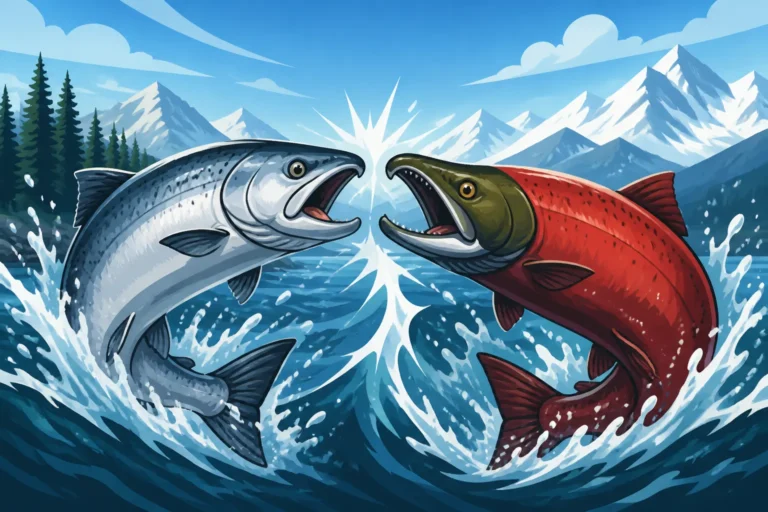
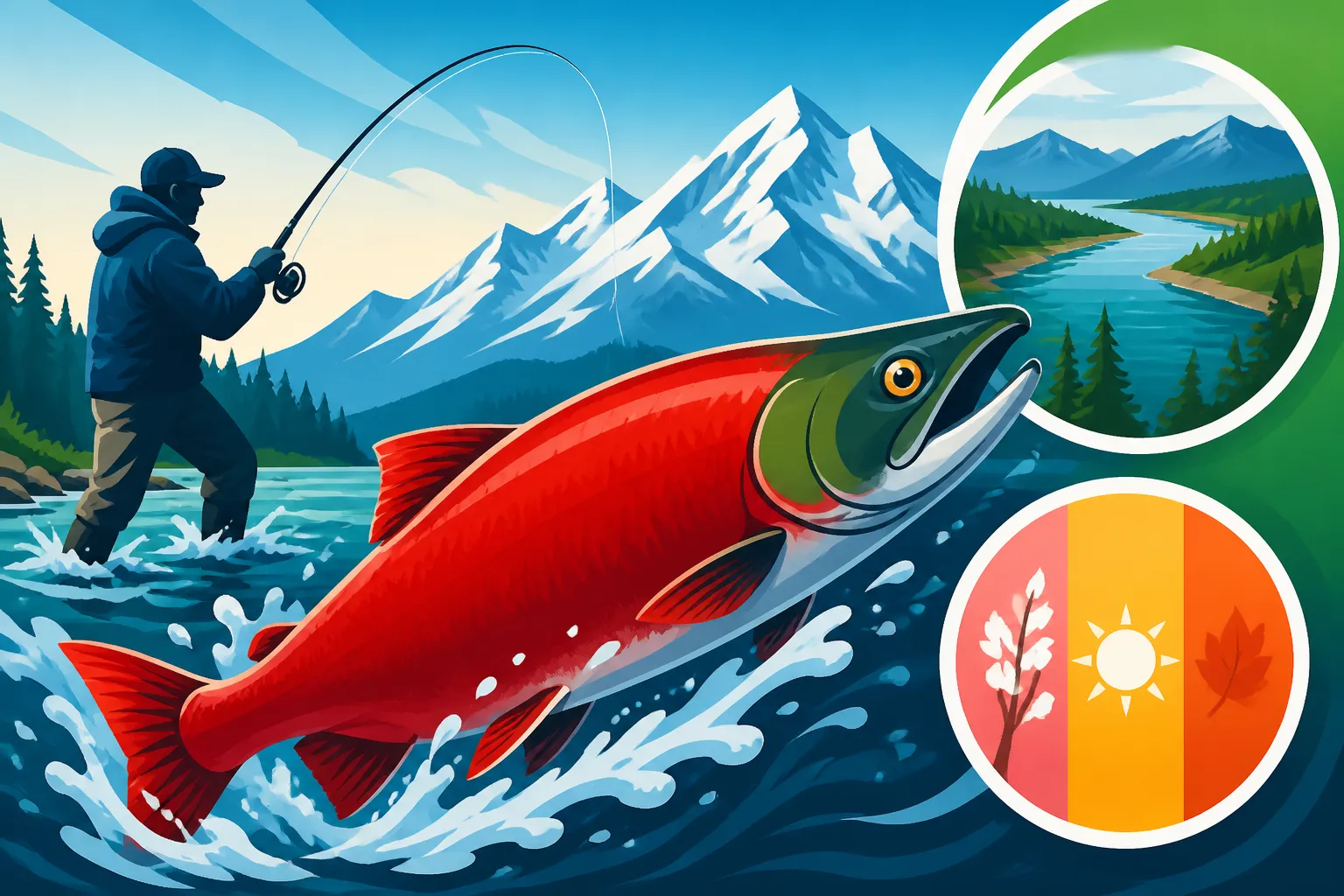
As they approach their spawning grounds, usually in lakes or tributaries that feed into lakes, their physical appearance undergoes a dramatic transformation. Their silver bodies turn a brilliant crimson red, and their heads take on a striking olive-green hue. Males develop a pronounced hump on their back and a hooked jaw (kype), becoming even more formidable in appearance. This color change isn't just for show; it's a vital part of their mating ritual, signaling their readiness to spawn. This incredible lifecycle, from ocean to freshwater lakes and back again for their offspring, is a testament to their resilience and adaptation.
Average Size and Weight
When we talk about sockeye, we're not usually talking about the leviathans like king salmon, but their fight is legendary for their size. Most sockeye salmon encountered in Alaska’s rivers and streams will average between 5 to 10 pounds. However, don't let that average fool you; bigger fish are definitely out there, especially in certain river systems. A sockeye pushing 12-15 pounds is considered a real trophy and can put up an incredible battle on appropriate gear.
For example, on the Kenai River, while the average might hover around 6-8 pounds, it's not uncommon for anglers to land fish in the 10-12 pound range during a strong run. These are robust, muscle-bound fish, built for their epic upstream journey. The largest sockeye ever recorded weighed in at a whopping 16 pounds, 1 ounce, caught in 1974. While breaking that record might be a long shot, aiming for a double-digit sockeye is a realistic goal for dedicated anglers. Remember, a 10-pound sockeye in a strong current fights like a fish twice its size, providing an exhilarating experience.
Here's a quick look at typical sockeye size:
| Characteristic | Typical Range | Notes |
|---|---|---|
| Weight | 5-10 lbs | Can vary by river system and genetics. |
| Length | 20-28 inches | Streamlined and powerful. |
| Record Weight | 16 lbs, 1 oz | World record, showing their potential. |
| Flesh Color | Deep Red-Orange | Due to their zooplankton diet; highly prized. |
The Sockeye Salmon Season in Alaska
Timing is everything when it comes to sockeye salmon. These fish are driven by an innate biological clock, returning to their natal streams and lakes with incredible precision, but slight variations can occur year to year due to environmental factors. Missing the peak by even a week can mean the difference between epic "combat fishing" and a quiet, less productive day on the water.
General Run Timing
Alaska's sockeye runs generally kick off in late May or early June, with the bulk of the action typically unfolding in July and sometimes stretching into early August. The timing can vary significantly from one region to another, and even between rivers within the same region. For instance, the Copper River is often among the first to see a significant sockeye run, sometimes starting as early as mid-May. These early-run fish are highly prized and support a significant commercial fishery.
The most famous sockeye runs, however, happen in July. Rivers like the Kenai and Russian Rivers on the Kenai Peninsula see massive pulses of fish throughout July. You can easily find specific information on Alaska Sockeye Salmon Run Timing to plan your trip. The early to mid-July period is often considered prime time for these systems, with a second, smaller run sometimes appearing in late July or early August. Further west, in places like Bristol Bay, the sockeye runs are monumental, with millions of fish pushing into river systems like the Nushagak and Kvichak throughout June and July, fueling the largest sockeye fishery in the world. It’s a truly awe-inspiring natural phenomenon to witness.
Predicting the Runs
Predicting the exact peak of a sockeye run is part science, part art, and a healthy dose of looking at the Alaska Department of Fish and Game (ADF&G) forecasts. While their biological imperative drives sockeye, environmental factors like water temperature, river levels, and ocean conditions during their migration can influence the exact timing. Warmer ocean temperatures might lead to earlier returns, while heavy rainfall can swell rivers, making fish push upstream faster.
The ADF&G provides incredibly valuable resources, including preseason forecasts and in-season updates, often through emergency orders. These updates are crucial for anglers to stay informed, as bag limits and even entire fisheries can change overnight based on run strength. Regularly checking the ADF&G website or their hotline is paramount. You'll want to be familiar with How to Read Alaska Fishing Regulations and how to check for emergency orders before you even leave your hotel room. Local tackle shops and charter operators are also excellent sources of real-time information, as they’re on the water daily and can report on current conditions.
Prime Locations to Catch Sockeye Salmon
Alaska is a vast state, and sockeye salmon can be found in countless rivers and streams. However, some locations have earned legendary status for their consistent and often explosive sockeye runs, offering diverse experiences from roadside access to remote wilderness adventures. Choosing the right spot depends on your fishing style, budget, and willingness to embrace the crowd – because where there are sockeye, there are often fellow anglers!
Road System Hotspots
For many, fishing Alaska's road system is the most accessible way to experience the sockeye frenzy. These rivers offer the convenience of vehicle access, nearby lodging, and often established facilities, though they can also be incredibly crowded during peak season.
- Kenai River (Kenai Peninsula): The Kenai is arguably the most famous river in Alaska for sockeye. It sees two distinct runs, with the second run in July often bringing in millions of fish. Anglers flock to popular spots like the Russian River confluence (where the Russian meets the Kenai) near Cooper Landing and various access points further downstream in Soldotna and Kenai. The challenge here is finding your space, but the rewards can be immense. Mastering techniques specific to this river, like "flossing," is key to success. You can learn more about Kenai River Fishing: Complete Guide. During the peak of the run, you might literally rub shoulders with other anglers, but the sheer volume of fish is astounding.
- Russian River (Kenai Peninsula): A tributary of the Kenai, the Russian River is famous for its crystal-clear water and a significant sockeye run that primarily happens in June and July. It's often where people get their first taste of "combat fishing." Access points include the Russian River Ferry and various trails. Due to its popularity, specific regulations and etiquette are crucial here, often requiring single, barbless hooks and a particular method of fishing. Check out Alaska Sockeye Salmon Limits on the Kenai before heading out.
- Kasilof River (Kenai Peninsula): South of the Kenai, the Kasilof offers a slightly different experience. It's largely a drift boat fishery, making it a favorite for guided trips, though there are some bank fishing opportunities near the mouth. The sockeye run here is robust and often less crowded than the Kenai's main stem, providing a more relaxed, yet still productive, outing.
- Copper River (Interior Alaska): Famous for its early, highly prized sockeye, the Copper River fishery primarily targets subsistence and personal use dipnetters near Chitina. While sport fishing opportunities exist, especially in tributaries like the Gulkana, the sheer numbers of sockeye here are incredible. The fish from this river are known for their incredibly rich, high-fat content due to their long journey and early season.
Remote Fly-In Destinations
If you’re seeking a true wilderness experience and want to escape the crowds, Alaska’s fly-in destinations are unparalleled. These trips are typically more expensive, involving bush plane flights to remote lodges or tent camps, but they offer solitude and often untouched fisheries where sockeye run in staggering numbers.
- Bristol Bay Region: Home to the largest sockeye salmon run in the world, Bristol Bay is the epicenter of remote sockeye fishing. Rivers like the Nushagak, Kvichak, Alagnak, and Naknek are absolutely brimming with sockeye from late June through July. A trip to a Bristol Bay lodge, such as those found in the Katmai National Park region, means you'll be flying out daily in floatplanes to fish different rivers and target millions of returning salmon. It’s an immersive experience in the heart of wild Alaska. A detailed Bristol Bay Fishing Guide can help you plan this adventure.
- Kodiak Island: While more known for its bears and kings, Kodiak also boasts some excellent, albeit smaller, sockeye runs in its various river systems. Access is often by floatplane or boat, leading to secluded spots away from the road system. It's a great option for those looking to combine sockeye fishing with other outdoor adventures.
Bank Fishing vs. Boat Access
Deciding how you'll access the sockeye depends on your preference for comfort, cost, and the specific fishery.
- Bank Fishing: Many of Alaska’s best sockeye spots are accessible by foot from the bank. This is the most budget-friendly option and provides a quintessential Alaskan experience. The downside? Crowds during peak times, especially on popular rivers like the Russian or Kenai. You might find yourself shoulder-to-shoulder with other anglers, all vying for prime casting lanes. Success often comes down to persistence, good casting technique, and understanding the specific "flossing" method these fisheries are known for. Being polite and respectful of other anglers' space is paramount for an enjoyable day.
- Boat Access (Guided or Private): Fishing from a boat, particularly a drift boat on rivers like the Kenai or Kasilof, offers several advantages. Guides can put you on fish in less accessible spots, navigating currents and knowing the holding water. It also offers more comfort and space compared to a crowded bank. If you're using a private boat, you'll need local knowledge of river hazards and appropriate boat ramps. Charters on the Kenai and Kasilof rivers are popular for both king and sockeye fishing, providing all the necessary gear and expertise. This is often a more expensive option but can greatly increase your chances of success and overall enjoyment.
Essential Gear and Techniques for Sockeye
Sockeye salmon are notorious for being a challenging catch, not because they're picky eaters with traditional lures, but because of their unique behavior once they enter freshwater. They largely stop feeding on their upstream migration, which means conventional casting and retrieving often won't work. Anglers targeting sockeye in Alaska often employ specialized techniques that capitalize on the fish's movements rather than their feeding instincts.
Rods, Reels, and Line
Getting the right setup is crucial for effectively tackling a sockeye, which, pound for pound, is one of the hardest fighting salmon. You'll want gear that can handle strong currents and a powerful, acrobatic fish.
- Rods: A medium-heavy spinning rod, typically 8.5 to 10.5 feet long, is ideal. The longer rod length helps with casting distance and mending line in current, which is essential for proper presentation when "flossing." A rod with a fast action will give you the sensitivity to feel subtle takes and the backbone to control a strong fish. Brands like Lamiglas, Fenwick, or St. Croix make excellent salmon and steelhead rods that are perfect for sockeye. You can often find a good selection on Amazon for quick delivery before your trip.
- Reels: Pair your rod with a durable spinning reel in the 3000 to 5000 size range. It needs a smooth drag system that can withstand long runs and powerful headshakes. Brands like Shimano, Daiwa, or Penn are reliable choices. Make sure your reel has a good line capacity, as sockeye will peel off line quickly.
- Line: Most sockeye anglers opt for 20 to 30-pound braided mainline, often with a monofilament or fluorocarbon leader of 15 to 25 pounds. The braid offers excellent sensitivity, allowing you to feel every bump and subtle bite, while the leader provides a bit of stretch and invisibility in clear water. Make sure your knots are strong and well-tied; a hard-fighting sockeye will quickly expose any weaknesses in your rigging. For more general gear advice, check out Alaska Fishing Gear and Tackle Guide.
Sockeye-Specific Lures and Rigs
Forget the flashy spoons and spinners you might use for kings or coho. Sockeye fishing is all about subtle presentations and specialized rigs.
- Flies (Unweighted/Weighted): The most common "lure" for sockeye is actually a small, brightly colored fly, often tied on a strong hook (size 2 to 5/0, depending on regulations). These flies are designed to drift naturally in the current. Popular colors include hot pink, red, chartreuse, and sometimes a combination of these. The key is that the fly is often unweighted or lightly weighted, meant to be carried by the current into the sockeye’s mouth as they navigate upstream. These are often fished with a lead weight placed several feet above the fly.
- Beads: In some systems, especially for trout that feed on sockeye eggs, bead fishing is highly effective. While not typically a primary sockeye technique, a carefully drifted bead can sometimes entice a sockeye. However, for direct sockeye targeting, the small, unweighted flies are more standard.
- Hooks and Lead: Regulations often mandate single, barbless hooks for sockeye in popular fisheries to minimize harm to fish that aren't legally retained. The most crucial part of the rig is the lead weight (pencil lead or slinky weights are common) placed on your main line above a swivel. A short leader (usually 18-36 inches) is then tied from the swivel to your fly. The weight is designed to bounce along the bottom, keeping your fly in the "strike zone."
The Art of Sockeye Flossing
"Flossing" is the predominant and most effective technique for catching sockeye salmon in freshwater rivers where they are no longer actively feeding. It's often misunderstood, but when done correctly and ethically, it's a legal and highly productive method.
- Understanding the Concept: The term "flossing" comes from the idea that the fishing line, rather than the hook, passes through the sockeye's mouth. As the fish swims upstream in dense schools, its mouth is often open. An unweighted fly, trailing a heavy weight, drifts naturally into the fish's mouth. When the line tightens or a "take" is felt, a gentle upward sweep of the rod sets the hook in the fish's jaw. It’s crucial that the hook sets in the mouth or jaw area for it to be a legal catch.
- Step-by-Step Technique:
- Cast Upstream: Cast your rig (weight first, then leader and fly) upstream and slightly across the current.
- Allow to Sink: Let the weight sink and bounce along the bottom. You should feel it tapping against the riverbed.
- Mend Your Line: As your rig drifts downstream, "mend" your line (lift your rod tip and toss slack upstream) to keep the line straight and prevent drag, ensuring your fly drifts naturally.
- Feel for the Take: Pay close attention to your line. Any hesitation, sudden stop, or slight tug indicates a fish. This isn't usually a hard strike; it's often subtle.
- Set the Hook: When you feel a take, quickly and firmly sweep your rod tip upward. Do not yank violently. The goal is to set the hook in the corner of the fish's mouth.
- Fight the Fish: Sockeye are powerful fighters. Keep constant pressure, let the drag do its work, and be prepared for strong runs and jumps.
- Ethical Considerations and Regulations: This method requires practice and a solid understanding of local regulations. In many popular sockeye fisheries, snagging (intentionally hooking a fish anywhere other than the mouth) is illegal. If you accidentally snag a fish outside the mouth, you must release it immediately, even if it's a legal size and species. Always carry a pair of pliers or a hook remover. The goal is to ensure the hook properly sets in the mouth, respecting the fish and the regulations. Learning How to Catch Sockeye Salmon in Alaska with these specific methods is vital for success and compliance.
Maximizing Your Sockeye Experience (Beyond the Catch)
Landing sockeye salmon is undoubtedly a thrill, but the experience extends far beyond the moment the fish hits the net. How you handle your catch, your awareness of environmental factors, and your adherence to regulations all contribute to a truly successful and responsible Alaskan fishing adventure.
Preserving Your Catch
The unparalleled quality of Alaska sockeye salmon meat is a major draw for many anglers. Preserving that quality from the river to your plate (or freezer) is crucial.
- Immediate Bleeding: The very first step after landing a sockeye you intend to keep is to bleed it immediately. This dramatically improves the taste and texture of the meat by preventing lactic acid buildup and allowing the blood to drain. Simply cut the gills or sever the artery just behind the gills with a sharp knife and allow the fish to bleed out in the water or a bucket. Many experienced anglers will carry a small, sharp knife specifically for this purpose.
- Gutting and Cleaning: After bleeding, gut the fish as soon as possible. Remove all the internal organs, including the kidney line (a dark red line along the backbone). Rinse the cavity thoroughly with cold water. Many guides will assist with this, or you can find public cleaning stations at popular access points. If you're on a multi-day trip, bring a cooler with plenty of ice.
- Chilling on Ice: Once bled and gutted, get your sockeye onto ice as quickly as possible. Keep it in a quality cooler, completely surrounded by ice, to chill the meat rapidly. This slows bacterial growth and maintains the firm texture and vibrant color of the flesh. Never let your fish sit in warm water or in the sun.
- Processing and Freezing: For longer-term storage, the fish needs to be filleted, vacuum-sealed, and frozen. Many towns popular with anglers, like Soldotna or Homer, have professional fish processing services that can handle everything from filleting to vacuum packing and shipping your catch home. If doing it yourself, learn How to Fillet a Salmon in Alaska and invest in a good vacuum sealer. Freezing your sockeye properly will ensure you can enjoy that delicious Alaskan flavor for months to come.
Respecting the Resource
Alaska's fisheries are sustained by careful management and the responsible actions of every angler. Being a good steward of this incredible resource is just as important as catching fish.
- Know and Follow Regulations: Alaska's fishing regulations can be complex and change frequently via emergency orders. Before you even cast your line, ensure you understand the current bag limits for sockeye, any gear restrictions (like single, barbless hooks), and specific area rules for the water you're fishing. The ADF&G website is your primary source for Alaska Fishing Regulations Explained, and don't hesitate to ask local tackle shops for clarification. Ignorance of the law is never an excuse for a violation.
- Mind Your Limits: Pay close attention to your daily and annual bag limits for sockeye salmon. Over-harvesting not only impacts the resource but can also lead to hefty fines and license revocation. Always record your retained king and sockeye salmon on your harvest record card, if applicable.
- Practice Catch and Release Ethically: If you're releasing fish (due to limits, snagging, or personal preference), do so with the utmost care. Minimize handling time, keep the fish in the water as much as possible, and use a de-hooking tool to remove hooks quickly. Avoid dragging fish onto the bank or excessive photography, which stresses the fish. The future of these runs depends on healthy fish returning to spawn.
- Leave No Trace: Pack out everything you pack in, including all trash, broken fishing line, and old bait containers. Many popular fishing areas have designated trash receptacles, but if not, be prepared to carry your waste with you. Leave the environment cleaner than you found it, preserving Alaska's pristine wilderness for future generations of anglers.
Disclaimer
Please note that fishing regulations in Alaska can change frequently due to emergency orders issued by the Alaska Department of Fish and Game (ADF&G). It is the angler's responsibility to check and understand all current regulations, bag limits, and any restrictions for the specific body of water they plan to fish before heading out. This guide provides general information and should not be considered a substitute for official ADF&G regulations.