Best Roadside Fishing in Alaska
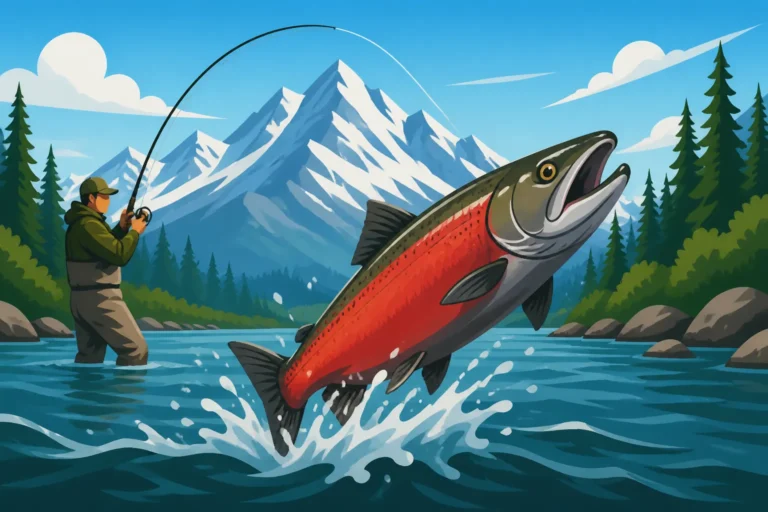
Let's be real, when you dream of fishing in Alaska, images of remote lodges, floatplanes dropping you into pristine wilderness, and charter boats chasing "barn door" halibut often come to mind. While those experiences are absolutely incredible, they also come with a hefty price tag and require significant planning. But what if you don't have a small fortune or weeks to dedicate to a grand expedition? What if you just want to drive up, cast a line, and catch some amazing fish? That's where roadside fishing in Alaska becomes your new best friend, offering incredible opportunities without needing a bush plane or a private yacht. This guide is all about helping you discover those accessible gems, where you can experience the thrill of Alaskan angling right from the comfort of a paved (or at least maintained gravel) road.
Why Roadside Fishing is a Game Changer in Alaska
For many of us, the idea of an Alaskan fishing trip feels out of reach due to the logistics and cost. But the Last Frontier offers a surprising abundance of easily accessible fishing spots that can be reached by car, making that dream trip a tangible reality for more anglers. It’s not just about saving money; it’s about experiencing Alaska on your own terms.
Accessibility and Cost-Effectiveness
One of the biggest hurdles for anyone planning an Alaskan fishing adventure is often the budget. Fly-in lodges can run into the thousands per person, per day, and even booking a multi-day charter out of Seward or Homer can add up quickly, especially if you're traveling with family or a group of friends. Roadside fishing completely sidesteps these expenses. You're already driving to Alaska, or you've flown into Anchorage and picked up a rental car, so your primary transportation cost is covered.
Imagine this: instead of shelling out hundreds for a day on a boat, you spend a fraction of that on gas, perhaps a few dollars for bait or a new lure, and your fishing license. You have the freedom to wake up when you want, drive to a promising spot along the Kenai River, and start casting. If one spot isn't producing, you can easily pack up and drive to another, exploring miles of river or coastline without being tied to a guide's schedule or a charter's itinerary. This flexibility and affordability open up Alaska's world-class fishing to a much broader audience, proving that you don't need to break the bank to catch trophy fish.
Variety of Fish Species Available
Don't let anyone tell you that roadside fishing limits your options when it comes to species. Alaska's road system connects you to an incredible diversity of fisheries, both freshwater and saltwater. You might think you're only going to find a few dinky trout, but that couldn't be further from the truth.
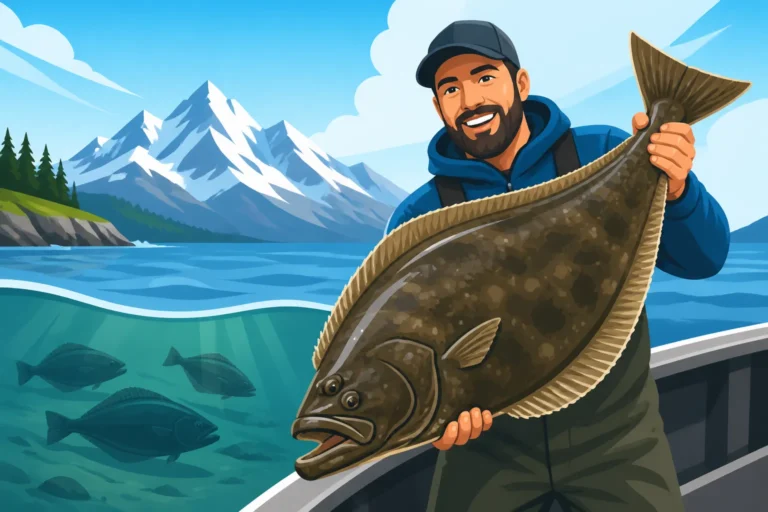
In the freshwater systems, you'll have access to all five species of Pacific salmon at various times of the year, including powerful King Salmon, abundant Sockeye, acrobatic Silver Salmon, and even Pink and Chum salmon. Beyond the mighty salmon, many rivers and lakes along the road system are teeming with robust resident fish like rainbow trout, Dolly Varden, and Arctic grayling. Some areas even offer opportunities for Northern Pike or Sheefish. Venture to coastal towns accessible by road, and you can often find fantastic opportunities for saltwater species like Pacific halibut (from certain piers or small skiffs), various rockfish, and even lingcod, all without ever needing to step foot on a deep-sea charter. You can truly experience a multi-species Alaskan fishing trip from the roadside.
The Thrill of DIY Discovery
There’s an undeniable satisfaction that comes from planning your own adventure and finding success. While guided trips offer expertise and convenience, there’s a unique pride in researching fishing reports, studying maps, driving to a promising pull-off, and then landing a beautiful fish you found all on your own. It's a more intimate connection with the landscape and the fishing experience.
You become the scout, the planner, and the captain of your own destiny. This DIY approach allows for spontaneous detours, late-night fishing under the midnight sun, or early morning starts without a rigid schedule. You'll connect with locals at tackle shops, swap stories with other bank anglers, and gain invaluable insights that go beyond what a typical tour offers. This personal quest for discovery often leads to unexpected catches and unforgettable memories, shaping a truly authentic Alaskan fishing story.
Prime Roadside Fishing Destinations in Southcentral Alaska
Southcentral Alaska, particularly the Kenai Peninsula and the areas around Anchorage, offers some of the most famous and accessible roadside fishing opportunities in the entire state. This region is a hotbed for salmon runs and provides stunning scenery to boot.
The Kenai Peninsula Highlights
The Kenai Peninsula is practically synonymous with world-class salmon fishing, and much of it is incredibly accessible by road. It’s where many Alaskans head when they have a free weekend, and for good reason.
The Kenai River is arguably the most famous river in Alaska, and large stretches of it are easily reached from Sterling Highway. Towns like Cooper Landing, Sterling, and Soldotna offer numerous public access points. In Cooper Landing, you'll find spots like the Russian River Ferry area, where anglers flock during the Sockeye salmon runs, often shoulder-to-shoulder in what's famously known as "combat fishing." You can also access the Kenai near the Kenai Princess Lodge. Further downstream, closer to Soldotna, there are countless public parks and boat launches where you can target King Salmon early in the season, and then Sockeye and Silver Salmon as their runs progress. The Kenai is well-known for its monster King Salmon, and while they can be elusive, the opportunity to hook into one from the bank is a thrill. Be sure to check the specific regulations, as portions of the Kenai River have very strict rules regarding bait and tackle, often requiring single, barbless hooks, especially when targeting salmon. For a deep dive into this iconic waterway, check out our guide on the Kenai River Fishing: Complete Guide.
Another jewel on the Kenai Peninsula is the Russian River, which flows into the Kenai. This river is legendary for its Sockeye salmon runs, drawing thousands of anglers annually. Access is primarily through the US Forest Service campground at the confluence of the Russian and Kenai Rivers. During peak Sockeye season, the banks are lined with anglers, all employing the "flipping" or "flossing" technique to entice these hard-fighting salmon. It's an experience unlike any other, and completely accessible by car from the Sterling Highway. You'll definitely want to read up on Russian River Fishing: What to Know Before You Go before you head out there, as specific rules and etiquette are paramount. Beyond salmon, the Russian River also holds good populations of rainbow trout and Dolly Varden, which feed on the salmon eggs.
Anchorage Area Hotspots
Even if you’re staying in Alaska's largest city, you don't have to travel far to find excellent fishing. Anchorage offers surprising urban fishing opportunities that are just a short drive away from downtown.
Ship Creek, right in the heart of Anchorage, is an urban angler’s dream. It’s easily accessible from the Port of Anchorage, with designated fishing platforms and trails. Believe it or not, during June and early July, King Salmon return to Ship Creek, and anglers catch them literally minutes from skyscrapers. Later in the summer, Silver Salmon make their appearance, providing exciting action. It’s an incredibly unique experience to fish for salmon with a city skyline as your backdrop. This spot is perfect for a quick evening session after work or a morning outing before starting your day. Learn more about this unique urban fishery in our guide to Ship Creek Fishing in Downtown Anchorage.
Campbell Creek and Chester Creek also flow through Anchorage, offering more subdued but still productive fishing. These creeks are regularly stocked with rainbow trout and occasionally provide opportunities for smaller salmon species like Pink or Chum salmon during their runs. They are great spots for families or beginners looking to enjoy a casual fishing experience without traveling far. You’ll find numerous parks and greenbelts along these creeks that offer public access.
Just north of Anchorage, the Eklutna Tailrace is another popular spot. Fed by the Eklutna Lake dam, this fishery is known for being stocked with King Salmon, providing early-season opportunities for anglers driving up the Glenn Highway. It’s a reliable spot that sees good numbers of fish and is easily accessible.
Mat-Su Valley Adventures
Heading north from Anchorage into the Matanuska-Susitna Valley, or "Mat-Su Valley" as locals call it, opens up a new array of roadside fishing possibilities. This vast region is crisscrossed by rivers and dotted with lakes, many of which are easily accessed from the Parks Highway.
The Deshka River, though it requires a short boat ride from a public launch, is primarily accessed via the road system and is a major King Salmon producer. The main launch point is near Willow, and from there, anglers can take small skiffs or hire jet boat guides to reach various fishing holes. While not strictly "bank fishing," it’s still considered roadside accessible given the primary mode of travel to the launch. Similarly, tributaries of the massive Susitna River system, like Willow Creek, Montana Creek, and Talkeetna River, offer excellent salmon and trout fishing during their respective runs. These areas are often found off small pull-offs or designated access points along the Parks Highway. During July, you might find yourself catching Sockeye salmon on Willow Creek, or targeting Silver Salmon in August and September.
The Mat-Su Valley is also home to numerous stocked lakes, perfect for rainbow trout, Arctic grayling, and sometimes even Arctic char. Lakes like Byers Lake or Kroto Creek are popular choices and can be fished from shore or small personal watercraft. These provide a peaceful alternative to the bustling salmon rivers.
Exploring Roadside Fishing Opportunities in Interior and Southeast Alaska
While Southcentral Alaska gets a lot of the attention for roadside fishing, other regions of the state also offer fantastic opportunities for those willing to venture a bit further or take advantage of Alaska's unique ferry system.
Interior Alaska's Hidden Gems
Interior Alaska, centered around Fairbanks, presents a different kind of roadside fishing experience. Here, the landscape transitions from coastal rainforests and mountain ranges to vast boreal forests and tundra, and the target species shift accordingly.
The Chena River, flowing directly through Fairbanks, is a fantastic spot for Arctic grayling. These beautiful sail-finned fish are eager biters and a joy to catch on light tackle or fly gear. Various parks and public access points along the Chena River State Recreation Area, accessible from the Chena Hot Springs Road, offer ample opportunities. You can often see them rising to dry flies on calm evenings. The river also sees runs of King and Chum salmon, though generally smaller than those found further south. Beyond the Chena, numerous small lakes around Fairbanks are regularly stocked with rainbow trout, Arctic grayling, and even some landlocked salmon, providing easy access for family outings.
Further south, near Delta Junction, the Tanana River and its tributaries offer fishing for a variety of species, including pike, salmon, and resident trout. While some spots require a bit of exploration down gravel roads, many are just off the main highways (Richardson and Alaska Highways). The vastness of Interior Alaska means less crowded banks and a more solitary fishing experience, if that's what you're after.
Southeast Alaska's Ferry-Accessible Shores
Southeast Alaska, a region characterized by its majestic fjords, islands, and rainforests, isn't typically thought of for "roadside" fishing in the traditional sense, as most communities are only accessible by air or sea. However, the Alaska Marine Highway System (AMHS), often called the "ferry system," effectively transforms many towns into roadside destinations. You can drive your vehicle onto a ferry in Bellingham, Washington, or Prince Rupert, British Columbia, and disembark in Juneau, Sitka, Ketchikan, or other communities with your car, ready to explore local fishing spots.
Once in these towns, you'll find plenty of opportunities to fish from public piers, docks, and beaches. In Juneau, for instance, you can fish for salmon right from the docks in Auke Bay or from beaches near the ferry terminal. Rockfish and even small halibut can be caught from shore in certain areas. For more details on fishing in the capital city, check out our Juneau Fishing Guide for Visitors. Similarly, Ketchikan offers excellent fishing from its many public docks, targeting Pink and Silver Salmon, as well as various rockfish. And in Sitka, accessible spots around town offer chances at King and Silver Salmon, along with lingcod and rockfish. While you won't be driving for hundreds of miles along rivers, these communities provide incredibly rich fishing grounds directly accessible from your vehicle after a scenic ferry ride. Learn more about the opportunities in the island city with our Sitka Fishing Guide.
Copper River Region Access
The Copper River region, particularly along the Richardson Highway (which connects Valdez to Fairbanks), offers unique roadside fishing opportunities, especially for its prized salmon runs. This area is famous for its Copper River salmon, known for their rich, oily flesh.
The Klutina River and Tonsina River, both tributaries of the Copper River, are prime spots for Sockeye and King salmon fishing. Access points are typically found directly off the Richardson Highway between Glennallen and Valdez. The Klutina River, in particular, is a popular choice for both sport fishing and personal use dipnetting (for Alaska residents with permits). The current here can be very strong, making for challenging but rewarding fishing. These rivers offer incredible scenery and a chance to intercept some of the most sought-after salmon in the world, often just a short walk from your parked car. Our Copper River Salmon Fishing Guide provides more information on this exciting fishery. Always be aware of the fast-changing emergency orders that can impact these fisheries.
Essential Gear and Regulations for Roadside Anglers
Before you hit the road with your fishing rod, it's crucial to be properly equipped and well-versed in Alaska's fishing regulations. Being prepared will ensure a safe, legal, and enjoyable experience.
Must-Have Tackle and Apparel
Alaska's weather is famously unpredictable, and its fish are famously strong. Being prepared with the right gear is non-negotiable for roadside fishing.
- Rods and Reels: For salmon and larger trout, a medium-heavy spinning rod (7-9 feet) with a sturdy reel spooled with 20-30 lb braided line is a good all-around choice. For smaller trout and grayling, a lighter 6-7 foot rod with 6-10 lb test is ideal. Fly anglers will want a 7-9 weight rod for salmon and a 4-6 weight for trout. Don't forget a sturdy landing net or a Boga Grip for safely handling fish.
- Lures and Bait: This varies greatly by species and location. For Sockeye salmon, small, unweighted flies or beads (often called "sockeye flies") are common, as the technique is more about presenting the fly to their mouth than enticing a bite. For King and Silver salmon, popular choices include spin 'n glos, salmon eggs (cured or fresh), Kwikfish, spinners (like Blue Fox or Pixie), and various spoons. For trout and grayling, small spinners, dry flies, nymphs, and egg patterns are effective. It's always a good idea to visit a local tackle shop like Mountain View Sports in Anchorage or Trustworthy Hardware in Soldotna; they'll have the most current information on what's biting and what gear works best.
- Waders and Rain Gear: This is paramount. Even on a sunny day, you might be wading into a chilly river. Neoprene or breathable chest waders are essential. And Alaska's liquid sunshine is legendary, so a quality waterproof and windproof jacket and pants are a must. There's no such thing as bad weather, only bad gear! Our Alaska Fishing Gear and Tackle Guide and How to Dress for Alaska Fishing articles offer comprehensive advice on staying comfortable in the Alaskan elements.
- Other Essentials: A comfortable backpack, bug spray (especially for interior regions), bear spray (and knowledge on how to use it safely), polarized sunglasses, a brimmed hat, a first-aid kit, plenty of water, and snacks. A cooler with ice is crucial for keeping your catch fresh.
Understanding Alaska's Fishing Regulations
Navigating Alaska's fishing regulations can feel like deciphering ancient hieroglyphs, but it’s absolutely critical to stay on the right side of the law. Regulations are complex, highly specific to regions and even individual river sections, and can change on a moment's notice via emergency orders.
- Fishing License and Stamps: Every angler aged 18 and older needs an Alaska fishing license. Non-residents will pay more, and you'll often need a separate King Salmon Stamp if you plan to target King Salmon, regardless of residency. You can purchase licenses online through the Alaska Department of Fish and Game (ADF&G) website or from most sporting goods stores and many grocery stores throughout the state. Get the full rundown on costs and types in our Alaska Fishing License: Complete Guide.
- Harvest Record Card: For certain species, particularly King Salmon, you'll need a physical Harvest Record Card, where you immediately record your catch. Failure to record a fish or improper recording can lead to hefty fines. This is a big one, so make sure you understand Alaska Harvest Record Card Explained.
- Emergency Orders: This is where things get tricky. Due to fluctuating fish runs, the ADF&G frequently issues emergency orders that can open or close fisheries, change bag limits, alter legal gear, or restrict fishing times. These changes can happen overnight. Always check the latest emergency orders for your specific region immediately before you go fishing, and even during your trip. The ADF&G website and local tackle shops are your best resources. For a broader understanding of the rules, consult our Alaska Fishing Regulations Explained.
- Bag Limits and Size Restrictions: Pay close attention to daily and annual bag limits, as well as any size restrictions for different species. These vary by region, species, and even by whether you're fishing from a guided charter or on your own. For example, Alaska King Salmon Fishing Regulations and Limits change frequently.
Safety and Etiquette on the Bank
Fishing in Alaska isn't just about catching fish; it's about being a responsible and respectful participant in the environment and community.
- Bear Safety: You are in bear country. Always be bear aware. Carry bear spray, know how to use it, make noise while walking, and avoid fishing alone in remote areas. Proper food storage and fish carcass disposal are crucial. Never leave fish guts on the bank; either take them with you or throw them into the fast current where they won't attract bears to popular fishing spots. Our guide on How to Fish Safely Around Alaska Bears provides essential tips.
- Leave No Trace: Pack out everything you pack in. This includes all trash, fishing line, and any other debris. Let’s keep Alaska beautiful.
- Respectful Angling: Especially in crowded spots like the Russian River, allow adequate space between yourself and other anglers. Understand the local "combat fishing" etiquette where it applies. Don't cast over someone else's line, and be patient and courteous.
- Private Property: Always be mindful of private land. Stick to public access points and trails. Disregarding private property signs can lead to fines and strained relations with local landowners.
Planning Your Roadside Fishing Trip
A successful roadside fishing trip to Alaska involves a bit of homework and strategic planning. Knowing when and where to go, and how to manage your catch, will make all the difference.
Timing Your Visit for Peak Runs
Alaska's fishing is incredibly seasonal, especially for salmon. Timing your trip correctly is paramount to maximize your chances of success. Each salmon species has a general window when they return to freshwater to spawn, and these runs vary by river and even by specific year.
- King Salmon (Chinook): Generally, the earliest salmon to arrive, with runs starting in late May and peaking in June and early July in many Southcentral rivers like the Kenai and Deshka.
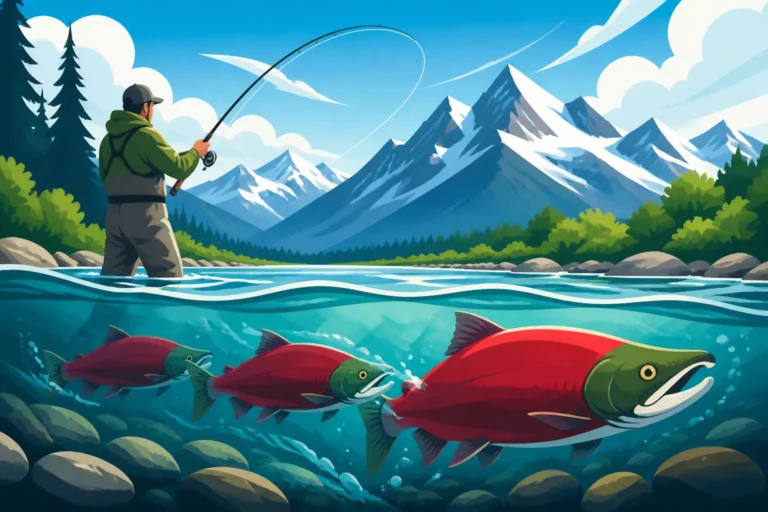
- Sockeye Salmon (Red): These are often the most abundant and arrive in huge numbers, typically starting in late June and peaking in July, especially on rivers like the Kenai and Russian.
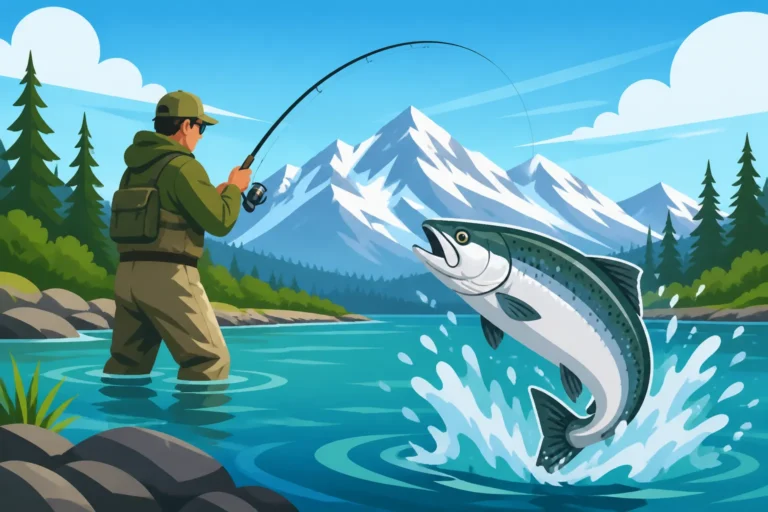
- Silver Salmon (Coho): Known for their aggressive bites and acrobatic fights, Silvers usually run from late July through September.
- Pink Salmon (Humpy): These smaller, but extremely numerous salmon have biennial runs (every two years, usually even-numbered years in Southcentral), with peak action in July and August.
- Chum Salmon (Dog): Less sought after for eating, but powerful fighters, Chums run alongside other salmon species, typically from July to August.
For resident fish like rainbow trout and Arctic grayling, fishing is generally good throughout the summer, often improving significantly after the salmon have spawned, as trout gorge on loose salmon eggs. To get a comprehensive overview of when to plan your adventure, consult our Alaska Fishing Seasons: Month-by-Month Guide and When to Fish for Each Salmon Species in Alaska. Checking the ADF&G run forecasts is a smart move before finalizing your travel dates.
Finding the Best Spots and Local Insights
Even with this guide, local knowledge is golden. There's no substitute for chatting with the folks who live and breathe Alaskan fishing.
- Local Tackle Shops: These are invaluable resources. Shop owners and staff are usually avid anglers themselves and can provide up-to-the-minute information on where fish are biting, what gear is working, and any recent regulation changes. They often have maps and can point you to specific pull-offs or trails.
- ADF&G Resources: The Alaska Department of Fish and Game website is a treasure trove of information, including weekly fishing reports, run forecasts, regulation booklets, and emergency orders. They also often publish guides to specific roadside accessible fishing areas.
- Online Forums and Social Media Groups: Local Alaska fishing groups on Facebook or dedicated online forums can provide real-time updates and tips from fellow anglers. Just remember to take some advice with a grain of salt and always verify information with official sources.
- Exploration: Don't be afraid to pull over and explore! Sometimes the best spots are found by simply walking a game trail along a riverbank or scouting a small creek that crosses the highway. Use Google Maps satellite view to scout out potential access points or promising bends in a river before you even arrive.
If you're looking for a hybrid approach—some DIY but with a day of professional guidance—consider booking a short, accessible charter through platforms like FishingBooker. They connect you with local guides who specialize in these roadside-accessible fisheries, giving you a valuable learning experience before you venture out on your own. It's a great way to gain confidence and learn local techniques without committing to an expensive, multi-day remote trip.
Processing Your Catch on the Go
So you've caught your limit! Now what? Proper fish care is crucial, especially in Alaska, where you might be far from a processor.
- Immediate Bleeding and Icing: As soon as you land a fish you plan to keep, bleed it immediately by cutting its gills. This improves the meat quality significantly. Get it on ice as quickly as possible. A large cooler packed with plenty of ice (block ice lasts longer than cubed) is essential.
- Filleting: Learn how to fillet your fish efficiently. A sharp fillet knife is a must. You can often find designated cleaning stations at popular fishing access points, but be prepared to do it riverside. Our guide on How to Fillet a Salmon in Alaska offers step-by-step instructions.
- Storage: Once filleted, rinse the fillets clean and store them in Ziploc bags, pressing out all the air, then submerging them in your cooler's ice bath. For longer trips, consider bringing a portable vacuum sealer if you have a power source.
- Professional Processors: In larger towns like Soldotna, Seward, or Anchorage, you'll find professional fish processors who can cut, vacuum seal, and freeze your catch, and even arrange shipping back home. Many small businesses offer these services, and it's a great way to ensure your hard-earned fish arrives home in perfect condition.
Roadside Fishing for Specific Species
While you might stumble upon various fish, many anglers come to Alaska with specific targets in mind. Knowing the best strategies for popular roadside species can significantly increase your success.
Targeting Alaska King Salmon (Chinook)
The King Salmon, or Chinook, is the largest and arguably the most coveted of the Pacific salmon. Catching one from the bank is an incredible accomplishment.
- Prime Locations: Roadside access for Kings is best on rivers like the Kenai (especially lower sections and tributaries like the Kasilof), the Deshka River (via boat from a roadside launch), and even urban Ship Creek in Anchorage during the early season.
- Techniques:
- Back-Trolling: While often done from a boat, anglers in some areas can use weighted lures like Kwikfish or Mag Lip plugs from shore, allowing the current to carry and wobble the lure.
- Casting Spinners/Spoons: Heavier spinners (like Blue Fox Vibrax) or spoons (such as Pixies or Mepps Cyclops) cast into deeper holes or along current seams can entice a King. Look for eddies and slower water where Kings might rest.
- Cured Roe: Fishing cured salmon eggs under a bobber or drifting them along the bottom with a small weight can be highly effective, but check regulations carefully as bait is often restricted for King Salmon.
- Challenges: Kings are powerful and often don't bite aggressively once in freshwater. They require stout tackle, patience, and a good understanding of their holding patterns. Always remember to check Alaska King Salmon Fishing Regulations and Limits for your specific river and season. Landing a big King from the bank is a true test of skill and endurance. Our How to Catch King Salmon in Alaska guide has more in-depth techniques.
Hooking Into Sockeye (Red) Salmon
Sockeye salmon are known for their vibrant red flesh and incredibly strong fight. They don't typically "bite" once in freshwater, requiring a specific technique.
- Prime Locations: The Kenai River and its tributary, the Russian River, are world-renowned for their massive Sockeye runs. Popular access points include the Russian River Ferry, Sportsman's Landing, and various public parks along the Kenai.
- Techniques (Flossing/Flipping): The primary method for Sockeye in rivers is "flossing" or "flipping." This involves casting a small, unweighted fly or bead (often a plain leader with a hook, sometimes with a small piece of yarn or bead) upstream, letting it drift naturally near the bottom, and setting the hook when you feel any resistance, hoping the line (or sometimes the fly) enters the fish's mouth. It's a precise technique that takes practice.
- Challenges: Crowds can be intense during peak runs ("combat fishing" is a real thing!). Sockeye are notoriously strong fighters, often making long runs and powerful headshakes. Being able to quickly land and release or dispatch your fish without tangling other anglers is key. Alaska Sockeye Salmon Fishing Regulations and Limits and How to Catch Sockeye Salmon in Alaska will help you prepare for this unique experience.
Chasing Silver (Coho) Salmon and Trout
Silver Salmon and resident trout (Rainbows, Dolly Varden, Arctic Grayling) offer exciting and often less crowded fishing opportunities, especially later in the season.
- Silver Salmon (Coho):
- Prime Locations: Many of the same rivers that see King and Sockeye runs will also have Silvers, including the Kenai, Kasilof, Deshka, and smaller creeks and rivers across Southcentral and Southeast Alaska. Ship Creek in Anchorage sees a good run of Silvers in August and September.
- Techniques: Silvers are more aggressive biters than Kings or Sockeye once in freshwater. Spinners (Blue Fox, Mepps), spoons (Pixies), and even fly patterns like Flesh Flies or Sculpins can be very effective. Casting cured salmon eggs under a bobber is also a popular and successful method. Their acrobatic jumps make them a blast to catch. Read more about their limits in Alaska Coho Salmon Fishing Regulations and Limits.
- Rainbow Trout and Dolly Varden:
- Prime Locations: These species are widespread in most Alaskan freshwater systems accessible by road, including the Kenai River (especially upstream of Skilak Lake), Russian River, and countless smaller creeks and stocked lakes in the Mat-Su Valley and Interior.
- Techniques: After salmon spawn, trout and Dollies gorge on salmon eggs. Drifting egg patterns (flies or beads) is highly effective. Small spinners, spoons, and various nymph or streamer patterns also work well. For Arctic Grayling, dry flies are often irresistible. Fly fishing for these species, especially the iridescent Arctic Grayling, is a truly classic Alaskan experience. Alaska Rainbow Trout Regulations will guide your trout pursuit.
Comparing Roadside Fishing Opportunities
Here's a quick look at some popular roadside fishing destinations, their target species, and ideal times to visit.
| Location | Target Species | Best Time to Visit | Typical Access | Key Regulations |
|---|---|---|---|---|
| Kenai River | King, Sockeye, Silver Salmon, Rainbow Trout, Dolly Varden | June-September | Public parks, boat launches, trails along Sterling Hwy | King Salmon stamp, single hook/barbless in some areas, emergency orders |
| Russian River | Sockeye Salmon, Rainbow Trout, Dolly Varden | July (Sockeye) | USFS Campground, designated trails | Single hook/barbless, no bait, emergency orders |
| Ship Creek (Anchorage) | King, Silver Salmon | June-September | Downtown Anchorage, public platforms | King Salmon stamp (for Kings), specific hours |
| Deshka River (Willow) | King, Silver Salmon, Rainbow Trout, Dolly Varden | June-September | Boat launch from road system | King Salmon stamp (for Kings), specific gear rules |
| Chena River (Fairbanks) | Arctic Grayling, Chum Salmon, King Salmon | June-August | Parks, trails along Chena Hot Springs Rd | General Alaska license, less stringent than Kenai for gear |
| Juneau (Docks/Shore) | Pink, Silver, King Salmon, Rockfish | July-September | Public piers, beaches, short drives from town | Saltwater license, King Salmon stamp (for Kings) |
| Copper River Tribs | Sockeye, King Salmon | June-July | Pull-offs along Richardson Hwy | King Salmon stamp (for Kings), emergency orders, strong currents |
| Mat-Su Stocked Lakes | Rainbow Trout, Arctic Char, Dolly Varden | May-September | Numerous lake access points | General Alaska license |
This table provides a snapshot, but remember that Alaska's fishing scene is dynamic, and conditions can change rapidly. Always cross-reference with the latest ADF&G information!
Disclaimer
The information provided in this guide is for general informational purposes only and is not intended as legal advice regarding fishing regulations. Alaska's fishing regulations are complex and subject to change frequently, often through emergency orders. It is the sole responsibility of each angler to thoroughly review and comply with all current Alaska Department of Fish and Game (ADF&G) regulations for the specific waters and species they intend to fish. Always check the official ADF&G website and local emergency orders before and during your fishing trip. Failure to comply with regulations can result in significant fines and penalties.