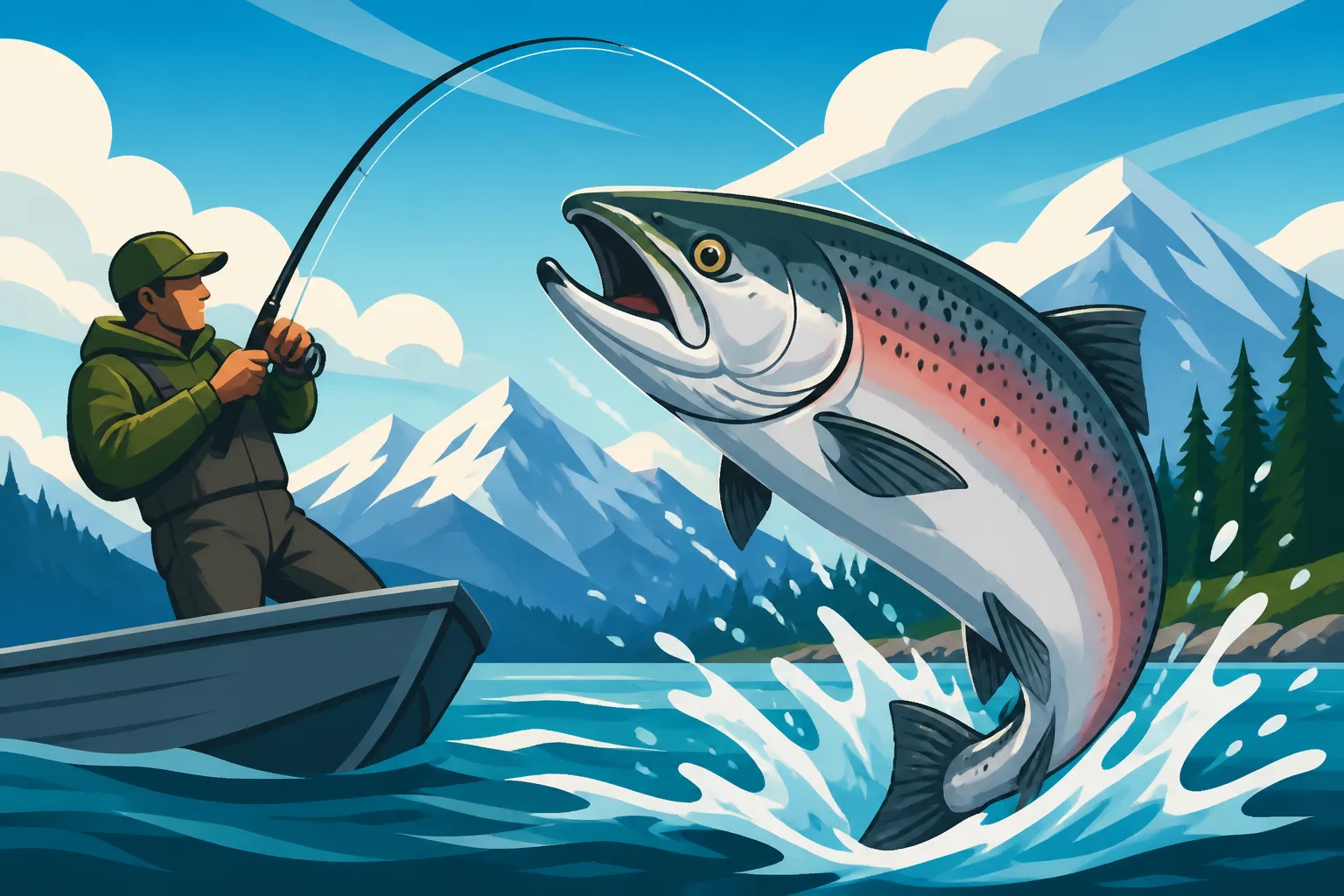
How to Catch King Salmon in Alaska
There’s a unique thrill, a pulse-quickening anticipation, that comes with the dream of catching an Alaska King Salmon. Often called Chinook, these majestic fish are the undisputed titans of the salmon world, and pursuing them in the Last Frontier is an experience etched into the memories of anglers forever. But let's be real, the sheer scale of Alaska, combined with the power of these fish and the ever-changing regulations, can feel incredibly daunting. You might be wondering where to even start, what gear you truly need, or how to navigate the complexities of an Alaskan fishing trip. This comprehensive guide is here to cut through the confusion and equip you with the knowledge, strategies, and confidence to make your King Salmon dreams a reality.
Understanding Alaska's King Salmon: The Royal Challenge
Before you even think about casting a line, it's vital to understand the magnificent creature you're pursuing. King Salmon, or Chinook salmon, are not just fish; they're an icon of Alaska, representing strength, resilience, and the wild spirit of the Last Frontier. Their size, power, and often elusive nature make them a true challenge and an incredibly rewarding catch.
The Life Cycle and Habits of Kings
King Salmon embark on one of nature's most epic journeys. They hatch in freshwater rivers and streams, spending their early lives in these nursery grounds before migrating to the vastness of the Pacific Ocean. Here, they grow rapidly, feasting on smaller fish and invertebrates, building the incredible size and strength they’re famous for. This oceanic phase can last anywhere from 3 to 7 years. When it's time to spawn, these mature kings navigate back to the very rivers and streams of their birth, driven by an instinctual call that has guided generations.
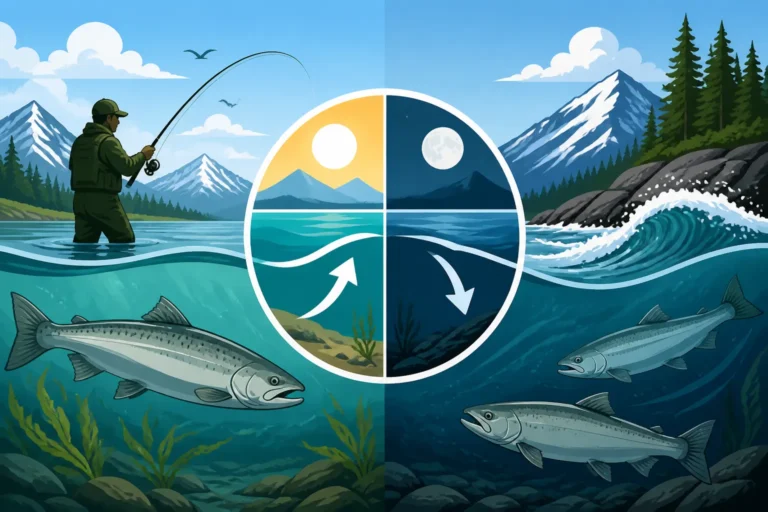
During their ocean phase, Kings are opportunistic feeders, often found in deeper, cooler waters. As they approach freshwater, their focus shifts from feeding to reproduction, though they will still strike at baits and lures out of aggression or instinct. This migratory journey into rivers is what creates the legendary "salmon runs" that draw anglers from around the globe. Knowing their habits—where they hold in currents, how they react to changes in water temperature or clarity, and their preferred depths—is crucial for successful angling. They tend to stick to the deeper channels and slower seams, conserving energy for their arduous upstream migration.
Identifying King Salmon in the Wild
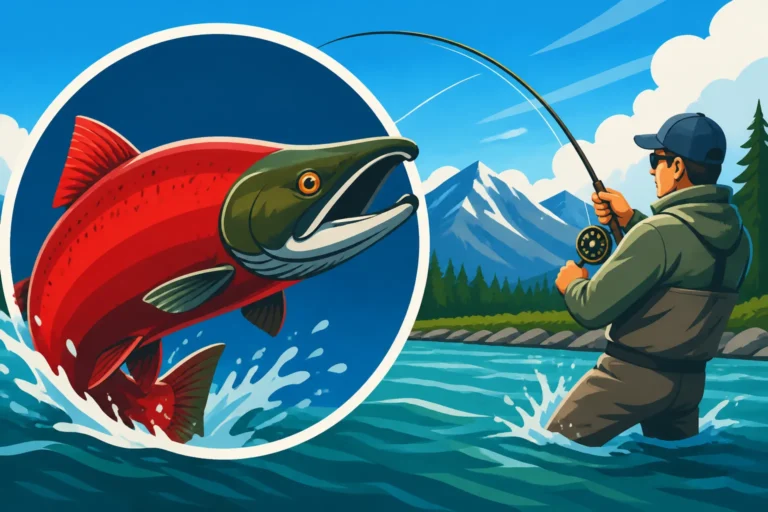
Spotting a King Salmon is an unforgettable experience, but it’s also important for regulatory reasons, as limits often differ by species. Kings are generally the largest of the Pacific salmon, typically ranging from 20 to 50 pounds, though much larger specimens, affectionately dubbed "barn doors" or "hogs," are not uncommon. World records have topped 90 pounds! They have a distinct metallic blue-green back that fades into silvery sides and a white belly. Key identification features include small, irregular black spots on both lobes of their tail fin and on their back, as well as a black gum line visible inside their mouth when opened. This black gum line is a tell-tale sign that helps differentiate them from other salmon species like Coho (silver) salmon, which often have white gums.
As they transition from saltwater to freshwater, their coloration can change. In the rivers, they might take on a darker, almost bronzy hue, with the males developing a pronounced kype (a hooked jaw) during spawning. Their sheer size often gives them away, making them unmistakable as they roll or jump in the river. For a deeper dive into identifying these magnificent fish, check out our guide on How to Identify Alaska Salmon Species.
Prime King Salmon Seasons and Runs
Timing is everything when it comes to King Salmon fishing in Alaska. While some early "feeder kings" can be caught in saltwater throughout the year, the main freshwater runs typically begin in May and extend into July, varying significantly by river system and region.
- May: This is often the start of the King season in many Southcentral Alaska rivers, like the Kenai and Kasilof, though early runs can be more unpredictable. Saltwater charter operations out of places like Homer and Seward might also start seeing consistent King action.
- June: Generally considered prime time for King Salmon across many of the state's popular fisheries. The runs intensify, offering anglers their best shot at these powerful fish. Rivers like the Nushagak in Bristol Bay see massive runs, while the Kenai Peninsula fisheries are in full swing.
- July: While some rivers might be winding down their first King runs, others continue to offer excellent opportunities, especially into early July. Keep an eye on local reports, as runs can peak and subside quickly.
It’s crucial to understand that these are general guidelines. Alaska Salmon Run Timing Explained provides a more detailed look at when and where specific runs peak. Always consult the Alaska Department of Fish and Game (ADF&G) regulations and emergency orders right before your trip, as conditions and run strengths can lead to in-season changes.
Decoding King Salmon Regulations: Your First Catch is a Legal One
One of the biggest anxieties for any angler planning a trip to Alaska is navigating the labyrinth of fishing regulations. And for King Salmon, these rules can be particularly strict and prone to change. Believe me, you do not want to be the one who mistakenly keeps a fish out of season or exceeds the bag limit. Ignorance is definitely not bliss when it comes to fines and potential bans.
Alaska Fishing License and King Salmon Stamps
Before you even think about putting a line in the water, you need to be properly licensed. Every angler, resident or non-resident, 16 years or older, must possess a valid Alaska fishing license. This isn't just a suggestion; it's a legal requirement. Depending on your age and residency status, there are various options available, from 1-day to annual licenses. Our comprehensive guide, Alaska Fishing License: Complete Guide, walks you through all the options.
Beyond the general fishing license, if you plan to target or retain King Salmon, you must also purchase an Alaska King Salmon Stamp. This stamp is an additional endorsement that helps fund King Salmon management and conservation efforts. It's not optional if you're keeping a King. Even if you're planning catch-and-release for kings, you should still have the stamp if there's any chance you'll retain one, as emergency orders can sometimes shift from catch-and-release to retention. Details on this can be found in Do You Need a King Salmon Stamp in Alaska.
Bag Limits, Annual Limits, and Size Restrictions
This is where things can get tricky and often change mid-season. King Salmon regulations typically include:
- Daily Bag Limits: How many King Salmon you can keep in a single day. This is usually very low, often one per day, especially for non-residents, and sometimes even zero if runs are weak.
- Annual Limits: How many King Salmon you can keep in a calendar year. For non-residents, this is often capped at three King Salmon total for the entire state, but this can vary by region. Once you hit your annual limit, you cannot retain any more Kings, even if you buy another stamp or fish in a different area.
- Size Restrictions: Minimum and/or maximum size limits. Some regulations might specify that only Kings within a certain slot limit (e.g., 28-36 inches) can be retained, or that all Kings over a certain size (e.g., 36 inches or larger) must be released. This is particularly common in certain areas, such as the Kenai River.
It's absolutely essential to be familiar with the specific regulations for the body of water you'll be fishing, as outlined in Alaska King Salmon Fishing Regulations and Limits. Always carry a copy of the current regulations booklet and read it thoroughly.
Emergency Orders and River Closures
This is perhaps the most critical, yet often overlooked, aspect of King Salmon fishing in Alaska. ADF&G has the authority to issue "Emergency Orders" (EOs) that can change regulations with little notice, sometimes even overnight. These EOs are typically enacted to protect declining fish stocks, such as when King Salmon runs are weaker than projected. EOs can:
- Close a fishery entirely to King Salmon retention or even all fishing.
- Change bag limits (e.g., from one King to zero Kings).
- Modify gear restrictions (e.g., requiring single-hook, artificial lures only, or bait restrictions).
- Alter fishing hours.
I've seen countless anglers show up to a river, only to find out an EO was issued the night before, changing their entire plan. It’s frustrating, to say the least, but it’s part of conserving these precious resources. Always check the ADF&G website or call their local office for the latest emergency orders before heading out. Our guide, Alaska Fishing Emergency Orders Explained, gives you crucial tips on staying informed.
Essential Gear for King Salmon Success: No Skimping Here
You wouldn't bring a toy car to a NASCAR race, and you shouldn't bring flimsy gear to battle an Alaska King Salmon. These fish are incredibly powerful, and they will exploit any weakness in your tackle. Investing in quality gear isn't just about catching more fish; it's about ethical angling and minimizing the chance of losing a hooked fish due to equipment failure. Trust me, losing a trophy King because your reel seized or your line snapped is a heartbreak you want to avoid.
Rods, Reels, and Line: Building Your Foundation
For King Salmon, you need heavy-duty tackle that can withstand immense pressure.
- Rods: Look for rods rated for 15-40 lb line, typically 8 to 10.5 feet long. For river fishing, a medium-heavy to heavy action rod with a fast tip is ideal. This allows for powerful hook sets, good casting distance, and the backbone needed to turn a charging King. Popular choices include G. Loomis, Lamiglas, and Ugly Stik rods designed for salmon. For saltwater charters, heavier, shorter boat rods (6-7.5 ft) are common, often with a powerful, fast-taper action.
- Reels:
- Levelwind Baitcasting Reels: These are king for river fishing. They offer excellent control for casting and precise bait placement, with powerful drags to handle heavy runs. Look for models from brands like Shimano (e.g., Calcutta, Tranx), Abu Garcia (e.g., Revo Toro Beast), or Daiwa (e.g., Lexa, Tatula). Ensure it has a strong, smooth drag system and a line capacity of at least 200 yards of 25-30 lb monofilament or 50-65 lb braided line.
- Heavy Spinning Reels: While less common for dedicated river King fishing, a robust spinning reel can be used, especially for casting spoons or hardware from the bank. It needs to be sized for 4000-6000 series, with a strong drag and good line capacity.
- Conventional Reels: For saltwater charter fishing, heavy conventional reels (like Penn Squall, Shimano Talica, or Okuma Makaira) spooled with 80-100 lb braided line are the standard, often paired with a short, powerful boat rod for deep-water jigging or trolling.
- Line:
- Braided Line: This is a game-changer for King Salmon. Its no-stretch properties provide incredible sensitivity for detecting subtle bites and maximum power for hook sets. Use 50-65 lb braid as your main line, especially for river fishing. Brands like PowerPro, Sufix, and Berkley offer excellent options.
- Monofilament Leader: While braid is great for the main line, a high-quality, abrasion-resistant monofilament or fluorocarbon leader is typically used at the business end. Use 25-40 lb test monofilament for leaders. For some techniques or conditions, fluorocarbon (which is less visible underwater) might be preferred.
You can find a wide array of reliable fishing gear on Amazon that will stand up to the challenge of an Alaskan King. For a complete overview of what to pack, consult our Alaska Fishing Gear and Tackle Guide.
Lures, Baits, and Terminal Tackle: What Kings Can't Resist
The right presentation can make all the difference. Kings are powerful and aggressive, but they can also be finicky.
- Lures:
- Plugs: Large, diving plugs like the Kwikfish (K14, K15, K16) or Mag Lip (4.5, 5.0) are staples for back-trolling in rivers. They create an irresistible wobbling action that triggers strikes. They are often fished "wrapped" with a thin fillet of sardine or herring for added scent and appeal.
- Spinners: Heavy-bladed spinners (e.g., #5 or #6 Vibrax, Blue Fox) in bright colors (chartreuse, orange, silver) can be highly effective, especially when Kings are actively biting.
- Spoons: Large, heavy spoons (e.g., Pixee, Luhr-Jensen Croc) are great for casting and retrieving, especially in slightly darker waters or when fish are holding in deeper pools.
- Baits:
- Cured Salmon Roe: Fresh, properly cured salmon eggs are perhaps the most universally effective bait for King Salmon in rivers. They can be drifted under a float or back-bounced. The scent trail they leave is incredibly potent.
- Herring: Cut plugs or whole herring are deadly for Kings in both freshwater and saltwater. They are often trolled or drifted behind divers or flashers.
- Sardines: Fillets of sardine can be wrapped onto plugs or used in bait divers.
- Terminal Tackle:
- Hooks: Sharp, strong, single point or treble hooks are essential. Size 4/0 to 6/0 for single hooks, and #1/0 to #2/0 for trebles, depending on bait size and regulations. Always check current regulations regarding single vs. treble hooks.
- Swivels & Leaders: High-quality barrel or ball-bearing swivels (100-150 lb test) prevent line twist, especially when using plugs. Fluorocarbon leaders (25-40 lb) are preferred by many for their low visibility.
- Weights: Lead or bismuth weights from 1/2 oz to 10 oz or more are needed for back-bouncing, drifting, or deep-water jigging, depending on current and depth.
- Scent: Many anglers add commercial scents (e.g., Pro-Cure, Smelly Jelly) to their baits and lures for added attraction.
For specific recommendations, be sure to check out our deep dive into Best Lures and Bait for Alaska King Salmon.
Waders, Rain Gear, and Personal Comfort
Alaska weather is notoriously unpredictable. One moment it's sunny, the next you're in a downpour. Being prepared for all conditions is crucial for an enjoyable and safe fishing experience.
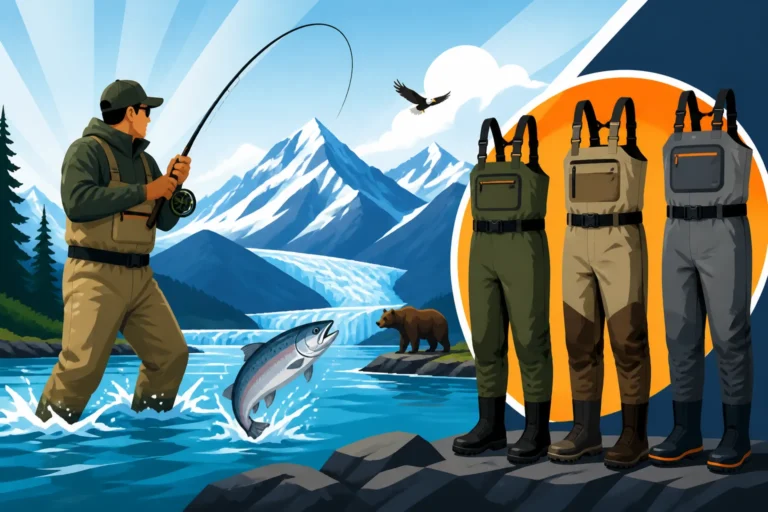
- Waders: Breathable chest waders are essential for river fishing, allowing you to wade out to prime casting positions and stay dry. Choose durable, puncture-resistant models. Brands like Simms, Orvis, and Hodgman are popular. Pair them with sturdy wading boots that offer good ankle support and traction on slippery river rocks.
- Rain Gear: A high-quality, waterproof and breathable rain jacket and pants are non-negotiable. Look for GORE-TEX or similar membrane fabrics. Layering is key: a good base layer (wool or synthetic), a warm mid-layer (fleece or puff jacket), and then your rain gear over top.
- Layered Clothing: Even in summer, mornings can be chilly, and temperatures can drop rapidly. Dress in layers that you can add or remove as needed. Avoid cotton, as it loses its insulating properties when wet.
- Other Essentials: A good hat (for sun and rain), polarized sunglasses (for spotting fish and eye protection), bug spray (the mosquitoes can be legendary), sunscreen, a headlamp, and a small first-aid kit. Don't forget bear spray and know how to use it, especially when fishing in remote areas. Staying safe while enjoying the wild is paramount; our guide on How to Fish Safely Around Alaska Bears offers vital advice.
Top Techniques for Hooking Alaska King Salmon: Battle-Tested Strategies
Catching a King Salmon isn't just about luck; it's about employing the right techniques in the right situations. These methods have been honed over decades by Alaskan guides and anglers, proving their effectiveness against these formidable fish. Each technique has its nuances, and mastering them requires practice and patience.
Back-Trolling with Plugs and Divers
This is a quintessential King Salmon technique, especially popular in larger rivers like the Kenai and Kasilof. It involves using the river's current to present plugs or bait divers upstream and then slowly allowing them to drift downstream, or "back-troll" the boat against the current.
- How it Works: Anglers typically fish from a drift boat or a power boat with a trolling motor. Plugs (like the Kwikfish or Mag Lip, often "wrapped" with a sardine fillet) are deployed upstream. The boat then slowly works its way downstream, allowing the plugs to dive and wobble in the current, covering prime holding water where Kings are resting. The key is to match the boat's speed to the current, ensuring the plug is working correctly and not dragging.
- Advantages: This method allows you to cover a lot of water thoroughly, presenting a continuously active lure to fish holding in specific seams, troughs, or holes. It's also effective when Kings are spread out or less aggressive, as the constant action can trigger a strike.
- Best Conditions: Ideal for moderate to swift currents in larger river systems. Effective when fish are holding near the bottom.
- Tips: Experiment with different plug colors and sizes. The scent from the sardine wrap is crucial. Pay close attention to your rod tip to ensure the plug is wobbling correctly; a constant, rhythmic pulsation indicates it's working. If it stops, you might have picked up debris, or worse, a fish! Our guide on How to Back-Trolling for Salmon in Alaska provides a detailed breakdown.
Back-Bouncing and Drifting with Bait
These are classic river techniques that involve presenting natural bait close to the riverbed, where Kings often travel and rest.
- Back-Bouncing: This method uses a heavy weight (often a "slinky" weight or lead cannonball) to keep cured salmon roe, a prawn, or other bait bouncing along the bottom as you drift downstream from a boat or walk the bank. The weight is tied to the main line, and a short leader with your bait and hook is attached above it via a three-way swivel or slider. The idea is to feel the weight gently tap the bottom as you drift.
- Drift Fishing: Similar to back-bouncing, but often uses lighter weights and targets fish actively moving or holding in shallower, more uniform currents. A bobber or float can be used in slower water to suspend bait at a specific depth. For Kings, this is often done with cured roe.
- Advantages: Highly effective when Kings are moving upstream or holding in specific ambush points. Natural bait can be irresistible, especially cured salmon roe, which releases a potent scent trail. Allows for very precise presentation in specific holes.
- Best Conditions: Effective in moderate currents, from riffles to deeper runs. Requires sensitivity to feel bites and bottom structure.
- Tips: Use fresh, properly cured roe. Keep your line tight enough to feel the bottom taps but loose enough for a natural drift. Bites can be subtle, sometimes just a slight hesitation or extra weight. For more on this technique, check out How to Drift Fishing for Salmon in Alaska.
Spin Fishing with Spinners and Spoons
Spin fishing, using casting rods and spinning reels, is a versatile and popular method for King Salmon, especially for bank anglers or when fishing from smaller boats.
- How it Works: This involves casting and retrieving lures that mimic baitfish. Spinners create flash and vibration, while spoons wobble enticingly. The key is to present the lure to where the Kings are holding and retrieve it at a speed that makes it irresistible.
- Advantages: Relatively simple to learn and execute, making it accessible for many anglers. Spinners and spoons are often effective when Kings are aggressive or when fishing in slightly off-color water where flash and vibration can attract attention. Can be very effective from shore in areas with good current and deep water access.
- Best Conditions: Works well in varying currents and depths, from clear to slightly turbid waters. Great for targeting active fish.
- Tips: Experiment with retrieve speed and depth. Let spoons sink before retrieving to cover deeper water. Use bright colors like chartreuse, orange, or metallic silver/gold, especially on cloudy days or in darker water. Vary your retrieve with jerks and pauses.
Fly Fishing for Kings: A True Test of Skill
While Sockeye and Rainbow Trout are more commonly associated with fly fishing in Alaska, pursuing King Salmon on the fly is an ultimate challenge for many ardent fly anglers. It requires heavy gear and serious commitment.
- How it Works: Fly anglers typically use heavy two-handed "spey" rods (8-10 weight, 12-15 ft) or powerful single-handed rods (9-12 weight). Large, weighted flies that imitate baitfish or brightly colored attractor patterns are cast across and downstream, then swung through prime King holding water. Sink tips are often used to get the fly deep.
- Advantages: The elegance and challenge of catching a King on the fly are incredibly rewarding. It offers a unique connection to the fish and the environment.
- Best Conditions: Best in rivers with good wading access and moderate currents, where Kings are actively moving. Clearer water can be an advantage for presentation.
- Tips: Use heavy leader material (15-20 lb). Practice your casting with heavy flies and sink tips. Focus on presenting the fly in a natural swing through known holding lies. Strikes can be savage!
Finding the Best King Salmon Hotspots: Where the Kings Roam
Alaska is a vast state, and knowing where to focus your efforts for King Salmon can be overwhelming. While some of the most famous rivers draw large crowds, there are still incredible opportunities to be found across the state, from accessible road-system rivers to remote fly-in destinations.
Iconic Rivers for King Salmon Fishing
Alaska is home to several legendary King Salmon rivers, each offering its own unique experience and challenges.
- The Kenai River: Perhaps the most famous King Salmon river in Alaska, and for good reason. It holds the world record for the largest King Salmon ever caught on sport tackle (97 lbs, 4 oz!). Located on the Kenai Peninsula, its proximity to Anchorage makes it incredibly popular. The Kenai sees two distinct King runs: an early run in May/early June and a late run in late June/July. The late run is renowned for its larger fish. However, with its popularity come regulations that can be highly restrictive, including boat motor limitations and specific gear rules. It’s a bucket-list destination for many, but be prepared for company and diligent regulation checking. For more details on this famous waterway, explore our guide on Kenai River Fishing: Complete Guide.
- The Kasilof River: Also on the Kenai Peninsula, the Kasilof is a glacial river that runs parallel to the Kenai. It offers a more serene King Salmon experience, as it's typically restricted to drift boats and limited powerboat use, depending on the section. It also sees two King runs, often slightly earlier than the Kenai. The Kasilof is known for producing strong, chrome-bright Kings.
- The Nushagak River (Bristol Bay): Located in Southwest Alaska, the Nushagak is a remote, fly-in destination famous for its colossal King Salmon runs. Anglers typically stay at fishing lodges and access the river by jet boat. The sheer volume of fish is astounding, often making it a more consistent fishery than the road-system rivers, but it comes with a higher price tag due to its remoteness.
- The Deshka River (Southcentral): A tributary of the Susitna River, the Deshka is a popular early-season King Salmon fishery accessible by jet boat or airboat from the Susitna Landing. It's often one of the first rivers to open for King Salmon retention in the Southcentral region.
- The Copper River (Southcentral/Interior): Known more for its commercial gillnet Sockeye fishery, the Copper River also sees impressive King Salmon runs. Personal use dip netting here is also popular for residents. Sport fishing opportunities exist, especially in tributaries like the Klutina and Gulkana Rivers.
For a broader perspective on where to cast your line, you might find our guide on Best Fishing Spots in Alaska incredibly useful.
Coastal Waters and Charter Opportunities
Not all King Salmon fishing happens in rivers. Many of the largest Kings are caught in the saltwater before they enter their spawning rivers.
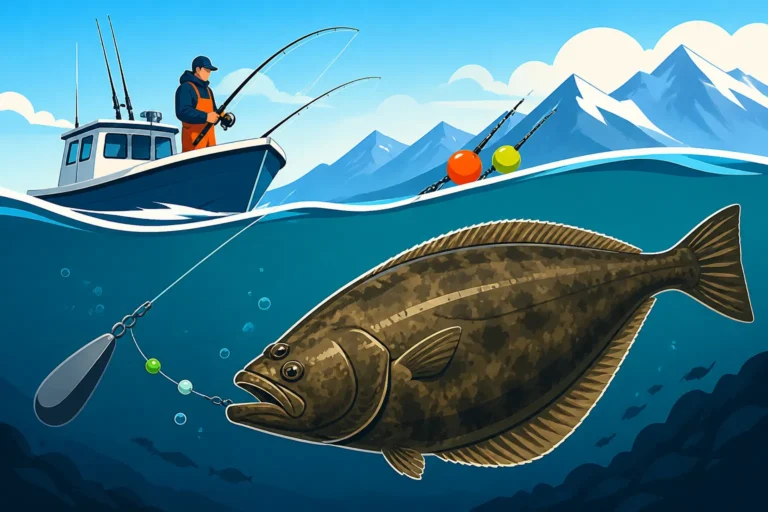
- Homer, Seward, and Sitka: These coastal towns are hubs for saltwater King Salmon charters. Anglers head out into Kachemak Bay, Prince William Sound, or the protected waters of Southeast Alaska to troll for "feeder kings" or ocean-bright returning spawners. These trips often involve trolling with downriggers, using cut-plug herring or large spoons. Many charters offer combo trips where you can target King Salmon and halibut on the same day.
- Feeder Kings: These are King Salmon that are actively feeding in the ocean and haven't yet committed to a specific river system. They are often incredibly strong and fat, offering a fantastic fight. They can be caught almost year-round in certain areas, with peak seasons varying.
- Charter Advantages: Going with a reputable charter operator (like those found in Homer or Seward) eliminates the need for your own boat and specialized saltwater gear. Guides know the productive spots, have the right electronics, and are experts at setting up the spreads. They also keep up with real-time regulations. Our guide to Alaska Fishing Charters: Complete Guide is a must-read if you're considering this option.
Reading the Water: Where Kings Hold
Once you're at a fishing location, knowing where to cast is as important as how you cast. King Salmon, like most fish, are creatures of habit and efficiency.
- Deep Holes and Pools: Kings often seek out the deepest parts of a river to rest and conserve energy during their upstream migration. These can be found on the outside bends of rivers or where tributaries join the main stem.
- Seams and Current Breaks: Look for areas where fast current meets slower water, creating a "seam." Kings will often hold in the slower water, waiting for bait to drift by or just resting before pushing further upstream. Eddies behind large rocks or logs are also prime holding spots.
- Confluence Areas: Where two rivers or a river and a stream merge, it creates a natural funnel and often a deeper, calmer area where Kings will stage.
- Structure: Submerged logs, rock piles, and undercut banks provide cover and a break from the current. Kings will often tuck into these spots.
- Migration Lanes: Kings follow predictable paths. Over time, you'll learn to identify these "lanes" where fish are actively moving upstream. This is where drift fishing and back-bouncing can be very effective.
The Art of the Fight: Landing Your Trophy King
Hooking a King Salmon is one thing; landing it is another entirely. These fish are renowned for their raw power, blistering runs, and head shakes that can throw a hook with ease. Many anglers have epic tales of battles that lasted what felt like an eternity, only to end in a sudden, disheartening slack line. This stage is where all your preparation, from gear selection to technique, truly comes into play.
Setting the Hook and Playing the Fish
When a King Salmon strikes, the first thing you'll notice is usually a heavy, authoritative tug, or your rod tip will simply get buried. Don't hesitate!
- The Hook Set: With braided line, a powerful, sweeping hook set is crucial. Lift your rod sharply, pulling up and away from the direction the fish is moving. Your goal is to drive that hook firmly into the fish's jaw. Avoid dainty, wristy snaps; you need to put some muscle into it. If you're using plugs while back-trolling, sometimes the fish will hook itself, but a follow-up hook set is always a good idea to ensure it's solidly pinned.
- Fighting the Fish: Once hooked, a King Salmon will likely make an initial, powerful run. This is where your reel's drag system is paramount. It should be set tight enough to apply significant pressure but loose enough to allow the fish to take line without snapping your leader. Let the fish run, but apply constant pressure.
- Keep the Rod Tip Up: This creates a bend in the rod that acts as a shock absorber, helping to prevent the hook from tearing out or the line from breaking.
- Pump and Reel: When the fish pauses its run, lower your rod tip towards the water, reel down quickly to take up slack, and then lift the rod again. This "pump and reel" action slowly gains line and tires the fish.
- Don't Horse It: Resist the urge to yank the fish in too quickly. You'll either pull the hook, snap the line, or simply exhaust yourself without gaining any ground. Be patient.
- Maintain Pressure: Any slack in the line is an opportunity for the King to shake its head, throw the hook, or wrap your line around an obstacle. Keep that line tight!
- Work the Current: Use the current to your advantage. If possible, try to move downstream of the fish so the current is working against it, helping to tire it out.
- The Head Shake: Kings are masters of the violent head shake. When you feel this, try to absorb the shock with your rod and keep the line tight. This is often when hooks are thrown.
This is a true test of strength and endurance, both for you and the fish. For more on how to manage these powerful beasts, read our guide on How to Land a Big King Salmon in a River.
Netting and Handling Your Catch
Bringing a powerful King Salmon to the net requires teamwork and proper technique. This is where many fish are lost.
- Netting: When the fish is tired and close to the boat or shore, the netter should be ready with a large, sturdy salmon net. The net should be placed in the water, awaiting the fish. The angler should guide the fish headfirst into the net. Never chase the fish with the net, as this often spooks it into another powerful run. Once the fish's head is in the net, lift quickly and decisively.
- Handling:
- Retention: If you plan to retain the fish, dispatch it quickly and humanely. A strong blow to the head with a priest or club is the most effective method. Bleed the fish immediately by cutting its gills; this improves meat quality.
- Photography: If you're taking photos, do so quickly and keep the fish wet. Support the fish horizontally with two hands to avoid damaging its internal organs, especially if it's a large one.
- Measurement: Measure the fish while it's in the net or on a measurement board to determine if it meets legal size requirements.
- Harvest Card: Remember to immediately record your catch on your Alaska Harvest Record Card, as required by regulations, especially for King Salmon. Failing to record a fish can lead to serious penalties.
Catch and Release Best Practices for Kings
Due to strict limits and conservation efforts, many King Salmon caught are released. If you plan to release a King, it's your responsibility to do so in a way that maximizes its chances of survival.
- Minimize Fight Time: Use appropriate gear to land the fish as quickly as possible without over-stressing it.
- Keep it Wet: Try to keep the fish in the water as much as possible, especially its gills. Fish out of water cannot breathe and become stressed quickly.
- Use Barbless Hooks: Many regulations now require barbless hooks for King Salmon. Even if not required, they greatly aid in easy release, causing less damage to the fish.
- Support the Fish: If you must lift the fish for a quick photo, support its body horizontally with two hands. Do not hold it vertically by the tail or gills, as this can cause severe internal damage.
- Revive the Fish: Gently hold the fish upright in the current, allowing water to flow over its gills. Move it back and forth slightly if there's no current. Wait until the fish is strong enough to swim away on its own before releasing it.
Fish Care and Preservation: Bringing Your Catch Home
Congratulations, you've landed your King Salmon! Now, the crucial next step is properly caring for your catch to ensure its incredible flavor is preserved all the way back to your kitchen. Improper handling can quickly degrade the quality of even the freshest fish.
Immediate Care at the River or Boat
The moment you decide to keep a King Salmon, the clock starts ticking on preservation.
- Bleeding: This is the most important first step. Immediately after dispatching the fish, cut the gill arches to allow the fish to bleed out thoroughly. This removes blood from the flesh, which can cause it to spoil faster and have a stronger, "fishy" taste. Bleed the fish by either cutting the throat or making a deep cut into the gill arches.
- Cooling: Once bled, get the fish on ice as quickly as possible. A cooler filled with a slurry of ice and water is ideal. This rapid cooling halts bacterial growth and maintains the firm texture of the meat. Don't just toss it in a dry cooler; the ice slurry ensures even cooling. If you’re on a boat, having a dedicated fish hold with ice is standard practice.
- Protect from Sun and Dirt: Keep your fish out of direct sunlight and away from dirt or debris. Sunlight can quickly degrade the flesh, and dirt can introduce bacteria.
Processing and Packaging for Travel
Once off the river or boat, your King Salmon needs to be processed into fillets or steaks and properly packaged for its journey home.
- Filleting: Most anglers choose to fillet their King Salmon. A sharp, flexible fillet knife is essential. Cut the meat away from the backbone, remove the rib bones, and then carefully skin the fillets. Many fish processors in Alaskan towns like Soldotna, Homer, or Seward offer professional filleting services, which can be a huge time-saver and ensure a clean, efficient job.
- Portioning: Decide whether you want steaks or smaller fillets. Steaks are great for grilling, while fillets offer versatility. Remove the dark bloodline along the lateral line, as this can have a strong flavor.
- Vacuum Sealing: This is the gold standard for preserving Alaskan salmon. Vacuum sealing removes air, preventing freezer burn and greatly extending the shelf life of your fish. If you’re at a lodge or processor, they will likely offer this service. If doing it yourself, invest in a good home vacuum sealer and quality bags. You can find reliable vacuum sealers and bags on Amazon.
- Freezing: Flash-freeze your vacuum-sealed portions immediately. The faster the freeze, the smaller the ice crystals formed, which means less cell damage and better texture when thawed. A deep freezer works best. Ensure fish is frozen solid before transport.
Shipping Your Alaskan Bounty Home
Bringing your precious catch home from Alaska is often a logistical challenge. But with some planning, it's entirely doable.
- Airline Regulations: Check with your airline regarding their policies for transporting frozen fish. Most airlines allow fish in checked luggage, provided it's properly packaged in an approved cooler or fish box. Pay close attention to weight limits.
- Approved Containers: Insulated fish boxes, often made of styrofoam inside a cardboard outer shell, are commonly used. Many fish processors in Alaska sell these. Make sure the box is taped securely.
- Dry Ice: Some anglers choose to add dry ice to their fish boxes for longer travel times, but be aware that dry ice is considered a hazardous material by airlines, and there are strict limits on how much you can carry and how it must be vented. Always check with your airline first. Gel packs are a safer, more common alternative for keeping fish frozen.
- Shipping Services: For those not wanting to carry their fish on the plane, many Alaskan fish processors and lodges offer shipping services, often via FedEx or UPS, directly to your home. This can be more expensive but offers convenience and peace of mind. They are experts at packing and shipping.
- Documentation: Keep any receipts or tags from your fishing license or charter that might be required for proof of legal harvest.
By taking these steps, you can ensure that the incredible taste of your Alaskan King Salmon is enjoyed long after your trip, bringing a piece of the Last Frontier to your dinner table. For detailed instructions on the process, refer to our guide on Alaska Fish Processing and Shipping Home Rules.
| Technique | Best for | Pros | Cons | Ideal Conditions |
|---|---|---|---|---|
| Back-Trolling | Boat anglers | Covers wide areas, effective for active & passive kings | Requires boat, specific gear (plugs) | Moderate to swift river currents |
| Back-Bouncing | Boat & bank anglers | Precise bait presentation, natural drift | Can be snaggy, requires feel for the bottom | Deeper holes, seams, moderate currents |
| Drift Fishing | Boat & bank anglers | Natural presentation, effective for moving kings | Requires good current management, less precise depth | Varied river runs, active fish |
| Spin Fishing | Bank & boat anglers | Versatile, accessible, covers water | Less natural presentation than bait, requires active fish | Varying currents, active feeding periods |
| Fly Fishing | Dedicated fly anglers | Highly rewarding, challenging | Steep learning curve, heavy specialized gear | Good wading access, moderate currents, clear water |
Disclaimer
The information provided in this guide is for general informational purposes only and is not a substitute for official regulations. Alaska fishing regulations, especially for King Salmon, are subject to change at any time through emergency orders issued by the Alaska Department of Fish and Game (ADF&G). It is the angler's sole responsibility to consult the most current Alaska Sport Fishing Regulations booklet and any active emergency orders for the specific waters they intend to fish before heading out. Failure to do so can result in significant fines and penalties. Always prioritize safety, ethical angling practices, and conservation.