Best Rivers for King Salmon in Alaska
The dream of hooking into a monstrous King Salmon in Alaska is a powerful one, but the sheer vastness of the state and its countless rivers can make choosing a destination feel completely overwhelming. You've heard the legends, seen the photos, and now you want a piece of that action, but where do you even begin to narrow down the options? This guide is here to cut through the confusion and highlight the best rivers in Alaska for chasing those magnificent King Salmon, also known as Chinook, giving you a clear path to planning your unforgettable angling adventure.
Understanding Alaska's King Salmon Fishery
Before we dive into specific rivers, it’s really helpful to understand what makes King Salmon fishing in Alaska so special, and sometimes, so challenging. These aren't just any fish; they're an icon, and they demand respect and a bit of know-how.
The Elusive King Salmon
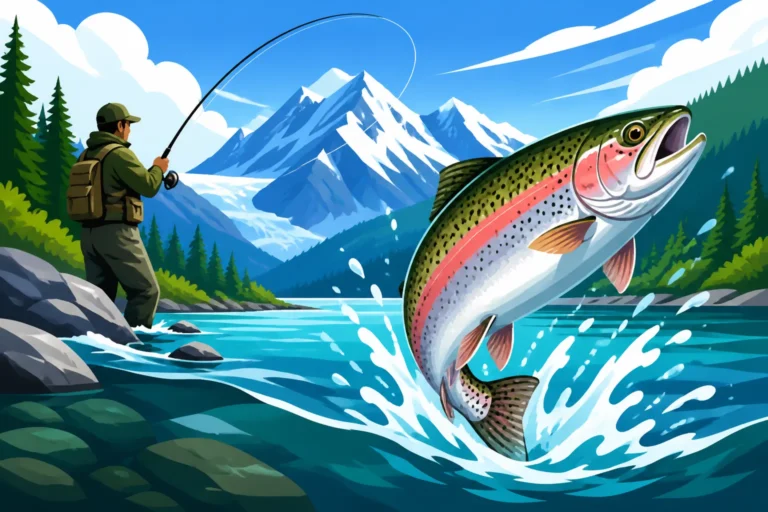
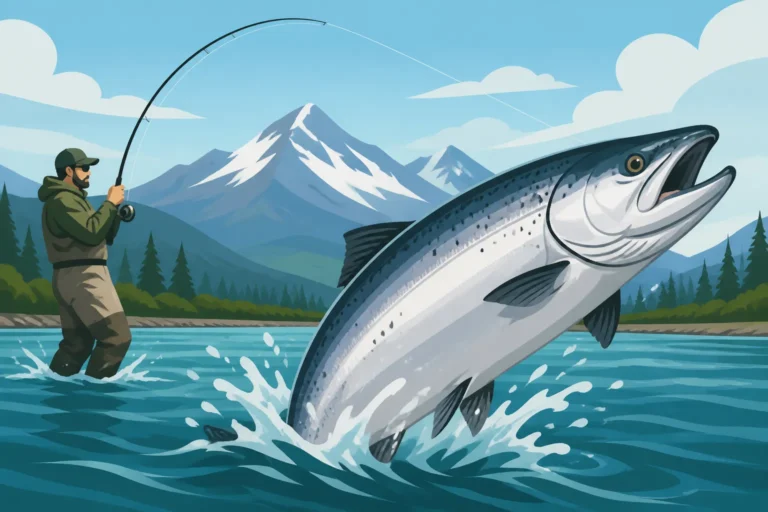
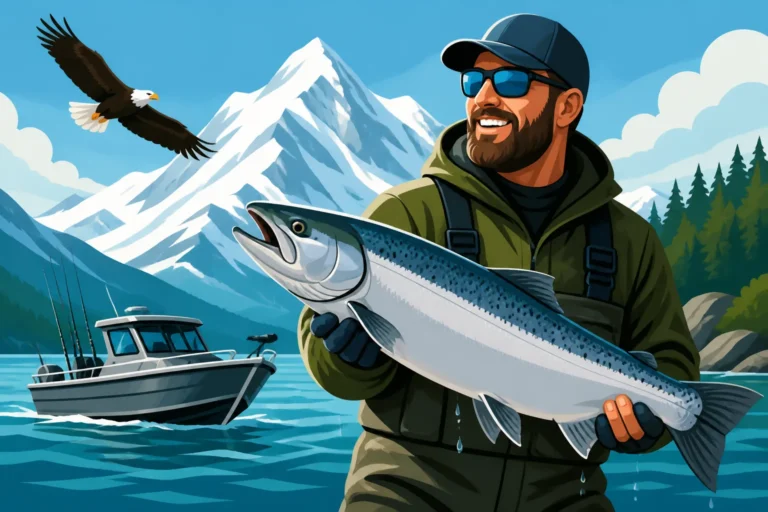
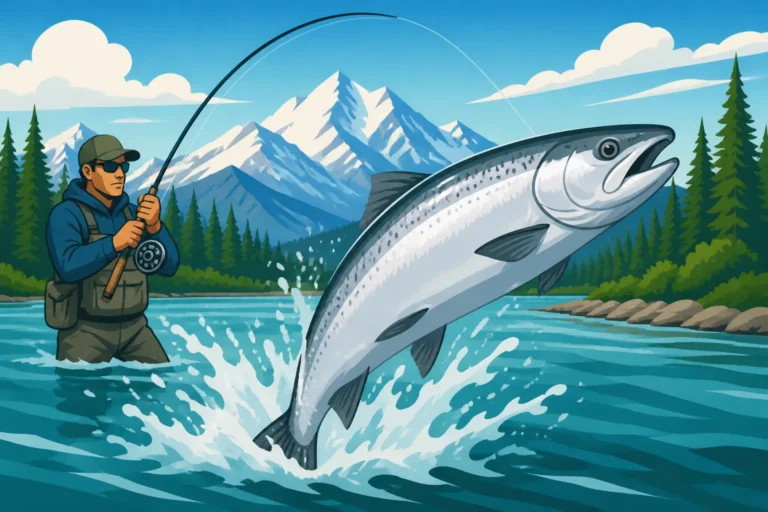
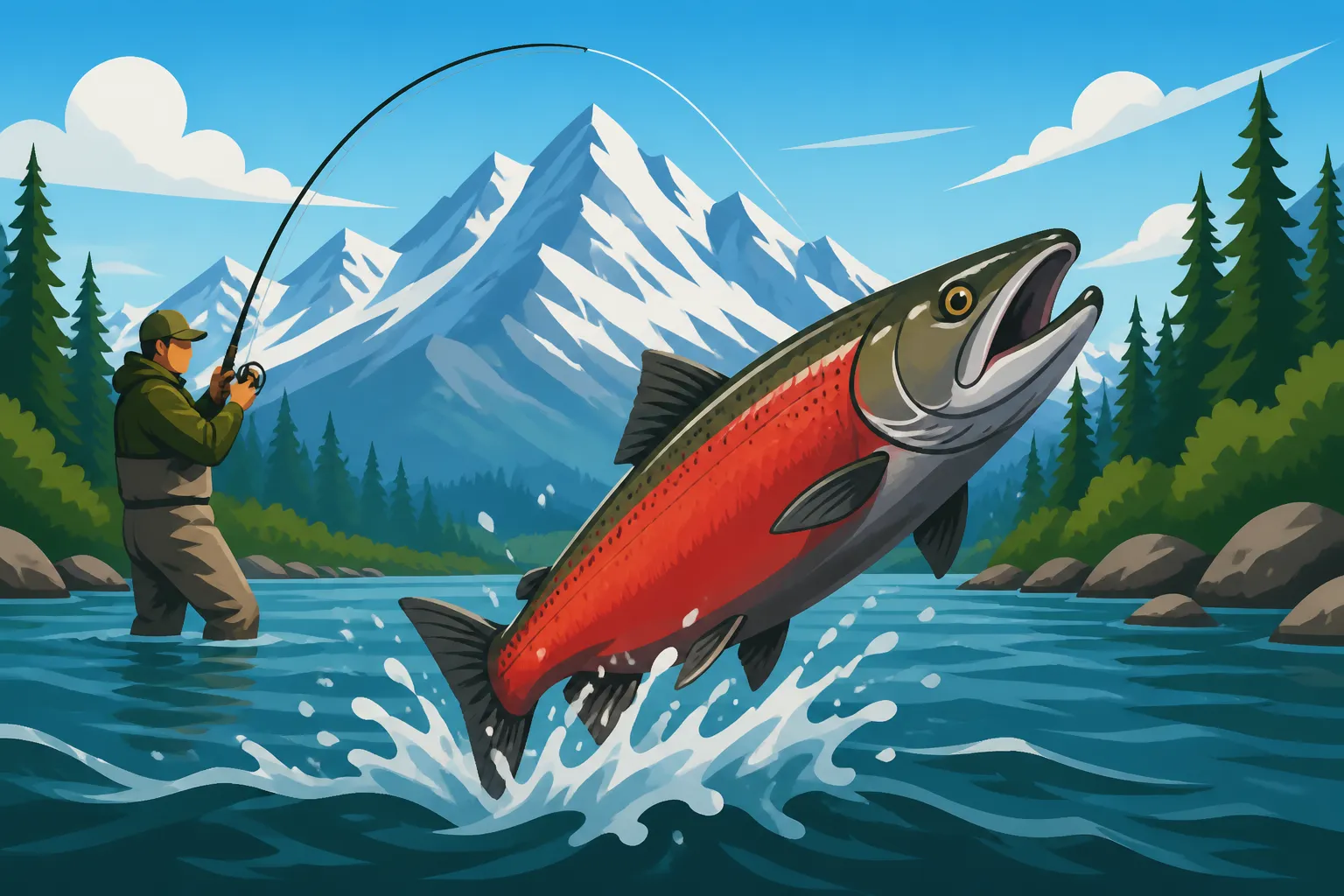
King Salmon, or Chinook salmon as they're also known, are the titans of the Pacific salmon species. They're not just big; they're notoriously powerful fighters, making them a top-tier target for anglers worldwide. When you hook into a King, especially a big one, you'll immediately understand why they're so prized. The rod bends dramatically, the reel screams, and you feel every head shake and powerful run straight through your arms. It's a true test of strength and skill. These fish spend years growing huge in the ocean, feeding on baitfish and squid, before returning to their natal rivers to spawn. Their size can be truly impressive, with many fish caught in the 20-50 pound range, and occasionally, real monsters pushing past 70 or even 80 pounds. This pursuit isn't just about catching a fish; it's about the entire experience—the stunning Alaskan wilderness, the anticipation, and the unforgettable battle.
General King Salmon Run Timing
One of the most critical aspects of successful King Salmon fishing is understanding their run timing. Unlike some other salmon species that might have prolonged runs, King Salmon often have more defined, and sometimes shorter, windows of opportunity. Generally, the King Salmon season in Alaska kicks off in late May, peaks in June and early July, and then begins to taper off by late July or early August. However, this is a broad generalization. Each river system has its own unique timing, influenced by water temperature, snowmelt, rainfall, and genetics of the specific salmon stocks. An "early run" might start in May, while a "late run" could extend well into July. It's not uncommon for different rivers, even in the same region, to have slightly staggered peak periods. This means you need to do your homework and pinpoint the specific timing for the river you plan to fish. You can learn more about the broader schedule by checking out our guide on Alaska King Salmon Run Timing.
Prime River Systems for King Salmon
When anglers talk about legendary King Salmon fishing in Alaska, a few rivers always rise to the top. These waterways have earned their reputation through consistent returns of large, aggressive Chinook, offering some of the best opportunities for a truly memorable catch.
Kenai River: The Legendary Waters
The Kenai River, flowing through Alaska's Kenai Peninsula, is arguably the most famous King Salmon river in the world, and for good reason. It's where the current world record King Salmon was caught—a colossal 97-pound, 4-ounce behemoth back in 1985. While those kinds of fish are rare, the Kenai still produces some incredibly large Kings every year, making it a magnet for anglers seeking a true trophy. The river's accessible nature, winding near towns like Cooper Landing and Soldotna, makes it a popular destination for both guided and unguided trips.
The Kenai experiences two distinct King Salmon runs. The early run typically arrives in late May and peaks in mid-June, composed of smaller, but still respectable, Kings averaging 20-30 pounds. Then comes the fabled late run, usually starting in early July and peaking around the third week of July. This is when the true giants enter the river, and the competition among anglers heats up considerably. Fishing on the Kenai is primarily done from drift boats or powerboats, with techniques like back-trolling plugs or back-bouncing cured roe being highly effective. It's a vibrant, sometimes crowded, but undeniably productive fishery. For a deeper dive, our Kenai River Fishing: Complete Guide has all the details.
Nushagak River: Bristol Bay's Powerhouse
For those seeking a truly wild, remote, and numbers-focused King Salmon experience, the Nushagak River in Bristol Bay is the place to be. Often referred to simply as "the Nush," this river doesn't necessarily produce the individual monster Kings that the Kenai is famous for, but it consistently sees some of the largest King Salmon runs in the world. We're talking about hundreds of thousands of King Salmon pushing into the river system annually, offering incredible opportunities for high-volume fishing.
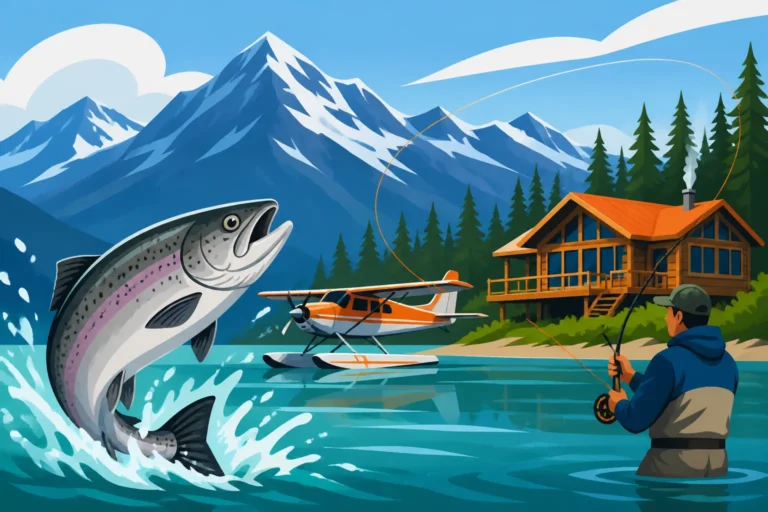
The Nushagak fishing experience is typically lodge-based, requiring a fly-in from Dillingham or King Salmon. The peak of the King run on the Nushagak usually occurs from mid-June through early July. Anglers here often fish from jet boats, drifting with bait and spinners or back-trolling plugs. The sheer abundance of fish means you can often hook multiple Kings in a single day, making it an exhilarating trip for those who prioritize action. The surrounding wilderness of Bristol Bay only adds to the allure, providing a truly Alaskan adventure away from the road system crowds. You can explore more about this incredible fishery with our Nushagak River Fishing Guide.
Kasilof River: Kenai's Quieter Neighbor
Just south of the Kenai Peninsula, the Kasilof River offers a slightly different, often less crowded, King Salmon experience. While it may not have the record-breaking reputation of its larger sibling, the Kasilof is a fantastic river for strong, healthy Kings and provides a more tranquil fishing environment due to its drift-only regulations for much of the King season. This means no powerboats, just the gentle hum of a drift boat or raft, allowing for a more intimate connection with the river.
The Kasilof also has two distinct King Salmon runs, mirroring the Kenai's timing but often with slightly earlier peaks. The early run starts in late May and continues into mid-June, primarily consisting of hatchery-origin Chinook. The late run, which features larger, wild Kings, usually begins in late June and peaks in mid-July. Anglers here predominantly use drift fishing techniques, often with cured salmon roe or artificial lures, targeting fish from the clean, glacial waters. Because of the drift-only rule, it's an excellent river to experience with a knowledgeable guide who can expertly navigate the currents and put you on the fish. Check out our guide on Kasilof River Fishing: What to Know Before You Go for more localized details.
Other Notable King Salmon Rivers
While the Kenai, Nushagak, and Kasilof often steal the spotlight, Alaska is a vast state with many other incredible rivers that host robust King Salmon runs. These rivers might offer different experiences, from easier access to more secluded wilderness adventures, but all provide legitimate shots at chrome-bright Chinook.
Deshka River: Accessibility and Early Runs
Located in the Mat-Su Valley, the Deshka River is one of the most accessible King Salmon fisheries from Anchorage. This makes it a popular choice for local anglers and those looking for a shorter, less logistically complicated trip. The Deshka is known for having one of the earliest King Salmon runs in Southcentral Alaska, often seeing fish enter the river by late May and peaking in early to mid-June.
The river itself is a tributary to the Susitna River and is relatively smaller and more intimate than the Kenai. Fishing here often involves bank fishing, drift fishing from small boats, or using jet boats in the lower sections. While the average size of Kings in the Deshka might be slightly smaller than the Kenai's giants, you still have a very good chance at hooking solid 20-30 pound fish, with occasional larger ones. The easy access does mean it can get crowded, especially on weekends during the peak run, but the early timing can provide some of the first King Salmon action of the season.
Susitna River and Tributaries: Vast and Varied
The Susitna River system, often referred to as "The Big Susitna," is one of Alaska's largest and most complex river drainages. Its sheer size and numerous tributaries, including the Deshka, Talkeetna River, and Lake Creek, offer a huge diversity of fishing opportunities. While the main stem of the Susitna can be challenging to fish effectively due to its vastness and often silty glacial waters, its clear-water tributaries are prime King Salmon habitat.
Kings typically enter the Susitna system from early June through July, with different tributaries experiencing their peaks at slightly different times. Fishing in these tributaries often involves jet boat access from towns like Talkeetna, or even fly-in access to more remote areas. Techniques vary but often include back-trolling plugs, drift fishing with bait, or casting spinners. The advantage of the Susitna system is its capacity to spread out anglers, making for a less crowded experience than some of the more famous road-accessible rivers. It offers a true wilderness feel, and a successful trip here can be incredibly rewarding.
Sitka and Southeast Alaska Rivers: Coastal Gems
Shifting gears to Southeast Alaska, the fishing experience for King Salmon is often quite different from the Interior and Southcentral rivers. Here, anglers frequently target "feeder Kings" or "winter Kings" in saltwater near the mouths of rivers or in protected bays, before they fully commit to their spawning runs. Rivers around towns like Sitka, Juneau, and Ketchikan host strong, albeit often shorter, King Salmon runs.
These smaller coastal rivers, such as the Sitka Sound tributaries or those accessible from Juneau, often see King runs peaking in June and July. Fishing methods might include trolling in the saltwater, or drift fishing and casting in the lower river sections. The Kings here are typically incredibly bright and powerful, having just left the ocean. The backdrop of the lush, temperate rainforest and dramatic fjords makes for an incredibly scenic fishing trip. While not as high-volume as the Nushagak or as famous for record-breakers as the Kenai, Southeast Alaska offers a distinct and highly productive King Salmon fishery, often combined with excellent opportunities for halibut and other salmon species. Many excellent guides operate out of these coastal communities, and you can often find reputable charters through services like FishingBooker.
Planning Your King Salmon River Adventure
Successfully landing a King Salmon in Alaska isn't just about picking a river; it's about meticulous planning, understanding the seasons, having the right gear, and being aware of the ever-changing regulations.
Best Time to Go for King Salmon
As mentioned, timing is everything with King Salmon. Generally, the sweet spot for King Salmon in most Alaskan rivers is from mid-June to mid-July. This period often aligns with the peak of the larger, late-run fish entering many systems. However, each river is a bit different:
- Early Season (Late May – Mid-June): Rivers like the Deshka and the Kasilof (hatchery run) offer earlier opportunities. The fish might be smaller on average, but they are incredibly chrome-bright and eager to bite. Crowds are generally lighter than peak season.
- Peak Season (Mid-June – Mid-July): This is when the big boys are running on the Kenai, Nushagak, and Kasilof (wild run). Expect heavier boat traffic and more competition on accessible rivers, but also the best chance at trophy-sized Kings.
- Late Season (Late July – Early August): Some rivers, particularly those in more northern or remote areas, might still have strong King runs, or the tail end of the main run. Fish will be getting darker, but can still offer good action.
Always double-check specific river forecasts and run updates from the Alaska Department of Fish and Game (ADF&G) closer to your trip date. These can change based on in-season escapement counts. For a broader overview, check out Best Time to Catch King Salmon in Alaska.
Essential Gear and Techniques
King Salmon are powerful fish, and your gear needs to be up to the task. Skimping on tackle can lead to heartbreak.
- Rods and Reels: You'll want a heavy-action baitcasting or conventional rod, typically 8.5 to 10.5 feet long, paired with a stout baitcasting reel capable of holding at least 250 yards of 25-40 pound monofilament or 50-80 pound braided line. Think brands like Lamiglas, G. Loomis, or Shimano for rods, and Shimano Tranx, Daiwa Lexa, or Penn Fathom for reels.
- Line: Braided line (50-80 lb) is popular for its sensitivity and strength, often with a 25-40 lb fluorocarbon or monofilament leader.
- Terminal Tackle: Heavy-duty swivels, snap swivels, and strong, sharp hooks (sizes 3/0 to 6/0) are a must.
- Lures and Bait:
- Cured Salmon Roe: This is often the most effective bait, particularly in rivers where bait is legal. Guides typically provide their own expertly cured roe.
- Plugs: Large diving plugs like Kwikfish or FlatFish, often wrapped with sardine or herring, are deadly when back-trolled.
- Spinners and Spoons: Heavy-bladed spinners (e.g., #5 or #6 Mepps Syclops, Blue Fox Vibrax) and large spoons (e.g., Pixie spoons) can be very effective, especially in clearer waters or for casting from shore.
- Soft Plastics/Jigs: Some anglers find success with large lead-head jigs tipped with soft plastic bodies, especially when jigging deep holes.
Common techniques include back-trolling (drifting downstream with plugs or bait), back-bouncing (bouncing weight and bait along the bottom), and drift fishing (free-drifting bait or lures with the current). Learning How to Catch King Salmon in Alaska can certainly improve your chances.
Regulations and Licensing
Alaska's fishing regulations are complex and can change frequently, especially for King Salmon, which are often subject to in-season emergency orders to protect declining stocks. It's not enough to just buy a license; you need to understand the specifics for your chosen river, the time of year, and even whether you're a resident or non-resident.
- Fishing License: Every angler aged 18 and older needs an Alaska Fishing License: Complete Guide. Non-residents often need to purchase a King Salmon stamp in addition to their regular license if they intend to target or keep King Salmon. The cost of an Alaska King Salmon Stamp for Non-Residents is typically a flat fee per license period.
- Harvest Record Card: King Salmon, among other species, must be immediately recorded on a physical or digital harvest record card upon retention. Failing to do so is a violation. Knowing What Is the Alaska Harvest Record Card and how to properly fill it out is crucial.
- Bag and Possession Limits: These are highly variable. Daily bag limits might be one King Salmon, with annual limits for non-residents, particularly on the Kenai River (e.g., one annual King Salmon from the Kenai for non-residents). Size restrictions, such as minimum or maximum lengths, might also apply. Always refer to the most current ADF&G regulations booklet and check for any Alaska Fishing Emergency Orders Explained just before and during your trip. These orders can close fisheries, change bag limits, or restrict gear use with very little notice.
Choosing Your King Salmon Experience: Guided vs. DIY
Deciding between a fully guided trip and a do-it-yourself adventure is one of the biggest choices you'll make when planning your King Salmon fishing trip. Both have their merits, and the best option depends on your experience level, budget, and desired style of adventure.
The Benefits of a Guided Trip
For many anglers, especially those visiting Alaska for the first time or looking to maximize their chances of success, a guided trip is often the way to go. Reputable guides offer an invaluable service that goes far beyond simply taking you to a fishing spot.
- Local Expertise: A good guide lives and breathes the river. They know the subtle nuances of the currents, the latest hot spots, the most effective techniques for the day, and where the fish are holding. This local knowledge is accumulated over years and is priceless.
- Gear Provision: High-quality rods, reels, line, and terminal tackle designed for King Salmon are expensive. Guides provide all the necessary, heavy-duty gear, ensuring you're properly equipped for the fight. This also includes specialized boats (drift boats, jet boats) and safety equipment.
- Safety and Navigation: Alaskan rivers can be powerful and unpredictable. Guides are trained in river safety, first aid, and navigating complex waters, ensuring a much safer experience, especially on larger, faster rivers like the Kenai or Nushagak.
- Increased Success Rates: While there are no guarantees in fishing, a guided trip significantly increases your odds of hooking into a King Salmon. They'll also handle the logistics of bait, lures, and even fish processing back at the dock.
- Regulation Compliance: Guides are intimately familiar with current regulations, emergency orders, and how to properly record your catch, helping you stay compliant with the law.
- Comfort and Convenience: From breakfast on the boat to shore lunches, many guides provide a comfortable and hassle-free experience, allowing you to focus solely on fishing.
The DIY Challenge and Rewards
For experienced anglers, particularly those familiar with river fishing for powerful species, a do-it-yourself King Salmon trip can be incredibly rewarding. It demands more effort but offers greater flexibility and a deeper sense of accomplishment.
- Cost Savings: This is often the primary motivator. Avoiding guide fees, which can run several hundred dollars per person per day, can significantly reduce the overall cost of your trip.
- Flexibility and Freedom: You set your own schedule, choose your own spots, and fish at your own pace. Want to stay out late? Want to move to a different section of the river? It's all up to you.
- Sense of Accomplishment: There's a unique pride that comes with scouting your own spots, tying your own rigs, and successfully landing a King Salmon without professional assistance.
- Requires Research and Skill: A successful DIY trip requires extensive research into river access points, run timing, regulations, and effective techniques. You'll need your own heavy-duty gear, a reliable boat (if not bank fishing), and a strong understanding of river safety. You must be prepared to handle fish processing yourself or find a local service.
Finding Reputable Guides and Charters
If you decide to go the guided route, choosing the right guide is paramount. A good guide can make or break your trip.
- Research and Reviews: Start by researching guides and charter companies online. Look for operators with strong reputations, positive reviews, and extensive experience on the specific river you plan to fish. Websites like FishingBooker are excellent resources, allowing you to compare numerous charters, read authentic reviews from past clients, and check availability in real-time.
- Licensing and Insurance: Ensure the guide and charter company are properly licensed and insured. In Alaska, guides must be licensed by the State of Alaska, and charter vessels often have additional Coast Guard requirements.
- Communication: Don't hesitate to call or email potential guides with questions about their experience, what's included in the trip (gear, bait, snacks, fish processing), their cancellation policy, and what to expect regarding fishing conditions.
- Specialization: Some guides specialize in certain species or techniques. If you're dead set on King Salmon, make sure they have a strong track record with Chinook.
- Referrals: Word-of-mouth is powerful. Ask friends, family, or online fishing communities for recommendations. You might even find charters listed on FishingBooker that come highly recommended by people you trust.
Preserving the Future of King Salmon Fishing
Alaska's King Salmon fisheries are a precious resource, facing increasing pressure from both environmental factors and fishing demand. As anglers, we all have a responsibility to contribute to their sustainability.
Understanding Conservation Efforts
Conservation isn't just a buzzword; it's the lifeline for future fishing opportunities. King Salmon populations, particularly some of the larger runs like those in the Kenai River, have experienced periods of decline in recent years, leading to stricter regulations and even closures.
- Sustainable Practices: Supporting lodges and guides that practice sustainable fishing is crucial. This includes adhering strictly to bag limits, using appropriate gear to minimize harm, and being mindful of sensitive spawning grounds.
- Catch-and-Release Best Practices: Even when catch-and-release is mandated or chosen, handling fish properly is vital. Minimize fight time, keep the fish in the water as much as possible, use wet hands when handling, and support the fish upright until it swims away strongly. For those larger King Salmon, sometimes a proper net and a quick release without removing them from the water is the best approach.
- Genetic Diversity: Protecting wild salmon stocks and their genetic diversity ensures the resilience of the species against future environmental changes. This is why regulations often differentiate between hatchery-origin and wild-origin fish.
Adapting to Emergency Orders
Alaska's fisheries management is dynamic, especially for King Salmon. The Alaska Department of Fish and Game (ADF&G) constantly monitors salmon runs using sonar, test netting, and weir counts. If a run is weaker than expected, or if escapement goals (the number of fish needed to reach spawning grounds) are not being met, ADF&G can issue "Emergency Orders."
- Sudden Changes: Emergency orders can be issued with very short notice, sometimes just a day or two before they take effect. These orders can dramatically alter fishing rules, such as:
- Reduced Bag Limits: Dropping from one King per day to zero.
- Gear Restrictions: Requiring single-hook, artificial lures only, or closing bait entirely.
- Time or Area Closures: Closing specific sections of a river or an entire river to King Salmon fishing for certain periods or for the remainder of the season.
- Staying Informed: It's absolutely essential to stay updated on the latest emergency orders. This means checking the ADF&G website daily, especially during peak season, listening to local radio broadcasts, and communicating with your guide or local tackle shops. Being caught fishing under outdated regulations can result in significant fines and confiscation of gear. The guide How to Check Alaska Emergency Orders Before Fishing offers practical advice on staying informed.
Understanding these conservation efforts and being prepared for regulatory changes are not just about avoiding fines; they're about being a responsible angler and contributing to the long-term health of Alaska's incredible King Salmon fishery for generations to come.
| River System | Best For | Peak Season | Primary Access Method | Typical Fish Size | Crowd Level | Unique Feature |
|---|---|---|---|---|---|---|
| Kenai River | Trophy Kings, Accessibility | Mid-June to Mid-July | Road, Powerboat, Drift | 20-50 lbs (up to 90+) | High | World record holder, two distinct runs |
| Nushagak River | High Volume, Remote Wilderness | Mid-June to Early July | Fly-in, Jet boat | 15-35 lbs (numerous) | Moderate-High | Sheer numbers of Kings, Bristol Bay wilderness |
| Kasilof River | Quality Kings, Drift-only | Early June to Mid-July | Road, Drift boat | 15-40 lbs | Medium | Mostly drift-only regulations, less crowded |
| Deshka River | Early Season, Road Access | Late May to Mid-June | Road, Small boat, Bank | 10-30 lbs | Medium-High | Earliest King run near Anchorage |
| Susitna Tributaries | Wilderness Experience, Variety | June to July | Fly-in, Jet boat | 15-35 lbs | Low-Medium | Vast system, many feeder rivers, diverse options |
| Southeast Rivers | Chrome Kings, Scenic Beauty | June to July | Boat (saltwater), Road, Hike | 15-40 lbs (ocean bright) | Low-Medium | Combination saltwater/freshwater, rainforest backdrop |
Disclaimer
Please remember that fishing conditions, regulations, and fish runs in Alaska can change rapidly. While we strive to provide the most accurate and up-to-date information, it is always your responsibility to consult the latest Alaska Department of Fish and Game (ADF&G) regulations and emergency orders before heading out on any fishing trip. Be safe, be responsible, and enjoy the incredible fishing Alaska has to offer.