Russian River Fishing: What to Know Before You Go
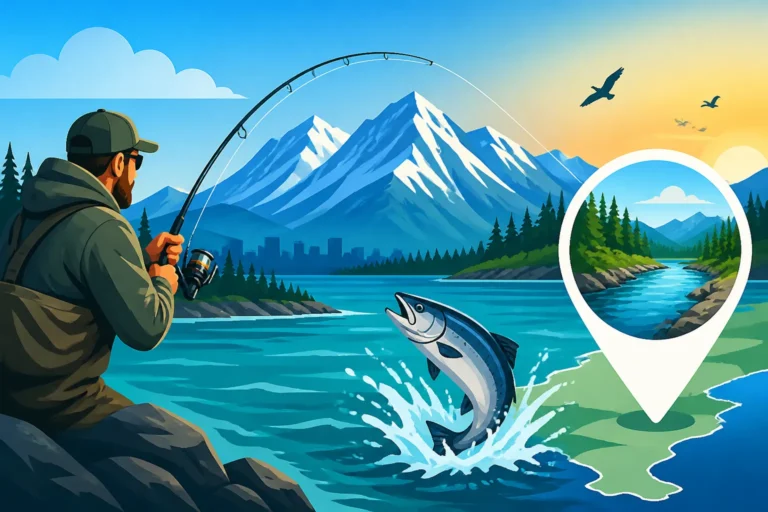
Oh, the Russian River! If you're dreaming of an Alaska fishing trip, chances are you've heard whispers of this legendary spot. It's often painted as both a paradise for sockeye salmon and a challenging gauntlet due to its immense popularity. Many anglers arrive eager to experience its bounty but quickly feel overwhelmed by the crowds, complex regulations, and unique fishing techniques. This guide is here to cut through the confusion, offering a realistic look at what to expect and how to prepare for a successful and enjoyable Russian River fishing adventure.
Why the Russian River Calls to Anglers
The Russian River, nestled deep within the Kenai Peninsula, is arguably one of Alaska's most famous — or infamous, depending on who you ask — fishing destinations. It's not just a river; it's an institution, primarily known for its incredible sockeye salmon runs. The sheer volume of fish that surge into its clear, turquoise waters draws thousands of anglers each summer, creating a vibrant, bustling, and sometimes chaotic scene that's unlike almost anywhere else.
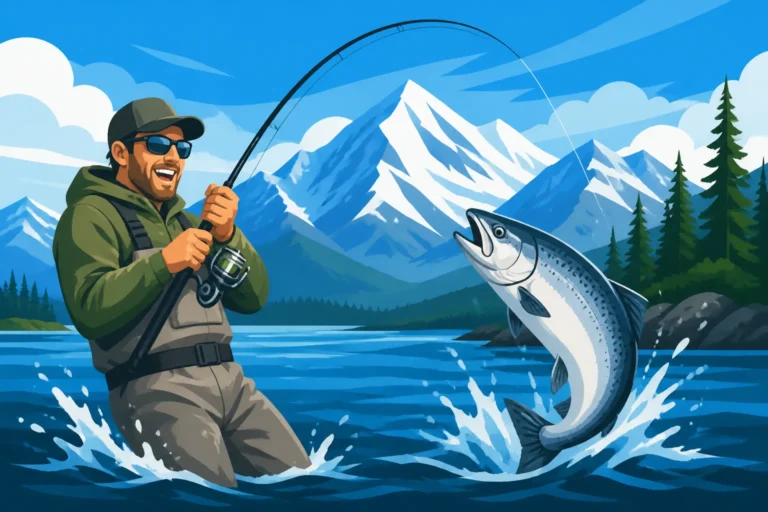
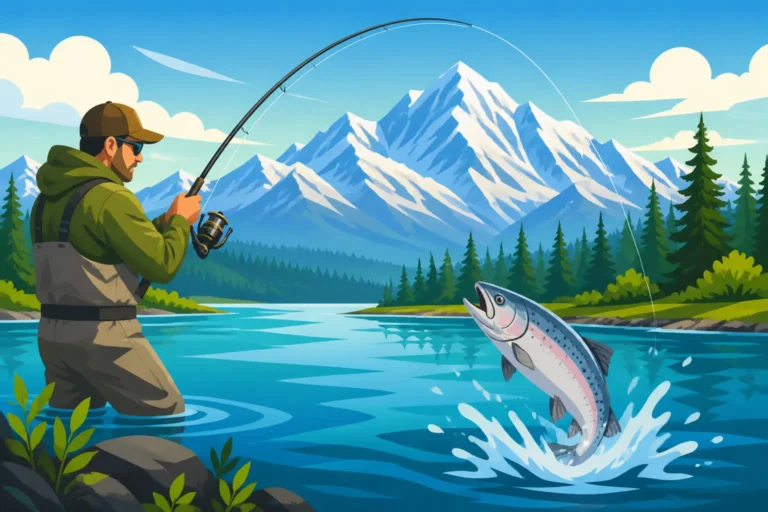
Imagine standing shoulder-to-shoulder with fellow fishing enthusiasts, all casting into the same pristine waters, hoping to hook into a chrome-bright sockeye. This isn't your serene, solitude-filled wilderness experience, but rather a unique, high-energy environment known affectionately as "combat fishing." While that might sound daunting, for many, it's an exhilarating part of the Russian River's charm, a shared quest where camaraderie often triumphs over competition. The natural beauty surrounding the river, with its lush forests and the towering peaks of the Chugach Mountains, provides a stunning backdrop to the angling action. It's a place where memories are made, stories are told, and limits are often filled, if you come prepared.
Understanding the Russian River Salmon Runs
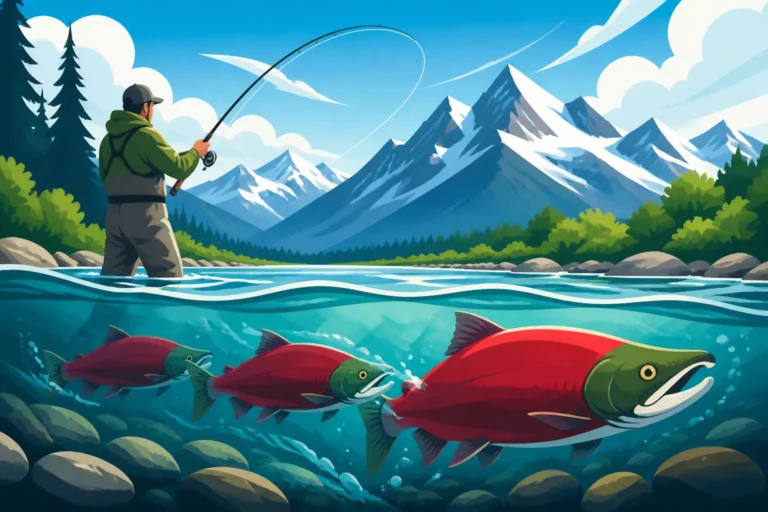
When most people talk about fishing the Russian River, they're talking about sockeye salmon, also known as red salmon. These hard-fighting, delicious fish are the main attraction, but it's crucial to understand their timing and the specific rules that govern their pursuit.
Sockeye Salmon: The Main Event
The Russian River sees two distinct sockeye salmon runs each summer, providing prime opportunities for anglers from late June through August. The first run typically kicks off in mid-June and lasts into early July. After a brief lull, the second, often larger, run starts mid-July and can extend well into August, sometimes even early September. Timing your trip to coincide with the peak of these runs is absolutely key to success. You'll want to keep a close eye on forecasts and emergency orders, as the exact timing and strength of the runs can vary year to year. A great way to stay informed is to check the Alaska Department of Fish and Game (ADF&G) website or use resources like FishingBooker to check local guide reports.
Sockeye salmon are unique in their feeding habits; once they enter freshwater to spawn, they largely stop actively feeding. This means you're not usually tempting them with traditional bait or lures in the same way you might other salmon species. Instead, the primary, and often most effective, technique on the Russian River is what's commonly referred to as "flossing." This involves using an unweighted fly or bead rig that drifts naturally into the sockeye's mouth as they swim upstream, and then setting the hook. It requires patience, a good feel for your line, and understanding how to read the water. For more details, our guide on Alaska Sockeye Salmon Limits on the Kenai offers a deeper dive into daily and seasonal retention rules.
Other Fish Species and Their Seasons
While sockeye are the stars, the Russian River and its confluence with the Kenai River also offer other angling opportunities. You might encounter a few stray King Salmon earlier in the season, though they are not the primary target for Russian River specific fishing due to highly restrictive regulations and fewer numbers than on the main Kenai. Our article on Alaska King Salmon Fishing Regulations and Limits can give you an idea of what to expect for kings in the general area. Later in the season, after the sockeye have moved through, you might find some resident Rainbow Trout and Dolly Varden that feed on the abundant salmon eggs, offering a completely different, often more solitary, fishing experience with traditional fly-fishing techniques.
Critical Regulations to Know
Fishing on the Russian River comes with a very specific set of regulations designed to manage the high volume of anglers and protect the salmon runs. These rules are non-negotiable and strictly enforced.
Here are some of the most important regulations you MUST be aware of:
- Single-Hook, Unbaited Lures: For sockeye, you are generally restricted to using a single, unbaited hook. This means no treble hooks, no smelly jelly, no cured eggs, nothing but a bare hook or an unweighted fly/bead. This regulation is central to the "flossing" technique.
- Specific Gear Restrictions: There might be specific gear restrictions in certain areas or during certain times, particularly if emergency orders are in effect. For instance, sometimes certain areas might be closed, or specific tackle might be mandated.
- Sport Fishing Only: The Russian River is a designated sport fishery. Personal use or subsistence fishing methods like dipnetting are not permitted here.
- Emergency Orders: The ADF&G frequently issues emergency orders that can change bag limits, open or close fisheries, or alter gear restrictions with little notice. Always check the latest emergency orders before heading out. Our guide on How to Read the Alaska Sport Fishing Regulations Booklet emphasizes the importance of staying current.
Understanding and adhering to these regulations is crucial to avoid violations and ensure a responsible fishing experience. Remember, ignorance of the law is not an excuse. You can find comprehensive details in the official Alaska Fishing Regulations Explained booklet, available online and at local vendors.
Essential Gear and Techniques for Russian River Success
You wouldn't show up to a black-tie event in flip-flops, and you shouldn't show up to the Russian River unprepared. Having the right gear and understanding the specific techniques will make or break your trip.
Rods, Reels, and Line
For sockeye salmon, you'll want a medium-heavy to heavy action spinning or casting rod, typically 8.5 to 10.5 feet long. The extra length helps with casting distance and controlling your drift in the current. Pair this with a durable reel spooled with 20-30 lb braided line, which offers sensitivity and strength. A fluorocarbon leader of 20-25 lb test is then tied to your main line. The clear water of the Russian River can make fish line-shy, so a good fluorocarbon leader is a must. Many guides found on platforms like FishingBooker can provide insights into their preferred setups.
| Item | Recommendation | Purpose |
|---|---|---|
| Rod | 8.5-10.5 ft, Medium-Heavy to Heavy action | Casting distance, drift control, fighting power |
| Reel | Durable spinning or baitcasting, smooth drag | Handling strong runs, consistent performance |
| Main Line | 20-30 lb Braided Line | Sensitivity, strength, less stretch |
| Leader Material | 20-25 lb Fluorocarbon (8-10 ft length) | Stealth in clear water, abrasion resistance |
| Flies/Beads | Unweighted Sockeye flies or plastic beads | Mimicking eggs, legal for "flossing" |
| Split Shot/Lead | Various sizes, non-toxic | Achieving proper drift depth and speed |
| Waders & Boots | Chest waders, felt or studded boots (NO felt on ferry trail) | Staying dry, traction, safety |
| Rain Gear | Waterproof jacket & pants, breathable | Protection from inevitable Alaska weather |
| Landing Net | Large, rubberized mesh net | Safely landing fish, protecting fish slime |
| Bear Spray | Essential, with holster | Personal safety in bear country |
| Harvest Card | Required for recording kings and other species | Legal compliance |
| License | Valid Alaska Fishing License and King Stamp if needed | Legal compliance |
The Art of Flossing for Sockeye
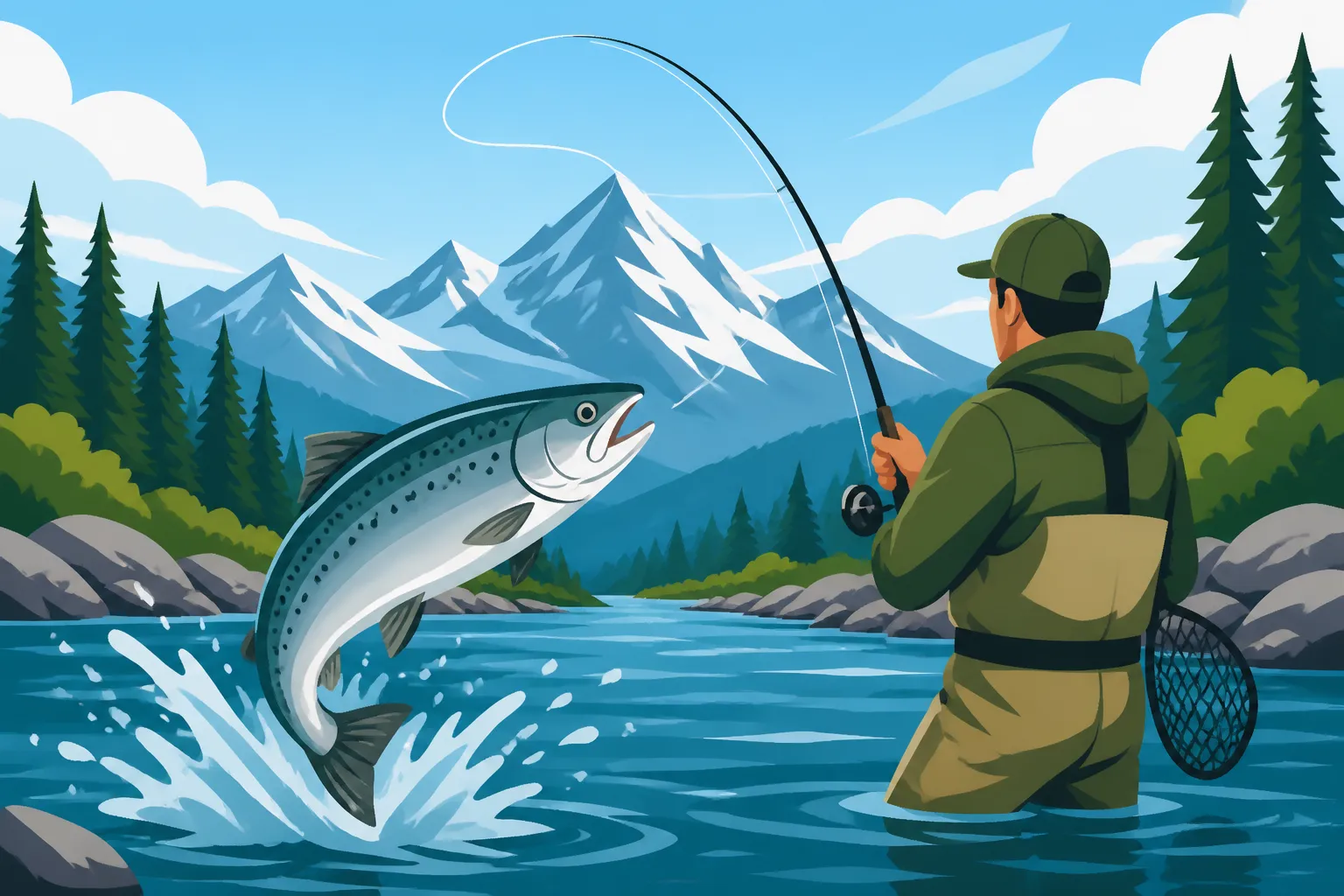
"Flossing" is the technique of choice for sockeye on the Russian River. It's about presenting an unweighted fly or bead rig upstream of the fish, allowing the current to carry it naturally downstream into the fish's open mouth as it holds position in the current. When you feel a subtle tick or stop in your line, it's often a fish, and that's your cue to set the hook. This isn't snagging; it's a careful presentation that aims for a legal hook-up inside the mouth. Mastering this takes practice, but once you get the hang of it, it's incredibly effective. Our guide on How to Set the Hook on Alaska Sockeye provides some excellent tips.
Here's a simplified breakdown:
- Rigging: Tie a small, unweighted sockeye fly (often pink, red, or chartreuse) or a colored plastic bead (mimicking a salmon egg) to your leader, about 1-2 feet above your lead weight (split shot or pencil lead). The weight ensures your rig sinks quickly and drifts effectively near the river bottom where sockeye hold.
- Casting: Cast upstream and slightly across the current, aiming for areas where you see sockeye holding or moving.
- Drifting: Keep your rod tip high and maintain a slight bow in your line (mending your line as needed) to allow your rig to drift naturally without drag. The goal is for the weight to bounce gently along the bottom, with your fly/bead trailing just behind it, at the fish's level.
- Setting the Hook: Pay close attention to your line. Any pause, twitch, or sudden heaviness could be a fish. Swiftly lift your rod tip to set the hook. Sockeye are strong fighters, so be ready for a battle!
- Releasing: If you hook a fish illegally (outside the mouth) or one you don't intend to keep, release it quickly and gently to minimize stress.
What to Wear and Bring
Alaska weather is famously unpredictable, even in summer. Layering is always the way to go. You'll definitely want waterproof, breathable rain gear (jacket and pants) because a sunny morning can turn into a downpour in minutes. Chest waders are absolutely essential for accessing prime fishing spots and staying dry in the cold river. Make sure your waders are in good condition; a leaky wader in cold water is a miserable experience. For footwear, felt-soled wading boots offer excellent traction, but be aware that some areas, particularly the ferry access trail, may have restrictions on felt soles due to invasive species concerns. Consider rubber-soled boots with studs for optimal grip. You can learn more in our article about Do You Need Waders for Alaska Fishing.
Beyond clothing, a large, rubberized landing net is vital for safely landing and releasing fish. Don't forget bug spray, a hat, sunglasses, sunscreen, and plenty of water and snacks. Given the prevalence of bears on the Kenai Peninsula, carrying bear spray and knowing how to use it is non-negotiable. For a detailed rundown on safety, check out How to Fish Safely Around Alaska Bears.
Navigating the Russian River Experience
Fishing the Russian River is more than just casting a line; it's an experience that requires careful planning and a good understanding of the local environment and etiquette.
Accessing the River
The main access point for the Russian River is near Cooper Landing, off the Sterling Highway. Many anglers choose to park at the Russian River Campground and hike the scenic, but sometimes strenuous, trail to the confluence with the Kenai River. Another popular option is to take the ferry across the Kenai River, which drops you off directly at the confluence, significantly cutting down on hiking time and effort. The ferry is a user-pay service and typically operates during peak sockeye season.
The trails themselves can be muddy and uneven, especially after rain, so proper footwear is key. Expect crowds, especially on weekends during the peak sockeye runs. If you're planning a trip, booking accommodations or a guided experience through a service like FishingBooker well in advance is a smart move, as spots fill up quickly in this popular area.
"Combat Fishing" Etiquette and Safety
The term "combat fishing" exists for a reason: you will be fishing alongside many other people. Patience, respect, and good etiquette are paramount.
- Respect Personal Space: Even in crowded conditions, try to maintain a reasonable distance from other anglers. Don't cast over someone's line or crowd into their spot.
- Rotate Positions: If a spot is particularly hot, it's good practice to rotate out after catching a few fish or after a reasonable amount of time, allowing others a turn.
- Be Patient: Don't get frustrated by tangled lines or occasional mishaps. Everyone is there to have a good time.
- Watch for Bears: The Kenai Peninsula is prime bear country. Both black bears and brown bears (grizzlies) frequent the riverbanks, especially during salmon runs. Keep your food secured, make noise on trails, carry bear spray, and know how to use it. Our post on How to Fish Safely Around Alaska Bears has crucial information.
- Stay Hydrated and Fuelled: Long hours of fishing can be tiring. Bring plenty of water and snacks to keep your energy up.
- Leave No Trace: Pack out everything you pack in. Keep the river and its banks pristine for everyone to enjoy.
Navigating the crowds is part of the Russian River charm. Many anglers, myself included, have found great camaraderie in sharing this unique experience. You'll find yourself laughing, sharing tips, and celebrating successes with strangers who quickly become friends. For a full breakdown of what this experience entails, read our article on Russian River Combat Fishing Explained.
Where to Stay and Other Amenities
Cooper Landing offers various lodging options, from rustic cabins and campgrounds to more comfortable lodges. Many anglers choose to camp at the Russian River Campground or nearby Forest Service campgrounds along the Kenai River. There are also private campgrounds that offer more amenities. Make sure to reserve your spot well in advance, especially for summer trips.
Basic amenities like gas stations, small grocery stores, and fishing tackle shops are available in Cooper Landing. Some shops also offer gear rentals, which can be a good option if you don't want to invest in specialized sockeye gear for a single trip. Local guides often offer packages that include gear, making your trip planning even easier. Many of these guide services can be researched and booked through platforms like FishingBooker, providing a hassle-free way to ensure you have the right equipment and expert guidance.
Final Thoughts Before You Go
Fishing the Russian River is an iconic Alaskan experience that every serious angler should consider. It's challenging, exciting, and immensely rewarding when those chrome sockeye are hitting. It's a test of skill, patience, and adaptability, but the thrill of landing a fresh-from-the-ocean sockeye in such a beautiful setting is truly unforgettable.
Remember to prioritize safety, respect the regulations, and be prepared for both the abundant fish and the equally abundant fellow anglers. With the right mindset and preparation, your Russian River adventure will undoubtedly become one of your most cherished Alaska fishing memories. Tight lines!
Disclaimer
Fishing in Alaska involves inherent risks, including but not limited to changing weather conditions, wildlife encounters, and variable river conditions. Regulations are subject to change by the Alaska Department of Fish and Game. Always consult the most current ADF&G regulations and emergency orders before fishing. This guide is for informational purposes only and does not substitute professional advice or official regulations.