How to Bring Up a Big Alaska Halibut
There's nothing quite like the feeling of hooking into a truly massive Alaska halibut, but the joy can quickly turn to dread when you realize just how much raw power is on the other end of your line. Many anglers struggle with the sheer force and unpredictable nature of these "barn doors," often losing what could be the fish of a lifetime right at the boat. This guide is here to walk you through every step of bringing up a big Alaska halibut, ensuring you're prepared with the right gear, techniques, and mindset to conquer these deep-sea giants and turn that once-in-a-lifetime fight into a successful catch.
The True Test: Why Landing a Big Alaska Halibut Is So Challenging
Alaska's halibut are legendary for a reason, and it’s not just their impressive size. These fish are built for brute strength, inhabiting deep, often turbulent waters, and they put up a battle unlike almost any other. Understanding what makes them such formidable opponents is the first step to mastering the art of bringing one to the surface.
The Sheer Raw Power and Weight
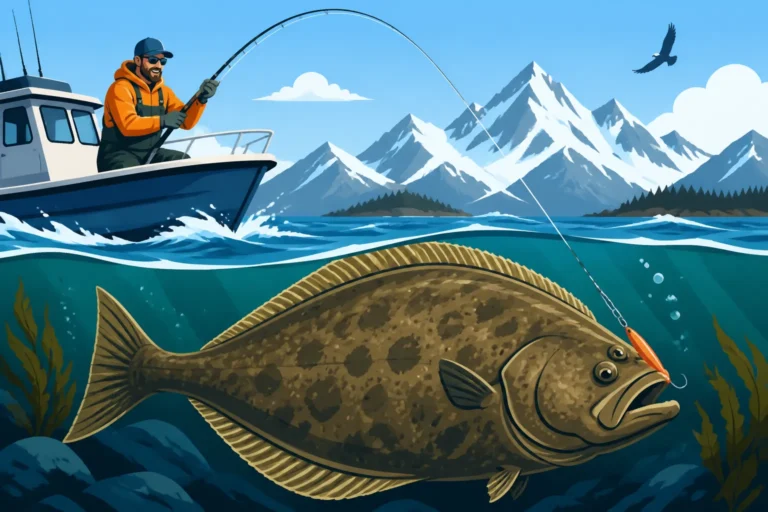
Imagine trying to pull up a small refrigerator from hundreds of feet down, and you start to get a picture of what fighting a large halibut can be like. Mature halibut, especially the "barn doors" that can exceed 100 pounds, possess incredible muscle mass and a broad, flat body that acts like a parachute in the water. When they decide to fight, they don't just swim away; they often lay flat against the water column, using their entire body surface to create immense drag. This isn't a quick sprint; it's a grinding, deep-water tug-of-war that can last for a significant amount of time, testing every piece of your tackle and every ounce of your stamina. Even a 50-pound halibut can feel like an absolute monster when it's determined to stay down, and larger ones can absolutely exhaust an unprepared angler.
Deep Water Dynamics and Pressure
Most big halibut are caught in deep water, often 100 to 400 feet, or even deeper in some areas like the Gulf of Alaska. The journey from these depths to the surface involves immense pressure changes. While some fish, like rockfish, struggle significantly with barotrauma and can't always survive release from such depths, halibut are a bit more resilient. However, their fight is influenced by these dynamics. They'll use the depth to their advantage, often making powerful, head-shaking dives back towards the bottom, forcing you to regain every inch of line you've painstakingly reeled in. This can feel like a cruel joke, especially when you think you're making progress, only for the fish to spool off 50 feet in an instant. The deeper the water, the longer and more exhausting this up-and-down battle can become, making a steady, consistent retrieve paramount.
The Unexpected Fight at the Boat
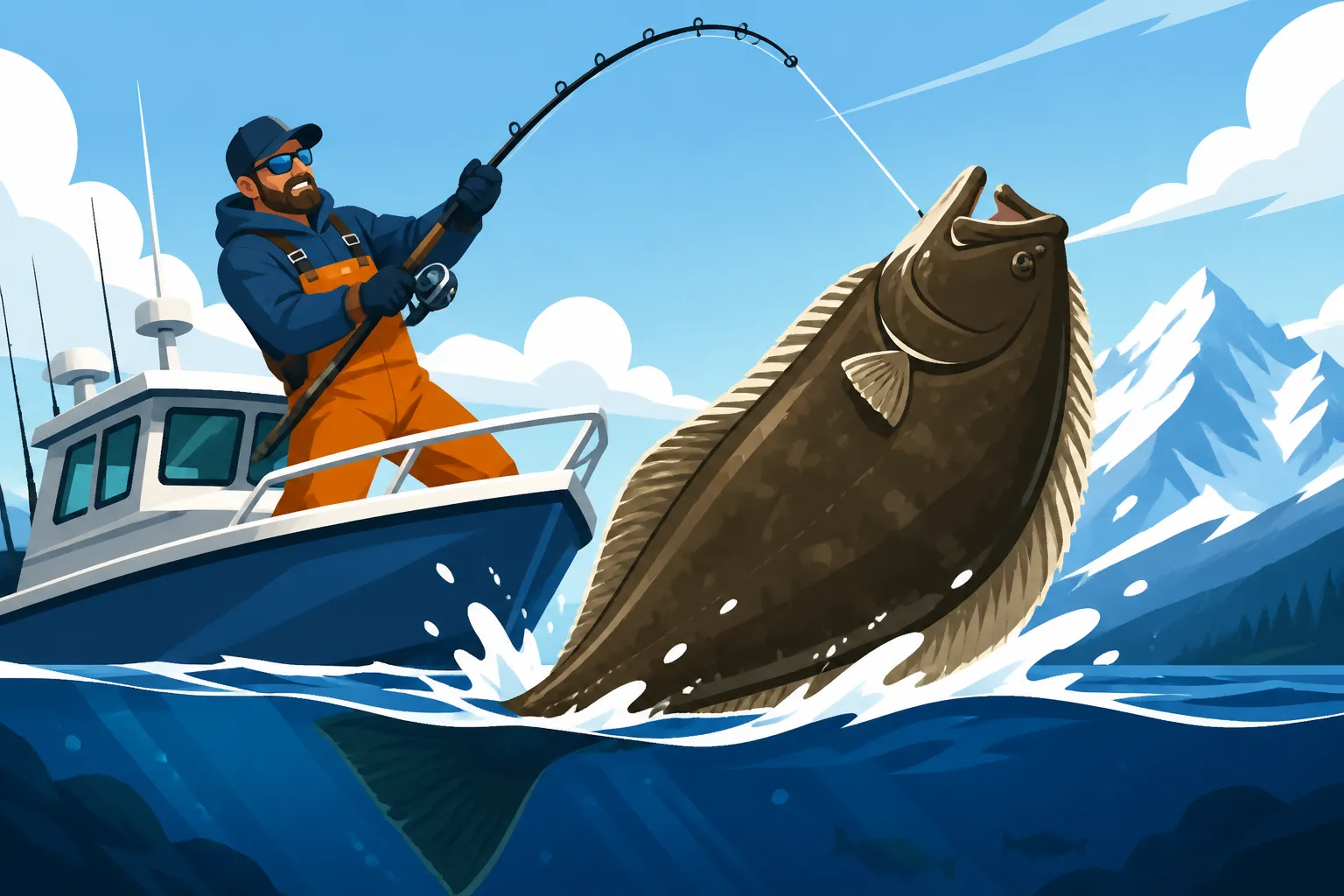
Perhaps the most heart-wrenching moment for many anglers is losing a big halibut right at the boat. You've battled it for what feels like an eternity, brought it through hundreds of feet of water, and then, just as you're about to secure it, it makes one last, explosive run. This is often called the "circle of death" or "boat-side sprint," where the fish, seeing the boat or feeling the change in environment, finds a renewed burst of energy. They might dive directly under the boat, wrap around anchor lines, or make a desperate dash for the open water. This final surge is why preparedness is crucial – from the moment you hook the fish to the moment it's safely on deck, you need to anticipate this ultimate display of defiance. Many a tale of the "one that got away" involves this final, desperate move.
Equipping Yourself for the Ultimate Halibut Battle
You wouldn't bring a knife to a gunfight, and you certainly shouldn't bring inadequate gear to an Alaska halibut trip. The right equipment isn't just about catching the fish; it's about making the fight manageable, increasing your chances of success, and ensuring safety for both you and your crew. Investing in quality gear is non-negotiable for serious halibut anglers.
Selecting the Right Rod and Reel Combination
For big Alaska halibut, you need a heavy-duty setup designed for deep-water bottom fishing. Forget your bass rods; we're talking about robust, powerful tools.
- Rods: Look for a heavy to extra-heavy conventional rod, typically 6 to 7.5 feet in length. The rod needs a strong backbone to lift heavy weights and turn a large fish, but also enough tip sensitivity to detect subtle bites in deep water. Fiberglass or composite rods are popular for their durability and shock absorption, which is key when fighting a thrashing fish. Brands like Ugly Stik offer dependable options that you can often find on Amazon, known for their indestructible reputation.
- Reels: A conventional reel with a high line capacity and a powerful drag system is paramount. Lever drag reels are often preferred for their easy adjustment during a fight. Look for models with a minimum of 30 lbs of drag, though 50 lbs or more is ideal for truly massive fish. A retrieve ratio that allows for both power and reasonable speed is beneficial. Popular choices include the Penn International, Shimano Talica, or Daiwa Saltiga series, though there are many excellent options designed for offshore big game. When you are charter fishing, chances are they will provide you with excellent equipment, but it never hurts to understand the tools.
Choosing Unyielding Line and Leader Materials
The line connecting you to your potential trophy is arguably the most critical component. It needs to withstand immense pressure and abrasion.
- Main Line: Braided line is the go-to choice for halibut fishing due to its zero stretch, incredible strength-to-diameter ratio, and excellent sensitivity. This lack of stretch allows you to feel subtle bites at extreme depths and directly apply pressure to the fish. For big halibut, 80 to 150 lb test braided line is common. The higher test offers more insurance against abrasion and break-offs from sharp halibut teeth or rocky bottom. You can find robust braided lines from brands like PowerPro or Izorline readily available on Amazon. For specific advice, check out our guide on Best Weight for Alaska Halibut Fishing to optimize your setup for depth and current.
- Leader Material: A heavy monofilament or fluorocarbon leader is essential. This provides a bit of shock absorption and, more importantly, abrasion resistance against the halibut's rough mouth, gill plates, and the rocky seafloor. A typical leader might be 150 to 300 lb test, about 6 to 10 feet long. Some anglers prefer short, heavy leaders, while others like longer ones for a bit more stretch and protection. When you are learning How to Set Up a Halibut Rig for Alaska, you'll quickly realize the importance of strong connections here.
Essential Terminal Tackle for Giant Halibut
Your terminal tackle is the business end of your setup and must be robust enough to handle the stress of a heavy fish and heavy weights.
- Hooks: Large, sharp circle hooks are highly recommended for halibut. Sizes like 16/0 to 20/0 are common. Circle hooks are designed to hook fish in the corner of the mouth, minimizing gut hooks and increasing the chances of a clean, secure hold. They are also safer for catch-and-release, which is important if you encounter a fish outside the slot limit. Always ensure your hooks are chemically sharpened and strong enough not to bend under pressure.
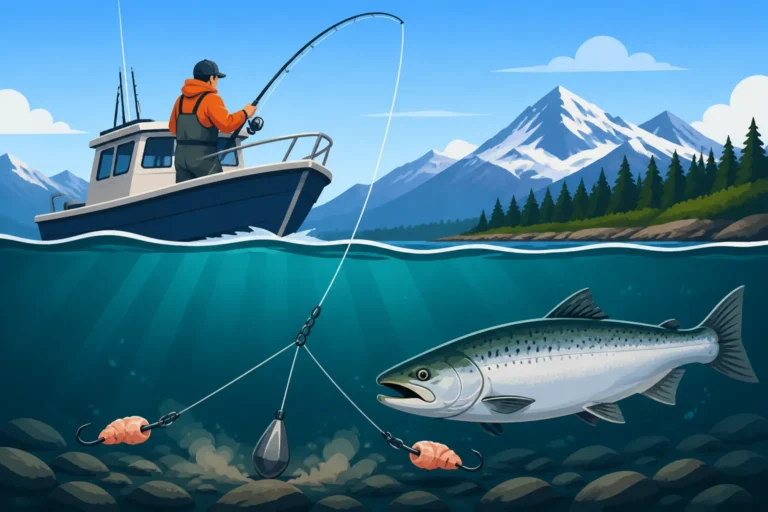
- Weights: Depending on depth and current, you'll need substantial lead weights to get your bait down and keep it there. Pyramids, cannonball, or flat-sided weights from 1 to 5 lbs are standard. Sometimes, even heavier weights are necessary in strong currents or very deep water. For more details on specific techniques that utilize different weights, refer to How to Jig for Halibut in Alaska and How to Bottom Fishing for Salmon in Alaska.
- Swivels and Snaps: Use heavy-duty, high-quality swivels and snaps with a breaking strength well above your main line. Ball bearing swivels reduce line twist, which is critical when dropping heavy weights repeatedly. Brass or stainless steel options are best for corrosion resistance in saltwater. Investing in good snaps, like those from a reputable brand on Amazon, prevents embarrassing failures when you hook into a monster.
Mastering the Fight: Proven Techniques for Bringing Up Halibut
Once you've got the right gear, it's all about technique. Fighting a big halibut is a marathon, not a sprint, and patience, consistency, and a little bit of strategy will significantly increase your success rate.
The Initial Hookset and First Runs
When a halibut hits, it can often feel like your line just went slack or like you've snagged the bottom. This is because they're often inhaling the bait and then just sitting there. With circle hooks, you don't need a massive, sweeping hookset. Instead, slowly and steadily reel down until you feel solid weight and the rod loads up. The circle hook will do its job and rotate into the corner of the fish's mouth.
Once hooked, be prepared for an immediate, powerful run towards the bottom. This is where your reel's drag system earns its keep. Let the fish take line if it needs to, but maintain a consistent, heavy pressure. Don't try to stop a determined halibut's first dive; you'll either break your line or pull the hook. Instead, let the drag work, keep the rod tip high, and brace yourself. This initial surge can be truly exhilarating and nerve-wracking.
The Pumping and Reeling Rhythm
After the initial burst, the fight settles into a rhythm: the "pump and reel" technique. This is the most efficient way to gain line on a heavy, deep-dwelling fish.
- Pump Up: With the rod tip pointed towards the water, engage the reel's drag and lift the rod smoothly and powerfully, sweeping it upwards from a low position (around 9 o'clock) to a high position (around 12 o'clock). This action lifts the fish a few feet closer to the surface.
- Reel Down: As you lower the rod tip back to the starting position, reel in as much line as you can, quickly taking up the slack you've created.
Repeat this motion rhythmically. The key is never to lose tension on the line. Any slack can allow the hook to dislodge or the fish to shake free. This technique conserves your energy compared to trying to reel against constant, heavy pressure. It's a grueling workout for your back and arms, especially on a sustained fight. Many anglers find the help of a sturdy fishing harness invaluable for distributing the load during this phase of the battle. Understanding this process is key to becoming a seasoned angler, as detailed in our comprehensive How to Catch Halibut in Alaska guide.
Navigating the "Circle of Death" at the Surface
As mentioned earlier, the halibut's final stand at the boat is often the most dangerous for both the fish and the angler's ego. When the fish gets within 20-50 feet of the surface, it will often begin to circle the boat, sometimes making sudden, powerful dashes.
- Maintain Pressure: Keep that rod tip up and maintain constant pressure. Do not let the fish get any slack.
- Anticipate Runs: Watch the fish's behavior. If it starts swimming rapidly in a circle or makes a sudden move, be ready to let the drag sing a little. It's better to let it take a few feet of line than to have the hook pull free.
- Communicate with the Crew: If you're on a charter, communicate with your deckhand or captain. They'll be watching the fish and advising you on boat positioning, gaffing angles, and when to bring the fish closer. This is where knowing what to expect on an Alaska Halibut Charter: What to Expect can really pay off.
- Keep the Fish Away from Obstacles: Be mindful of the boat's motors, anchor lines, or other anglers' lines. The fish will instinctively try to wrap you around anything it can. Move around the boat if necessary, but always prioritize safety.
The Critical Final Steps: Securing Your Giant Halibut
Getting the halibut to the surface is only half the battle. Bringing it safely and ethically into the boat requires specialized tools and a calm, coordinated effort. This is where adrenaline peaks, and mistakes can happen quickly.
Proper Gaffing and Harpooning Techniques
For large halibut, a gaff or harpoon is necessary for securing the fish. Trying to hoist a thrashing 100-pound fish over the rail by the leader alone is a recipe for disaster.
- The Gaff: A strong, long-handled gaff with a sharp, appropriately sized hook is crucial. The gaff should be placed firmly into the head area of the fish, behind the gill plate or in the shoulders, avoiding the belly meat which can be damaged. One swift, decisive motion is key. The gaffer needs to be experienced and precise.
- The Harpoon: For truly giant "barn door" halibut (often those 150 lbs or more), a harpoon might be preferred. A harpoon allows for a more secure connection to a massive fish that might still have a lot of fight left. The dart detaches from the pole once it's in the fish, tethering the halibut to a float or directly to the boat. This allows the fish to tire itself out without putting undue stress on your rod and reel. This is especially common when targeting fish that push the Alaska Halibut Size Limit Explained.
- "Brain" or "Ike" Jabbing: Some experienced anglers or deckhands prefer to "brain" the halibut with a spike or specialized tool as soon as it's boatside, hitting its brain to instantly subdue it. This technique, when done correctly, humanely dispatches the fish quickly and reduces the struggle on deck, making it safer to bring aboard.
Ensuring Safety for Anglers and Crew
A large, powerful halibut thrashing on deck can be incredibly dangerous. Its razor-sharp gill plates and powerful tail can cause serious injury.
- Clear the Deck: Before the fish comes aboard, ensure the deck is clear of unnecessary gear, coolers, and anything else that could become a tripping hazard or be damaged.
- One Fish at a Time: Focus on securing one fish at a time. Other lines should be reeled in to prevent tangles or injury.
- Controlled Entry: Once gaffed or harpooned, the fish should be brought onto the deck with a controlled motion, often with two people lifting heavy fish.
- Subdue Quickly: As soon as the fish is on deck, subdue it quickly and humanely. A heavy wooden club (often called a "priest") or a brain spike is typically used to ensure the fish is dispatched before it can cause injury or damage. The goal is to minimize its time thrashing on the deck.
- Gloves and Footwear: Always wear sturdy, non-slip footwear and protective gloves when handling fish on deck.
- Be Aware of Regulations: Remember to understand the Alaska Halibut Fishing Regulations and Limits before you even drop a line. Knowing your bag limits and any special restrictions, like the Alaska Halibut Charter Reverse Slot Limit, is crucial for ethical and legal fishing.
Handling Your Catch Ethically and Efficiently
Once your trophy halibut is subdued and on deck, the work isn't over. Proper handling ensures the best quality meat and respects the resource.
- Bleeding the Fish: Immediately bleed the halibut by making a cut behind the gills. This improves the meat quality significantly by allowing the blood to drain.
- Cooling and Storage: Get the fish into a cooler with ice as soon as possible. Rapid cooling helps preserve the meat. Many charters have large fish holds or coolers specifically for this purpose.
- Harvest Record: Don't forget to record your catch immediately on your harvest record card, especially for species like King Salmon or Halibut, as required by Alaska Fishing Regulations Explained. This is a critical legal requirement.
- Processing: After the trip, your halibut will need to be processed. This often means filleting and then vacuum-sealing or freezing. Many charter services offer fish processing as part of their package or can recommend local processors. If you're doing it yourself, learning How to Fillet a Halibut properly will maximize your yield. For information on what you can take home, consult How Much Fish Can You Bring Home from Alaska.
Table: Recommended Halibut Gear Specifications
| Gear Type | Recommendation for Large Halibut (50lbs+) | Key Features | Where to Look (Example) |
|---|---|---|---|
| Rod | Heavy to Extra-Heavy Conventional Rod | 6-7.5 ft, strong backbone, moderate tip | Ugly Stik Bigwater, Shimano Trevala, St. Croix |
| Reel | Conventional Reel (Lever Drag preferred) | 50-80 lb line capacity, 30-50+ lbs drag power | Penn International, Shimano Talica, Daiwa Saltiga |
| Main Line | Braided Line | 80-150 lb test, zero stretch, high sensitivity | PowerPro, Izorline (available on Amazon) |
| Leader | Monofilament or Fluorocarbon | 150-300 lb test, 6-10 ft length, abrasion resistance | Seaguar, Berkley Big Game |
| Hooks | Circle Hooks | 16/0 – 20/0, sharp, strong, offset preferred | Gamakatsu, Mustad |
| Weights | Lead Weights | 1-5 lbs (pyramid, cannonball, flat-sided) | Local tackle shops, Amazon (for bulk) |
| Gaff/Harpoon | Heavy-Duty Gaff or Harpoon | Long handle (4-6 ft), sharp, strong hook/dart | Aftco, Fibertron (specific marine suppliers) |
| Gloves | Grippy, Protective Fishing Gloves | Dexterity, puncture resistance, good grip | Glacier Glove, Buff (available on Amazon) |
Remember, the thrill of battling a huge halibut is an unforgettable experience. With the right preparation, robust gear, and thoughtful technique, you can confidently bring up your big Alaska halibut and create memories that will last a lifetime. Whether you're planning a trip to Homer, Seward, or Sitka, getting familiar with these practices will serve you well.
Disclaimer
The information provided in this guide is for general informational purposes only and does not constitute professional advice. Fishing regulations in Alaska are complex and subject to change. Always consult the most current Alaska Department of Fish and Game regulations and emergency orders before engaging in any fishing activity. Safety precautions should always be observed when handling fishing gear and large fish.