How to Fight a Barn Door Halibut
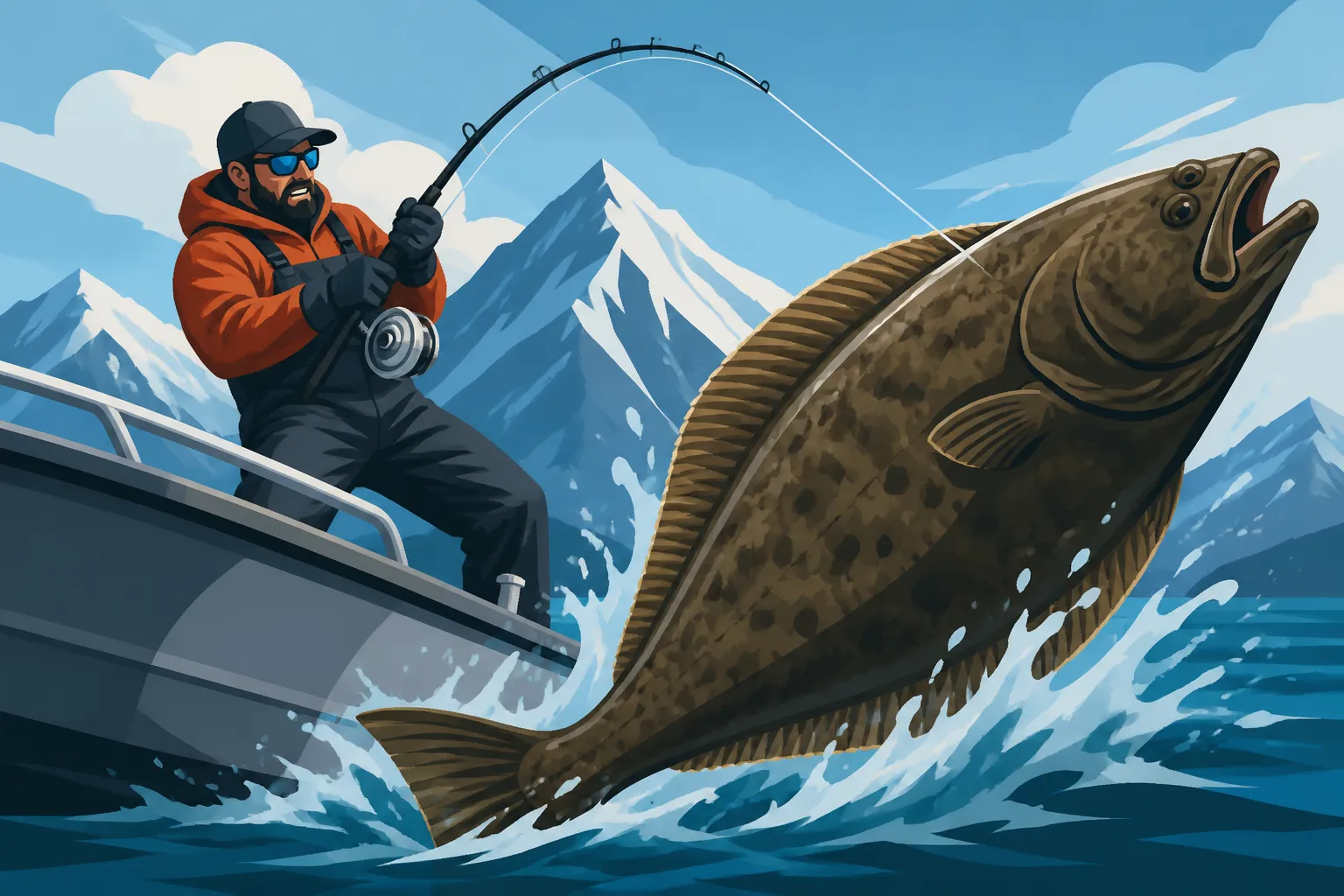
There are few things in the fishing world that get your heart pounding quite like the sudden, brutal tug of a massive barn door halibut. You’ve pictured it, dreamed of it, but when that moment arrives, it’s a whole different ball game than reeling in a smaller "chicken" halibut. These monsters don't just swim; they fight, and if you're not prepared, they'll humble you fast. This guide is all about equipping you with the knowledge, the gear, and the sheer grit you'll need to go toe-to-toe with one of Alaska's most formidable bottom-dwellers.
Understanding the Beast: What Makes a Barn Door Halibut So Tough
Before you even drop a line, it helps to understand what you're up against. A barn door halibut isn't just a big fish; it's an apex predator built for power and survival, lurking in the depths of the Gulf of Alaska and other rich fishing grounds. The term "barn door" is often used for halibut weighing 100 pounds or more, but really, it's any halibut that feels like it could pull you right off the boat if you're not careful.
Halibut Physiology and Power
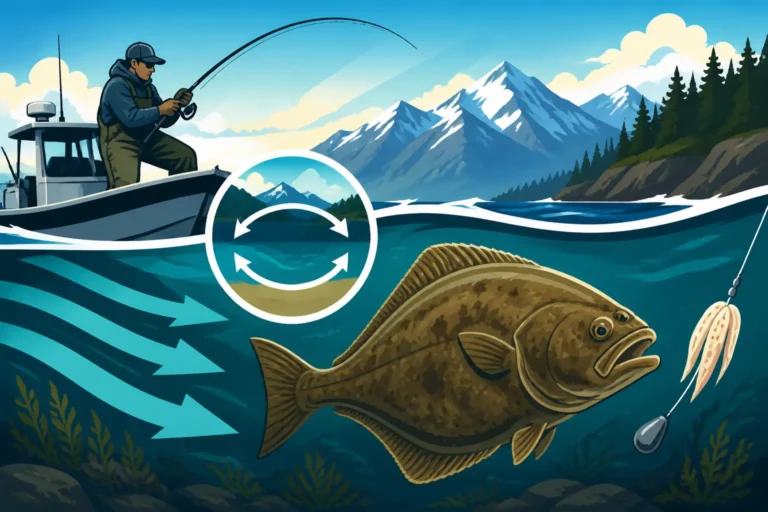
Halibut are designed for brute force. Their flat bodies, powerful tails, and massive pectoral fins allow them to generate incredible thrust when they decide to dive. Unlike salmon, which tend to make screaming runs, a big halibut often makes deep, relentless plunges toward the seafloor, using its broad body as a giant hydrofoil against the water pressure. Imagine trying to pull a plywood sheet vertically through the water – that's the kind of resistance you'll feel. They can also use their weight to their advantage, "gluing" themselves to the bottom and making it feel like you're snagged on a rock.
Their mouth is another weapon; it's huge, filled with sharp, conical teeth, and capable of crushing bait and even smaller fish. When they hit your bait, it's often not a gentle nibble but a full-on engulfment, which means a solid hookset is crucial. These aren't dainty eaters. Their strength isn't just in their initial pull; it's in their sustained power, which can test your endurance over a long, drawn-out battle.
How Size Affects the Fight
The bigger the halibut, the more dramatic the fight, and the more nuanced your technique needs to be. A smaller halibut, say in the 20-50 pound range (often called "chicken halibut"), might give you a good tug, but you can usually muscle it to the surface without too much drama. But a 150-pounder? That's when you enter a whole new realm of combat. These fish have thicker bones, more muscle, and simply more mass to work against you.
Their deeper dives are harder to stop, and their "death circles" near the surface are more violent and dangerous. Furthermore, a truly giant halibut has been around for a long time, meaning it's likely encountered hooks before and has learned a thing or two. These aren't naive fish. They use their environment, the current, and their sheer will to try and break free. It’s not uncommon for a fight with a true barn door to last 30 minutes to an hour, pushing both angler and gear to their limits.
Gearing Up for the Battle: Essential Tackle and Boat Setup
You wouldn't go to war with a butter knife, and you shouldn't target barn door halibut with inadequate gear. This is where investing in quality equipment truly pays off. The right setup won't just increase your chances of landing the fish; it'll also make the fight more manageable and enjoyable, even when a giant is on the other end.
Rods, Reels, and Line
For barn door halibut, you need gear that's built for heavy-duty saltwater fishing. This isn't the place for your lightweight trout setup.
- Rods: Look for heavy-action conventional rods, typically 6 to 7 feet long, with a strong backbone. Fiberglass or composite rods are popular for their durability and parabolic bend, which helps absorb the shock of a powerful run. Many anglers prefer rods rated for 50-100 pound line. Brands like Ugly Stik or Penn offer excellent value and durability for these punishing battles. You can find a great selection of these robust rods on Amazon.
- Reels: A high-quality conventional reel with a strong drag system is paramount. Lever drag reels are often preferred because they allow for precise and consistent drag adjustments during the fight. A reel like a Penn Squall or a Shimano TLD is a fantastic choice, offering the necessary line capacity and drag pressure. You'll want a reel capable of holding at least 400-500 yards of line, and ideally, one with a gear ratio that provides good cranking power. Check out how different gear setups apply to barn door halibut.
- Line: Braided line is almost universally preferred for halibut fishing due to its zero stretch, incredible strength-to-diameter ratio, and sensitivity. You'll feel every bump and bite, and your hooksets will be much more effective, even in deep water. Typically, anglers will spool up with 80-150 pound test braided line. While incredibly strong, braid can be tough on your hands, so sturdy gloves are a must. A monofilament or fluorocarbon leader of 60-100 pounds is often tied to the braid to provide some abrasion resistance and act as a shock absorber, as well as being less visible to the fish. For more on line choices, consider exploring a guide on Alaska Fishing Gear and Tackle Guide.
Terminal Tackle
The business end of your fishing setup needs to be just as robust as your rod and reel.
- Hooks: Circle hooks are highly recommended for halibut, both for their effectiveness and their ability to ensure a clean hookset in the corner of the fish's mouth, which is better for the fish if you plan to release it and easier to remove if you're keeping it. Sizes from 16/0 to 20/0 are common for barn doors. Make sure they are heavy-duty, corrosion-resistant hooks. Learn more about Best Circle Hooks for Alaska Halibut.
- Weights: Halibut fishing often occurs in deep water with strong currents, so heavy sinkers are necessary to get your bait to the bottom. Pyramid or cannonball sinkers ranging from 16 to 48 ounces (1 to 3 pounds) are typical. You'll want a selection of different weights on board to adapt to varying depths and current conditions.
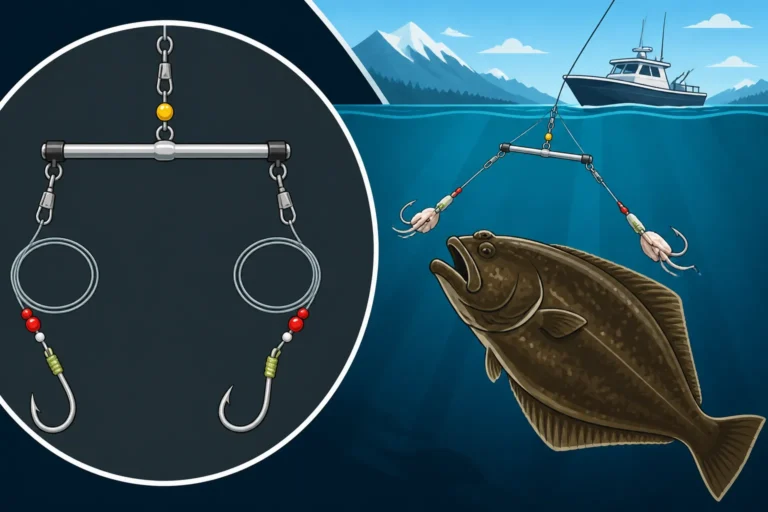
- Rigs: A simple but strong spreader bar or a three-way swivel rig is effective. The goal is to keep your bait near the bottom while allowing it to drift naturally. Consider a robust spreader bar setup to avoid tangles and present your bait effectively. For a deeper dive into setup, check out How to Set Up a Halibut Rig for Alaska.
- Bait: Fresh bait is king. Herring, salmon heads, cod, or octopus are all excellent choices. Some anglers prefer to use large chunks of salmon bellies, which are oily and have a strong scent trail. Scented artificial baits, such as Berkley Gulp! or similar soft plastics, can also be effective when tipped with natural bait. When it comes to Best Bait for Alaska Halibut, freshness and size often matter most for these giants.
Boat and Safety Gear
While not directly part of your fishing tackle, having the right boat setup and safety gear is crucial, especially when battling a fish that can pose a significant danger.
- Boat: A stable boat with ample deck space is essential. You need room to move around the deck during the fight, and enough space to safely bring a large fish aboard. Good railing and a solid transom are also important features.
- Gaffs and Harpoons: A strong, long-handled gaff is indispensable for securing a large halibut. For truly massive barn doors, many experienced captains also carry a harpoon. This is not for sport but for safety and efficiency, allowing for a quick, humane dispatch of a fish that could injure someone or cause damage in the boat. Make sure your gaff is sharp and your harpoon lines are correctly rigged. You can find reliable gaffs and even basic harpoon setups for serious fishing on Amazon.
- Gloves and Safety: Heavy-duty fishing gloves will protect your hands from braided line cuts and the sharp edges of the fish. A good quality pair of fishing boots with non-slip soles is also a wise investment. When dealing with a thrashing, potentially violent fish, wearing an inflatable PFD (personal flotation device) is always a good idea, even for experienced anglers.
The Fight Itself: Techniques for Hooking, Fighting, and Landing
This is where the rubber meets the road. All your preparation leads to this moment. The fight with a barn door halibut is a physical and mental chess match, requiring patience, strength, and quick decision-making.
The Hookset and Initial Run
When a barn door halibut takes your bait, it's usually unmistakable. You'll feel a solid, often heavy thud, or a slow, relentless pull. If you're using circle hooks, resist the urge to rear back with a massive hookset. Instead, slowly and steadily lift the rod tip until you feel resistance, then simply start reeling. The circle hook is designed to slide into the corner of the fish's mouth as it pulls away. A hard jerk might pull the hook right out.
Once hooked, the halibut will likely make its first powerful dive. This is where your drag system earns its keep. Let the fish run if it wants to, but maintain constant pressure. Do not try to stop a screaming run by tightening the drag too much, as this is a sure way to snap your line or pull the hook. Your goal in these initial moments is to absorb the shock, keep the line tight, and turn the fish's head away from the bottom or any structure it might try to rub off on. This is especially true when fishing areas known for large halibut like those found during Best Halibut Fishing in Alaska.
Pumping and Reeling Strategy
This is the core technique for fighting any large bottom fish. It’s a rhythmic, energy-efficient way to gain line.
- Pump Up: With your rod tip pointed at the water, reel down until the rod is almost parallel to the water. Then, smoothly and powerfully, lift the rod tip towards the sky, using your legs and core muscles, not just your arms. This lifts the fish off the bottom or gains significant line.
- Reel Down: As you lower the rod tip back down towards the water, quickly reel in the slack line you just gained.
- Repeat: Continue this pump-and-reel motion, maintaining constant pressure on the fish.
Avoid simply cranking the reel handle while the fish is running or pulling hard. You’ll just wear yourself out and risk stripping gears in your reel. Let the drag do its job. When the fish pauses, that's your chance to pump and reel. If the fish starts another big run, stop reeling, keep the rod tip up, and let the drag do its work. It's a dance, not a wrestling match. On a charter, your guide will often give you real-time advice, particularly on the nuances of How to Catch Halibut in Alaska.
Handling the "Death Circle"
As you get a large halibut closer to the surface, it will often begin what’s known as a "death circle." This is when the fish swims in wide, powerful circles directly below or around the boat, trying to leverage its flat body against the water to avoid coming aboard. This is a critical stage of the fight and often the most exhausting.
- Maintain Rod Position: Keep your rod tip high, pointed at the fish. This keeps tension on the line and helps absorb the shocks.
- Follow the Fish: As the fish circles, the angler needs to constantly move around the boat to keep the line directly off the rod tip. If the line gets directly under the boat, it can rub against the hull, propeller, or rudder, which can easily lead to a break-off.
- Short Strokes, Steady Pressure: During the death circle, you might not be able to do full pumps. Instead, use shorter, quicker rod lifts and reels. The key is to keep constant, steady pressure. Don't try to horse the fish; just keep gaining line inch by agonizing inch. This is where a good fighting belt can be a lifesaver, allowing you to rest the rod butt against your body and put more leverage into the fight. Many experienced anglers swear by the aid of a fighting belt, readily available on Amazon.
Landing the Monster
Bringing a barn door halibut into the boat is often more dangerous than the fight itself. These fish can thrash violently, potentially injuring anglers or damaging gear.
- Communication is Key: On a charter, your captain and deckhands will be directing you. Listen to them! They have experience in how to safely land these fish.
- Gaffing: Once the fish is alongside the boat and relatively calm, the gaffer will aim for the head or gill plate area. A quick, decisive gaff shot is crucial. The goal is to secure the fish with minimal thrashing.
- Harpooning (for the giants): For extremely large halibut (over 150 lbs, often called "true" barn doors), a harpoon may be deployed for safety. The harpoon penetrates the fish and has a line attached, allowing the crew to secure it to the boat and bring it alongside in a controlled manner. This minimizes the thrashing and danger to those on board.
- Bringing Aboard: Once gaffed or harpooned, the fish will be hoisted into the boat. This often requires multiple people for a very large fish. Once in the boat, be prepared for one last surge of energy. Step away from the head and tail, as the fish can still thrash powerfully. This is also when knowing your Alaska Halibut Daily Limit for Charter Anglers and Alaska Halibut Size Limit Explained are critical, as some fish may need to be released.
| Fight Stage | Angler Action | Common Halibut Response | Gear Focus |
|---|---|---|---|
| Hookset | Slow lift, start reeling (circle hooks) | Solid thud, heavy pull, initial deep dive | Sharp circle hooks, sensitive braid, smooth drag |
| Initial Run | Maintain rod tip up, let drag work, follow fish | Screaming runs, deep powerful dives | Strong drag, high line capacity reel, sturdy rod |
| Pumping & Reeling | Lift rod, reel down, repeat rhythmically | Resists upward movement, "glues" to bottom | Strong backbone rod, high torque reel, fighting belt |
| Death Circle | Follow fish around boat, short pumps, steady pressure | Powerful circles near surface, thrashing | Maneuverability, precise drag control, heavy gloves |
| Landing | Listen to crew, clear deck, prepare for gaff/harpoon | Violent thrashing in boat, head/tail strikes | Sharp gaff/harpoon, safety gear, ample deck space |
Post-Fight Considerations: Handling and Processing
You’ve won the battle, but the work isn't over. Proper handling of your barn door halibut ensures safety, maintains the quality of the meat, and respects the resource.
Dispatching the Halibut Safely
Once a large halibut is in the boat, it's still extremely dangerous. A thrashing tail can easily break a leg, and a biting mouth can cause serious injury. The most humane and safest way to handle this is to dispatch the fish quickly.
- Brain Spike: The most common method is to use a brain spike (a stout, sharp tool, sometimes called a "persuader") to quickly incapacitate the fish by piercing its brain. The brain is located behind the eyes, closer to the dorsal side. A quick, accurate strike renders the fish unconscious and stops the thrashing.
- Bleeding Out: Immediately after brain spiking, bleed the fish out by making a cut behind the gills to sever the main arteries. This ensures the best meat quality by removing blood from the flesh. Let it bleed thoroughly in a dedicated bilge or over the side of the boat if allowed.
Proper Storage and Care
After the fish is dispatched and bled, proper care is crucial, especially in Alaska’s often warmer summer months.
- Icing: Get the fish on ice as quickly as possible. The colder, the better. A large cooler or fish bag filled with ice is essential. If you don't have enough space or ice, consider layering the fish with wet tarps and continuously dousing it with saltwater to keep it cool.
- Protection: Protect the meat from sun exposure and dirt. Laying it flat and keeping it cool will prevent bacterial growth and preserve the firm texture and flavor that Alaska halibut is famous for.
- Processing: Most charters will offer basic processing, like filleting the fish. However, for a truly massive halibut, you might need to take it to a professional processor in towns like Homer or Seward. These services are invaluable for handling, portioning, vacuum-sealing, and freezing your catch for shipment home. For more detailed steps, refer to How to Fillet a Halibut and Alaska Fish Processing and Shipping Home Rules. If you're planning to take your fish home, remember to consider How Much Fish Can You Bring Home from Alaska.
Landing a barn door halibut is an experience you’ll never forget. It’s a true test of skill, strength, and patience. With the right gear, the right techniques, and a healthy respect for these incredible creatures, you'll be well on your way to claiming your trophy.
Disclaimer
Fishing in Alaska involves inherent risks, including but not limited to adverse weather conditions, wildlife encounters, and marine accidents. Always prioritize safety, adhere to all current Alaska fishing regulations, and consider hiring experienced local guides. The information provided in this guide is for informational purposes only and should not be considered a substitute for professional advice or proper safety precautions. Fishing regulations, seasons, and limits can change frequently; always consult the latest Alaska Department of Fish and Game regulations before your trip.