Alaska Salmon Run Timing by Region
Planning an Alaska fishing trip can feel like trying to hit a moving target, especially when you're dreaming of those legendary salmon runs. It's frustrating to invest time, money, and anticipation into a trip, only to arrive and find the salmon haven't quite shown up, or worse, have already passed their peak. This guide is here to demystify the complex world of Alaska salmon run timing, breaking it down by region so you can better plan your adventure and increase your chances of being there when the fish are.
Understanding Alaska's Salmon Species and Their Journeys
Before diving into specific regions and dates, it's crucial to grasp that "salmon run" isn't a single event. Alaska is home to five distinct species of Pacific salmon, and each one has its own preferred timing for returning to freshwater to spawn. Think of it like a series of opening acts, with different bands hitting the stage at various points throughout the summer.
The Five Pacific Salmon of Alaska
Alaska boasts healthy populations of all five species of Pacific salmon, each with unique characteristics and run patterns. If you're looking for a deeper dive into their biology, check out our guide on Types of Salmon in Alaska Explained.
- King Salmon (Chinook): These are the earliest and largest of the salmon, often referred to as the "King" for a reason. They start their migrations in late spring and early summer, typically peaking from mid-May through early July. They're powerful fish, and catching one is often the highlight of an Alaska trip. Their runs tend to be more spread out and less concentrated than other species.
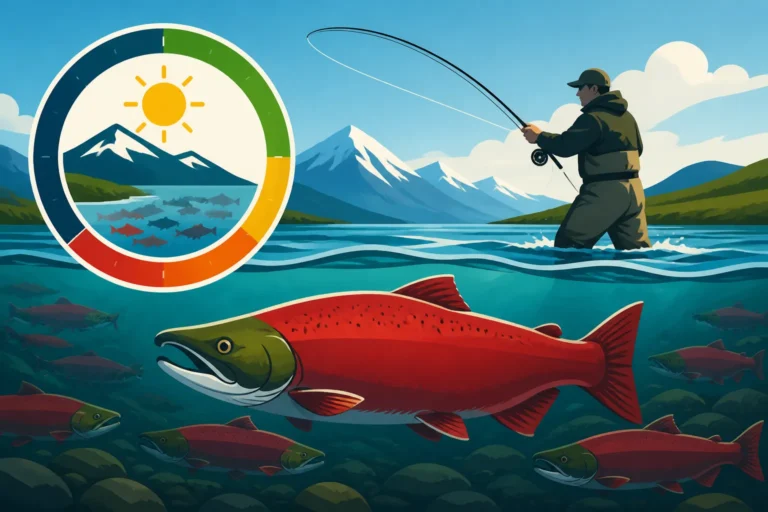
- Sockeye Salmon (Red): The iconic sockeye are known for their vibrant red flesh and incredible fighting spirit. Their runs are usually massive, with millions of fish pushing into rivers, creating what many call "combat fishing" experiences in places like the Kenai and Russian Rivers. Sockeye typically arrive in late June and peak through July, often stretching into early August in some areas. They're highly prized for their meat quality.
- Chum Salmon (Dog): Often overlooked, chum salmon are strong fighters and excellent smoked fish. They tend to run concurrently with sockeye, from late June through July, and sometimes well into August, especially in northern and western rivers. While not as revered for their table fare as kings or sockeye, a fresh chum is still a fantastic catch, particularly if you're targeting them for their roe.
- Pink Salmon (Humpy): These are the most abundant salmon species in Alaska, characterized by the prominent hump that males develop during spawning. Pink salmon have a biennial run cycle, meaning they have strong runs every other year, with even-numbered years (e.g., 2024, 2026) typically seeing the biggest numbers in Southcentral and Southeast Alaska. They usually arrive in mid-July and run through August, often providing non-stop action, especially for beginners or families.
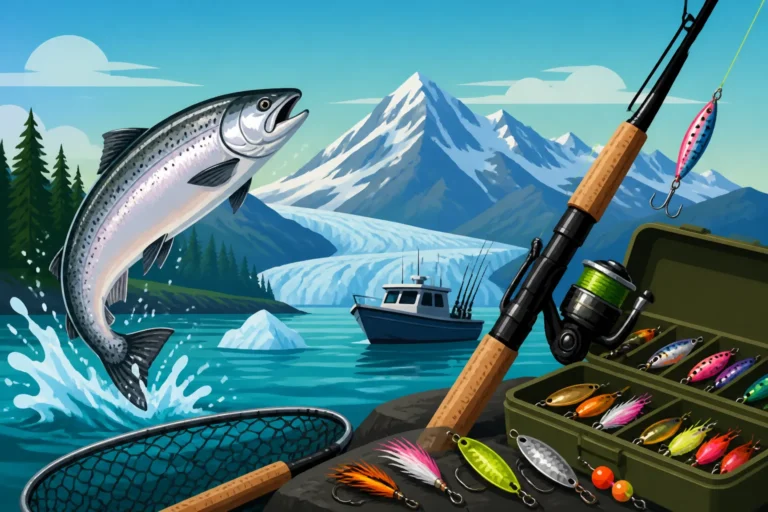
- Coho Salmon (Silver): The acrobatic coho salmon are late-season favorites, known for their aggressive strikes and aerial displays. They typically start showing up in mid-August and run strong through September, often extending into October. These "silvers" provide excellent opportunities for both fly and spin anglers, and they are another delicious eating fish.
Factors Influencing Salmon Run Timing
While there are general windows for each species, several environmental factors can influence the exact timing and intensity of a salmon run. It's rarely a precise, calendar-driven event, which is part of the challenge and excitement of fishing in Alaska.
- Water Temperature: Salmon are highly sensitive to water temperature. Too warm, and they might hold in the ocean or estuary, waiting for cooler freshwater. Too cold, and their metabolism slows down, delaying their upstream migration. Optimal temperatures encourage them to push inland.
- Snowmelt and River Levels: Early, heavy snowmelt can bring rivers up quickly in spring, sometimes drawing in early King salmon. Conversely, a dry spring can lead to low, clear rivers, which can delay runs as fish wait for higher water or more favorable conditions for migration. High water can also make fishing more challenging by spreading fish out and increasing current speeds.
- Ocean Conditions and Food Availability: The health of a salmon run is largely determined by conditions in the ocean where they spend most of their lives. Abundant food sources lead to larger, healthier fish and stronger returns. Conversely, poor ocean conditions can result in smaller fish and weaker runs.
- Tides (Saltwater & Estuary Influence): In tidal rivers and estuaries, salmon often stage and push upstream with the incoming tides. This is particularly noticeable in coastal areas of Southcentral and Southeast Alaska, where strong tides can bring fresh schools of fish into river mouths and lower sections of rivers. Understanding tide charts can be just as important as knowing the calendar when fishing these areas.
Regional Breakdown of Alaska Salmon Runs
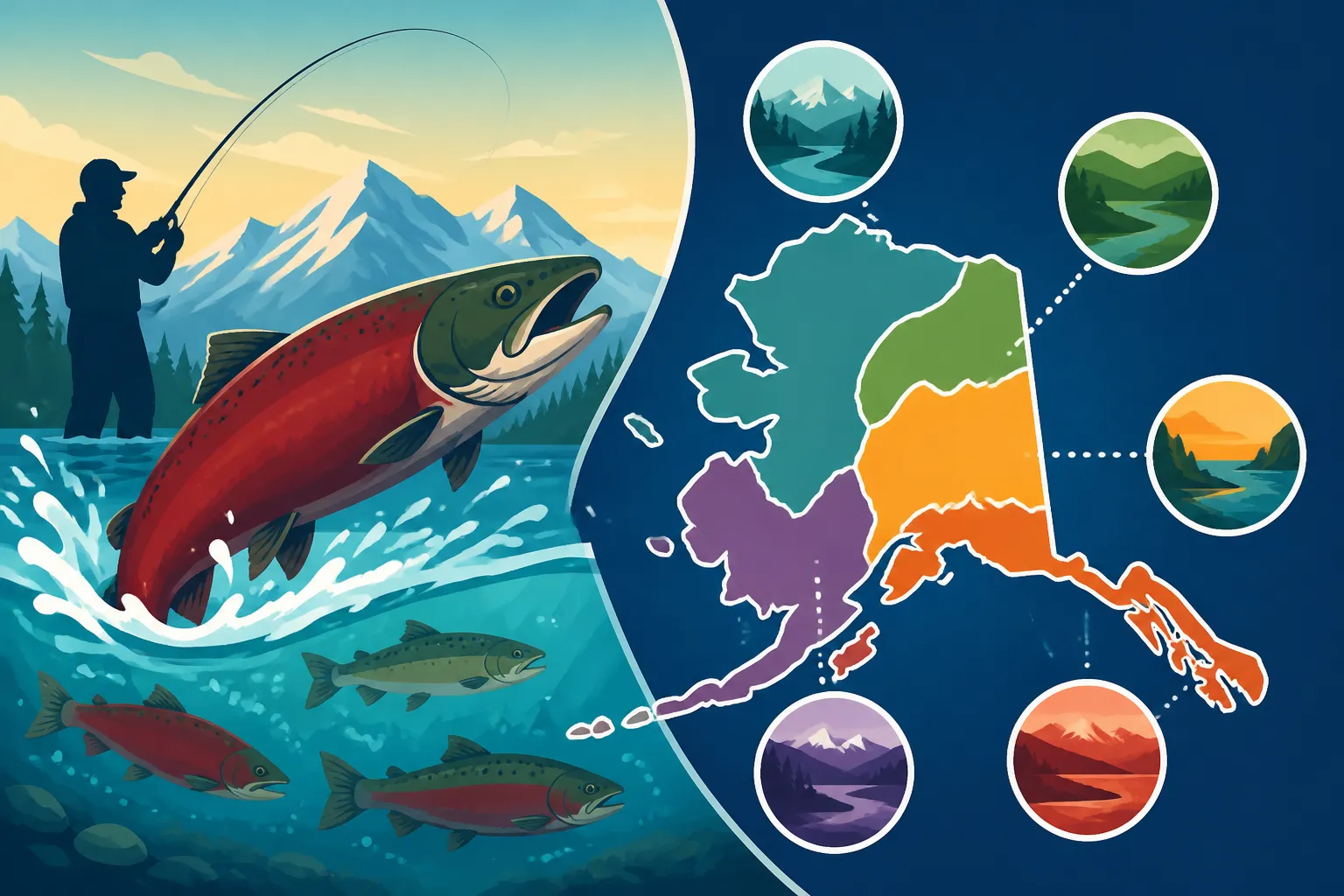
Alaska is a vast state, and salmon runs can vary significantly from one region to another. What's happening on the Kenai Peninsula might be vastly different from the runs in Southeast Alaska or Bristol Bay.
Southcentral Alaska: Kenai Peninsula, Cook Inlet, Prince William Sound
This region is arguably the most famous and accessible for salmon fishing, especially from Anchorage, encompassing the legendary Kenai River, Kasilof, Russian, and Susitna Rivers, as well as coastal towns like Homer, Seward, and Valdez. You'll find detailed insights in our Kenai River Fishing: Complete Guide to help plan your trip there.
- King Salmon:
- Early Run (Mid-May to Late June): The first Kings start showing up in rivers like the Kenai and Kasilof in late May. This run is often smaller but produces some truly massive fish. The Deshka River also sees an early pulse.
- Late Run (Early July to Late July): The second, and typically larger, King run arrives in early July, peaking mid-month. The Kenai River is renowned for these powerful fish, although regulations can be highly dynamic. Non-residents have annual limits, so it's wise to check Alaska King Salmon Run Timing for specifics.
- Sockeye Salmon:
- Early Run (Mid-June to Early July): Rivers like the Russian River and some tributaries of the Kenai see an early wave of sockeye. This can be a strong, concentrated run.
- Late Run (Mid-July to Early August): This is the behemoth run, with millions of Sockeye flooding into the Kenai River. Peak timing is usually the third week of July. It's an incredible spectacle and offers fantastic fishing opportunities. Be sure to understand Alaska Sockeye Salmon Limits on the Kenai before heading out. The Kasilof River also gets an impressive run.
- Pink Salmon:
- Late July to Late August (Even Years Stronger): In even-numbered years, pink salmon runs in areas like Prince William Sound (around Valdez and Whittier) and Cook Inlet tributaries are simply epic. They offer consistent action for anglers of all skill levels.
- Chum Salmon:
- Late June to Mid-August: Chums are present in many of the same rivers as Sockeye and Kings, particularly in the Susitna River drainage and some smaller streams emptying into Cook Inlet. They offer a strong fight and are often caught incidentally while targeting other species.
- Coho Salmon:
- Mid-August to Mid-September: The silver salmon bring a fantastic close to the summer season. They show up reliably in the lower Kenai and Kasilof Rivers, Resurrection Bay (Seward), and around Valdez. They are known for their aggressive takes and aerial acrobatics. You can typically find good Coho fishing well into October in some systems.
Southeast Alaska: Juneau, Ketchikan, Sitka, Petersburg
The panhandle of Alaska experiences earlier runs due to its more southerly latitude and milder coastal climate. This region is a labyrinth of islands, fjords, and short, fast rivers. The fishing here is often heavily influenced by tides and marine conditions. You'll find a general overview in the Southeast Alaska Regulations Summary.
- King Salmon:
- May to Mid-July: Southeast Kings start arriving early, with May and June being prime months. Places like the waters around Sitka and Ketchikan are famous for their robust King salmon fisheries. Some rivers like the Taku and Stikine also see significant river runs.
- Sockeye Salmon:
- Mid-June to Late July: Sockeye runs here are typically smaller than in Western or Southcentral Alaska but still provide excellent opportunities. Rivers near Petersburg and Wrangell see good returns, particularly in systems that have lakes for spawning.
- Chum Salmon:
- July to August: Chum runs can be very strong in Southeast Alaska, especially in many of the smaller coastal rivers and streams. They often provide prolific action for anglers, with robust fish heading upstream.
- Pink Salmon:
- July to Late August: Both even and odd years can have good pink salmon runs in Southeast, though odd years tend to be stronger here. The sheer abundance of pinks can make for incredible fishing, perfect for families and beginners.
- Coho Salmon:
- Late July to Mid-September: Coho fishing in Southeast is exceptional. They arrive earlier than in Southcentral, often starting in late July and peaking through August and into September. The inside passages and feeder streams around Juneau, Sitka, and Ketchikan are hotbeds for silver salmon action, both in saltwater and freshwater.
Western Alaska: Bristol Bay, Nushagak, Naknek
Western Alaska is the global epicenter for Sockeye salmon, boasting runs of truly astronomical proportions. The region's vast, wild rivers are less accessible but offer an unparalleled wilderness fishing experience. Our Bristol Bay Fishing Guide delves into more detail about this incredible area.
- King Salmon:
- Mid-June to Mid-July: While Sockeye are king here, the Nushagak River is particularly famous for its King salmon run, often peaking in late June and early July. Other rivers like the Naknek also see healthy returns, though in smaller numbers.
- Sockeye Salmon:
- Late June to Late July: This is the event in Western Alaska. The Bristol Bay region, fed by rivers like the Nushagak, Naknek, Alagnak, and Kvichak, sees returns of tens of millions of Sockeye. The peak is typically in the second and third weeks of July, creating a spectacle unmatched anywhere else on Earth. If you're coming for Sockeye, this is the place to be, and late July fishing gear on Amazon might be a good idea.
- Chum Salmon:
- Mid-July to August: Strong chum runs follow the Sockeye, providing excellent fishing through August in many Western Alaska rivers.
- Pink Salmon:
- August (Mainly Even Years): While not as dominant as Sockeye, pinks do make an appearance, particularly in even-numbered years, contributing to the overall abundance of salmon.
- Coho Salmon:
- Late August to September: Coho arrive later, offering a thrilling end to the season, especially in the clear, pristine waters of rivers like the Naknek and Alagnak.
Interior Alaska: Susitna, Copper River
Interior Alaska's salmon runs are often earlier due to the vast distances fish must travel to reach their spawning grounds. The Copper River is particularly famous for its early and highly prized Sockeye and King salmon.
- King Salmon:
- Late May to Early July: The Susitna River drainage and the Gulkana River (a tributary of the Copper) see King salmon runs that kick off in late May and run through June. These fish travel incredible distances, making them exceptionally robust.
- Sockeye Salmon:
- Late May to Mid-July: The Copper River Sockeye run is legendary for its early timing and quality. These fish are renowned for their high oil content, making them a gourmet favorite. The personal use dipnet fishery on the Copper River is a huge draw for residents. The Susitna tributaries also see Sockeye runs starting in June.
- Chum Salmon:
- Late June to Mid-August: Chum salmon are abundant in many Interior river systems, offering great fishing throughout the summer.
- Pink Salmon:
- Late July to August (Even Years Stronger): As with other regions, pinks provide consistent action, especially during peak years, in systems like the Susitna and its tributaries.
- Coho Salmon:
- August to September: Coho provide the late-season excitement in Interior rivers, chasing spinners and flies well into the fall.
Navigating the Nuances: Tips for Timing Your Trip
Given the variability, how do you maximize your chances of hitting the salmon run sweet spot? It takes a bit of homework and flexibility, but it's entirely doable.
Checking Emergency Orders and Forecasts
Alaska's fishing regulations are not static. The Alaska Department of Fish and Game (ADF&G) actively monitors fish counts and issues emergency orders that can change bag limits, open/close fisheries, or modify gear restrictions with little notice. This dynamic management ensures sustainable fishing, but it means anglers need to stay vigilant.
- ADF&G Website: The official ADF&G website is your best friend. They post daily fish counts for major rivers (like the Kenai, Kasilof, and Russian) and issue emergency orders as soon as they're made. You can also sign up for email alerts.
- Hotlines: Many regions have specific hotlines you can call for recorded updates.
- Local Outfitters and Guides: These folks are on the water daily and have their finger on the pulse of the runs. Don't hesitate to call a local tackle shop or charter operator. If you're planning to go with a guide, ask them about their experience with How to Check Alaska Emergency Orders Before Fishing.
- Forecasts vs. Reality: ADF&G releases preseason forecasts, which are valuable for long-term planning, but they are forecasts. The actual run can be early, late, stronger, or weaker than predicted. Be prepared for adjustments. A good waterproof fishing jacket from Amazon is always a wise investment, regardless of the forecast.
Local Knowledge and Resources
While official sources are essential, there's no substitute for local knowledge. The seasoned anglers and guides who live and breathe Alaska fishing can offer invaluable insights.
- Talk to Guides and Lodge Operators: If you're booking a trip, a reputable guide will be transparent about expected run timing and any potential variables. They can also advise on backup plans if the primary target species isn't cooperating. Consider looking at Alaska Fishing Charters: Complete Guide for advice on choosing one.
- Visit Local Tackle Shops: These shops are community hubs for local anglers. The staff often have real-time information on what's biting, where, and what gear is working. They can tell you if the Alaska Salmon Run Calendar by River is holding true or if Mother Nature has thrown a curveball.
- Online Forums and Social Media Groups: Many dedicated Alaska fishing groups on social media platforms are active, with members sharing recent catches and conditions. Just be mindful that information can sometimes be anecdotal or exaggerated.
- Understanding Regulations: Even with great timing, knowing the rules is paramount. Take the time to How to Read the Alaska Sport Fishing Regulations Booklet thoroughly, focusing on the specific region and species you plan to target. Ignorance of the law is no excuse in Alaska, and fines can be steep. A good quality headlamp, like those found on Amazon, is essential for early morning or late evening fishing, ensuring you can read regulations even in dim light.
Salmon Run Timing by Region: A Quick Reference
Here's a simplified table to help visualize the general peak timing for major salmon species across key Alaska fishing regions. Remember, these are averages, and actual timing can shift year to year.
| Region | King Salmon (Chinook) | Sockeye Salmon (Red) | Chum Salmon (Dog) | Pink Salmon (Humpy) (Even Years Stronger in SC/SE) | Coho Salmon (Silver) |
|---|---|---|---|---|---|
| Southcentral | Mid-May to Mid-July | Late June to Early August | Late June to Mid-August | Late July to Late August | Mid-August to September |
| Southeast | May to Mid-July | Mid-June to Late July | July to August | July to Late August | Late July to Mid-September |
| Western (Bristol Bay) | Mid-June to Mid-July (Nushagak) | Late June to Late July | Mid-July to August | August | Late August to September |
| Interior (Copper River) | Late May to Early July | Late May to Mid-July | Late June to Mid-August | Late July to August | August to September |
No matter when you plan your trip, bringing reliable rain gear and layers is always a good call. Items like waterproof boots and durable fishing gloves, easily found on Amazon, will keep you comfortable as conditions shift.
Ultimately, while you can plan and prepare, part of the magic of fishing in Alaska is embracing the wildness of it all. The salmon will run when they're ready, and being there to witness and participate in that incredible journey is an unforgettable experience.
Disclaimer
The information provided in this guide is for general informational purposes only and is subject to change. Alaska's fishing regulations, emergency orders, and salmon run timings can vary significantly year to year and even week to week. Always consult the official Alaska Department of Fish and Game (ADF&G) website and local resources immediately before and during your trip for the most accurate and up-to-date information. Fishing involves inherent risks, and adherence to all regulations is the responsibility of the angler.