How Much Fish Can You Bring Home from Alaska
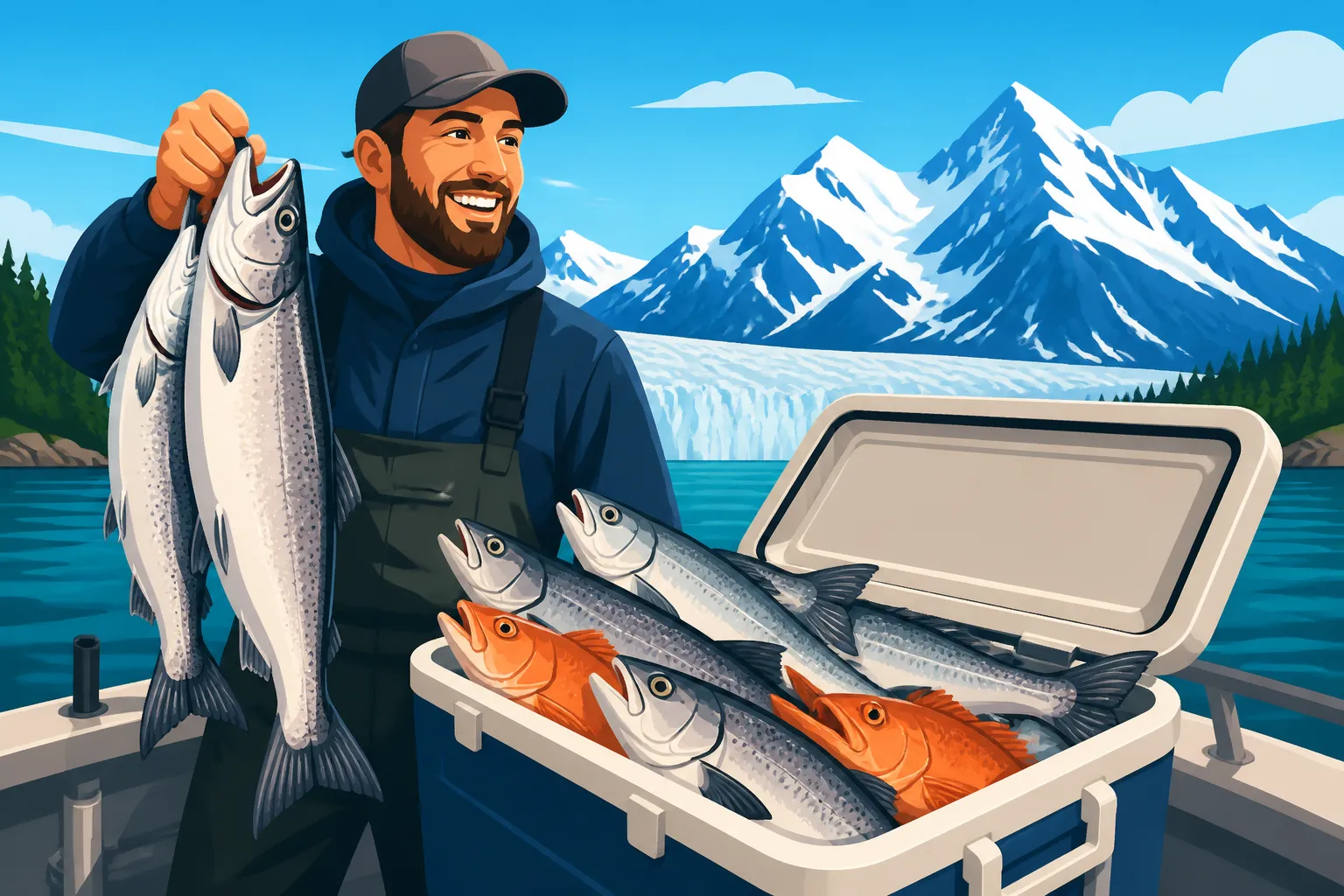
It's an incredible feeling, isn't it? You've spent days on Alaska's pristine waters or rushing rivers, battled magnificent fish, and now your coolers are brimming with the freshest salmon and halibut you've ever laid eyes on. The next thought that often hits is a mix of excitement and a touch of dread: "How am I actually going to get all this home?" Dealing with fish transport can feel overwhelming, especially with ever-changing regulations and airline policies. This comprehensive guide will walk you through everything you need to know about how much fish you can legally bring home from Alaska and the best ways to ensure it arrives safely.
Understanding Alaska's Possession Limits
Before you even think about packaging your catch, it's absolutely crucial to understand Alaska's fishing regulations regarding possession limits. These aren't just arbitrary rules; they're in place to ensure the sustainability of Alaska's incredible fisheries for generations to come. Violating them can lead to hefty fines, confiscation of your catch, and even loss of fishing privileges, which nobody wants after a dream trip.
Daily vs. Annual Possession Limits for Residents and Non-Residents
The distinction between daily bag limits and possession limits is one of the most common areas of confusion for anglers, particularly those visiting from out of state. A daily bag limit refers to the number of fish of a particular species you can legally catch and retain within a single 24-hour period. This limit resets each day. For example, if the daily limit for Sockeye Salmon is three, you can catch and keep three sockeye today, and another three tomorrow, assuming you're still within your possession limit.
A possession limit, however, refers to the maximum number of fish you can have "on hand" at any given time, regardless of when they were caught. This includes fresh fish, frozen fish, and any fish that has been processed and is awaiting transport. For many species, the possession limit is simply one or two times the daily bag limit. This means if you catch your daily limit on Monday, and then another daily limit on Tuesday, you might already be at your possession limit for certain species. Until those fish are consumed or shipped out of state, they count towards that possession limit. For non-residents, this often includes specific annual limits, especially for prized species like King Salmon. You'll find detailed breakdowns of these rules in the official Alaska Fishing Limits and Bag Limits Explained. A prime example is the non-resident annual limit for King Salmon, which often restricts you to a total of two or three King Salmon for the entire season, irrespective of how many trips you take or how many days you fish. This is a critical regulation to track, as it's easy to accidentally exceed it if you're not diligent.
Species-Specific Regulations and Exceptions
Alaska's diverse fish populations mean that limits vary significantly by species and even by region and time of year. What applies to King Salmon in the Kenai River might be completely different from Halibut limits out of Homer, or Rainbow Trout rules in the Interior.
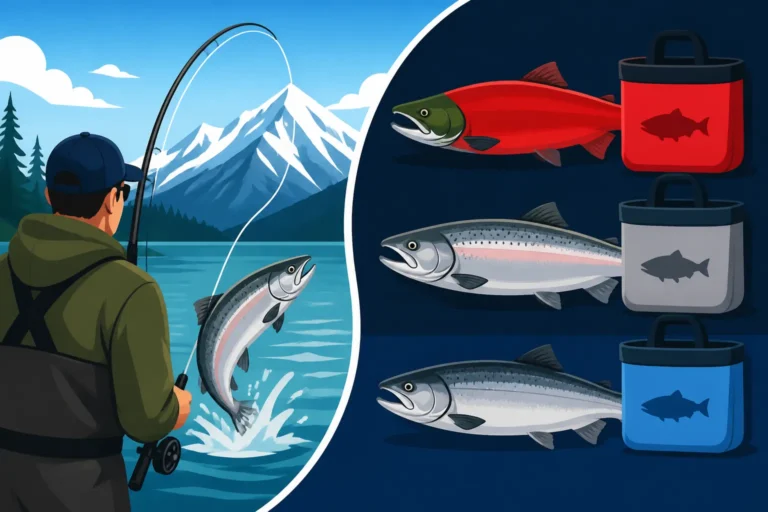
For Salmon, regulations are particularly complex. King Salmon (Chinook) often have the most restrictive limits, especially for non-residents. For instance, the Alaska King Salmon Daily and Annual Limits details these annual limits, which are almost always lower than for residents. Sockeye (Red) and Coho (Silver) Salmon generally have more generous daily and possession limits, but these can still change rapidly. For example, the Alaska Sockeye Daily Limit by River might dictate different numbers for the Kenai versus the Russian River.
Halibut fishing also comes with its own set of unique rules, particularly if you're fishing with a charter versus going unguided. Guided anglers often face a "two-fish halibut rule" and may be subject to a "reverse slot limit," which means you can keep one fish under a certain size and one fish over a certain larger size, but not fish in the middle range. Unguided anglers usually have more flexibility in terms of size and number, but still must adhere to specific daily and possession limits. For a deeper dive, check out Alaska Halibut Bag Limits Explained and Alaska Halibut Charter Regulations Explained. Beyond salmon and halibut, species like Lingcod, various Rockfish, and freshwater favorites like Rainbow Trout or Dolly Varden each have their own specific regulations regarding daily and possession limits. It's truly a complex web, and the most common frustration anglers face is that these rules can sometimes change literally overnight.
Navigating the Harvest Record Card and Reporting Requirements
The Alaska Department of Fish and Game (ADF&G) has a robust system in place to monitor fish harvests, and a key component of this for specific species is the Alaska Harvest Record Card. It might seem like an extra piece of bureaucracy, but it's an indispensable tool for managing fish populations and ensuring fair sport.
What the Harvest Record Card Is and Why It Matters
The Harvest Record Card is essentially a tracking document that comes with your sport fishing license, particularly if you're a non-resident. Its primary purpose is to help ADF&G monitor the take of certain sensitive species, mainly King Salmon and sometimes Steelhead. For non-resident anglers, it is absolutely mandatory to immediately record every King Salmon (Chinook) you retain, marking it on your card with a pen. This must be done before you leave the fishing site or conceal the fish. Missing this step, even if unintentional, is a violation.
Why does it matter so much? Well, imagine thousands of anglers targeting King Salmon across various river systems. Without an accurate, real-time tracking system, managing the fishery becomes impossible. The data from these cards helps biologists understand harvest rates and adjust seasons or limits via emergency orders if necessary to protect the run. For non-residents, the card is especially crucial because of the strict annual limits on King Salmon. If your license allows for an annual limit of, say, two King Salmon, your harvest card is the official record of whether you've met that limit. You can learn more about this critical document in Alaska Harvest Record Card Explained. Failing to properly record your catch means that if you are checked by an Alaska Wildlife Trooper, you could be cited for a violation, even if you are otherwise within legal limits. It’s a frustrating detail, but an absolutely necessary one.
Accurate Recording and Potential Pitfalls
The key to successfully using your Harvest Record Card is accuracy and immediacy. The moment you decide to retain a King Salmon, get out your license and a pen and mark it down. Don't wait until you're back at the lodge, or until your charter boat is heading back to the harbor. The rule is "immediately upon retention."
Common pitfalls include:
- Forgetting to record: This happens more often than you'd think. You're ecstatic about your catch, adrenaline is pumping, and the small detail of marking a card slips your mind. A quick check by a wildlife trooper can turn a triumphant moment into a stressful one.
- Incorrect species identification: Sometimes anglers might mistake a large Coho for a small King, or vice-versa. Always be sure of your identification. If in doubt, consult your guide or a local expert. The rules for How to Record a King Salmon in Alaska are very specific.
- Illegible entries: Make sure your entries are clear and permanent. Use a waterproof pen if possible. The goal is to avoid any ambiguity that could lead to questions from enforcement officers.
Remember, the responsibility for accurately completing your Harvest Record Card rests solely with you, the angler. While your guide can remind you, they cannot fill it out for you. Treat it like a passport for your fish; it needs to be correct and readily available.
Transporting Your Catch Home: Logistics and Best Practices
So, you've caught your fish, respected the limits, and meticulously filled out your Harvest Record Card. Now comes the exciting part: getting that prized Alaskan bounty back to your home freezer. This stage involves careful planning and execution to ensure your hard-earned catch arrives in perfect condition.
The Importance of Proper Processing and Packaging
The journey home starts long before you leave Alaska. Proper processing and packaging are paramount to preserving the quality and taste of your fish. Simply throwing fish in a Ziploc bag and hoping for the best is a recipe for disappointment, not to mention potential health hazards.
Here’s a breakdown of best practices:
- Filleting and Skinning: Most anglers opt to have their fish filleted and often skinned to save space and reduce weight. This is typically done by your charter crew or a local fish processor.
- Vacuum Sealing: This is the gold standard for fish preservation. Vacuum sealing removes air from the package, preventing freezer burn and extending the shelf life of your fish by months. Many processing services in towns like Seward, Homer, or Sitka offer professional vacuum sealing. If you're handling your own catch, investing in a good quality vacuum sealer (you can find reliable models on Amazon) is highly recommended. For those serious about their catch, this is a non-negotiable step.
- Freezing Solid: After vacuum sealing, flash-freezing your fish as quickly as possible is critical. Most professional processors have industrial freezers that get fish rock-solid hard. A properly frozen block of fish will stay colder longer during transport.
- Labeling: Don't forget to label each package with the species, date caught, and location. You think you'll remember, but after a few months in the freezer, a mystery fillet isn't nearly as appealing.
Many reputable charter operations, particularly those catering to tourists, will either handle the initial processing (like filleting) or direct you to an excellent local processor. Places like Alaska Premier Charters in Sitka or Homer Ocean Charters in Homer often have partnerships with local processing facilities that can handle everything from filleting and vacuum sealing to flash freezing and even shipping. This often provides peace of mind, as they are experts in preparing fish for travel. You can dive deeper into this topic with our guide on Fish Processing After an Alaska Charter.
Shipping vs. Checking as Luggage
You generally have two main options for getting your frozen fish home: shipping it via cargo or checking it as oversized luggage. Each has its pros and cons, and the best choice depends on your budget, schedule, and the amount of fish you're bringing.
1. Shipping Your Fish:
- Pros: Convenience, often less hassle for the traveler, potentially faster delivery to your doorstep. You can pick up your fish at a later date, giving you more flexibility. Specialized processors often have agreements with freight companies like FedEx or UPS and handle all the logistics.
- Cons: Can be significantly more expensive than checking as luggage, especially for large quantities. Costs vary based on weight, destination, and speed of delivery.
- How it works: You drop off your rock-solid frozen fish at a processing facility or a shipping company. They package it in approved insulated boxes, often with gel packs or dry ice, and send it to your home address. They are experts at How to Vacuum Seal and Ship Alaska Fish.
2. Checking as Luggage:
- Pros: Often more cost-effective, especially if your airline allows a certain weight or number of checked bags at a reasonable fee. You maintain direct control over your valuable cargo.
- Cons: Airline weight and dimension restrictions can be strict. There's always a risk of delays or lost luggage, which can be devastating for frozen fish. You'll need to source your own coolers and potentially dry ice or gel packs.
- How it works: You pack your thoroughly frozen, vacuum-sealed fish into insulated coolers. Hard-sided coolers like those from Yeti or Igloo (widely available on Amazon) are excellent choices for durability and insulation. You then check these coolers at the airport baggage counter, just like any other piece of luggage.
- Dry Ice/Gel Packs: For extended travel or warmer climates, dry ice is highly recommended to keep fish frozen. Be aware that airlines have specific rules for dry ice: usually a maximum weight (e.g., 5 lbs per package) and it must be properly vented. Gel packs are another option but are less effective than dry ice for keeping things rock solid for more than 24 hours.
Here's a quick comparison to help you decide:
| Feature | Shipping Via Cargo | Checking as Luggage |
|---|---|---|
| Cost | Generally higher (per pound) | Potentially lower (airline baggage fees) |
| Convenience | High (often door-to-door, handled by professionals) | Moderate (you manage packaging & airport handling) |
| Risk of Thawing | Low (specialized handling, insulated containers) | Moderate (delays, temperature fluctuations, personal responsibility) |
| Packaging | Handled by shipper, specialized fish boxes | You provide coolers (e.g., Yeti, Igloo from Amazon), pack yourself |
| Weight Limits | Flexible (cost increases with weight) | Strict airline limits (e.g., 50-70 lbs per cooler) |
| Dry Ice Use | Professional handling, usually included | You purchase and manage according to airline rules |
| Delivery Time | Can range from 1-5 days depending on service | Same day as your flight (if no delays) |
When considering checking your fish as luggage, always double-check the specific policies of your airline (e.g., Alaska Airlines, Delta, United) well in advance. These rules can change, and you don't want surprises at the check-in counter.
Understanding Exceptions and Emergency Orders
Just when you think you've got a handle on the rules, Alaska's dynamic environment can throw a curveball. The state's fisheries are managed in real-time based on fish returns, and this means regulations are not static. It's a reality that can be incredibly frustrating for anglers, but it's a necessary part of managing healthy fish populations.
How Emergency Orders Affect Possession Limits
Emergency Orders (EOs) are regulatory changes issued by the ADF&G, sometimes with very little notice, to protect fish stocks that are either underperforming or overperforming their forecasted numbers. These EOs can change everything from daily bag limits to specific gear restrictions, and yes, they absolutely can impact possession limits.
Imagine you're on a multi-day King Salmon trip in July, meticulously planning your catch around the stated limits. Suddenly, an emergency order is issued closing the King Salmon retention or reducing the daily limit to zero for the rest of the season due to a low return. This isn't just a hypothetical scenario; it happens frequently, especially on rivers like the Kenai. While you can keep the fish you've already legally harvested and recorded, any further planned retention of that species may be halted. This can be devastating for a non-resident angler who has spent a significant amount of money and time specifically targeting King Salmon, only to have their trip cut short in terms of keeping fish.
It’s crucial to understand that these orders are legally binding. It's the angler's responsibility to stay informed. Many fishing lodges and charters are good about communicating these changes, but you should always verify independently. The ADF&G website is the official source, and they often have a dedicated emergency order hotline or a notification system. Our guide, How to Check Alaska Emergency Orders Before Fishing, provides detailed steps on how to stay updated. This constant vigilance is part of the Alaskan fishing experience, ensuring that conservation remains a top priority even as it impacts individual fishing plans.
Charter Regulations and Guided Trips
Fishing with a licensed charter or guide offers a distinct advantage when it comes to navigating these complex regulations. While the ultimate responsibility for adhering to limits and rules still rests with the individual angler, a good guide acts as your primary resource for understanding the current state of affairs.
On a guided trip, your captain or guide is generally responsible for knowing the most up-to-date regulations, including any recent emergency orders. They will ensure that your fishing techniques comply with the law, that you're fishing in legal areas, and that the fish you retain are within size and bag limits. For example, when targeting halibut on a charter, they are intimately familiar with the specific Alaska Halibut Charter Reverse Slot Limit and the two-fish rule for charter anglers, ensuring you only keep legal fish. They also often manage the measuring and initial processing of your catch.
However, it's vital to remember that guides are there to assist you, not to absolve you of your own responsibilities. You still need to understand your overall possession limits and manage your Harvest Record Card for annual species like King Salmon. Always communicate openly with your guide about your fishing goals and your cumulative catch, especially if you're fishing multiple days or with different guides. While Do Charters Include Alaska Fishing Licenses is a common question, the answer is generally no; you'll need to purchase your own license and any necessary stamps. But they are invaluable for staying on the right side of the law while on the water.
Practical Tips for a Smooth Journey Home
Bringing your catch home successfully is the final act of a memorable fishing adventure. A little planning goes a long way in ensuring your fish remains as pristine as the moment it left the Alaskan waters.
Pre-Trip Planning for Your Catch
Many anglers focus intensely on gear, locations, and flight bookings, but often overlook planning for the fish itself until the last minute. This can lead to stress, unexpected costs, or even lost fish.
Here are some proactive steps:
- Assess Home Freezer Space: Be realistic about how much fish your home freezer can hold. There's no point in bringing back 100 pounds of salmon if you only have space for 50. Overstuffing a freezer can also lead to temperature fluctuations and reduced quality.
- Budget for Processing and Shipping/Baggage: Factor in the costs of filleting, vacuum sealing, flash freezing, and either shipping or extra baggage fees. These expenses can add up quickly, especially for large quantities. A 50-pound box of fish shipped across the country can cost upwards of $200-$300, or more, depending on the service. If you plan to check your fish as luggage, research airline baggage fees for coolers and oversized items.
- Research Local Processors: Before you arrive, identify reputable fish processors in the towns you'll be fishing from, such as Homer, Seward, or Valdez. Look at their services (filleting, vacuum sealing, freezing, shipping options), pricing, and hours of operation. Knowing where to go saves valuable time. Many lodges and charters work directly with these processors, making the process seamless.
- Consider Cooler Needs: If you plan to check your fish as luggage, determine how many coolers you'll need and their capacity. Think about durable, well-insulated options that will withstand airport handling. You might even purchase them upon arrival, or order them to be delivered to your lodging via Amazon.
- Understand Alaska Fish Transport and Shipping Rules: Familiarize yourself with regulations regarding transporting fish across state lines, especially if you're driving.
By thinking through these logistics ahead of time, you can prevent last-minute scrambling and ensure a smooth, stress-free departure with your valuable cargo.
Dealing with Unexpected Overages or Changes
Despite meticulous planning, sometimes things don't go exactly as expected. Perhaps the fishing was unbelievably good, and you caught more than you anticipated, or an emergency order suddenly reduces your possession limit.
Here's how to handle such situations responsibly:
- Donate Your Fish: If you find yourself with more fish than you can legally or practically take home, consider donating it. Many local charities, food banks, or community organizations in Alaska are often grateful for fresh, legally harvested fish. Ask your guide or local residents for suggestions. This is an excellent way to ensure no good fish goes to waste.
- Adjust Your Fishing Plans: If an emergency order comes down mid-trip, be prepared to adjust. This might mean switching to catch-and-release fishing for that species, targeting different species with more open limits, or simply enjoying other aspects of Alaska's beauty. It’s tough when your plans change, but it's part of fishing in a wild, managed environment.
- Consider Local Consumption: If you're staying in a cabin or lodge with cooking facilities, enjoy some of your excess fish while you're still in Alaska. There’s nothing quite like fresh-caught salmon or halibut cooked immediately.
- Consult Your Guide/Processor: Don't hesitate to lean on your guide or fish processor for advice. They deal with these situations regularly and can offer the best local solutions or insights into current regulations.
Ultimately, ethical angling in Alaska means respecting the resource and its regulations. Having a plan for your catch, and a backup plan for when things change, ensures that your incredible fishing experience ends on a positive note, with your catch safely in your freezer.
Disclaimer
Please note that fishing regulations in Alaska are dynamic and can change frequently due to emergency orders from the Alaska Department of Fish and Game (ADF&G). While we strive to provide the most accurate and up-to-date information, it is ultimately the angler's responsibility to check current regulations before fishing and at regular intervals during their trip. Always consult the official ADF&G website or local offices for the latest rules and emergency orders. This guide is for informational purposes only and should not be considered legal advice.