Alaska Halibut Charter: What to Expect
Planning a halibut fishing trip to Alaska can feel like a monumental task. You're probably picturing massive "barn door" halibut and breathtaking scenery, but also wondering about the logistics: what do I need to bring? What does a charter even do? How do I ensure I'm prepared for this once-in-a-lifetime adventure? This guide is here to unravel all those questions, giving you a clear picture of what to expect on an Alaska halibut charter, from the moment you start dreaming to the exhilarating catch.
Before You Go: Planning Your Alaska Halibut Charter Adventure
The journey to landing a monster halibut starts long before you ever step foot on a boat. The sheer scale and popularity of Alaska fishing mean that thoughtful planning is absolutely essential to ensure you have a fantastic experience. Don't underestimate the details; a little preparation goes a long way.
Choosing the Right Charter and Location
With so many incredible places to fish for halibut in Alaska, deciding where to go and who to go with can be a delightful, albeit sometimes overwhelming, challenge. Renowned spots like Homer, often called the "Halibut Fishing Capital of the World," or Seward, known for its deep-sea charters venturing into the rich waters of Resurrection Bay and the Gulf of Alaska, are popular choices. Each location offers a slightly different experience, from multi-day offshore excursions to more accessible day trips.
When you're sifting through options, think about what kind of experience you truly want. Are you a seasoned angler looking for a hardcore, long-range trip, or is this a family vacation where a half-day charter might be more suitable? Consider the boat size, the number of anglers per trip, and the amenities offered. Some charters are bare-bones fishing machines, while others offer more comfort, heated cabins, and even fresh coffee. Checking out reputable platforms like FishingBooker can give you a wide array of choices, allowing you to compare vessels, read reviews, and get a feel for different captains and their approaches. It's not just about the fish; it's about the entire experience. Don't be shy about asking questions when you call to book – a good captain will be happy to share details about their typical day on the water, the gear they use, and what success rates they've been seeing. Remember, these prime spots book up fast, especially during peak season, so plan to reserve your spot months in advance.
Essential Preparations: Licenses and Gear
One of the biggest anxieties for first-time Alaska visitors is navigating the regulations and ensuring they have the correct paperwork. Rest assured, it's simpler than it seems, but absolutely critical. Every angler 16 years or older needs an Alaska fishing license. If you plan to target King Salmon at any point during your trip, you'll also need a King Salmon stamp, even if you're primarily focused on halibut. You can often purchase these online through the Alaska Department of Fish and Game website before you arrive, or at local tackle shops and sporting goods stores in towns like Homer or Seward. For a full breakdown, check out our guide on Alaska Fishing License: Complete Guide.
As for gear, most reputable halibut charters provide all the heavy-duty rods, reels, and tackle you'll need. This is a huge relief for travelers who can't bring massive setups on a plane. Halibut fishing typically involves stout rods, large conventional reels spooled with heavy braided line, and formidable terminal tackle designed to handle fish that can weigh hundreds of pounds. The charter will also supply bait, usually herring or octopus, and heavy sinkers – sometimes over a pound each – to get your bait down to the halibut lurking on the bottom. While the charter supplies the main equipment, it's always a good idea to confirm this when booking, especially if you have a preference for using your own gear for specific species.
What to Pack for Your Deep-Sea Excursion
Alaska weather is famously unpredictable. You can experience all four seasons in a single day, even in the middle of summer. Therefore, dressing in layers is paramount. Forget your stylish fishing vest; think practical, waterproof, and warm.
Here's a breakdown of what you absolutely should pack:
- Rain Gear: A high-quality, waterproof and windproof jacket and pants are non-negotiable. You’ll be on the ocean, and even on a sunny day, sea spray can drench you. Brands like Grundéns or Helly Hansen are popular among Alaskan guides for a reason – they hold up to the elements.
- Warm Layers: Fleece jackets, thermal underwear, wool socks, and a warm hat are crucial, even in July. It’s always colder on the water than on land, especially when speeding across the bay.
- Waterproof Boots: Insulated, waterproof boots are highly recommended. Your feet will thank you for keeping them dry and warm.
- Gloves: Waterproof gloves will protect your hands from the cold, wet lines, and fish slime.
- Sun Protection: Don't let the cooler temperatures fool you; the sun's reflection off the water can be intense. Sunglasses (polarized are a bonus for spotting fish, though less critical for deep-water halibut), sunscreen, and a brimmed hat are a must.
- Food and Drink: Most charters don't provide meals, so pack a lunch, snacks, and plenty of water or other beverages.
- Seasickness Medication: If you are prone to seasickness, take preventative measures before you board the boat. Dramamine or Bonine work wonders for many, but give yourself time for them to kick in.
- Camera: You'll want to capture the breathtaking scenery and, of course, your prized catch! Just ensure it's protected from water.
Here's a quick reference table for your packing list:
| Category | Essential Items | Optional/Good-to-Have Items |
|---|---|---|
| Outerwear | Waterproof/Windproof Jacket & Pants | Light Insulated Vest |
| Layers | Fleece Jacket, Warm Shirt, Thermal Underwear | Sweatshirt, Extra Socks |
| Head & Hands | Warm Hat, Waterproof Gloves | Ball Cap, Neck Gaiter |
| Footwear | Waterproof/Insulated Boots | Flip-flops for post-trip, Extra Dry Socks |
| Sun Protection | Sunglasses, Sunscreen, Brimmed Hat | Lip Balm with SPF |
| Personal | Water Bottle, Lunch, Snacks | Non-drowsy Motion Sickness Medication, Hand Sanitizer |
| Electronics | Camera, Charged Phone | Portable Power Bank (for long days) |
| Miscellaneous | Small Backpack/Dry Bag for personal items |
Remember, it's always better to overpack warm, waterproof layers than to be cold and wet for hours on the open ocean.
On the Boat: The Halibut Fishing Experience
The day of your charter is an exciting one, filled with anticipation and the promise of a memorable Alaskan adventure. From the moment you arrive at the dock, there's a buzz in the air that's truly infectious.
The Morning Briefing and Journey Out
You'll typically meet your captain and deckhand bright and early at the dock, often before sunrise, in harbors like Homer or Seward. This is where you'll sign any necessary waivers, get a brief overview of the day, and learn about the boat's safety features and rules. The crew will go over key information, like where the head (bathroom) is, how to call for assistance, and what to do in case of an emergency. This is also a great opportunity to ask any last-minute questions you might have about Alaska Fishing Limits and Bag Limits Explained or specific techniques for the day.
Once everyone is aboard and settled, the boat will depart, heading out of the harbor and into the open waters. This journey to the fishing grounds can take anywhere from 30 minutes to a few hours, depending on where the fish are biting and how far offshore the captain needs to go. During the ride, you'll be treated to stunning Alaskan scenery – dramatic coastlines, towering mountains, and potentially even marine wildlife like sea otters, seals, porpoises, or even whales. Many charters will offer coffee or hot chocolate to warm you up as you cruise, making the scenic ride even more enjoyable. This transit time is also a good opportunity to chat with the crew, learn more about the local area, and get excited for the fishing ahead.
Mastering Halibut Fishing Techniques
Once you arrive at the captain's chosen fishing spot, the real work (and fun!) begins. The deckhand will distribute rods and explain the technique, which is almost universally bottom fishing for halibut. This generally involves a heavy lead sinker, often ranging from 1 to 2 pounds, attached to a spreader bar or a robust leader with a large circle hook. The hook will be baited with a generous piece of herring, octopus, or sometimes artificial baits that mimic these.
The primary technique is straightforward: drop your bait and weight to the bottom. The deckhand will often assist, making sure your line descends smoothly. Once you feel the weight hit the seafloor, reel up just a foot or two to keep your bait slightly off the bottom, preventing snags and ensuring it's visible to passing halibut. The key is patience, but also vigilance. Halibut bites can range from a subtle tap-tap to a sudden, heavy thud that nearly yanks the rod from your hands. When you feel a bite, don't set the hook aggressively like you might with a salmon. With circle hooks, a steady, deliberate lift of the rod and a slow reel is usually enough to engage the hook in the corner of the fish's mouth. This is the beauty of a circle hook – it's designed to set itself as the fish tries to swim away. Our guide on How to Bottom Fish for Alaska Halibut dives deeper into these specific techniques.
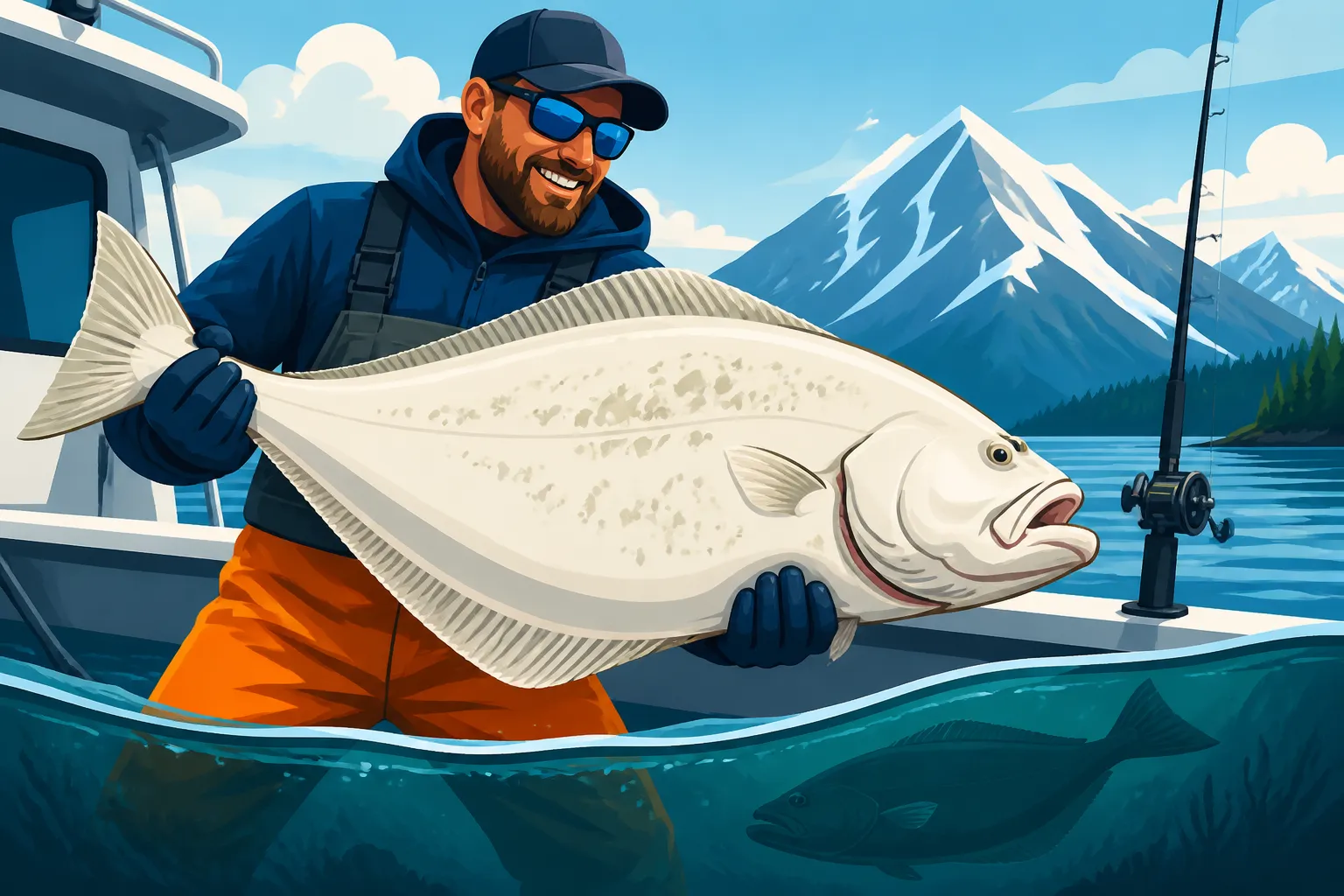
Fighting a large halibut is an incredible experience. These fish are immensely powerful and can pull hard, especially when they get close to the surface. It's often described as pulling up a barn door! The deckhand will be right there with you, offering encouragement, tips on how to pump the rod and reel, and ensuring your line doesn't get tangled with other anglers'. This is truly a team effort, and the crew's expertise is invaluable.
Life Aboard the Charter Vessel
Your time on an Alaska halibut charter isn't just about fishing; it's about the entire experience aboard the vessel. Most charters operate with a captain and at least one deckhand, sometimes two, especially on larger boats or those with many clients. The crew plays a vital role beyond just steering the boat and handing out rods. They are experts in local fishing grounds, adept at reading the sonar for fish, and highly skilled in handling the powerful gear and even more powerful fish. They'll bait your hooks, untangle lines, assist with reeling in big fish, and ensure everyone is safe and having a good time.
Between bites, there’s usually plenty of camaraderie amongst the anglers. You'll share stories, jokes, and the thrill of each hook-up. The boat itself is a floating base camp. Most charters have a heated cabin where you can warm up, store your gear, and eat your lunch. There will also be a marine head (bathroom), which, while basic, is a welcome amenity on a long day. Expect the deck to be wet and potentially slippery from fish slime and sea spray, so those waterproof boots are essential. The crew will diligently gaff and bring aboard any halibut that meet the legal size and slot limits, quickly dispatching them and storing them in an insulated fish hold, keeping your catch fresh for the journey back to shore. This efficient handling of fish is part of what makes a professional charter so valuable.
After the Catch: Processing, Regulations, and Taking Your Fish Home
The excitement doesn't end when the boat heads back to the harbor. What happens next with your prized halibut is just as important as the fishing itself, ensuring your catch gets from the boat to your dinner plate in pristine condition.
Halibut Regulations and Bag Limits
Alaska has very specific regulations designed to ensure sustainable fishing practices for halibut, a highly prized and managed species. These regulations can vary by region, and sometimes even within the season through emergency orders, which is why a good charter captain is always up-to-date. For charter anglers, there are typically daily bag limits and annual limits, often including a "reverse slot limit" that dictates which size of fish can be retained. For instance, in some areas like Southcentral Alaska, charter anglers are currently allowed one halibut per day, and there's often a maximum size limit and/or a "reverse slot limit" that might only allow retention of fish under a certain length (e.g., under 40 inches) or over a certain length (e.g., over 80 inches), with the middle "slot" protected. Specific days of the week might also be closed to halibut retention on charter vessels. These rules are in place to protect larger, breeding-stock female halibut.
It's critical to be aware that these regulations can change. Your captain will be the authority on the day's specific rules. Always defer to their guidance regarding retention and measuring fish. You can find more detailed and current information on specific limits by checking our article on Alaska Halibut Daily Limit for Charter Anglers or by consulting the Alaska Department of Fish and Game website. Adhering to these regulations is not only the law but also essential for preserving this incredible fishery for future generations.
Professional Fish Processing and Shipping
One of the greatest benefits of fishing with a reputable charter is their assistance with fish processing. Once back at the dock, the deckhand will usually fillet your fish right there, expertly cleaning and preparing your catch. This service is often included in the charter price, but it's worth confirming when you book. They'll debone, skin, and trim your fillets into manageable portions, removing any bloodlines or bruised meat. It's an impressive display of skill to watch them transform a whole halibut into beautiful white fillets in minutes.
After filleting, many charters partner with local fish processors that can further prepare your catch for its journey home. These processors, often located conveniently near the docks in towns like Homer or Seward, will vacuum-seal, freeze, and box your fish in insulated, airline-approved containers. This ensures your fish stays frozen solid, preserving its quality for travel, whether by plane or car. This service usually comes at an additional cost, which can vary depending on the amount of fish and the type of packaging, but it's well worth the investment. Think of it as investing in your memories and delicious meals for months to come. For a deep dive into this crucial step, read our guide on Fish Processing After an Alaska Charter and How Charters Handle Your Alaska Catch. You can also explore options for shipping your catch home from Alaska directly from the processor, often via FedEx or similar carriers, for an even more seamless experience.
Tipping Your Hardworking Crew
A question that often arises, especially for those new to guided trips, is about tipping. In Alaska, it is customary and highly appreciated to tip your captain and deckhand. These individuals work incredibly hard, often starting their days long before you arrive and finishing long after you leave, to ensure you have a safe, successful, and enjoyable trip. They brave challenging weather, handle heavy gear, and provide exceptional service, from baiting hooks to filleting fish.
A standard tip for a fishing charter in Alaska typically ranges from 15% to 20% of the total charter cost. If you had an exceptional day, or if the crew went above and beyond, feel free to give more. You can hand the tip directly to the deckhand or captain at the end of the trip. Often, the deckhand receives the bulk of the tip as they are doing most of the hands-on work with the clients and the fish. While it’s never mandatory, a good tip is a direct reflection of your appreciation for their hard work and expertise. Don't underestimate the physical demands and long hours these professionals put in, day in and day out. For more details on this important etiquette, check out our article on Tipping on an Alaska Fishing Charter.
Disclaimer
The information provided in this guide is for general informational purposes only and is subject to change. Fishing regulations, seasons, and licensing requirements in Alaska are dynamic and can be altered by emergency orders at any time. Always consult the official Alaska Department of Fish and Game regulations and your chosen charter operator for the most current and accurate information before planning and embarking on your fishing trip.