How to Bank Fishing for Salmon in Alaska
Dreaming of catching a chrome-bright Alaskan salmon but feeling daunted by the cost of charters or the need for a boat? You're not alone. Many anglers assume a serious Alaska fishing trip requires deep pockets and specialized equipment, but the truth is, some of the most thrilling and accessible salmon fishing happens right from the bank. This guide will walk you through everything you need to know to successfully tackle Alaska's rivers and streams on foot, proving that incredible salmon action is within reach for everyone.
Understanding Alaska's Bank Fishing Opportunities
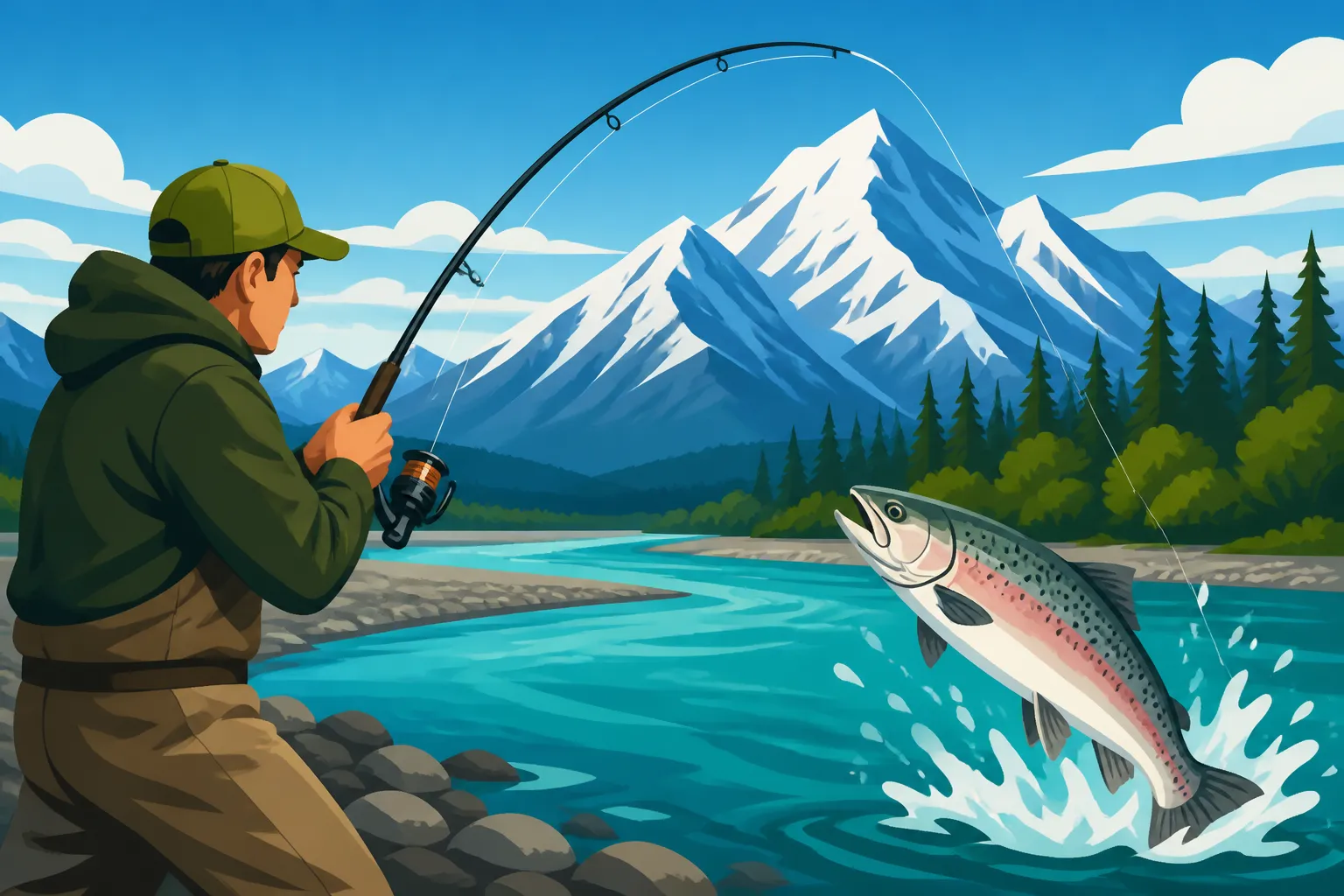
Bank fishing in Alaska is a quintessential experience, offering incredible opportunities to connect with the state's legendary salmon runs without the need for a boat or expensive charter. It puts you right on the water's edge, immersing you in the wild Alaskan landscape.
Why Bank Fishing is Popular and Challenging in Alaska
Bank fishing draws countless anglers to Alaska each season for a multitude of reasons. Firstly, it's often the most budget-friendly way to get into the action. You save on charter fees, boat rentals, and the logistical headaches of launching and retrieving watercraft. This accessibility opens up phenomenal fishing experiences to a wider range of people, from seasoned locals to first-time visitors who want an authentic taste of Alaskan angling. Secondly, there's a unique satisfaction that comes from mastering a stretch of river from shore. You learn the nuances of the currents, the subtle holding lies, and the precise casts that lead to success.
However, bank fishing in Alaska also comes with its own set of challenges that can surprise the unprepared. Rivers can be swift, shorelines can be treacherous with slippery rocks or thick brush, and prime fishing spots might be crowded, especially during peak salmon runs. Weather can change in an instant, turning a sunny day into a cold, driving rain. Then there's the ever-present wildlife: bears are a common sight on many salmon rivers, demanding constant vigilance and adherence to safety protocols. Furthermore, understanding the nuances of how fish use the river structure from a fixed position, rather than moving with a boat, requires a different skillset and keen observation. You're trying to intercept moving fish, often in powerful currents, which means precise casting and understanding fish migration patterns are paramount.
Prime Locations for Bank Salmon Fishing
Alaska boasts numerous rivers that are absolute havens for bank anglers targeting salmon. Knowing where to go is half the battle, and some spots consistently produce year after year.
One of the most famous, and for good reason, is the Kenai River, particularly its lower stretches accessible from places like Soldotna. While boat traffic can be heavy, there are numerous public access points and parks where anglers can target sockeye, coho, and even king salmon. The Kenai River Fishing: Complete Guide offers a wealth of information for planning a trip there. Another legendary spot is the Russian River, which dumps into the Upper Kenai. This river is renowned for its incredible sockeye salmon runs, attracting thousands of anglers who line the banks in what's famously known as "combat fishing." It's an experience unlike any other, demanding patience, precise technique, and a good sense of humor.
Closer to Anchorage, Ship Creek offers surprisingly productive fishing right in the heart of the city for king and coho salmon, especially early in the season. Further north, rivers like the Deshka River and the Susitna River drainage offer various access points, though some might require a bit more bushwhacking. In Southeast Alaska, areas around Juneau and Ketchikan have numerous roadside streams and estuaries where pink and coho salmon can be caught from shore. For those looking for a truly comprehensive overview, checking out Best Bank Fishing in Alaska can point you to lesser-known gems and popular hotspots across the state, ensuring you have a diverse set of options based on your travel plans and target species.
Essential Gear for Successful Bank Fishing
Heading out for a day of bank fishing in Alaska requires more than just a rod and reel. The right gear makes all the difference, ensuring your comfort, safety, and ultimately, your success on the water.
Rods, Reels, and Line for Bank Salmon
Choosing the right rod and reel setup is crucial for bank fishing Alaskan salmon. You're often dealing with strong currents, heavy fish, and the need for long, accurate casts. For king salmon, you'll want a heavy-action rod, typically 9 to 10.5 feet long, paired with a stout baitcasting or large spinning reel capable of holding 200-300 yards of 20-30 lb test monofilament or 50-65 lb braided line. This kind of setup provides the backbone needed to turn a powerful king.
For sockeye and coho salmon, a medium-heavy to heavy action spinning rod, 8.5 to 10 feet in length, is a popular choice. Match it with a durable spinning reel spooled with 20-30 lb braided line or 15-20 lb monofilament. The longer rod helps with casting distance and mending line in current, while the lighter line allows for a more natural drift. When it comes to How to Catch Sockeye Salmon in Alaska, a sensitive yet powerful rod is key for detecting those subtle takes. Many anglers opt for high-visibility braided line, like those from PowerPro or Sufix, to better track their drift and detect bites, often adding a fluorocarbon leader for stealth. You can find a wide range of suitable rods, reels, and lines on Amazon, making it easy to assemble your ideal setup.
Must-Have Terminal Tackle and Baits
Your tackle box needs to be well-stocked for the varied conditions and techniques of Alaskan bank fishing. For drift fishing, essential items include an assortment of lead weights (pencil lead, slinky weights, coin sinkers) ranging from 1/2 oz to 2 oz, depending on current speed. Swivels, beads, and leaders of 15-30 lb fluorocarbon are also critical. For bait, cured salmon roe is king, especially for kings and cohos. Small clusters of eggs, fished under a bobber or drifted along the bottom, can be incredibly effective.
For those employing spin fishing techniques, a selection of spinners and spoons is vital. Popular choices for salmon include robust Vibrax spinners in sizes #4-6, and Krokodile or Pixee spoons in various colors like chartreuse, orange, and silver. When considering Best Lures for Alaska Salmon, don't forget to pack some sturdy hooks (sizes 2/0-5/0 for kings, 1/0-3/0 for sockeye and coho) and plenty of split shots. Many rivers have specific regulations regarding bait, hook size, and even barbless hooks, so always check the local rules before rigging up.
Personal Gear for Alaskan Conditions
Alaska's weather is famously unpredictable, often delivering all four seasons in a single day. Dressing in layers is not just a recommendation; it's a survival strategy. Start with moisture-wicking base layers, add insulating fleece or down, and top it off with waterproof and windproof outerwear. A good quality rain jacket and rain pants are non-negotiable. Brands like Grundéns or Helly Hansen are popular among Alaskan anglers for their durability and protection.
Footwear is equally important. Neoprene chest waders or breathable waders with sturdy wading boots are essential for getting into the river (where legal and safe) or simply staying dry on muddy banks. Make sure your boots have good traction for slippery rocks. Don't forget a warm hat, gloves (fingerless for dexterity), sunglasses to cut glare, and insect repellent, especially during mosquito season. A small backpack or sling pack to carry water, snacks, extra tackle, and a first-aid kit is also highly recommended. For more detailed advice on staying comfortable, check out How to Dress for Alaska Fishing.
Proven Techniques for Bank Fishing Salmon
Bank fishing for salmon in Alaska isn't just about casting and hoping; it involves a blend of specific techniques, keen observation, and understanding fish behavior. Mastering these methods will significantly increase your chances of success.
Drift Fishing and Float Fishing
Drift fishing is arguably the most effective and widely used technique for bank anglers targeting salmon in Alaska's rivers. The basic premise is to present your bait or lure in a natural, free-drifting manner, mimicking what the fish are already accustomed to seeing. This is particularly potent for king salmon and coho. You'll use a combination of pencil lead, slinky weights, or split shot to get your offering down to the fish's level without snagging the bottom excessively. The key is to make a cast upstream and slightly across the current, allowing your rig to tumble downstream at the same speed as the water.
Float fishing, also known as bobber dogging, is another highly effective method, especially for sockeye and coho in certain river conditions. This involves suspending your bait (often cured eggs or a bead) beneath a float, allowing it to drift naturally downstream. The float keeps your offering at a consistent depth, just above the bottom, and provides a clear visual indicator of a bite. For an in-depth dive into these methods, understanding How to Drift Fishing for Salmon in Alaska can truly elevate your game. The float's size and the amount of weight below it need to be carefully matched to the current speed and depth to achieve a perfect, natural drift.
Spin Fishing and Casting Lures
Spin fishing with lures from the bank is a dynamic and exciting way to target all five species of Pacific salmon. This technique involves casting various spoons, spinners, or plugs and retrieving them in a manner that entices a strike. For aggressive species like coho (silver) salmon, bright, flashy spinners in sizes #4 or #5 can be irresistible. Many anglers swear by Rooster Tail or Mepps spinners for their consistent action and vibrant colors. King salmon, while often less aggressive, can also be tempted by larger, wobbling spoons or Kwikfish plugs, especially when back-trolled (which can be done from shore by allowing the current to work the lure).
The retrieve is critical: experiment with varying speeds, pauses, and twitches to find what triggers a bite. In rivers with slower currents or deeper pools, a slower retrieve might be more effective. In faster water, a quicker retrieve might be necessary to keep your lure moving naturally. Always pay attention to where the fish are holding – often in seams, eddies, or behind structure – and cast to those spots repeatedly. On Amazon, you can find a vast array of spinners and spoons suitable for Alaska salmon, allowing you to build a versatile tackle box.
Reading the Water and Targeting Salmon
Success in bank fishing often boils down to your ability to "read the water" – understanding where salmon are likely to hold, rest, or travel. Salmon, especially when migrating upstream, will seek out areas that offer a break from the main current or provide easy passage. Look for seams where fast water meets slower water, eddies behind large rocks or logs, and deep pools that offer sanctuary. Gravel bars and riffles can also be productive, particularly for sockeye that prefer shallower, faster-moving water.
Different salmon species have different preferences. King salmon often hold in deeper, slower pools or along cut banks, conserving energy. Sockeye salmon tend to travel closer to the surface in moderate currents, often hugging the bank. Coho salmon are more aggressive and might dart out from cover to strike a lure. By observing the water flow, identifying potential holding lies, and watching for signs of fish (jumpers, splashers), you can dramatically narrow down your target zones. Remember, salmon are constantly moving, so adjust your position and technique as you learn the river. This observational skill, combined with knowledge of Alaska Salmon Run Timing Explained, is truly what separates the consistently successful bank angler from the rest.
Key Considerations for a Safe and Legal Trip
Bank fishing in Alaska is an incredible adventure, but it comes with responsibilities. Understanding and adhering to regulations, practicing bear safety, and showing respect for the environment and fellow anglers are paramount for an enjoyable and ethical experience.
Navigating Regulations and Emergency Orders
Alaska's fishing regulations are dynamic and can be complex, especially with numerous rivers and species. It's not enough to simply have an Alaska Fishing License: Complete Guide; you need to be intimately familiar with the specific rules for the waters you intend to fish. These include bag limits, size restrictions, legal gear (e.g., single hook, barbless hooks, bait restrictions), and season dates. For instance, Alaska King Salmon Fishing Regulations and Limits can vary drastically from one river to another, and even within different sections of the same river.
What often catches anglers off guard are emergency orders. The Alaska Department of Fish and Game (ADF&G) frequently issues emergency orders throughout the season to adjust limits, close fisheries, or alter gear restrictions based on fish run strength. These can change daily! Before you head out, always check the latest Alaska Fishing Emergency Orders Explained for the specific region and river you plan to fish. You can usually find these online on the ADF&G website or through their recorded hotlines. Failure to comply can result in hefty fines and even loss of fishing privileges, so stay informed.
Bear Safety and Etiquette
When you're bank fishing in Alaska, you're fishing in bear country. Both black and brown (grizzly) bears are common on salmon streams, drawn by the abundant food source. Being "bear aware" is non-negotiable for your safety and theirs. Always carry bear spray (and know how to use it!), make noise while walking to avoid surprising a bear, and fish in groups if possible.
Proper food storage and fish handling are critical. Never leave food unattended, clean your fish away from your fishing spot and camp, and properly dispose of carcasses where they won't attract bears to popular areas. If you encounter a bear, remain calm, make yourself look large, and speak in a firm voice. Never run. Understanding bear behavior and giving them ample space is key. Fishing ethics also extend to respecting private property, public access points, and avoiding overcrowding in sensitive areas.
Respecting the Environment and Other Anglers
Alaska's wild rivers are a precious resource, and responsible angling ensures they remain that way for future generations. Practice Leave No Trace principles: pack out everything you pack in, including all trash, discarded fishing line, and any fish waste not properly disposed of. Avoid disturbing spawning beds (redds) and be mindful of your impact on sensitive riparian vegetation.
When fishing crowded banks, patience and courtesy go a long way. Allow fellow anglers enough space to cast and drift, avoid walking directly in front of someone actively fishing, and be respectful of everyone's experience. If you're releasing fish, especially wild salmon or trout, practice Alaska Catch-and-Release Best Practices to ensure the fish has the best chance of survival. This includes minimizing handling, keeping the fish in the water as much as possible, and using barbless hooks.
Alaskan Bank Salmon Fishing Snapshot
Here's a quick overview of common salmon species you might target from the bank, along with typical run timing and effective techniques. Remember, run timing can vary significantly year-to-year and by river system, so always check local forecasts!
| Species | General Run Timing (Bank) | Typical Size Range (lbs) | Primary Bank Fishing Techniques | Recommended Gear & Bait |
|---|---|---|---|---|
| King Salmon (Chinook) | Late May – Mid July | 15-50+ | Drift Fishing, Back-Trolling, Spin Casting | Heavy Rod, Large Baitcaster/Spinning Reel, Cured Roe, Large Spinners/Spoons |
| Sockeye Salmon (Red) | Late June – Early August | 4-15 | Flossing/Drift Fishing with Beads, Fly Fishing (Sockeye Flies) | Medium-Heavy Rod, Spinning Reel, Beads, Small Flies (e.g., Coho Killer) |
| Coho Salmon (Silver) | Late July – Late September | 8-20 | Spin Casting, Drift Fishing, Float Fishing | Medium-Heavy Rod, Spinning Reel, Spinners, Spoons, Cured Roe, Plugs |
| Pink Salmon (Humpy) | Mid July – Mid August | 3-8 | Spin Casting, Fly Fishing | Light-Medium Rod, Spinning Reel, Small Spinners, Spoons, Pink Flies |
| Chum Salmon (Dog) | Early July – Late August | 10-25 | Spin Casting, Drift Fishing | Medium-Heavy Rod, Spinning Reel, Bright Spinners/Spoons, Large Flies |
Note: The "Flossing" technique for sockeye, particularly on the Kenai and Russian Rivers, involves allowing a weighted leader and bare hook (or bead) to drift into the sockeye's mouth as they hold, resulting in a hook-up on the outside of the mouth. It's a specific, highly regulated method covered in detail when you learn Alaska Kenai River Sockeye Recording Rules and other river-specific guides.
Bank fishing for salmon in Alaska is an adventure that combines the thrill of the catch with the raw beauty of the wilderness. It's accessible, often incredibly productive, and allows you to experience the heart of Alaska's salmon runs firsthand. With the right preparation, knowledge of local regulations, and a respectful approach to the environment and wildlife, you're set for an unforgettable journey on the Last Frontier's legendary rivers. So grab your gear, check those emergency orders, and prepare to cast a line into some of the world's most incredible salmon fisheries.
Disclaimer
The information provided in this guide is for general informational purposes only and is not intended as legal advice regarding fishing regulations. Alaska fishing regulations, including emergency orders, can change frequently and vary by region, river, and species. Always consult the official Alaska Department of Fish and Game (ADF&G) regulations and emergency orders website or publications before engaging in any fishing activity. It is the angler's responsibility to know and follow all applicable laws and regulations.