How to Time the Bristol Bay Sockeye Run
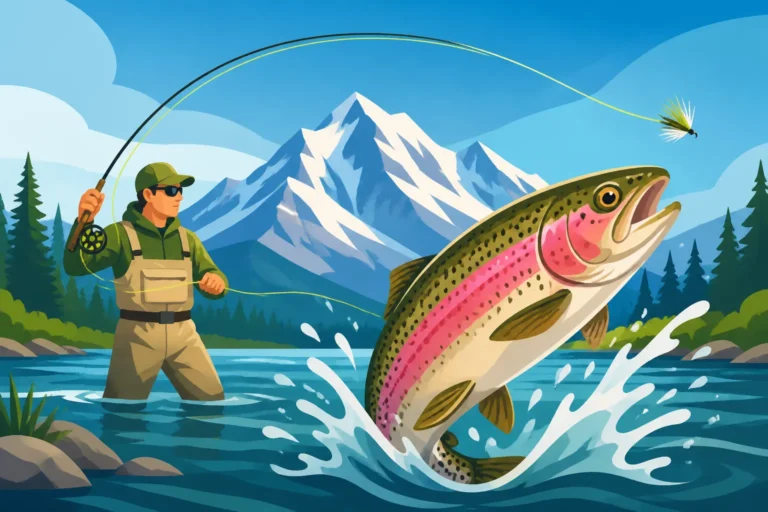
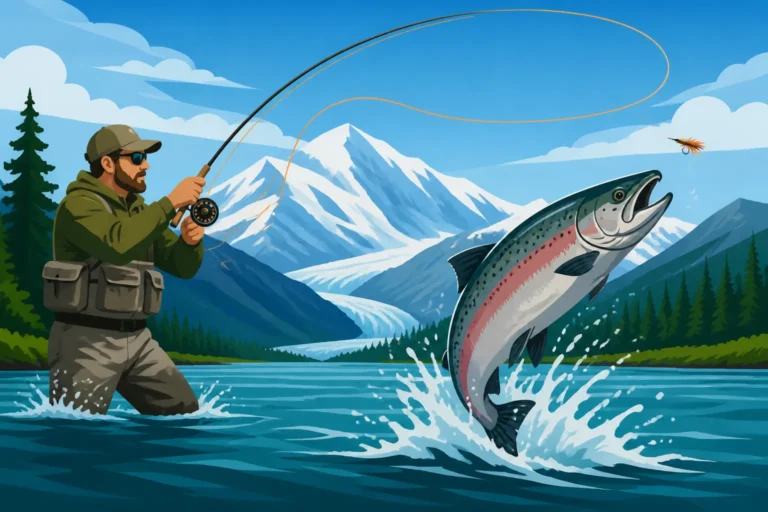
Alright, let's talk about one of the most incredible natural spectacles on Earth: the Bristol Bay sockeye salmon run. If you've ever dreamt of being knee-deep in a river, surrounded by shimmering red salmon, you know the frustration of trying to figure out exactly when to go. It feels like hitting a moving target, right? This guide is going to break down how to time your trip to maximize your chances of experiencing the legendary Bristol Bay sockeye run at its absolute peak.
Understanding the Bristol Bay Sockeye Migration
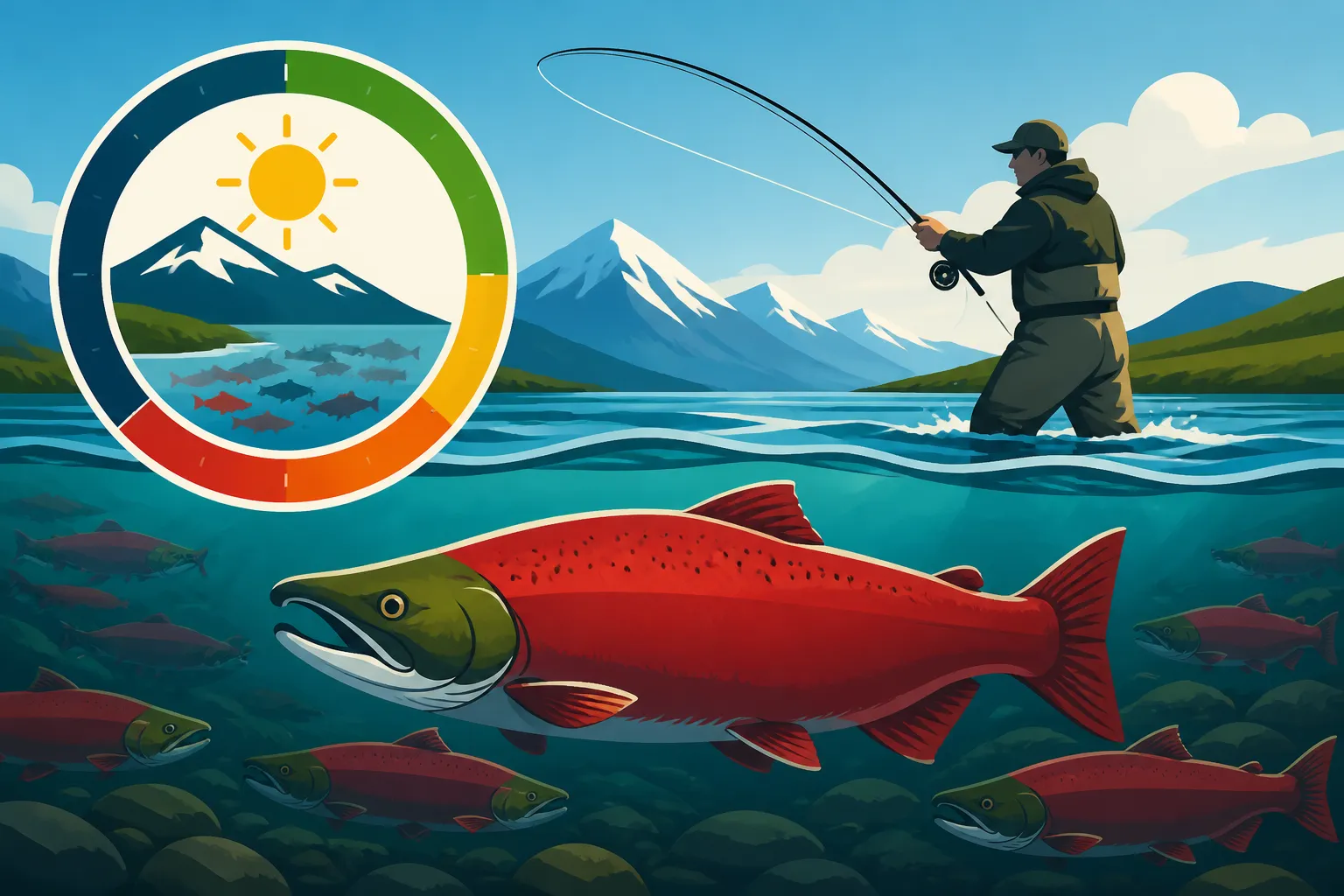
Bristol Bay, located in southwestern Alaska, isn't just a fishing destination; it's the sockeye salmon capital of the world. Every summer, millions upon millions of sockeye (also known as red salmon) return from the ocean to spawn in the pristine rivers and lakes of this vast watershed. This isn't just a big run; it's an almost unimaginable force of nature that draws anglers, commercial fishermen, and wildlife from all corners of the globe.
The sheer scale of this migration is what makes timing so critical. Unlike other fisheries where a few thousand fish might be a good day, Bristol Bay rivers can see hundreds of thousands, even millions, of sockeye moving through daily during the peak. Missing the main push by even a few days can mean the difference between a once-in-a-lifetime experience and a merely good trip. You're not just looking for fish; you're looking for the wave of fish that defines the Bristol Bay experience.
The Life Cycle of a Bristol Bay Sockeye
To truly appreciate the run, it helps to understand the sockeye's incredible journey. These fish begin their lives as eggs, hatching in freshwater lakes and rivers throughout the Bristol Bay region, like the mighty Nushagak or the crystal-clear Naknek. After hatching, they spend one to three years growing in these freshwater systems, feeding on zooplankton and avoiding predators, before migrating out to the Bering Sea and then the Pacific Ocean.
Once in the vast expanse of the ocean, these sockeye spend another one to three years growing to maturity, bulking up on marine organisms and developing the strength needed for their arduous return journey. This oceanic phase is crucial for their growth, allowing them to transform into the powerful, vibrant red fish we anglers pursue. When it's time to spawn, an innate instinct calls them back to the exact freshwater systems where they were born, often navigating thousands of miles to complete their life cycle.
Why Timing is Everything for Sockeye Fishing
Imagine showing up for a concert, only to find the band played last week. That's a bit how it feels to miss the sockeye run. These fish don't linger. They are on a mission to spawn, and once they enter the freshwater, they move steadily upstream towards their natal spawning grounds. Their condition is prime when they first enter the rivers – bright silver, packed with energy, and ready to put up a phenomenal fight.
As the run progresses and fish spend more time in freshwater, their flesh quality diminishes, and their focus shifts entirely to reproduction. While you can still catch them later in the season, the truly electrifying experience of "combat fishing" for fresh, chrome-bright sockeye with thousands of others pushing upstream is dependent on precise timing. It's not just about catching fish; it's about being there for the spectacle and catching them when they're at their absolute best. For more on this, check out our guide on Alaska Salmon Run Timing Explained.
Factors Influencing the Sockeye Run Timing
Timing the sockeye run in Bristol Bay isn't an exact science because Mother Nature always has the final say. However, there are several key environmental and biological factors that significantly influence when these incredible fish decide to show up and in what numbers. Understanding these can give you a real edge in planning your trip.
Water Temperature and Snowmelt
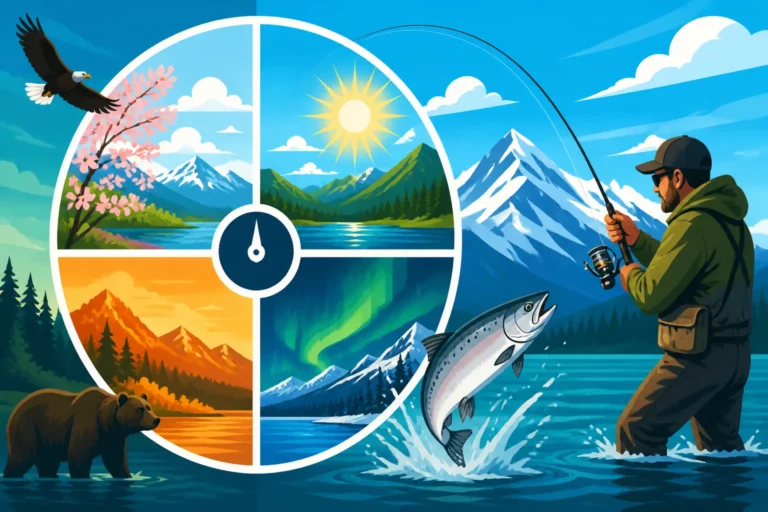
One of the most critical environmental factors influencing the sockeye run is water temperature. Sockeye, like all salmon, are cold-blooded creatures, and their metabolic rates, as well as their willingness to enter rivers and migrate upstream, are heavily influenced by the temperature of the water. Generally, warmer ocean temperatures can sometimes lead to earlier runs, while colder temperatures might delay them.
Furthermore, the amount of snowmelt coming off the surrounding mountains plays a role, especially in the earlier parts of the season. High snowmelt can lead to colder, higher, and faster-flowing rivers, which might slightly delay the initial push of fish as they wait for more favorable conditions. Conversely, a warm, dry spring could mean lower, warmer rivers and potentially an earlier arrival. It's a delicate balance that fishery biologists constantly monitor.
Historical Run Data and Forecasts
Thankfully, you don't have to guess entirely. The Alaska Department of Fish and Game (ADF&G) is incredibly diligent in tracking and forecasting salmon runs throughout the state, and Bristol Bay sockeye are a prime example. They use decades of historical run data, ocean conditions, and smolt survival rates to generate annual forecasts. These forecasts, while not always 100% accurate, provide the best scientific estimates of when the fish will arrive and how large the run is expected to be.
These forecasts are often released in the fall or winter preceding the fishing season, giving anglers and commercial operators a window into what to expect. While they provide a good baseline, it's crucial to remember that they are forecasts. The actual run can deviate based on unforeseen environmental shifts. Checking the official ADF&G website for these updates is essential for planning, especially when considering When Do Sockeye Salmon Run in Alaska.
River Systems and Their Unique Timelines
Bristol Bay isn't a single river; it's a vast drainage basin comprising several major river systems, each with its own nuances and peak run timings, though they generally fall within the same overall window. The major players include the Nushagak River, Kvichak River, Naknek River, Egegik River, and Ugashik River. While the general sockeye season typically runs from mid-June through July, the peak can shift by a few days to a week between these rivers.
For instance, the Nushagak River system often sees an earlier surge of sockeye, sometimes peaking in late June to early July. The Kvichak River, known for its massive runs that can literally turn the river red, tends to peak slightly later, often in the second week of July. Anglers often target specific rivers based on these historical patterns. If you're planning a trip to the Nushagak, our Nushagak River Fishing Guide provides more specific details.
Leveraging Forecasts and Data for Your Trip
Once you understand the factors at play, the next step is to use that knowledge to make informed decisions about your trip. This means more than just picking a week out of a hat; it involves active monitoring and strategic planning.
Monitoring Official ADF&G Forecasts and Emergency Orders
The Alaska Department of Fish and Game (ADF&G) is your ultimate source for the most accurate and up-to-date information regarding salmon runs. They publish comprehensive forecasts well in advance of the season, typically in the fall or winter, detailing predicted run sizes and general timing for the entire Bristol Bay region. This initial forecast is what most lodges and outfitters use to gauge expected activity.
However, once the season begins, it's the in-season updates and emergency orders that become paramount. ADF&G biologists are constantly collecting data from test fisheries, counting towers, and commercial harvests to track the actual progression of the run. If the run is stronger or weaker, earlier or later than anticipated, they will issue emergency orders that can change bag limits, open or close fisheries, or alter legal fishing methods. For example, if you're targeting sockeye, knowing the Alaska Sockeye Salmon Fishing Regulations and Limits is critical, as these can change without much notice during the season. You can often sign up for email alerts or check their regional offices' web pages daily once you're in the area. This real-time information is invaluable for adapting your plans, even if you're already on the ground. You can learn more about how to stay informed by reading How to Read Alaska Salmon Run Forecasts.
Booking Accommodations and Charters
This is where the rubber meets the road. Because the Bristol Bay sockeye run is so legendary, demand for prime dates at lodges and with independent guides is incredibly high. Most reputable lodges and charters book out years in advance for the peak sockeye weeks. If you're aiming for that sweet spot, you absolutely need to plan ahead. Waiting until the last minute often means settling for less-than-ideal dates or locations, or worse, not being able to find anything at all.
Many lodges operate on a fixed weekly schedule, so flexibility with your travel dates can sometimes open up opportunities, especially if you're able to travel during the shoulder seasons (the very beginning or very end of the run). While these might not be the absolute peak, you can still have incredible fishing. When researching, don't hesitate to ask lodges about their historical success rates for specific weeks and what their strategy is for adapting to variable run timings. If you're considering a guided trip, our Alaska Fishing Charters: Complete Guide can help you navigate the booking process.
Essential Gear and Tactics for Peak Sockeye Runs
When planning your Bristol Bay sockeye trip, your gear choice is almost as important as your timing. Sockeye are powerful fighters, and the sheer number of fish you'll encounter during a strong run means your tackle will get a workout. For river fishing, a medium-heavy spinning rod (8-9 feet) paired with a reliable reel spooled with 30-50 lb braided line and a fluorocarbon leader is a common setup. For fly fishing, an 8-10 weight rod with a fast-sinking line or shooting head is ideal.
The key tactic for sockeye in rivers is often "flossing" or "lining" – a method where your leader and small, unweighted fly or bare hook drifts downstream and snags the fish in the mouth as it swims against the current. It requires a specific setup to be legal in Alaska and is incredibly effective when fish are concentrated. Be sure to have plenty of leader material, small, strong hooks (like size 2 or 4 Gamakatsu octopus hooks), and a good pair of polarized sunglasses to spot the fish. You can find many of these specific items on Amazon, often with reviews from other Alaska anglers, helping you assemble the right gear. For a deeper dive into tackle, check out our Alaska Fishing Gear and Tackle Guide.
Preparing for the Bristol Bay Sockeye Experience
Even with the best timing and gear, the Bristol Bay sockeye experience is unique, and being prepared for what it's truly like can make all the difference in your enjoyment. It’s not always serene and solitary, but it is always unforgettable.
The Thrill and the Crowds
Let's be realistic: when millions of sockeye are pouring into a river, you won't be the only one there. Bristol Bay during the peak sockeye run is an exciting, vibrant, and often crowded place. This is especially true on accessible rivers like the Naknek near King Salmon or sections of the Nushagak. You'll likely be fishing shoulder-to-shoulder with other enthusiastic anglers, a phenomenon sometimes playfully called "combat fishing."
While this might sound off-putting to some, for many, it's part of the unique thrill. There's an incredible camaraderie that develops among anglers sharing this intense experience. You'll be helping each other land fish, sharing tips, and celebrating successes. Just go into it with the right mindset: expect company, respect personal space, and be prepared for a fast-paced, high-energy environment. It's truly a once-in-a-lifetime fishery, and you’ll likely catch more salmon than you ever have before.
Adapting to In-Season Changes
Alaska's fisheries are dynamic, and regulations can change on a dime, especially during intense runs like the Bristol Bay sockeye. ADF&G biologists are continuously monitoring escapement goals (the number of fish that "escape" the fishery to spawn) and in-river abundance. If fish aren't making it past counting towers fast enough, or if the run is unexpectedly large, emergency orders might be issued to restrict or relax bag limits, or even alter fishing hours.
It's vital to stay informed while you're there. Your lodge or guide will generally keep you updated, but it's good practice to check the ADF&G website yourself or ask local tackle shops. Being adaptable is key. If the river you planned to fish has new restrictions, a good guide might suggest an alternative nearby. Flexibility and a positive attitude will ensure you still have a fantastic trip, even if conditions aren't exactly what you anticipated. For general rules, our article Alaska Fishing Regulations Explained is a great resource.
Clothing and Essentials for Variable Weather
Alaska weather is famously unpredictable, especially in a vast region like Bristol Bay. One moment it can be sunny and warm, the next a chilling rain or strong wind can roll in. Layering is not just recommended; it's absolutely essential. Think moisture-wicking base layers, insulating mid-layers (fleece or down), and a completely waterproof and windproof outer shell. A good rain jacket and pants, like those from trusted brands you might find on Amazon, are non-negotiable.
Don't forget waterproof boots or waders, warm socks, a hat, and gloves. Even in July, mornings can be frosty. Having spare clothes in a dry bag is also a smart move. Besides clothing, pack insect repellent (Alaska mosquitoes are legendary!), sunscreen, a first-aid kit, and a good camera to capture the incredible sights. Being prepared for all conditions means you can focus on the fishing, regardless of what the weather decides to do.
Essential Gear and Tactics for Bristol Bay Sockeye
When you're timing your trip to hit the Bristol Bay sockeye run, having the right gear and understanding the most effective tactics is crucial. It’s not just about getting to the right place at the right time; it's about being equipped to make the most of it.
Rods, Reels, and Line for Powerful Fish
Sockeye salmon, especially fresh ones from Bristol Bay, are incredibly strong and acrobatic fighters. They might not be the largest salmon species, but they make up for it with sheer tenacity. You'll want a rod with enough backbone to handle these powerful fish and the heavy currents of Alaskan rivers.
For spin fishing, a medium-heavy action rod, typically 8.5 to 9.5 feet long, is ideal. Brands like Lamiglas, G. Loomis, or Fenwick offer excellent options that can withstand the abuse of multiple fish. Pair this with a robust spinning reel, size 4000 to 5000, loaded with 30-50 lb braided line. The braid offers excellent sensitivity and strength, while a 20-30 lb fluorocarbon leader (around 3-4 feet long) provides stealth and abrasion resistance. For fly anglers, an 8-weight or 9-weight rod is the standard, coupled with a large arbor reel and a fast-sinking fly line. Having a spare spool with a different density line can also be beneficial for varying water conditions.
Sockeye Specific Lures and Flies
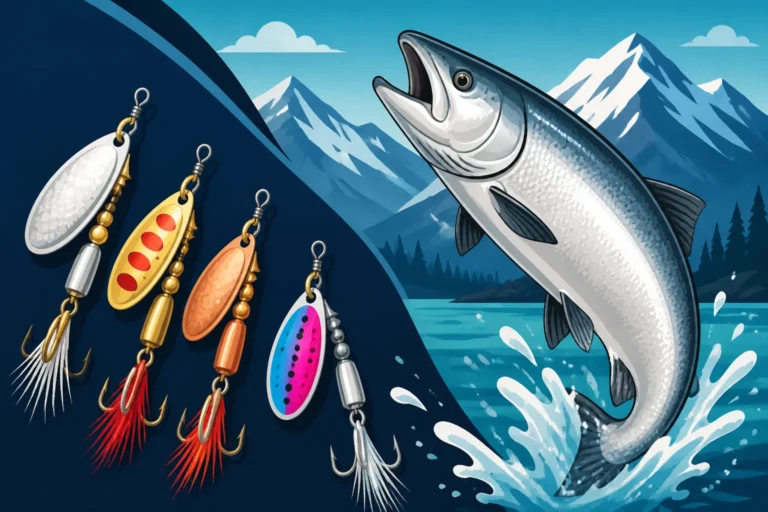
Sockeye are unique among salmon species in that they typically don't feed once they enter freshwater. This means traditional lures and baits designed to mimic prey often aren't effective. Instead, the primary method for catching sockeye in Alaskan rivers is "flossing" or "lining." This technique involves drifting a small, unweighted fly or bare hook (often a size 2 or 4 octopus hook) through schools of fish in a way that the line, and then the hook, sweeps into the fish's mouth.
Popular sockeye flies are often brightly colored, such as small, weighted flies with pink or red bodies and a touch of flash. The exact pattern is often less important than presenting it correctly in the feeding lane. Sometimes, simply a bare, sharp hook on a long leader is all you need. You'll want to have plenty of these on hand, as snags are common when fishing in crowded conditions or rivers with snaggy bottoms. Many anglers stock up on these essentials from retailers like Amazon before their trip. Learning How to Catch Sockeye Salmon in Alaska dives deeper into these specific methods.
Essential Accessories for a Successful Day
Beyond your rod and reel, several accessories will make your Bristol Bay sockeye fishing experience more successful and comfortable. A good pair of polarized sunglasses is indispensable for spotting fish and navigating submerged hazards. A durable landing net, preferably one with a rubber mesh to protect the fish and prevent hooks from tangling, is critical for landing feisty sockeye efficiently.
You'll also need a fishing vest or pack to carry your leaders, hooks, split shot (for weighting your line to get the right drift), pliers, and other small tools. A waterproof camera is a fantastic addition to capture the memories, and a reliable headlamp is crucial for early mornings or late evenings, especially with Alaska's long summer daylight hours. Don't forget a sturdy pair of waders and wading boots with good grip, as you'll often be wading in swift, rocky rivers.
Typical Bristol Bay Sockeye Run Timings by River
While the overall Bristol Bay sockeye run peaks from late June through mid-July, different river systems within the bay can have slightly varied peak timings. This table provides a general overview, but always remember to check current ADF&G forecasts and emergency orders.
| River System | General Run Start | Peak Run Window | Primary Peak Month | Notes |
|---|---|---|---|---|
| Nushagak River | Mid-June | Late June – Early July | June / July | Often sees an earlier push, known for large numbers. |
| Kvichak River | Late June | Early to Mid-July | July | Legendary for massive returns, can turn the river red. |
| Naknek River | Late June | Early to Mid-July | July | Popular due to proximity to King Salmon; consistent. |
| Egegik River | Mid-June | Late June – Early July | June / July | Strong early returns, important commercial fishery. |
| Ugashik River | Late June | Mid-July | July | Generally peaks slightly later in the season. |
| Togiak River | Late June | Mid-July | July | More remote, offers a wilderness fishing experience. |
This table provides a general guideline, but real-time data from ADF&G is always the most accurate. Factors like water temperature and snowmelt can shift these windows by several days in any given year.
Disclaimer
The information provided in this guide is for general informational purposes only. Alaska fishing regulations, seasons, and bag limits are subject to change rapidly through emergency orders issued by the Alaska Department of Fish and Game (ADF&G). It is the angler's responsibility to consult the most current ADF&G regulations and emergency orders for the specific area they plan to fish before heading out. Fishing involves inherent risks, and adherence to safety guidelines is strongly recommended.