How to Trolling for Salmon in Alaska
One of the biggest head-scratchers for anglers heading to Alaska is how to effectively cover the immense stretches of water, especially in the big rivers and vast saltwater bays, to find those elusive salmon. It’s a common frustration to cast repeatedly in one spot, wondering if the fish are even there, only to hear about someone else hauling in limits just around the bend. This guide is all about cutting through that uncertainty by showing you how to master the art of trolling for salmon in Alaska, a technique proven to put more fish in your cooler by actively seeking them out.
Understanding Salmon Behavior for Effective Trolling
Before you even think about dropping a line, it's crucial to understand why trolling works so well for salmon, particularly in the diverse waters of Alaska. These aren't just random fish; they operate on instincts and patterns that, once understood, can turn a slow day into an epic one.
Why Salmon Respond to Trolling
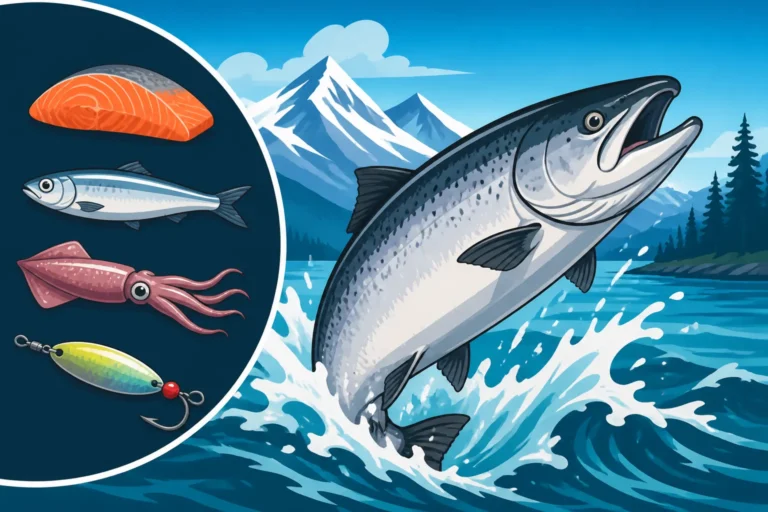
Salmon are, at their core, predatory fish, even as they transition from their ocean feeding grounds to their freshwater spawning rivers. In the ocean, they actively hunt smaller baitfish like herring, sandlance, and even krill. When they enter estuaries and larger river systems, while their primary focus shifts towards reproduction, many still retain a strong predatory instinct, often called "aggression strikes." Trolling capitalizes on this by presenting a moving target that mimics their natural prey, triggering an instinctive bite. It's less about them being hungry in the river and more about them reacting to something invading their space or looking like an easy meal.
Think about it: a vibrant spoon or a flashing dodger paired with bait being pulled steadily through the water creates vibrations and visual stimuli that are hard for a salmon to ignore, especially when they're stacked up in transit lanes. This method allows you to cover vast areas, systematically searching for schools of fish or individual aggressive biters, rather than waiting for them to come to you. This active search strategy is a game-changer when you're targeting migratory fish in dynamic environments like the Kenai River or the open waters of Cook Inlet.
Key Species and Their Habits
While trolling can be effective for several salmon species in Alaska, some are more receptive to it than others, largely due to their migratory patterns and feeding behaviors.
- King Salmon (Chinook): Often considered the "holy grail" of Alaskan salmon fishing, King salmon are aggressive feeders in both saltwater and early freshwater stages. They are typically found deeper in the water column and are known for their powerful, sustained runs. Trolling is a hugely popular and effective method for King salmon, especially in large rivers like the Kenai and Kasilof, or in bays like Kachemak Bay and Prince William Sound. They respond well to larger, flashy lures and natural bait presentations that imitate substantial prey. To really dial in on these giants, you’ll want to check out our detailed guide on how to catch King salmon in Alaska.
- Coho Salmon (Silver): Known for their acrobatic fights and strong surface-oriented feeding habits in saltwater, Coho salmon are also excellent trolling targets. They tend to school up more tightly than Kings and are often found in shallower waters, especially in estuaries and near river mouths before they push upstream. Their aggressive nature makes them prone to striking a wide variety of trolled lures. Learning about Alaska Coho salmon facts and fishing tips can give you an edge in targeting these spirited fighters.
- Sockeye Salmon (Red): While Sockeye are famously difficult to catch on conventional lures once they enter freshwater (they typically stop feeding), trolling can be somewhat effective for "feeder Sockeye" in saltwater where they are still actively feeding. Once they hit the rivers, methods like "flossing" become more common, but in the ocean, a trolled spoon or dodger might entice a strike. However, for most freshwater Sockeye fishing, you’ll be looking at different techniques than trolling.
- Pink Salmon (Humpies) and Chum Salmon (Dog Salmon): These species, while not as highly prized for their fight or table fare as Kings or Cohos, can be abundant and very receptive to trolling, especially in saltwater and tidal areas. Pinks are incredibly aggressive and will hit almost anything shiny when they're running strong, making them a fun target for beginners or those looking for fast action. Chums are also strong fighters and can be caught trolling, often found alongside Pinks.
Understanding these behaviors means you won't waste time trolling for Sockeye in a river where they're not feeding, but you'll be well-prepared to target Kings and Cohos in their prime trolling habitats.
Essential Gear and Setup for Trolling Salmon in Alaska
Trolling isn't just about dragging a lure behind a boat; it's a calculated dance between speed, depth, and presentation. Having the right gear is non-negotiable for success, especially when you're battling the powerful fish and challenging conditions Alaska can throw at you.
Rods, Reels, and Line Selection
The sheer power of Alaskan salmon demands robust tackle. You wouldn't bring a knife to a gunfight, and you shouldn't bring a flimsy ultralight rod to battle a 40-pound King.
- Rods: For saltwater trolling for Kings and Halibut, you'll want a heavy-action boat rod, typically 7 to 9 feet long, with a strong backbone. These rods are designed to handle heavy weights, powerful fish, and the strain of being in a rod holder for extended periods. For river trolling, a medium-heavy to heavy action casting rod, around 8.5 to 10.5 feet, is often preferred for its ability to absorb shock and provide leverage. Brands like Lamiglas, Shimano, and G. Loomis offer excellent trolling rods.
- Reels: Matching your rod with a reliable conventional level-wind reel is key. Look for models with a strong drag system, a high line capacity, and durable gears. Popular choices include the Shimano Tekota, Daiwa Sealine, or Penn Fathom series. Ensure the reel has a smooth retrieve and can handle the forces exerted by a powerful fish. For serious setups, you might consider reels with a line counter, which is incredibly useful for replicating successful depths. Many anglers find great deals on these workhorse reels on Amazon.
- Line: The debate between braided and monofilament line continues, but for trolling in Alaska, many opt for braid as their main line.
- Braided Line: Offers superior strength-to-diameter ratio, no stretch for excellent sensitivity (you feel every bump and bite), and slices through the water with less resistance, allowing you to get deeper with less weight. A 30 to 65 lb test braid is common for salmon. Its lack of stretch can be a double-edged sword, however, as it offers less forgiveness during strong head shakes, which can lead to pulled hooks if your drag isn't set perfectly.
- Monofilament Line: Provides some stretch, which acts as a shock absorber, reducing the chance of hooks pulling free. It's also more forgiving for beginners. However, it has a larger diameter, more water resistance, and less sensitivity. A 20 to 30 lb test mono leader is almost always used with braid to provide invisibility and a bit of stretch at the business end.
- Leader Material: Fluorocarbon leaders are highly recommended for their invisibility underwater and abrasion resistance. Use a 20 to 40 lb test fluorocarbon leader, typically 6-10 feet long, connecting it to your main line with a high-quality swivel to prevent line twist.
Downriggers and Dipsy Divers: Controlling Depth
The ability to consistently place your lure at the exact depth where salmon are holding is paramount. This is where depth control devices come into play.
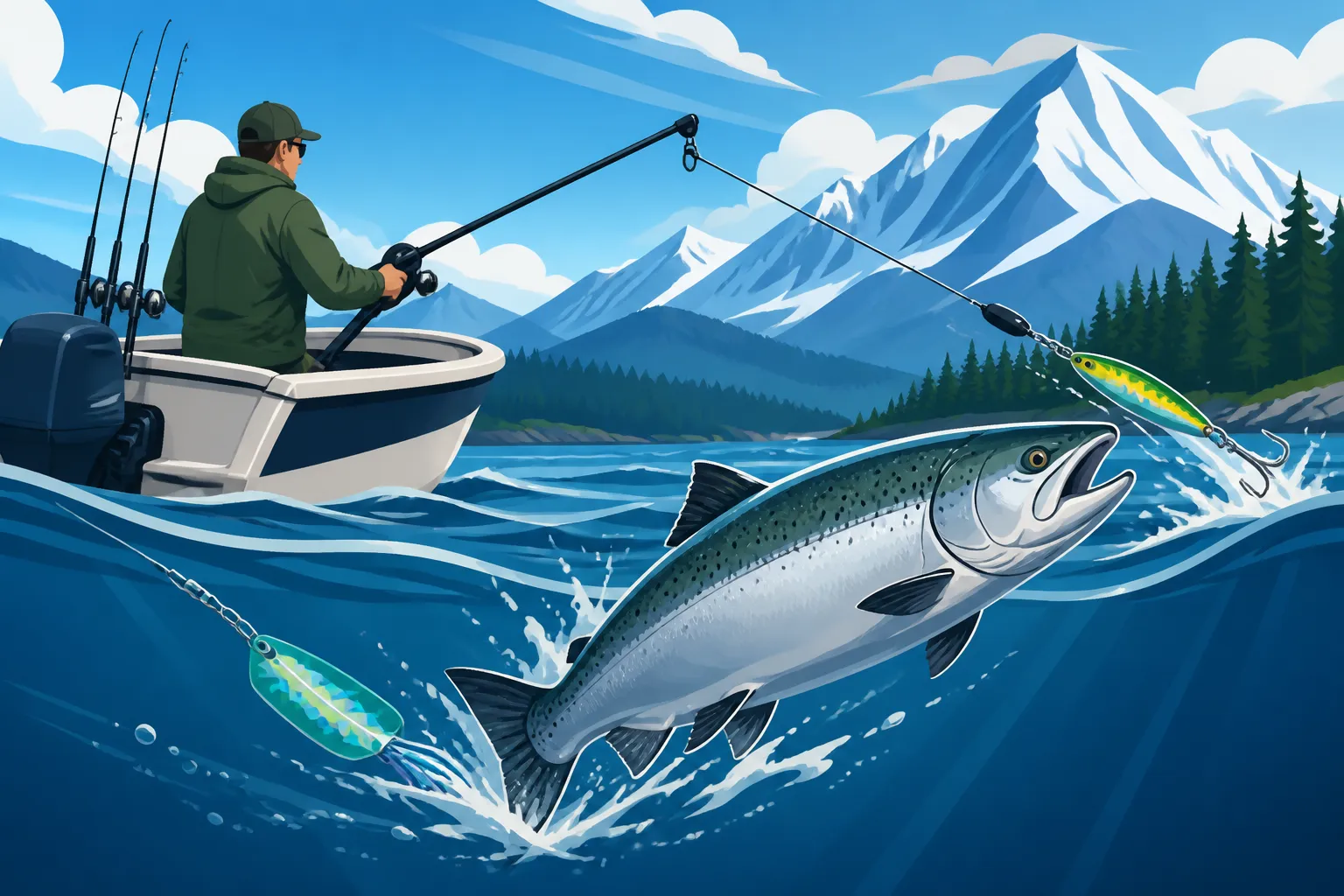
- Downriggers: These are indispensable for serious saltwater salmon trolling. A downrigger uses a heavy cannonball weight (typically 8-15 lbs) attached to a cable that is lowered to a specific depth. Your fishing line, with its lure, is attached to the downrigger cable via a release clip. When a fish strikes, the clip releases, freeing your line to fight the fish directly. Downriggers allow you to precisely control depth, present multiple lines at different depths, and easily adjust to changing conditions. Brands like Scotty and Cannon are industry leaders.
- Dipsy Divers (or Deep Six Divers): For both saltwater and larger freshwater systems, Dipsy Divers are a popular alternative or supplement to downriggers. These are disc-shaped diving planes that attach to your main line, pulling your lure down to a predetermined depth as you troll. They come in various sizes and can be adjusted to dive at different angles. When a fish strikes, the diver trips, allowing you to reel in the fish without the diver fighting you. They're a more affordable and portable option, great for boats without dedicated downriggers.
Without these tools, you're essentially guessing where your lure is, which is often a recipe for frustration when trying to locate fish that might be holding 40, 60, or even 100 feet down.
Lures, Baits, and Scent: What Attracts the Bite
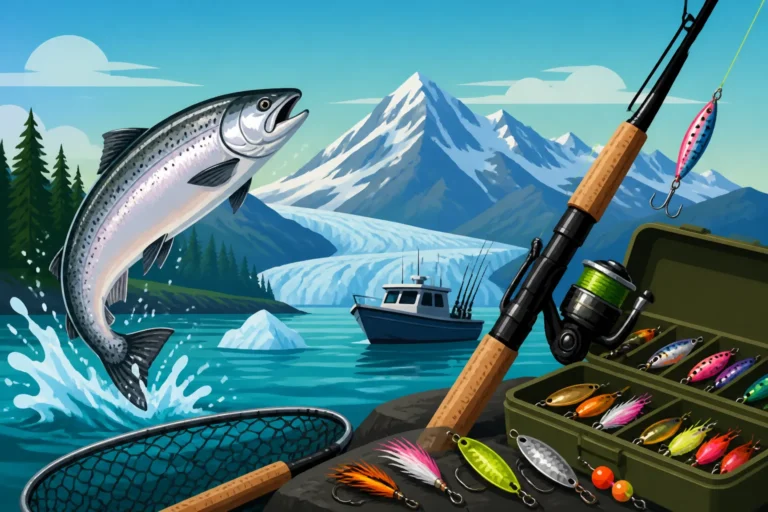
The allure of a well-presented bait or lure is what ultimately convinces a salmon to strike. Alaskan salmon are particular, and having a variety in your tackle box is key. Consider picking up a diverse selection from a retailer like Amazon before your trip.
- Flashers and Dodgers: These are not lures themselves but attractors. They're designed to create flash, vibration, and erratic movement in the water, mimicking schools of baitfish and drawing salmon in from a distance.
- Flashers: Generally longer and narrower, they rotate or "kick" through the water, creating a strong thumping vibration and flash. They're best used with a short leader (18-36 inches) to a spoon or hoochie.
- Dodgers: Shorter and wider, they "dog leg" or sway from side to side, imparting a specific action to the trailing lure. Dodgers are typically paired with longer leaders (3-6 feet) to spoons or cut plug herring.
- Spoons: Classic and highly effective, spoons like the Luhr Jensen Coyote, Silver Horde, and P-Line Laser Minnow are go-to choices. Their wobbling, flashing action perfectly imitates wounded baitfish. They come in various sizes and colors; popular choices include silver, chartreuse, blue, and black.
- Plugs: These hard-bodied lures dive and wobble, often with a rattling sound. Popular brands like Kwikfish, FlatFish, and Brads Super Bait are killer on King salmon. Brads Super Bait, in particular, is a hollow plug designed to be packed with scent or bait for added attraction.
- Hoochies (Squid Skirts): These soft plastic squid imitations are incredibly effective, especially when fished behind a flasher. They come in a rainbow of colors, and rigging them with a small piece of herring or a scent pad inside boosts their appeal.
- Natural Bait: Nothing beats the real thing sometimes.
- Cut Plug Herring: This is a top choice for King and Coho salmon. Herring is cut at an angle to create a natural spinning action when trolled. It's often rigged on a two-hook leader behind a dodger.
- Cured Salmon Eggs: While less common for pure trolling, cured eggs can be added to certain lures or scent chambers for an extra burst of natural attractant, especially in rivers.
- Scent: Don't underestimate the power of scent. Salmon have an incredible sense of smell. Adding scent gels or sprays to your lures and baits, such as Pro-Cure or Smelly Jelly, can significantly increase your strike rate, masking human odors and adding a "fishy" attractant. Apply it frequently, especially after catching a fish or if you haven't had a bite in a while.
Mastering Trolling Techniques for Alaskan Salmon
Trolling is more art than science, but understanding the fundamentals of speed, depth, pattern, and reading the water will dramatically improve your chances of success in Alaska's bountiful waters.
Speed, Depth, and Pattern: The Trolling Dance
The key to consistent trolling success lies in finding the sweet spot for these three variables.
- Speed: This is often the most critical factor. The "right" speed depends on the current, your lure choice, and the target species. Generally, a slow, steady pace between 1.5 to 3.5 knots (about 1.7 to 4 mph) is effective for salmon. Your lure should have an enticing, natural action – not just dragging lifelessly, but also not spinning wildly out of control. Watch your rod tips; they'll tell you if your lure is working correctly. A steady, rhythmic bounce indicates good action. For King salmon, a slightly slower presentation might be preferred, while Coho salmon often respond to a bit more speed. Pay attention to what's working on the day; sometimes a slight acceleration or deceleration is all it takes to trigger a bite.
- Depth: Salmon are highly depth-oriented. They'll often school at a specific depth, usually related to water temperature, light penetration, or baitfish presence. Your sonar (fish finder) is your best friend here. Look for bait balls, arches (individual fish), and schools, noting the depth at which they appear. Use your downriggers or Dipsy Divers to place your lures precisely in that strike zone. Remember that currents can affect your downrigger wire angle and how deep your Dipsy Diver runs, so constant monitoring and adjustment are necessary. In rivers, paying attention to the river bottom, depressions, and channels where fish might congregate is equally important.
- Pattern: Trolling in a straight line can be effective, but often, salmon respond better to variations in your boat's movement.
- S-Curves/Zig-Zags: Making gentle turns causes your lures on the inside of the turn to slow down and drop, while those on the outside speed up and rise. This change in speed and depth can trigger a following fish to strike. Experiment with the tightness and frequency of your turns.
- Structure-Oriented Trolling: If you're trolling near known structure (reefs, drop-offs, river bends, submerged logs), try to follow the contour lines. Salmon often use these features as travel lanes or ambush points.
- Against or With the Current: In rivers, trolling against the current (back-trolling) is a common and effective technique, allowing for a slower, more controlled presentation. Trolling with the current can also work, especially for covering ground quickly to find schools.
Reading the Water and Finding the Fish
Alaska's waters are vast and can be intimidating. Learning to read the water is a skill that comes with experience, but some signs are universally helpful.
- Sonar/Fish Finder: As mentioned, this is your primary tool. Learn to interpret what you see. Arches typically represent individual fish, while dense clouds indicate baitfish or tight schools of salmon. Pay attention to the bottom contour – deep holes, ledges, and channels are prime holding areas. Brands like Garmin, Lowrance, and Humminbird offer excellent sonar units for anglers of all levels.
- Currents and Tides: In saltwater and tidal rivers, understanding the tides and currents is vital. Salmon often use current breaks or seams as resting spots or travel corridors. Fishing the incoming or outgoing tide can concentrate fish, making them easier to target. For detailed information on how tides affect Alaska salmon fishing, check out our guide.
- Bird Activity: Gulls, terns, and other seabirds diving or congregating often indicate baitfish near the surface, and where there are baitfish, there are usually salmon not far behind. This is more common in saltwater or estuaries.
- Physical Features: Look for points, pinch points, river bends, log jams, and areas where tributaries enter larger bodies of water. These are natural congregation points for migrating salmon. Even subtle changes in water color or current can indicate a productive seam.
- Other Anglers: While you don't want to crowd anyone, observing where other boats are fishing and catching fish can provide valuable clues about depth, speed, and location. Don't be afraid to ask for advice at the dock or ramp – most Alaskan anglers are happy to share general tips.
Setting Up Your Spread
A "spread" refers to the arrangement of your fishing lines behind the boat. A well-designed spread maximizes your chances by presenting multiple lures at different depths and distances, effectively covering more water.
- Multiple Lines: Most boats can troll with 2-4 lines, sometimes more depending on regulations and boat size. If using downriggers, you might run one deep and one shallower on each side. If using Dipsy Divers, you can set them to dive at different depths by adjusting their settings and the amount of line let out.
- Stagger Depths and Distances: Avoid having all your lures at the same depth and distance. Staggering them vertically and horizontally helps prevent tangles and allows you to experiment to find the "hot" zone. For example, you might run one downrigger ball at 60 feet and another at 40 feet. On Dipsy Divers, you might run one on setting #1 and another on setting #3.
- Vary Lures: Don't put all your eggs in one basket. Run different types and colors of lures until you discover what the fish prefer on that particular day. One rod might have a cut plug herring, another a large spoon, and a third a hootchie behind a flasher. This versatility is crucial, as salmon preferences can change day-to-day, or even hour-to-hour.
- Rod Holders: Invest in sturdy, adjustable rod holders. They keep your rods secure, allow for easy deployment and retrieval, and help you maintain your spread. When a fish strikes, they'll often bend violently, giving you a clear signal to grab the rod.
- Safety First: Always be mindful of your lines and other boats. Avoid sharp turns that could tangle your spread or cut off another angler. And remember, understanding Alaska fishing regulations explained will help you avoid accidental violations, especially regarding the number of lines you can fish.
| Species Targeted | Typical Trolling Depth | Recommended Lure/Bait | Ideal Trolling Speed (Knots) | Key Gear Considerations |
|---|---|---|---|---|
| King Salmon | 30-100+ feet (saltwater/deep river) | Large spoons, Kwikfish plugs, Brad's Super Bait, Cut plug herring | 1.8 – 2.8 | Downriggers, heavy-action rods, strong drag reels |
| Coho Salmon | 15-50 feet (saltwater/estuary) | Medium spoons, Hoochies, Herring, Spinners | 2.0 – 3.5 | Downriggers/Dipsy Divers, medium-heavy rods |
| Pink Salmon | 10-30 feet (saltwater/estuary) | Small spoons, Hoochies, Spinners | 2.5 – 3.5 | Lightweight gear, Dipsy Divers |
| Chum Salmon | 15-40 feet (saltwater/estuary) | Medium spoons, Hoochies, Bright colored plugs | 2.0 – 3.0 | Medium-heavy rods, Dipsy Divers or weights |
Common Trolling Challenges and How to Overcome Them
Even with the best gear and knowledge, trolling in Alaska comes with its unique set of challenges. The environment is wild, the fish are strong, and conditions can change in a heartbeat. Knowing how to adapt is what separates good anglers from truly great ones.
Dealing with Snags and Tangled Lines
Few things are as frustrating as having a perfectly set trolling spread suddenly devolve into a tangled mess or losing expensive gear to a snag.
- Preventing Tangled Lines:
- Stagger Your Spread: As discussed, ensure your lines are at different depths and distances from the boat. This creates "lanes" for each line.
- Monitor Line Angle: Pay attention to how your lines are trailing. Strong currents or rapid turns can cause lines to sweep into each other.
- Quality Swivels: Use high-quality barrel or ball-bearing swivels between your main line and leader, especially when using flashers or dodgers that rotate. This prevents line twist, which is a major cause of tangles.
- Clear the Prop: Before deploying lines, ensure your prop is clear of debris or previous line snags.
- Don't Overcrowd: Resist the urge to run too many lines, especially if you're new to trolling or in a smaller boat. Start with two and add more as you get comfortable.
- Dealing with Snags:
- Know Your Bottom: Your sonar isn't just for fish; it's for charting the underwater landscape. Avoid trolling directly over known snags like rock piles, wrecks, or dense log jams.
- Immediate Action: If you feel a snag, immediately stop the boat, put the engine in neutral, and try to motor back over the snagged spot from a different angle. Sometimes, simply backing up can free the lure.
- Line Retrieval: If you're using a downrigger, lift the cannonball. For Dipsy Divers, try to retrieve them by gently pulling from different angles. If all else fails, a steady, strong pull might break the lure free, though you risk breaking your line. Carrying a "snag retriever" can also be a lifesaver.
- Troubleshooting a Tangled Fish: When a fish is on and other lines are still out, chaos can ensue.
- Reel in Other Lines: The first priority is to quickly retrieve any other active fishing lines to prevent them from tangling with the fighting fish. Have your boat partners quickly reel in their lines.
- Clear the Path: Position the boat to keep the fish clear of the motor, downrigger cables, and other obstacles.
- Communicate: Call out directions to the person fighting the fish and anyone else on board. A calm, coordinated effort will save headaches.
Adjusting to Changing Conditions
Alaska's weather is notoriously fickle, and fishing conditions can shift dramatically throughout the day. Adaptability is your superpower.
- Weather Changes:
- Wind: Strong winds make boat control difficult, affecting your trolling speed and direction. You might need to adjust your motor's thrust or use a drift sock (sea anchor) to maintain optimal speed.
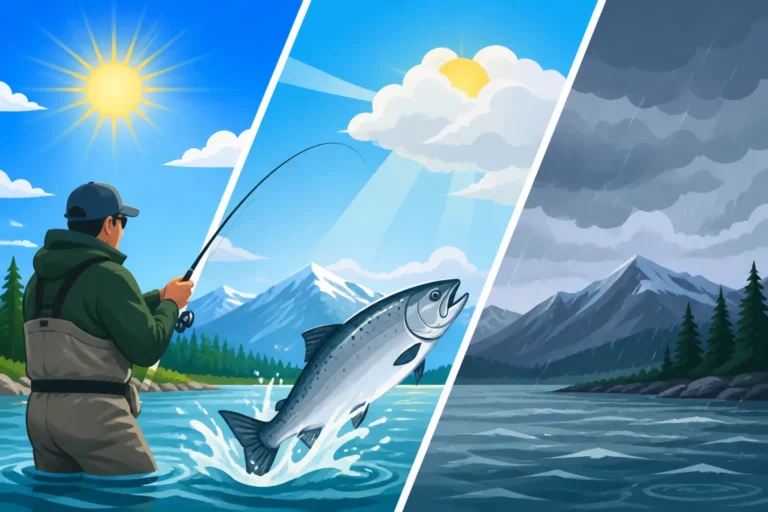
- Rain/Temperature Drops: While often making fishing less comfortable for you, these changes can sometimes trigger salmon activity, especially if it cools the water slightly. Don't let a little rain deter you; ensure you have proper rain gear. Our guide on how to dress for Alaska fishing can help you stay comfortable.
- Sunlight: Bright sun can push fish deeper. Adjust your depths accordingly. On overcast days, fish might be shallower and more willing to strike.
- Water Conditions:
- Turbidity: If the water suddenly becomes muddy (e.g., after heavy rain), bright, highly contrasting lures might be more visible. Scent becomes even more critical.
- Water Temperature: Salmon are sensitive to water temperature. Too warm, and they'll go deep or become lethargic. Too cold, and they'll be less active. Using a thermometer to check surface temps can give you clues about where fish might be holding.
- Tidal Shifts: In saltwater and estuaries, a changing tide will change currents, fish locations, and feeding activity. Be prepared to adjust your trolling lanes, speed, and even lure choices to match the new flow. For example, some anglers swear by fishing the last two hours of the incoming tide and the first two hours of the outgoing tide. For detailed info, check out our piece on how Alaska tides affect salmon fishing.
Knowing When to Change Tactics
Sticking to a failing strategy is a common mistake. Learning when to pivot is a hallmark of experienced anglers.
- Lack of Bites: If you haven't had a bite in a significant amount of time (say, 30-60 minutes in an area you expect fish), it's time to change something. Don't just keep doing the same thing.
- Vary Your Lures: Start by switching out one or two lures in your spread. Change colors, sizes, or types (e.g., from a spoon to a plug, or to a cut plug herring). Sometimes, a subtle shift in presentation makes all the difference. Many anglers stock up on a variety of the best lures for Alaska salmon from retailers like Amazon.
- Change Depth: If you're seeing fish on your sonar but not getting bites, try adjusting your depth in 5-10 foot increments. The fish might be looking up or down at your lure, but not directly at its level.
- Adjust Speed: Experiment with minor speed changes. A slight acceleration or deceleration often triggers a reactionary strike.
- Move Location: If you've tried all the above and still nothing, it's probably time to move to a new area. Salmon are migratory, and they might have moved on. Consult your charts, look for new structure, or head to another known hot spot. This is where understanding Alaska salmon run timing explained becomes invaluable, helping you choose the right time and place for various species. Sometimes, you might even consider switching from trolling to a different technique entirely, depending on the river and species, such as casting or drift fishing, particularly if you're hitting an area known for active feeders. Knowing the best time to fish in Alaska for various species and locations is paramount.
Disclaimer
The information provided in this guide is for general informational purposes only. Fishing regulations in Alaska are complex and subject to change. Always consult the most current Alaska Department of Fish and Game regulations and emergency orders before heading out on the water. Following all local, state, and federal laws is the responsibility of the angler. Fishing carries inherent risks; please exercise caution and good judgment while fishing in Alaska.