Alaska Saltwater Fish Species
Stepping onto a dock in Seward, Homer, or Sitka, many anglers have visions of fighting a massive King Salmon or reeling in a barn-door halibut. While these legendary fish certainly dominate the conversation when it comes to Alaska fishing, the truth is, the Last Frontier’s saltwater environment is a vibrant tapestry teeming with a surprising variety of species that offer incredible challenges and rewards. If you've ever felt overwhelmed by the sheer scale of the ocean or unsure what else lurks beneath its chilly surface, this comprehensive guide is for you. We're going to dive deep into the diverse world of Alaska's saltwater fish, helping you understand what to expect and how to target these amazing creatures.
The Allure of Alaska's Salty Depths
Alaska's coastline stretches for an astonishing 34,000 miles, more than all other U.S. states combined. This vast, nutrient-rich marine ecosystem supports an incredible abundance and diversity of fish, making it a world-class destination for saltwater anglers. But it’s not just about the big game; it's about the entire experience of being out on the vast, wild Pacific or the calmer, intricate waters of the Inside Passage, surrounded by towering fjords and marine wildlife. Many visitors come primarily for the iconic salmon runs or the halibut fishing, and while those experiences are undeniably epic, there's so much more to discover if you just know where to look.
A World Beyond Salmon
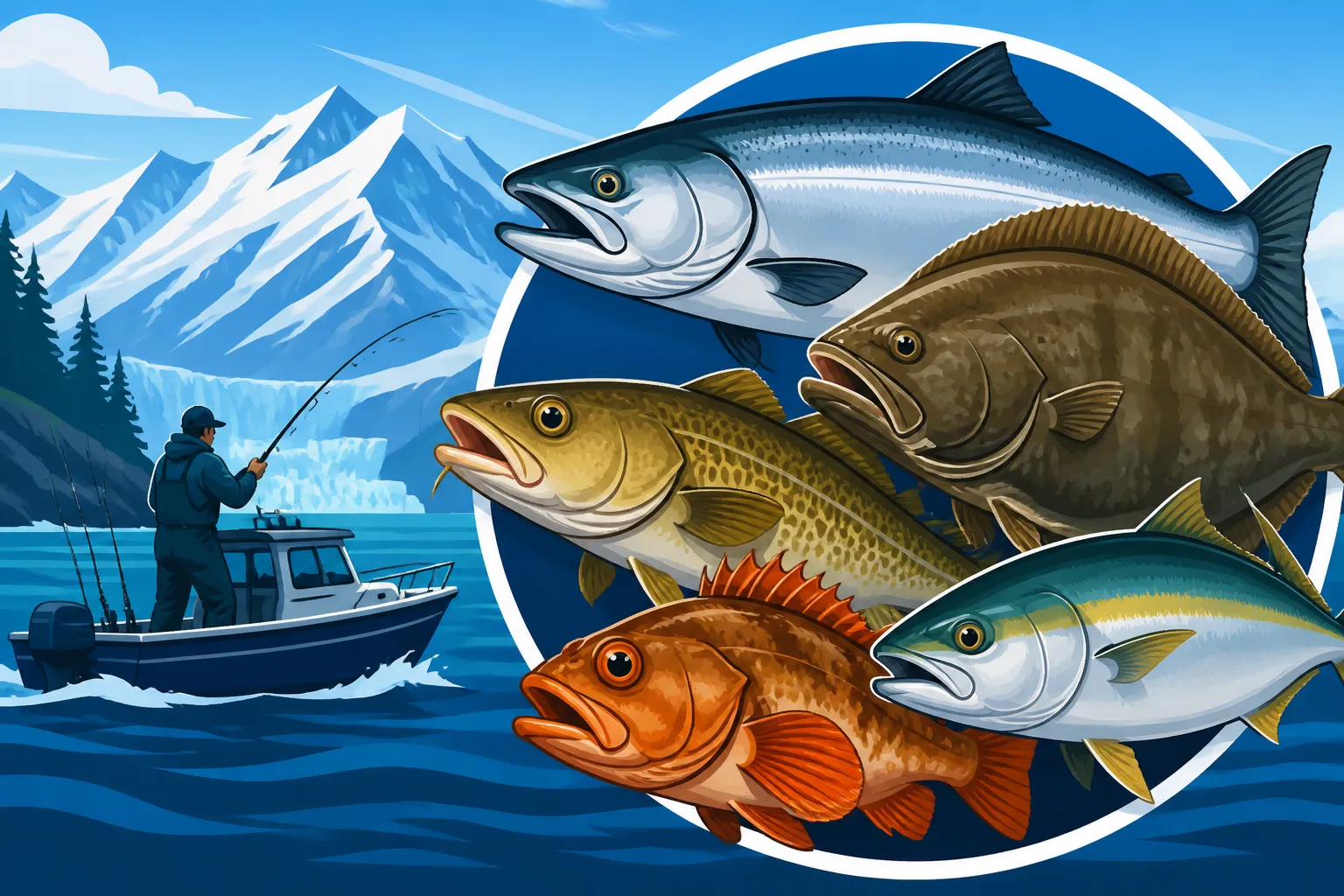
While salmon are undeniably the superstars of Alaska's fisheries, spending significant portions of their lives in saltwater, the ocean environment supports a whole host of other incredible species that deserve recognition. Think about it: a typical salmon-focused trip often means you’re jigging or trolling for a few specific hours. But what about the rest of the day? Or what if the salmon aren't biting? That's when knowing about rockfish, lingcod, Pacific cod, and even unique flatfish like flounders can turn a slow day into a memorable one. These species offer different fights, different culinary experiences, and often inhabit different structures, meaning more opportunities to keep your line tight and your spirits high.
Many anglers arrive in Alaska with a laser focus on one or two target species, often influenced by popular fishing shows or stories from friends. While this enthusiasm is fantastic, it can sometimes lead to overlooking the tremendous variety that Alaska’s saltwater habitats offer. Imagine you're out on a charter near Juneau, primarily targeting King Salmon, but the bite is slow. If your guide knows the local rockfish hotspots or can put you on a school of Pacific cod, your trip can still be incredibly productive and fun. It's about broadening your horizons and appreciating the entire ecosystem rather than just the marquee players. This adaptability is often what separates a good day from a great day on the water, ensuring you always have a backup plan.
Unique Challenges and Rewards
Fishing Alaska's saltwater presents a unique set of challenges compared to freshwater angling. For starters, you're often dealing with vast expanses of water, powerful tides, strong currents, and rapidly changing weather conditions. The sheer depth of some fishing grounds can be intimidating, requiring specialized gear and techniques. Imagine trying to drop a heavy jig 300 feet down to target halibut in a stiff current – it’s a whole different ballgame than casting a fly in a river. However, these challenges are precisely what make the rewards so much sweeter. The fight of a big halibut from the depths, the aggressive strike of a lingcod, or the vibrant colors of a rockfish brought to the surface all contribute to an unparalleled angling experience.
Moreover, the logistics of saltwater fishing often involve larger boats, more expensive gear, and a greater emphasis on safety protocols, especially when heading far offshore. You’re not just battling fish; you’re also contending with the raw power of the ocean. This often means relying on experienced guides and charters, especially if you’re not accustomed to large vessel operations or deep-sea conditions. The reward, however, extends beyond just the catch. It’s the breathtaking scenery of the Gulf of Alaska, the chance encounters with whales and sea lions, and the sheer feeling of insignificance (in the best way possible) amidst such natural grandeur. These are experiences that resonate long after the fish have been filleted and packed away.
Pacific Salmon: Kings of the Coastline (Saltwater Phase)
When people talk about Types of Salmon in Alaska Explained, they often picture them leaping up rivers. However, these iconic fish spend the majority of their lives growing and feeding in the rich, cold waters of the Pacific Ocean. It's during this saltwater phase that they pack on weight, develop their incredible fighting strength, and become the prized catches that draw anglers from around the globe. Targeting salmon in saltwater is a different game entirely than river fishing, often involving trolling with downriggers or mooching with bait.
King Salmon: The Apex Predator
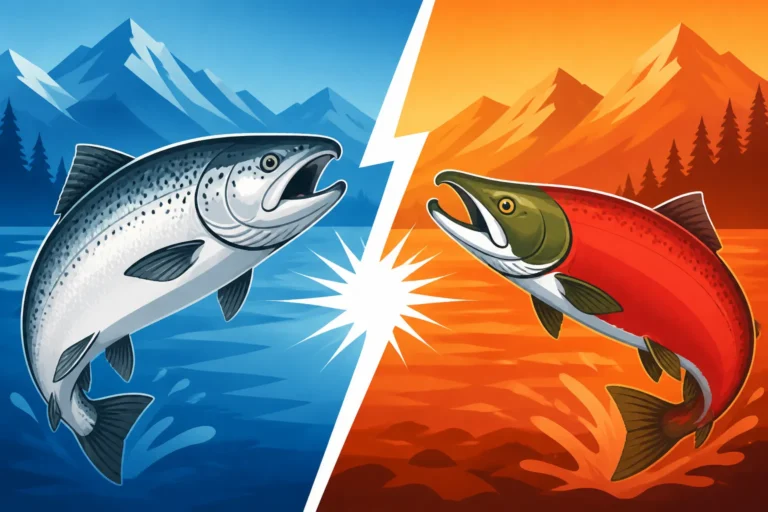
King Salmon, also known as Chinook, are the largest and most prized of the Pacific salmon species. In the saltwater, these magnificent fish are powerful, hard-fighting predators, often found near baitfish schools or congregating points before they begin their arduous journey upriver. A typical King Salmon caught in saltwater might weigh anywhere from 20 to 50 pounds, but giants exceeding 70 pounds are landed every season. Their flesh is rich, oily, and intensely flavorful, making them a culinary delight. Targeting them in saltwater often involves trolling large spoons, hootchies, or cut-plug herring behind flashers and dodgers, typically at depths where baitfish are abundant. The fight of a King Salmon in the ocean is legendary; they make powerful, sustained runs, often stripping hundreds of feet of line in an instant, testing both angler and gear to their limits. If you're looking for that ultimate challenge, learning How to Catch King Salmon in Alaska is a great next step.
Fishing for King Salmon in the saltwater can be a truly exhilarating experience. Imagine the serene morning on Kachemak Bay near Homer, the mist rising off the water, and suddenly, your rod bends double. The reel screams as a powerful King Salmon rockets away, pulling line with incredible force. These fish are known for their strong, steady runs and powerful headshakes, often diving deep to try and rub off the hook. Unlike river kings, which can sometimes be sluggish, ocean kings are in prime physical condition, built for speed and endurance. Anglers often use heavy-duty conventional reels and stout rods to handle these behemoths, especially when trolling in deeper water where the fish have plenty of room to fight.
Silver Salmon: Acrobatic Fighters
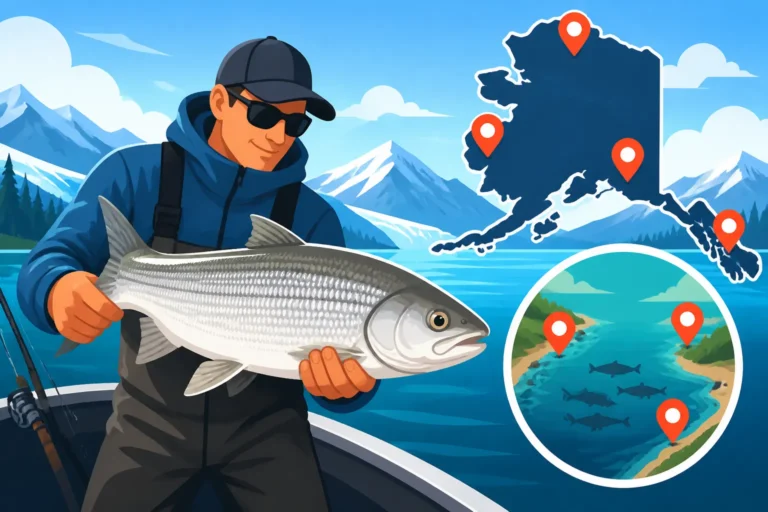
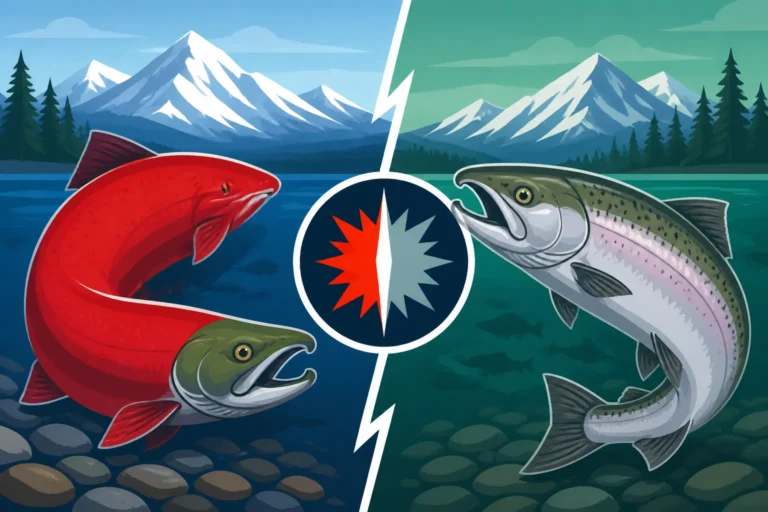
Silver Salmon, or Coho, are renowned for their acrobatic displays and aggressive strikes in saltwater. While generally smaller than Kings, typically ranging from 8 to 15 pounds, they more than make up for it with their boundless energy and willingness to hit a lure or bait. Silver Salmon are often targeted by trolling smaller spoons, hoochies, or even flies behind flashers, particularly in shallower waters near kelp beds or river mouths. They are famous for their aerial antics, jumping clear out of the water multiple times during a fight, making for an incredibly exciting and visual experience. Their bright, chrome-like scales and delicious, firm flesh make them another highly sought-after saltwater species.
Coho salmon tend to arrive later in the summer than Kings, providing excellent fishing opportunities from mid-July through September. The waters around Seward, Valdez, and Prince William Sound are particularly productive for Silvers. When fishing for them, it's not uncommon to experience multiple hook-ups, especially during strong runs. They're less finicky than Kings, often hitting a wider variety of lures, making them a fantastic target for anglers of all skill levels. The challenge with Silvers is keeping them hooked through their spectacular jumps and aggressive headshakes. Lightening your drag and staying vigilant are key to landing these feisty fighters.
Pink and Chum: The Abundant Swarms
While perhaps not as celebrated as Kings or Silvers, Pink Salmon (humpies) and Chum Salmon (dogs) play crucial roles in Alaska's marine ecosystem and can provide incredible fishing opportunities in saltwater, especially for sheer numbers. Pink Salmon are the most abundant Pacific salmon, typically running on even-numbered years in Southcentral Alaska, though they run annually in other regions like Southeast. They are smaller, usually 3-5 pounds, but when they show up in force, the fishing can be non-stop. They hit small spoons, spinners, and flies with gusto. Chum Salmon are larger than Pinks, often 8-15 pounds, known for their distinctive "dog-like" teeth as they approach spawning. They're powerful fighters and highly sought after for their roe.
Both Pinks and Chums offer fantastic opportunities for anglers seeking consistent action. While often overlooked by those solely focused on Kings and Silvers, catching these abundant species can be incredibly fun, especially for families or beginners. They provide excellent practice for honing your trolling or casting techniques, and when fresh from the ocean, their meat can be quite delicious, especially for smoking or canning. Many charters will target these species if the primary salmon runs are slow, ensuring that clients still get plenty of action and fish for the cooler. Keep an eye on the Alaska Salmon Run Timing Explained to know when these schools are expected to arrive in your chosen fishing grounds.
The Mighty Halibut: Barn Doors of the Deep
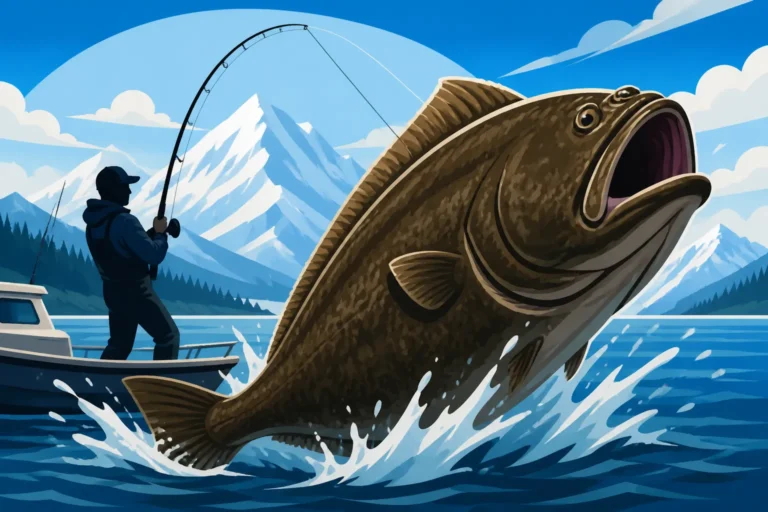
Few fish elicit as much awe and excitement as the Pacific Halibut. Known as "barn doors" for their immense size and flat, broad bodies, these bottom-dwelling giants are a quintessential Alaska saltwater experience. The thrill of hooking into a truly large halibut, feeling that dead weight at the end of your line, and then the powerful, unyielding pull as it tries to return to the deep, is an unforgettable challenge. Halibut fishing is a serious endeavor, requiring heavy-duty gear and a lot of patience, but the reward of bringing a majestic, delicious flatfish aboard is second to none.
Identifying Halibut: Chicken vs. Barn Door
Halibut vary greatly in size, from small "chicken" halibut, weighing 10-20 pounds, to true "barn door" giants that can tip the scales at over 200 pounds. While all halibut are the same species, the terms "chicken" and "barn door" are used by anglers to differentiate between younger, smaller fish and older, larger specimens. Typically, anything under 40-50 pounds is considered a chicken, while fish over 100 pounds are definitely in the barn door category. Larger halibut are almost always female, as females grow significantly larger than males. You can learn more about Alaska Halibut: Complete Guide to understand their life cycle and habits.
The physical identification of a Pacific Halibut is relatively straightforward. They are a right-eyed flatfish, meaning both their eyes are on the right side of their head as they swim. Their top side is typically dark brown to olive green, allowing them to camouflage with the ocean floor, while their underside is white. Their bodies are diamond-shaped, broad and thick, especially the larger specimens. "Chicken" halibut often have thinner bodies relative to their length, whereas the "barn doors" are incredibly thick and heavy, requiring multiple people to haul them into the boat. Regulations often have different slot limits or bag limits for chickens versus larger fish, making accurate identification important.
Where and When to Find Them
Halibut are found throughout Alaska's coastal waters, from the Inside Passage to the Bering Sea. They prefer rocky bottoms, ledges, pinnacles, and gravelly areas where they can ambush prey. Prime halibut fishing grounds include Kachemak Bay and Cook Inlet near Homer, Resurrection Bay and the outer waters near Seward, and the expansive Gulf of Alaska accessible from coastal towns. The best time to fish for halibut is generally from May through September, with peak season often being June, July, and August. They are migratory, moving into shallower waters to feed during the summer months and retreating to deeper spawning grounds in winter. Understanding the tidal movements is also crucial, as halibut often feed most actively during slack tide or when the current is just starting to pick up or slow down.
Many anglers consider Homer the "Halibut Fishing Capital of the World," and for good reason. The waters of Cook Inlet and Kachemak Bay are incredibly productive. However, excellent halibut fishing can be found off Kodiak, Sitka, and even remote areas like Prince William Sound. Successful halibut trips often involve drifting over known structure or anchoring near a productive spot, presenting baits like herring, salmon heads, or octopus tentacles near the bottom. Guides use sophisticated fish finders to locate these structures and the halibut holding on them. It’s a game of patience and precision, waiting for that tell-tale "thump" on your rod as a big halibut investigates your bait.
Gear and Techniques for Halibut
Halibut fishing requires robust gear to handle the heavy weights and powerful fish. Heavy-action rods, conventional reels spooled with 80-150 lb braided line, and heavy sinkers (up to 3-4 pounds or more in strong currents) are standard. Circle hooks are preferred for their effectiveness and ability to hook fish in the corner of the mouth, making for easier release if needed. Popular baits include whole herring, octopus, salmon pieces, or large jigs tipped with bait. The technique generally involves dropping your bait or jig to the bottom, occasionally lifting and dropping it to attract attention, and patiently waiting for a strike. Setting the hook with a halibut is less of a snap and more of a steady, firm lift to ensure the circle hook rotates into place.
Many experienced halibut anglers also utilize specialized equipment like a "halibut harpoon" or "gaff" to secure larger fish boatside, ensuring a safe and efficient landing. The sheer power of a 100+ pound halibut can be dangerous in a small boat, so preparedness is key. For those serious about targeting these giants, investing in quality gear, perhaps found through online retailers like Amazon, is a smart move. Remember, a good, stout rod and a reliable reel are your best friends when a barn door decides to make a run for it. Check out our guide on How to Catch Halibut in Alaska for a deep dive into successful techniques.
Rockfish: Colorful Denizens of Rocky Reefs
Beyond the glamour of salmon and halibut, Alaska's rocky reefs and kelp forests are home to an incredibly diverse and colorful array of rockfish species. These fascinating fish are often targeted by anglers during "combo" trips, where after a few hours of halibut fishing, the boat moves to shallower, rocky areas for some fast-paced action. While not reaching the size of halibut, many rockfish offer excellent table fare and provide a spirited fight on lighter tackle, making them a fun addition to any saltwater fishing adventure.
Common Rockfish Species in Alaska
Alaska is home to over 30 species of rockfish, each with unique characteristics and habitats. Some of the most commonly targeted species include:
- Yelloweye Rockfish: Often called "red snapper" (though not a true snapper), these are highly prized for their striking orange-red color and delicious white meat. They are long-lived and slow-growing, making them vulnerable to overfishing.
- Black Rockfish: Abundant and aggressive, black rockfish are often found in shallower waters, making them a common catch. They are dark-colored with a lighter belly and provide a good fight.
- China Rockfish: Distinctive with a yellow stripe along their back, these fish prefer rocky, kelpy areas and are known for their firm, white flesh.
- Copper Rockfish: Featuring a coppery-brown coloration, these are another common catch near rocky structures.
- Pacific Ocean Perch: Often found in deeper water, these are commercially important but also a popular sport fish.
Each species has slightly different preferences for depth and structure, but generally, targeting any rockfish means looking for rocky outcroppings, reefs, and pinnacles. Understanding the specific regulations for each species is vital, as limits can vary significantly.
Conservation and Deepwater Release
Due to their long lifespans and slow reproductive rates, many rockfish species, particularly yelloweye, are highly susceptible to barotrauma when brought up from deep water. Barotrauma occurs when the fish's swim bladder expands due to the rapid change in pressure, making it difficult or impossible for them to swim back down. To mitigate this, the Alaska Department of Fish and Game (ADF&G) strongly encourages and often mandates the use of deepwater release devices for rockfish that are not retained. These devices allow anglers to quickly return rockfish to the depth from which they were caught, dramatically increasing their survival rates.
Using a deepwater release device is not just good practice; it’s a critical part of being a responsible angler in Alaska. Many charters will have these devices readily available, and it’s a good idea to familiarize yourself with how to use them. For specific information, you can always refer to the Alaska Rockfish Retention and Release Rules. This commitment to conservation helps ensure that these vibrant populations remain healthy for future generations of anglers. It's a small effort that makes a huge difference in the long-term sustainability of the fishery.
How to Target Rockfish
Targeting rockfish is typically done by jigging or bait fishing near rocky structures. Medium-heavy spinning or conventional gear with 30-50 lb braided line is usually sufficient. Popular lures include lead-head jigs with plastic tails, metal jigs, or even simple baited hooks with cut herring or squid. The key is to get your lure or bait down to the structure where the rockfish are hiding. Drift fishing over reefs is a common technique, allowing you to cover ground and find the schools.
When you feel a bite, be ready for an immediate hookset, as rockfish can be aggressive feeders. Often, you'll feel a series of sharp tugs. Once hooked, reel steadily to bring the fish up. For shallow-water species like black rockfish, the action can be furious and fast-paced, sometimes resulting in multiple hook-ups on a single drop if you're using a multi-hook rig. For deeper species like yelloweye, the fight is more about strength as they try to dive back into the rocks. Always be mindful of your surroundings and any snags, as rockfish love to hide in crevices.
Lingcod: The Voracious Bottom Dwellers
If you're looking for a fish with a serious attitude and a mouthful of formidable teeth, look no further than the Lingcod. These prehistoric-looking predators are highly sought after by anglers for their aggressive strikes, powerful fights, and exceptionally delicious, firm white meat. Lingcod fishing often goes hand-in-hand with halibut and rockfish trips, as they share similar rocky, structured habitats in Alaska's saltwater.
Lingcod Habits and Habitat
Lingcod are ambush predators that thrive in rocky, current-swept areas, preferring depths from 30 to over 400 feet, though they are most commonly targeted in shallower zones accessible from sport fishing boats. They are highly territorial and will aggressively strike at anything that invades their space or looks like an easy meal. Their diet consists primarily of smaller fish, octopus, and crustaceans. Known for their elongated bodies, large heads, and powerful jaws lined with sharp, needle-like teeth, lingcod are unmistakable. They are typically solitary creatures, each occupying its own rocky lair.
You'll find lingcod in many of the same areas as rockfish and halibut, particularly around underwater pinnacles, reefs, and steep drop-offs. Areas like Prince William Sound, the waters off Seward, and parts of Southeast Alaska are well-known for producing trophy-sized lingcod. The best time to target them is usually from May through September, with specific seasons and size limits often varying by region. It’s crucial to check current ADF&G regulations, as these can change to protect spawning aggregations.
Best Ways to Catch Lingcod
Catching lingcod typically involves heavy-duty jigging or bait fishing. Large lead-head jigs with substantial plastic tails (often 6-12 inches long), heavy metal jigs, or even live or cut bait (like herring or octopus) are all effective. The key is to present your offering close to the bottom, right in their rocky habitat. Anglers often employ a slow, deliberate jigging motion, letting the lure hit the bottom, then lifting it a few feet before letting it drop again. When a lingcod strikes, it’s usually an unmistakable, heavy thud followed by a powerful, dogged pull.
Once hooked, lingcod can put up a significant fight, often making strong headshakes and powerful dives back towards the rocks, where they can easily snap your line if you're not careful. Keeping constant pressure and reeling steadily are crucial. Many anglers use heavy-action conventional rods and reels spooled with 65-100 lb braided line. Because of their sharp teeth, a heavy monofilament or fluorocarbon leader (80-150 lb test) is highly recommended to prevent bite-offs. Having a strong gaff or a large net ready is essential for landing these toothy creatures safely.
Size and Limits
Lingcod can grow to impressive sizes, with fish over 50 pounds being caught regularly, and some giants exceeding 80 pounds. The current state record is over 80 pounds. While all lingcod are delicious, the larger, older fish can have coarser meat, and some anglers prefer the taste and texture of smaller to medium-sized specimens. Due to their slow growth and predatory nature, lingcod populations are carefully managed. Regulations often include specific seasons, size limits (e.g., minimum and maximum lengths, or slot limits), and bag limits.
For instance, in certain areas, there might be a "reverse slot limit" where only fish within a specific size range can be retained, with both smaller and larger fish required to be released. This is a common management tool to protect both juvenile fish and large, reproductively important breeders. Always consult the latest Alaska Fishing Regulations Explained for the specific region you plan to fish to ensure compliance. Ignoring these rules can lead to significant fines and penalties.
Other Fascinating Saltwater Species
While halibut, salmon, rockfish, and lingcod dominate the Alaska saltwater fishing scene, the ocean is a truly diverse place, and you might encounter several other interesting species. These fish may not be the primary target of a typical charter, but they add to the rich tapestry of marine life and can sometimes provide unexpected fun or even a delicious bonus to your catch.
Pacific Cod: The Reliable Bottom Feeder
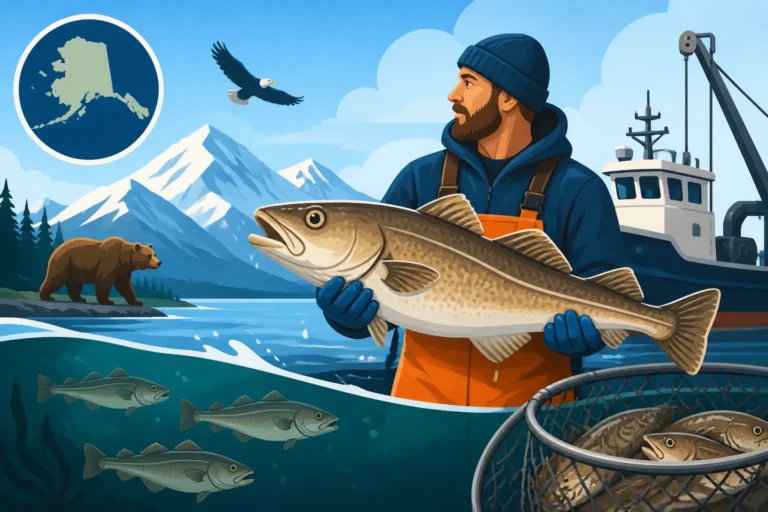
Pacific Cod are a staple of both commercial and recreational fisheries in Alaska. While not as flashy as a King Salmon or as powerful as a Halibut, cod are incredibly abundant, readily available, and provide excellent eating. They are often caught incidentally while targeting halibut or rockfish, but many anglers enjoy targeting them specifically for their mild, flaky white meat. Pacific cod typically weigh between 5 and 20 pounds, though larger specimens are certainly caught.
They inhabit a wide range of depths and bottom types, from sandy flats to rocky reefs, feeding on crustaceans, worms, and smaller fish. Fishing for them is straightforward, usually involving baited hooks (herring, squid, or clam) presented near the bottom. They are not particularly strong fighters, but they provide consistent action and are a fantastic choice for filling the freezer with delicious white fish. If you're looking for consistent action and great table fare without the heavy lifting, Pacific cod are an excellent option.
Skates, Sharks, and Other Bycatch
When fishing in Alaska's saltwater, particularly on the bottom, it's not uncommon to encounter various forms of bycatch – fish that weren't your primary target. This can include several species of skates, such as the Big Skate or Longnose Skate, which are cartilaginous fish related to sharks. While often large and heavy, skates are generally released as they don't offer much in terms of table fare for most anglers. Similarly, various species of sharks inhabit Alaskan waters, though they are less commonly targeted by sport fishermen. Sleeper sharks, salmon sharks, and dogfish can occasionally make an appearance.
Other interesting bycatch might include greenling, Irish Lords, or various species of sculpins. These smaller, often oddly shaped fish typically reside on the bottom in rocky or kelpy areas. While not usually kept for consumption, they add to the excitement of seeing the diverse marine life that Alaska supports. Always handle bycatch with care, especially if releasing, and be aware of any sharp spines or teeth. A good pair of gloves and a de-hooker are essential for safe handling and release.
Greenling and Irish Lords
Greenling and Irish Lords are smaller, often colorful fish that are common residents of Alaska's nearshore rocky habitats and kelp forests. They are typically caught on light tackle, often by anglers targeting rockfish in shallower waters or even those fishing from shore in protected bays. Greenling, such as the Rock Greenling or Kelp Greenling, are known for their beautiful patterns and feisty, albeit small, fights. They rarely exceed a few pounds but can provide consistent entertainment on ultralight gear.
Irish Lords, a type of sculpin, are characterized by their large heads and mottled camouflage patterns, helping them blend seamlessly into their rocky surroundings. While not typically a targeted food fish, they are an interesting catch for their unique appearance. These species often bite aggressively on small jigs, pieces of bait, or even flies, making them accessible to anglers using lighter setups. While you wouldn't plan an entire trip around them, they're a delightful surprise and a testament to the sheer biodiversity of Alaska's coastal waters.
Essential Gear and Safety for Saltwater Anglers
Venturing into Alaska's saltwater demands not just the right knowledge but also the right gear and a keen understanding of safety. The ocean here is powerful, unpredictable, and unforgiving, and being prepared is paramount for a successful and enjoyable trip. Investing in quality equipment and understanding basic safety protocols can make all the difference.
Must-Have Tackle for the Ocean
When it comes to saltwater fishing in Alaska, "heavy-duty" is often the operative word. For targeting large halibut and lingcod, you'll need stout conventional rods and reels capable of holding hundreds of yards of heavy braided line (80-150 lb test). Look for reels with strong drags, such as those made by Penn, Daiwa, or Shimano, which you can often find great deals on through online retailers like Amazon. Heavy lead weights (16-64 ounces) are essential for getting your bait to the bottom in deep water and strong currents. Circle hooks (12/0 to 20/0) are standard for halibut, while jigs ranging from 8-24 ounces are popular for both halibut and lingcod.
For salmon and rockfish, lighter but still robust gear is appropriate. Medium-heavy to heavy spinning or conventional setups with 30-60 lb braided line are common. Downriggers are often used for trolling for salmon, keeping your lures at the desired depth. A selection of spoons, hoochies, and spinners in various colors and sizes will cover most salmon scenarios. Don't forget heavy-duty leaders (80-150 lb monofilament or fluorocarbon) for toothy species like lingcod and King Salmon. Always bring a sharp fillet knife, sturdy pliers, and a reliable gaff or net for landing fish safely. Having a tackle box stocked with a variety of terminal tackle, including swivels, snaps, and extra hooks, is also wise.
Dressing for Success and Safety
Alaska's weather is famously fickle. A sunny morning can quickly turn into a rainy, windy, and cold afternoon, even in the summer. Dressing in layers is absolutely crucial. Start with a moisture-wicking base layer, add a warm fleece or wool mid-layer, and top it off with waterproof and windproof outer shells. Good quality rain gear is non-negotiable – look for durable, breathable options that will keep you dry through sustained downpours. Neoprene or insulated waterproof gloves are also a great idea to keep your hands warm and functional.
Comfortable, waterproof deck boots with good grip are essential for safety on a wet, moving boat deck. Beyond clothing, safety equipment is paramount. Most reputable charters will provide life jackets, but it's always wise to ensure everyone onboard knows where they are and how to use them. Sunscreen, sunglasses, and a wide-brimmed hat are important, as UV radiation can be intense, even on cloudy days. Motion sickness medication, if you're prone to seasickness, should be taken well in advance. Remember, staying warm, dry, and secure on deck directly contributes to your overall enjoyment and safety.
Understanding Tides and Weather
In saltwater fishing, the tides and weather profoundly influence success and safety. Alaskan tides can be extreme, creating strong currents that dictate when and where you can effectively fish. Many species, particularly halibut, bite best during slack tide or when the current is just beginning to move, as this makes it easier for them to feed without expending too much energy. Understanding How Tides Affect Alaska Salmon Fishing and other species is a key skill for any serious angler. Strong currents can make it impossible to get your gear to the bottom, requiring heavier weights or a change in fishing location.
Weather conditions also play a huge role. High winds can create rough seas, making for an uncomfortable and potentially dangerous boat ride, and can also make fishing very difficult. Fog can roll in quickly, reducing visibility to zero. Always check the marine forecast before heading out, and be prepared for conditions to change. Experienced charter captains are masters at reading the weather and tides, often adjusting plans to find the most productive and safest fishing grounds. Never hesitate to communicate any concerns about weather or sea conditions with your captain.
Preserving Your Catch and Alaska's Fisheries
Catching fish in Alaska is often just the beginning of the adventure. Knowing how to properly handle, clean, and preserve your catch ensures that the delicious bounty of the ocean makes it home in prime condition. Beyond personal enjoyment, being a responsible angler also means understanding and contributing to the sustainability of Alaska's incredible fisheries.
Proper Fish Handling and Filleting
Once you've landed your fish, proper handling is critical for preserving its quality. For larger fish like halibut and King Salmon, bleeding them immediately by cutting the gills ensures the best flavor and shelf life. This removes blood from the flesh, which can otherwise cause a "fishy" taste. Keep your fish cool and out of direct sunlight – a cooler with ice is ideal. For detailed instructions on how to process your catch, resources like How to Fillet a Halibut or specific salmon filleting guides can be incredibly helpful.
Filleting can be an art form, especially with large, oddly shaped fish like halibut. Practice makes perfect, and many charter captains or lodge staff can demonstrate proper techniques. Ensure your fillet knife is sharp, and work on a clean, stable surface. For smaller fish like rockfish or cod, a simple gut-and-gill clean can suffice if you plan to cook them whole, or you can easily fillet them into boneless portions. The goal is to minimize bruising and keep the meat as clean and cold as possible until it can be further processed.
Shipping Your Alaskan Bounty Home
One of the greatest rewards of an Alaska fishing trip is bringing your fresh catch home to share with family and friends. Most reputable fishing lodges and charters offer fish processing services, often including filleting, vacuum sealing, and flash-freezing your catch. This is a highly recommended service, as they have the specialized equipment to ensure your fish is perfectly preserved for travel.
Once processed, your fish will typically be packed into insulated, airline-approved boxes designed for shipping or carrying as checked luggage. It's wise to check with your airline regarding their specific policies for transporting frozen fish, including weight limits and cooler requirements. Companies like FedEx or Alaska Air Cargo also offer options for shipping fish directly to your home. Understanding How to Vacuum Seal and Ship Alaska Fish will save you a lot of headache and ensure your hard-earned fillets arrive in pristine condition. Planning this step in advance is crucial, especially if you have a significant amount of fish to transport.
Responsible Angling Practices
As stewards of Alaska's magnificent natural resources, responsible angling practices are paramount. This includes strictly adhering to all Alaska Fishing Regulations Explained, including bag limits, size restrictions, and gear requirements. These rules are put in place by the ADF&G to ensure sustainable fisheries for future generations. It also means handling released fish with care to maximize their survival, utilizing techniques like deepwater release for rockfish, and minimizing unnecessary stress on all released fish.
Beyond regulations, responsible angling also involves respecting the environment, disposing of waste properly, and minimizing your impact on fragile ecosystems. If you're using a guide, they will ensure you're compliant, but it's always good practice to educate yourself. Participating in conservation efforts, supporting sustainable fisheries, and advocating for healthy marine habitats ensures that the incredible saltwater fishing opportunities Alaska offers will endure. It's a shared responsibility that allows us all to continue enjoying the thrill of the catch in this wild, beautiful place.
Alaska Saltwater Fish Species Comparison
Here's a quick look at some key characteristics of the primary saltwater species you'll encounter in Alaska:
| Species | Typical Size Range (lbs) | Primary Habitat | Best Fishing Season | Fight Style | Culinary Value | Key Gear/Technique |
|---|---|---|---|---|---|---|
| King Salmon | 20-50 (up to 70+) | Open ocean, near river mouths | May – July | Powerful, long runs, deep dives | Excellent | Trolling (downriggers), Mooching |
| Silver Salmon | 8-15 (up to 20) | Nearshore, kelp beds | July – September | Acrobatic jumps, aggressive | Excellent | Trolling, Casting, Mooching |
| Halibut | 10-200+ | Rocky/gravelly bottoms | May – September | Heavy, strong pulls, deep dives | Excellent | Bottom fishing (bait/jigs) |
| Yelloweye Rockfish | 10-30 (up to 40) | Deep rocky reefs, pinnacles | May – September | Strong pulls, dive to rocks | Excellent | Jigging, Bait fishing (bottom) |
| Black Rockfish | 2-10 | Shallow rocky reefs, kelp | May – September | Fast, aggressive, good action | Good | Jigging, Light tackle casting |
| Lingcod | 10-50 (up to 80+) | Rocky lairs, deep pinnacles | May – September | Aggressive strike, powerful dives, headshakes | Excellent | Heavy jigging (large plastics), Bait |
| Pacific Cod | 5-20 | Varied bottom types | Year-round (peak Summer) | Steady pull, less fight | Good | Bottom fishing (bait) |
Disclaimer
The information provided in this guide is for general informational purposes only and does not constitute legal advice regarding fishing regulations. Alaska fishing regulations are complex, frequently updated, and vary significantly by region, species, and even specific waterways. It is the angler's sole responsibility to consult the most current Alaska Department of Fish and Game (ADF&G) regulations for the specific area and species they intend to fish before heading out. Failure to do so can result in fines, penalties, and forfeiture of catch and gear.