Alaska Rockfish Fishing Regulations and Limits
Navigating the intricate world of Alaska fishing regulations can feel like trying to untangle a hundred-pound halibut from a spaghetti noodle of line. It’s particularly true when you’re targeting or even just accidentally encountering rockfish, given their unique biology and the strict conservation measures in place. This comprehensive guide aims to cut through the confusion surrounding Alaska's rockfish fishing regulations and limits, ensuring you understand the rules to protect these fascinating, long-lived creatures while enjoying your angling adventure.
Understanding Alaska's Rockfish Species and Conservation Needs
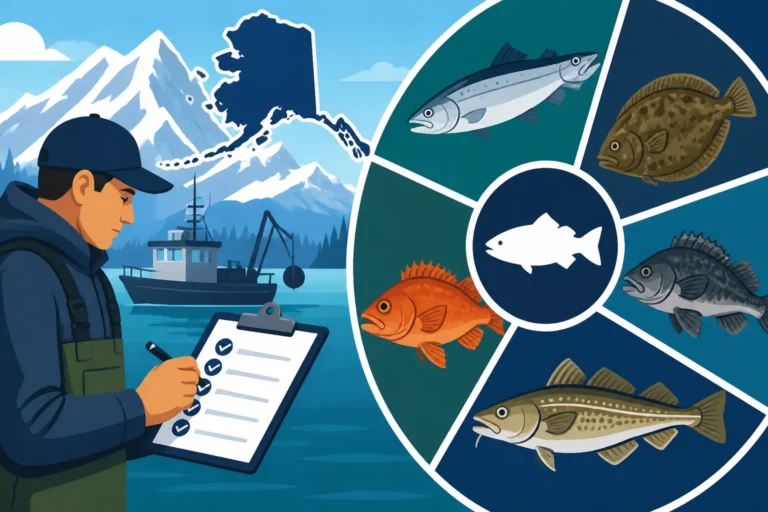
Rockfish are a diverse group of marine fish, and Alaska's waters are home to numerous species, each with its own quirks and often, specific regulations. Anglers primarily encounter species like black rockfish, dusky rockfish, yelloweye rockfish, and sometimes others like quillback or canary rockfish. While they’re all under the umbrella of Sebastes, their appearances and biological characteristics can vary significantly, which sometimes leads to confusion on the water.
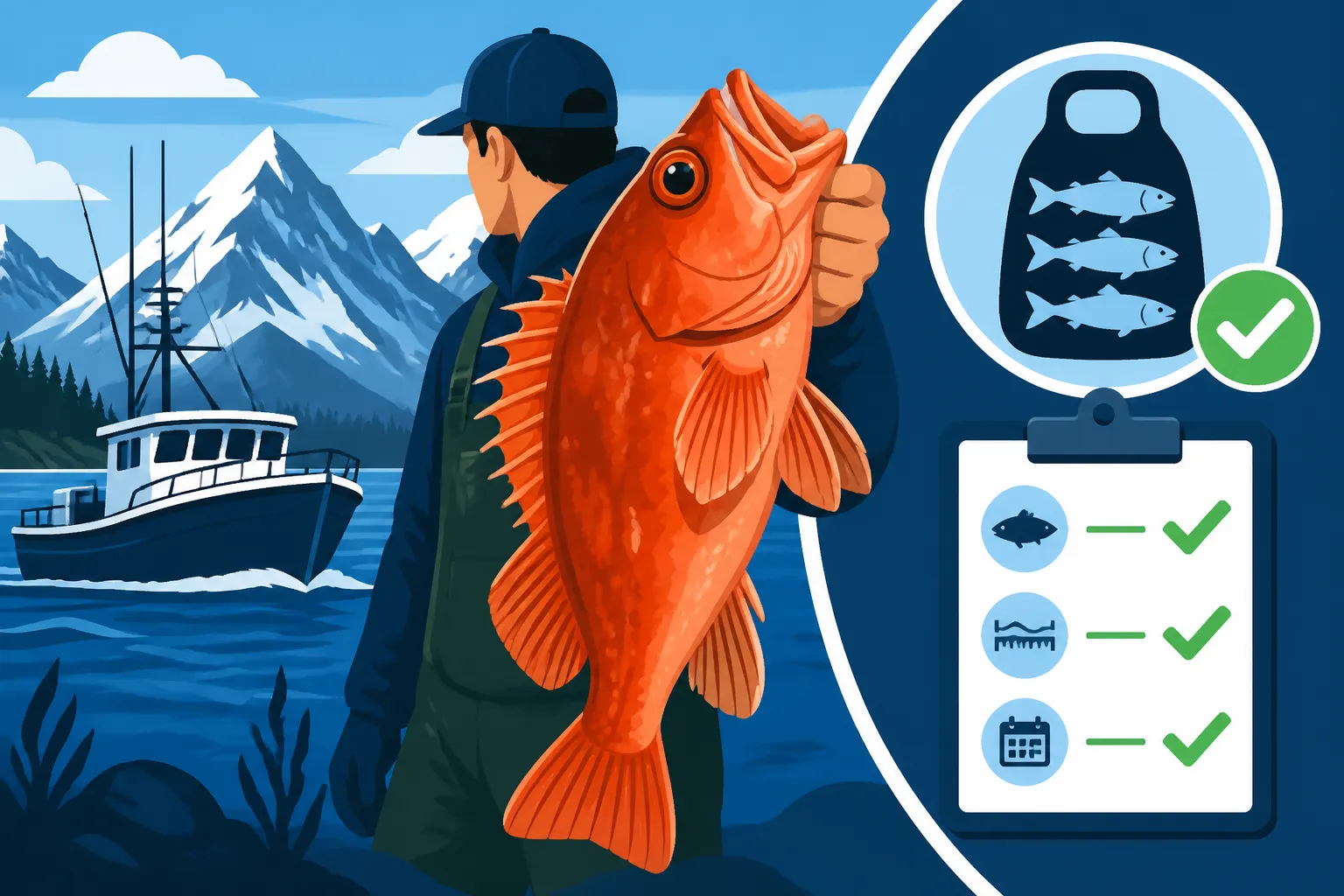
One of the biggest frustrations for anglers is differentiating between species, especially when many rockfish look somewhat similar. For example, black rockfish are usually found in shallower waters and are quite common, making them a popular target. Yelloweye rockfish, on the other hand, are often called "red snapper" (though they're not true snapper) and inhabit deeper rocky reefs. They grow very old and reproduce slowly, making them particularly vulnerable to overfishing. This biological vulnerability is precisely why the regulations surrounding rockfish, especially yelloweye, are so stringent and why understanding them is critical. An accidental catch and improper release can have a much larger impact on their populations than on faster-reproducing species. Many seasoned anglers will tell you that the conservation of these species is paramount, not just for the fish themselves but for the health of the entire marine ecosystem.
The state of Alaska and federal agencies manage these fisheries with a focus on sustainability. Because rockfish can live for decades – some yelloweye rockfish have been documented to live over 100 years – removing even a few individuals can significantly impact the age structure and reproductive potential of a local population. This is why you'll find regulations often centered around limiting harvest and ensuring proper release practices, particularly for deep-dwelling species.
Key Rockfish Regulations and Limits in Alaska
The specific rules for rockfish can differ depending on the region you're fishing in, whether you're on a guided charter, and what type of rockfish you're targeting. It’s always paramount to consult the most current Alaska Fishing Regulations Explained booklet for your specific region, as emergency orders can change things quickly. However, there are some general principles that apply across much of the state, especially concerning species like black rockfish and the highly regulated yelloweye.
Daily Bag and Possession Limits
Typically, daily bag limits for rockfish allow for a certain number of non-pelagic rockfish (like yelloweye) and a higher number of pelagic rockfish (like black rockfish). Pelagic species tend to be more abundant and reproduce faster.
For instance, in many parts of Southcentral Alaska, including the popular waters out of Seward or Homer, the daily limit for non-pelagic rockfish (which includes yelloweye) for unguided anglers might be one fish. Meanwhile, the daily limit for pelagic rockfish could be five. These are general numbers and can shift. The possession limit often mirrors the daily bag limit if you’re fishing for multiple days and keeping your catch. For charter anglers, there might be further restrictions, such as a "two-fish rockfish limit, of which only one may be a yelloweye rockfish" in some areas. Always double-check the specifics with your charter captain or the current regulations before you head out.
Yelloweye Rockfish Specific Rules
Yelloweye rockfish are often treated separately due to their extreme longevity and slow growth. In many areas, especially the Gulf of Alaska, you'll find very conservative limits for yelloweye. In some regions, like Southeast Alaska, guided anglers may even face a "reverse slot limit" or total prohibition on retaining yelloweye, or be restricted to specific areas. It’s not uncommon to see a limit of only one yelloweye rockfish per year for non-resident anglers, if allowed at all. This level of restriction underscores the critical need for their protection. If you inadvertently catch a yelloweye, knowing the proper release techniques is not just good practice, it's often legally required. This often comes up when anglers are bottom fishing for Alaska Halibut, as yelloweye frequently inhabit the same rocky structures.
Regional Variations and Emergency Orders
Alaska is vast, and its fishing regulations are often managed regionally. What’s legal in Southeast Alaska might be different in Southcentral or Prince William Sound. These differences can be significant for rockfish, as local populations and their health are assessed independently. For example, in certain areas, there might be specific seasonal closures for rockfish or restrictions on fishing depths to protect certain species.
It's absolutely crucial to check for emergency orders before every single fishing trip. The Alaska Department of Fish and Game (ADF&G) uses emergency orders to quickly adjust regulations based on real-time stock assessments, sometimes even closing fisheries or changing limits with very short notice. Many experienced anglers keep the ADF&G website bookmarked on their phones or use official apps to stay updated. Missing an emergency order can lead to serious Alaska Fishing Violations and Fines, which no one wants after a great day on the water.
Here’s a simplified table outlining potential rockfish limits (these are illustrative and you must verify current regulations):
| Rockfish Type | Angler Type | Daily Bag Limit (Example) | Annual Limit (Example) | Notes |
|---|---|---|---|---|
| Pelagic (e.g., Black) | Unguided | 5 | None specified usually | Often found in shallower waters. |
| Pelagic (e.g., Black) | Guided Charter | 5 | None specified usually | Check charter-specific rules, if any. |
| Non-Pelagic (e.g., Yelloweye) | Unguided | 1 | None specified usually | Vulnerable species, strict limits. |
| Non-Pelagic (e.g., Yelloweye) | Guided Charter | 1 or 0 (Release only) | 1 (non-resident) | Often prohibited or single-fish per person/year. |
The Critical Role of Deepwater Release
One of the most important and unique regulations concerning rockfish in Alaska is the mandatory use of a deepwater release device for certain species when fishing in specific areas. If you've ever reeled in a rockfish from deep water, you've likely noticed its bulging eyes and distended stomach – a clear sign of barotrauma, caused by the rapid change in pressure. Without proper intervention, these fish are unlikely to survive if simply tossed back.
What is Barotrauma?
Barotrauma occurs when a fish is brought up from significant depths too quickly. The gas in their swim bladder expands, pushing their stomach out through their mouth, bulging their eyes, and often damaging internal organs. A fish suffering from severe barotrauma cannot swim back down on its own, instead floating helplessly on the surface, becoming easy prey for birds or other marine animals. This is where the deepwater release device comes in as a literal lifesaver.
Mandatory Use of Descending Devices
Alaska has specific rules requiring that certain non-pelagic rockfish, when caught from depths greater than a certain threshold (often around 60 feet), must be immediately returned to the depth of capture or to a depth of 100 feet using a deepwater release device. This isn't just a suggestion; it’s a legal requirement designed to increase survival rates.
These devices work by attaching the fish to a weighted clip, then sending it back down to pressure-equalizing depths. Once the pressure equalizes, the swim bladder contracts, and the fish can unclip itself or be released by a remote trigger. You can find various types of descending devices, from simple jaw clamps to more elaborate spring-loaded devices, often available at local tackle shops or online retailers like Amazon. It's an essential piece of gear to have on hand, even if you’re not specifically targeting rockfish, as incidental catches are common. Make sure you know how to use it before you need it. Practicing with it on dry land can make all the difference when you're out on a rocking boat with a fish on the line.
Responsible Angling Practices for Rockfish
Beyond just following the letter of the law, true Alaskan anglers understand the spirit of the regulations – conservation. Fishing responsibly for rockfish means adopting practices that minimize harm and maximize the chances of survival for released fish.
Minimizing Incidental Catch
While you might be focused on catching a trophy halibut or a feisty salmon, rockfish often hang out in the same areas. When bottom fishing, especially over rocky structures, you’re likely to encounter them. If you’re not targeting rockfish, consider adjusting your fishing techniques or locations to reduce incidental catches. For example, if you're consistently reeling in yelloweye when jigging for lingcod, try moving to a different spot or changing your lure type. Sometimes, simply knowing the preferred habitat of different Alaska Fish Species can help you target your desired catch more effectively.
Best Practices for Catch and Release
Even with a descending device, quick and gentle handling is key. The less time a rockfish spends out of water, the better its chances of survival.
- Minimize air exposure: Unhook the fish quickly and get it on the descending device.
- Handle gently: Avoid squeezing the fish or putting fingers in its gills.
- Use appropriate gear: Heavy tackle might be necessary to reel them up, but choose hooks that are easy to remove. Barbless hooks can also aid in quick release, though they're not always mandatory for rockfish. You can learn more about specific regulations concerning hooks in Alaska Barbless Hook Requirements.
- Be prepared: Have your descending device rigged and ready to go before you drop your line.
Staying Informed with Alaska Fishing Emergency Orders
As mentioned, Alaska's fishing regulations are dynamic. Emergency orders can come out weekly, sometimes even daily, especially during peak seasons or when specific fish runs are struggling. These orders might change bag limits, open or close certain areas, or even alter the type of gear you can use. Before every trip, take a moment to check the ADF&G website or call their local office. Ignorance of an emergency order is not a valid defense if you're cited for a violation. Staying on top of these changes is a fundamental part of being a responsible angler in the Last Frontier. You can read more about how these changes happen in How Often Do Alaska Fishing Rules Change.
Equipping Yourself for Compliant Rockfish Fishing
Having the right gear isn't just about catching fish; it's about fishing legally and ethically. For rockfish, specific items can make a huge difference.
Essential Gear for Rockfish
- Deepwater Release Device: This is non-negotiable for deeper water fishing. There are several effective models on the market, some available for purchase on Amazon, that are easy to use.
- Appropriate Tackle: Rockfish, especially larger yelloweye, can be surprisingly powerful. Use robust rods and reels with strong line, capable of bringing up fish from depth without undue stress on the angler or the fish. A good quality braid line with a fluorocarbon leader is a common setup.
- Dehooking Tools: Long-nose pliers or a specialized dehooker are crucial for quickly and safely removing hooks, especially if a fish is deeply hooked. This reduces handling time and injury to the fish.
- Measure and Weigh: While size limits aren't as common for rockfish as they are for halibut, having a reliable tape measure and scale is good practice for all your catches, helping you understand the regulations for specific species.
- Updated Regulations Booklet: A physical copy or a downloaded digital version of the current How to Read Alaska Fishing Regulations Booklet for your region is indispensable. It's your ultimate reference on the water.
Guided vs. Unguided: What to Expect
If you choose to go with an Alaska Fishing Charter, your captain and crew will typically be well-versed in all current regulations, including those for rockfish. They should provide all the necessary gear, including descending devices, and guide you through the process of proper handling and release. This can significantly reduce the stress of navigating complex rules, especially for visitors or those new to Alaska. However, even with a guide, it’s still your responsibility to understand and adhere to the regulations. Always ask questions if you're unsure about a limit or procedure. For those considering a guided trip, understanding What to Expect on an Alaska Fishing Charter can be very helpful.
If you're fishing unguided, the onus is entirely on you. This means thorough research before you go, bringing all necessary safety and regulatory gear, and being prepared to make quick decisions about species identification and release methods. Many independent anglers find that carrying a field guide to Alaska fish species can be immensely helpful for on-the-spot identification.
What Happens If You Break the Rules?
It’s easy to feel overwhelmed by all the rules, but ignoring them isn’t an option. Fishing violations in Alaska can lead to hefty fines, confiscation of gear and catch, and even loss of fishing privileges. For instance, retaining a prohibited yelloweye rockfish or failing to use a descending device when required can result in significant penalties. Enforcement officers from the Alaska Wildlife Troopers are diligent, and they are out on the water.
It's far better to err on the side of caution. If you're unsure about a fish's species, or if you've caught a vulnerable species like a yelloweye from deep water, assume the strictest regulations apply and prepare for a careful, legal release. Every angler has a role to play in protecting Alaska's incredible natural resources. By understanding and following the Alaska Rockfish Fishing Regulations and Limits, you contribute to the sustainability of these fisheries for generations to come.
Remember to also familiarize yourself with overall catch and possession limits like those covered in Alaska Fishing Limits and Bag Limits Explained and the specific rules that apply to your fishing method in Best Fishing Techniques for Alaska.
Disclaimer
The information provided in this guide is for general informational purposes only and is not legal advice. Fishing regulations in Alaska are subject to change by the Alaska Department of Fish and Game (ADF&G) through emergency orders or regulatory cycles. It is the responsibility of each angler to consult the most current Alaska sport fishing regulations booklet for the specific region they intend to fish before heading out.