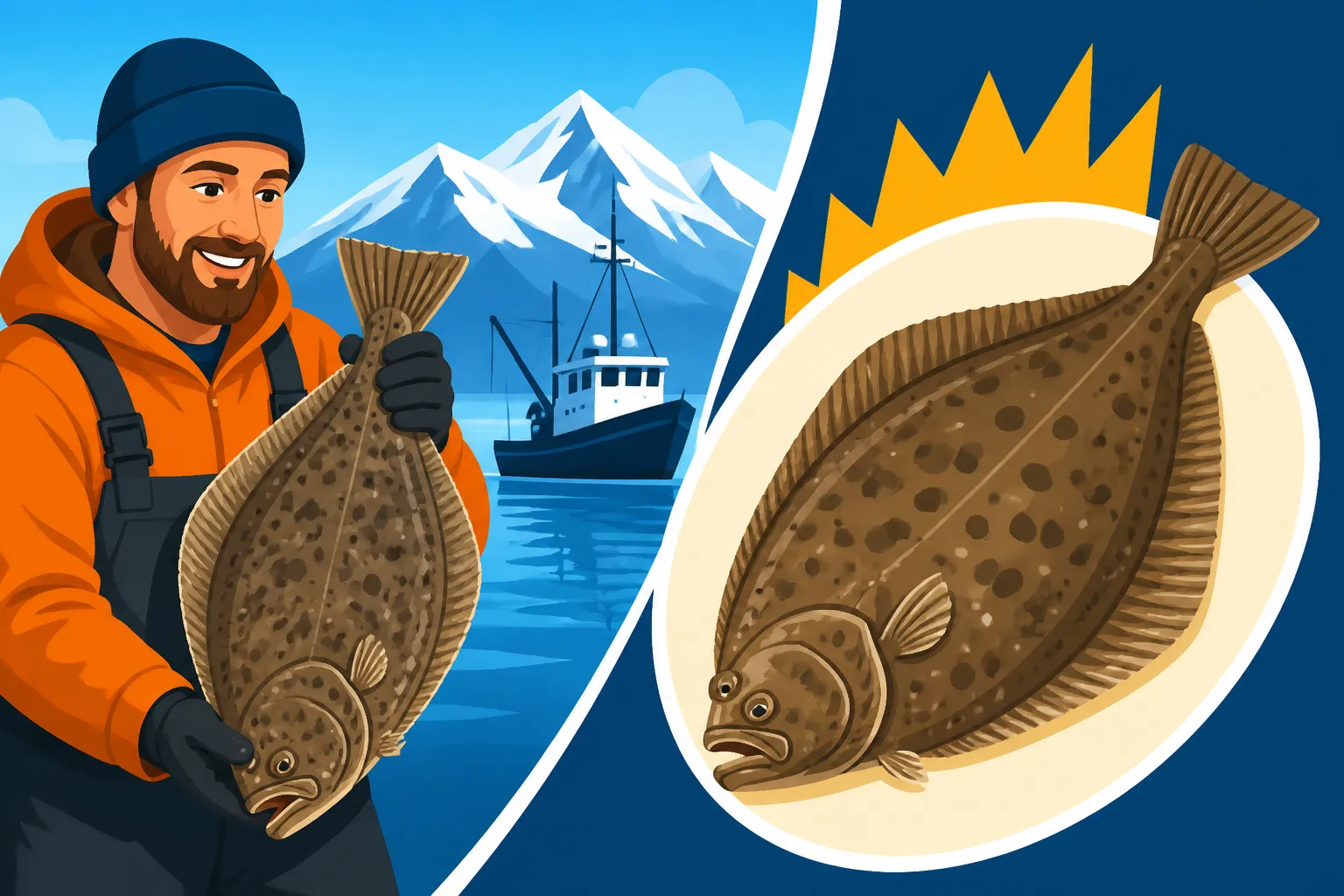
What Is a Chicken Halibut in Alaska
Many anglers, especially those new to the epic world of Alaska fishing, often hear terms like "chicken halibut" and wonder exactly what they mean. It's not a different species, I promise! This common nickname simply refers to smaller, younger Pacific halibut, and understanding why they're called that and what makes them special is key to a rewarding Alaskan fishing adventure. This guide will clear up all the confusion, delving into what makes a chicken halibut, why they're a favored catch for many, and how you can target them yourself.
What Exactly is a "Chicken Halibut"?
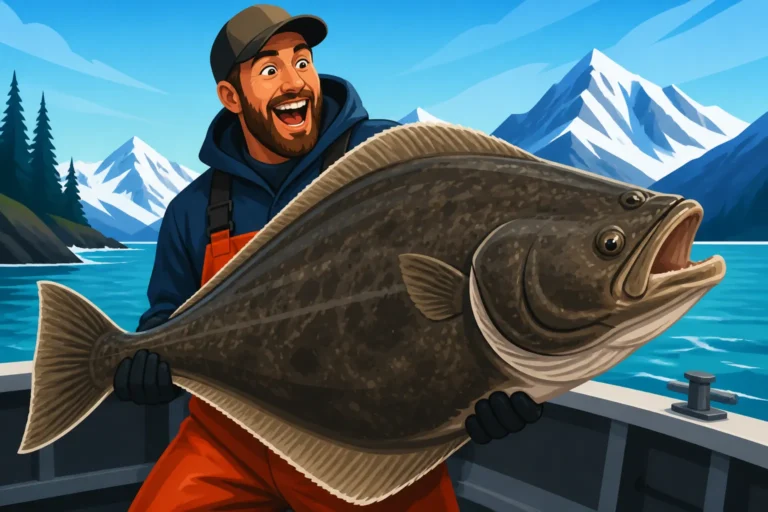
When you hear a seasoned Alaska angler or a charter captain talk about "chicken halibut," they're not referring to some hybrid poultry-fish creature, nor is it a specific biological classification. It's purely a descriptive term that has been adopted over generations to differentiate smaller, more manageable halibut from their colossal "barn door" counterparts. This nickname is ingrained in the local fishing vernacular, making it a handy, if sometimes confusing, way to describe a certain size of fish.
The Size Definition and Why it Matters
Generally speaking, a "chicken halibut" is any Pacific halibut weighing between 10 and 20 pounds, though some might stretch that definition slightly to include fish up to 30 pounds. Why this specific range? Well, it's all about manageability and, perhaps more importantly, the quality of the meat.
Imagine pulling up a fish that's battling you with all its might. If it's a 15-pound halibut, you've got a fantastic fight on your hands, but it’s still something you can realistically handle on a typical sportfishing rod and reel. Compare that to a 100-pound "barn door" halibut, which can feel like trying to lift a small car out of the ocean! The "chicken" size is perfectly sized for sportfishing without requiring specialized heavy-duty gear or an Olympic-level physique.
Beyond the fight, the size directly impacts what you can do with the fish once it's on deck. A chicken halibut is much easier to bring into the boat, less dangerous to control, and far simpler to How to Fillet a Halibut than a monster. Most importantly, it fits neatly into standard coolers and fish boxes, making transport home much less of a logistical nightmare. For anglers traveling a long distance, being able to pack your catch without needing industrial-grade freezers and shipping crates is a huge plus. This size is often considered ideal for home consumption and sharing with friends and family, without overwhelming your freezer space.
Beyond the Nickname: Biological Realities
While "chicken" is a fun and memorable term, it’s important to remember these are simply younger, less mature Pacific halibut. Pacific halibut (scientific name Hippoglossus stenolepis) are flatfish that can grow to truly immense sizes and live for many decades. A 10-20 pound halibut is likely only a few years old, perhaps between 3 to 7 years, depending on food availability and growth rates in their specific Alaskan waters. They haven't yet reached their full reproductive potential, which is why Alaska's stringent Alaska Halibut Fishing Regulations and Limits often favor the release of larger females to ensure sustainable breeding populations.
These younger fish tend to be more active feeders, often found in shallower waters or around structure where food is abundant. Their diet typically consists of smaller fish, crustaceans, and squid, which contributes to their excellent meat quality. As halibut age and grow, they often migrate to deeper waters and consume larger prey. Understanding this biological context helps explain why different sizes of halibut might be found in different locations or respond to different fishing techniques. For instance, you might find more chicken halibut closer to shore or in specific bays, while the true behemoths often lurk in the deeper trenches of the Gulf of Alaska.
Why Anglers Target Chicken Halibut
It might seem counterintuitive to aim for smaller fish when Alaska is legendary for its massive halibut. However, there are compelling reasons why many experienced anglers, and especially those looking for prime table fare, specifically target chicken halibut. It's not always about size; sometimes, it's about quality and the overall experience.
Culinary Superiority and Texture
This is, without a doubt, the number one reason many people prefer chicken halibut. The meat from these smaller fish is famously delicate, flaky, and moist. It has a milder flavor compared to the tougher, coarser, and sometimes oilier meat of a very large, old halibut. Think of it like comparing a tender young chicken to an old stewing hen – both are chicken, but their culinary applications and desired textures are vastly different.
The flesh of a chicken halibut is typically whiter and holds its moisture better when cooked, whether you're grilling, baking, pan-frying, or even using it for ceviche. It cooks more evenly and consistently, making it a favorite for chefs and home cooks alike. The larger halibut, while impressive, can have meat that's a bit too firm, sometimes dry if overcooked, and occasionally has a stronger "fishy" flavor that some prefer to avoid. If you're planning to fill your freezer with delicious, high-quality fillets, targeting chicken halibut is often the way to go. You’ll find yourself with perfect portions that are easy to prepare and absolutely delicious.
Accessibility and Fishing Experience
Fishing for chicken halibut also offers a more accessible and often more enjoyable experience for a wider range of anglers, including families and beginners.
- Easier to Handle: As mentioned, reeling in a 10-20 pound halibut is a fantastic fight without being an exhausting ordeal. This means less strain, less chance of injury, and more fun for everyone on board. Kids and adults with less strength can genuinely participate in the entire process from hook-set to landing the fish.
- More Consistent Action: Smaller halibut tend to be more abundant and less wary than the giants. This often translates to more consistent bites and a higher chance of hooking up multiple fish throughout the day. For a fishing trip, especially with a group, consistent action keeps spirits high and ensures everyone gets to experience the thrill of a catch.
- Wider Range of Spots: Chicken halibut are found in a broader array of locations, including many spots closer to shore and in more sheltered waters. This opens up opportunities for shorter boat rides, fishing on days with less-than-perfect weather, and accessing areas that might be less intimidating for first-time saltwater anglers. Towns like Homer and Seward are renowned for their halibut fishing, and you don't always need to venture miles offshore for success. Many charters operating out of these ports will have spots known to hold good numbers of chicken halibut.
- Less Specialized Gear: While robust gear is always recommended for Alaska saltwater fishing, you don't necessarily need the heaviest rods and reels to target chicken halibut. A good quality conventional setup with 60-80 pound braided line, which you might already have for other types of fishing, will often suffice. This can also translate to slightly lower costs if you're bringing your own gear or simplify what you need to purchase from an online retailer like Amazon before your trip.
For those looking to enjoy a full day of active fishing, potentially land several fish, and bring home some of the best-eating seafood Alaska has to offer, the chicken halibut is a prime target.
Fishing for These Smaller Flatfish
So, you're convinced that a chicken halibut is the perfect target for your next Alaska fishing trip. Great! Now let's talk about how to actually get them from the vast Pacific Ocean onto your dinner plate. While the general principles of halibut fishing apply, there are some nuances when specifically targeting these smaller, delicious flatfish.
Ideal Locations and Times
Chicken halibut, being younger and often more active, can be found in a variety of habitats, though they do show preferences.
- Structure is Key: Just like many fish, halibut love structure. This includes underwater pinnacles, reefs, rock piles, ledges, and even wrecks. These areas provide both shelter and prime hunting grounds for the baitfish and crustaceans that make up a chicken halibut's diet. When you're fishing with a guide, they'll often motor around looking at their sonar to pinpoint these crucial spots.
- Depth Ranges: While trophy "barn doors" often lurk in very deep waters (sometimes hundreds of feet down), chicken halibut are more frequently found in shallower to moderate depths, generally ranging from 50 to 200 feet. This makes the fishing slightly less strenuous regarding line retrieval and weight needed to get your bait down. Places like Kachemak Bay near Homer or the waters around Seward are excellent for finding these depths with good structure.
- Tidal Currents: Halibut, regardless of size, are ambush predators that rely on currents to bring food to them. Fishing around slack tide (the period of minimal water movement before or after high/low tide) can be productive as it allows your bait to settle and for halibut to cruise more freely. However, strong tidal currents can also concentrate baitfish, and thus halibut, along current breaks or eddies. Many experienced anglers often consult tide charts meticulously before heading out to optimize their chances.
- Seasons: While the general Alaska Halibut Season Explained typically runs from May through September, chicken halibut can be caught throughout this period. Early season (May-June) and late season (August-September) often see good numbers of these smaller, eager-to-bite fish. Mid-summer (July) can be fantastic too, but you might encounter more pressure from anglers seeking the larger halibut as well. If you are specifically targeting smaller halibut, focusing on the shoulders of the season can sometimes lead to less crowded fishing grounds.
Recommended Gear and Techniques
You don't need a grappling hook and winch, but solid gear is still essential.
- Rods and Reels: A medium-heavy to heavy conventional rod (often 6 to 7.5 feet) paired with a high-quality conventional reel is ideal. Look for reels that can hold 300+ yards of 60-80 pound braided line. Reels from trusted brands like Penn, Daiwa, or Shimano are common choices. While you can find suitable options in local tackle shops, many anglers also find a great selection of durable and reliable gear on Amazon. The key is robust construction to handle the fight and the weight of the lead.
- Line: Braided line is almost universally preferred for halibut fishing due to its zero stretch, which allows you to feel even the lightest bites in deep water, and its incredible strength-to-diameter ratio. A 60-80 lb test line is perfect for chicken halibut.
- Terminal Tackle:
- Weights: You'll need lead sinkers, often ranging from 8 ounces up to 3 pounds, depending on depth and current. Always bring a variety!
- Hooks: Large, strong circle hooks (16/0 to 20/0) are standard. Circle hooks are crucial for ethical fishing, as they tend to hook the fish in the corner of the mouth, making release easier if necessary, and reducing gut-hooking.
- Rigs: A simple "slider" rig or a "three-way swivel" rig are popular. The slider rig allows your weight to slide freely above your leader, presenting the bait more naturally. The three-way swivel rig lets you tie your mainline to one eye, a leader to your hook on another, and a dropper to your weight on the third. For more detailed rig setups, checking out guides like How to Set Up a Halibut Rig for Alaska can be very helpful.
- Bait: Halibut are opportunistic feeders.
- Herring: This is the classic, go-to bait for halibut. Large, whole herring or butterflied herring are incredibly effective.
- Salmon Scraps: If you've been salmon fishing, don't throw away those oily belly strips or heads! Halibut absolutely love them.
- Octopus: A surprisingly effective bait, often used in conjunction with herring or as a standalone.
- Artificial Baits: Large jigging spoons or soft plastic swimbaits (often 8-12 inches long) tipped with a piece of bait can also be very productive, especially when jigging.
- Techniques:
- Bottom Fishing: The most common method. Drop your baited rig to the bottom, reel up a foot or two to avoid snags, and let the current do the work. Give your rod a gentle lift and drop every so often to attract attention.
- Jigging: Actively working a heavy jig up and down off the bottom. This can be very effective, especially with jigs tipped with a strip of bait. It allows you to cover more water column just above the bottom and can trigger aggressive strikes. For a comprehensive look at this technique, consider reading How to Jig for Halibut in Alaska.
Remember to keep your bait fresh and your hooks sharp. Halibut have incredibly strong jaws, and a dull hook can lead to missed opportunities. When the bite comes, don't set the hook like you would a salmon. Instead, steadily reel into the fish, allowing the circle hook to do its job and rotate into the corner of the fish's mouth.
Navigating Halibut Regulations in Alaska
Fishing in Alaska isn't just about catching fish; it's about doing so responsibly and legally. The Alaska Department of Fish and Game (ADF&G) and the International Pacific Halibut Commission (IPHC) work tirelessly to manage halibut stocks sustainably, which means regulations can be complex and change frequently. Understanding these rules is crucial, especially when targeting specific sizes like chicken halibut.
Understanding Size and Bag Limits
Alaska's halibut regulations are designed to protect the breeding stock, particularly large, mature female halibut, while allowing recreational harvest. This often means there are different rules for unguided anglers versus those fishing on a charter.
- Size Limits: While there isn't a minimum size limit for retention in most areas, there is often a maximum size limit for one or both of your retained halibut, especially if you're on a guided charter. For example, a common regulation might be a "reverse slot limit" where you can keep one halibut of any size and a second halibut that must be under a certain length (e.g., 28 inches). This effectively encourages the retention of smaller fish (the "chickens") and the release of larger, more reproductively important fish. Always check the current Alaska Halibut Size Limit Explained for your specific region and fishing type, as these rules can change annually or even in-season via emergency orders.
- Bag Limits: The number of halibut you can keep per day and per year also varies. For unguided anglers, the daily bag limit is typically two halibut of any size. For charter anglers, it's often more restrictive, sometimes one halibut per day, or one fish of any size and a second fish under a certain size. The Alaska Halibut Daily Limit for Charter Anglers is usually different from the Alaska Halibut Limit for Unguided Anglers, so be sure to confirm this before your trip. There can also be annual limits, particularly for non-residents.
- Emergency Orders: Alaska's fishing regulations are not static. ADF&G frequently issues "emergency orders" that can change bag limits, size restrictions, or even close fisheries on short notice to respond to real-time stock assessments. It is your responsibility to stay informed. Many charters will update you, but always check the official ADF&G website or use resources like the ADF&G mobile app before and during your trip. This responsiveness is vital for conserving fish populations.
The Role of Charters and Sustainable Practices
If you're heading to Alaska for the first time or want to maximize your chances of success and compliance, booking an experienced fishing charter is often the best route.
- Expert Guidance: Reputable charters are intimately familiar with the latest regulations, local fishing spots, and effective techniques. They'll ensure you're fishing legally and sustainably. They also provide all the necessary safety gear and specialized equipment that might be impractical for a casual visitor to bring. When considering a charter, you can delve into resources like the Alaska Halibut Charter Regulations Explained or general guides such as How to Choose an Alaska Fishing Charter.
- Conservation Mindset: Many Alaskan charter operators are passionate conservationists. They understand that their livelihood depends on healthy fish stocks and will actively promote and practice sustainable fishing. This includes educating clients on proper catch-and-release techniques for fish outside the legal slot limits or for species they aren't targeting.
- Processing Your Catch: A significant advantage of using a charter is that they often handle the initial processing of your catch. This includes filleting your fish, which is a skilled task, especially for larger species. After the fish is filleted, many charters have arrangements with local fish processors who can vacuum seal, freeze, and even ship your delicious chicken halibut fillets home for you, taking a huge logistical burden off your shoulders. This ensures your hard-earned catch arrives fresh and ready for your freezer.
By understanding what a "chicken halibut" is, appreciating its culinary value, and fishing within the regulatory framework, you're set for an incredibly rewarding experience on the stunning waters of Alaska. Whether you're casting lines in Homer, Seward, or other fantastic locations, the pursuit of these perfect-sized flatfish offers both thrilling action and delicious rewards.
Halibut Size Comparison Table
To help clarify the common terms used in Alaska for Pacific Halibut, here's a quick comparison:
| Term | Estimated Weight Range | Estimated Length Range | Age (Approx.) | Meat Quality Preference | Fishing Experience |
|---|---|---|---|---|---|
| Chicken Halibut | 10 – 30 lbs | 28 – 40 inches | 3 – 7 years | Excellent (mild, flaky, moist) | Easier to handle, more consistent action, great for families. |
| Medium Halibut | 30 – 80 lbs | 40 – 55 inches | 8 – 15 years | Very Good | Good fight, manageable for experienced anglers. |
| Barn Door Halibut | 80 lbs + | 55 inches + | 15 – 50+ years | Good (can be coarser/firmer) | Very challenging fight, requires heavy gear, often released due to regulations. |
This table provides a general guideline. Remember that individual fish vary, and the exact definitions can be flexible among anglers. However, it gives you a solid idea of what to expect when someone uses these terms out on the water.
Disclaimer
The information provided in this guide is for general informational purposes only and is subject to change. Alaska fishing regulations, including bag limits, size restrictions, and seasons, are set by the Alaska Department of Fish and Game (ADF&G) and the International Pacific Halibut Commission (IPHC). These regulations can change frequently, sometimes without prior notice, through emergency orders. It is the responsibility of every angler to check the most current regulations for their specific fishing location and time before heading out. Always consult the official ADF&G website or local offices for the most up-to-date and accurate information. Fishing involves inherent risks; always prioritize safety on the water.