Where to Catch Sheefish in Alaska
Getting the opportunity to chase sheefish in Alaska is a dream for many anglers, but let's be honest, figuring out where these elusive "Tarpon of the North" actually live and how to get to them can feel like trying to solve a cryptic puzzle written in an ancient language. You might spend hours scouring forums, only to find vague references and a lot of head-scratching. This guide is here to cut through that confusion, giving you a crystal-clear roadmap to the prime sheefish territories and the insider tips you'll need to finally land one of these incredible fish.
The Elusive Tarpon of the North: Understanding Sheefish
When you hear "Tarpon of the North," you know you're dealing with something special, something that jumps and fights with incredible power. Sheefish are truly unique, and understanding a bit about their biology and behavior is the first step in unlocking the mystery of where to find them.
What Exactly is a Sheefish?
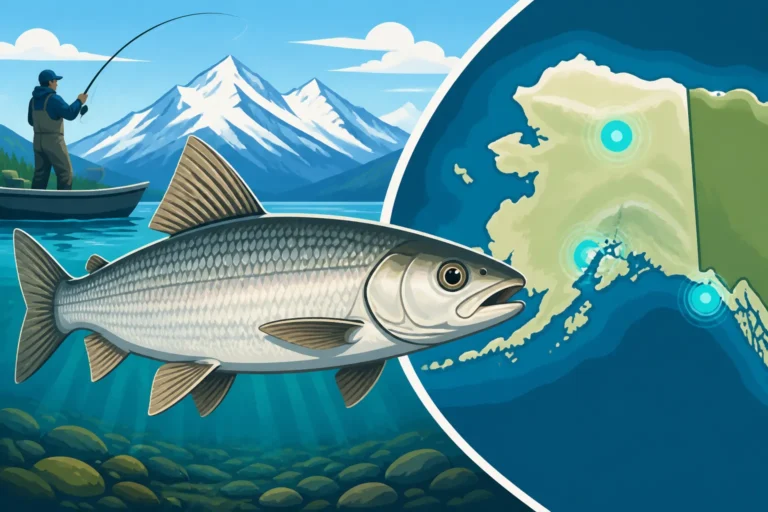
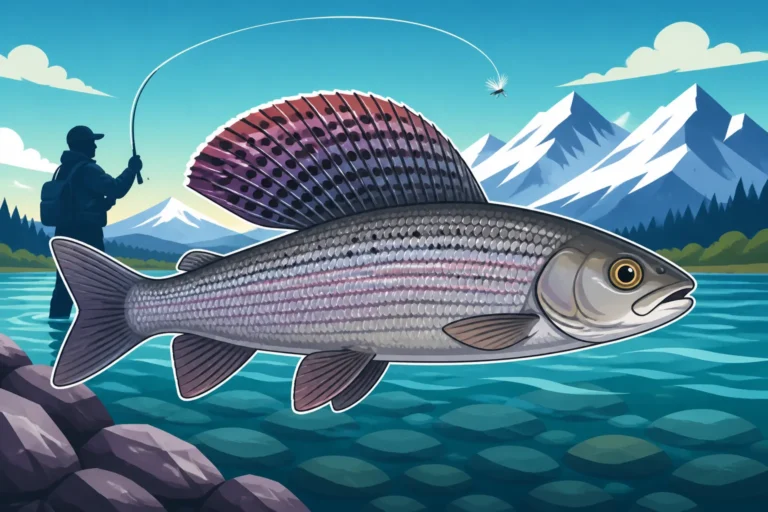
Sheefish, scientifically known as Stenodus leucichthys, are part of the whitefish family, but don't let that fool you into thinking they're docile bottom-feeders. These fish are apex predators in their freshwater and brackish environments. They boast a long, streamlined body with a silvery sheen, an impressive forked tail, and a distinctive, powerful jaw often described as having a "trout-like" mouth, though it's much larger and designed for devouring other fish. They can grow to considerable sizes, with many adult sheefish ranging from 25 to 40 inches and weighing 10 to 30 pounds, though specimens over 50 pounds are certainly not unheard of. Their sheer size, combined with their incredible fighting prowess – including acrobatic leaps – is precisely why they've earned that "Tarpon of the North" moniker. They are truly magnificent, almost prehistoric-looking fish that demand respect and a solid battle on the end of your line.
Sheefish Habitat and Behavior
Sheefish are primarily found in the vast, turbid river systems of Alaska's interior and western regions. Unlike many salmon species, they're not typically ocean-going; rather, they are anadromous in a different sense, often migrating between large freshwater rivers and brackish estuaries for feeding, though some populations are entirely freshwater-locked. They thrive in large, slow-moving rivers and their associated lakes, especially those with abundant forage fish like juvenile whitefish, herring, and other smaller species. Their diet is almost exclusively piscivorous (fish-eating), and they are constantly on the hunt.
Their annual migrations are crucial to understanding where to target them. In spring, after ice-out, they typically move into their feeding grounds, often in the lower reaches of major river systems or larger lakes. As late summer and early fall approach, they begin their upstream spawning migrations, sometimes traveling hundreds of miles into the clearer, shallower tributaries. This migratory behavior concentrates them in predictable locations, making these periods prime for targeting. Understanding these movements is key to intercepting them as they transition between feeding and spawning territories, presenting the best opportunities for anglers.
The Challenge of the Catch
Catching a sheefish isn't just about finding them; it's about being ready for the fight of your life. These fish are renowned for their incredible strength, blistering speed, and aerial acrobatics. Hooking into a sheefish, especially a large one, often results in a heart-pounding struggle that will test your tackle and your angling skills. They'll peel line off your reel at an alarming rate, make powerful runs, and frequently leap clear out of the water, shaking their heads violently in an attempt to throw the hook.
Many anglers compare the fight to that of a saltwater tarpon or a trophy steelhead. Their mouths are tough, making a solid hookset essential, and their powerful bodies mean you need to apply consistent pressure without horsing them in, lest you pull the hook or snap your line. The challenge isn't just physical; it's also mental, requiring patience to locate them in vast river systems and precision in your casting and presentation. For these reasons, sheefish are highly prized by sport anglers looking for a truly epic freshwater battle, making the effort to find them incredibly rewarding.
Key Regions for Sheefish Hunting in Alaska
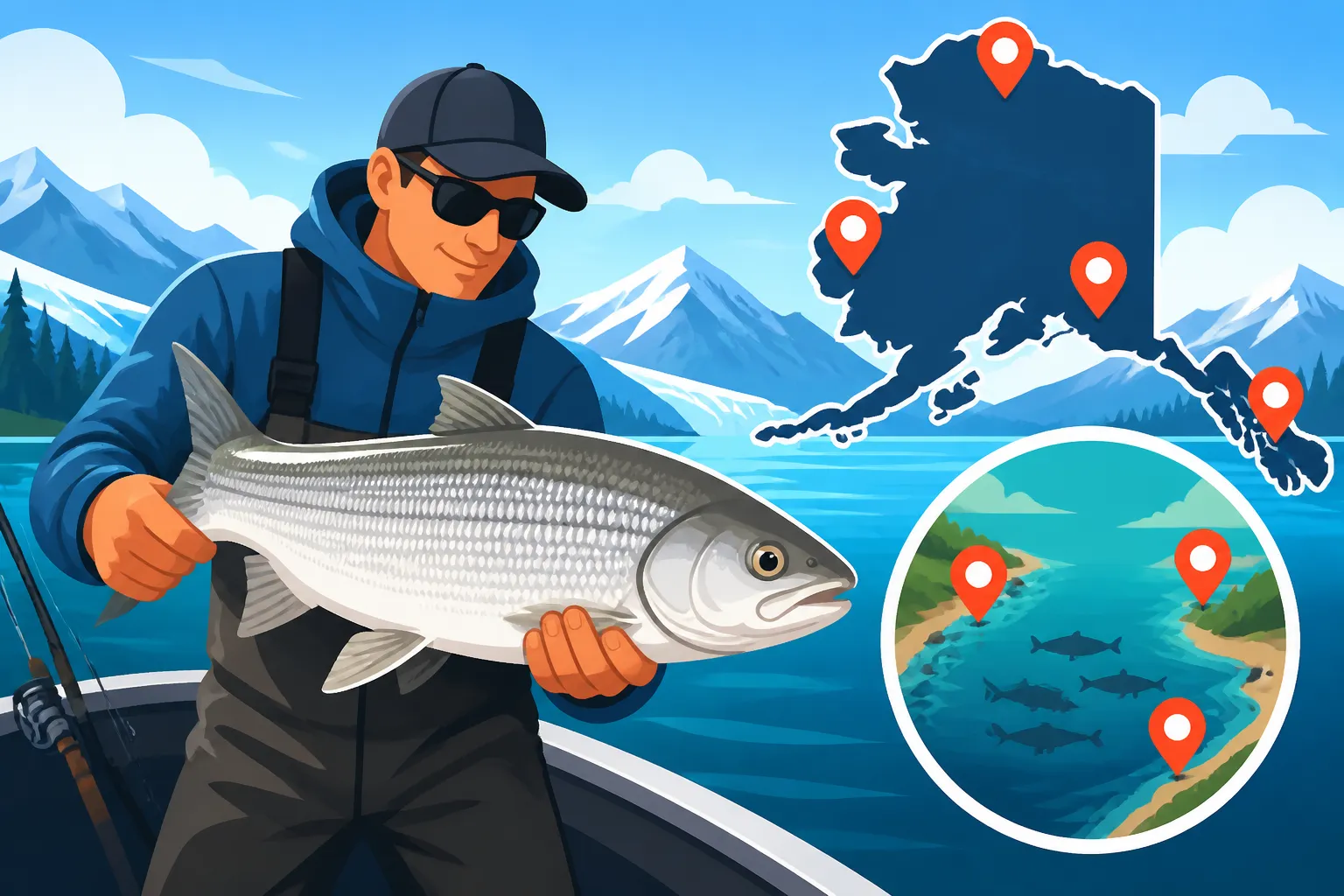
While sheefish are native to several circumpolar regions, Alaska is arguably the best place in North America to target these magnificent fish. But even within Alaska, their range is specific, confined mostly to the vast, wild waterways of the western and interior parts of the state.
The Kuskokwim and Yukon River Systems
When people talk about sheefish in Alaska, their minds almost immediately turn to the behemoth river systems of the Kuskokwim and Yukon. These are two of the longest rivers in North America, carving their way through immense stretches of Alaskan wilderness, providing the perfect habitat for large, migratory fish like sheefish. These rivers, along with their countless tributaries, represent the core range for the species. Sheefish utilize these massive highways for their extensive migrations, moving from feeding grounds in brackish tidal areas near the Bering Sea deep into the freshwater interior to spawn.
The sheer scale of these river systems means that finding specific hot spots can still be daunting without local knowledge or a good guide. However, during the late summer and early fall, as sheefish begin their upstream movements, they can be intercepted at various choke points, confluences, and deeper holes along these main stems and their larger feeders. Access to these areas is often challenging, requiring bush planes, jet boats, or extended river trips, which adds to the adventure and remote feel of a true Alaskan sheefish expedition.
Interior Alaska's Hidden Gems
Beyond the main arteries of the Yukon and Kuskokwim, Interior Alaska holds some truly special, albeit often smaller and more challenging, sheefish opportunities. Many large lakes and their connecting river systems within the vast interior also support landlocked or semi-landlocked populations of sheefish. These aren't always the massive migratory fish found closer to the coast, but they still offer fantastic angling, often in more accessible (relatively speaking for Alaska!) locations. Think of areas around Fairbanks or even closer to Anchorage if you're willing to venture off the beaten path.
These "hidden gems" often rely on local knowledge and good scouting. The fish in these areas might be slightly smaller on average but can be more concentrated due to the more confined nature of their habitat. For example, some lakes connected to river systems where sheefish are known to reside might have good populations. The trick is understanding the specific lake and river dynamics and how sheefish interact with other species like northern pike or whitefish within these ecosystems. This often involves speaking with local guides or experienced resident anglers who have dedicated time to exploring these unique, wild fisheries.
Bristol Bay Tributaries
While less commonly associated with sheefish than the western rivers, certain tributaries flowing into Bristol Bay can, at times, hold sheefish. Bristol Bay is, of course, world-famous for its incredible salmon runs, particularly sockeye, but the region's vast network of rivers and lakes also supports a diverse array of other freshwater species. Sheefish here might be found in specific river systems that have connections to larger lake complexes, providing the deep, cool water and abundant forage they prefer.
However, it's important to set realistic expectations for Bristol Bay. Sheefish are not as ubiquitous here as they are further north and west. Anglers primarily targeting sheefish will likely find more consistent action in the Yukon or Kuskokwim drainages. That said, if you're on a multi-species trip in Bristol Bay, it's always worth asking your guide if there are any known sheefish populations in the rivers you're fishing. Sometimes, a surprise sheefish can be landed while targeting other species, making for an unforgettable bonus catch.
Top Specific Spots to Target Sheefish
Alright, now that we've narrowed down the general regions, let's talk about some specific, highly regarded locations where you have a genuine shot at hooking into a sheefish. These places aren't necessarily easy to get to, but they represent the best of what Alaska has to offer for these incredible fish.
The Kobuk and Selawik Rivers
If there's a "holy grail" for sheefish fishing in Alaska, it's undoubtedly the Kobuk River and its adjacent Selawik River system in the northwestern part of the state. These rivers are renowned worldwide for their abundant and large sheefish populations. The Kobuk River flows through the Kobuk Valley National Park, and the Selawik empties into Selawik Lake, both eventually feeding into Kotzebue Sound. These vast, interconnected waterways provide the ideal habitat for sheefish to thrive.
During the late summer, typically August and early September, sheefish undertake massive migrations up the Kobuk and Selawik from the brackish waters of Kotzebue Sound. They push upstream, concentrated in numbers as they head towards their spawning grounds. This is when anglers have their best chance at intercepting them. Access to these rivers almost always involves flying into Kotzebue, then taking a small bush plane or charter boat further into the remote stretches of the river system. Expect pristine wilderness, incredibly strong fish, and an adventure that will be etched in your memory forever. Many remote lodges and outfitters operate in this region, specializing in sheefish trips.
Alatna and Koyukuk River Systems
Further east, within the vast Yukon River drainage, the Alatna and Koyukuk River systems also offer fantastic sheefish opportunities. The Alatna River, a tributary of the Koyukuk, flows through some of the most stunning wilderness in Gates of the Arctic National Park and Preserve. The Koyukuk itself is a major tributary of the Yukon, providing hundreds of miles of potential sheefish habitat. These rivers are wild, remote, and less pressured than some other areas, offering a true wilderness fishing experience.
Sheefish here are typically part of the larger Yukon River population, migrating considerable distances inland. Like the Kobuk, late summer and early fall are prime times, as the fish move upstream into clearer waters. Fishing can be excellent around the confluences of smaller, clearer streams with the main, more turbid rivers. Access is similar to the Kobuk and Selawik – often requiring a flight into a remote village like Allakaket or Bettles, followed by a float plane ride or a lengthy jet boat journey. This truly is fishing in the heart of the Alaskan wilderness, where you might not see another soul for days.
Select Interior Lakes
While sheefish are primarily thought of as river fish, several large lakes in Interior Alaska also hold impressive populations, often connected to these major river systems. These lake-dwelling sheefish might not undertake the massive anadromous migrations of their riverine cousins, but they are still powerful predators. One notable area includes the vast lake systems within the Minto Flats State Game Refuge, west of Fairbanks. These shallow, interconnected lakes and sloughs are more commonly known for their incredible northern pike fishing, but sheefish are also present, often found in deeper channels or near the mouths of tributary streams.
Another excellent example is the series of lakes and rivers in the headwaters of the Susitna River drainage. These fish are usually landlocked, but they grow large by preying on the abundant populations of whitefish and other baitfish. Fishing in these lakes can offer a different kind of sheefish experience, often involving trolling or casting large lures in open water. Access to these lakes usually requires a float plane charter, though some might be reachable by ATV or boat from specific points on the road system, particularly near communities like Talkeetna. It's crucial to check local regulations, as rules can vary between drainages and specific bodies of water.
Here’s a quick overview of some prime sheefish spots:
| Location / River System | Best Time to Visit | Primary Access Method | Notes on Sheefish |
|---|---|---|---|
| Kobuk River System | August – September | Fly-in (Kotzebue, then bush plane) | World-class, abundant, large migratory sheefish. Remote wilderness experience. |
| Selawik River System | August – September | Fly-in (Kotzebue, then bush plane) | Similar to Kobuk, part of same major migration, excellent numbers. |
| Alatna River | August – September | Fly-in (Bettles, then float plane/boat) | Remote, beautiful, strong migratory sheefish. Part of Yukon drainage. |
| Koyukuk River | August – September | Fly-in (Allakaket, then jet boat) | Large river, good migratory sheefish numbers, less pressure. |
| Minto Flats (Lakes/Sloughs) | June – September | Road access (Fairbanks), then ATV/boat | More accessible, landlocked populations, often targeted alongside pike. |
Tactics and Timing for Your Sheefish Expedition
You've got the location in mind; now it's time to strategize how you'll actually catch one of these beasts. Sheefish are powerful and intelligent predators, requiring the right timing and effective techniques to bring them to hand.
When to Go: Peak Season for Sheefish
Timing is absolutely everything when it comes to sheefish. Unlike some resident fish that can be targeted throughout the open water season, sheefish fishing is heavily reliant on their migratory patterns. The absolute prime window for sheefish in most major river systems is late summer to early fall, specifically August through September. This is when the anadromous populations are actively migrating upstream from their feeding grounds towards their spawning areas. They are highly active, aggressively feeding to build energy for the spawn, and often more concentrated in predictable travel lanes and staging areas.
During these months, river levels are often more stable, and the fish are pushing hard, making them more vulnerable to interception. While some resident lake populations might be catchable earlier in the summer, the "trophy" sheefish experience, especially for the truly large, hard-fighting migratory fish, is best had in this late summer to early fall window. The exact timing can vary slightly from year to year based on water temperatures and flows, so it's always wise to check with local guides or the Alaska Department of Fish and Game (ADF&G) for current conditions before planning your trip. Remember to also check for Alaska Fishing Regulations Explained, as seasons and limits can change quickly.
Recommended Gear and Lures
Given the powerful fight of a sheefish, you absolutely cannot skimp on your gear. Think sturdy, think reliable, and think strong. You'll need medium-heavy to heavy spinning or baitcasting setups.
For rods, a fast-action, 7 to 8.5-foot rod with a strong backbone is ideal. This length helps with casting large lures and handling powerful runs. Pair this with a robust reel capable of holding at least 200 yards of 30-50 pound braided line. Braided line is highly recommended for its strength, lack of stretch, and sensitivity, which is crucial for detecting subtle strikes in turbid water. A high-quality fluorocarbon or monofilament leader of 20-30 pound test is also a good idea to prevent break-offs and provide some stretch. You can find excellent options for rods, reels, and braided lines on Amazon, like the Ugly Stik GX2 series or Penn Battle III reels, which offer great durability for the price.
When it comes to lures, sheefish are aggressive predators, so you want to mimic their natural forage: smaller fish. Large, flashy spoons are perennial favorites, such as the famous Pixee Spoon (often in chartreuse, orange, or silver) or Dardevle spoons. Plugs and stickbaits that create a lot of action and vibration are also incredibly effective. Think Kwikfish or Wiggle Warts in bright colors or natural baitfish patterns. For fly anglers, large, weighted streamer patterns that imitate baitfish (think articulated leeches or clouser minnows in white, chartreuse, or black) are essential. Make sure all your hooks are sharp and strong; sheefish have tough mouths and can straighten weak hooks. Carrying a good pair of pliers to de-hook these toothy critters is also a must. You can easily stock up on a variety of sheefish lures on Amazon before your trip.
Effective Fishing Techniques
Sheefish fishing often involves covering a lot of water and presenting your lure in a way that triggers their predatory instincts.
-
Casting and Retrieving: This is perhaps the most common technique. Target current seams, eddy lines, deeper holes, and points where currents converge – these are natural ambush points for sheefish. Cast your large spoon or plug upstream and across the current, allowing it to sink briefly before beginning a steady retrieve. Vary your retrieve speed and add occasional twitches to give the lure a more erratic, injured baitfish action. Sheefish often strike hard, so be ready to set the hook firmly. This technique is particularly effective from a boat or from prominent river banks.
-
Trolling: In larger rivers or lakes, trolling can be an incredibly effective way to locate scattered sheefish or to cover expansive areas efficiently. Use a large diving plug or a spoon behind a lead core line or downrigger to get your lure down to the desired depth. Trolling at a speed that imparts a lively action to your lure is key. Pay attention to your fishfinder to identify schools of baitfish or any suspended fish, as sheefish will often be lurking nearby. Consider using heavier trolling rods to handle the strain and ensure a proper lure presentation.
-
Fly Fishing: For the adventurous fly angler, sheefish offer a thrilling challenge. You'll need a fast-action 8 to 10-weight fly rod, a strong reel with a good drag, and a sinking tip or full sinking line to get your large streamer patterns down to where the fish are holding. Focus on casting your streamers into current seams, along drop-offs, or into eddies. Use a retrieve that mimics an injured baitfish – strips and pauses – to entice a strike. The take can be incredibly aggressive, so be prepared for a strong fight on the fly rod. For more details, you might want to read our guide on how to fly fish in Alaska.
No matter your chosen technique, patience and persistence are key. Sheefish can be spread out, and it might take some time to locate an active school. When you do, be ready for a truly memorable fight!
Disclaimer
Please remember that fishing regulations in Alaska can change frequently due to emergency orders and conservation efforts. Always consult the most current Alaska Department of Fish and Game (ADF&G) regulations before heading out on your trip. This information is for general guidance only and should not replace official sources. Practice responsible angling, respect the wilderness, and ensure you have all necessary licenses and stamps, such as your Alaska Fishing License: Complete Guide and any required King Salmon Stamps, even if targeting other species, as regulations can overlap.