Do Alaska Salmon Die After Spawning
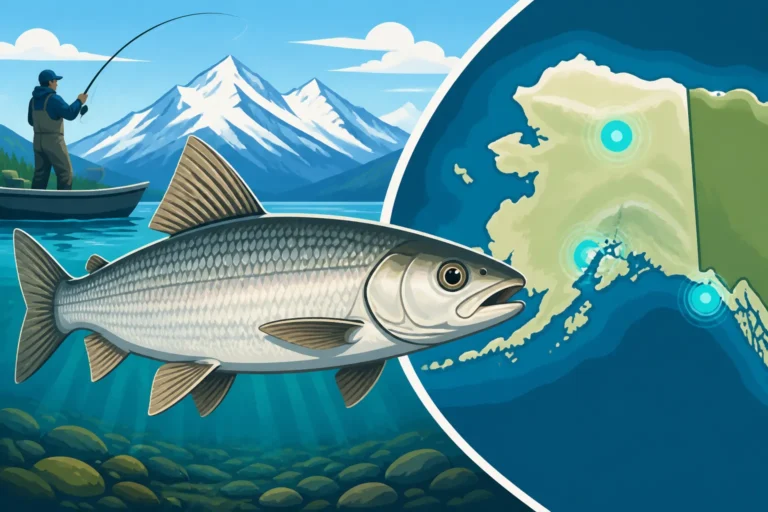
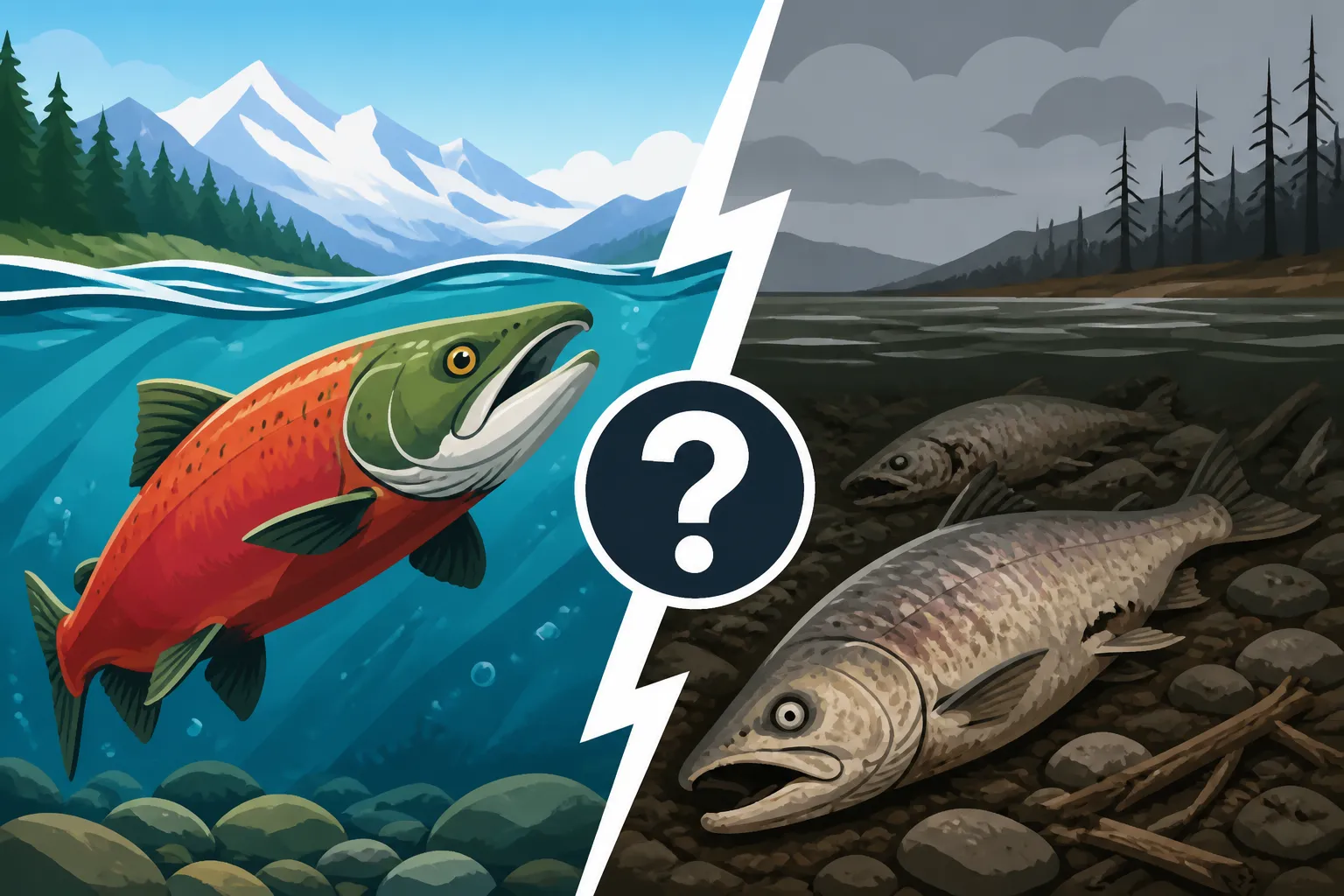
It's a question that weighs on the hearts of many anglers and nature enthusiasts who visit Alaska: after their incredible journey upstream, after battling currents and predators, do Alaska salmon truly die after spawning? It's a bittersweet reality that shapes the very essence of these magnificent fish, and understanding this final act is key to appreciating their remarkable life cycle. This guide will take a deep dive into the fascinating, albeit poignant, conclusion to the salmon's epic tale.
The Salmon Life Cycle: A Heroic Journey
When you cast your line into an Alaskan river, whether you're targeting a feisty coho or a colossal king, you're tapping into a cycle of life that is nothing short of miraculous. These fish undertake one of the most arduous migrations on Earth, driven by an instinctual imperative to return to their natal waters. It's a journey filled with incredible growth, immense challenges, and ultimately, a powerful sacrifice.
From Egg to Smolt: The Early Years
The life of an Alaskan salmon begins in the gravel beds of freshwater streams and rivers. Females, often exhausted from their upstream migration, meticulously prepare redds—nests dug in the streambed—where they deposit their eggs. Males then fertilize these eggs. It's a vulnerable period, with eggs susceptible to predation, fluctuating water levels, and harsh winter conditions. After hatching, the tiny alevin, still carrying their yolk sacs for nourishment, remain hidden in the gravel. Once the yolk sac is absorbed, they emerge as fry, actively feeding on small aquatic insects. As they grow, they transition into smolts, developing the physiological changes necessary to survive in saltwater. This freshwater stage can last from a few months to several years, depending on the species and environmental conditions.
The Ocean Feast: Growth and Maturation
Upon entering the vastness of the Pacific Ocean, Alaskan salmon embark on a period of intense feeding and growth. They travel thousands of miles, often across the Gulf of Alaska and the Bering Sea, gorging on krill, squid, and smaller fish. This is where they put on the bulk and strength that makes them such prized catches. The ocean phase is critical for accumulating the energy reserves needed for their return migration and spawning. During this time, they mature sexually, their bodies undergoing significant transformations in preparation for their final mission. The length of time spent in the ocean varies by species; some, like pink salmon, spend only a year, while king salmon might spend four to five years or even longer. This incredible period of ocean foraging is what makes catching a robust, chrome-bright salmon such a thrilling experience.
The Epic Upstream Migration: Return to the Spawning Grounds
The call of their home river eventually pulls mature salmon back. This homing instinct is incredibly precise, allowing them to navigate vast ocean distances and pinpoint the exact stream where they were born. As they enter freshwater, they stop feeding entirely, relying solely on the fat reserves built during their ocean phase. Their bodies begin to change dramatically: their silvery ocean coloration gives way to vibrant spawning colors, males develop hooked jaws (kypes), and their flesh, rich with omega-3s, starts to deteriorate as their energy is redirected toward reproduction. The upstream journey is a gauntlet of challenges: dodging bears, eagles, and other predators, leaping waterfalls, battling powerful currents, and evading anglers. It's a testament to their unwavering determination, a single-minded drive to perpetuate their species. If you've ever seen the incredible spectacle of sockeye salmon turning crimson as they battle their way up the Russian River or the Kenai, you know just how epic this final leg of their journey truly is.
Semelparity vs. Iteroparity: Understanding the Salmon's Sacrifice
The question of whether salmon die after spawning isn't just a casual observation; it touches upon a fundamental biological strategy known as semelparity. It's a concept that helps explain why these fish undertake such a dramatic final act.
The Ultimate Sacrifice: Pacific Salmon's Semelparous Strategy
The vast majority of Alaska's Pacific salmon species exhibit a reproductive strategy called semelparity. This means they reproduce only once in their lifetime and then die shortly after spawning. It's an "all-in" approach: every ounce of energy, every physiological resource, is invested into that single reproductive event. From the moment they enter freshwater, their bodies are essentially on a timer. They stop feeding, their immune systems weaken, and their organs begin to shut down, all while they exert immense energy to migrate, dig redds, and lay/fertilize eggs. This strategy ensures maximum reproductive output in a single, high-stakes event. While it might seem like a tragic end, this sacrifice is incredibly beneficial to the ecosystem, providing a vital influx of marine-derived nutrients that fertilize the surrounding environment. It's why Alaska's pristine rivers and forests are so vibrant and productive.
The Rare Exceptions: When Salmon Might Break the Rules
While semelparity is the rule for Pacific salmon, nature always has a few curveballs. There are some rare instances of what's called iteroparity, where an organism can reproduce multiple times throughout its life. For Pacific salmon, genuine iteroparity is almost non-existent. However, some individual fish, particularly among species like coho salmon, might survive the initial spawning process in very rare circumstances, especially if the migration isn't too strenuous and they manage to avoid injury or disease. These "repeat spawners" are exceptionally uncommon and don't represent a significant portion of the population.
There are also instances with some trout and char species, like rainbow trout (which include steelhead, the anadromous form) and Dolly Varden, that are often mistaken for salmon. These species are iteroparous—they can and do return to the ocean after spawning and reproduce again in subsequent years. This distinction is important when considering fish like the majestic Alaskan Steelhead Catch-and-Release Rules, where careful handling ensures these repeat spawners have the best chance to continue their lifecycle. However, for the five species of Pacific salmon found in Alaska, death after spawning is the undeniable biological imperative.
Which Alaska Salmon Species Die After Spawning?
Let's get specific. When we talk about Alaska salmon, we're primarily referring to the five species of Pacific salmon. Each of these species, despite their individual characteristics and habitats, shares this common fate after their reproductive act. This powerful end-of-life cycle is a defining feature of their biology.
King Salmon: The Monarch's Final Journey
The magnificent Alaska King Salmon: Complete Guide are the largest and often most sought-after salmon species. Known as Chinook salmon elsewhere, they command respect for their immense size and incredible fighting power. Kings typically spend 3 to 7 years in the ocean, growing to impressive dimensions, with some individuals exceeding 50 pounds. Their arduous journey to spawn, often covering vast distances in large rivers like the Kenai and Nushagak, requires every last ounce of their strength. Once they reach their spawning grounds, the females lay their eggs, and the males fertilize them. Shortly after this, typically within a few days to a couple of weeks, both male and female King Salmon succumb to exhaustion and physiological breakdown. Their bodies contribute essential nutrients back to the river system, completing their life cycle as a testament to their "all-in" reproductive strategy.
Sockeye Salmon: A Crimson Legacy
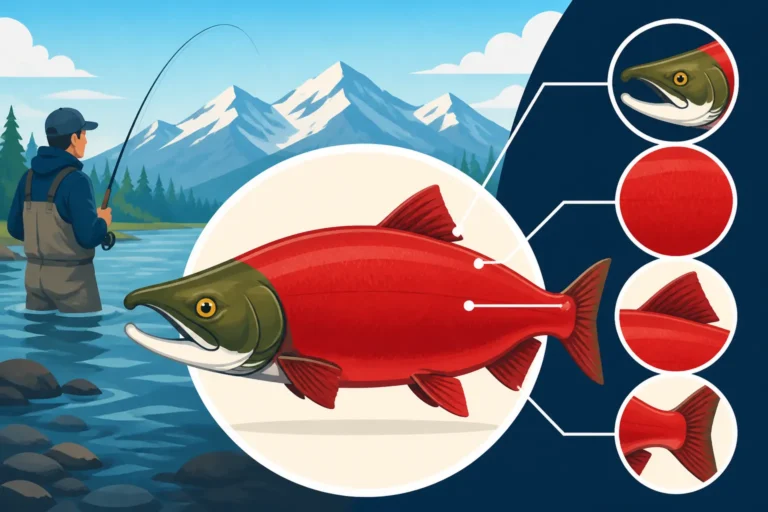
Alaska Sockeye Salmon Explained, or red salmon, are famous for their vibrant red flesh and their dramatic transformation to a deep crimson body and green head during spawning. They are crucial for both sport and commercial fisheries, particularly in places like Bristol Bay and the Kenai River. Sockeye spend 2 to 3 years in the ocean, feeding primarily on zooplankton, which gives their flesh its distinctive color. When they return to their natal streams, they navigate some of the most challenging rivers, often in incredibly dense schools, such as during the famous Kenai River Sockeye Recording Rules. Like their King Salmon cousins, Sockeye commit entirely to spawning. After successfully laying and fertilizing their eggs, these beautiful fish die. Their mass die-off provides a huge nutrient pulse to the riparian ecosystem, fueling the growth of trees, insects, and subsequent generations of fish.
Coho Salmon: The Silver Bullet's Last Run
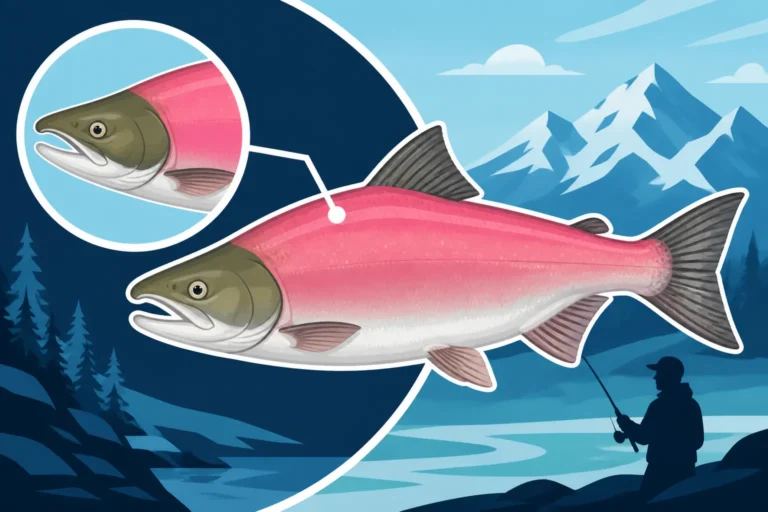
Coho salmon, also known as silver salmon, are revered for their acrobatic fights and their tendency to bite aggressively even late in the season. These "silver bullets" spend 1 to 2 years in the ocean, returning to spawn in late summer and fall. Their migration is often less extensive than kings or sockeye, but no less demanding. You might catch them in coastal streams and rivers throughout Southeast and Southcentral Alaska. During their freshwater journey to spawn, coho males develop a pronounced kype and can take on a darker, reddish hue. Once they complete their reproductive duties, laying eggs in smaller tributaries, the Coho Salmon also perish. This annual cycle of death and rebirth is a constant reminder of the incredible Alaska Salmon Run Timing Explained, ensuring that the next generation has the best possible chance to thrive. You can learn more about these fish in Alaska Coho Salmon: Facts and Fishing Tips.
Pink and Chum Salmon: Abundance in Sacrifice
Pink salmon (humpies) and Chum salmon (dogs) are often found in immense numbers, especially in coastal areas. Pink salmon have the shortest life cycle, typically spending only two years from egg to adult to spawning death. They are characterized by the pronounced hump males develop during spawning. Alaska Pink Salmon: Facts and Fishing Tips, though often overlooked by some anglers, provide an incredible fishery opportunity due to their sheer abundance. Chum salmon, discussed in Alaska Chum Salmon: Facts and Fishing Tips, are larger than pinks and known for their distinctive tiger-stripe patterns during spawning. Both pink and chum salmon are classic examples of semelparity. Their return to spawn, often in estuaries and lower river sections, involves laying numerous eggs. After spawning, both species die, and their decaying bodies contribute significantly to the nutrient load of the rivers and the marine nearshore environment. This massive biological contribution is essential for the health and productivity of Alaskan ecosystems.
Here's a quick overview of the Pacific salmon species and their post-spawning fate:
| Salmon Species | Common Name | Typical Ocean Lifespan | Post-Spawning Fate |
|---|---|---|---|
| Oncorhynchus tshawytscha | King Salmon (Chinook) | 3-7 years | Dies after spawning |
| Oncorhynchus nerka | Sockeye Salmon (Red) | 2-3 years | Dies after spawning |
| Oncorhynchus kisutch | Coho Salmon (Silver) | 1-2 years | Dies after spawning |
| Oncorhynchus gorbuscha | Pink Salmon (Humpy) | 1 year | Dies after spawning |
| Oncorhynchus keta | Chum Salmon (Dog) | 2-4 years | Dies after spawning |
The Ecological Impact of Salmon Die-Offs
While the death of millions of salmon after spawning might seem like a somber end, it's actually a vital process that underpins the health and biodiversity of Alaska's ecosystems. Without this mass die-off, the intricate web of life in and around salmon-bearing rivers would simply not flourish in the same way. It's truly a profound example of nature's elegant, if sometimes brutal, balance.
Nutrient Cycling: Fueling the Ecosystem
The decomposition of salmon carcasses after spawning releases a huge amount of marine-derived nutrients back into the freshwater and riparian environments. Think about it: these fish spent years in the nutrient-rich ocean, accumulating vast stores of nitrogen, phosphorus, carbon, and other essential elements from their diet. When they die in freshwater, these nutrients become available to the ecosystem. The decaying salmon literally fertilize the riverbeds, supporting algae, aquatic invertebrates, and the very young salmon fry that hatched from the recently laid eggs. This process extends beyond the water; bears, eagles, and other animals drag carcasses into the surrounding forests, depositing marine nutrients onto the land. This enriches the soil, promoting the growth of trees and vegetation along the riverbanks. It's a powerful and direct link between the ocean's productivity and the health of the terrestrial environment, making the entire system incredibly robust. This is a critical aspect of the Alaska Salmon Life Cycle Explained.
Wildlife Feast: Sustaining Alaska's Predators
The annual salmon runs and subsequent die-offs provide a critical food source for a vast array of Alaskan wildlife. Bears, both brown and black, gather along rivers like the famous Brooks Falls to feast on the migrating salmon, bulking up for winter hibernation. Eagles soar overhead, snatching fish from the water. Otters, wolves, foxes, and numerous bird species also rely heavily on this seasonal bounty. For many of these predators, the sheer abundance of salmon allows them to raise their young, survive lean periods, and maintain healthy populations. The timing of the Alaska Salmon Run Timing Explained, from early Kings to late Coho, ensures a prolonged feeding period for many animals. Without the post-spawning die-off, this critical food web would collapse, leading to a ripple effect that would impact countless species throughout Alaska. It’s a testament to the immense power of nature’s intricate connections.
Future Generations: The Cycle Continues
Perhaps the most important impact of the salmon die-off is its contribution to the success of future generations. As mentioned, the decomposing carcasses enrich the aquatic environment, providing food for the tiny invertebrates that young salmon fry will feed on once they emerge from the gravel. Furthermore, larger pieces of decaying salmon flesh provide cover and habitat for young fish. The cycle of life, death, and renewal is perfectly balanced. The older generation's final act directly nourishes the environment that will support their offspring. It's a powerful testament to natural selection and the incredible adaptations that have allowed these fish to thrive for millennia. For anyone who cherishes the wildness of Alaska, understanding that this process is vital helps put the "sad" ending of the salmon's journey into a much grander, more appreciative perspective. When you see a salmon struggling upstream, remember the profound ecological role it is about to play, even in its death.
Disclaimer
The information provided in this guide is for general informational purposes only and does not constitute professional advice. Fishing regulations and conditions in Alaska can change frequently. Always consult the latest Alaska Department of Fish and Game regulations and emergency orders before planning any fishing trip. Be aware of local conditions and practice responsible angling.