Best Salmon for Smoking from Alaska
Choosing the right salmon for smoking can feel like navigating a delicious minefield. You want that perfect balance of smoky flavor, moist texture, and rich taste, but with so many incredible Alaskan salmon species available, how do you know which one will deliver the best results? This guide is here to cut through the confusion and help you select, prepare, and smoke the absolute best salmon from Alaska for an unforgettable culinary experience.
Understanding What Makes Salmon Great for Smoking
When you're thinking about smoking salmon, it's not just about getting smoke on the fish. There's a science and an art to it, and the type of salmon you start with plays a monumental role in the final product. Not all salmon are created equal when it comes to hitting that sweet spot of flavor, moisture, and texture after hours in a smoker.
Fat Content is King (or Queen!)
Let's be real: fat is flavor, and when it comes to smoking, fat is also moisture and tenderness. A fattier piece of salmon will absorb the smoke better, remain incredibly succulent through the smoking process, and offer a much richer mouthfeel than its leaner counterparts. Think of it like a self-basting mechanism. As the salmon smokes, the fat slowly renders, infusing the meat with its own natural oils and the smoky goodness from your wood chips.
If you choose a lean salmon, you're fighting an uphill battle against dryness. You'll need to be far more careful with your brining and smoking temperatures to prevent it from turning into fish jerky. High fat content acts as a buffer, making the smoking process more forgiving and the results consistently superior. This is why certain species are highly prized by smokehouse professionals and home enthusiasts alike. The natural oils in the flesh keep the salmon tender and flaky, allowing it to withstand the heat and smoke without drying out.
Texture and Flake
Beyond fat, the inherent texture of the salmon flesh is a huge factor. Some salmon species have a denser, more robust texture, while others are incredibly delicate. When subjected to the heat and smoke, these textures behave differently. A salmon with a firm, large-flaked flesh tends to hold up beautifully, maintaining its structural integrity and offering a satisfying bite. This is crucial for both hot-smoked fillets that you might serve as a main course and cold-smoked slices for a bagel spread.
On the other hand, very delicate, small-flaked salmon can sometimes become mushy or fall apart during the smoking process, especially if overcooked or if the handling isn't meticulous. You want a fish that, once smoked, separates into distinct, tender flakes rather than crumbling into bits. This textural integrity also affects how well the fish absorbs and retains the smoke flavor; a denser flesh can often stand up to longer smoke times, developing a deeper flavor without becoming overly dry. Understanding these nuances helps you tailor your smoking method to the specific salmon species you’ve chosen.
Flavor Profile Considerations
Every species of Alaskan salmon boasts its own distinct flavor profile, a characteristic that remains even after smoking. Some have a bold, robust, almost "fishy" taste (in the best way!), while others are more subtle and delicate. When you introduce smoke, you're adding another layer to this natural flavor. You want a harmonious marriage, not a competition.
For example, a salmon with a naturally strong flavor might pair wonderfully with a robust wood smoke, creating a complex and intense experience. A milder salmon, however, might be overwhelmed by the same strong smoke, losing its inherent character. Consider the type of wood you're using too; alder and apple woods offer a milder, sweeter smoke, while hickory or mesquite can be much more assertive. The goal is to enhance the salmon's natural deliciousness, not mask it. Knowing the inherent taste of your chosen salmon helps you decide on brining ingredients and smoking wood to achieve the perfect balance.
The Contenders: Alaska's Salmon Species for Smoking
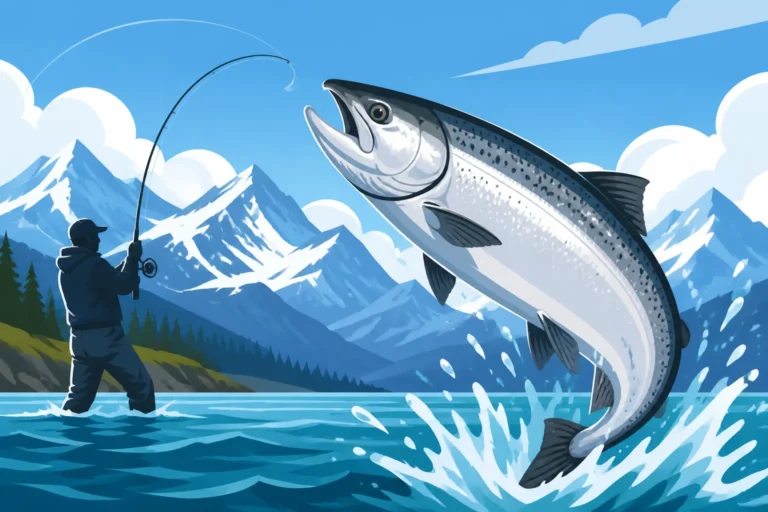
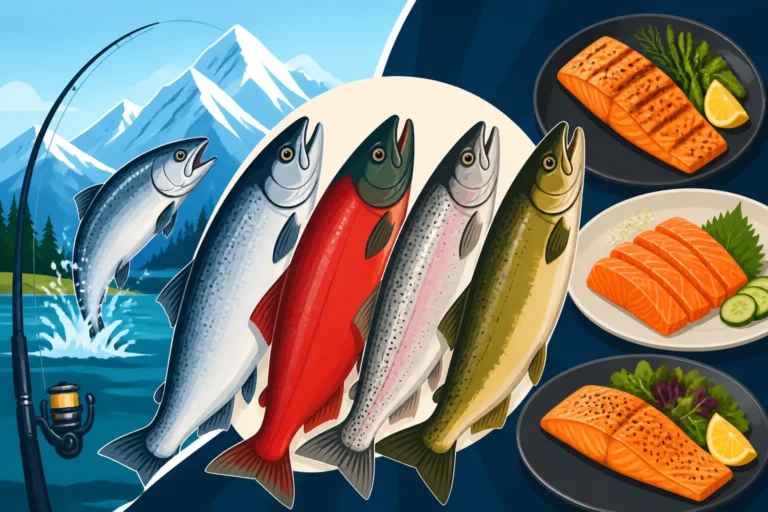
Alaska is truly the salmon capital of the world, with five distinct species of Pacific salmon gracing its waters. Each offers a unique set of characteristics that make it more or less suitable for smoking. Let's dive into the specifics of these incredible fish. If you're keen to learn more about them, you can check out our comprehensive guide on Types of Salmon in Alaska Explained.
King Salmon (Chinook): The Undisputed Champion
When you ask seasoned Alaskan anglers or professional smokehouse operators, the King Salmon, also known as Chinook, is almost universally crowned the king of smoked salmon. These magnificent fish are renowned for their exceptionally high fat content, which is a game-changer for smoking. This intramuscular fat renders slowly during the smoking process, keeping the flesh incredibly moist, tender, and succulent. The richness of a smoked King Salmon is unparalleled, melting in your mouth with every bite. To learn more about these amazing fish, check out our Alaska King Salmon: Complete Guide.
Beyond the fat, King salmon also possess a distinct, rich, and buttery flavor that stands up beautifully to smoke. It’s not overly "fishy" but has a profound depth of taste that connoisseurs seek. The texture is firm yet flaky, with large, luscious flakes that hold together well. Whether you're hot-smoking a thick fillet or cold-smoking for lox-style slices, the King salmon delivers a consistently superior product. Its robust nature makes it forgiving for home smokers, absorbing smoke flavor without drying out quickly. If you're going for the best possible outcome, especially for a special occasion, the King salmon is absolutely your top pick. Those looking to target this species might find our guide on How to Catch King Salmon in Alaska helpful.
Sockeye Salmon (Red): A Flavorful, Firmer Alternative
Sockeye Salmon, often called Red Salmon due to its vibrant, deep red flesh, is another fantastic choice for smoking, offering a slightly different profile than the King. While not as fatty as a King, Sockeye still has a respectable fat content that translates to a moist and flavorful smoked product. Its fat is distributed differently, giving it a firmer, denser texture than the King. This firmness is a huge asset for smoking, as it maintains its shape and doesn't easily fall apart, making it excellent for flaking into salads or serving in larger pieces. You can discover more about these brilliant fish in our Alaska Sockeye Salmon Explained article.
Sockeye's flavor is robust, distinct, and often described as having a cleaner, more intense "salmon" taste compared to the King's buttery notes. Its wild diet, rich in crustaceans, contributes to its unique flavor and brilliant color, which remains vibrant even after smoking. This species is particularly popular for hot-smoking, where its firm texture and strong flavor shine. If you appreciate a more pronounced salmon flavor and a firmer texture in your smoked fish, Sockeye is an outstanding choice. Many anglers specifically target these fish, especially during their famous runs, and our How to Catch Sockeye Salmon in Alaska guide offers excellent tips.
Coho Salmon (Silver): The Versatile Middle Ground
Coho Salmon, or Silver Salmon, often sits comfortably as a versatile middle-ground option for smoking. It offers a good balance of fat content, flavor, and texture, making it a reliable and delicious choice. Coho typically has a moderate to high fat content, less than a King but often more than a Sockeye, leading to a moist and tender smoked fish. Its flesh is a beautiful orange-red, lighter than Sockeye, and it has a delicate, fine-flaked texture that holds together well. Learn all about this species in our Alaska Coho Salmon: Facts and Fishing Tips post.
The flavor of Coho salmon is milder and more subtle than both King and Sockeye, often described as delicate and clean. This milder taste makes it incredibly versatile; it pairs beautifully with a wide range of brines and smoking woods without being easily overpowered. If you're looking for a smoked salmon that isn't too rich or too intense, Coho is an excellent candidate. It’s superb for both hot and cold smoking and is often a more budget-friendly option than King salmon, making it a fantastic choice for those who smoke salmon regularly. For those aiming to land these prized fish, our article on How to Catch Silver Salmon in Alaska provides valuable insights.
Chum Salmon (Dog): The Leaner, Budget-Friendly Option
Chum Salmon, also known as Dog Salmon, has often gotten a bad rap in the culinary world, but for smoking, it can be a surprisingly good and economical choice if prepared correctly. Chum salmon is significantly leaner than King, Sockeye, or Coho, which means you need to be more attentive during the brining and smoking process to prevent it from drying out. However, what it lacks in fat, it makes up for in its firm, dense flesh. Our Alaska Chum Salmon: Facts and Fishing Tips article offers a deep dive into this often-misunderstood species.
The flavor of Chum is milder than Sockeye, but more pronounced than Pink, with a clean, ocean-fresh taste. Its firm texture holds up exceptionally well to the smoking process, resulting in a product that can be wonderfully chewy and robust. The key to successfully smoking Chum is an extended brine, perhaps with more sugar or oil, and careful temperature management to keep the moisture in. Some smokers even baste leaner fish during the process. If you're on a budget or have access to an abundance of Chum, don't write it off; with the right technique, it can produce a very satisfying smoked salmon, perfect for flaking into dips, spreads, or even for making salmon candy.
Pink Salmon (Humpy): Best for Certain Applications
Pink Salmon, affectionately known as "Humpies" due to the pronounced hump developed by males during spawning, is the most abundant and smallest of Alaska's salmon species. It is also the leanest. While generally not the top choice for traditional hot or cold smoking due to its low fat content and delicate, soft flesh, it can still have its place. Due to its leanness, Pink salmon tends to dry out very quickly during smoking, becoming somewhat brittle or powdery if not handled with extreme care. More information about these small but mighty fish can be found in our Alaska Pink Salmon: Facts and Fishing Tips guide.
However, Pink salmon does have a mild, delicate flavor that can be quite pleasant when smoked correctly. Its best application might be for making finely flaked smoked salmon products, like salmon dip, or for very quick, low-temperature smoking, where the goal is less about a moist fillet and more about infusing a subtle smoke flavor into a delicate product. If you have an abundance of Pink salmon and want to experiment, focus on a thorough brine, very low and slow smoking temperatures, and consider using it in recipes where its flakiness is an advantage rather than a drawback. Don't expect the rich, buttery experience of a King, but with ingenuity, it can still be a tasty option.
Preparing Your Alaskan Salmon for Smoking Success
Getting your salmon ready for the smoker is just as important as the smoking itself. The right preparation ensures your fish absorbs flavor, stays moist, and develops that beautiful, shiny finish.
The Importance of Brining
Brining is a non-negotiable step when smoking salmon. It's not just about adding flavor; it's absolutely crucial for moisture retention, especially with leaner fish. A good brine introduces salt and sugar (and often other spices) into the fish's cellular structure. The salt helps to break down proteins, allowing the muscle fibers to hold onto moisture better, preventing that dreaded dry, tough texture. The sugar, meanwhile, balances the saltiness, contributes to that lovely glazed finish (the "pellicle"), and can add a subtle sweetness that complements the smoke.
You can use a wet brine (submerging the fish in a liquid solution) or a dry brine (rubbing the fish with a mixture of salt, sugar, and spices). Both work effectively, but wet brines tend to penetrate more evenly. For a general guideline, a common wet brine might include 1 cup of kosher salt, 1/2 cup of brown sugar, and a gallon of water, plus any additional seasonings like garlic, black pepper, or bay leaves. Brining times vary by fillet thickness and salmon species; leaner fish like Chum or Pink might benefit from a slightly longer brine, while Kings might need less time due to their inherent fat. Remember to rinse the salmon thoroughly after brining to remove excess salt and spices.
Drying Pellicle Formation
After brining and rinsing, the next critical step is to allow your salmon fillets to air dry, forming a tacky, slightly shiny surface layer known as a "pellicle." This isn't just for show; the pellicle is essential for successful smoking. A properly formed pellicle provides a sticky surface for the smoke to adhere to, allowing for a more even and robust smoke penetration. Without it, the smoke simply won't stick as effectively, resulting in a less flavorful and poorly colored smoked product.
To form a pellicle, place your brined and rinsed salmon fillets, skin-side down, on a wire rack set over a baking sheet. Ensure there's good air circulation around the fish. You can let them air dry at room temperature (in a cool, dry place away from direct sunlight and pests) or in the refrigerator. A small fan can dramatically speed up this process. Depending on humidity and air flow, this can take anywhere from 2 to 6 hours. You'll know it's ready when the surface of the fish feels dry and slightly sticky to the touch, almost like thin leather. Don't skip this step – it’s a cornerstone of excellent smoked salmon.
Hot vs. Cold Smoking Considerations
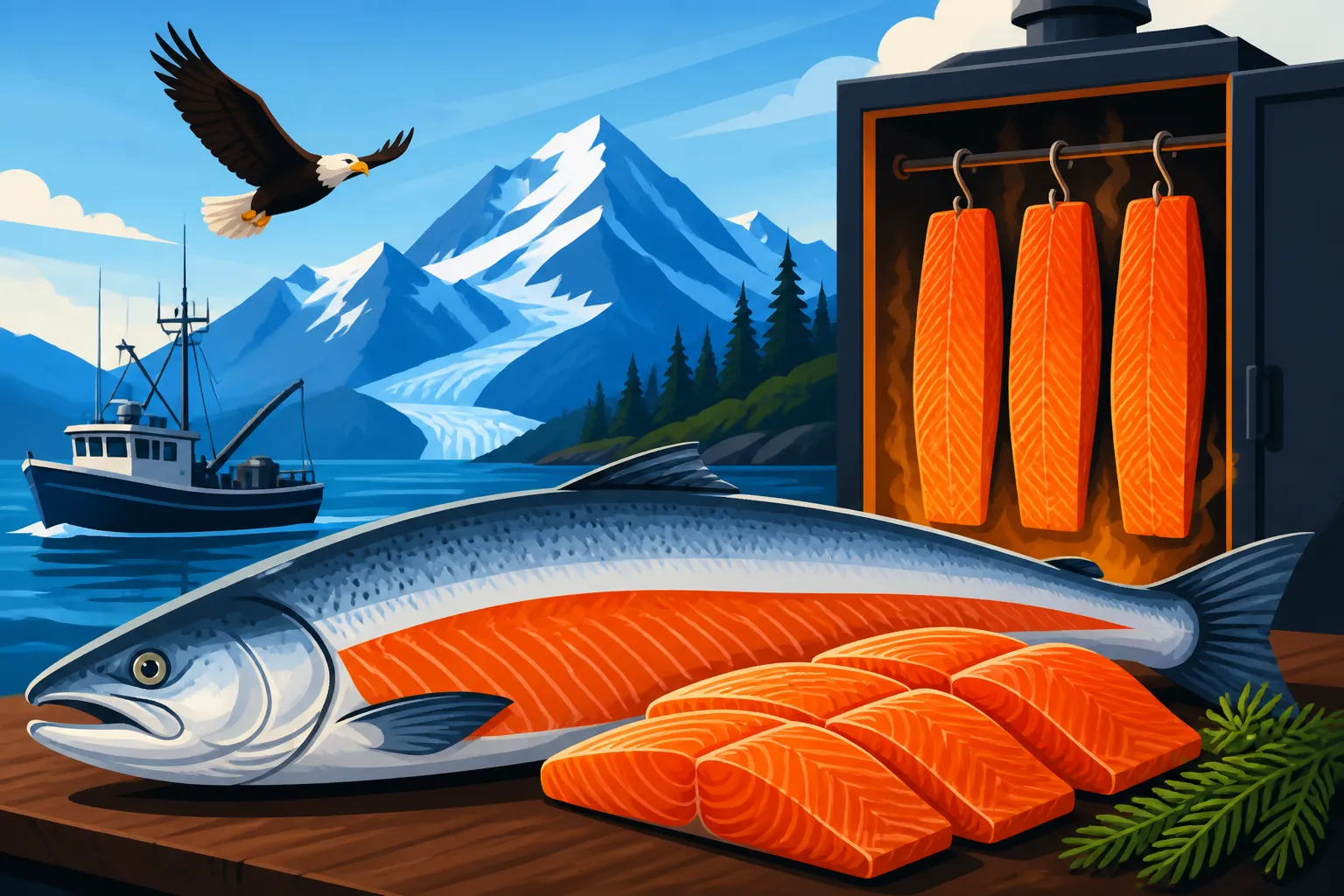
The choice between hot smoking and cold smoking will also influence your salmon selection and preparation. Hot smoking involves cooking the salmon at temperatures typically between 140°F and 200°F (60°C to 93°C) until it's fully cooked and flaky. This method yields a delicious, ready-to-eat product that's perfect for a main course or flaked into salads. Most home smokers use the hot smoking method. Fattier salmon species like King and Coho excel here, remaining moist and rich. Even Sockeye does wonderfully.
Cold smoking, on the other hand, is a much more delicate process, where the salmon is exposed to smoke at very low temperatures, typically below 80°F (27°C), for an extended period, often 12-24 hours or more. The fish is not cooked by the heat but cured and infused with smoke flavor. This method requires careful temperature control to prevent bacterial growth and is usually done with salmon that has been fully cured in salt. Cold-smoked salmon is what you typically find sliced thinly as "lox" and is usually served raw. For cold smoking, a firmer flesh and good fat content (like King or a well-cured Sockeye) are desirable to withstand the long smoking time and retain texture. Regardless of your method, preparing the salmon properly is key, and our guide on Best Fishing Techniques for Alaska might offer broader insights into fish handling.
Tips for Smoking Different Alaskan Salmon Species
Now that you understand the nuances of each species and the importance of preparation, let's talk about specific smoking strategies to get the best out of your chosen Alaskan salmon.
Smoking King Salmon
When you're working with King Salmon, you've got a fantastic head start due to its high fat content. This makes it incredibly forgiving and almost guarantees a moist, flavorful product. For hot smoking, aim for a gradual rise in temperature. Start your smoker around 130-140°F (54-60°C) for the first hour or two to allow the smoke to penetrate and the pellicle to firm up further without cooking the fish too quickly. Then, gradually increase the temperature to 175-185°F (79-85°C) until the internal temperature of the thickest part of the fillet reaches 140-145°F (60-63°C). This usually takes 3-6 hours, depending on thickness.
Because of its fat, King salmon can handle a good amount of smoke without drying out. Use milder woods like alder, apple, or cherry for a sweet, nuanced flavor that complements its richness. Avoid overpowering it with heavy woods like mesquite. Some folks even like to add a touch of maple syrup or honey to their brine or brush it on during the last hour of smoking for that classic "salmon candy" glaze. The high fat content means you can be a bit more relaxed about short temperature fluctuations, which is a blessing for home smokers. After smoking, let it rest, then chill before serving. Our How to Fillet a Salmon in Alaska guide can help ensure your starting cuts are perfect.
Smoking Sockeye and Coho Salmon
Sockeye and Coho salmon, while excellent for smoking, require a bit more attention than the super-fatty King. Their moderate fat content means you'll want to be extra careful not to overcook them, which can lead to dryness. For both, a good brine is paramount to lock in moisture. For hot smoking, aim for similar starting temperatures as King salmon (130-140°F for the first hour), then gradually increase to 160-170°F (71-77°C). The goal here is to cook it through without rendering too much fat too quickly.
Monitor the internal temperature closely. Sockeye and Coho are done when they reach an internal temperature of 135-140°F (57-60°C). They will continue to cook slightly after removal from the smoker (carry-over cooking), so pulling them a few degrees early is a good strategy. Total smoking time will likely be shorter than for a thick King fillet, perhaps 2-4 hours. Woods like alder, apple, and pecan are excellent choices, offering a gentle smoke that enhances their clean flavors without overwhelming them. Some people prefer a slightly shorter smoke time for Sockeye to preserve its vibrant color and distinct flavor. Both species benefit from a good rest period after smoking, allowing the juices to redistribute for maximum tenderness.
Smoking Chum and Pink Salmon
Smoking leaner species like Chum and Pink salmon is definitely achievable, but it requires a strategic approach to prevent them from becoming dry and tough. Brining is absolutely critical here, and you might consider a slightly longer brine time or a brine with a bit more sugar or even a touch of oil to aid in moisture retention. After brining, a well-developed pellicle is more important than ever.
For hot smoking, lower and slower is the mantra. Keep your smoker temperature consistently lower, perhaps in the 120-150°F (49-66°C) range for most of the cooking cycle. This slower, gentler heat allows the fish to cook without forcing out too much moisture too quickly. Some smokers even baste leaner fish periodically with a mixture of melted butter, olive oil, or apple cider vinegar during the last hour or two of smoking to add moisture and flavor. Monitor the internal temperature very closely, pulling the fish when it reaches 130-135°F (54-57°C) to prevent overcooking.
Light, fruity woods like apple, peach, or maple are best for these milder-flavored fish, as strong woods can easily overpower their delicate taste. Chum, with its firmer flesh, can withstand a bit more smoke and heat than Pink salmon. Pink salmon, being the leanest and most delicate, is best handled with the utmost care, perhaps even considering shorter smoke times or using it specifically for flaked smoked salmon recipes where a very moist fillet isn't the primary goal. Don't be afraid to experiment with different rubs and brines when smoking these species; a little extra effort can yield surprisingly delicious results.
Here's a quick comparison table to help you decide:
| Salmon Species | Fat Content | Texture | Flavor Profile | Hot Smoking Suitability | Cold Smoking Suitability | Common Uses After Smoking |
|---|---|---|---|---|---|---|
| King (Chinook) | Very High | Firm, Large Flakes | Rich, Buttery | Excellent | Excellent | Fillets, salmon candy, lox |
| Sockeye (Red) | Moderate | Firm, Denser Flesh | Robust, Distinct | Excellent | Good | Fillets, salads, dips |
| Coho (Silver) | Moderate | Delicate, Fine Flake | Mild, Clean | Very Good | Good | Fillets, appetizers, spreads |
| Chum (Dog) | Low | Firm, Dense | Mild, Clean | Good (with care) | Fair (with extra cure) | Flaked, dips, jerky |
| Pink (Humpy) | Very Low | Soft, Small Flake | Very Mild | Fair (very delicate) | Not Recommended | Flaked for dips, spreads |
Remember, no matter which Alaskan salmon you choose, the key is attention to detail, a good brine, proper pellicle formation, and careful temperature management. Each species offers a unique and wonderful experience when smoked, and with these tips, you're well on your way to enjoying some of the best smoked salmon imaginable. The Alaskan salmon season, typically running from late May through September, with specific species peaking at different times, is often tracked by anglers and processors alike; knowing the Alaska Salmon Run Timing Explained can help you source the freshest fish.
Disclaimer
The information provided in this guide is for general informational purposes only. While we strive to offer accurate and up-to-date advice, fishing regulations, fish populations, and environmental conditions in Alaska can change rapidly through emergency orders. Always consult the latest regulations from the Alaska Department of Fish and Game (ADF&G) before planning your trip or engaging in any fishing activities. Adherence to all local, state, and federal laws is your responsibility. Fishing and outdoor activities inherently involve risks; please exercise caution and good judgment to ensure your safety.