Alaska Sheefish: Facts and Fishing Tips
Many anglers arrive in Alaska dreaming of epic battles with King Salmon or hauling in massive Halibut, often completely overlooking one of the state's most unique and exhilarating freshwater fighters: the Sheefish. This powerful, acrobatic predator, often hailed as the "Tarpon of the North," offers a completely different, wild, and incredibly rewarding fishing experience. This comprehensive guide will peel back the mystery surrounding these incredible fish, sharing vital facts and actionable fishing tips to help you conquer your next Sheefish adventure.
Understanding the Alaska Sheefish: The "Tarpon of the North"
The Sheefish, or Stenodus leucichthys, is a truly remarkable fish, both in its appearance and its fighting prowess. It's not just another char or salmon; it occupies its own special place in Alaska's diverse aquatic ecosystem. For those who venture into its remote domain, it offers an unforgettable angling challenge.
Physical Characteristics and Biology
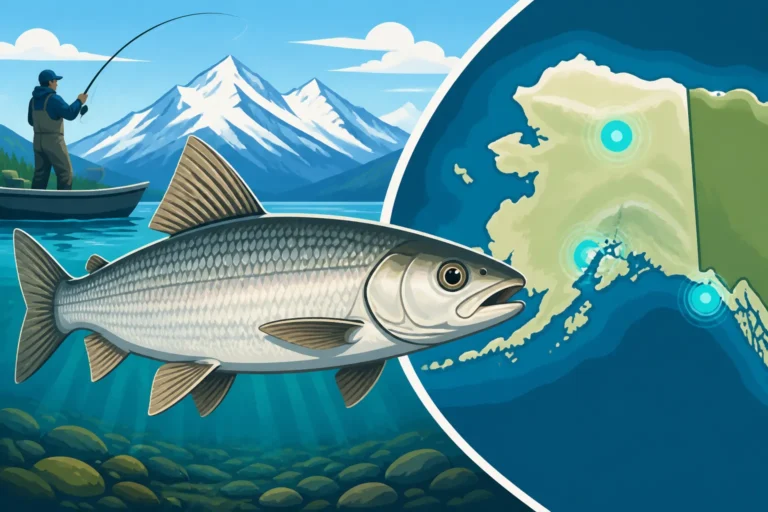
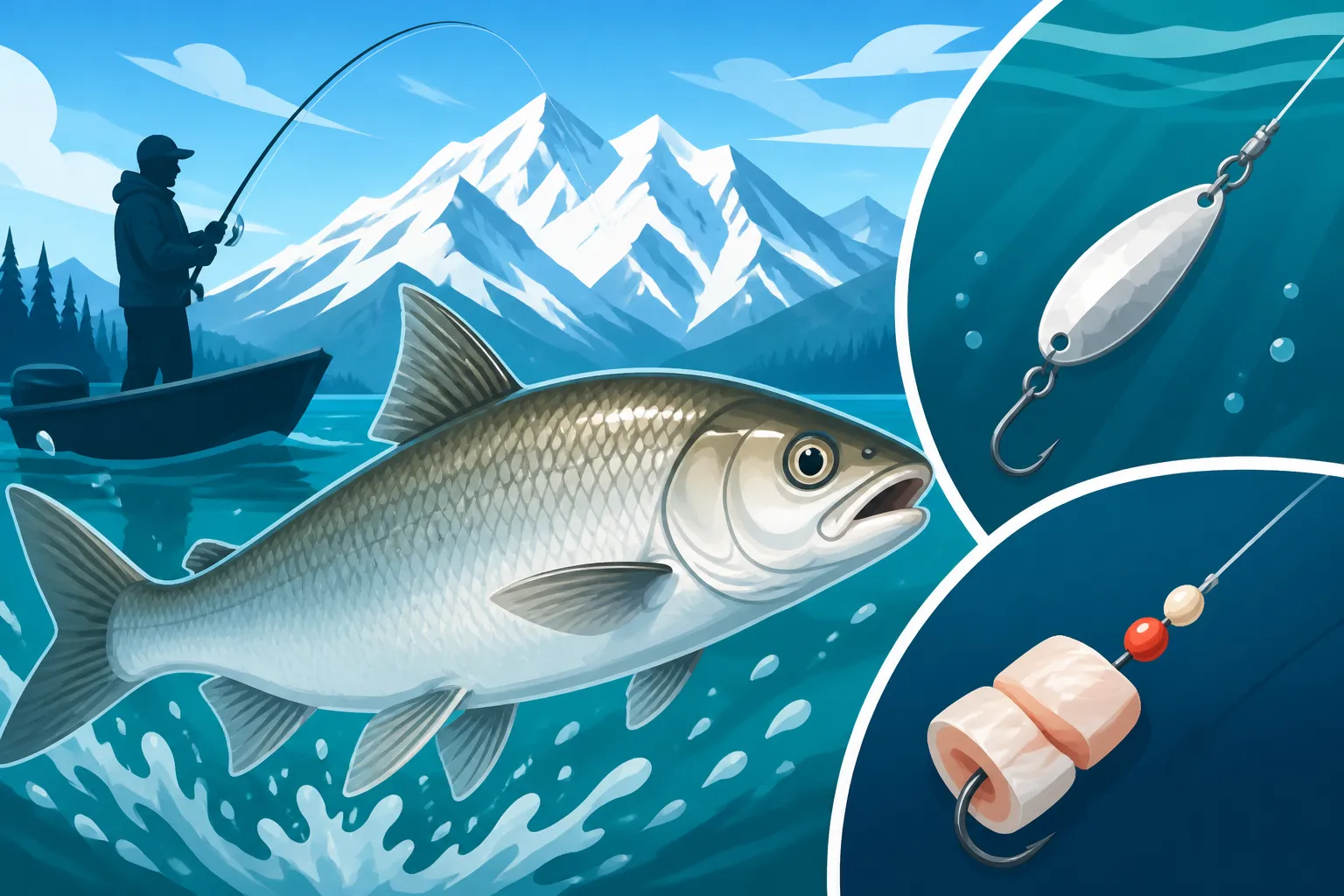
When you first lay eyes on a Sheefish, you'll immediately notice its sleek, torpedo-shaped body, covered in shimmering silver scales that reflect the wild Alaskan light. They possess a distinctive large mouth with a pronounced lower jaw, giving them an almost prehistoric look. Their powerful tail fin is perfectly adapted for bursts of speed and incredible acrobatics once hooked. While an average Sheefish might be in the 20 to 30-inch range, these fish can grow to impressive sizes, with trophy specimens often exceeding 40 inches and pushing well over 30 pounds. This sheer size combined with their aggressive nature is precisely why they've earned the moniker "Tarpon of the North."
Biologically, Sheefish are fascinating. They are part of the whitefish family but behave much more like a salmonid or a pike. Many populations are anadromous, meaning they spend part of their lives in brackish or saltwater estuaries before migrating far upstream into freshwater rivers and lakes to spawn. Their diet consists primarily of smaller fish, such as whitefish, smelt, and juvenile salmon, making them opportunistic and voracious predators. Understanding their predatory habits is key to selecting the right lures and techniques. Unlike some fish that might mouth a bait, Sheefish often strike with an aggressive, confidence-inspiring hit that will get your heart pounding.
Unique Habitat and Behavior
Sheefish are truly a fish of the wild frontier. Their native range is confined to the vast, cold-water systems of the Arctic and subarctic regions, predominantly in western and interior Alaska. You won't find them in every roadside stream; these fish inhabit large, expansive rivers like the Kobuk, Selawik, Koyukuk, and various tributaries of the mighty Yukon and Susitna Rivers. Some populations also thrive in immense, remote lakes such as Lake Minchumina. These are not typically the bustling, easily accessible fisheries you might associate with Alaska's famous salmon runs.
Sheefish prefer clear, cold waters that offer ample forage fish and sufficient depth for their migrations and overwintering. Their behavior is largely dictated by their annual migrations. They undertake incredible journeys, often hundreds of miles upstream, from their feeding grounds to their spawning areas, typically in late summer or early fall. After spawning, they migrate back downstream to deeper river sections or large lakes for the winter. These migration periods, particularly when they are actively feeding in transition zones, are prime times for anglers to intercept them. They can be solitary hunters, ambushing prey, but will also school up, especially when following large baitfish migrations. Understanding these movements is paramount to successful Sheefish fishing. For a broader look at all the incredible fish species you can encounter, check out our Alaska Fish Species Guide.
Where to Find Sheefish in Alaska's Vast Wilderness
Finding Sheefish isn't like casting a line in a stocked pond. It requires venturing into some of Alaska's most remote and pristine landscapes. This is part of the allure, but it also means planning and preparation are essential.
Major Sheefish Hotspots
When we talk about Sheefish hotspots, we're really talking about grand, expansive river systems. The Kobuk River is arguably the most famous, often considered the heart of the Sheefish world. Its tributaries and confluence points are legendary. Similarly, the Selawik River and the Koyukuk River drainage offer incredible opportunities. Further south, you might find them in parts of the Susitna River system, though usually not as numerous as in the far north. Tributaries of the Yukon River, particularly the Porcupine River, also hold significant populations. Occasionally, large interior lakes can be productive, with Lake Minchumina being a notable example.
What makes these spots truly special is their remoteness. Most trips to these prime Sheefish waters involve flying in via bush plane to a remote lodge or camp, or taking a long boat ride upriver. This isn't a fishery where you simply drive up and start casting. The wild, untamed nature of these locations is part of the Sheefish mystique. It's an experience that connects you deeply with Alaska's true wilderness, far from the crowds. If you're considering a deep dive into the remote fishing experience, our guide on Best Fly-In Fishing in Alaska can provide valuable insights.
Identifying Productive Waters
Once you're in a known Sheefish river system, the next challenge is pinpointing exactly where these elusive fish might be holding. Sheefish are predators, and like all good predators, they position themselves where they can ambush prey. Look for areas where smaller, clear tributary streams or sloughs enter larger, often more turbid, main river channels. These confluences act as natural highways for baitfish and create current breaks that Sheefish love.
Deep pools, especially those downstream of sharp river bends or significant current changes, are excellent holding spots. Sheefish will often lie in wait in these deeper, calmer waters, darting out to strike at passing schools of baitfish. Another prime location is at the mouths of sloughs or side channels, particularly during outgoing tides or falling water levels, as baitfish are flushed out into the main current. Before you even set foot on the bank, studying topographical maps or satellite imagery can give you a significant advantage, helping you identify these key structural elements and plan your approach. Understanding the subtle nuances of river hydrology is key to consistent success. For a general overview of great angling locations, explore our article on the Best Fishing Spots in Alaska.
Best Seasons and Timing for Sheefish Encounters
Timing is everything when it comes to Sheefish, much like it is for salmon. Understanding their seasonal movements and peak feeding periods will drastically improve your chances of success.
Peak Fishing Windows
Sheefish fishing opportunities in Alaska generally follow the rhythm of the seasons, from the breaking of the ice in spring to the onset of winter freeze-up.
- Late Spring (May/June): As the winter ice reluctantly releases its grip on the northern rivers, the Sheefish begin to stir. This early season can be exceptionally productive for trophy fish, as they are often hungry after the long winter. Water temperatures are cold, and fish might be more lethargic, but the opportunity for a massive strike is real. Access can be tricky due to lingering ice or high, turbid water from snowmelt, but for the persistent angler, the rewards can be immense.
- Summer (July/August): This is often considered the prime window for Sheefish fishing, especially in the more northern river systems. Water levels stabilize, temperatures rise, and Sheefish are actively feeding in their staging areas before their main spawning migrations. This period offers the most accessible conditions, and fish are generally very aggressive. Many fly-out operations target Sheefish during these months, combining it with opportunities for other species like Arctic Grayling or Northern Pike. If you're planning a mid-summer trip, our guide on Alaska Fishing in July: What's Biting might be helpful.
- Early Fall (September): As autumn colors begin to paint the landscape and the air takes on a crisp bite, Sheefish enter a crucial pre-spawn feeding frenzy. They are packing on weight for the arduous spawning journey and the coming winter, making them incredibly aggressive. This can be an excellent time for big fish, though the weather can be more unpredictable. The crowds, if there ever were any, are even thinner, offering a truly solitary wilderness experience.
For a broader perspective on what to expect throughout the year, our comprehensive Alaska Fishing Seasons: Month-by-Month Guide offers excellent context for planning any Alaskan adventure.
Understanding Sheefish Migrations
The life cycle of the Sheefish revolves around its migrations, and successful angling often hinges on intercepting them during these movements. They spend winters in deep overwintering pools in larger rivers or lakes. In late spring, as the ice breaks, they begin their journey to summer feeding grounds and, eventually, to spawning areas far upstream. These spawning migrations typically occur in late summer or early fall.
Water temperature and clarity play a significant role in their activity levels. Cooler, clearer water usually means more active fish, while warm, turbid water can make them harder to find or entice. In the far northern reaches of Alaska, the phenomenon of the midnight sun during summer means continuous daylight. This can affect Sheefish feeding patterns; they may feed throughout what would traditionally be considered nighttime hours, offering anglers extended opportunities. Understanding these intricate migration patterns allows anglers to predict where Sheefish will be and when they will be most active, turning a hit-or-miss trip into a well-timed expedition.
Essential Gear and Tackle for Sheefish Adventures
You wouldn't bring a butter knife to a sword fight, and the same goes for Sheefish. These powerful, hard-fighting fish demand robust, reliable gear that can stand up to their acrobatic antics and immense strength. Skimping on tackle will lead to heartbreak.
Rods, Reels, and Line Selection
For battling Sheefish, you'll want a setup that offers both casting power and the ability to control a strong, often airborne, fish.
- Rods: A medium-heavy to heavy power spinning or baitcasting rod, typically 7 to 8 feet in length, is ideal. Look for a fast action tip, which provides the sensitivity to detect subtle takes and the backbone to drive hooks home and fight strong fish. This length also aids in casting larger lures a significant distance, which is often crucial in the vast rivers Sheefish inhabit. Brands like St. Croix or Fenwick offer excellent options that can handle the abuse of remote Alaska trips.
- Reels: A high-quality spinning reel in the 4000 to 5000 size range with a smooth, reliable drag system is paramount. Alternatively, a robust baitcasting reel capable of handling heavy lines and big fish will also serve you well. A smooth drag is your best friend when a Sheefish decides to make a blistering run or leap out of the water. Shimano and Daiwa are trusted brands known for their durable and high-performance reels.
- Line: Braided line is highly recommended for Sheefish. A 30 to 50-pound test braided main line offers superior strength, incredible sensitivity (you'll feel every bump and bite!), and exceptional casting distance with larger lures. Its low stretch is also crucial for hook sets at long range. Since Sheefish often inhabit clear water and can be line-shy, pairing your braided main line with a 20 to 30-pound test fluorocarbon leader is a smart move. Fluorocarbon is nearly invisible underwater and offers excellent abrasion resistance against the Sheefish's rough jaws. You can easily find high-quality braided line and fluorocarbon leaders from brands like PowerPro or Seaguar through retailers like Amazon, ensuring you have the right setup before you even pack your bags. For a general overview of what tackle to consider, consult our comprehensive Alaska Fishing Gear and Tackle Guide.
Lures and Bait for Aggressive Strikes
Sheefish are aggressive predators, and your lure selection should reflect that. They respond well to presentations that mimic the baitfish they prey upon.
- Favorite Lures:
- Spoons: Large, flashy spoons are perennial Sheefish favorites. Think Johnson Silver Minnow, Dardevle, or Pixie spoons in silver, gold, or brass finishes. These mimic wounded baitfish with their wobbling action.
- Spinners: Oversized inline spinners like Mepps Giant Killer or Blue Fox Vibrax in sizes #5 or larger can be deadly. The flash and vibration are irresistible.
- Lipless Crankbaits: Rattling lipless crankbaits, retrieved erratically, can trigger aggressive strikes, especially when fish are suspended.
- Swimbaits: Large soft plastic swimbaits, rigged on heavy jig heads, offer a very natural presentation.
- Topwater Lures: For the ultimate thrill, large poppers or walk-the-dog style lures can induce explosive surface strikes, particularly in calmer conditions.
- Colors: Silver, gold, and white are classic choices, mimicking whitefish or juvenile salmon. Bright chartreuse, hot pink, or fire tiger patterns can also be very effective, especially in lower light or slightly stained water.
- Natural Bait: While lures are often preferred for the active pursuit, cut bait (such as herring or whitefish) or live minnows (if legal and available) can be effective, especially for larger, less active fish in deeper holes. Always check local regulations regarding bait use. Having a sturdy tackle box, perhaps one you ordered from Amazon, to organize your array of lures is essential for a productive trip.
Effective Sheefish Fishing Techniques
Sheefish are intelligent and powerful, requiring a blend of strategy and skill. Successfully hooking and landing these "Tarpon of the North" involves mastering specific casting, retrieving, and sometimes even trolling methods tailored to their habitat and behavior.
Casting and Retrieving Strategies
In the often clear waters where Sheefish roam, long casts are frequently a game-changer. The further you can cast your lure, the less likely you are to spook these wary predators, especially in shallower areas. Once your lure hits the water, the retrieve is crucial. Sheefish are reactive feeders, so mimicking a wounded or fleeing baitfish is often the most effective approach.
- Varying the Retrieve: Don't just reel in at a steady pace. Experiment with stop-and-go retrieves, sudden jerks, or brief pauses to create an erratic, vulnerable presentation. A sudden change in speed often triggers a chase and strike.
- Covering Water: Sheefish can be spread out, so "fan casting" is essential. Cast to different angles—upstream, across, and downstream—to cover as much water as possible. If you're drifting in a boat, continue to cast to new areas as you move, paying close attention to current breaks, deeper channels, and submerged structures.
- Spoon Techniques: When using spoons, a steady retrieve with occasional pauses or lifts of the rod tip can create an enticing wobble and flash. Let the spoon flutter on the pause; this is often when a Sheefish will strike.
- Spinner Techniques: For inline spinners, a consistent retrieve speed is usually best to ensure the blade is continuously spinning, creating maximum flash and vibration. Adjust the speed to match the current and the desired depth. For general casting principles that apply across various species, you might find our article on How to Cast for Salmon in Alaska useful.
Trolling and Other Methods
While casting is highly effective, other techniques can be equally productive, especially when covering large expanses of water or targeting fish in specific depths.
- Trolling: This method shines in larger river sections or expansive lakes where Sheefish might be widely dispersed. Use large lipless crankbaits, deep-diving crankbaits, or oversized spoons trolled behind the boat. Depending on the depth, you might need to use planer boards to get your lures away from the boat or downriggers to reach deeper schools of fish. Adjust your trolling speed to achieve the optimal lure action, often a pace that creates a strong wobble without blowing out the lure's action.
- Jigging: In deeper holes or when Sheefish are concentrated around specific structures, vertical jigging can be a deadly tactic. Use heavy bucktail jigs, lead-head jigs with large soft plastic swimbaits, or even vertical spoons. Drop the lure to the desired depth and impart an erratic up-and-down motion, often punctuated by pauses. Strikes typically occur on the drop or during the pause.
- Fly Fishing: For the intrepid fly angler seeking a truly unique challenge, fly fishing for Sheefish is an exhilarating experience. You'll need a heavy setup: a 9 or 10-weight fly rod, a matching reel with a strong drag, and a heavy sink-tip or full sinking line. Large, flashy streamer patterns, such as Clouser Minnows, Deceivers, or articulated baitfish imitations, are the flies of choice. Cast across and downstream, allowing the fly to swing through productive holding water, or strip it back with varied retrieves. The take can be incredibly aggressive. Our guide on How to Fly Fish in Alaska offers excellent foundational knowledge for this method.
Conservation and Enjoying Your Sheefish Catch
Sheefish fishing is a privilege, offering access to some of Alaska's most pristine and remote environments. As such, responsible angling and an understanding of conservation practices are paramount to preserving these unique fisheries for generations to come.
Regulations and Responsible Angling
Before you even tie on your first lure, it is absolutely crucial to check the current Alaska Fishing Regulations Explained provided by the Alaska Department of Fish and Game. Sheefish regulations can vary significantly by region and river system, and they are subject to emergency orders, just like salmon. What might be legal in one drainage could be entirely prohibited in another, or specific bag limits might apply. Always have the most up-to-date information, which you can usually find on the ADF&G website or through their mobile app. Our detailed guide on Alaska Fishing Limits and Bag Limits Explained offers a broader understanding of how these rules work.
For many Sheefish fisheries, particularly those targeting larger, older fish, catch-and-release is strongly encouraged or even mandated. If you are practicing catch-and-release, employ best practices:
- Minimize Handling: Keep the fish in the water as much as possible.
- Wet Hands: Always wet your hands before touching the fish to protect its slime coat, which is vital for its health.
- Barbless Hooks: Consider using barbless hooks or crimping down barbs for easier and quicker release, reducing stress and injury to the fish.
- Release Quickly: Unhook the fish gently and support it until it can swim away under its own power.
- Photography: If taking photos, do so quickly, holding the fish horizontally with both hands, supporting its belly, and minimizing its time out of the water.
Beyond the fish, remember you are in a wild, remote ecosystem. Practice "leave no trace" principles: pack out everything you pack in, dispose of waste properly, and respect wildlife. This ensures the wilderness remains pristine for future adventurers.
Culinary Qualities and Preservation
After an epic battle with an Alaska Sheefish, you might be wondering about its culinary value. Sheefish are indeed edible, and their firm, white, flaky flesh is often compared to cod or pike. However, their flavor can vary depending on their diet and the specific water they inhabit. Some anglers find them quite delicious, especially when caught from cold, clear waters, while others might find them a bit oilier or coarser in texture compared to salmon.
The best way to enjoy Sheefish is often fresh, prepared simply with a light seasoning, grilled, baked, or pan-fried. They also take well to smoking, which can enhance their flavor and firm up the texture. If you plan to retain a Sheefish (within legal limits), proper field dressing and preservation are critical, especially in remote areas where immediate access to processing facilities is non-existent.
- Field Dressing: Bleed the fish immediately after dispatching it. Gut it quickly to remove entrails, which can spoil the meat.
- Keep it Cold: Get the fish on ice or in a cold stream as soon as possible. In the remote north, this might involve rigging up a temporary cold storage solution.
- Transportation: If you're flying out your catch, ensure it's properly frozen and packaged for safe transport. For detailed information on preparing your catch for its journey home, our article on Alaska Fish Transport and Shipping Rules is an invaluable resource.
While Sheefish might not be as universally celebrated for their culinary appeal as King Salmon, they offer a unique taste of the Alaskan wilderness, and for many anglers, the fight itself is the most rewarding "meal."
| Sheefish Fishing Season | Key Characteristics | Recommended Lures | Notes |
|---|---|---|---|
| Spring (May-June) | Ice-out, early migrations, often hungry post-winter. Water can be cold and high. | Large spoons (silver, gold), heavy spinners, large swimbaits. | Challenging conditions, but potential for large, post-winter feeding fish. Remote access is often difficult. |
| Summer (July-August) | Active feeding, widespread distribution, highly accessible. Fish are aggressive and abundant. | Spinners (Mepps, Blue Fox), spoons (Dardevle, Pixie), lipless crankbaits, topwater lures. | Most popular and productive time. Fish actively pursue bait. Great for fly-out trips. |
| Fall (September) | Pre-spawn feeding frenzy, staging for winter, aggressive strikes. Cooler temperatures. | Large spoons, crankbaits (diving and lipless), large soft plastic swimbaits. | Excellent for big fish as they bulk up. Weather can be variable, requiring good rain gear from retailers like Amazon. Less crowded. |
Disclaimer
Please remember that fishing regulations in Alaska can change rapidly due to emergency orders from the Alaska Department of Fish and Game. Always check the very latest regulations for your specific fishing location and target species before heading out. This guide is for informational purposes only and should not replace official ADF&G resources.